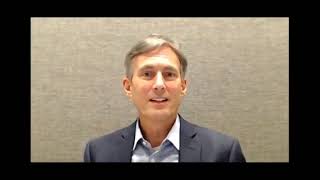
Mark Dinolo and Mike, VP Sales at Andrews Distributing, discuss how Andrews shifted from geographic selling to specialized coverage models across 13 teams. The move drove consecutive market-share gains starting April 2015 and built feedback loops between sales, merchandising, and delivery to align with brewing partners and retailers.
Chapters
Hi everybody. Thanks for joining us today. I'm Mark dinolo, managing partner with Sales Globe. And we're in the middle of our essential account planning. And we're talking about today setting the goal, which is really a big part of account planning. How do you set an objective for a major account? And the thing about setting goals with major accounts is we're not looking at a whole bunch of accounts, but we're usually looking at one or a few accounts and, and we're talking about the areas of retention. So how do we hold on the revenue that we have with those accounts? And we're also talking about penetration. So how do we grow the revenue that we have with those accounts or additional types of services or products or other things that we might do for them? So the opportunities there. And we usually will get down to the level of planning in the account looking at all those specific opportunities. I have a special guest with us, Barnes. Mike is with Andrews Distributing. He's a VP of sales and general manager. Distributing is one of the largest Millers Sam Adams Corona distributors in the United States. A few of my favorites. And they truly run the company like a high tech organization. It's amazing what they do. So I'm really happy to have Mike with us today and I think we're going to learn a lot from the conversation with him. And I've really enjoyed working with Mike over the years just because Mike is really inquisitive, he's innovative, very thoughtful about what he does and how he's built the organization. So Mike, thanks for joining us.
Thank you for having me. I love the book Essentials of Account Planning and actually before this went back and re read it again, Mark, So thank you for having me.
Great. Well, let's get into talking about a little bigger picture as we get started, Mike, just around strategy and my question is how do you think about the account planning within the context of your overall strategy? How do you create that vision for what you do with the organization? Because you can do account plans at kind of a tactical level and have a team working on the specifics them to see the context of what they're doing. And for you to be able to communicate that to them, I would imagine is pretty important.
Yeah, it's a great question. It's hard work and I think that's the first thing that you have to realize is that it's going to be hard work. And I think that's sometimes why the attack on account planning isn't the attack that you would like it to be as aggressively as you want it to be. And for us, really, it was really being empathetic and sympathetic to our sales force as we were really in a geographic model of selling territorial and where all of our salespeople and even our managers trying to manage through that. And you talked about all the different brewing partners that we have. We have 38 brewing partners with 38 different plans, 38 different asks. And it just really hit me in the spirit of really servant leadership overall that in the geographic model, our people had large format stores, they had small format stores, they had independent stores. And we were asking to carry out all these different plans for all these different types of accounts that if it was overwhelming to me just to listen to our presentations, it had to be overwhelming to them. So we really went to a point where strategically we looked at what we just would call our selling coverage model. And it's an investment, but we really diversified our service, our coverage model, whereby we had different selling teams relative to the different types of accounts and types of accounts, a lot of people would call it channel, the specific channels within their selling. They're selling geographic territory. And for us, we decided to take different coverage models and actually make them specialize for large format, small format, our liquor stores, our independent stores. And today, when we started with four different coverage models four years ago, today we have 13 different specialized selling teams. And really for us to account plan, the purpose of that particular change was that our selling teams and managers were managing and selling accounts that were most alike rather than accounts that were most different. So that was the phase one of really the strategy that we put in place to move towards account planning.
So let's talk a second about those different types of accounts because as we've worked together over the years, I found this fascinating. You've got an account pyramid like most companies do, but the way you defined it is pretty advanced. Can you talk for a second about the different types like the Mexican model market and.
Yeah, sure.
And which ones really are the ones that are the focus of the account planning.
So we started out with, I talked about four to start out with. And so testing is really big for us. Before we plunged into and moved aggressively towards 13 different models. But we started out with large format and those would include of course, Walmart and Kroger and Tom Thumb, those big, large, large door, large floor stores for us. And then we went into what we would call our Mexican model market, which is what we call our M3. And then we went into our craft centric model market, which is what we call our force four, which is the four ingredients of beer. And then we actually went into our large convenience store with 7 11, which was our largest convenience store as far as a chain. And as we moved into those stores, we started after three quick months, we were seeing immediate double digit growth both in large base and small base. And for us, it really helped us change our mindset with regard to really, let's keep learning and keep fast forwarding because we know that this works. And the account planning that was taking place in those accounts was so different than what we'd experienced in the past because once again, we were getting feedback. We had a feedback loop of these particular teams that were on these four test market teams. And they were telling us how much different it was from the standpoint of better. And so better was good. And so we kept learning from them and essentially kept changing our coverage model.
So what was that like when you first introduced the idea to your teams? And salespeople typically want to get out in the field. They want to be in motion, in action. They want to be doing something right. They don't want to be sitting back in the conference room planning. You get across that idea to them of the importance of doing the planning and, and not going a lot of actions.
Well, the first thing Mark was, is we were moving to the different coverage models and specialized sales teams was who is the best candidate to fit on what team. And so really we felt like it was essential for us to do the behavioral assessments and capability assessments relative to what we felt like was best for that particular salesperson on where they could thrive and they could help the organization thrive. And so we, we did that due diligence. And as we were placing people in the roles that they could actually thrive in with relative to the specialized sales force, we were fortunate because we feel like we really were about 95% right. And that really helped us really move forward. And then the other thing too is the immediate response from the sales team was really a response to the fact they started making more money right away. And they were watching us increase in sales and a higher level of achievement for each one of those salesperson to the person is like what I've never seen before.
So they could see the immediacy of the results then. So that was probably a big motivator for them.
Yeah, because we were, let's just call it, we called the coverage model change closer to the customer. And that's what our real intent was, closer to the customer. From the standpoint of where we wanted to get to with account planning and Calling on accounts, most likely the accounts that they call on every day. But they were truly seeing us change. They embraced closer to the customer 1.0, then we went to 2.0, 3.0, 4.0. And it wasn't an oh no, it was an oh yes. Because they knew then believed in the fact that this type of change and innovative mindset was truly where the company was going as a, as an organization that would wanted to continually seek to be better.
Before we get to talking about setting goals in terms of annual goals for the growth of the account, let's talk for a second about just aspirations, what you think you could do in an account overall. So you know you've got some great big accounts that probably have tons of potential. How do you go about thinking about what the possibilities could be for one of those your accounts? And how do you help the team think through that to open up their thinking, if you will, about being really inspirational?
Okay, so we're really big believers in the 80. 20. 20, 80, 80, 20, right. And so we really, if you look at our model, our coverage model was really a shift and lift coverage model. So within that shift and lift coverage model also becomes a shift in lift of all resources on how aspirationally we feel we can actually grow our business at a greater level and a greater pace than we were in the past. And what I mean by that is that what we started really looking at is actual customer counts within each account and making sure that the resources that we were putting in place and that that has to do with, you know, for us, with merchandising and point of sale and people and data and information where we're really focusing all of our energy. So we really went into the 20% of the accounts that were doing 80% of our volume and we really started making such a much greater difference. We increased our touch points, we increased our information, we increased the number of people in our national accounts. So aspirationally we felt like with the vision that we had with our model and the vision we have with customer centric account planning, that we could make a great, great difference in our momentum.
And if you talk about this idea of aspiration and idea of vision for the account, how do you get the team to place themselves out where maybe they could get to. A lot of times salespeople think incrementally. We think about what's goal for the next month or the next quarter or for the next year. And you need to kind of change them from that so that they can actually look at it from A much bigger perspective. And we talked about this idea of mission statements or vision statements for what that account could be. But talk a little bit about how do you set that up with the team? How do you get them thinking like that?
Well, the good news is when they were seeing growth, there's a great belief in them thinking about what we can achieve. They really, no doubt there was a real embracing, there was a real embracement of data and information and insights. And back to the question earlier, we were finding the people who could be ambassadors of our message because it can't just be us, but when we could really see people experiencing the growth, that. And they started really embracing the tools we were putting in place for them to actually be able to utilize the information and data. So obviously we were arming them with a different system based on the investments we were making in insights so that the insights could actually live within their selling system. And so what I mean by that is we would truly do the consumer centric work based on data and insights. And, you know, it falls back in line with brand buildings, what we do, which is what our mission statement is. And so as brand building is what we were doing and what we do, being able to arm them with the right data, prescriptive to those particular consumers and the fact that they can access that was really, really inspiring and really, really helpful. And every now and then we might get it wrong, but, you know, we would always hear back from them and they would course correct us.
Right, right. And this whole point about data is really important for Andrews because this really drives your business. I've seen the level of intelligence that you have in terms of being able to see what's going on in accounts and looking at other similar accounts and opportunities for them to be able to grow. And you mentioned before a couple of important parties here that maybe we could talk a little bit about how you engage them, your brewing partners. So companies that are making the beer and the big brands, your retailers, they're selling out to the end user or to the consumer. So how do you engage those two groups in the account planning process? And is there a difference when you put that type of process in place versus when you didn't have it before?
Yes. It's interesting when you have 38 different brewers and you have 10,000 different retailers and then you have our sales force of hundreds, you're dealing with so many different mindsets from the standpoint of information and interpretation and understanding. And baby steps are certainly a necessity. And so what we wanted to make sure we could do is really formulate what's the vision to where people could clearly understand direction, where we want to go with consumer centric data and information that can allow us to put competitive edge. But retailers in some cases weren't used to having those discussions about information and data. And as we've evolved over the last four or five years, we continually seek improvement. The big challenge for us is making sure that we keep it in a context where our team can understand it, but also our brewing partners can understand it because they have their means of how they want to go to market to and how they want to build relationships and how they want to utilize data and information and build their brands. And a lot of our corporate chains have their, you know, their mindsets how they want to do it. Also for us, it's just really important for us to take our wins and really reference those wins and make sure that we can really make our presentations in the context of understanding. So a customer feels like we care about what they care about and we care about what our brewing partners care about.
So it sounds like they, they're very receptive to that type of conversation though in terms of the joint planning, yes.
But it hasn't been easy. It's, you know, to get to the point of collaboration to where that, you know, generally a salesperson can be perceived as self serving rather than, you know, serving the needs of both the customer and the, and the both companies so that they both can win. And what we're really seeing is information and data really helps you get to that point.
And you've got different levels of the team working on the account. You've got people that are senior people that are advisors and consultants. You've got people that are selling the beer into the retailer. You've got people that are doing merchandising, You've got people a lot of different roles, what level of information somebody get at those different levels of their roles, Meaning it would seem that the frontline person, it may be overwhelming for them to see too much information on the strategic plan for the account but they okay, what do I need to get done this week or this month? So how do you parse that out in terms of level of visibility at those different levels to get everybody to coordinate well.
So we agree on the sales goal to start out with, right? So at the level of ownership that everybody should have that ownership. And when I say that I'm talking about all of our support teams as well as our vice presidents and our general sales managers and then down to the account planning is directly through their systems that they sell with is that we can actually go ahead and write those prescriptions within the selling tool so that they can actually see directionally exactly what should happen in that account every single day. So it's day by day, account by account. And really executionally and sales wise, how the two ask align to the point where the incentives are really always aligned to the core of what we want to achieve in the sales goal and not distracting you out of the sales goal.
So you mentioned the goal and so that's kind of a very succinct statement of something that could be really difficult imagine to get to. So with all the information available within the accounts about setting the goal for the account and what level of engagement does the team have, how do you help them to provide ideas or input or insight in terms of what we might be able to do do with the account? How much of it is, you know, data driven versus how much of it is driven around? Hey, we need ideas for what to do in these accounts and how does that result in getting to a goal that everybody can agree on?
Yeah. With a learner mindset, as I'll speak to many times, is we can do what we want to do things. It's with good intent from the standpoint of how we want to directionally position our people to actually win the sales goal and when the execution goal and have everything aligned. But we actually have subcommittees of different teams that actually work in different facets of our business. Whether it's our merchandisers, our salespeople, our district sales manager, even our delivery managers and even our delivery drivers. Is we actually have subcommittees of teams whereby we meet with them on a frequent basis and ask them those questions. First of all, what do you think about the plan? What do you think about our information? Take us for a walk in your shoes. We've had salespeople come in and actually take us through their iPad and exactly how they work through the system and help us understand what we're asking them to do. That's potentially waste and what's what we can do to actually improve how they can actually use our tools and sell it better. And they've given us some of the very best. The changes we've made in our system and the audibles that we've called have all been because of that feedback loop in every one of those roles, whether it's delivery, sales, merchandising, technology, whatever it might be, it's really, really important to listen to them.
So connection to the whole team, getting insight from them. About how things are, understanding what their jobs are like. So let's talk for a couple of minutes about results. Mike. So you had a time where you were not using strategic account planning, then you transitioned into it. There was a lot of learning that happened along the way. Somebody who's watching and wants to know, okay, what kind of return can I expect out of doing something like this? Can you talk a little bit about maybe some examples of the growth? You were able to see accounts without, you know, disclosing anything confidential. Just, you know, because we were able to do this. Here's, here's how it came out for us.
Yeah, we've. The first thing that happens is when you grow, it encourages you to invest. And it's helped us invest. It's encouraged us to invest in other areas that allowed us to even be better at account planning. But the growth that we experienced back to 2000, you know, April of 2000, excuse me, April 2015, is when we actually deployed our first version of our coverage model. And we have had consecutive market share gain every single month since then. And it allowed us to surpass our, you know, surpass our competition in our own market. It allowed us to, you know, I would say, accelerate our investment spending and continually just keep seeking a means of improving on how we can account plan better. You know, you get into insights. There's so much information, there's so much data where we're able to start really getting people in, in our company that could help us vet through the information that was the most relevant. It helped us to take that information and really tailor it towards the needs of our salespeople by having those feedback loops so that we could hopefully make their life as simple as possible. As I alluded to earlier, their lives were very difficult, very, very hard. And so the growth that we've experienced has been really fantastic. But in the meantime too, it's helped us continually make investments in our organization to make account planning even better through the data and the insights. And the customer centric. The customer centric sales plan that we have that's really geared towards the consumer because really it's a bullseye. Through the bullseye, we want to hit our retailer bullseye and make the retailer understand the value of consumer data so that he also understands that it's important to be prescriptive with the things that we're asking to do and deploy at retail so he too can grow also. We can't help our will, we can't help our way. And I think many times in the past we ask our Customers, please hope your way to growth with us some of the things we used to ask them to do.
Yeah, and so when you see those results, okay, we're going to keep pushing harder. We're going to continue to make investments in these areas because we're seeing those results. And you know, you described some of the process, you've described some of the diligence that goes behind it. And you know, in our experience, that's a lot of what it takes in account planning is that discipline and behaviors that you need to follow through on in order to see those results. You obviously really, really seen that happen.
So. Excuse me, Go ahead.
Oh, no, go ahead, Mike.
No, no, I was going to say account planning. It really is, it's a big muscle. It's a really big muscle and it, it takes a lot of work and we really found that. And it, you have, like I said, so many different mindsets, but you have so many different brewing partners and you have so many customers, even customers that account plan differently and in different ways and to try to get to the optimal outcome as far as what's the right way. I think it comes back to the outcome. When you can agree on the outcome that you actually want relative to the consumer and really making a connection that encourages them to want more, then if you can get to that point and agree to that, it's amazing how fast you can really move.
So Mike, if you can talk a little bit about how you taught your sales team to be able to make a connection with customers because you're going getting a lot closer in with the planning, what did you teach them about how to do that effectively?
Yeah, that, you know, as I was talking about feedback loops and learning from our teams, it created a real path to a two way street. From the standpoint of us being able to be better coaches and them really trusting and wanting to learn on things that we could potentially teach them. So one of the things that was really, really important to make the connection to our retail customers is for us to approach a customer as a learner. And so where I go with that, making a call on a national account just last week and the first thing, and talking about the organization, I said two things. I said, number one is that we're here to learn from you. And I said that's exactly the same thing that we teach our team is that when they enter an account and they meet a new retail or a customer relationship is that they certainly front load that we are a learning organization. And I, as a salesperson, I am a learning Salesperson, I need to learn about your business and understand what's important to you so we can collaboratively work towards your goals. And then I'll share my goals with you also, because I bet we're probably right in the sweet spot of where we both want to achieve outcomes together. And it really makes a difference because I think so many customers feel like a salesperson is that knower mindset versus a salesperson who wants to learn from you and build the business together. And it really makes a big difference. Mark.
Yeah, that whole orientation, Mike, of stopping and not telling but actually asking questions.
Exactly.
And getting insight and discovering that can change the orientation that you have with the customer.
Absolutely, absolutely.
And if you are teaching, speaking of learning, you're teaching your team about account planning, how are you getting the message across to them about, here's how we want to do this, here's how we going about account planning?
Yeah, it's very appropriately. Your book came out okay, Essentials of Account Planning. And so I had an off site. I have off sites periodically with the team that I serve directly. And so what I did is I actually had each one of our, in teams of two, take the different chapters and it was really, really a great exercise. And so each one of the team members read the book and then I assigned various chapters to each one of the team members. Then they presented back to our team. And then as we post evaluated all of the presentations, it really helped the connectivity with regard to where we were trying to go as an organization, outcome wise. And it makes such a difference when you can take one source of information. All agree that we're going to stay aligned within the information that we all shared with each other. And at least you find that you share some common ground. Rather than confuse account planning, you actually encourage account planning and the details of the different outcomes we want within the ultimate outcome of really having our salespeople understand it. And simplicity is really, really good. And impactfulness was that much stronger.
That's great. I'm glad to hear that. It's a great story and I appreciate it.
Really, really good. Fantastic. Thank you.
Last question, Mike, if you were going to talk to another executive and you're going to give them one piece of advice on how they should approach account planning, they thought maybe it had some good possibilities for their organization, what would you tell them that they should do?
I would tell them that it's hard work. No question about it is that everybody may not jump on board with you. Okay. But they will if you can truly make account planning. If you can help them understand the importance of account planning. I'd say the other thing too is that account planning affects so many different people in your organization that there's probably a little anxiety that comes with it when you're trying to move forward the way you want to. But in the meantime, it's so well worth it. It's hard work. It's well worth it because it affects so many different people. But to get it right, you don't ever have it perfect. We don't believe that ours is perfect. You have to continually see improvement and make the investments to get better and better and better. We spend so much money on productivity. I know in our business there's so much money spent on productivity and efficiencies and logistics. It's just as important to spend that kind of money on account planning and investments in data. But you have to be able to spend money on the people and make I shouldn't say spend money, make investments on specialized teams of people who can actually help you account plan better if you want to get it really, really right.
Great point. Great point. Mike, thanks for spending time with us. Thanks for sharing the ideas. I know everybody's going to get a lot and I love the success story. I love what you're able to do and the results you're able to see from that. So appreciate you sharing some time with us today.
Thank you, Mark. Appreciate it.
So you have your to do list for our viewers. You can get to align your team. Essential Account planning. It's on Amazon.com you can even host an essential account planning workshop. It's one day to get better account plans and a better program. And then we have 3 and 30 available to you. So you can ask your three toughest sales effectiveness questions in 30 minutes and we'll answer them for you. And then our next webinar coming up, Tune in is called the Habits and we're going to have Dave Wiskowski and Dave is head of sales with Associated Press.
More from SalesGlobe







Sales Compensation for Results - Course 1: A Strategic View on Sales Compensation - Trailer


Freative Friday - Episode 98 - Insight in Your Hunt for The Revenue Roadmap Pt 4


Freative Friday - Episode 97 - Insight in Your Hunt for The Revenue Roadmap Pt 3