Nonprofit makes $90 MILLION per year selling barcodes
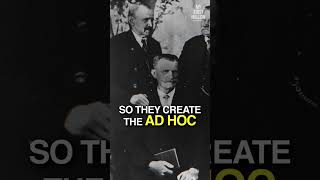
The video explains the evolution of the barcode, beginning with its invention by Norman Woodland and Bernard Silver, who were inspired by Morse code’s thin and thick lines to create a system capable of generating countless unique tags. It notes the parallel development of laser technology, which made rapid scanning possible, and describes how grocery stores, overwhelmed by manual inventory tracking, formed an ad‑hoc committee that created the Uniform Grocery Product Identification Code, standardizing the rectangular barcode we recognize today. This committee eventually became GS1, a nonprofit that now controls barcode issuance. The speaker criticizes GS1’s pricing power, highlighting that the organization charges substantial fees for barcode assignments and generated roughly $81‑$90 million in revenue last year, effectively monetizing a ubiquitous product used billions of times daily.










