This Viral TikTok Ad Sold $500,000 Worth Of "Sex Chocolates”
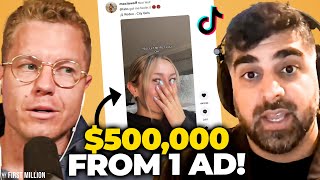
Sam Parr breaks down how a TikTok ad for Tab, a D2C chocolate product, generated $500,000 in sales using creator-driven content and young social-media marketers. The conversation explores viral marketing tactics, captive-audience ad networks, and why being provocative and unapologetic builds loyal audiences that survive cancel culture.
Chapters
I think this guy's like 21. I think they said they sold half a million dollars.
What does he know about this then?
Bro got his first wood and just decided to create a product.
Still, he still has his first one. What is like, well, you're 21. I mean, things work great.
Yeah. Why do you need that? Um, but basically I think he said they sold like half a million dollars worth of chocolate off this off this ad, um, and like within a couple weeks or something like that. So it really like jump—
I've got one interesting topic today. What do you got?
Let's start there.
You want to start with my thing?
Yeah, start, start with yours.
So you're a 33, 34-year-old guy, so you probably haven't been to the doctor in like 15 years, but accurate. Yeah, yeah. Mando, go to the doctor's. My wife's gone and I'm sitting here doing this podcast. I'm wearing flip-flops with one foot has a sock on and underwear that's inside out because I didn't want to do laundry. So like, yeah, I mean, I'm a grown child too, but, uh, so listen, uh, have you been to the doctor like with your wife or kid and noticed that there's like these TV screens in there?
I have, like in the waiting room, you mean?
In the waiting room, but also like in the doctor's office. Like in the actual medical, like in the room, I was like in the waiting room, but I'm Kaiser and those guys are cheap as hell.
So they don't put them in the actual doctor's office.
Yeah. Kaiser is, Kaiser's its own network and hospital. So they, they wouldn't apply to this, but basically if you go to most like an independent or like a normal non-Kaiser doctor, there's TV screens in the waiting room, there's TV screens in the hallway. And then oftentimes now they've got TV screens in the doctor's office. And so have you heard of this company called Outcome Health?
I've heard of this once before, maybe from you. No, I think actually from our buddy Sieva. And I'm just going to tell you 3 words. I remember $100 million, uh, basically waiting room TVs. And, uh, there's an Indian dude who's the founder. Those are the 3 things I kind of know about.
Yeah. Well, you're missing the 4th word, which is fraud.
Uh, okay. Gotcha. This was 4 years ago. So maybe something has come out since then.
So I'm going to tell you about this business. And I actually think that it's kind of like pretty morally corrupt, but it's interesting nonetheless. Um, and the business model is actually good and interesting, but the guy who ran this particular business sucked. So basically it was called Outcome Health. It was started by this guy named Rishi, and he was out of Chicago and he was like this wunderkind prodigy, whatever, raised money at a $5 or $10 billion valuation, promised that he had, or said he had $160 million in revenue. Turns out that was nonsense. It wasn't true. And so he got sued and it didn't turn out well at all. But listen to what their business was. It's actually pretty, again, unethical, I think, but fascinating. So basically, do you, would you watch, you ever watch like cable TV?
Yeah, of course.
So it's like all Toyota commercials and like pharmaceuticals, right?
Back to the earlier point, Dodge Ram. Yeah.
It's like Dodge Ram and like Cialis. And, and that's one of the reasons is like on Google and on Facebook and stuff like that, you can't really advertise pharmaceuticals, or at least the rules are a little bit different. And so Pharmaceutical companies are advertising like crazy on TV. Something like 80 or $8 billion last year spent. It's like the third largest category. And, uh, but they spend like way more. So of the $20 million spent on pharmaceutical ads, like $15 million of that is spent—
billion—
billion is spent in the doctor's office. And so they do that by like giving them free samples, by giving them like those like mugs and pens and just like shit like that, just like swag. And so this guy came up with this idea where basically he puts a TV in the doctor's office and the TV is like touchscreen and it's free for the doctor. And it does some things like they could like put like, uh, like the person's chart on the TV or it's like interactive and like, all right, so your foot's broken. And if we zoom in here, it's this bone. And, and, but when you're not using it for that reason, it's an advertising thing. So it like shows ads, and they're not selling the ad to the consumer because the consumer is not the one whose choice it is of what drugs are going to get prescribed. It's the doctor. And so the pharmaceuticals go to Outcome Health and they say, here's the 50,000 doctors who we're trying to reach. Show me which of those you have your TV in, in, in their office and help us reach them, and we'll pay you a lot of money for that, right? And theoretically, he— this guy was full of it. In like the fourth year of business, he was like, yeah, we're making like $160 million in ads, in pharmaceutical ads. And now Outcome Health was eventually acquired by another company, and they're actually doing it legitly, and they're making over— they're properly making over $100 million, and it's all from pharmaceutical ads on these freaking screens.
What was he lying about? He lied about which doctors he had, or he lied about the revenue? Like they just didn't have $160 million?
J&J, Johnson Johnson, their executives and their, their ad salespeople would go to these doctors and they're like, wait a minute, this fucking company told us that there's TVs here. I don't see a TV anywhere. And like, it happened like dozens of times. Like, dude, you said that there was TVs and our ad was being seen by this many people. It ain't happening. And so they basically just lied. They just said that their TVs were in all of these rooms. They just thought that no one was gonna check. And so their TVs weren't actually there. And so they bill— and but they were billing Johnson Johnson on showing their Cialis ad or whatever to, you know, but it wasn't actually happening.
Wow.
So he lied. But also pretty crazy.
Put the TV there. What a stupid reason to lie. Go get the TV at the doctor's office. It's not that expensive or hard to do to get a TV in a doctor's office.
I just think it's crazy, though, that like This business model is like crazy fascinating though. It is kind of a good business model, but I think it's the whole pharmaceutical industry advertising is kind of like bullshit, you know what I mean?
It's, it's like someone, someone's gonna do this for like, uh, so we saw, we talked to that company that was doing this on top, but putting, you know, screens on top of Uber, uh, Uber cars, which I, uh, I was totally against.
Like I thought that business wasn't gonna work. Was I right or wrong? Did it work?
I think it looked like we were wrong because they raised a bunch of money, but again, who knows? Maybe there's, maybe it's a, you know, we got a Rishi in Chicago situation again here. So I don't know, but, but, but that company did pretty well. Neither of us invested in it. Um, there's other versions of this. So the question is like, what are these captive audiences where you can go stick, you can go create an ad network, right? So it's like. Um, there's like physical places. So like, I don't know, high schools, colleges, like what, what can you just go put this in every dorm, um, like in the country and then be like, hey, you want to reach college kids? There's no more effective place than this. Cause like, you know, every 3 minutes we give out like a free, you know, code for like a Snapple from the vending machine. And then the other, you know, 2 minutes are, are, are just straight ads. And so it's like, you know, can you find captive audiences in other ways and create a network of like, some highly desired, um, like person. Like if the, the key would be, you know, could you somehow, um, could you somehow do this around like, I don't know, stay-at-home moms? Probably not because there's like, they're spread out. Like that, that's the thing with doctor's offices. Like there's, there's, there's a smaller number of them that you need to like get the screens of high value.
There's this company called Cheddar. Do you remember Cheddar?
Cheddar was basically like The Hustle if it focused on all the weird shit instead of just like the substance and then somehow sold for $200 million. That's my take on Cheddar.
So you're forgetting the worst component is that it was entirely built at first on Facebook Live. So right when Facebook came out with Facebook Live, this guy named Jon Steinberg, who's a nice guy and he's a— he's a bulldog. This guy is like Ari Gold. Like, if he sees what he wants and he's like a— he just is like a missile. He just He just captures on it, he just goes straight towards it. So anyway, this guy launched this company called Cheddar and the content was shit, and somehow they got like, well, they're on the knee, the pitch, right?
So here was his pitch and how he raised a bunch of money from investors. He said very similar to what you said, hey, millennials, Gen Z, these guys are not trying to watch, you know, CNBC or MSNBC or I don't know, whatever the finance channel is. I don't even know it.
That's CNBC. The, the pitch was CNBC only has like 20,000 concurrent viewers at any given point, but it makes like $1 billion a year.
Right. And they're all on Medicare. So it's like, okay, so how do you get like Gen Z, millennials? They're not going to watch that. What are they going to watch? And he's like, social media, social media, right? And all the VCs nod their head. He's like, that's— you have a teenager. Do they watch CNBC or do they watch social media? And everyone's like, social media. He's like, and guess what? They now have live video. Facebook has live video, Twitter has live video, YouTube has live video. So we're going to create CNBC on social media. And they basically created a 24/7, like, TV, TV show that was business news that would just be streaming all day onto Facebook Live, onto Twitter Live, onto like YouTube Live, onto all these different platforms. And it was John and his co-host.
That in itself is amazing. Building 24 hours is crazy.
24 hours, it's crazy.
So that is amazing that he could even pull it off. But there was one factor that he kind of screwed up on, which is like no one wanted to watch.
Watched it. Yeah, everyone should have rolled right past it.
Yeah, no one. So he's like, he executed a bad premise wonderfully.
Yeah. 10 out of 10 hustle, 2 out of 10 idea. Because guess what happens on social media? You don't stop and watch live video for 40 minutes. Like, that's just not what happens. On most social media. And so, you know, it just didn't really work. And you're right, and 24/7, it was kind of boring because this is not 24/7 worth of, like, interestingness when it comes to that stuff.
And he raised money. I think he raised $40 million, and somehow a cable company bought it for $200 million. And he told me— I met with him, and he told me one time, he was like, yeah, so I'm gonna start this company, and in 2 years I'm probably gonna sell it for $200 or $300 million. He just told me and he just called it a shot and he's a bulldog and he nailed it. He's an unstoppable force and he pulled it off. But now what they do is if you go to a gas station, you don't even go to gas stations anymore.
No, dude, dude, I pump my own gas. Yes, I do.
Uh, if you'll see Cheddar all on their little screen, that's right. And so they're like owning like this weird market of people who want to play like Jeopardy while they're pumping their gas. Like, you know, it's like Snapple, Snapple Facts while you're, while you're like doing your gas. So they, they're, they They've got the gas market.
Well, who was it that we met? Didn't we meet somebody? I think I— maybe it was just me. I met somebody recently who was like, yeah, you know, at a gas station, those screens, like, I own the ad inventory of like these, like, in these like 3 cities. Uh, like, I'm like the kind of main guy. So like, you know, how do you think I should sell these ads? Uh, he's like, I, I, that's what I own. I own this inventory.
And I was like, was it making money?
It— I'm sure he was doing okay, but he was like, you know, what would you do? And I was like, I was like, well, the people who want this ad is like the local businesses, right? Cause they have like, look, you can actually send them like local foot traffic better than like a Facebook or a Google or these like scaled, easy to use ad platforms can.
Dude, selling local ads is the worst though. There's like these like San Francisco based— I remember I had a couple of San Francisco based Yelp friends and they were like, they were like, like, like, have you seen that scene in the Get Rich or Die Tryin' with 50 Cent? Where he's selling drugs and like one guy goes up to one of the drug dealers and tries to buy like some crack, but with like quarters and nickels and the drug dealer smacks it out of his hand and 50 goes, "Hey man, come here, I'll take it." It was like, "See how hard I hustled? I was willing to take the change." And like the Yelp is like that version of ad salespeople. Like they would like find like a pie shop and sell a $400 ad, you know what I mean? And they're just grinding to get that done.
Yeah, there's just guys in the Yelp sales office. Dude, I would watch a 24/7 feed of Yelp sales office because those guys are the grimiest, grittiest salespeople on earth. They will shake your local pie shop down, be like, hope you don't want this review that I just posted on your page. They'll go fucking write a horrible review on your page and then call you, tell you to go look at it, and then sell you a premium plan that will get that ad removed. It's like the craziest thing in the world.
Yeah, dude, it's a racket. And like That's what grandma on the phone.
Put her on the phone. Grandma, stop making pies. We got a problem on Yale. You gotta pay.
They're basically like the mob. Like, do you want protection? And then like, they do something bad if they didn't use it.
From us.
Jesus Christ. They are like a mob.
Yeah, totally, totally.
It is crazy. So those local ads suck, man. I, I, I've, uh, when I've got friends who want to start like local ads or local newsletters and I'm like, yeah, you're going to get tons of eyeballs. The problem is monetizing that sucks, man. You got to deal with like, you know, like Bob's Steaks and Chops down the street and like, he's like, well, I'll give you like 30 pounds of filet mignon. It's just hard.
I got this great deal for Milk Road. I was like, okay, what's our fill rate? I think our ad fill rate was like 75% or something last month.
And I was like, it was 75%. Yeah.
And I was like, Ben, what?
That's pretty good.
I was like, what do we do with this other 25%? And he's like, um, he's like, dude, uh, you know, he's like, we actually got hit up by a couple of brands that you have said you liked on the podcast. And he's like, they were just like, yo, we'll take any ad that you don't have that day, but we'll take it at 40% of the list price. Um, and I'm going to give it to you in store credit. So it's like the worst deal. It's like, you know, I'm getting shook down by Yelp here. But I was also like, I kind of love that product. So yeah, like, let's do it. And so I have like, you know, like right in front of my front door right now, I have like, like, you know, pallets of FitAid because I just like ran a FitAid ad for them. And it's like, oh, here's, you know, $2,000 of FitAid, you know, in exchange for that ad. Thank you so much. And so I'm like, all right, great. My gym has like, you know, energy drinks for the year. And that's Done.
That's actually pretty smart. And it's really smart on their part. It's smart on their part.
And Ben was like, yo, tell me like the 5 or 6 products you're like, you love the most. He's like, I'm doing mine too. And like, we'll just, we'll give sweetheart deals to all these companies. Like if we, if we actually want their free product, like we really want their free product, this is a great way to do it. And he's like, it's a great deal for them too. They just get this like ad hoc remnant inventory.
I told you this off air, but when The Hustle started, in order to get advertisers, Did you notice that when you started Milk Road, when you started having ads, you would get more people emailing you asking to advertise?
Exactly. Yes.
And so I noticed that early on. I was like, if I didn't notice it, I guess I was like, if we put ads in there, we're going to get more ads. And so I was like, well, like, what's like the most famous brands of people who don't— who, who everyone knows of, but hopefully their employees don't read The Hustle. And so in the early stages, like, you know, like it'd be like The Hustle brought to you by Ford. And I had never talked to anyone in my life. I just put their logo in there and said I was sponsored by them. And I remember like, hopefully Ford, you guys, I'm sorry, but basically—
hopefully they still don't listen.
Yeah, hopefully. I love Ford. I had an F-150. I love Ford. But basically that's illegal. I mean, that's illegal. You can't do that. And I didn't know that it was illegal. I was like, oh, just put like, you know, Microsoft in here, like put Ford, whatever, who cares?
It seems right. It's like, hey, a free ad for them, right? I'm giving them something. Yeah.
And I would put that in there and then immediately, like, there, you know, someone would email me. And then eventually I noticed that if I put a brand's ad in there, their competitors would call me to advertise. Right. And this one, I won't even— I'm not going to say, but I would put in certain tech brands. I'm like, right, do this particular— this company X has a really big ad budget, but they're not emailing me. Let's go and advertise Y, which is their direct competitor. And put them in there. And then immediately after, and then sometimes what I would do is I would only put that particular ad in the email that was going to that company. Because with email newsletters, you'd be like, oh wow, there's 8 people that have an @uber.com email. Let's send an email with a message just to them.
Yeah. Here's a Lyft takeover email for them.
So I'm like a mini Rishi, a little, a little mini Outcome Health here. But, uh, yeah.
That's, that's kind of counterintuitive, like that, oh, if I put ads, that's actually the easiest way to sell more ads. And then being sort of, you know, you know, fake it till you make it. Yeah. I think that's like the startup way. Um, there is a line. I don't think, I personally don't think you crossed it. I don't think either with the podcast, by the way, it was the same thing. Somebody was like, you know, uh, it's like I had this conversation on the way. Somebody was like, oh dude, love the podcast. And they're like, 'Uh, how much you making on that?' I was like, 'Uh, not really making, you know, much here. You know, it's a— I do this for fun.' But then it kind of like ate at me, and during my Uber ride to the thing, I was like, 'Okay, I'm gonna get, uh, you know, I'm gonna get an ad.' It was like the first or second podcast, maybe third podcast. I was like, 'I'm gonna get like a sponsor.' I was like, 'Okay, do I really want to go do outreach to sponsors? No way.' So I was like, um, I just in the middle of the podcast episode, I go, 'And by the way, today's, today's episode is brought to you by No one, no one sponsored today's episode. I like made it a joke and I was like, but think about it. You could have me right here explaining your product. I could be like, wow, it does this and it does that. And I just like did this like fake ad read, like for nothing. And I just like, whatever. I just like did that. Dude, the next day I got so many, like, as soon as that episode released, we got like our first 3 sponsors just from that, like brought to you by nobody, uh, ad. And so I was like, oh, that was like, The hack for ad sales was, uh, you know, just because embarrass myself a little bit on the pod.
Well, the re— and the reason it works, and this is something that I had, I learned along the way, was marketers, a good marketer is a shark. And what they do is they spend most of their time seeking out underpriced new platforms and new places to advertise. The way that marketing typically works is you find one thing that works, you spend all the money and you crush and destroy it and you strangle it. And then you go, all right, that's exhausted. Move on. Next. And so you are constantly seeking out the middle step.
Then you go tell everybody about how this ad channel is crushing for you. You, uh, you get well known, you sell a course on that. Meanwhile, you've moved on to the next channel that is not saturated and you go do that. And then you're silent until that one stops being like fruitful.
And then you do the same thing.
You sell the course, you talk about it, and then you move on again.
And you do the same thing. And so whenever you see like a new podcast that you think has potential, or you see a newsletter or like, um, uh, TikTok ads were a good example. Like, dude, you're, they're probably gonna crush once they open it up. Um, which they are. And that's how marketers work. And the smart marketers early on would approach me and they go, hey, can we just buy it out for the year? And at the time I was like, yeah, definitely. I'm poor. I need everything. And then I realized, oh no, that's stupid. Because we're going to grow a lot and I know what they're doing and they're smart.
Right. Have you seen, um, did I send you this TikTok ad for, uh, Tabs Chocolate? I don't know.
You've been sending me all these messages. I didn't realize it until 2 nights ago that I even had an inbox on TikTok. All right.
I'm going to show you what I think is the best ad, um, I've seen in like, I mean, I don't want to say my whole life, but I can't really think of a better ad. So I'm just going to give this guy mad props about this ad.
This company Riverside just raised like $40— so right now Sean and I are using this podcast thing called Riverside. They just raised like $40 million, so it better work.
Tell me this is not the best ad you've ever seen, and I'll break down why. So first, explain what it is for somebody who's not watching the YouTube channel. They're not—
so there's this attractive 19-year-old, right, or 21-year-old woman, and she says, y'all, let me, let me put you on, and, uh, this is a special chocolate that will change your love life. Seriously, it shows her and her boyfriend each taking a tab of the chocolate, and then it shows her again, uh, with her hair having sex hair. Like, it's implying that she just had sex.
And, uh, and then it just says, "It works" at the end of it. And, uh, okay, so this ad has 650,000 likes, went viral. Um, it got featured in Vice and a bunch of other places because the brilliance of this. So why is this ad brilliant? So first, the hook. The first hook is her. She's covered. She's got her hand covering her face partially, which is like with like the kind of like, oh my God. And then it says, y'all, but it's real.
This is a real like, this is like a real thing.
This was a, this was, I think he created this ad.
This wasn't like, what I mean is it doesn't look like a highly produced thing. It literally just looks like a woman holding a selfie.
Yeah, she's holding her phone. Okay, this, this, and then there's a good, there's like a whatever, a viral song right after that. And it looks like she's saying, oh my God, let me tell you something. And then The— it zooms in on her eyes and she's just like moving her eyes in that way of like that, like sort of a mischievous thing. And then the next scene is it shows the packaging, but there's also like a little, like, there's like another thing on the table. So you kind of don't— it doesn't— again, it doesn't scream ad at you, right? Like it's not like this beautifully— like a normal marketer would say, well, get this, like, you know, candle that you have out of here. That's confusing. And she's like, no, like, make it look like a desk. And then like put the, put the packaging of the product and it says this quote unquote special chocolate will change your love life, dot, dot, dot. Seriously. Okay. So now I'm like intrigued. It zooms in on it and then it goes, it shows the guy and the girl each breaking off a piece, like half and half of this thing. So, hey, that looks kind of fun to do. And then it doesn't tell you anything about it except for it goes to her with the disheveled hair, the JBF hair, as they used to say in college. If you know what that stands for. And then, uh, it just says, it works with the shocked face. And then it's again, her looking around like, oh my God, dude, what is—
okay, so I actually don't know. What does JBF mean? I didn't go to like a cool—
just been, just been F. Ah, um, so, so, so, so basically you— why is this amazing? This is amazing because to me, the best ads have 3 components. They have The hook, which is like just a thing to like draw you in to even get you to pay attention, which is in her case, the her with the hand over face. The second thing it has is the promise. So it has the, the promise that gets me curious. And in this case is this quote unquote special chocolate will change your love life, dot, dot, dot, seriously. And then it has the, it skips to the end, right? I have moved straight to the end. It has the implication of it working, so it doesn't tell you how it works, why it works, the, you know, what it does exactly. It's just the, the end state takes you straight to the happy ending of this is life if you use our product. And, um, most people don't like, most people don't know how to do a hook. They get usually they get how to do a promise. And then very rarely do people know how to use the implication, which is this is, this is, if this works, here's what happens to your life. You kind of just show the ending. And people just want to get into that. And so they kind of put, put two and two together about, you know, how, how this might work. And they want to click to learn more. So that's why to me, this is an amazing ad.
And this is called Tab Chocolate. If you look at the rest of their TikToks, they're all doing the same thing. It's all like, um, you and your husband when you first get married and it's like them like wanting to have sex. And then it's like 10 years after marriage and it's like the wife trying to be sexy and the husband ignores her. And then they show, now here's you with Tab and it shows them wanting to have sex. So like an easy thing to advertise for. Well, kind of easy, but, uh, what's this company about? Are they killing it?
Yeah. So they basically are a D2C company. I want to give the founder a shout out. Uh, I think his name is Oliver. I want to say Oliver. Let me see.
Uh, and what's in this chocolate? What, what makes you horny? I don't even know, dude.
I don't know. Probably nothing. It doesn't matter. Uh, yeah, this guy Oliver, I see this guy Oliver on, uh, on Twitter. He's young. I think this guy's like 21. I think they said they sold half a million dollars. What does he know about this then? Bro got his first wood and just decided to create a product.
Still, he still has his first one. What if like, well, you're 21. I mean, things work great. Yeah.
Why do you need that? But basically I think he said they sold like half a million dollars worth of chocolate off this off this ad. Um, and like within a couple of weeks or something like that. So it really like jumps, jumps.
Is it a bootstrap company? I mean, just tab.com would cost half a million dollars. He has tab.com, right?
So one of the guys, Jake, his thing says freshman at University of Michigan, which is just kind of insane.
And is that true?
Uh, let me find this other guy, Oliver.
There's no way this— do you think it's founded by it?
So this guy, I'm going to send you this guy's, uh, Twitter, which is just hilarious.
Wasn't that long ago that this whole operation was just the captain, me, and a couple of parrots. But HubSpot helped us grow our business across all 7 seas. Hey, celebratory cannons!
HubSpot. Grow better. First of all, so this guy's handle is Oliver, Oliver_B1 or something like that, maybe 2 underscores, but his name is Oliver B. That is a slash, I sell sex chocolate. That's his name on Twitter. Then, you know, he's got his phone photo, which is like here with his bros. Um, and yeah, he's, he's been tweeting out like, you know, how, um, you know, how it's been doing. So, you know, they did $73,000 this week. Um, he's like, I have this army of user-generated content creators. So like, he's like, I basically have, um, you know, uh, I think he's got like an army of like 20 creators and he'll pay them between $500 and $3,000. And then they make 30 videos. Um, they make 30 videos a month or something.
He's being a little, uh, loose with that word army. Maybe a gaggle. He's got a gaggle of—
got a supper party.
Yeah, he's got like a— he's got like a, like a full— he's got like a full NHL team.
He's got half the classroom behind him.
He'll have a good touch football, uh, football game worth of creators. I want to know about army. It would— 20.
Uh, but honestly, this guy knows more about marketing than like half of the, uh, you know, marketing gurus that you see on social media. Just go look at this guy's content. No, they're, they're like, um, I think they're bootstrapped. I don't know. I don't know much about them. I'm kind of making up half of this stuff as I'm going along here, but I know enough that this is, that's an amazing ad. These guys are young. These guys understand marketing at a pretty deep level, especially on new channels like TikTok. And, um, and that they've done, you know, like a pretty decent amount of sales. But I was looking at like his, like, uh, he had said something, he was like bragging about his ROAS or something like that. And, uh, it actually wasn't super, that part wasn't super impressive. So I didn't understand why he was bragging about that.
Do you, so this is kind of an interesting topic of like basically trying to reach like a young audience or you're trying to look cool. Then you go and you hire like a young, cool person and you're like, Make us look cool. Yeah.
The best example was when we, when I hired Steve Bartlett and, uh, he's gone on to do some amazing things. We've talked about him before. Uh, if you don't know, he basically ended up creating a marketing, uh, like a, uh, whatever, a marketing company, marketing agency that, um, did like over $100 million in revenue. It ended up merging with a company, went public. He's like a dragon on Dragon's Den. He's got a real popular podcast and Bunch of stuff. He's like, to me, he's the young black Gary Vee. That's like the best description I can have of him.
It's, it's, and you think he's, uh, he's totally the real deal.
Yeah, he's the real deal. Um, he's the real deal in the sense that like, uh, you know, I don't know, in the same way that we were like, dude, Gary Vee's awesome. Um, you know, does he kind of put on for the camera? Of course, that's the game. Does, you know, is VaynerMedia the best business I've ever seen? No, it's not the best, but it's a great, you know, it's still a business that works and it's like, at scale. Um, so, uh, you know, real deal can mean a bunch of things, but I think Steve's the real deal in all of those terms, meaning I've seen his talent firsthand. He's really super talented. Uh, so I recruited him from the UK. He flew over, he lived with us and worked with us in San Francisco. And then, then after that, he basically went and spun out his like marketing agency and like, that's how he kind of got his start. And, uh, and my whole thinking was like, this guy gets social, this guy gets social media. He's a hustler. And like, if we're going to build these social apps, we need somebody who like, A, they're, they're not like an engineer neckbeard. Like, who's like, oh yeah, people want to share photo galleries because why would I not want to share 128 photos instead of one? It's more. It's like, no dude, people don't want to share 128. They want one disappearing photo actually, because I'm trying to send like, you know, something inappropriate to my friend. I don't want this permanent record. Right. So like there's a big difference of like, what, how an engineer will build a social product versus how somebody who's, you know, social will build a social product. And, and so I wanted to have basically like somebody who was young, who was a user of every social platform to be like, hey dude, just shit test some of these ideas and be like, is this good or is this not good? And then secondly, uh, when we have something good, be able to like blast it, promote it on social in a way that's not like, uh, cringe. And he did that. Like, and so when we were, we were like, all right, Let me give you an example. At the time, he had this like network of pages. He was like, look, I have all these, uh, I either own or know the owners of these Twitter accounts that, uh, have, you know, together like whatever, 50 million followers. So when we're ready to launch, we'll post it there. And I was like, great. And so again, the engineers were like, all right, we're ready. Um, and so I was, you know, my brain went to like, cool, on all these accounts, post like, hey, love this new app. It lets you do X, Y, Z. You know, love this new app, Bebo. It lets you do blank, blank, and blank. And then the engineer's like, oh, and make sure we can track the attribution. So we're gonna use this, like this URL with this UTM parameter. And they give me this URL that's like 9,000 characters long. It looks ugly as hell, but it's like super trackable. They're like, look at this in the dashboard. We know exactly who clicked and which tweet and all this stuff. And then Steve was like, um, like, all right, thanks for the suggestions, but, um, not using that link. In fact, not using any link cuz Uh, nobody's posting a link and nobody posts links on Twitter. And we're like, what? Like, then how will they go download the app? He's like, they'll go download it if they hear about it a bunch and they feel like they're missing out. And I was like, yeah, but that's like more work. He's like, yeah, but again, they're going to feel like they're missing out, not that they're being sold to. And then he's like, and we're also not going to tweet, hey, check out the new Bebo app. It has these features. He's like, we're going to tweet out memes like, um, You know, uh, my teacher when she sees me, you know, like my teacher when she hears about Bebo like for the 50th time today and it's her throw— it's a GIF of a teacher throwing a phone out this class window and like shattering the window. Or like, you know, um, my feel— MFW, my, you know, my face when, or my feeling when, um, I see Bebo trending on Twitter, you know, after 10 years and it's like Um, and I was like, but that sounds bad for us, right? They're annoyed at us. He's like, yeah, get it? It's like they're annoyed because they've been hearing about it so much. And so somebody who's not hearing about it is going to be like, oh shit, I'm out of the loop. What is this? And they're going to go Google it and find it. And I was like, nah, this is stupid. Guess what? He, we did it his way. We launched, we hit number 1 on the App Store charts. Hit, uh, I don't know how many down. I think we hit 250,000 downloads in like the first month or something like that. Something crazy. And, um, yeah, it was like insane and we spent $0. So it was awesome.
But how did you get the, that, the, the, like the influencers?
So Steve owned a bunch of them. So me hiring Steve was like me getting to use Steve's like assets. And then he, because he had clout in like the social, like meme world of like the people who own these pages. he like pulled a favor and was like, yo, post this on this day. We're going to get this to trend. I need this. He was like a 21-year-old trying to prove himself. So he's like, yo, I need you to do me a favor here. Put this thing up here. So maybe we paid like, I don't know, a few thousand dollars total, but like, you know, nothing to get like hundreds of thousands of downloads and number one rank in the overall App Store charts. Um, and we did that.
Was he a pain in the ass to employ though?
No, no, he wasn't a pain in the ass, but I'll tell you first why I knew we needed to hire Steve. So when we wanted to, we were building this app and we were like, all right, this social app definitely leans towards a younger audience. We're like, all right, we gotta be like in, like in touch with, you know, high schoolers basically. So I told Jason and Tyler, I was like, guys, we need to be like, we need to be able to pitch our app to high schoolers and see what they think about it. And I was like, all right, well how the hell are we gonna do that? So first they were like coming up with all these schemes and I was like, guys, like, um, I came and visited 'em like an hour later and I was like, all right, what's the, what's the plan? How many high schoolers you got? They're like, none. We're, we're like coming up with a PowerPoint deck on like how we're gonna do this or something like that. They're like coming up with a plan. And I was like, all right, like let me put it differently to you guys. Here's a better question. In the next hour, how can I show our app to like 2 high schoolers? Go, let's go make that happen. And they're like, uh, okay. All right. And then they, they got it. They got what I was looking for. So they first were like, all right, my nephew's on the line. So we got the 2 and I was like, great. How do we get 20 high schoolers now in the next hour? And they're like, uh, okay, there's a bunch of high schoolers over here at the mall near our, our office. Like, So they went over there with a sign that said, you know, uh, test our app, get a free burrito. And they got like immediately like 20 people and they're like, okay, that was cool. But there was only 20 people there. It's like, how are we going to do this regularly? And so we found a high school nearby. And so we went over there first. They started the same thing. They had a sign outside, free burrito if you try our app. And people were signing up like crazy. We didn't have burritos, by the way. It was just like a promise. We're like, I don't know, we'll figure out how to get you a burrito later. And, um, and then there, so we've got a bunch of people to like try it out. And then, uh, a teacher came out and was like, hey guys, what's going on here? They're like, oh, sorry, sorry, sorry. We're not creeps. We're just like, we're trying to get beta testers for our app. Do you know what that word means? Uh, and they were like, oh cool, you're a startup. And they were like, come on in. And they invited us to come speak. They were like, hey, you know, like you could just like take over my class for the day. I'll just sit down and play Sudoku and you just teach my kids about startups.
It sounds like the most naive, trusting teacher, like to a fault.
It was. It definitely was.
Oh, you're— you're— are you a little kid lover? Great. Come on in. You must love kids so much you build apps for them. You're a little kid lover.
It was definitely worrisome, like why it was so easy, but literally that's what happened. So for 7 hours straight that day, like a class would come in, 50 kids, we would teach them about startups for 15 minutes and then we would pitch them our app for 15 minutes and then we'd be like, next. And we— and we— but just by doing that, you know, to take, you know, basically 30 kids per class times 7, we're getting 210 kids a day in the same school to download our app so that like all their friends were on the app. So it was a great, it was like this great way to like take over a high school in a day and see if it goes viral once we get that seed community. But in one of 'em we, uh, so the first day we go and it's me and Jason, I'm like, dude, it's cool. I'm cool. I, then I was like, I start talking. I'm, I'm like, yeah, that's tight. And they start giggling and I'm like, oh shit, tight was a cool word when I was in high school. That's, I was like, it's lit, it's super lit. And they're like, you know, I was like, I was already outed as like not cool by the same night. And I was like, and so I got like humbled big time. I'm like realizing, and by the way, if you go talk to kids, like high school class, like they just don't give a shit. They don't pay attention. They'll just be like straight talking to somebody else while you're talking and you can't control them at all. And so I was like, oh man, this teaching is so hard. And then I'm like, and so I'm like, okay, whatever, let's skip to the end. Let's skip to the part where we test our app. So I was like, all right, you guys want to see our app? And they were like, nobody says anything. I'm like, okay. Um, you know, the first person who downloads our app, like, you know, you get candy from this bowl. And they're like, all right, what's that? And I was like, and I was like, they're like, what's the name of it? I was like, oh, it's not in the App Store yet. It's on TestFlight. And I could just feel the blood draining from my body as I said that. I was like, what the fuck were we thinking? And then I was like, you weren't just, I was like, uh, I'm going to put the link up here on the projector. Just like type that in and it'll take you to the thing. And this kid in the back, no joke, he goes, "Lynx are gay." Dude, I was so embarrassed. I just got wrecked and I started laughing so hard. I couldn't stop laughing. And I was like, literally at the office from there on out, we were like, "Hey, HR, we don't mean this in a bad way, but it's the funniest thing that just happened. The whole company is in on this joke. And so anytime somebody was like, yo, send me the link, like in Slack, and somebody else would be like, links are gay, because it was the most— like, you thought you got negged? I got straight bitch slapped by this, like, 13-year-old. And it was unbelievable. It was unbelievable. By the way, the other thing, every high school kid has just a cracked screen. None of them have a phone that is like the screen intact. They all got cracked screens.
You know what? You know what I think about everyone? So do you remember this company called Chubbies?
Yeah.
So basically they made shorts for— they made like short shorts and they were great guys, but like their customers and were just like bros, like hard, like Chad bro chill, like the hardest, the hardest like bros you could think of. And which is like, that's fine. But I don't want to be like 40 years old and having to like make ads like about summer and spring break. Like, you know, like, you know what I mean? Like, I don't, I don't, I don't relate to that at all. At least I don't if I'm like 40 and it's kind of like the Barstool guys. It's like, man, you're losing your hair. You still, you want to be doing like these beer bongs? Like, and I think about like to build a social app or even like other products like Chubbies in that space. And to be a grown adult doing it, it's kind of, uh, if that doesn't work, it's super embarrassing.
I thought you were going with some highly intellectual conclusion here. It was just like, yeah, you basically were like, you know, like, like, yeah, you're kind of a loser.
It's just embarrassing, man. Like, it's like, it's cool because TikTok worked. But imagine a bunch of like, like a 45— I think the guy who started TikTok or whatever, what's it called? Bit— uh, the owner of TikTok, I forget what it's called. Bitnami or what's this shit? ByteDance. Like this like 43-year-old Chinese guy trying to make products for like—
but it worked, dude.
American girls, like young 14-year-old American girls. It's like, yeah, it's cool because it worked, but man, this was like— this could have gone either way. Like this could have gone either way and And like, that's kind of, that's kind of scary to me.
Not scary, but that's like another one we built. So after that app, so we go through that process that I get humiliated. I'm like, oh my God. I go back to the team. I'm like, we are so far disconnected from like our customer. Like we thought we could go in there, teach them about startups as if they give a shit and then tell them to download our TestFlight app from a link. And like, you know, we all heard how that went down. Okay. So, so, so, so, you know, I got basically like, I was like a character in South Park that day. So I got owned and then I was like, all right, well let's— so we pivot and we try this other app that was like, the idea was like, uh, it ended up being what Houseparty was. So us and Houseparty at the same time, it was like an app where it's like, ah, I don't wanna call somebody, but like, I'm, you know, like I'm down to hang out if somebody else just happened to be like free at the same time. And so it was this app where you could just kind of say like, you know, if you could just say if you're available and if other people are too, you can just get into kind of a more of a spontaneous conversation. Versus a phone call where it's like, dude, what do you need from me? Um, but I was like, well, so they made the app, they made the prototype real quick. Engineers are great again. And then the front screen, they're like, hey, we need some text for this. Like, because right now it just says like, you know, push to begin, or like, you know, you know, like initiate. And I was like, oh no, that's like, we don't want to write like initiate. That's not going to work. Again, teenagers, they don't like links. Uh, what do they like to do? Netflix and chill. And so I was like, oh, just make it like a swipe, like Tinder. I was like, so So it just said swipe to chill and like literally like the first version said swipe to chill. And the, the, we had one guy, Johnny Dallas, working for us and he was a teenager, so he was like a 16-year-old programmer and he saw swipe to chill and you could just see him being like, do I have to share this with my friends? Like, did you guys with other people before I sent this to my friends? Because it says swipe to chill on the front and like, that's not a thing people say or do. So it was all bad, dude.
That sucks.
Okay, so then let me tell you Steve Bartlett's story. All right. So, so I'm like, we need, we need some young blood in this, in this office. Steve Bartlett cold emails me, great cold email. I'm like, this guy's awesome. Fly him and his buddy out. And we're like, you guys work for us now. You're our kind of like our youth department.
And, uh, how did they stay in America?
Uh, there was no like visa. Now there was just not a tourist thing that came. They could stay for 3 months at a time and then they would go back and they would come again.
And did they live at the office?
They would live— they got— we got them a hotel, but it was like they're staying for a while. So we were like, all right, just stay at the office because there's an apartment built in. And like, you know, just, I don't know, make it work, dude.
But did you ever think like, what did Steve tell his parents? Like, can you imagine 20-year-old or 19-year-old you like, uh, explaining what's gonna happen?
Yeah, I would have been like, this is awesome. And I knew Steve was wired like that, so he was also like, this is awesome. He didn't— he didn't bother telling his parents. He was like living his life. So he thought this was great. So Steve's there, and our— if you remember, our office in San Francisco is kind of a baller pad. So Steve basically went from like living in like a dump, like a tiny, you know, like he was a college dropout in the UK making no money, to he comes to the US and now he's living in this like baller pad that has like a bar built into it, a private chef, all these like perks. It just looks like it's designed like, you know, straight out of some like British magazine. And, um, And Steve would take advantage of that. So he was living there. And, um, so he would like, you know, people would leave the office 6, 7 PM. And then what he would do is he would like go and, um, you know, he didn't invite friends over. He was on Tinder. Tinder was active. And so we would come into the office in the morning and like, I remember one day I came in and like some girl was like leaving, doing the walk of shame, holding her heels in her hand of like walking out. And like, you know, we, we had women working in the office who were like, Who is this girl? Like, what? And why is she like hungover leaving the, like, the bedroom in the office? Like, what's going on here? And then Steve would come down and he'd be like— and he was like, you know, proud of himself in a way. He's like, you know, dude, I'm winning at life. And so, so that was a little bit of a problem. And then I remember they were like, what did you, uh, say to him?
Like, hey, you know, you can't even— yes, you are living here, but you can't live here.
Yeah, I think I told him once, but I remember just like even in the conversation, it was like, oh man, he feels like he's in the principal's office. And I feel like the principal— and like, I could tell this is lame because he wasn't doing anything out of any malice, right? Like, it would just be like, they would just, you know, they'd be hanging out drinking, you know, at the bar we have in our office, but they would kind of like leave the bars kind of sticky and with beers everywhere. They didn't know to like, you know, just like some professionalism stuff, like, ah, it's a Tuesday night, I should just like— let me just at least make this look like we weren't here drinking and hanging out all night and playing the music and the neighbors get a noise complaint, stuff like, stuff like that, right? Nothing, nothing harmful, nothing like bad, just like slightly annoying to people who felt like they were parenting them in the morning when they came in. And like, I remember one time the funniest one and the one where I was like, this is just not working out. They had like, or they like, or I was talking to our office manager and I was like, I promise I talked to Steve. They're not going to like play the music too loud and like they'll clean up the beers or whatever. And like that happened one day and then the next day, no beers, no loud music. It was all good. And then she opened up like the supply closet to like get like some new pencils and like sticky notes for the meeting we had, like the board meeting we had. And like just a giant pizza box fell out. Why would you put a pizza in this closet? Like just throw the pizza in the trash. And she was like, these kids, like I can't do this, Sean. I can't do this.
Did you fire him?
No, no, no, I didn't fire him, but I was like, I kind of knew in my head, I was like, you know what, birds gotta fly. I was like, these guys, they're talented, they need to do their own thing. Them conforming into like our office, like setup and like, it's just not like a fit, you know, like they don't need to run these meetings, like these daily standup meetings with the engineers. It's like, that's not their skillset. That's not what they need to do. Like they're good at like taking something that's dope. And making it like pop in the market. Like, and they just need to do that. And then basically that's what their marketing agency did. They would just find cool brands to work with and they would figure out how to tell that story and make it big and trend in social media. And it turns out they were great at that. And they made, went and made like, you know, hundreds of millions of dollars doing that. And so that was like a successful outcome. But I, I kind of knew in my head, I was like, all right, there's these advantages when you bring in these sort of like these non-domesticated cats. and they're gonna like, they're gonna be real with you about what, about the market. They're gonna like have fresh ideas. They're gonna be good at like playing the social media game, but like, you know, they're not gonna be the best at like, you know, running this like, you know, agile software, like, you know, uh, meeting. This is not what they, you know, they don't need to be product managers. They need to be like out in the, out in the, out and about.
I remember I read a profile about him when he was still pretty young and it was working. and it was like BuzzFeed or something. I think it was BuzzFeed and he must've been only 23 or 24. And they were like, basically the office has like a slide in there. And like, it was like everything yellow, like a McDonald's playpen, a play place. And he was like, they've got like 40 employees here. And I asked him how much each person's getting paid. And it was like $25,000 a year. It was like nothing. And, but they like love it because it's the first time a 21-year-old is able to like be the head of HR. And like just figure out stuff as she went. And I was like, oh my God.
I don't know about those numbers, but I do remember at one point it was like they had 23 employees and I think 22 of them were under the age of 22. Like it was like all 21-year-olds and they were like, and that was the, the Vice article or the whatever Vox article or whatever it was. It was just like, meet the 21-year-olds who are running the internet right now. And it was true. Like they were really, they owned all of the popular Instagram and Twitter accounts. In, in Europe. And so they just had like crazy ability to influence the market and they had the right people to do it, right? Like that's who knew how to build those pages.
And now was the business, the business was brands would pay to advertise on those Twitter and Instagram handles?
Uh, initially that's how we used it, but the, and that was a part of it. We were like, we created this like idea of like this, this Thunderclap, which was like getting all those pages on the same day to be talking about your brand.
You came up with that name?
I remember saying it, I, but I think other people use that term, so I don't think that's a good— in my head I invented it, but I'm sure I learned it. I heard it somewhere, I'm sure. Um, but the thing what they were doing was then they were, they would just like a brand would be like, hey, how do we, what's our social strategy? So then it, they quickly got away from just like, hey, pay to post on our pages. 'Cause that's kind of like transactional to, to like, hey Netflix, do you wanna know how to do your social? Like, why don't we just be your agency of record for social media? For your social media marketing. And like, that became with a fat retainer and like ongoing campaigns. And then like, and then they would like do like proper videos and like kind of viral video stunts, things like that. Whole strategies for these brands. So that's what it became. And then they launched their own brands too.
We've been getting, uh, the past few episodes we've been getting more into just trying to just tell funny stories. I'm very eager to see if this is the route that we should go. It's way more fun, that's for sure.
Yeah, it's fun. But after every episode, I have to like do like a cancellation check-in and be like, was I sexist, racist, homophobic? Is there anything that I said that could have been construed as hateful in any way to any group of people that is going to be like offensive? Like I tweeted out this thing the other day that's like— and by the way, they're never hateful. They're always like a compliment. but like I tweeted out this thing which was like, you know, my investment criteria, you know, big market, good traction, founder is Mormon, Russian, Jewish, or whatever. I like said something, but it was like positive. It was like, because I think those founders like on balance are awesome. Like I've had—
and it was a joke.
And it was a joke, right? And people were like, what does race have anything to do with who you'll fund? This is what's wrong with— and I was like, well, first of all, it's a joke to be clear. Like, did you think this was serious? And secondly, like, It wasn't a joke saying I don't fund these, fund, you know, these random niche minority groups. It's like, no, I think Mormons are awesome at sales. And like, you know, just as a, as a general like positive prejudice, you know, I am, I'm inclined to believe that these people are really smart or really talented or really gritty or really whatever. Um, and you know, but of course like there's no winning, right? Like the audience that like gets that and thinks it's awesome is like so small compared to the like The other audience that's like, I will make it my life's mission to like get you canceled now for this, for this, uh, this joke you said.
The, um, the Nelk Boys, which is like those YouTube guys now, they got this— they've got a new podcast. It's only good because there's— they're not like good at asking questions, but they're good because they're so famous that they get like the best guests. So the Nelk Boys had Donald Trump on, you know, like one of the most famous people in the world. They had, um, you know, all types of like— they had, uh, Khabib on, they had Dana White on. They have like all these like hugely famous people, and they were talking to Dave Portnoy and they were like, uh, yeah, like we're uncancelable because like everyone's expectations of us are so low, right? And like we're just degenerates, so like they don't— everyone's like, yeah, of course they did that thing, like there's no surprise there, these guys are idiots. And, uh, I'm not sure if we're there yet. I don't know if we're—
maybe we can be, but it's like, you know, for example, you want to be Yeah, do you want to be right? Like, I call it the cancellation vaccination. It's like, do you want to be vaccinated against cancellation? Here's what it entails. You need to consistently be provocative, never apologize, like cater to your base and ignore the rest. And like, that's the cancellation vaccination. That's what Joe Rogan does, what Donald Trump does. It's what the Milk Boys do. It's what any group of people, Dave Chappelle, it's any group of people who like, they're like, look, I'm going to say what's on my mind. There's going to be some people who are offended by this. That's not my audience. There's some people who understand the point of view where I'm coming from. They're going to understand what's a joke. They're going to understand when I'm saying something positive about somebody, that doesn't mean it's negative about somebody else. Um, and they're just like, and they're like, I'm consistent, I'm willing to do this, I'm willing to take heat, I'm not going to apologize, etc., etc. And, um, and so, you know, I, that's like the, the cancellation vaccination. Now I think you could do that I think you also need to be financially independent or directly fan supported. And like, you know, for example, this is a HubSpot Podcast Network podcast. You work at HubSpot. I don't think they're going to love some of the jokes that you tell. Like, even if that person individually thinks it's funny, they'd rather us just take no risk, right? Why? Like, for them, the risk-reward calculator is like, oh, just take no risks and it's fine. Just like do your other stuff.
It's great.
Whereas for us, it's like, dude, no, like I'm here to have a conversation with Sam. I want this to be like a conversation we would actually have. I think that's how you get super fans, because they feel like you're being authentic. You're not, you're not like separating the real you from like this, like, record public podcast version of you. And I know my intentions are pure. I know I'm not actually a bad guy. I'm not sexist, racist, or homophobic or any of those things. And if I say that I think Mormons are awesome founders, I think that that is— should be a— I think that should be a totally fine thing to say. All right. You know, I don't think that's a controversial thing in my books. And so I'm like, you know, I'm part of the common sense party and I want other people who are, you know, like can use their common sense or are not like easily offended around me. But that's a, that's a risky path to take.
That's a good speech. I'm on board. Good. Very good speech. Um, all right. I guess that's the episode.










