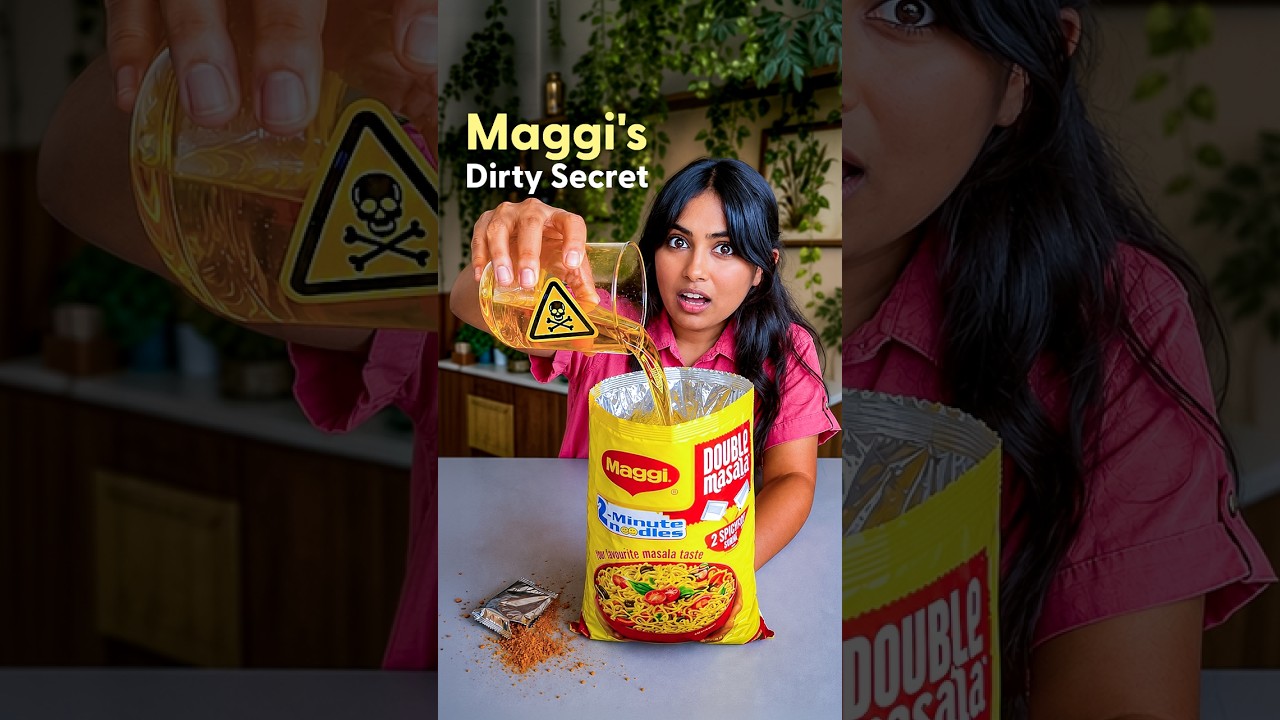
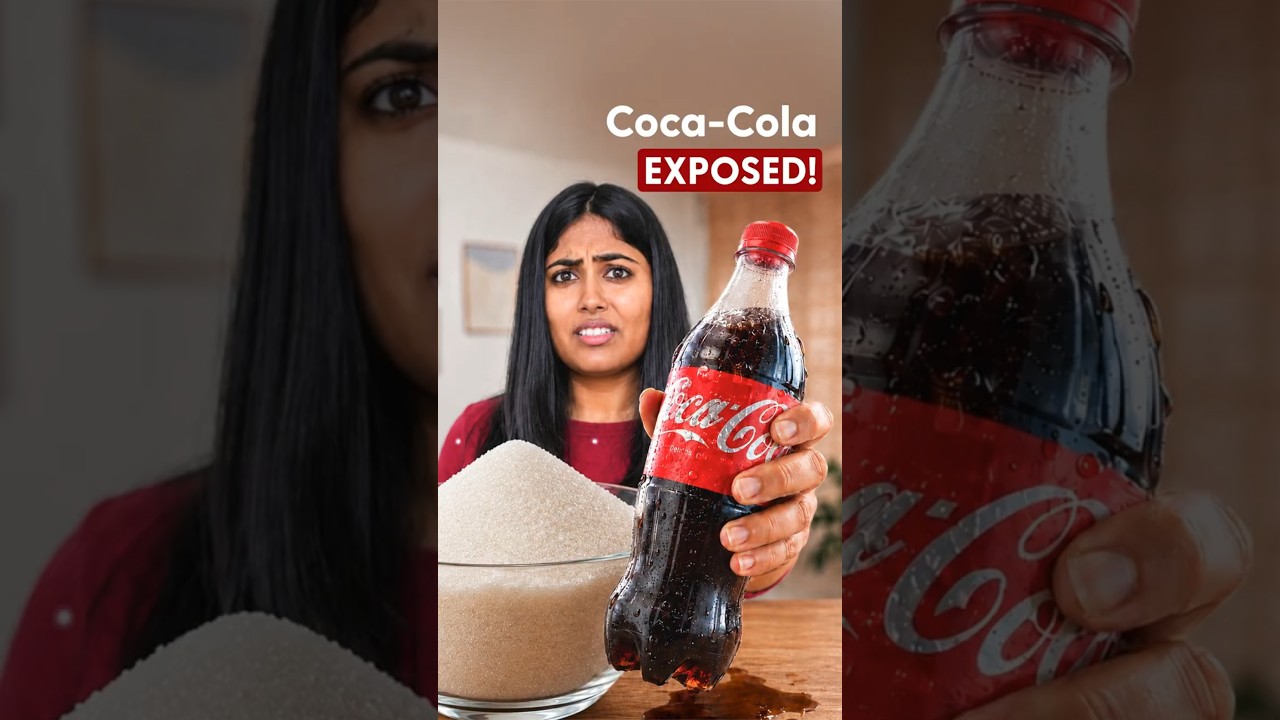
Food Companies Profit While You’re Falling Sick
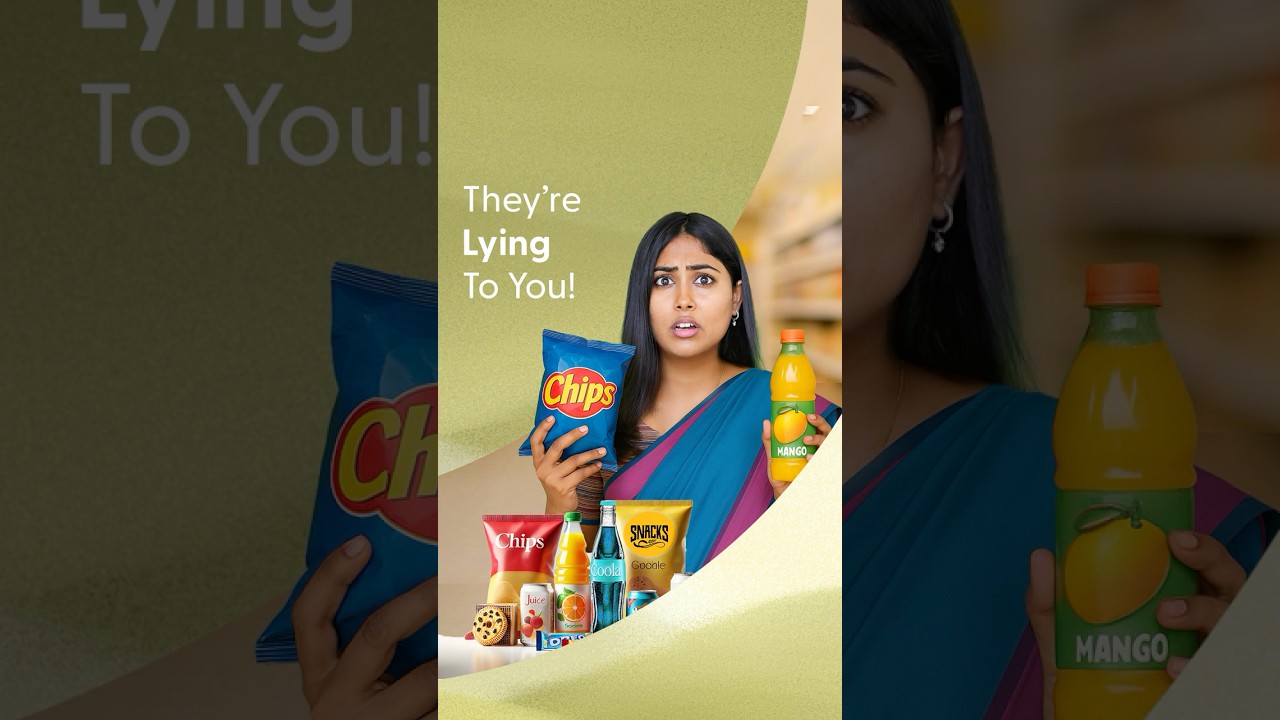
In this monologue, the speaker outlines three practical criteria for distinguishing "real" (nutritious, unprocessed) foods from "fake" (highly processed) foods. The first marker is that real foods are living organisms that will eventually rot, exemplified by a banana developing mold, whereas processed items like store‑bought cookies do not show decay. The second marker is that authentic foods never appear in TV commercials; the speaker notes that vegetables and fruits are never advertised, while processed cereals, chocolates, and biscuits are heavily marketed. The third marker is that real food travels directly from farm to kitchen without intermediate industrial processing; a fresh tomato is real, but once it is turned into ketchup it becomes fake. The speaker frames these markers as a simple key to healthier living and implies that food companies profit from the fake, heavily marketed products that contribute to illness.