In this presentation Sander Scott introduces a decision‑readiness framework for real‑estate purchases. He argues that buyers often err by acting too early on perceived urgency or by waiting for impossible certainty. Instead of asking whether they know everything or feel confident, they should ask whether they understand enough and are prepared to assume the specific responsibilities of the decision at hand. Scott distinguishes multiple decision points – from authorizing a limited investigation, to committing to an agreement, to accepting a discovered limitation, to removing protections or completing a purchase – each requiring its own level of support. Using examples of two households faced with the same repair issue, he shows that identical information can lead to different outcomes depending on financial reserves, time, flexibility, and alignment among decision‑makers. He stresses the importance of asking “What would the next answer change?” to avoid unnecessary information gathering, and warns against mistaking deadline pressure for readiness. Emotional states such as confidence or nervousness are not reliable indicators; nervousness can be normal, while confidence may mask overlooked material facts. Conditional readiness is possible when a specific safeguard addresses a material uncertainty, but merely stating a contingency does not make a decision ready. The framework culminates in four possible conclusions – ready, conditionally ready, not ready (material missing), or mis‑framed – and provides a concise set of questions buyers should ask to determine what is still missing and what uncertainty they are prepared to carry. A companion resource on the speaker’s website expands the framework.
Chapters
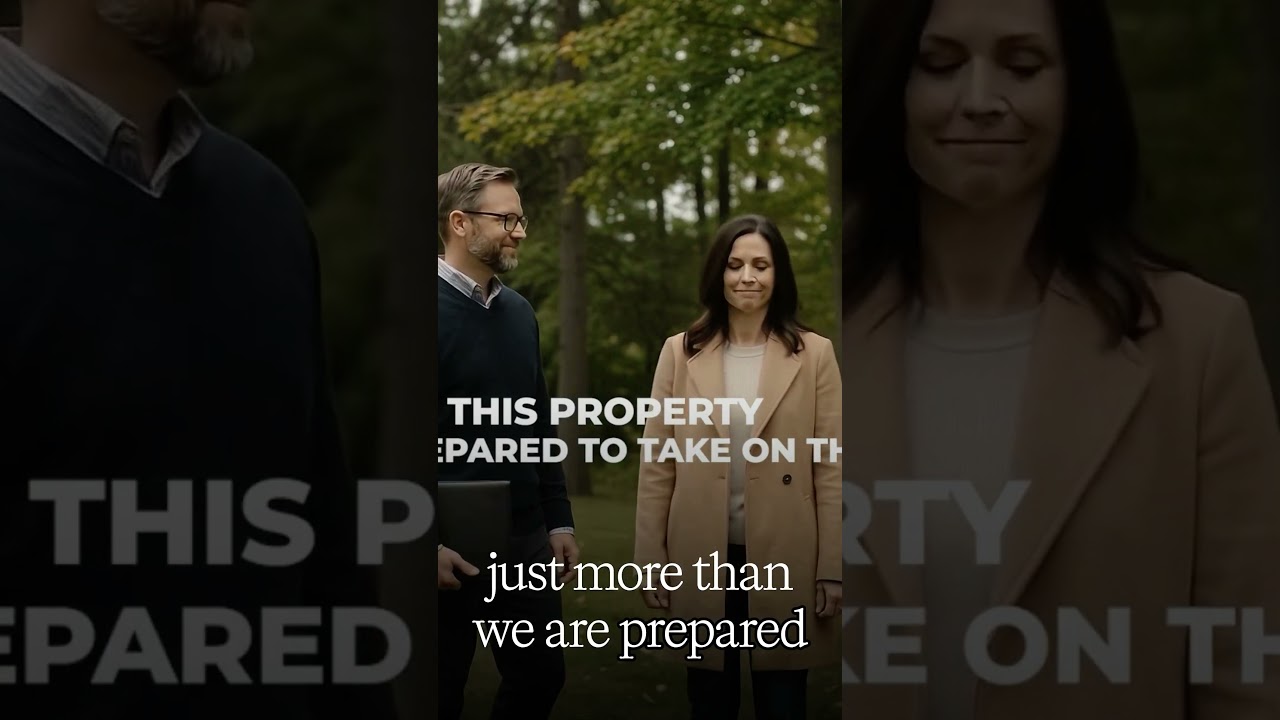
When is enough enough? Buying property— when do you have enough to decide? There are 2 ways property decisions can go wrong before the decision is even made. One is acting too early because the opportunity feels really urgent. The other is waiting for a level of certainty that real estate almost never So the useful question is not, do I know everything? And it is not, do I feel confident? The better question is, do I understand enough and am I sufficiently prepared to make this particular decision responsibly right now? That is what I mean by decision readiness. And the words this particular decision matter. Start with a decision you are actually making. Being ready to investigate a property is not the same thing as being ready to buy it. Imagine you are considering a vacant parcel for a future home. You may not yet know enough to commit to buying the property. There may still be important questions about the site, that need professional evaluation. But you may not know enough to make a much smaller decision. Is this property promising enough that spending money on a targeted professional evaluation is justified? Those are different decisions. One authorizes investigation, the other creates a much larger commitment. The same distinction can exist throughout a transaction. Deciding whether to investigate further is different from deciding whether to enter into an agreement. Entering an agreement is different from deciding whether to accept a newly discovered limitation. That may be different again from deciding whether to remove a protection or complete the purchase. And I am not suggesting that an offer or an agreement is automatically a harmless way to investigate. Your actual rights and obligations depend on what's in the agreement that you sign. The point is simpler. Different decisions create different commitments, so they require different levels of support for that decision. Before you ask whether you are ready, first ask, What am I actually deciding right now? Understanding the property is only part of the decision. Now imagine 2 households considering the same older home. A qualified professional has evaluated a material repair issue. Both households receive the exact same findings. Both receive the same qualified estimate of the work involved. So the property evidence is exactly the same, but that does not finish either household's decision. On the one hand, this household over here may have realistic financial reserves, time to manage the project, somewhere to live if the work becomes disruptive, and access to people they trust who can coordinate the work. This other household, on the other hand, may fully understand the same repair and still lack the money, time, flexibility, or practical support to carry out that work. The second household is not necessarily less informed, and it is not necessarily indecisive. It may be completely prepared to say, we understand this property, thoroughly, and this responsibility is just more than we are prepared to take on. The first household is not automatically ready either. Having more money does not answer questions such as how much disruption is acceptable, what remains uncertain about the scope or timing, what happens if the burden becomes larger than expected, And where more than one person must properly agree to the decision, are the people who must authorize and carry it out actually aligned? This is the distinction I want people to see. Understanding a responsibility and being prepared to carry that responsibility are different questions. More information is useful only if it serves the decision. When someone feels uncertain, the default response is Let's get more information. Sometimes that is exactly right, but before ordering another report, calling another specialist, or extending another investigation, I like a different question: What would the next answer change? Suppose a material septic question on vacant land is still unresolved, and the answer could determine whether the planned home is feasible. That answer could materially change the decision. Investigating it then makes sense. But suppose the technical questions are already reasonably understood and the real problem is that the buyer does not have the resources to carry the project. Another report may not solve that. Or perhaps the problem is that the 2 owners have not agreed on the purpose of the purchase. Again, more property information may not answer the actual Decision readiness is not about accumulating documents or accumulating information. It's about identifying what is still missing that could materially change the judgment. And there's an important opposite boundary here. If a material issue remains unanswered, do not call it acceptable uncertainty just because you are tired of investigating it. There's a big difference between, I understand this uncertainty and I'm prepared to carry that uncertainty, and I never resolved this question, but I'm getting tired. And so I'm just going to stop asking. A deadline does not make you ready. Time pressure matters in real estate big time. A response deadline can expire. Another buyer can appear. A property can sell. An approval or financing window can close. Waiting definitely has consequences, but a deadline does not create missing evidence, resources, authority, or preparation. And the opposite is also true. A deadline does not automatically mean someone is unready. If the decision is sufficiently grounded, the deadline may simply require— Action. The more useful question is, what would more time actually allow me to accomplish? Would it allow you more time to verify one material fact, or get the right professional interpretation, or talk with the person who properly shares this decision with you, or put a necessary resource into place? If so, more time may improve the decision. If not, more time may simply postpone it. Sometimes a decision can also be conditionally ready. That means readiness depends on a specific verification, safeguard, approval, resource, or limit. But simply saying we have a contingency does not make the decision ready. The safeguard has to address the actual uncertainty, and what that safeguard legally accomplishes depends on the actual agreement and appropriate professional guidance. Confidence is not decision readiness. People often use confidence as a substitute for readiness. They say, I feel really good about this property. That can matter, but confidence is not evidence that the decision is sufficiently supported. Someone can feel very confident while overlooking something material. The reverse is also true. You can understand the property, understand the remaining uncertainty, understand the trade-offs, have the resources to carry the decision, and still feel nervous. That is normal when the commitment is consequential, and almost every property decision is consequential. I still get butterflies and I still get nervous ahead of buying any piece of property, and I have bought and sold property since before I graduated high school. So I would not ask, do I feel completely comfortable? I would ask, what do I understand? What remains uncertain? And am I prepared to own the consequences of this choice? Readiness is not the absence of nervousness. In fact, one of the things I often call back on is an example from professional basketball. Bill Russell, the legendary center for the Boston Celtics, who is the most accomplished I think professional athlete, winning 11 championships out of his 13 years playing in the NBA. It's known that he used to vomit before every single game because he was nervous. That was a part of him getting ready because he was making a substantial commitment to play at an excellent level. That was part of his process. So, Nervousness ahead of a big property decision is absolutely normal and to be expected because you are making a substantial commitment. Again, readiness is not the absence of nervousness. It is sufficient grounding for judgment. You can be ready to say no. This may be the most important part. Decision readiness is not a system for getting buyers to say yes. A buyer may investigate a property carefully, understand it well, and ultimately conclude, no, this is not the responsibility I want to take on. That can be a highly grounded decision. Likewise, liking a property does not make you ready to buy it. A property may appear to fit your goals, while a material question remains unresolved. Or the property may work physically while the financial ownership, timing, or management responsibility does not. The formal decision readiness framework recognizes several possible conclusions. A decision can be ready. It can be conditionally ready. Or it can be not yet ready because something material is still missing. Or the decision is not properly framed, meaning you may be answering the wrong question and need to step back before gathering more information. Those are not rankings of the person, and they do not tell you that the final answer must be yes. you can be fully ready to decline and walk away. The better question. So when you are facing a consequential property decision, I would not try to eliminate every uncertainty. You probably cannot. Instead, ask a few questions. What am I actually deciding right now? What material fact or understanding is still missing? What responsibility am I agreeing to carry? What happens if the outcome is worse than I expect? What would another investigation actually change? And finally, what uncertainty will still remain even after reasonable diligence? The companion Decision Readiness resource on my website goes deeper into this framework. But the question I would leave you with is simpler. What is still missing before I can responsibly make this particular decision? And what uncertainty am I prepared to carry? That question will not guarantee the right outcome, but it can help you identify the next responsible action.