Why CRM Implementations Fail and What Adoption Truly Means | RBP Full Course
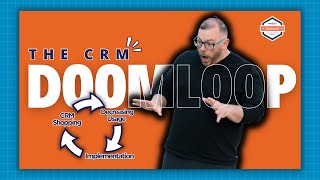
Adam Sand explains why CRM projects fail in roofing companies and how to fix them. Most failures come from low adoption, not bad software. He's launching a free HubSpot CRM for firms under $3M and a paid platform for larger companies at $30k plus $2.5k monthly.
Chapters
All right, we got some people coming in. Foreign. Welcome, everybody. Good to see you on this morning. It is morning time for me. I don't know what time it is for everybody else there. Mary, welcome again. Shannon, Steve, good to see you guys. Dave Sullivan, my old friend. Good to see you, my man. As you guys come in, let me know where you guys are, because I'm in Hawaii. So it's 6am in the morning for me. Came out. I came out early for everybody today. Let me know in the chat where you guys are from and who you are. Just so I can kind of like know who's here, who's paying attention. Fingers are working. If your fingers work, type your name and where you're at in the chat. You. You know where I'm. Yes, that's right, Mary. I do know where you are. North Dakota. That's like. Yeah, that's pretty cold. I must be snowing there. So, yeah, everybody again, like, as you. As I said, as you guys pour in here, I know it's early 6am for me. What. Let me know what kind of time it is for you guys. Where are you guys from? We're gonna get started here right away. I just always like to give everybody a chance to kind of pour in and get started and then I will. I will start jamming away. So I'll give everybody a couple more minutes and then we will get started. Northeast Pennsylvania, 12pm yeah. Geez. You're on the complete opposite side of the country. For me, that's. It's always crazy whenever I have to meet people from, from the East Coast. It's like I'm either up at 4am or they're meeting me at midnight. It's. It's tough. Savannah, Georgia, it's a nice spot. I drove through the country. I actually talk about that. I drove through the country and Savannah is beautiful. I love it there. So again, if you're here, I would love it if you guys could throw your, throw your, your, like, where you're, where you're at, your name in the chat. Just let us know what time it is there. Because I know it's 6am here. I'm curious what time it is for everybody else. One thing we're trying to do is we're trying to understand what the best time is to be doing these because, you know, is it a lunch and learn? Is it a. Like a supper time? You know, less like supper time. Like, is it would work? Is it morning? I don't know what time is the. Is the best time to have People, Raga Brothers is in the house. Good to see you. Silvano from Fort Mack, right? Bethlehem, Georgia. Perfect. So, yeah, I don't necessarily know when the best time is to host these. And so that's one thing we're trying to kind of gather as far as data goes. But I will get started because now we got a bunch of people in here. I'm going to get started on this and I'll kind of explain how we're going to do this. So the first thing is if you're Austin from Ohio, cool. Good to see you. So when you're coming to something like this, the goal is to learn something. And I want to make very clear what is the definition of learning. Because people come in, they want to screenshot the slide. Totally cool. Happy if you do that. But don't seek to memorize. Like that's a plan to memorize. Don't seek to memorize. Seek to understand. Because the definition of learning is to receive the same stimulus but have a different outcome. Right. If you know that smoking is bad for you. Right. If you know that smoking could kill you, well. And you still smoke, well, that means you haven't truly learned anything because you just know some information. It's when you have a. When you look at the cigarette and you don't smoke. It's when you look at the cookie and you don't eat it. It's when you're exposed to the same business problem and you take a different, more effective pathway to solving that business problem. That is how you learn. So if you are here, I want you to learn. And that's from Atomic Habits. So if you want to learn more about that, go read that book. It's great. We also have some people here to help you, so you'll see. Bettina, she is here. She is one of our panelists. She's going to be helping with tech Q and A. Bettina, if you want to introduce yourself and just say a little bit about yourself so you're not the lady in the corner.
Hello everyone. Yeah, my name is Bettina. I've been working in the roofing industry and construction industry for about eight years now. And I joined RBP back in 2022 to start working with Adam. And I worked in Sumoko as a SaaS Implementation Manager and then I worked with revenue and operations and now I work with marketing. So I'll be mediating this webinar for you guys. So if you have any questions, anything they would like to know in terms of our services, just please tap in the Chat below or just submit your questions on the Q and A. And we'll be saving those questions for Adam to address at the end.
Yes, Bettina is amazing. We actually met her. She, she actually used to knock doors and get leads for a roofing company. So she's, she has done the job she sees you guys at. So that's how you're going to get help throughout this, this thing. So just that way, if you need support, she'll be in the chat, she'll be collecting your questions. If you do have questions, it's helpful to put it in the Q A button, not in the chat button. But she's here for all the people who don't listen to me to make sure they still get their questions answered when they put them in the chat and not the Q A button. Despite me telling you to put it in the Q and A button ad option, you're going to. If we can adopt the Q and A button, we might have a chance of adopting better CRMs. So welcome to this educational experience. The other thing I want to say is I'm not here to take your money. This is not a pitch webinar. I'm not here to sell you shit, okay? I'm here to teach you shit. So put your attention in because this will do more for you than it will for me. Because I'm hoping for a volume of people to maybe want to do business with me someday. You can take this stuff and make your business, business better now. So set your intentions right. I always like to take a drink of water here and I want you to set your intentions. What is your goal of growing here today? You've probably heard something about this and you want to learn and so have an intention behind how you want to grow your business. Because there's a lot of stuff in here and if you check your phone or check your Facebook or check your email or talk to your, you know, your teammates at work, you're going to miss something and that something is going to be valuable to your business. So focus on getting rid of your distractions. And I will kind of get jumping into that. So take 30 seconds and just think about your intentions. Maybe write it down, have a place to put your notes, put your. Turn your notifications off, and let's get into it. This is that part where you do that. Also. Andy is here. Andy is, has sold, has sold for all of the companies that you guys probably buy your CRMs from. In the past, he's been all over the industry. He's been with Roofer he's been with Leap, he's been with Moment. Now he's here. It's a good story about how he came here. I'll tell that on the next one. But Andy will be here to kind of help you guys in the chat. Make sure you guys, you know, he'll be, he'll kind of help you guys a bit because he knows a lot of the stuff that I say. So he'll maybe help formulate your questions to be better nurtured by the end. All right, so let's get after it. Thank you guys for the quick little five minutes to kind of get to go go with housekeeping. For those of you who don't know me, my name is Adam sand. I own roofingbusinesspartner.com I have. My goal is to help you not have another year of almost in your business. I started by making Facebook ads for roofers because I did Facebook ads for my roofing company and I got a little Internet famous for doing good at that kind of thing. And what happened was in 2017, 2018, we started getting fired for getting roofers too many leads. And I wondered, who the hell fires the marketer for getting too many leads? And when I said, well, tell me your problems, they would like, why is it that it's too many leads and all this stuff was going wrong? I was like, well, how are you keeping track of everything? And they would show me, they would put me on facetime. They'd walk around their office and they have job folders and checklists and magnets and sticky notes and whiteboards and. And the CRM was basically an address book with a calendar in it. And I said, well, that's your problem. You need a CRM. So then I started saying, don't fire me, give me a little bit. I'll build you a CRM. And we worked in everything. Job progress, job Nimbus, Pipedrive, Zoho. Like, you name it, we did it. And in 2019, I stopped doing Facebook ads and I started going just full time and helping roofers with software. And then we also started building sumo quotes. We've built over 200 sumo quotes all over the country. And so when Covid hit, my wife and I got into our yukon with our 140 pound dog and started traveling the country. Drove from city to city and state to state and roofing company to roofing company building these super high powered CRMs and doing consulting for these, you know, kind of like whale hunting big brands, right? And we kind of use this to help Their customers grow their businesses based on the data, using the CRM as this piece of infrastructure to help make great decisions. And in 2023, we should have about 750 million running across, like through our systems. And so that feels pretty good. And the best way that I can explain why I did it this way, right? The why, why I did it this way is because there's a roofing gold rush going on and everyone knows it, right? Private equity knows it. But when the gold rush happened, the highest chances of getting rich weren't for the guys doing the mining and the gold, you know, the mining, the gold up in like the northern mountains. It was actually the people who always. The ones who got rich were the ones who were selling the pickaxes, the tools, right? And my problem, maybe it's just like the friendly, the friendly, sorry, Canadian, but I just felt too shitty only selling the tools, right? And I also love the thrill of finding the gold. I genuinely love building things. And so I built a business that I would love, which was the one that allowed me to sell the tool, but also climb the mountain with my customers. And that's essentially the vision and the values that built RBP into what it is. So we have a company of people who believe in the same mission of turning thoughts into reality by endeavoring to make more work, more rewarding through engineering better customer experiences. But along the way of like helping, you know, 20, 30, 50, $120 million roofing companies, we learn a few things. And with that, I. I'm having this content that I haven't shared prior to this last. This last week. So bottom line up front, the bluff. I love to start with this. These are the things that you're going to learn and the value you need to take. So number one, CRM implementations delay or prevent growth, impact, success. So who here put a 1 in the chat if you have changed CRMs yet in your business. So just go over to the chat, put a one, put anything. If you have changed CRMs in your business at some point, put a one in the chat. If you have a funny story about it, go ahead and throw it in there. You guys can discuss it. But put a 1 in the chat if you've changed CRMs, because the next thing is this. The CRM doesn't matter. That's probably one of the lessons you learned, is that when you got the second CRM, it probably didn't change your life. It probably didn't immediately become the fairy dust that made everything better because the tool doesn't matter as Much as the process. And the process doesn't matter as much as adoption. Adoption is everything. And you're going to hear this a lot for me going through this whole thing. So put a two in the chat, right? Or actually put a three. Now put a three in the chat. If you change the CRM and found that people didn't use that one either. So because I know Bettina put the two in there. So yeah, put, put a three in the chat. If you had the second problem, which is that the people didn't use the second one either, right? And guess what? It's not entirely their fault. Because you're trying to find the ultimate CRM. You're not going to find the ultimate CRM. I can tell you I'm in this business, I've searched every corner of the country. Such a thing does not exist. All right, you want to build the minimum viable product. You want to build the simplest CRM that you can get and then iterate right for. Because you want to get adoption first and then improve it. You want people to like it so much that they will use it and then improve it from there. Then finally learn revenue operations fundamentals. My most successful customers have this skill set unlock. If there's nothing else you learn today, it's to learn the word revenue operations and then Google it or stick around. Follow us because we will continue to help. All right, so CRM, there's a ton of people in the room. I appreciate you all being here. I understand it. For many of you, CRM might mean different things. The wisdom begins at the definition of terms. So let's start there. CRM, what does it mean? Customer Relationship Management. But it's so much more than just the words that, that make up that acronym. CRM is more about the intended impact of having one. And the CRM's number one purpose is to drive revenue into the business and create leverage for its users to be successful. So let's look at the stats. Studies show that for every dollar you spend on a proper implementation of A CRM returns $8.71 back. And this is not my research. I have all the research here, so no one can call me a liar. Successful sales organizations, when compared to unsuccessful sales organizations are 81% more likely to be practicing consistent usage of the CRM. So almost 100% of successful companies are using their CRM consistently. It's almost a guaranteed predictor of success. And a well executed CRM will have things like 29% increase in sales, 34% increase in productivity, and 42% improvement in your ability to forecast revenue. And this, we've had even better results than that. But that's because we don't just sell the implementation of the tool, but we help our customers actually climb the mountain after that. So we sell them a good pickaxe, you show them how to use it, and then we go climb the mountain with them. That's where we get some real juice. So employees also like it. So for those of you who are leaders in the room, if they're not adopting it, it's because they don't like it. And if they don't like it, they don't like their job that much either, especially when you're trying to make them use it. But people have done the study, and if you have a well implemented CRM that is good, the employees report a higher sense of job satisfaction, which, with good people being hard to find. If you've ever said good people are hard to find, well, that means that you should probably keep the ones that are good by making sure that you have as much job satisfaction built into your business as possible. And so CRMs help drive revenue, but the reality is they only do it sometimes about 50% of the time. That's the, that's what the studies show. So when people implement a new CRM in their business and then report back on how it went, they report back It's a failure 31% of the time, 50% of the time, 45% of the time, 70% of the time, 63% of the time. So five different studies, the average is about 50%. It's, it's irrefutable. Yet has anybody seen a CRM company lately run an ad that says just under half of our customers truly get the dream state of CRM? They achieve business bliss. About half nobody, because most of them are still down in town selling a pickaxe to the lineup of roofers that are coming to their door to buy a CRM. And it's not entirely their fault either. It's not like they're all bad. Because roofing business owners look at CRM implementation like this, right? It's like it's a waterfall project. You, you start, you do some stuff, you build it, then you're done. And you arrive at the, the promised land of all this business bliss. And when you move as many people off of CRM as we do, you start to learn why they're struggling with it. And it comes down to five key points. So this is something you're gonna, you're gonna walk away with. All right, so why do CRMs fail? Number one, adoption, right? The people just aren't using it. Okay, two is they're fragile, it's easy to break, they don't know how to use it, and it never adapts to the changes in the business. So then it just breaks easily, which hurts the adoption. And then it's not being prioritized as something to be maintained and improved. So then the support sucks, right? They always feel like they get someone new on the phone. They have to explain everything about their business to someone who doesn't understand it and takes too long to get help. And last, the data just isn't right or isn't collected. There's just features that are missing and it becomes this address book with an install calendar. It's a database with some buttons, but it's not collecting data that's useful or it's wrong. And much of this goes back to the owners thinking of the CRM as a project they do one day and then they're done. And that's what I call. That's what creates what I call the CRM Doom loop. It all starts with implementation, which at best takes six months. Sometimes business owners are spending less than a couple of weeks on this. And immediately after the implementation is when it becomes deprioritized and we get decreasing usage. The decreasing usage phase. Phase typically takes around 18 to 24 months as you violently bash your head against trying to grow your business. We'll see what the signs of that look like. But the CRM starts to get messier and messier and messier until finally we go CRM shopping. And thankfully there's never a conference, webinar, podcast, influencer, or YouTube channel. Too far away to tell you which CRM you need to buy and ready to remind you of your pain and how everything would be better over on the other side. Just book a call with one of our sales reps and we'll fix all that pain for you. And. But I know you're not one of those silly customers that's like just going to buy things because of a sponsored ad. You're probably going to do your research. Let me show you the research. Every single week, like every single week, several people post some variation of the same question. What's the best CRM? And essentially they're making this decision by vote from a hoard, right? The hoard is full of bias and spam and flat out wrong answers that frequently change. I watched one roofer that's fairly influential in the industry, changed his answer three times. In two years. And he speaks with absolute authority. Yet the guy can't figure out the CRM that he wants. But every time he's, he likes being part of the community and then he makes friends with the people that he bought the CRM from and he's like, he's kind of like that girlfriend that every boyfriend that she dated was always an idiot. And the new boyfriend she's dating is a genius. And then she gets a new one. The old one's an idiot and the new one's a genius. Well, that this is happening every week, right? And I got like, that was just one week. I got like four more yesterday. And I got, I saw it like right after I did the webinar, someone went into the Facebook group and asked, what's the best CRM? It's almost like because I was promoting CRM, he went and asked the question in the group, but he didn't come to the webinar. So visually, the doom loop looks like this in many ways. When those five failure points start to happen, you start to falsely think that it's because your business is growing and you need a more robust CRM. So that's what prompts you to go ask the question. But the solution is to your business's growth needs. They're not the CRM. Getting a nine minute task to become a six minute task doesn't change your business. If you're at $3 million in revenue, you're doing three jobs a week, means if you're closing at 25%, you're doing 12 estimates a week. There's no nine minute task going down to six minutes that's going to cause unlimited growth. It's something else. And so put another way, you look at it through the lens of these breakpoints and this is like the information that we've been able to collect over years of doing this. And how it applies to these relatively consistent business breakpoints allows us to really tell you what you're supposed to be doing at each phase to solve your problems and tell you it's not switching CRMs all the time. It's let's say you're 3 to 8 million, right? The problem is mostly who problems because you figured out what you do. You sell roofing, you like Owens Corning, you do retail. Your you're selling for this much per square. You're doing your, you pay your sales guy this. You get your leads from billboards. Like you figure out what you're doing. Now it's time to figure out who's going to help you? Who's going to help you? Who's going to help you do marketing? Are you going to hire an agency? Who's going to help you maintain the website? Who's going to be your salespeople? Do you need an office manager first or do you need a production manager first? Do you need a runner? Do you need someone to drive around a truck and deliver materials? Who's going to help you? And then as you start to get people, they're going to say, what do I do? What do you want me to do? How much you, how much are you paying me and what do you want me to do? So then you have to create processes. So the ticket out of here is process creation. That's your ticket to the next step. And then you get into how you do business. And that's going to come from getting core leadership, right? You have to get your core values, mission, vision figured out and you're gonna get your core leadership. That's your ticket out of here, right? And then when you grow the company, eventually you get to the point of getting automated systems up here in the 15 to 25 million dollar range. What's the lack of clarity around this that I find causes a lot of pain and misery and suffering for roofing business owners and their families and their employees is that the leader just doesn't know what he doesn't know. Right? It's only fair because in business you're allowed to create all the wanton destruction that you want. You can't become a hairdresser without getting a license. You can't build a house without getting permits and architects and engineers and buying properly tested materials. Right? But if you want to go start a business, you can create all. It's the Wild West. You create all the want and destruction you want and, and you can ruin lives and not pay employees and screw it up and go bankrupt and the government will just say that's okay and you can go back and try again. But that's great. You know, I'm glad they don't chop people's hands off here when they don't pay their debts. And I think that that's better, great overall for creating an ingenuity like an inventive economy. But I mean, if you just don't know what you don't know, you don't get to make the improvements. So this is another way to look at it. So this is based on some research that we've done to kind of help visualize what the success rate is of companies to get through These breakpoints so you can kind of put some data behind it. And so I'm starting here, you're going to see little percentage marks kind of pop up. And this is the percentage of companies that pass through these, right. That get past these breakpoints. So 45 of companies fail to truly figure out what they are doing and get a fit for their product to the market. So they get stuck, they stay here and sometimes they fizzle out and die. Then 27% get stuck or go to business trying to create their processes. They just never document how to use a CRM, how we do a work order, how we do a purchase order, how we do month end financial reporting, how do we hire, how do we fire, how do we do the things in this business. And then if they get past there, 14% fail to establish core leadership into the business. So they become slaves to their companies between the 8 to 15 million dollars range, like the biggest slaves in the roofing industry between 8 and 15. And then 5, 5.6% of them never automate systems after they get core leadership to really make it so that core leadership isn't wasting all their human potential on doing button pushing and checkboxing. Because they don't ever. So they have to automate their systems so the core leadership has a chance to actually achieve their human potential and get the revenue per employee numbers where they need so that they can, if they're earning more revenue per employee, they can fuel the growth to get through this place. But this is hard. That's why all these people on the Internet say stay small, make a profit. I don't care why people care about revenue, make profit. I'll tell you, there are some massively profitable 25 million dollar roofing companies out there. It's not like you trade one for the other. Just you don't know what you don't know. That's why only 1.9% of companies ever get through that. Because they don't ever, they don't ever wait. Find a way to get executive leadership. This is where you truly free yourself, right? Is when you get executive leadership and you free yourself from your company. That's why private Equity loves buying 25 to 45 million dollar roofing companies because they're no longer founder dependent and they know exactly what to do next, which is implement technology and data. They got the people to do that. They got all these nerds on staff, they can go make all these really great choices to really implement enterprise grade technology and data. That's why they start moving to salesforce and HubSpot and, and stuff like that to move them into this. Because the better data collection allows them to make better decisions. So they can walk in with a business they didn't own for the last 15 years and make better decisions the last owner did. And then they can smash through the 45 to 75 million dollar range and then sell the company as part of a roll up. That's why private equity loves it. Or they can keep owning it and open up new revenue channels, which is why only point 4.046% of roofing companies end up going through that, that, that getting past that 75 to 125 million. Only 1 in 20 for context, get past that and this. So I love this chart that we've made because it shows exactly how complex and likely you are to get through these problems. And if you do it blind, if you've never done it before, the amount of ignorance tax and dumb tax you're going to pay along the way is monumental. And I've watched it happen. And one of the biggest things I see is people get stuck in this CRM doom loop and never solve the real problems in the business because they keep thinking that some CRM fairy dust is going to come along and unlock it all for them. So this is how, this is how do starts. The first thing you're going to do is going to hire some kind of admin. So who here in the chat, just get put like something in the chat. If you have a admin sales assistant receptionist whose job is to be the CRM babysitter who's just there to babysit the CRM. You just thought, you know what, these guys would just put their notes in if we could just collect the stuff, if we could just put the stuff in the CRM, the business would get better. Show me your fingers work. If nobody has this problem, then I'm an idiot. And you guys are all perfect. But I imagine it exists. So do you have some kind of CRM babysitter? Put some in the chat. So I know I'm on the right track because the next step, right, and there's a difference between the next step is the CRM gets some kind of update. All right? And when that update happens, we don't, we don't know how, how that new update works. So then people break the CRM and now people don't use the CRM because it's broken and the CRM is viewed as beneath, beneath them. Right? And that means the report stopped being accurate because no one's using it. So then what do we do? We get a spreadsheet, right? And these rogue spreadsheets make it easier to figure out what's going on. And each one of these spreadsheets is essentially their own app that exists outside the CRM. And because we don't, we've band aid of the problem. New reps don't get proper training and so bad habits set in with the sales team. So now even the spreadsheets don't have the right data. And then because there's no documentation on process and the process is changing and the CRM is not getting updated to reflect it, what we're training people to do when they come to work is not reflected in the CRM. So the CRM does now not line up with our training. And this problem persists for 18 to 24 months. We allow it to go. And that is where you start to incur the seven deadly costs of the CRM doom loop. This is where it starts to negatively impact your revenue and profit. So the rogue spreadsheets destroy the CRM. It renders the data in there useless. So then we begin to live outside the CRM and we're only using it to track the buckets, the deal stages. At this point, you're almost better off to just cancel the CRM and live in the spreadsheet. And because the tool does not matter as much as the process, and the process does not matter as much as the adoption, the process does not be is stops being followed. That stops you from delivering a consistent customer experience. And you don't have the ability to measure if you are or are not delivering a consistent customer experience. Can you imagine if Uber just sometimes got to you and sometimes didn't get to you, and sometimes was the price that they quoted you and sometimes wasn't right? If it was just random, that's what happens. And because the data is now diffused, like trying to watch TV through static, it's less accurate. Because it's less accurate, it's less useful. If your profit and is off by 5%. That's the difference between making 50,000, a hundred thousand. It's not. Might as well just be zero. And as the business grows, you need to answer new questions. So then the CRM is supposed to answer very specific revenue questions. But if that data isn't captured, then we create another spreadsheet and then you go for the bonus round, which is get a new CRM. And now you can't compare last year's data to this year's data, so you can't Even see if you're doing things better than you were. So then as people in the departments are trying to answer questions as to whether they're doing better or worse, they start to get more apps. And as you get more apps, you get more subscriptions, you get more costs, and it starts to pile up. And then you get silos of data where people are copy and pasting things between different apps and the bill is just going up and you got all this duplicate data entry to do. And then as you, you see your team starts to develop this list of requirements where all of a sudden you start to have this meeting. And the meeting is what we need to get. We need to get, we need to get these apps integrated. You start having three company cams for one project, right? And this opens up to this mini doom loop of its own, which is where you say you want to get company cam to talk to this and you want to get QuickBooks to talk to that. And every single technical support team says, blaming the other support. Oh, you got to call their support. It's their problem. You got to call their support supports their problem. And now you're just like playing ring around the Rosie with these guys. So you get this like big idea, I know what we need. I got a good idea. I can't believe I didn't think of this before. How did nobody think of this? So we grab our keyboard, we run to the Facebook group and we say, what's the best? All in one CRM? And you go from a place of informed pessimism where you understand the problem that you are in, and you get to go play in the wonderful shiny red ball filled world of uninformed optimism. And you find out that your new CRM that you buy is good at some things. Because, yeah, everybody on the Facebook page said something good about the CRM. And because somebody did say something good about it, you just assume that it'll be good at all things, but it sucks at most, which in many cases is not always like the CRM's fault. You just don't know how to use it. But that's because the tool isn't the solution, right? The tool doesn't matter as much as the process. And the process in which you use a tool does not matter as much as adoption. Same thing with a nail gun. It's like the tool could be good. Hitachi Metabo, whatever. It's the process in which you use it. And if you don't even use it, if you don't pick it up, it's not going to work. It's the adoption. So then you find out that spite what the salesman told you when he sold you the CRM still isn't truly all in one. And so now you repeat the doom loop. And so there might be a better way. And that's if you maybe thought differently about the CRM. This is why I say I'm not selling you guys anything. You guys can do this with the CRM you have right now, right? Which is that you iterate in small steps. The business can grow faster for less money with less risk without constantly playing with the CRM doom loop and having to go through the five reasons for failure, then having to incur the seven deadly costs. And you can iterate as needed. So let me give you some lessons from some companies who didn't do that. So for those of you who can't see this, that, that bill right there, this is for a full CRM build that we did. If you guys think acculinx is expensive, 220,000 bucks. That's what it cost to build and train their team to fly there and show them how to use it. And that's not like some fringe use case. We did five of those this year, right? And these are not idiots that I tricked, okay? These are smart businessmen people, in many cases, people who have built other big businesses before, right? But they just built the business first. And then once they got to the point where the marginal utility of money in their bank account was having a diminishing return on their happiness, they no longer cared about another boat or buying their wife another purse. They just wanted a briefcase of money they could throw at the problem and fix it because they wanted their business to run the way they've always envisioned it. And then we've continued consulting those companies. Those companies have paid us 600, 300, 160, $518,000 to continue helping them. Because at $46 million, that magic number five days a week, eight hours a day, that means that money printing machine, that is their CRM, is making $10,000 per hour. So if you had a printer where the rollers inside kinked and 10% of the money printed wrong, that's starting to cost you $1,000 an hour. And if it goes down, it's $10,000 an hour. So for them, makes a lot of sense. But they had to go through this painful process because zero of these companies have been through less than 3 CRMs before they come to us. And the reason why is because those CRMs that they're working with in Many cases are not complete. They don't get the training, they don't get the support, they don't get the implementation services. And that's because the CRM companies, for the most part, are in the business of selling pickaxes, selling tools their whole business model is based on. So I'll give you guys like kind of an introduction to how that works. You hear a CRM company, they get 25 million or 10 million or 20, 30, $40 million in funding. Why? Because they have a user base. And if they get user base on monthly recurring revenue, they will say if they get you on the software, you will probably stay on it for a long time. There's 107,000 roofing contractors in the, in the market. The ones who are mad and leave, there's five more lining up at the door to come in every day. Accu Links loses one, gets three from another. Like it's. It switches all around because the tool doesn't matter. It's the process in which you use it and the adoption. And they know that that's the business model. The minute you say, this one sucks, there's someone else running over because that one sucks, because they're all just a little bit different enough. But nobody really is in the business of going up the mountain and making you successful. So stop expecting that from somebody charging you $79 a month. They sold you a pickaxe, that's it. It's up to you to know how to use it. And so I want to show you guys how to properly do this. This is something you can do from any place, any CRM, whatever you're using. So if you're using a CRM, post in the chat what CRM you're using, because I truly do not care. This is designed to help you today, so let me try and help you. So what CRM are you using? Okay, remember, simple scales. Fancy fails. Adoption is everything. Many customers try to get too fancy and then that causes the problem of adoption. So focus on the simple principles of success. Get adoption first. Get people to use it, then get fancy with it. Because remember, no one here in the last year has asked what is the return on investment we're getting from email? Why? Because again, 100 adoption. Every one of you checks your email 73 times a day. And my most successful customers do not treat their CRM like it's some static system that they just do once and be done. It's organic. If you stop feeding it, it will die. You're never done improving your business, so you should Never be done improving the central nervous system of your business, it has to continue to be grown. And my most successful customers prioritize training and fixing issues. Training is so important because asking someone to do something new is like asking them to be bad at their job, which sucks. So train them and take their feedback and fix the CRM. And then finally learn revenue operations fundamentals. This is how you break down silos in your business. So you make sure the handoffs between the people in your company are smooth. So from sales to, from marketing to sales, from sales to production, from production to admin, from admin to finance, so they can answer questions and report on them and then they can make them better. So you're going to get a little four stage process and the constant behaviors needed to rocket launch your CRM, no matter which CRM you are on. Okay, so remember before you do, These are the four steps, stage 1, 2, 3, 4. And these are the things you're going to do from now until you're dead. The white things down here. So stage one, right. Remember, remember the breakpoints. Growth begets complexity. The biggest challenges that I have had in my life is when I've allowed my customers to force us to get too complex and focus on the wrong solutions instead of the right problems. So define your data model first. Right. The RevOps fundamentals centralize around data. So that is the volume metrics and goals of volume. How many leads, how many marketing qualified leads, how many sales, how many roofs, how many squares, how many dollars? Right? What are the goals around that? And then what are the conversion rates and targets that you're going to be trying to hit? And then time, service level objectives. This is the, this is the holy grail. When you can do this, you can do this. And when you can do this, you can do this. And when you can do this, that's when life changes. This is all the stuff that happens before KPIs happen. Because when you can synthesize, when you can use a tool, your CRM, to create this data, right? Then the data becomes meaningful. So you can understand your life cycle of your customer. You can determine what the expected lead quality is and pass that advice and guidance and expectation back to your marketing agency and you can manage them better. And then because you know what's coming in, you should be able to forecast what's coming out. And that's how you disseminate the data. So we determine what questions must we ask and answer and thus report on to make good decisions. So, so we move from hindsight, what Happened to insight. What is happening to then eventually the holy grail, which is foresight. Because your job as a CEO and being a great leader ultimately comes down to two things. The ability to predict the future and have uncomfortable conversations. If you can have uncomfortable conversations with people and if you can predict the future, then you will be someone that people will follow. And these problems are worth solving. But at best, we see roofing companies look at their business as a funnel, right? This see, this is like, this is like a really short term way of looking at your business and your brand and your relationship with the market. And they still get this wrong because the customer experience feels a little bit more like this where everything is unaligned and broken. And that's what the customer feels like. They go from here to here to meet this person. They constantly have to keep answering questions. They're not sure if Billy told Temmie what's going on on this is the whole silos, right? The revenue operations, right? We don't have alignment. When it really looks like this, this is how your business really looks. If you're thinking long term, because you want to know the difference between a lead, which is contact info to a marketing qualified lead, which is I want to do business with you, to a sales qualified lead, which is an appointment to actually buying and then what percentage of people who buy build, how many of them leave you a review, how many of them make a testimonial which drives more leads, how many of them give you a Referral which drives MQLs marketing qualified leads. And how many people become repeat buyers, become sales qualified leads, appointments. So they measure this, they put systems in place and processes in place to measure and improve their volume, their conversion rates and their delta of time. So volume conversion rate and the delta of time to move through this and how often it happens and happens again, how they do it. So step one, define the mvp. Define the minimum viable product of how the CRM should work. Draw the processes you want, not the process you have. So then you can identify the processes that don't exist in red. You can do this in lucidchart. You can do this on paper and pen, you can do it on a whiteboard and then start asking yes or no questions to understand how this improves the customer experience. So before you go asking one of the CRM companies, the CRM you're working with or the CRM you're thinking of buying from, think the CRM is a failure if and then answer that question. So the CRM is a failure if we can't get our email responses from Gmail into the CRM without having to copy, paste or type a note. The CRM is a failure if we can't send an invoice to QuickBooks, right? What makes the CRM a failure if. And then work with the team to understand what does that really mean if the CRM is a failure if this nine minute task doesn't become a six minute task, if you're doing 4 million a year, that's not really the truth. That's not making the CRM a failure. So then you can reduce as a team into buckets of must haves, nice to haves, and things to do in the future. So if you want to try this out right now, I want you guys to answer this question in the chat, thinking about what your CRM needs to do. Write down the CRM is a failure if in the chat, write the answer to that. Just write the after the CRM is a failure if and the feature you want most from your CRM and then that if that's the thing that pops up to the top of your mind the instant I ask the question, that should be the first thing that you try and focus on. And then that is where you can start to work your way around with your team after you get off this. So it's like right in the chat, the CRM is a failure if. And write the answer and then when you leave, you know, copy paste that and then start thinking about this with your team and start creating more CRM failure if statements. Because this is where it all starts, right? And then categorize those functions that you need into a feature document. So this is where it starts. It starts with one failure if statement, right? And it's like, think about it through the lens of the technology. The CRM is a failure if this button doesn't exist or that feature doesn't exist. Because you want to be able to go to your CRM company and give them a feature list that you want. Because you can give a good list to them, they can help you implement and train on it. Because then they, being software people, will help you do this, right? They'll, they should be willing and able to help you do this because this is language they understand. You're going to have a revenue strategy in order to accomplish the revenue strategy, you have epic features that you need, right? And they should be able to help you set up a timeline to settle this up. So once you've gone through the steps, phases of the failure if statements, reducing to the must, nice to and could have laters and then put a feature document together and prioritize it well, then you do not add more features until you have all the features that you wrote down before. You don't change the plan. It's like trying to move the bathroom in the basement. In the middle of constructing a house, it usually causes something bad to happen. So you wait until construction is done. All the prep, all the success in construction goes into the preparation. So before you ask your CRM company solve the problem, then you have to go back and do the right prep. Then once your CRM is going live, this is where CRMs die is. They don't have some kind of issue tracker. So if your CRM is perfect today, so let's say there's some people in the room, if you see them is perfect, put a 5 in the chat because I love it. If your CRM right now is perfect, put a five in the chat. But if it is perfect now, guess what? It's not going to be perfect forever. So we need this anyway. So you need an issue tracker. Build a mechanism for tracking issues, right? This could be a whiteboard, but it's better to have something you can share with your CRM company, something like a Google sheet or a project management software where you build mechanisms for collecting issues so people can report. This is an issue with the software because growth begets complexity. As your business grows, there will become things that break or new things that you will need. Then establish communication cadence to get people helping you. Then add that to a weekly CRM improvement plan. And whenever you try and fix something, make sure the people using it actually say yes, it's fixed before you consider it closed. Because it might you what you thought would solve the problem might not always do it and then never deprioritize training. We do not rise to the level of our goals. We fall to the level of our systems. Therefore, training is critical and always will be. So how do you do that? Add standard operating order. Wow, that was bad. Add standard operating procedures to a Google document or some kind of software, right? Like lucidchart. Just step one. Step two, don't get too lost in it. Like just write it down. Just step one, do this. Step two, do that. Step three, do this. Then you could go and use a tool like Scribe, which will like screen record and take screenshots every time you click on something to show the clicks that you need to go through. Or you can record videos with something like Vidyard or Loom, which could be screen recordings or could Be just direct to camera. Hey, guys, this is how we communicate this product, right? Then you can add those training materials into something we have called mission control or a playbook or some kind of learning management system. And anytime that you train around a new issue, right, like if an issue gets fixed now, you need to train that the issue is fixed. So you need to make sure you constantly add to the training document. So sound like a lot of work? Because it is, right? And this is why many of the CEOs with big goals and dreams of eventually achieving some kind of financial freedom from their business need to start developing these habits early. Because it costs a lot to go back and fix it. That's what my business was for the last few years, was just coming in like Mr. Fix it, and using people using a briefcase of money to solve the problem after five years and three CRMs and 12 salespeople that never used it, put test deals in and all this Messy data and 15 rogue spreadsheets that have data all over the place. And then we had to try and put that all back together, right? And it's expensive. So we want. We wanted to find a way to help. Okay. And so we've been working on something new. And this is what you guys been hearing about on Facebook is Operation Atlas, which aims to help roofers get the five things from their business that will cause them to grow to $8 million, predictably. Because when you've been doing this as long as I have with as many roofers as I have, you drive around the country for two years and go from month to month, you know, working inside roofing. I worked at, like over 30 roofing companies in the last three years. So you start to learn a few things and you start to know what works and what breaks companies. One of them is alignment. Getting everybody aligned and the goals and the mission and the vision and the values, right? Implementing traction. Go read that book. Gosh, this will help you so much. Every company that we work with, we. We've really, really, really try and get them to go through the Traction implementation process, right? Because we're not EOS people, but we can. We understand how it works and we can build systems and processes and meeting and we can attend the meetings and help them. That's part of our consulting process, is to attend their level 10 traction meeting so that we can continue to communicate the same language and we as a consultants, can be aligned. So get that in your business. Read that book. Then we will help implement the kind of leverage in your business that you need when it's appropriate. Again, turning a nine minute task into a six minute task isn't much leverage. Right? You want to try and get 871% leverage, not 30% improvement on a nine minute task. And then get adoption help you maintain a constant focus on adoption of systems at all times and finally leveling up skills, not just your skills, because yes, there are things that you as a CEO, you just don't know what you don't know, but also helping your people because you also don't know what you don't know about training your people. And sometimes it can be really hard looking around and seeing three or four people following you and you're not even sure what to teach them next. So why am I doing this? Right? Because, like, people ask, well, why? Why would you do this? A lot of my friends, like, dude, you work with, like the best customers, they got lots of money and they're patient. Why the hell would you go and do this? This is crazy. I deal with these people, like other people in the consulting and coaching and software and people that I know, like all the influencers on Facebook, they all ask, why am I doing this? Well, if you remember, I drove around with my wife from city to city, from state to state, and I even got the joke made about me that I'm like the homeless CRM guy. Well, that lifestyle can't continue as rewarding as it was. Things are changing because I have a baby due in a week. It's going to be coming on November 8th. So a while back I heard about this baby coming and I heard, I felt like maybe I have to do something different because I can't. I can't be doing a business that depends on me traveling the country so much because I'd kind of like to see this kid grow up. And so during this process of trying to discover what I should do, there was this guy who did this book launch. It's like you might have heard of him. So this guy comes out with this book launch. He's this dude with a beard and a nose strip, and he launched this book that is basically everybody who sells you like a $10,000 course. Like, having done Facebook ads myself and done marketing myself, I can tell you that, like, this Guy took everybody's $10,000 course on how to make leads show up and just gave it away for free. It was completely free. And if you could go study marketing, you're just going to learn. We learned his book for free. It's probably better communicated. But he said, anything you give away for Free should be better than what other people charge money for. And this is like Anthony Robbins said the same thing and Neil Patel says the same thing, you know, And a lot of people say my free shit's better than the paid shit, but it's more hubris. It's not actually true. So I said, like, if I'm going to do that, we should probably find a way to do it right? So this is the framework, right? We should either reveal a problem, have a free trial, or free step one of X. So solving one problem that begets the need for the second problem. I said, you know, team, like, what can we come up with for ideas? And everybody. And I've kind of given away the surprise. But, you know, a lot of these ideas people gave me, right? We could do a CRM audit, we could do free guides, we could do a free Ceram. And at first I thought that was kind of a dumb idea, you know, free website hosting or graphic design, you know, and we're trying to find ways we could do something good. But it got me thinking about Henry Ford, all right, because he had this Detroit motor company, then he had Henry Ford company. Both of them went out of business. And then he got the Ford Motor Company. And back then, cars are made of wood, right? A lot of wood, which meant a lot of sawdust. And these, there's 2,800 automakers, and half of them went out of business because they burned down. So Ford actually came up with an idea. He said, look, I'll haul away all of your sawdust for free. He started helping out a lot more people, even his competitors. But then he started turning that sawdust into these charcoal briquettes. And these charcoal briquettes were high volume, high product, high commodity, high need product that had mass appeal. And he compressed these charcoal briquettes and help people light fires. But this became the capital injection. This is where he got the money. Look, it says Wright Ford Motor Company, Special products department. This is where he got the money to fund the assembly line and all the great ideas that Henry Ford is known for. It started from selling briquettes. And if you go to a grocery store today and see a bag says Kingsford Coal, it says this on the bag. This is the same company still exists. So who here's heard of Zapier? Put A one in the chat. In the chat. If you've heard of Zapier before, just so I know how much I need to teach you guys. What is happen? If you want me to move fast, just put A one in the Chat. So I know you know what this is. Okay, perfect. So you guys know what it is. It's automation tool, right? It allows us to automate things. So we pay for 312 actions a month, let's say right to audit. We have customers we haven't taken a dollar from in years and we still let their automations run for free on our zapier. So we've accumulated a lot of them and we have customers that are paying for it, but we buy it in a hundred thousand blocks. So if we sell 300, if people use 212, we buy 400,000, which means that we pay for 400,000. We don't use 88,000 of them, which means it's like we got this leftovers, it's sawdust. So it got me thinking. HubSpot does have a free version, a completely free version, but I, we sell to these whales, so we never look at the free tool set. So I thought like this Caleb guy that worked for us has suggested it. I thought maybe he's onto something. So I went and looked. I was like, holy. You can build your, build and host your website for free and like Uber Freight, Avison Young Instacart, like these are people who are hosted on, on work on HubSpot websites with like drag and drop builders and forms and blogs and it's integrated to the CRM and the marketing allows you to connect to social media still, like, because I knew these features existed, but I didn't realize that you could still do basic versions of connecting your Facebook and your Instagram and your LinkedIn and you could still post your Facebook ads and post your social media posts all through this. And then you also had all the CRM with the lead tracking and you could see when people click on the email and the emails just go into the CRM and you could log calls and they even had AI in there for free. I was like, holy crap. They actually give a lot away with the free and the reporting. So I was like, what's missing? I was like, oh, automation is missing. That's what you don't get, the automation button. So everything was manual, but it's still integrated with Zapier. And we had all this sawdust on the floor. So I said to my team back in September, I was like, hey, can you guys see if we can make a completely free, no monthly cost CRM for roofers where they would never have to pay a monthly fee? And so we tried a bunch of stuff and we figured yes, we could do a completely free no monthly payment CRM that under $2 million could roofer could use until they start hitting 3 million. They really wouldn't break much of it and it would integrate with sumo quote and QuickBooks and their Gmail and they could just work on this until they got to 3 million. Because it made me think of one of our customers that we sold one of our big builds to. He told me when we, when we sold him that, oh, you know, funny thing, I actually started on HubSpot, but then I needed automation. So then we went to market Sharp, but then this, this and this happened, which was the doom loop. So then we went to Job Nimbus and then this, this and this happened, the doom loop. And so then we were at roofing process conference. We heard you talk on stage about CRM. So then we got you, gave you the briefcase, cash. Now we made, went in there to solve the problem. Why did they have to do that? Why did they have to go through the doom loop? And all the headaches and all the costs and all the expenses and all the chaos of migrating CRMs and data and all kind of. Why? Because we didn't do this yet. But that wasn't where we stopped because that's not everything you need. So in November we started doing this free education because I can no longer spend my time driving around the country. So we're doing two no sales pitch, okay, live courses every day, teaching and taking questions on the fundamentals of building a business completely free of charge to anyone who wants to learn. Whatever I have learned on my travels, making the best practices of growing a successful roofing business available for everyone. And these are not like you go to some class and you go to some website and you click a button, you log in and you do a course and you watch the webinar. These are live curated, performed by me. That's changed in the last 24 hours. I've added to this to make it better. So and that way people get to ask me questions and build community with others. And we've already started doing this, but we didn't stop there. We also want to make this accessible where you are, when you are. The future of learning and sales enablement and production enablement and finance. Enablement is not in a learning management, you know, school software. It's in your CRM where you are when you're working in your browser. It's like you see these little stars, these little pluses, These are not HubSpot. These are things that are put in by this little rocket ship Chrome extension that we built that allows you say your sales reps to say what is appointment, scheduled meeting in and then click that and it will tell them what that means. In the browser you can put your SOPs, your scribes, your videos, whatever in there. And this is completely free so that people, that way people know what to do when they're there, when they're looking for it, where they are, while they're asking the question. They don't have to go out to the learning management system because you know what they do? They don't do that. They get lazy, they do it wrong, or they just skip steps. So you can easily build your own folders. It's easy to use, it's easy to find. You just click this little button and it slides out and you can install in three steps. And we call it mission control because that's what your team needs. They needs the help when they need it and you as a business owner need the help when you need it. So we're putting our knowledge in there so you can use us for mission control and you can get help from us and you can get on demand of the questions and answers that you need. And you guys, you don't even need to use HubSpot for this. It's better because you can do the lightning bolts and stuff like that. Well, you can use this in job Nimbus and you can get access to this information in here. You can put your SOPs in here so that people can ask a question, how do I add a deal? And it'll be here right in the CRM. It just installs in Chrome and you can even easily send updates to your team saying hey, we changed this. And they can be forced to watch it or exclude it and they can acknowledge that video. But this is free for everybody. You can get all of that for free. Free CRM, access to free education, free questions. Every Wednesday we're going to help our customers, but everything else is free. But what if you're doing more than 3 million? Well, we're living in an impact based economy and it can be scary. You got World War iii, inflation economy, different presidents, all these meteors coming at you and you don't know if you should join private equity or get on a rocket and just fly out of here and do something different or maybe try and shoot one of these down. It's tough to make that decision. So that's why we made roofing business platform where the whole idea is that we are going to work with roofers from 3 to 8 million dollars with a money back guarantee. So we're going to get you to that mark. It's going to cost $30,000 to build it, $2,500 a month to help. And you're going to get a customer success manager is going to work with you and we're going to build the HubSpot and everything for you. We're going to guide you through stuff you need to do a sumo quote, field service management tools like arriving, setting up your phones for VoIP and you're going to get access to us to have paid classes and you're going to get access to two of them per week. Your team can come so we can train your people. Right? Because looking at those courses inside sales, how to secret shop landing pages, interviewing compensation plan modeling, CRM setup, why they fail. This is this course, the production octopus, which we taught the other day, Value extraction, which we're teaching next week inside sales. Okay, your team can come join this. And then we have a monthly check in with our customer success manager, a line around an impact and then quarterly business reviews. And our customers who are successful also want to help you. So people we've worked with actually want to work with you because they, there's people who've made success and they've made enough money that they want to give back. So thank you for your attention. I know that's a lot. We're right on time. I want to make sure I answer your questions. So Bettina, you've probably collected a few along the way. What do we got?
We only have one question so I'm going to ask you guys to take a little bit of your time, kind of grasp everything that Adam has spoke about. But we have a really good question from Robert and he asked why is HubSpot your preferred CRM? And out of that question during, during your, your course you asked what are some of the CRMs that the folks here are using? And we got a lot of job Nimbus and a lot of Accolinx. My favorite was, I think Charlie said accustinks. That was pretty fun. So you can elaborate on Robert, Robert's question and maybe you can pinpoint some of the features that HubSpot perhaps have that Acculinx and Job Nameless and Leap roofarettes also so we can kind of have some contrast on HubSpot and the other CIMs that some of the folks here are currently using.
Perfect. Yeah. So let me give so kind of I'll answer this question in some detail. So when we started doing a bunch of. But we were doing all the CRMs. We got sick of saying the we, we got sick of saying no to our customers because my reputation start to precede me. So people be like, oh, Adam is super smart, he was good with computers, he can do anything. So then people would hire me and then they would be like, oh actually that thing you want, like we can't do that. Why like Job Nimbus or whatever doesn't do it. Like I'm not picking on anyone's CRM but just Acculin's job name is Ruford Lee Job or whatever. It doesn't do that. And they'd be like, I thought you could do anything. It's like, well like I can do a lot but I can't do things the serum won't allow me to do. And so my brand started to be as a consultant started to be negatively affected by agreeing to work on stuff that I couldn't make better than it is. So like for example, Accules has your five deal stages, right? There's a very, very fixed structure, right? And those five deal stages, sometimes people want more and they have the subtasks and the sub stages and stuff and the little journeys that you can do. But they didn't want that. They wanted more buckets because they saw Job Nimbus had all the buckets, right? So they wanted that accurately. So like I can't do that, right? And Job Nimbus, the reporting, like you have to go and click, click, click, click, click, click, click, click to make your reports. It's very time consuming and arduous and, and they don't, they don't like that. I can't fix that, right? And so we did a lot of soul searching and we said, you know, HubSpot was the one that had to say no the least often. And it was the easiest to teach and train and learn because part of my cost of goods sold was that I would fly to these companies and I would have 40 Doe eyed people looking at me because I'm about to change their entire central nervous system of their company and they would want me to make sure that they knew how to use it. So if it required me to say no less often to a feature request, that improved my value and if it was easier to teach and train and learn, that decreased my costs. So my value was up, my costs were down. It was a great business decision and it also created a lot of effectiveness. In the last 18 months only one customer has not doubled in the last like, has not doubled the revenue. So it also worked. Now when it comes to deciding CRMs, it's tough, right? There's some good metrics you can use to look at, like how well it integrates with other tools. But you need to know a lot about your business, right, and your own capacity for technology and you and your people. It also helps to know a bit about the CRM company as well, you know, because let's say there's a new CRM that comes out right next year, let's say someone new comes out with a CRM. What do you need to know about like next year when a new CRM comes out? Well, development is expensive, right? And quite often you don't guess it right because you're trying to mind read your future customer. And the business model of SaaS is built around getting monthly recurring revenue, retaining it for a while, for a long time, like that. How long do you keep customers on the monthly payment, what percentage of time do they cancel and how much do you spend to get a customer? So what is your, your customer acquisition cost, right? And your lifetime value, how long a customer stays and what they pay over that lifetime should be like 3 to 1. So you should make $3 of lifetime value for every $1 you spend on acquiring customer and you want them to stay for a long time. And then, then you go to like the, the venture capitalists and they say based on the fact you have all these users, we'll give you 20 million bucks, right? And now they're using that 20 million bucks to make a CRM that you will like. How long will that take? Will you like what they come up with? Do they want to build what you ask for? You're then hoping that that happens. Now that's a good thing or a bad thing compared to the other thing which is like say an acculate where they've already made all their money and they're no longer trying to get funding to build it. And are they going to build what you want? Because now they don't want to affect their core product too much. So it could be great one way or the other. And then there's enterprise grade CRMs where it's 25 billion dollar company and they've they've just made the customizable platform and that's where most businesses end up. And that's why I created this, was because I knew if most companies were going to end up on a Salesforce, a Dynamics or a HubSpot, why not just find a way to get them there to begin with so they don't have all the implementation costs and dummy tax that they pay implementing and changing a few times. So I hope that holistically answers everybody's question in the room since we only had one. If we have more questions I'll be.
Faster but we do, we currently have, we have another question from, from Sonia and she's asking if the free CRM, if the CRM will be free until they reach the 3 million and after that can they sign up with the package that you mentioned or can you just elaborate a little bit more on this?
Yeah. So the CRM is completely free, you pay no monthly fees. Right. For it. Right. It connects your Gmail, it connects to your QuickBooks, it'll connect to the Sumo quote if you use it or you can use the quoting tool inside or whatever other coding tool you want, you can usually connect them and we will pay for all the automations because really what a two million dollar company uses in automations like it's nothing. Right. When do you start? Like we're always going to pay for your zapier stuff but then when you upgrade HubSpot you get automation built in to the price of HubSpot. So then your automations will be handled in inside there as well. But we're going to essentially float it because we, you're one company that does 130 million is essentially using enough, is paying us for enough automation to cover the cost of $22 million company. So it doesn't affect us at all. And but once you hit the $3 million mark, well now if you're doing like most roofing companies need to be earning around a minimum of $500,000 revenue per head, I usually like to say 650. Right. But you're going to have some, a higher when you, when you turn two employees into three it has a bigger impact on your revenue per employee. 30, 30 employees, you hire 31. So 650 to 800 is your target. And so at 3 million that's when you're starting to have three to five people in your company and that's when you're going to start needing a few things that the free CRM just won't do. And you will need to try and speed up a few things because again you're transferring into that 3 million dollar breakpoint which is where you get into process creation, core leadership. Right. That's what you need to do. And so at that point you would continue on and we would ideally earn your trust enough and your goodwill enough that you would be like yeah, let's just do the 30k3 to 8 plan. We'll get you through that growth plan and get you to that 8 million dollar run rate. Because that, that is, that is so easy to do in retail. It's so easy. It's just once you've done it, it's easy to do.
Sonia, I hope that was able to answer your question, but Andy will put his mini link up in the chat and if anybody else has more similar questions in terms of where do I fit in because of my revenue, guys, please feel free to reach out to Andy and he'll be able to elaborate on those answers a little bit more. We have another question from David. Can you talk about how Sumo Code and HubSpot link in together? We are using Job Nimbus and we have to do manually sending information over to Job Nimbus and collect all of that.
Yeah, none of that. It's literally inside HubSpot. So HubSpot, when you. Even on the, even on the free CRM, this, this works this way. So you click a button to create a deal and the sumo quote is created, linked, the name and everything is sent over. If you have company cam, the company cam will be linked to the sumo quote. So the pictures will be there. So you can put it on your inspection page. And then when the sumo quote, you know, like the name and address will all be there. And then like when the sumo quote is signed, it'll move the sold date over, it'll bring the job amount back that was sold and then, yeah, like when it's sent, it'll move it to contract sense. So it's all integrated and you can just click a button while you're in HubSpot's window. And it like opens up inside HubSpot. So it's like you have to open a new tab to go to Sumo Quote. It's not just like integrated in that, like there's a button to it, it's like it opens up inside HubSpot. So that way you can just have that one screen.
Yeah, absolutely. And it also informs your, your. If you have, if you have this structure, it would inform everyone involved in the process. If you have people in the office, inside sales, customer, success, whoever it's on site. The integrations that you have with HubSpot and Civic. But I'll let Adam get to that. Folks, does anybody have any other questions that you want to use?
I've seen a few here. What is the best way to start this? I've done about 7.5 million by my. Is it 750,000? 750,000 by yourself? Yeah. So 750,000 by yourself. That's the revenue per employee you want to be at now. You need to learn how to hire people. Best way to start this, get on free CRM, start joining our classes, learn how to hire, learn how to promote, learn how to lead, learn how to measure and improve employees. Learn how to what role you need to hire, how much you need to pay them, compensation plan modeling. Come ask all those questions. That's what you should do. The Sonia will I still need Company camp? Yes. Companycam is awesome. It is super cheap. You should absolutely use CompanyCam. It, it integrates with the free CRM, but it's just really, really, really good. And then if we want to sign up for CRM1 will be live on our end. We're going to start onboarding people to this stuff on the 8th. We have a ton of attention around this so I want to clean that up. Is there a way to do measurements with this? No. Buy Eagle View. It's super simple. You will not doing measurements like, like the roof link thing where you do it yourself. Too prone to error. Salespeople screw it up and then you bid bid roofs wrong and somebody like wiped out all the questions now.
So they were all answered.
Oh okay. And content companycam.com from Angel. I don't know what that's all about, but yes. So is there a way to do measurements with this? No. Use. Use Rufar Eagle View. There's lots of places to get measurements from. I don't want to get into the competing with Eagle View because they just sue everybody anyways. Okay guys, I have to go because I have a meeting with somebody to talk about our platform offer after this. Andy, everybody in our team will be here if you want to go and wrap us up. Bettina, I appreciate it.
Yes folks, I have sent the links to the three upcoming webinars that we're going to have next week. For this week there will be Monday, Wednesday and Friday. We have one at 12 on Monday, 6pm on Wednesday and 12pm on Friday. Again, madam will be here to answer all of your questions. And like I said, we do have Andy's link on the chat. So if you guys have any questions in regards to my revenue, it's at this stage I would like to know if we're going to have a fee for this. How does the payment. Where, where do we fit in for the free CRM? Do we actually fit in? What are our options here? Feel free to reach out to Andy. He's going to be able to tackle all of those questions and participate on the the upcoming webinars as well if you do have something they would like for Adam specifically to answer. So Andy is going to be putting his email as well in the chat. If you in case you don't want to book a meeting, but you just want to send out an email for him, he's going to be able to address all of those concerns. But thank you guys for participating. We hope to see some of you next week and have a great weekend, everybody.
Thanks everyone.










