Bing Maps built data centers inside shipping containers, starting in 2007 with 200 computers per unit. The latest version adds 200 more computers using hex-core processors and cuts chiller use to about 10 days a year by switching to outside-air cooling.
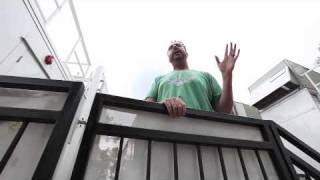
Here is the first version of the containers that we bought. These are. These were built to spec by a kind of a boutique vendor who is actually no longer in business. So we support them completely at this site. And sure. So version one of our containers were put in over the course of 2007 and 2008. They were built to spec, literally, with our team and the team that created. The computers are inside, as Steve mentioned. Inside there are traditional rack space with a cooling solution that goes up rather than front to back. There are 11 racks, 12 racks in some cases, so about 200 computers in each of these. The container that I'm standing in front of is a UPS N1 at about a megawatt of power that powers the whole system. And then the container that's on the other side that we'll actually walk in and See is version 2, which is double the density of the first and employs chiller technology rather than condensed coil for the H vac. Our next generation of containers, which are coming online in the next six months, are adiabatic cooling. We expect them to perform very well here in Colorado and use mostly outside air and fan power only. We think that they'll only run the chillers about 10 days a year and only during peak heat. And the power utilization of those computers, the power utilization effect is even lower than what our V2 was, plus about 200 more computers and many thousands more cores, just because of the hex core solutions that we're going after. So when we walk around here, version 2 of the container, this is our Battlestar Galactica model. When you walk inside, you'll probably see why it's.