Scott Watson shares five tips for choosing an emotional intelligence training partner for managers. Look for providers using the scientifically validated EQI 2.0 model, check testimonials from senior leaders, demand customized content instead of generic programs, meet your actual facilitator, and measure outcomes like improved conversations and delegation skills.
Chapters
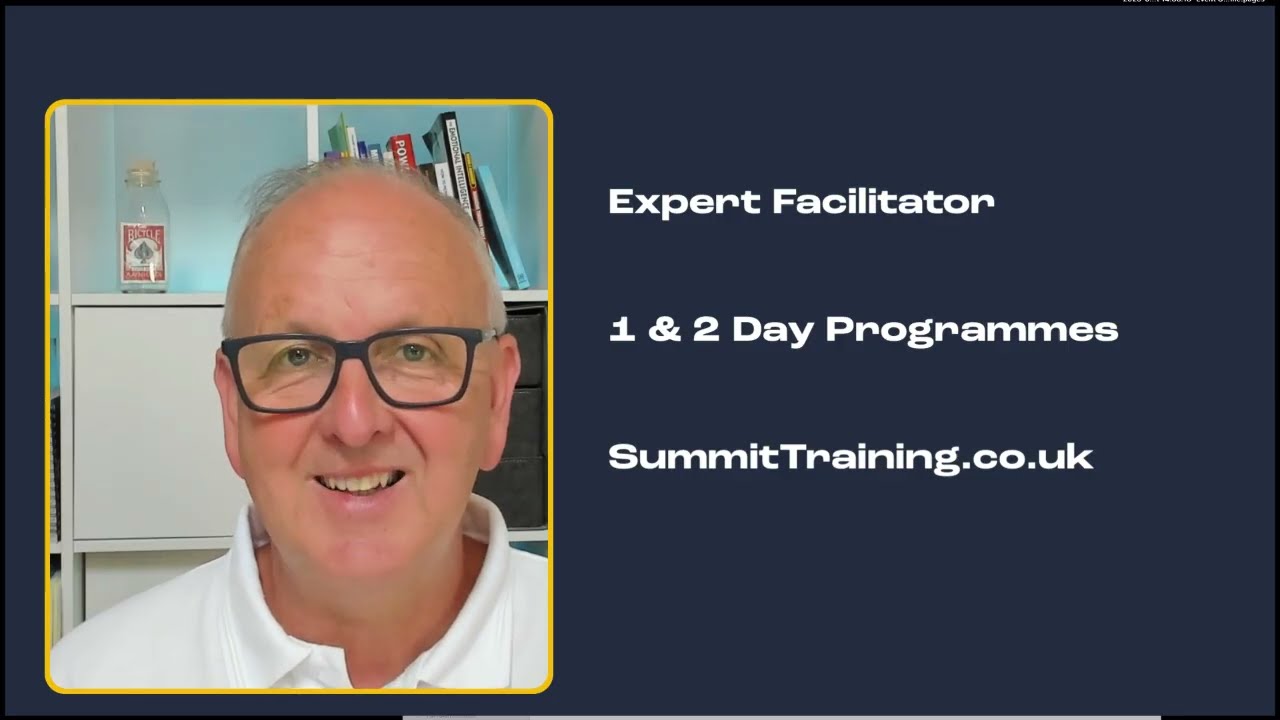
Welcome, I'm Scott Watson. The purpose of this video is to share with you 5 specific tips that will help you make a prudent decision and avoid the potential pitfalls when looking to appoint an external learning partner for an emotional intelligence training course for managers. The first one is check the credentials of the training provider. If they aren't globally certified or globally qualified in a credible, um, accepted emotional intelligence model, Be, be careful, proceed with caution. Lots of organisations offer the emotional intelligence kind of training, but few are actually experienced in real emotional intelligence, successfully applying emotional intelligence, or even delivering value through it. They deliver PowerPoint slideshows with out-of-date content and a few analogies. What really your organisation deserves are Globally qualified, recognised authorities in emotional intelligence that don't dole out PowerPoint content. They deliver immersive, enjoyable, thought-provoking, relevant and meaningful learning. So check the credentials. If they don't have any but they rely on, well, we've done this for 15 years and it's about our professional and personal experience, that's not good enough. It's how are they qualified? Are they generalists who just put things together or are they going to be specialists and experts that deliver meaningful are you? First thing, credentials. The second is check client testimonials, not just Google reviews, but official client testimonials from chief executives, managing directors, HR directors, whoever they may be, people in authority that have actually appointed them to deliver a programme. Now, this just gives you, you and your organisation and your budget, a bit of a seatbelt. It will tell you a little bit about What is this team like to work with? Did they deliver value? But it won't tell you everything. But speak with the author of the client testimonial. Summit have worked globally with DHL in the Arabian Gulf, Veolia in the UK, the NHS, and many others. You're always welcome to check out testimonials with us, but do check testimonials. The third one, sorry, is don't accept an off-the-shelf solution. What an organisation might want to deliver for you might not be completely relevant. If it's not tailored, it's off the shelf, it's general. And even though it might be interesting, even entertaining, where's the value from this? Tell the potential training partner what you require in terms of value, in terms of skills development, in terms of how it's going to help your organisation. If all you're getting offered is an off-the-shelf programme, just be aware that you might be damaging the value that your organisation achieves from it. The next point is meet your facilitator. Lots of training companies use freelancers. Nothing wrong with that in principle, but if they're not qualified or they're not a subject specialist or even, even a subject expert, You don't know if they're delivering value for you, but they might be just a really good person. That's a great start, but meet facilitator to ask some questions about how they facilitate, how experienced they are, what their background is in emotional intelligence and actually applying it in the organizational arena. It, again, it's just another seatbelt that will help you decide Yeah, the price was pretty good, but not sure about the facilitator, whatever it may be, but do meet them. It can be a Zoom call, a phone call, but do have it. Then it's on to, for you, focusing on creating value, not just skills. If you think a 1-day training programme will fix everything to do with personal impact and employee engagement, it's not the case. But if you want to refine the value that your organisation gets and the value from your financial investment, focus on what value your organisation wants from these managers. It could be, for example, the person has, they need to have crucial conversations. Well, in terms of EQ, that's based around emotional self-awareness, emotional expression, and assertiveness. So if someone does become more self-aware, more emotionally expressive and more assertive healthily. And to have these conversations, that isn't just a skills development. It's if these conversations are happening and they're happening healthily, it could be about establishing or reestablishing a boundary. So ambiguity is removed and clarity replaces that. It could be that the conversations happen earlier and issues relating to conduct or performance are addressed earlier. So the recipient of the conversation can return to at least a minimum requirement in terms of their performance. So if someone's delegating, that's not about being better at time management, it's about enabling others to learn so the focus of the manager can be on higher value things. So think about what value does our organisation require from this rather than just what skills do we want to develop. And also focusing on value to be created does really help to maintain the motivation and commitment for learners to actually apply their learning back in your workplace in the days, weeks, and yes, months after the learning. That is where the lasting value is created. And Summit has a few models and online resources to help with that. And in closing, with Summit, you have an expert facilitator, a genuine subject expert, not a generalist, not a freelancer, someone who has applied emotional intelligence, real emotional intelligence, based around the EQI 2.0 model, which is the scientifically validated approach to emotional intelligence for over 10 years. They've done it in organizations, large, small, international, and UK-based too. There are 1 and 2-day programs available. One is an introductory level program. The 2 is more immersive, intermediate to advanced skills. And you can find out more at summittraining.co.uk. If you'd like to get in touch, you're very welcome to. And if you don't, If you are looking for emotional intelligence training for managers, please consider using the tips I've shared with you. It will help your organization stay safe and also get the best possible return on its financial investment and time investment too.