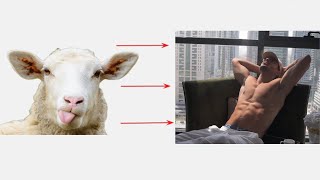
One positive trait makes us assume someone has other positive traits too. An attractive person seems smarter and kinder. A student good at math gets credit for being a strong learner overall. Knowing this bias helps you make better first impressions and judge others more fairly.
Chapters
This is the halo effect, and it's drastically changing your life without you knowing. It's a phenomenon that if a person has one positive trait, like being conventionally good-looking, then we assume that they might have other positive traits, like being intelligent, kind, and successful, even if we just met the person and we do not know who they are. And this happens everywhere in life. Teachers will assume that if a student is good at math, he is a strong student overall, even if they're not. This effect can also work in reverse. For example, if a person has a dirty shirt, that leads us to think they other bad traits as well, like being disorganized, lazy, or unproductive. So how can we use it to our advantage? Well, for us, we can be more aware of it and try to make better first impressions. And for others, we can try and not judge them based on one trait only and give them more opportunities.