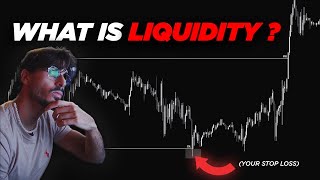
Liquidity is how easily you can buy or sell a stock without paying extra. Volatility is how fast and far the price moves. Market cap, sector, trading volume, and who's trading all shape both.
Chapters
To make the best and fast decisions in the stock market, we need to be able to digest a large amount of information in a relatively short amount of time. What to filter out and what to focus on. Most people trade based off technical analysis, but we need to focus on the bigger picture. While technical analysis is important, it's not the only factor. And in order to have the full movie, we need to know how it looks and also how it sounds. You wouldn't buy a car without first driving it, right? The same thing applies to stocks. You need to know all the information before buying it, and specifically liquidity. Liquidity and volatility. Liquidity is simply how easy, quick, and economically you can enter and exit the position without chasing. More liquid stocks means you can buy without paying a premium for the stock, while low liquidity stocks, for example, a stock with a bid at $1 and the ask at $1.05, means you will need to pay a premium in order to get your shares right now. Market volatility. Volatility basically means how fast and by how much a stock can fluctuate in price. A stock that is really volatile means the stock can move a lot in a shorter time span, and a stock that is less volatile will not change in price drastically fast. Here are some key elements that actually affect the liquidity and volatility of a stock. Market cap, which is the market value of the company. Industry and sector. Stocks from different industries respond different to market news and market updates. Trading volume. The amount of shares that is traded in a specific time period. Market participants. Who is buying and selling the stock? By considering these factors along with technical analysis, we can make better decisions. Remember that trading is a skill. And a skill must be practiced. The more you will practice it, the better you're going to become, and the more intuitive it's going to be for you. When I first started out, I didn't know much about liquidity and volatility, but now just from a quick glance at a stock, I can see if it's volatile, liquid, or not, and I don't need to do that much research on them.