KG Certified: Episode 29 | Journey From Prison To Renowned Author ft. Shaka Senghor | SHOBasketball
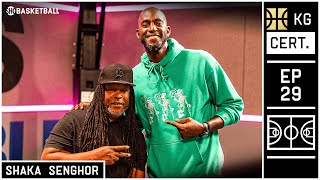
A long-form interview (YouTube) with Shaka Senghor on KG Certified where Senghor recounts his upbringing in Detroit, path into violence and a 17–40 year sentence for second-degree murder, transformative years in prison (including reading, solitary confinement, and writing books), his parole and rise as a bestselling author and advocate, and later entry into tech and entrepreneurship. Themes include trauma, redemption, the power of literacy, solitary confinement’s harms, mentorship, manifestation, and pathways from incarceration to leadership in social impact and tech.
They kept my mouth shut for 25 years. Now that you're back, I want you to go to Tulsa. Not exactly the welcome I was expecting. What crew runs this neighborhood? No crew up in here. We're in the middle of nowhere. I'll protect you from the gangs. What gangs? Sit down. You got a pretty good appetite for someone who was just shot at.
Tulsa.
King new series now streaming exclusively on Fairmont. Five minutes, fellas. Five minutes. I appreciate it, man.
Oh, okay. You getting that bed in before the boom, huh?
LA all the way. What?
Oh, come on, man. You know it's Boston, baby.
Kg. I understand why you said it, but it's la. J.
Are you serious?
You know what? It's la.
Why are you standing up?
Cause it's la. You know what? You ain't scaring me. Let me tell you something. That ain't enough.
Boston, Boston, Boston.
It's la.
Today in KG Certified, we have a very special special special guest. Shaka Senghor from the infamous Detroit. What up, though? Got a great story. He's a tech og, has a crazy story to where he's here today making a huge influence and a difference in the space. Y' all, check this out. Got Shaka here today. Thank you for coming in here, sharing, building all that today, man.
Man. Truly. Your Honor. Truly. Honor.
We've been here at Certified, We've been trying to penetrate or at least have a segment on tech where we're so curious about tech and why it's not so many blacks or minorities that are like outlandishly known in tech.
Yeah.
You know, so to have you and just your whole story and how you got to where we are today is just unbelievable. So I just wanted to echo that. Thanks for coming on, man. I know we talked a little bit off camera and stuff. I know you're from Detroit. Tell us a little bit about your story, how you got here. All of it. Just where we at.
Yeah. So big shout out to Detroit. What up, though? So I grew up on the east side of Detroit at a time where, you know, black home ownership was like a new thing in this particular community. My dad was in the Air Force. He ended up being in the Air force for about 35 years. He worked for the state. My mother was a homemaker, raising six kids and so on. Outside looking in, we almost look like the picture perfect working class, black middle class family. But the reality was there were a lot of tough obstacles going on in our household. You know, I've grown to really understand, like my mom and like the physical abuse and we've had deep, deep conversations about what she experienced. But back then, nobody was talking about it. Nobody was calling it out, you know. And then my parents went through this kind of series of separating, get back together separating. And during that time, I ended up running away. You know, I was an honor roll student, man. I was a scholarship student. I had dreams of being a doctor. And things were just so tough at home that I just didn't want to be there anymore. Hold on. And I was about 13 or 14. Wow. And what I thought would happen was, you know, somebody would see this little smart, little handsome little kid and just take me in and raise me with the warmth and love that I truly believe all young people are deserving of. And unfortunately, this wasn't the case. You know, that's the naivete of being youth. You don't really know how that functions. And so for the first two weeks, man, I'm just. I'm sleeping in the garages. I'm, you know, sleeping in friends basements. They smuggling me food, hustling food, you know, taking people back to the car for 50 cent or a dollar to get some food. And this older cat in the hood was like, yo, you know, I see what you're going through. You've been out here for a couple, same clothes, blah, blah. Let me put you on. Let me help you make some money. Let me, you know, help you feed yourself, you know. And so I remember he took me to this spot, man, and this spot was like, dilapidated, Ran down, and he gave me a sawed up shotgun. And I was scared to death. It's one of the things, like a lot of cats, when they talk about how they got out the money they was hustling, they don't talk about, like, the fear of being a kid, you know, like, I ain't never shot no shotgun at this point, you know. And he was just like, anybody try to take anything, here's what you do. And I remember him giving me the money, you know, the sack and telling me what I owed and blah, blah, blah. And so I'm hustling, you know what I'm saying? And end of the week come, and this cat gave me more money than I had ever seen in my life, you know, he was like, this your week's pay. And it was like singles and fives and tens. I had this ridiculous knot of money.
We call that trash.
Yeah, it's crazy.
No disrespect to money, but yeah, in the city, they call that trash.
Fives, tens, ones, man, literally all trash. And it's stacked up, right, right? And the first thing I did is went down to the corner grocery store and I bought every kind of cereal that I had seen that I couldn't have at home. You know what I'm saying? I'm buying chocolate milk, strawberry milk. I'm wilding, right? And it's the reality of a kid in this adult culture.
You getting real cereal, too.
You got that name brand shit that watered down. Soon as you get fired, literally everything. I got the Crunch Berries, I got the whole joints, right? It's going nuts, right? And. But I'm a kid, you know what I mean? And so I get in that culture, man, first six months in the culture, childhood friend gets murdered, I get robbed at gunpoint. I'm on the east side of this apartment building, and I remember thinking to myself, when these cats was robbing me, I'm looking down these stairs, they got the gun in my head, and I'm like, damn, I'm gonna die right here and somebody gonna find my body down here. And I just remember, I never forget how this guy treated me after he robbed me. Just basically pushed me, like, get your young ass on up out of here. You know? And it was just this coldness and this callousness. I remember hitting my gap. It's like, man, they robbed me. He's like, all right, we're gonna pull up, we're gonna come, you know, take care of that. And again, I'm scared, though, you know what I'm saying? Cause, like, I'm like, these cats could have killed me, you know? But I stayed in the culture, you know? And, you know, shortly after that, I remember getting beat nearly to death. And this was the thing that always sticks out to me, is, like, when I was laying on that bathroom floor and just laying in my own blood, and I was like, man, what kind of world do we live in when this happens to kids? You know? I just got beat by three grown men. And so it was those things where I started to become hardened, you know, like that innocent kid, that scholarship kid, like, started to turn into, like, the hardened hustler, you know? It's just like, okay, I gotta win it all across. You know, any conflict, I'm handling it this way. About three years in, I'm about 17. It's March 8, 1990. I get shot multiple times. And I always tell people, like, that was the last reminisce of my childhood. That was the last sense of innocence, you know? Like, it from there, I began to kind of program my mind in A way. And it's something we don't talk about in our culture. We don't talk about ptsd. We don't talk about these narratives we create. When I got shot, got to the hospital, they pulled the bullets out, and they basically handled me like a car, you know what I'm saying? Like, it's like a matter of factor. They pull the bullets out, patch me up, throw me in the room. Police come in, they barking, who did it? I don't know. They going wild on me. Cause I'm like, bro, I don't know. You know what I'm saying? If I did know, you know, I'm from the streets, y' all know the code. But at the end of the day, I'm the victim here, you know what I'm saying? And you know, my parents, at that point, I was the third of their sons who had been shot. And I think they had reached a point where, like, emotionally they didn't even know what to do, you know what I'm saying? I always talk to my dad about this, like, you know. Cause I'm a dad now, you know what I mean? I can't even imagine, like, my boy, my child, you know what I'm saying? And when I left that hospital, man, I. I left with a narrative, you know, And I began to tell myself, like, if I get into a conflict, I'm shooting first. You know, I knew I didn't feel safe, but I couldn't tell my cats on the block that I didn't feel safe. So we would be standing on the corner, car pull up, and I'm like, you know, I got it on me, you know what I'm saying? So any slowing down motion, I'm kind of like, you know, I'm on edge, right? And so about 16 months later, I get into a conflict, man. About 2:00 in the morning with these guys, that two of them, I didn't know. And one of the guys was a guy that I knew from, you know, selling him drugs over the years or so. And he was a great. He was a great spender. He was one of them guys that when he come through, you want to do business with him. But this night, it wasn't a night to do business. Somebody had just got shot around the corner and, you know, hood on edge. And then he was bringing two guys I didn't know. So me and him, we get into an argument. That argument escalates, and, you know, this guy named David was in the passenger seat. He and I began to exchange words and that escalated. And there was this moment, man, that, you know, I always think back on is there was this moment where I turned to walk away. You know, I took one step to walk away, and unfortunately, I didn't take the second step. And when I heard what I thought was him getting out the car, I turned and fired, you know, multiple shots, tragically causing his death. And, you know, it's one of the. One of the most regrettable moments that, you know, I live with for the. Something I'll live with for the rest of my life is knowing the devastation I caused his family, you know, I was subsequently arrested, charged with open murder, and I was sentenced to 17 to 40 years in prison for second degree murder.
17 to 40.
17 to 40. So minimum of 17, maximum of 40.
How old are you?
I was one month into my 19th birthday when the shooting happened. And so when I go into prison, man, I go in, I'm 19 years old, you know, I'm emotionally confused. You know, I'm like, my life ain't supposed to end up like this, you know, I was the one that's supposed to make it, you know, I wasn't supposed to end up in prison. First time in jail, first time in prison. Like, I had been, like, I had the little rest and, you know, juvenile and all the things, and even, you know, going to juvenile, they, what you doing in here? You smart. And they would always say that you smart, you too smart for this, you know. And that didn't register into me till years later. Why that was such a shock to them because the average education level in prison is third grade reading and math. And so because I had the ability to articulate myself and I could read and I can, you know, perform well, they like, you not supposed to be in here. And, you know, years later, it blew my mind. Cause I'm just like, okay, our school system isn't set up for, like, this level of, like, intellectual elevation. So of course it's a pipeline to prison, you know. But I get in, man, I get in the environment. And, man, my first five years, I'm just. I'm out of control, you know, I'm angry, I'm bitter, you know, I got all these emotional scars, all this trauma, you know. And so I'm acting out in this, showing up in these very counterproductive ways, you know. So my first five years, you know, I accumulated probably 25 misconducts, you know, and that range from everything from dangerous contraband, assault on staff, assault on, you know, guys who was in the joint. You know, I end up in maximum security. I turned 20 in a maximum security prison. I was one of the youngest guys there.
Wow.
And. But it's the environment where I met some of the best mentors in the world and the men who really led to me seeing life in a whole.
Different way and changing the mentality.
Absolutely.
Literally anything is possible on the court this year. And if you're ready to make A bold pick, BetMGM is the place to go. Because they're giving new customers 100%. Yes, 100% risk free shot at the action. Just sign up at BetMGM, use bonus code KG1000. And your first bet is totally risk free. Yes, risk free up to $1,000. Yep, I said it. 1,000. Crazy, right? Whether you want live bets, futures, player props, or you're going to throw down the big time parlays like the Big Ticket. And then they've even got boosted odds specials on some of the biggest games from coast to coast. Look, BETMGM is also called the King of Sportsbook for a reason. And all you gotta do is download the BETMGM app and use bonus code KG1000 when you sign up and you'll get to place a first bet. Risk free. Yes, risk free. Up to 1,000 bucks. It's time to turn big plays into paydays, baby. Would you think that. I know earlier you were speaking on the literature and the stuff that you was reading while being inside actually getting a letter from the victim's family. Talk about how that actually changed, not just the reset, but how you start to view things differently. Talk about that a little bit.
Yeah, I call that one of my three miracles. Right? So the first miracle I just said a little bit about which was meeting these brothers, you know, these old guys who were, you know, I called them old then. It was probably like in their 40s. And you know, I'm 50 now, but you know, at 19, that seemed so much wisdom. And these cats, you know, first they tried old traditional, you know, come on, little bro, you gonna keep acting up, you're gonna keep getting in more and more trouble emotionally. I was checked out. I didn't care. You know, I had that mindset like, man, I don't care about nothing. Ain't nothing this system could do to me. And when they realized that approach didn't work, they found another way in, which was books. And so they gave me books like Donald Gorn's Dope Fiend, Iceberg Slim Pimp, and you know, all these hood books. And they were so smart cause they KNEW it was limited, you know, it's only, you know, 15 to 20 or so of those books. But they knew that my mind would be awakened to reading. Soon as I got done with them books, they hit me with the Malcolm X. And when I read Malcolm X's autobiography first, I saw so many parallels. I saw him in that class and being told what he couldn't be and remembering being the best student in a class at the time. This was like our school was integrating but not being treated as the best student because I was the little black boy, you know what I'm saying? And so it was so many things that was resonating. And then when I got to him reading the dictionary all the way through, I was like, this is crazy. Like, this guy has this discipline. So that began this kind of journey of, like, reading and discovery. And about. I think I had about six years in. I get this letter from this woman. I thought it was like a random pen pal. You go to prison, people reach out to you. Sometimes it's like, from the religious community. They're just trying to encourage you. You know, sometimes it's like women who were fascinated with guys incarcerated and, you know, it's just random people. So I get this letter.
It's real enlightenment, though, right?
Yeah, sometimes it's enlightenment, and sometimes it's just, you know, somebody trying to connect, you know what I'm saying, with a cat in the joint. And I get this letter from this woman named Nancy, and I started reading a letter, and she was like, you know, I want to tell you who David is. You know, he's a father, he's a son, He's a best friend. He's my godson I raised. And everything inside me wanted to borrow that letter up because I didn't want to be responsible. I didn't want to be accountable. And she humanized this man. And she was like, despite the devastation you caused my family, I forgive you. And I remember just reading that line over and over and trying to, like, fill it inside my being. Like, what does forgiveness feel like? Because the reality is I hadn't forgiven myself. You know, it was eating me up inside knowing, like, I wasn't raised to be that guy. You know, I, you know, thought about, like, his family, you know, and his loved ones and his children and his wife. And, you know, and I never got a chance in court to say I'm sorry because at that time, you know, I'm 19, I'm listening to whatever the lawyer. The lawyers just, like, say this or say it like that. And, you know, but it's not a real, like, yo, I know I devastated y' all family, you know, so when she wrote me that letter, her and I began to correspond. And I remember her asking me this question. She was like, what happened that night? And you know, I gotta gave her the kind of police version of it, you know, to kinda just hear the facts, you know. But she was like, no, who were you that night? You know, she was like, you 19 years old, you're a kid, you know. And it was the first time I was able to feel something for myself. Like the, you know, what is it like to be a kid who's taking somebody's life? And, you know, that's when I began this, you know, this deeper journey of like personal healing. You know, like not just the intellectual, you know, I read all the books and we can get into like philosophical debates, but like, who am I inside? You know, who do I want to become and what do I want to become? And you know, I didn't know if I was ever getting out of prison, but I knew I wanted to be a person that I can be proud of, you know, that I can be a man that I could be proud of. And so, you know, I started this journey, bro, of just like growing and challenging myself. And it's tough. It's tough to do it in prison, you know, it's tough to do it in an environment where survival is standard operating business, you know, like, it's not an easy thing. And so the challenge was like, you know, okay, how do I exist in this environment while I'm having this major mental shift, you know, this transformative shift? And I was like, I gotta get my other guys involved, you know what I'm saying? Like, how do we share resources, share books? So we like debating. I'm going into the library, man. Debating with the old heads, man, which was so beautiful. You know, when I think back on it, like the conversations we were having, you know, we're debating philosophy, we're debating history and culture and, you know, all those things. So it's passion too, man, it's heated. I mean, it gets real up in there.
Cause facts stand out.
Absolutely.
And that's what the argument is, or that's what the discussion. I don't even call it argument. Cause you're really building. And what I learned about bills, or when you go into those heated kind of build debates like that, you often get smarter.
Oh, absolutely.
You getting hit with things that you didn't know and did, you're also doing the same thing. How much of that was a chess match.
Oh, it was all a chess match, man.
You play chess?
Actually, I don't. And I have a reason why. I definitely understand the game, how the move was made on the yard. Guys would get you to play chess so they could see how you think strategically. So while they was playing the game on the board, I'm playing it on the yard, I'm making moves. I'm like, okay, these the pawns right here, I'm the king. This is how, you know what I'm saying, how I move, right? So the philosophy of the game was something that was always deep to me, you know, And I would just sit up and I would watch these guys. I would listen, I would follow their moves. When I was in solitary, we couldn't have chessboards. So we would take like the back of a notepad and we would draw a chessboard on there, tear the piece of paper up, and then these guys would play from cell to cell, like calling out, you know, their moves based on numbers, you know, EJ27 to such and such, whatever.
The thing was almost like Battleship when you're doing.
Yeah, yeah, yeah. And I would literally just. I would follow the games, you know what I'm saying, on the boards. And I'm like, okay, I see this guy, he very aggressive. Everything he do, aggressive. You know, this guy, he's very subtle and nuanced in, like, how he sets up, you know, his next three moves, right? And it's fascinating, man, because these guys are extremely intelligent. You know, I think some of the intelligence in prison is so underestimated, you know, and undervalued. You know, those brothers, you know, and sisters in there are just, you know, strategic thinkers.
How much of I can. I can totally understand kind of the reset in which you got in reading. But then it's another thing for you to go into and start writing books. What made you want to write a book?
Yeah, so in 1999, I ended up getting into a conflict with an officer, and they sent me to solitary confinement, where I ended up remaining for four and a half years straight. 23 hour lockdown for five days a week, 24 hour lockdown for the other two days. And Solitaire is the most unbelievably depressing, barbaric, inhumane environment that we currently have in America. It's something that I don't even understand how it's constitutionally what I actually do understand. These systems are designed to, like, crush the spirits of people. That's what the environment is designed to do. What I don't understand is why we're not talking about it more like that this is what we do to people. You can't lock a puppy in a case for 24 hours without uproar from the masses because they would think that it's barbaric to treat pet in that way. But we do it to humans all the time. But I was in that environment, and the environment is the most chaotic environment you can imagine. I mean, guys throwing feces on each other, you know, they're cutting, you know, cutting themselves up. The level of mental health challenges that exist in that environment is, you know, it's just unbelievable, you know, to think that this is what we do to human beings, the suffering. And when I was in there, I was like, okay, I know that this is designed to break me. And I was really fortunate. I had read this book called. I'm Coming Back to the name of the book. But the book was about, oh, cages of steel. Read this book called Cages of Steel. And this psychiatrist broke down what happens to the human mind when you're in solitary confinement. And they were talking about this in relation to how they basically destroyed the Black liberation already Black Panther Party, using super maximum security, isolating and separating them. And then this is what will happen to their mind. If you put a bunch of people who have mental health challenges around somebody who's sane, they'll start to question their own sanity. If you ensure that, you know, there's people around them that can keep them up, they won't be able to cognitively process in a way that's healthy because they can't sleep and the brain needs its rest. And so I was reading all these things of, like, okay, if you go this long, you'll start hallucinating, you'll start being aggressive because you're behind a door, so you can't hear really well, and you can't, you know, when you speak, you have to, like, Lily basically holler up under the cell door. And so it broke all these things down. And because I had the literacy ability to actually read it, I knew what I was dealing with. And I think that, as they say, knowing is half the battle, right? And so whenever I would find myself feeling vulnerable, I would, like, escape into a book, you know? And one day I was reading this book on philosophy. I got deep into philosophy, and I was reading Plato's Republic, and there's a dialogue around the apology that Socrates was having. And he said, the unexamined life isn't worth living. And I remember reading that, and it, like, blew my Mind, like, damn. Like, what does that mean? And so I started with this essential question. How did I end up here? You know, how did I end up in the solitary? Like, I'm supposed to be a doctor. How did I end up here? So I started journaling, and I went back and I started processing all this trauma that I experienced. You know, the gunshots, the beatings, the violence. Just, like, all the things I had been through. And as I'm journaling, I realized I had never accomplished anything. You know? Only thing I had accomplished up to that point, I got a ged. And I was like, okay, if you're true in your spirit about turning your life around, you gotta challenge yourself to complete something. And I'm looking around at this spare cell, and I'm like, all right, what can I do? You know? And I promise you, it felt like a voice was like, write a book. It was like, write a book. And I was like, okay, I'm gonna write a book. And then I was like, I gotta do it in 30 days, though. Cause I gotta prove to myself I can complete something. Oh, wow. I need to prove to myself that I'm serious about turning my life around. And at the time, I don't know if I'm getting out of prison. You know, I just got this letter from my son at the time, and my son had wrote this letter, and he said, how old is he? He's probably about. I wanna say about 10 or 11.
Okay.
And he writes me this letter and he says, my mom told me, why you in prison for murder, dad? He's like, dad, don't kill again. Jesus, watch what you do. And at that point, I was like, you know, I don't know if I'm ever getting out of here, but I owe this kid a dad that he can be proud of. And that no matter what happens in here, I gotta live my life in a way to where when my son look up, he can say, my dad took this fall, but he stood up and he added some type of value to the world. And so I challenged myself to write this book. And I didn't have, like, a typewriter. There was no iPads, none of that stuff. They give you these real flimsy pens in solitary. And I'm like, I ain't gonna be able to write a book in 30 days with this, you know? And then it hit me. It was like, oh, you got an excuse. And it's like every time you failed, it's because you made an excuse. You know what I'm saying? So is you gonna go for the excuse or is you gonna make a way? I took that pen and I rolled it up in paper, and I just rolled it up until it was as thick as a pencil. And I would write every day for 30 days straight, man. I wrote my first book, which was a novel.
What'd you write about?
It's a novel, actually. It's a novel called Flagrant Foul, and it's about this young girl who's playing street basketball. I'm a big. I grew up playing sports and ball.
I was gonna ask you about your game. I'm gonna ask you later.
Yeah, I still gotta keep going. Keep still. Gotta jump off. And so I ended up writing about this young girl who gets caught up, you know, in the inner city of Detroit. And I was so proud of myself. Like, I literally danced around myself like, yo, I wrote a book. And then I was like, okay, well, a book isn't a book until you give it to somebody. So I put together a fish line. That's how we would, you know, exchange information in the joint. So I toothpaste, tool, yarn from my socks, tied that up, asked guys on the tier like, yo, anybody want to read this book? Couple of guys said, some slick stuff, man. This ain't Oprah's book club. You know what I'm saying? I was like, you know what? It's not, but let me write that down as a goal. Like, one day Oprah's gonna read one of my books. And then I started writing down, what do I want to happen? I want to be a best selling author.
Affirmation.
You know what I mean? So I wrote that down, and this one guy was like, man, I'll read the book. So I remember sliding it on the door, and it was crazy. Cause, like, when the last part of that envelope slid, like, my heart stopped. Cause I'm like, damn, this is my only copy. And we in solitary. If he don't give it back. It ain't nothing I can do. I can't. There's nothing I can do. You know what I'm saying?
How many pages is it?
It's about 170, you know, handwritten. I still got the original manuscript.
That's what's up, bro.
Serious. I still got the Manus prism. Oh, man, it's crazy. Yeah, I still got the original manuscript. And so I sent it to him, and I don't hear nothing from him from, like, hours, bro. So now I'm over here, like, I'm strategizing, like, how I'm gonna get at this cat, when we get back to the yard, what prison he gonna end up at, how I'm gonna, you know, make sure I get it back. And then he come back and he was like, man, it's one of the best books I ever read. And I was like, damn.
And then he was like, for real?
And I was like, for real? And he breaking down the character, he breaking down the story. And I'm like, okay, this is one assessment, but I'm like, I gotta get more feedback, right? And so my stepbrother, who, you know, I grew up, you know, we didn't grow up as close as men. My other stepbrother, but we grew up. And what I admired about him, but he always did it the right way. You know, this is my older brother. I don't even call him stepbrother now, but for the sake of the conversation, but my oldest brother, kid, I remember being like, I gotta send him something that I wrote and I sent it to him, but I'm just like, he's smart, you know, he gonna be able to tell me what's real. And I remember him writing me back and it was the first time he had wrote me since I was in prison. Oh, wow. And he was like, bro, you have a incredible talent. He like, you write better than most people I went to college with. And from there I'm like, okay, gotcha. I wrote one. It's good. I'm like, do it again. I'm like, greatness is the ability to do it again and again, right? Like, you talk about sports consistency, pretty much. Sure. Everybody can hit a jumper. Everybody. You know what I'm saying? Can you do it at crunch time? Can you do it over and over, right? So I write this second book and I'm like, I'm feeling it now. I'm like, oh, I'm in beast mode. Right? I'm understanding how to tell stories. Started a third book and I fell into the deepest bout of depression I've ever experienced. The third book. The third book, I got halfway through it and I became so depressed because I realized that I had this God given talent and I was in an environment where I couldn't give birth to it. And it was crushing. It was just crushing. Like, you know, imagine, you know, you realize you have a. You know, it's a gift. Like, it's not like something that's, like, I know it in my spirit when I'm writing. Like, it's just a. It's a connection between me and what's divine, right? And it was crushing to Wake up and realize, like, man, my life could have been anything other than in this cell. And so I was like, okay, I gotta fight this depression first, you know what I'm saying? And what I learned through that experience was one, you know, it's important to just honor your feelings, whatever they are. And then if you can put a name to it, you can fix it. You know, it's like if you can reveal it, you can heal it. And so I started willing, like, I just, I have to win a moment. I don't have to win a day, I don't have to win an hour. If I can win a moment, then I can come out on the other side of anything. And so I just started taking it moment to moment. Like check ins. I would write down, you know, what I'm thinking, how I'm feeling, and then I would go back and read it. And then I would just go read stuff that was affirming to me, you know. And then I ended up realizing through all that, I was like, okay, I'm responsible for my dream. I gotta get outta solitary. That gotta be my first step. I was reading this book as a man think of, and it talked about how you think into existence the things that you want. And I remember first being like, man, get out of here. Like, that's crazy, you know. But then when I went back and read my journal, I was like, I thought myself into prison. I had already. I made that narrative up after I got shot that I was shooting first, you know what I'm saying? I made the narrative up that if something happened, like I was gonna respond in this way. So I had wrote a script for myself subconsciously. And so I was like, okay, if this is true, if this is a real thing, if the laws of attraction are real, I gotta test this out, right? So I was like, what's my first order of business to get out of solitary. Now at the time they telling me I'll never get out. Cause like when you assault an officer in prison, like that's worse than killing somebody who's doing time in prison. Like those just the facts. Anybody who's ever in prison, they'll tell you, cats talk tough until it come to like the officers, right? It's kind of like the zone where you not going that route because you know it's going to end bad, right? Wow. And I remember writing the award in this letter. And at the time, I'm deep into the philosophy, right? So I'm loving all the witty banter, the way that they thinking about things, the way that they're challenging ideas. And I basically was like, listen, you know, I was like, I want to position this letter like this. One of the things that I said when I entered the prison, I was never going to follow rules that didn't make sense to me. I was going to do what I want to do, get in any type of trouble. I didn't care. And I was like, whether you appreciate that or not, one of the things you have to know is that I'm a man of my word, because this is exactly what I did. I got into every type of trouble, never followed the rules, et cetera, et cetera. If you believe that I'm a man of my word, then you have to believe everything I'm gonna tell you after this. And then I told him. I was like, if you give me an opportunity to get back out, I'm gonna pursue my path as a writer. I believe that I have something to share that's meaningful and worthy enough for me to make a commitment to it. And I sent it out. And I, you know, realistically, I was like, okay, I'm testing this theory out. Laws of attraction. Laws of attraction. Is it real? I'm like, he probably ain't even gonna read the letter we go by. I actually get a letter back from the warden, and he says to me, despite my instincts and my better judgment, I believe you, and I'm gonna give you an opportunity, and I'm gonna advocate for you to get out of solitary. And he began to advocate for me to get out. And it took two and a half years before they released me from the point I sent that letter. But he advocated every year up until I was released. And so I got out. I took them handwritten manuscripts, man. I typed them up on this little word processor, which was. It's wild. Like, even now, I just, like, think back, like, the grit to, like, literally type up handwritten, you know, books over and over. And I would have to type them multiple times. Cause I gotta keep a copy. I need to send a copy out.
You know, it ain't the best quality.
It ain't the best quality work.
I gotta hit.
Oh, man, it's crazy.
Three times.
Facts, T. It's crazy. Look, I would have times where I don't even have ink. So I would have to put the copy paper in just, like, so it can print. But I had got so used to reading, like, really faint words, like, I'm telling you, you'll see. My manuscripts I got now, it'll be like, dark ink. Dark ink. It's so light. You like, what's happening here, right? But I had to get it down because it had to become a thing. It was like the physical manifestation of it had to be real. And then from there, I started shooting it out. So I'm sending manuscripts out blindly. It's crazy now. Cause I'm like, man, I would send my manuscripts to, like, rappers and just be like, yo, y' all should be publishing these books. Like, I'm talking about what y' all talking about, but from a real perspective, right? And I actually still have a copy of one of the letters, man. I sent to. I actually sent it to Jay Z. It's crazy. When he was at Def Jam, I still have the letter. And I'm breaking down to Jay, like, why they should publish me as a writer. You know, I'm breaking this down. And then I wouldn't hear from anybody. So I bought this book on self publishing. Taught me everything I needed to know about publishing. I mean, everything from pricing, like, how much of a budget I needed. So all the money I was hustling on the yard, I started saving that. You know, my family would send me $50. I saved 25. You know what I'm saying? I hustle on the yard. I saved half of that. And I would send it out through guys, and then their family would send me money. So we would. It's basically like money laundering, basically. So basically, it'd be like a cat. I see a guy at the table, he need, like, $100 in store items. I'd be like, yo, you know, tell your girl to send me 75. You know what I mean? So it gets him out of trouble in real time. And I'm able to accumulate some money. And then my youngest son, his mom, her and I, we were in a relationship at the time. We were, like, dating and kicking it via snail mail and phones. And I told her this vision I had, and she was like, I'm gonna make you. I'm gonna help make it reality for you. So she began to be my legs out there. Sent her the manuscript out. We got it typed up, print out. I published my first book from prison. Started my first company in prison.
What year was that?
2008.
Yeah, year we won.
Year we won Facts. It's a big year, man. Book come out 2008. And, bro, I remember. So I had her send, what's your feelings, bro?
What's your feelings?
You just go.
You see it. You like.
It's crazy. Cause I'm going back and forth. So we're designing the COVID like through the mail. So she would be like, I'm gonna send you the COVID Cause you gotta. And then I give her my feedback, send it. So it's a long process, right? Finally we get to the COVID the final cover. The COVID comes through. Somebody in the mailroom think I got a publishing deal and they send it to the state attorney general and they sue me for the cost of my incarceration. So they literally itemize how much it costs me being incarcerated on a day by day basis, and they sue me for that.
Oh, wow.
And basically they freeze my account and they like, you know, they take in 90% of anything that comes in. And so I'm in this legal situation. Like the book ain't even. They don't even realize that I'm self publishing, though. They think it's a deal. And so we navigate the lawsuit and finally she sends a copy of the book in. And man, I remember when I held that book in my hands and I was like, this is manifestation. Like the law of attraction is real. Like being able to come up with an idea and then execute against the idea manifests to a real thing. And I remember that book, man. You know, everybody on the yard, they like, yo, let me get the book, let me get the book, right? So it's, you know, my guys first, they gotta read it first, you know what I'm saying? And bro, it's just to this day, I haven't experienced anything outside of the birth of my youngest son that gave me that much of a feeling of pride, of like I've done something, I gave birth to something. That's real. That's true. That was an idea when nobody believed in me. Nobody even thought I was ever getting out of solitary. And so it hit the yard and then we, you know, it's going around the yard. This one young brother, he get the book. And basically somebody, he said somebody broke into his thing and stole a book. So the book almost starts as War on the Yard. Cause like, my guys, they, oh, geez, they know I'm getting close to going to parole. I can't be wilding out. They not happy about this. You know what I'm saying? They want to go take care of the young cat. And I'm like, I'm like, nah. I'm like, if the book meant that much to him or whoever took it, right? Like, that says a lot about who I am as a writer. Like, I'm so cold that a guy's willing to put his life on the line knowing that I run the yard and these cats coming. And if a guy willing to risk it all, to hold onto that, they deserve to have that, man, that's the greatest compliment as a writer I can ever get. Is a guy willing to risk his life for that. You know what I mean?
That's a crazy story, man. Shaka. Man, you get home, man, you come home with all this affirmation. You come home with all this trust you come, you believe in. Soon as you come home, what are you thinking? Cause you hitting a. It sounds like you about to hit.
You're hitting.
It's almost like coming out. You almost have a vision. Ain't no almost. You have almost like some direction on coming out of that, knowing what you want. Talk about coming home and what you want to get accomplished versus the reality.
Parts of it, man. So I started writing down goals, right? When that guy told me it wasn't Oprah Book Club, I was really reading these books about being intentional, right? So I'm like, okay, what do I want? Like, what do I really want to happen, right? So I knew I wanted to be a best selling author, you know, I knew I wanted Oprah to read one of the books. And then I was like, okay, what else do I want out of this thing, right? I wanna turn my stuff into movies and films and write for the stage and I wanna write for magazines, like all these different things. So I would write everything down. This is the kind of car I want. This kind of house I want. These are the experience. So, like, deep, deep. I would take these deep dives, right? So fast forward, I get out of solitary in 2005, I think. So the next year I'm just working on writing the rest of the books, typing them all up, getting it prepared, going for parole. 2008, parole board hearing is about maybe a minute and a half. And the lady, she was just hardcore shot me down. And I was like, okay, that's fair. Like, you know, I give it, you know, I know the kind of game. It's like, okay, I wasn't a model cat in here. I thugged it out for like eight of the years, you know what I mean? So I get it. Go up the second time. Parole board hearing is lit. Woman come in, she nice looking. Me and her, we chopping it up. It's like flirtatious, like she talking. Cause I had caught a misconduct on a visit with a lady I was dating at the time. So she asked me like, how did y' all catch this misconduct? And I'm like, you know, I tell her the Story. And she like, I get it. If I had that much time in, I'd do the same thing, right? So we got a whole vibe going, right? So I'm like, I know she voting for me, but they gotta go to a second person, goes to the second person, he shoot it down, go to a third person to split the tie. Third person side with the guy, they shoot me down. Second time, 2009. And then I was like, man, I'm not going back to this. You know what I mean? At this point, I had, you know, 18 years in, I knew how to do time. You know, it was devastating to watch my family's heartbroken every time I got denied, you know? And then, you know, my son's mom, you know, who she, you know, she was my girl at the time. She was like, yo, you gotta go back. You gotta fight for your freedom, you know? So I go back the third time, 2010. Get out. And I get out. June 22, 2010. One day after my 38th birthday. Oh, wow. So my last full day in prison was on my birthday, my 38th birthday. I get out. And I knew whatever I was gonna do for the rest of my life, I had to start with the day that I got out. And so the first thing I did was sell a book to a guy who was getting out of prison. You know, he got out, he had his little cast, told him what I was doing, had the books brought up to the parole office. You know what I'm saying? And soon as I stepped out, I was like, yo, you got the books? You got the books? Popped the trunk, first book out the car, say word. You start playing books right there, out the car. Lily in the parole office. I still, every year on my Facebook feed, the picture of me and him pops up. My first coming home fit. I had some little air ones on. I had some shorts that was, like down on my ankles, like some big old Jabot's and, you know, a shirt. And I sold that book, man, to this guy named Prince. And I was like, man, this is what I was born to do. And so that first week, I didn't party, you know, went home, you know, we saw the fam. All that I was about that work, bro. First morning, get up, okay, I need to go to the bookstores. Who got the bookstores? Who gonna put me on the shelf? It was one guy. He was already carrying me. I went up there to meet him. Break bread, bro. I appreciate you. You know what I'm saying? So everybody who was carrying me already showed them love Started setting up everything I wanna do. I'm like, okay, I need to throw a party, like a skating party. I can get people to come out. They get a copy of the book. I'm thinking of all these guerrilla marketing tools, right? I'm like, I'm taking flyers up and down every block. I mean, everybody I talk to, I was selling the book. You know, you ain't got the whole 15 is cool.
What you got?
You got six hustle one on one. You get that? You know what I'm saying? Yeah, it's crazy, bro. I mean, I would go hit the park and it was wild. Cause you know, Detroit. Detroit, man, is a beautiful hustler city. So you hit the park, it's all the hustlers out. They got the big toys. They the rangers and vets. I'm up here in this little Honda Civic, you know what I mean? I got my little basic tee on. They Pradas and Gucci's and J's, and I got my little air ones on. I'm like, you know, all the players.
Out here, you know, everybody is right.
I know they daddies.
Oh, wow.
I know they uncles.
You watch these young boys out here.
I'm watching the young cats, right? And I remember I would hit the park, man, and it would be so intimidating to go up to a young cat and be like, yo, I got this book, you know? And I remember hitting the park one time, and I'm like, man, I go up to these sisters, they like, ain't nobody talking about no books right here. We. And I'm like, ah. I'm like, it feels so cold hearted out here, right? Facts. And then I'm walking past this group of brothers and they got the ice grills on. They, you know, they got the block vibes, you know. And one of the brothers was like, man, like, what you got, bro? And I'm like, you know, I got these books, two for 20, you know what I'm saying? They 15 apiece, blah, blah, blah. He like, let me see what they talking about, you know? He grabbed the books. He was like, man, I'm a rock with this, you know, man, that brother been like DMing me for 11 years straight, bro. You know what I'm saying? Just always talking about how one day those books gonna be a movie. They gonna be a movie, I gotta be in it, right? I started feeling this love, man. I would go to the gentleman's club and, you know, I couldn't make it rain. I ain't had no cast, but I had them books. Though, you know what I'm saying? So, you know, the sisters, they would come rock with me, though. They'd be like, yo, that's so dope. You got out and you doing your book thing. And, you know, I would go to the regular bar and sit there, man, and, you know, I ain't had no bread, so it's like I drink my. I have my little, you know, cheap, little Long Island. You know what I'm saying? My Heineken.
You do the trick.
That. Do the trick, man. Do the trick. And I would sit there and I would talk to people and sell books. Jehovah Witness, pull up at the door. Wow, they got the watchtower. I'm like, I got this book, you know? And so I'm hustling these books, and what started to happen was people would say to me, you don't seem like somebody that's been in prison. And they meant it as a compliment, you know? But I would think about my friends who were in prison, and I would think about when I was in prison, like, what do people think we are? Who do they think we are? And that's when I decided to write Right and My Wrongs, which was a memoir. So I started with fiction. I wrote Right and My Wrongs, self published. That. And out the gate, man. I do a book event at the Charles H. Wright Museum in Detroit at the time. Biggest African American museum in the country. And I remember telling the sister who was running it, I was like, yo, I want to do a book signing here in the Rotunda. And she was like, what? She's like, there are not that many people coming out for books. I'm like, yeah, but it's me. Like, they gonna come out for me, you know? She was like, all right, this is what you want to do, bro. First book signing. Over 400 people come up.
Damn.
She is like, I've never seen anything like this. I mean, we was everywhere. People was at flyers, flyers, flyers. Yo, I got this book coming. I got this book coming. It's about my life. It's about me growing up in prison. Blah, blah, bl. So the book started doing extremely well for self publish, right? It's moving. One of my guys, he ended up buying a book for every prisoner in the United States. He was like, if you find an address to every prison in the United States, I'll buy books for him. You know what I'm saying? 1200 books. I shipped them out of my garage. I'm packing them. I'm doing packing parties with my siblings and friends. I'M like, yo, pull up. I got the pizza, I got the drink. You know what I'm saying? We about to pack and send these books, right? So we sent out all these books, and I'm just going. And now I figured out that whenever I went and spoke first, I sold more books. So I stopped focusing on the book signing and started focusing on speaking engagements. Oh, wow. So I would go speak, I would take 100, 150 books. When I get done, all them books gone. Oh, wow. I'm at a speaking engagement, and it's an incredible audience of people. And they sent me the list of who was going to be there.
And at this point, you're comfortable with talking and being in front of crowds?
Yeah, I'm figuring it out, though. I'm learning the real talk, you know?
No doubt.
I'm, you know, they like, you got an hour. I'm like, okay, I don't know what I'm about to do in this hour, but y' all about to get this work, right? But this one, I was like, when I see the list of people, I'm like, whoa. Like, these are heavy hitters.
What kind of people on the list?
These are. These are politicians, people in film, people in finance. I mean, at the top of the league. I'll tell you, once you get off camera, we're in this room, right? And I tell my partner at the time, I was like, yo, I think we need to send 100 books, you know, to this. To this people I'm about to speak in front of. And she was like, you know, that's 2,500 on the thing. That's a lot. Blah, blah. We ain't really got no money. We ain't got no bread. And I'm like, you gotta trust me on this one. Like, I feel it. You know what I mean? I felt it in my soul. Like, this is the moment of betting on yourself. This is what that looks like when you have nothing and you're willing to give all that. You got to make it to something, right? Love it. Send the books out. Go in. And it's the first time I ever used a PowerPoint. I don't even use PowerPoints when I talk. But for this audience, I felt like I really want them to see who I was as a kid. So I had these pictures of this little boy, and I began to tell this story of this little boy, this smart scholarship student. You see these pictures getting progressively different, and it's, like, blowing they mind, you know what I'm saying? And after that, I Give him the book. I'm sitting at a bar hospitality suite. This brother come up to me, clean cut, brother suited up. And he's like, man, I'm really upset with you. And I'm like, dang. And I know it's coming. I know he about to be like, you know, I see brothers like y' all all the time, y' all mess it all up, blah. This is what I'm thinking he coming from, right? And he was like, man, me and my wife, we supposed to be here chilling. She won't leave the room. Cause she in there reading your book. And I'm like, wow, that's crazy. You know what I'm saying? I'm like, we might as well have drinks. It's free up here anyway, you know what I mean? So we had drinks. Turns out his wife, who's now a dear friend of mine, named Andrea, this is truly my heart. She's like my little big sis. Andrea reads the book, she takes it to Oprah. Say where take the book to Oprah, right?
The Oprah Winfrey.
The Oprah Winfrey.
And at this point, you value Oprah's. Well, we value Oprah's everything, right?
It's like, if you're gonna wr, who do you want to read to tell you what it is, right? Cause she's gonna tell you it's either one of the best is trash, right? So she gets the book to Oprah. This is the self published book. So on the COVID of the self published, I'm on there, I got tattoos on. It's prison bars, you know what I mean? It's wild. It's like real, you know? So Oprah gets the book. And what Oprah says is, why would I read this book? Why would I read this guy's convicted of murder. This is blah, blah, blah. So she don't throw the book away, though. She moves it around her house. And every time she sees the book, she like, this don't need to be sitting right here. She would move it somewhere else. Oprah was getting ready to make a move out here to la. Coming from Chicago, she's on her private jet, cracks the book open, 60 pages in, she said, I gotta interview this guy. I gotta interview this guy.
Oh, wow.
I get the call. They like, oprah wants you to come to Hawaii. To her home in Hawaii.
Oprah, nigga. Oprah.
Oprah. At this point, bro, I'm only out five years. I ain't even been out Kubaya right.
Now, dawg, you in a whole hum.
Are you levitating like, yo, bro, it's crazy, yo.
I know you looking up at God. So listen, what is going.
They call me. They like, yo, she wants you to come to Hawaii. Then they called me back, and they like, oprah don't want you to come to Hawaii. So I'm like, first, like, my heart dropped. Cause I'm like, damn, she must have got to the part in the book. It's too real for her. You know what I mean? It's like she actually wants you to come to her home in Santa Barbara, right? That's the castle. So bam, you know, I fly out. And the night before, I'm like, you remember in high school or middle school, like, the night before school first started, you got some clothes laid out.
You got your joint laid out. You got your shit laid out.
Listen, I got the fair combo. I got the cold socks. I got the polo sweater. I'm like, yo, well, I'm about to put.
Look.
Then I put the clothes on. And I remember sitting down like, oh, these socks gonna kill Oprah. I'm feeling myself, right?
You had the Oprah fit.
Got the Oprah fit, bro. I still got. I literally still got the sweater and the socks. I promise you, I'm never getting rid of it ever. And so I remember we get there, bro, and, you know, we walk in and we roll in. We don't, like, walk in.
You nervous?
And they take me to this first house. I was actually calm for a minute. I. I'm like, super calm. And I think. Cause the driver was talking so much, I'm kind of like, bro, you know, I'm about to be interviewing Opalwa talking to me like. You know what I mean? And I get in, and they like, yo, you want breakfast? And they had, like, these little bagels and, like, parsnips and like, all this. I don't eat nothing. I ain't sophisticated enough, bro. I only been out the joint five years. And they was like, yo, you can cook. And some like, if you want to, just whip something up real quick. So I'm sitting here like, bro, I'm like, literally in Oprah, cribbing, about to cook some cheese, eggs, and grits. Like, this is crazy, right? So I'm like. I'm like, no, I was tempted, but I'm like, first of all, this can go completely bad. I burn over period nine. Book sales would have been nuts, though. You know what I'm saying? But I ended up going sit there, you know, they talk band and they take me to, like, right outside the house where we're gonna do the thing, and I'm talking to the producer, et cetera. And then all of a sudden, she was like, you know, I shouldn't be talking to you because you about to be interviewed by Oprah. And she walk off and leave me. And I'm just standing there. And, like, her estate is just, like, astoundingly beautiful, breathtaking. But when nobody's standing there talking to you, it's just like. It's like, quiet and serene, and I'm just like. I don't even know what. How do I even greet her? AM I like Ms. Winfrey, or am I like, you know, Oprah? That's too formal. Ms. O. I'm like, I'm from the hood. Like, what up? O? Like, what do I. You know what I'm saying? What up, doe? O, like, what do I do? And as I'm processing this, it's like the craziest thing. Cause she's coming around the corner, and I hear her, and she's just like, shaka, shaka, shaka, shaka, shaka. And all the anxiety I felt went away. And it was just like, me and her have a connection. There's something, you know, special, right? And so we do the interview. It was supposed to be in 45 minutes. We talked for three and a half hours. And Oprah calls me, like, when I get back to the D. And she was just like, you know, we're connected. You're my friend. You know what I mean? And then one day, she just, like, texted me. She was like, it's one of the best interviews I've ever done. You know, it's in the top five. I was like, that's crazy. Hope protects me. I'm in the top five. Dead, alive. It's like the wildest, right? But I wrote it down, bro. And so since then, her and I have, like, really become, you know, like friends. Like, you know, she. I could hit her up, and we just. Vibe, man. And, you know, she truly is somebody I trust with, you know, the truth about my work as a writer. You know. You know, my goal was to be one of the best to ever done it. And, you know, I grew up, you know, in prison reading, you know, Toni Morrison, James Baldwin, you know, Langston Hughes, you know, Claude McKay, Zora Neale Hurston, Gloria Naylor, you know, just all these brilliant, beautiful black writers. And I'm like, I want to write at a level that people appreciate me in the way that I appreciated them. And, like, when Oprah said that my memoir was one of her favorites of all time. Like, she's read everybody. She's read everybody. And so that affirmation for me was like, you know, I can do anything. There's nothing I can't do. You know? And so, yeah, it was crazy, bro. So from there, you know, the book goes mainstream, and the book actually comes out. This is the wildest shit. March 8, 2016, 26 years to the day, I was shot on that corner. Damn. My book debuts on the New York Times bestseller say Word. And it's. For six years later, man, I have not gone a day between the time that I publish mainstream and now where somebody doesn't send me a message and say, your work changed my life, or it made me think about life, or, I'm reading it, or, how did I sleep on this? Or how did I sleep on that? And the other dope thing is like, that experience with Oprah led me to meeting one of my best friends, man. Which is wild.
That's crazy, man. So at this point, you're probably like, I can totally understand all of this. Something that comes up as an idea in your head, and you're living it the next day. I can only imagine what that world was like for you.
Yeah.
But also, so many other doors are opening for you. Talk about some of those other doors. Get in tech. How was you first introduced into tech, and how did you get into it?
Yeah, that's a great question. So one of the ways to where I'm at today really actually came through that Oprah story. But prior to that, I ended up getting a fellowship at MIT Media Lab. Yes, that's right about. I was at home. I was at home about two years, which was the wildest thing to be like, in, you know, Cambridge on this campus. And I was extremely intimidated because everybody in the fellowship was like, brilliant scientists and thinkers and comedians and designers. Explain to them, what does mit, so mit, Massachusetts Institute of Technology, the Media Lab. Part of it, though, this is like where the greatest innovation around 3D printing, you know, cars that, like, fold up and park parallel. I mean, it's like the level of innovation there was just mind blowing. You know, a lot of this is.
R and D or could. Or they just trying it out just to see what kind of a lot.
Of this stuff is R and D. Some of this stuff is like Boeing and all these big culture companies pay for these different labs. Right. And I just remember being there and being like, I don't belong here. You know? And I remember the director at the time, you know, seeing this kind of Anxiety. And he was like, you know, just be present and just go and explore. Right? It's like, that's what the lab is. You go and explore. So I would start going and checking out these classes, and I remember they was doing a demo day, and this one guy, he was working on something for, like. I think it was for, like, Audi. And he was trying to get, like, the console to pop up in a certain way. And I'm watching. I was like, man, what if you, like, move this thing over there? Like, would that work? Is that, you know, part of the design? And he was like. He paused for a minute, and then he did it and it worked. And I was like, dang, I'm an innovator. You know what I'm saying? Like, I do belong here. And I thought about all the ways we had to innovate inside prison to survive. Like, we had to make tattoo guns. All my tattoos, I got done in the joint. You know, we had to make things to heat up our food, you know? And so that was my first, you know, introduction to, like, that world in that way. But how I really got into where I'm at today is after I did that interview with Oprah. She was being interviewed by a guy named Ben Horowitz. And Ben Horowitz is not. This is like. This was literally, like, my brother. It's funny. Cause people be like, okay, how do these two guys even go together? Right, Right. But he's truly like, you know, best friend is like, he's my brother. You know what I'm saying? Like, it's beyond a best friend. It's like, this is literally my brother. You know, this is a guy who, no matter what's going on in my world, in my life, that I can count on with 100% surety that he's only gonna show my best interest in mind. And so he was getting ready to interview Oprah, and he's the dawn of.
Dawns for people that don't know Ben Horowitz.
Yeah. Co founder Andreessen Horowitz, also known as a 16Z, also known as we crushing the game out here. Facts shout out to, you know. So Ben is. He's getting ready to interview Oprah, and he asked Oprah, he said, like, how do you get, you know, people to open up and be vulnerable? And she was like, well, let me just tell you about this interview I just did with this guy named Shaka. So she tells him the story. He tells his wife, Felisa, who's like, literally, Felisa's my Big sister, Compton shorty, shout out. He tells Felisa. Felisa, you know, reaches out through mutual friends. And then she finally reaches out directly. Her and I, we hop on this call. And she was like, you know, I don't know how much you know about my husband's work and whatever. And I was like, you know, Felicia, I haven't been out of prison that long.
I don't really know.
I don't really know what a VC is or any of this thing. But he sounds interesting. And she like, you know, you should read some of his work. He had this book called the Hard Thing, about hard things. So I get the book and I'm like, man, he's like, breaking down hip hop and all these things. And then she was like, you know, are you into hip hop? I'm like, yeah, who's your favorite artist? I'm like, Nas. I'm like, nas is my guy, right? I'm like, I love all the other cats, but I have a special connection to Nas. And I tell her about, you know, what the song One Love meant to me when I was incarcerated, you know? So bam. She, you know, she was like, well, next time you up in the Bay Area, you know, hit us up. We would love to have dinner with you. So I'm like, cool, now again, I ain't even look at these people up. I don't know who they are. You know, at this point, the book is hot. People reaching out to me. I'm doing this criminal justice work, so I'm getting people reaching out all the time.
That's what's up.
I'm up in the Bay. I call Felice. I'm like, yo, you know, I'm up here, you know, love to grab dinner or catch up. And she was like, oh, I'm right down the street. So I go down the street to this church called Glide Church, where she was doing this incredible philanthropic work, you know, really helping people up there. And she's like, you should come have dinner with us. I'll send you the info. Sends me the info. Now she's like, it's in Silicon Valley now.
Just to.
This is so wild. So I used to hear about Silicon Valley. I used to think it was like a valley of titties. Cause I thought this was the silicone that go in the breast. Like, this is where I think this is, like. Yeah. And I thought it was like the shape of a valley. All this shit seemed like. I thought this way was really invented. I didn't know it was like the tech industry. Right? So I get up here, you know, I get in the car and we're rolling. And she's like, actually come to the house. And now, like, the Detroit street instinct kick in. Like, damn, who are these people? I should have, like, really, like, kind of figured up. Cause, like, when you in Silicon Valley, it don't look like the Valley of Titties. It's just like. It's bushes everywhere. It's like, you can't see. It's really dark. So I'm like, oh, man, I'm thinking about that movie Misery when that lady kidnapped the author. I'm like, I'm wilding, bro. I'm like, I'm going through all my checklists, like, okay, how I gotta survive this situation if stuff get real, right? But I get to the house, gates open up, and it's like, okay, this is a whole different situation. I've never seen a house like this. And get in. And, you know, me and Ben, we chop it up, we go out to eat, have drinks. I'm getting ready to leave. And he was like, yo, you wanna chill for a while and just chop it up? Me and Ben kicked it to about three in the morning. Just sipping yak, talking hip hop, talking culture music. I mean, we going from like, chopping, you know, I mean, we chopping, bro. We listening to Parliament, Maggot Brains. We going from that to Illmatic, from Illmatic to Boogie Down Productions, Classics, you know, classics, classics on classics. And like, his depth, the knowledge. I mean, we going back to like, this, like, super og, like Schooly D, you know what I'm saying? Like, this is like, Philadelphia, Parkside Kill is crazy. So we're going like. And the crates on that level, right? And the authentic way in which he's like. He getting hyped like a kid. Like, this is like, crazy. So we're, you know, we having these moments and from there, man, I just, you know, me and him started just vibing. We actually used to co host a podcast called Hustling Tech. You know what I'm saying? And he was just like, man, this is what I do, and anything you want to know about it, you know, don't hesitate to ask. But he is like, you know, in our world of what I do, he like, if you're curious about something, be just curious about it and figure it out and dive in and learn. And, you know, I was doing all these talks and, you know, all the different things, and I'm like, I want to know. I want to be more than somebody who shows up and Speak there. I want to learn, like, how do they build business? How do they build company culture? How do they do all these things? And from there, man, we just kind of took off. And he ended up doing this book called what yout Do Is who youo Are and wrote about my experience with helping build company cultures. And so I started being able to really build deeper relationships with different CEOs and CROs and these different companies and started consulting for them, which was a great job. I started a consulting company. Prior to that, I was running an organization called Anti Recidivism Coalition, where I was helping men and women come home from prison and get their lives back together. We had an incredible team. Two officers, one in LA, one in Sacramento. A team of about 70, 80% of them were formerly incarcerated. And we're helping our fellow brothers and sisters come home. But I was at a point in my career where that work was taking a toll on me and I wanted to do something different. So I started this consulting firm, picked up a few clients and just immersed myself in it, man. Learning about the culture, learning about the engineering, learning about product design, and then figuring out, okay, these are areas where I know how to market, I know how to promote all these different things. And one of the companies, the company I'm currently with now, I'm the head of sales and success culture for this company called Trip Actions. And when I first joined, I actually was the head of dei. So start off with helping with social impact initiatives, making sure our hiring practices were honoring the diversity we said that we want. We was hiring women, making sure that they're getting leadership position, hiring black people, hiring people who actually have felonies.
Like a coalition almost, right?
Yeah, yeah. And so really building that, building out our resource groups and partnering with this incredible woman named Gabrielle, who now runs that division. And then we did a sales kickoff earlier this year. And after I spoke at the sales kickoff, the sales team was just like, yo, I want to be able to do that. I want to be able to communicate from the stage with that level of grace and calm and humor and timing and all the things. And so the CEO and our Chief Revenue officer was my guy, Grant. We just started talking that weekend. They was like, man, would you be interested in joining the sales team? And I was like, man, what? I love to hustle. Like, what are you talking about? This is like, what I love to do. And so to be able to join a team, man, that, you know, when I joined the company as a full time employee was about three months after Covid. The pandemic. And it was the craziest time to join because the company went to zero revenue. Wow. After coming out the gate, I mean, the company came out the gate skyrocketed.
Gangbuster.
It was gangbuster. I mean, two, three thousand employees, you know, we everywhere, you know, pandemic hit, bottom fell out.
That morning.
Bottom fell out. Zero revenue.
Zero.
Zero. And so I was like, you know.
People jumping off the ship, bro. Everybody's like, nah.
Yeah. People was dipping, people was bouncing. Damn. And I remember sitting with the CEO and we were talking and he was like, listen. He's like, you know, it's easy for people to join when there's a rocket ship. Facts. He like, but a true team is built in the trenches. When it's hard, when it requires some grit, when it requires, you know, late nights, early mornings, you know, it requires, you know, uncertainty and all these things, and you can lean into it. Right.
There's all these other remnants of yesteryear coming back to you as he's talking to you.
Absolutely.
I feel like, man, I can totally relate to that.
I've been to the bottom, bro. I know how to get up, you know? And so seeing that fire in him and seeing the fire in the team, like, the team's so gritty, you know, it's like everybody's digging in, you know, everybody's helping, Everybody's figuring out, okay, you know, I know how I can help you do this thing or do that thing. I'm like, oh, this my tribe. These my people. They got grit, they got guts. They are betting it all on winning, you know, and it's like winning at a big level. Like, the game plan didn't, you know, the game plan changed. But the vision to be the best and the only all in one corporate travel management tool that never changed, never wavered. We was like, okay, we just need to know how we can do it better, how we can do it faster, how we can out compete against anybody we go up against, you know, and so watching him make really tough decisions, you know, but watching him still show up where this. I mean, at the end of the day, you know, we could say all the things about what happens in the company when you're the founder and the CEO. Heavy is the head that wears the crown. Facts. Cause it's all on you. Everybody's looking to you in those moments of crisis, you know, you're the father of the tribe. Everybody's looking to you, you know, and so to see him handle it with grace, but also with grit. Like, grace and grit. I'm like, let's go, man. You know what I mean? Like, I'll rock with you through anything, you know? And so I consulted with, like, you know, a few of my friends in the industry. Cause I'm like, man, I don't know if I want, like, a regular. Like, I got. I'm creative. I got things to do. And so he and I, we had a real conversation. He was like, look, he is like, I'm excited that you do all these things in the world. He, like, because it's what got you here. He's like, but I'm also excited to see you become one of the best in the industry as one of the best storytellers, training one of the best teams. And so for him to trust me with that opportunity. And, you know, our Chief Revenue Officer Grant, you know, to say, look, man, I want to partner with you on this to build this. And, like, you know, this is legacy at this point in my life, you know what I'm saying? Like, I know that there's going to come a time in the world where everybody who travels is using our product. It blows my. Like, I promise you, it blows my mind every day when I wake up and I've had these moments where I've literally been on a plane talking to a person, and they're like, yeah, we use this company called Trip Actions. And I'm like, yo, that's us. I worked on that deal. You know what I'm saying? I seen my team prepping for that deal. And so I share that because I really want our community and our people to know, like, there's opportunities that are there, facts. And they don't always look like what people think. Like, you don't always have to come out of Stanford or whatever the other hot school is. Sometime you have to come in through a side door, but so that you can contribute. Because them founders, them startup guys, they mindset is, can you hustle? You know what I'm saying? Can you bring your talent and make a commitment to grind it out with us when it's not easy, when it's not, you know, everything isn't perfect, right? Can you grid it out with us? You know, and so it's tons of opportunity. And then on the investment side, you know, having those opportunities to invest, I invested in. I've never talked about this publicly, honestly, but I was like an early investor in Clubhouse, you know, and shout out.
To my dog James.
Yeah. You know, and I don't know where that's gonna go. What's gonna happen with it. But, you know, I thought about it like this. You know, I can take this money that I've made through speaking and books, and I can squander it, you know? But I knew what I didn't know on the street that I know now is, like, you can go to every street corner in America, and you can find guys who they hustle with the best of them. They make that bread. They don't know how to keep that bread, and they don't know how to grow that bread. I was one of them cats, like, you could not hustle me on the block. I was innovative. I thought about how we can do it smarter, faster. I thought about how we can move it, you know, from one state to the. But next day, undetected, the fastest, I made that bread. I took everybody in the hood, you know, oh, you got this bill overdue, or you need that, or you got that, you need to do this. It's fast money, fast spending. And I was a kid. I ain't know nothing about compound interest. I ain't know nothing about, you know, investing in something that actually grows over time. And so, you know, when I got out, I was reading all these books inside on, you know, business, entrepreneurship, and investing. And I'll never forget reading this book, you know, Cash Flow Quadrant, and it talked about, how do people, like, actually build wealth? And it's like, the investors are the ones who build wealth. So I'm like, I need to start investing. And so I started. My first investment was. My first investment was a home. My first investment, I invested in a home in Michigan before I moved to la. And then I sold the home, you know, And I was like. People was like, don't sell the house. You gotta keep that. I was like, no. Cause I need to know I can do it again. I need to know I can get a house again. I don't want to have a crutch of like, okay, I got this one thing I need to know I can do it again. It's that challenge we talked about earlier, right? Okay. Can I make it happen again? Right? And then I was like, you know, crypto popped up. And I was like, all right, let me see what's happening over here. Let me bet on it. Let me gamble, right? And I invested. And basically what I started doing is just like, I like to spend money, too. I like to be fly. I like to fly, whip and things. So I would be like, okay, a portion of this money is just, I'm just gonna have fun. I'm Gonna pop me some bottles. I might have a random night. I'm doing, you know, $100 shots, whatever. I'm gonna have me some fun, right? But then this portion, I'm just gonna invest this in something, right? I'm gonna just put it in. I ain't gonna look at it. I invest on. I'll be investing all over. I'll be on cash app. Like, I'm gonna put $100 in this. 150, whatever the thing is, right? It's the mindset of developing the muscle for the mindset. Because once you start to develop the muscle, then you can start taking bigger risks and you can start looking at things differently, but you got to develop the muscle to just see, okay, does this work? So I tell all my cats in the hood right now, I'm like, bro, when's the last time you been to the bar? Oh, man, we just left the bar last night. How many bottles do I pop? And we popped a few bottles, you know what I'm saying? Had a few drinks. I'm like, what was your bill? Like, 3, 400, right? Like, cool. I'm like, let your next dinner date be with that app and treat that app like you went out to the bar, you know what I'm saying? You ain't even gotta be able to pop five bottles. Just pop two in that app. You know what I mean? Pop that in your investment and then see what happened. You know what I mean? And if you start losing and you get scared, they pull your bread out. But you gotta try it, you gotta see it. You know what I'm saying? I'm like, we use all this. We make, I think, so much of our culture that we live through now, we contribute to making it hot. It's not hot until we pick it up. Facts. Why shouldn't we own some of that?
That's the narrative I'll be talking about.
Why shouldn't we own some of that?
We don't ever get pushed that narrative. We've always the ones to make something dope. We're always the ones using something. But we're not the creators of none of these avenues that are popular. We're the users, we're not the creators, man. Is that the narrative that you're giving to some of the young people today?
Absolutely. Like, ownership is everything, you know, like one of the. You know, when I joined, that was part of the package. Like, we want you to own some of this so you'll have pride in it. You'll have dignity in that. You know what I'M saying when I look up and our company has gone from zero revenue to $9 billion valuation, and I own some of that, my son get a chance to see that 9 billion. 9 billion in 20 months.
Y' all was at zero, bro.
Zero revenue. Zero revenue.
You really believe in manifestation, eh?
Absolutely. Absolutely.
It's a real thing.
I wrote my first big check on my wall when I was in prison.
That's real.
Like I'm gonna get a big check and I put it on the wall, man.
Listen, man, we can sit in here all day now. I see how Oprah shit went.
Three hours, bro. Real shit.
I know. I see all the camera motherfuckers wanting us. I see when Nate motherfuckers start going behind the camera looking at the numbers and shit, man, I'm so like, I'm in the zone because I feel like so much today's world is about know how. And kids don't want to jump in the book. They want the Cliff Notes. They want to be speedy and they want to see if they can cut time. And I always say that those times, it's almost like the theory of shooting in the gym. Can't rush that. When you're actually trying to perfect something, it takes real time, real effort, and you have to put that work in, man. I'm seeing so many parallels in what you're saying and how to get to something. And I truly believe in the same things, man. I know you not done work with Jay and Nas and. And you know, I want to end it with what is next and what is. Yeah, what's next for you, man? Like, I hear the vision, I see what it is, but at the end of the day, what's next for you, man?
What's next, man? It's really just getting our company to the next level that we envision as a team. Like, that's really important. I'm currently working on an actual book for the company, which I'm really proud of and you know, continue to write, man. Like, you know, I started off writing fiction, so getting back to that a little bit, I feel like I got one non fiction book left in me, which is what I got an outline for that now I'm playing around with. And the idea behind that book is all the principles that I believe about us. How do you manifest things? How do you show up when it's tough, when it's hard? And I can tell you with all sincerity, and anybody that knows me will tell you this, I get so much from the industry that you come from, from Sports, man. You know, watching Isaiah play on a broken angle, you know, remember when Bernard King, you know, put up them crazy points in the guts?
Broken hands.
Broken hands. And, you know, and just watching y' all brothers, like, grind it out, you know, and know that y' all are fighting for a dream. Facts. And to have that feeling of like, I did it. You know what I'm saying? I did it. So I commend y' all brothers. I thank y', all, first of all for, like, inspiring me and continuing to push me. So this new thing that I'm working on is really about people who've inspired me, you know, stories that I've learned from watching the greats and, you know, different fields of, whether it's tech, whether it's sports, whether it's entrepreneurship. But what I've learned and what I've applied and what I know works for a fact. Manifestation is real. I can tell people. I tell people this all the time. Name a car that you want right now, out loud, talk about it, and I guarantee you'll see it before the week is out, I promise you. You know what I'm saying? It's like that manifestation ability to draw and magnetize things to you when you believe it to be wholeheartedly true, it will happen, bro. And, like, it's even wild with this. Like, man, I always tell people, like, man, I wanna kick with the brothers who play in the league and the sports cats. And, you know, even with, you know, you mentioned Nas, man, I got a chance to do a song with Nas, bro, but I did a song with Nas, which was the craziest thing that had to be.
What? That's.
That's like the ultimate, eh, man? It's the ultimate because I literally tattooed Illmatic on my arm after I heard the album. And then years later, he invites me to do a song with him. Say word. Literally invites me to do a song. And it's the craziest thing ever to sit there and, like, hear, you know, my voice on a Nas album, a Grammy nominated Nas album. This is crazy, right? But for him to reach out to me and just say, like, your work is poetry. I want you to be a part of this. He's one of the greatest poets ever, you know. So that's the thing is, like, to continue to manifest that. Hopefully work with more artists, you know, take these books and turn them into film and TV shows. And that's my ultimate dream as a writer, is to have my work out in the world from that perspective and. And, man, just enjoy it. Bro, like, I turned 50 this year, man. This next act is really just about enjoying life, man, with good people, good conversation, real friends, and inspiring our young people, man, to just continue to think differently about life, man, and what's possible, and hopefully to get more people into these tech industries, you know?
That's dope, man. And then, too, man, we gotta swap books, right?
Oh, man, I'm hyped, bro. I gotta sign this joint for you. This is crazy.
That's what's up. This is MYKG A to Z. The only probably, you know, the project is dope.
So dope, man.
Totally, totally, totally new to this whole thing, man. I want to inspire people. I want to put it in a different form. So, yeah, man.
Man, I'm hyped about this, bro. I can't wait to read this with my little one.
It's only right, man, that I give you that joint.
Oh, that's crazy.
And then I gotta definitely take up. Take you up on your joints, man.
Yeah, I got you. This is the first mainstream one, man. Right My Wrongs. Life, Death, Redemption, American Prison.
Look at this.
That's the New York Times bestseller Letters to the Sons of Society. I honestly, right now, bro, I think Letters is, like, my most important writing. It's just. I'm just at a different level as a writer, man. I love the craft, you know? Like, I tell people, like, you know, storytelling is great, but when I'm in the lab with that pen, I'm serious business, man. I'm in it. You know what I mean?
Is that your happy place?
It is, man. Cause it still blows my mind. Like, when I write something, I'm in such a zone that it blows my mind, you know? It's like when you had that 50 point game and you just know you can't miss. Like, that's what it's like, finishing the chapter. And I'm just like, ooh, did you see what I wrote? You know what I mean?
Do you have to force yourself to stop sometimes? Do you have to make yourself take rest or, you know?
No, I just. I'm true to the process, bro. I'm like. I write. I write all type of places I be in the car, I'm like, notes, you know, bars will come up. Like, I really feel like I'm a rapper the way the bars come to me.
That's how I'm listening to it.
Sounds like you're an artist, though. That's why I listen to music when I write. And I was inspired by. People are like, who are your greatest Inspirations, definitely Toni Morrison and James Baldwin. But, you know, if I'm looking at who inspired me when I'm actually in the process of writing, you know, is Rakim, Nas, Jeezy, and Jay. Like, I can put them on. And I'm like, rakim was such a brilliant poet. You know, I remember being about 15 and hearing him say, when I'm writing, I'm trapped in between the lines. I escape and I finish the rhyme. I visually saw that. And I'm like, if I'm a write, I gotta write to a point where you gonna feel like you in every space that I was in when you reading. You know what I mean? Visually, you can see that, right? Yeah. And so the metaphors and the similes, I take a ton of pride in, like, being able to take people on these journeys, man, and, like, beast mode, bro, is how I feel, man.
You know, I'm a vivid learner, so, you know, to hear things, I can see it, and it helps me better, man. Thank you for these, man. Thank you for coming through, sharing your story.
You gotta sign on wall. Oh, facts for sure, man. That's tr. Honor, bro. What happens when you see it? It's smiling at me. But not a friendly smile. The worst smile I've ever seen. It wears people's faces like masks. Why is it that everybody else who's seen it is dead and you're alive? You have it you right now.
I am not going to keep running.
I have to face it. Smile. Streaming on Paramount plus.
More from Shaka
Joe Rogan podcast Shaka Senghor #shakasenggor #podcast #joerogan #interview #jre #jreclips
Surviving a Shooting at 17 Joe Rogan X Shaka Senghor | Joe Rogan Podcast | #shorts