Prisoner Of 19 Years On The Dark Truth Of US Prisons | Shaka Senghor Ep. 305 (Full Interview)
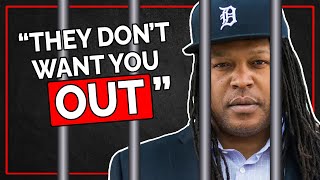
A long-form interview (YouTube) with Shaka Senghor recounting his upbringing in Detroit, early exposure to the crack epidemic, entry into drug-dealing as an adolescent, being shot at 17, and the killing that led to his arrest one month after his 19th birthday. Senghor describes family instability, emotional trauma, prison experiences (including solitary and using reading/writing as self-therapy), reflections on masculinity and mental health in Black communities, the economics and informal entrepreneurship inside prison, and challenges reentering society after release (he was released in June 2010). The conversation connects individual biography to broader social issues: drug epidemics (crack then opioids), community disinvestment, stigma around therapy, and the need for honest national conversations and interventions.
Questions this video answers
About 1985–1986 (he says 'when I was around 14' and references 'about 86').
He was shot at age 17 (incident described in March 1990).
He was arrested one month into his 19th birthday (arrest leading to conviction occurred when he was 19).
Convicted of second-degree murder and sentenced to 17 to 40 years.
He was released in June 2010.
And it's pretty informal. It's not like, I'm not gonna try to, like, make you cry on Oprah, but. Yeah, yeah, yeah.
That's a hard one to pull off, man. But, yeah, she's masterful.
She is so good at that. Yeah, yeah. Plus, she was like, take your hat off. You didn't have your hat on. That was the only time.
No, I just wasn't wearing it back then.
Okay.
Yeah, yeah, yeah. That.
That. It's.
It's. It's the one regret I have from the show. I'm like, damn, I should have repped the D on there.
They probably wouldn't. I don't know. Would they have let you wear that on?
No, they did, because I ended up doing something with her after that. And they. They definitely was like, you know, we have to reach out to Major League Baseball.
Yeah.
And Major League Baseball was like, well, why does he feel like he needs to wear the hat? And basically, what I explained, I was like, you know, I come from the type of environment where kids rarely see somebody who comes from where they come from that's successful and that's doing meaningful work in the world and who's turned their life around. And they was like, he can wear the hat anywhere.
Yeah, that's weird that they would be like, why does he want to wear the hat? I guess they want to be sure. Yeah, yeah. And maybe they don't want. Maybe the wrong answer is, everyone in my street gang wears it or whatever. Like, they don't know what they're gonna hear. Cause I think it seems obvious to me and probably to you now, like, yeah, wear the Tigers hat. Like, I'm advertising for you. But I guess if you have something where you're advertising but it's like, they don't get it.
Right, right.
Oh, we didn't know.
Sketchy. Like, yeah, yeah, yeah.
Like, it's some kind of weird signal. Because, man, I was saying before when I worked on the west side, I used to work at this club, this Mexican club, and the guys would come in with the belts hanging way down, and I was like, nobody can get a belt that's the right size. And, like, no, no. It's like, this is like east side or that's west side or some Latin council.
Yeah.
So we had to make these guys take their belts off. But the problem is if your pants are 18 sizes too big and you're taking your belt off, like, guys are like, I can't walk now. My pants are falling.
Right.
So we had to, like, make them tuck their belt in, but then they would, of course, untuck it as soon as they got in there as a whole. It's like chasing herding cats.
Always wild.
And it's like, oh, man. People. People out there, like, yeah, it's just like, guys, just behave yourself for, like, five hours.
I do not envy bar. What do they call those guys? They said the bar bouncers. Yeah. Yeah, That's. Yeah.
It was the worst job ever.
It gotta be.
Yeah, yeah.
It's like you meeting people at that, like, worst moment.
Yeah.
At 1:30 in the morning, 100% drunk.
Yep.
Unruly and dissed by the girl or dissed by the guy. Yeah, it's the worst.
These guys would drink, like, they'd get a. They had these big round tables, and they would have, like, 30 cans of Modelo Light. And they. Because they sold the beer in the can, which is terrible, because at 1:40pm or am they're like, oh, you got to drink everything.
And then slamming them.
They're slamming them, but then they're like, oh, I'm full of beer. I can't drink them. I have six cans left. Well, I'm gonna throw this one as hard as I can at somebody that I don't, like, hit another person in the face by mistake because they're drunk. Turns into a bra. So I remember being like. I remember one time, one of my last nights, I was like, oh, I'm finally. I'm done. There's a night that just went by without incident. And, like, not even 10 minutes later, I got hit with a folding chair. And I was like, fuck, this job. This job sucks.
It gotta be. They should do, like, a bouncer podcast.
Yeah. Oh, my God.
Fucking crazy stories.
Yeah.
Imagine. Yeah.
God, Man. Every. We had one guy who's Canadian, and he was 6 foot 9.
Yeah.
So we would go and do the bathroom checks, and I would be like, all right, who's doing drugs in here? What are you guys doing here? Anybody selling drugs, get out. And he would just look over the top of the stall because he was tall enough, and. And I remember he was like, hey, don't do that. Cause some guys were, like, doing a deal or doing some drugs or something, and they weren't listening. So he reached over the top of the stall, grabbed the guy's back of his jacket or shirt or whatever, lifted him up with, like, one hand, pulled him over the top of the stall, and then just dropped him. But of course, the guy immediately just blood, teeth, everything. And I was like, oh, man, you couldn't set him down. He's like, oh, it's too heavy with one arm. So I'm like, you can pull him up, but you can't set him down.
Right, Right.
So then we had to, like, bring him outside. Cops are there, he's super dry, drugged up on coke or whatever the fuck he was doing the bathroom. And then, you know, then you're there for four hours explaining to the cops and the EMTs, like, what? And I'm just like, I'm not getting paid for the. For the overtime.
Like, I want a good shoulder. Right.
Actually, it's not a bad. Yeah.
Bouncer.
Yeah, the bounce. Yeah. Anytime you can get into, like, the real nitty gritty of being a bouncer, it's. It's interesting. As long as you're not the one doing it.
I mean, I think it's the exercise and, like, you know, psychotherapy, basically, because you're really. Basically counseling people all night.
Oh, yeah. Or their life up and practicing, like, the art of not exploding and going crazy on somebody.
Right.
Yeah. Well, what was. What was it like growing up? I mean, I assume we had vastly different childhoods, given the neighborhoods we grew up in.
Growing up in Detroit was really interesting. So I originally grew up on the east side of Detroit, like, Harper and Chalmers area. It's a famous rock venue over there. Harpo's.
Oh, yeah.
Which I remember when I was a kid, I used to go over there and just, like, watch all the punk rockers, and I was fascinated by, like, their hair and all the different stuff that they would wear. But, you know, back in the day, when I grew up, you know, this was pre crack, you know, so it was still a wholesome community in terms of just, like, what it looked like, you know, it was still diners on the corner and, you know, your local kind of, like, store where you can go and your mom can send you up there, and they already kind of know what her routine is, what she wants. So early on, it was interesting in a sense. We were like the first black family on the block.
Oh, wow.
And we had the most incredible neighbors. We had a very diverse group of neighbors. On one side is this Irish woman who was really super dope. So I used to pick pears from her tree, and she would make pear preserves. And then on the other side, we had an Italian family, and they were just really gracious because we share kind of like a grapevine. It was, like, a lot of fruit trees over there back in the day, and, you know, just being able to share food and, like, Cultural exchanges, like that was always something that, you know, when I think back to my childhood, that's what I reflect on first. Before things kind of started changing with the introduction of crack cocaine, you know, when I was around 14. So what year was that? So about 86.
Okay.
So, yeah, 85. 86. You know, we started seeing a dramatic shift in what the community was like. So, you know, I grew up on the type of block where every parent was your parent. It didn't really matter whether they were biologically your parent. It was just like, you know, if you're out there in some mischief, they're gonna be like, hey, you know, get it together. You know, here's what you gotta do. You gotta come cut my grass now. Cause I caught you doing this, and I'm still. Tell your moms. You know, so those are, like, the more fonder memories of growing up. But, you know, once crack cocaine entered the equation, it was just a dramatic shift. You know, you saw those same parents now kind of walking around incarcerated or under the influence of. I mean, not incarcerated, but you saw those parents walking around under the influence of crack cocaine. And we didn't really know or understand, like, the deep impact that that drug was having at the time. So that was kind of like, you know, early, you know, 80s in culture. And I mean, like, Detroit's street culture back then just got so bad so fast. Like, I think a lot of people now, I mean, we're talking about decades later, and you hear about crack. It's not the drug thing now. It's more about opioids now. But crack was devastating. It was literally like a plague that just came and wiped out a whole neighborhood, you know, and it really shifted things. And so you had a bunch of young guys making more money than they've ever seen in their life, than their parents ever seen in their life in a relatively short amount of time, you know. And, you know, one of the things I always reflect on is, like, you know, the household I grew up in, you know, it was like my mother was abusive, and, you know, my father was complicit in that. And, you know, I eventually ran away. But one of the things I always reflect on when it comes to, like, thinking about that time of my life is how much of a kid I was in this very adult world.
Yeah.
And I remember the first time I even made any significant amount of money. The first thing I wanted to do was I went in a grocery store and I literally bought every type of cereal that I wanted, like, growing up that I couldn't have. You know, my mother had six kids, so it was like, you know, we may get one good box of cereal, then the rest is, like, corn flakes and Rice Krispies. But I literally went in the store and I bought every type of cereal. Cereal I can think of. Captain Crunch and all these different, you know, cereals. And then I bought, like, strawberry milk. And it's like, the biggest kid shit you can do. Right.
Was Captain Crunch your favorite?
Yeah. I mean, I was sorting through all of them back then. It's like honeycombs. And let me just try all the things that I saw on tv. But it was one of those things that I. I think, to me, really signals, like, the innocence of. Of childhood being distorted by the realities of this drug being introduced to the community.
This is good juxtaposition, right? Because I can imagine you making. I don't know, how much money are we talking about? Like, a few hundred bucks a day?
Yeah, I mean, like. Yeah, Literally. So. I mean, it can go from anywhere from a few hundred bucks a day to thousands of dollars a day. It was, like, crazy, you know?
How old are you?
Like, like 14.
Oh, my God. Yeah. So I'd never even seen probably more than a hundred dollars.
Yeah.
At a time by that age.
Yeah. I remember, like, the first time I got paid from selling drugs, I probably had, like, 350, $400 over the course of just, like, a few days.
Wow.
But it was, like, mostly in singles, so it looked like a huge one. It looked like the most ridiculous stack of money. And at 14, it was just like, yo, this is like, all the money in the world, you know? And you just don't realize, like, it's really not that much money. Back then, it was probably considered a lot, Lily for a kid, but when you think about the cost of potentially losing your life, losing your freedom.
Yeah.
It's not even close to a comparison.
But you're not thinking about that. You're thinking about Captain Crunch and Nintendo or something.
Yeah, absolutely.
Yeah. Or Atari, I guess.
Atari back then. Colecovision and television. Yeah.
Like, you get a color TV and a colecovision or an Atari, and you're like. And your friends are just like, wow.
Whoa. Yeah. And the thing back then was like a motor scooter. Moped. A moped. It was just like, you might as well have the biggest Benz ever right through the neighborhood. Yeah.
Wow. Yeah, of course. So of course the draw is there, because you're not. No one thinks about dying when they're 14.
No, not at all. You Know, I had a moment early on when I thought that my life was gonna end at 14. So within a few weeks of selling drugs, like, everything bad that can happen began to happen. I was robbed at gunpoint. And I was in a building on the east side of Detroit on East Chalmers and Jefferson. And I remember basically, you know, again, the innocence, the naivete, right. I got lured out of the house where I was selling drugs at into another house. And once they were unable to pay, I was like, okay, it's time for me to leave. And it was like, yeah, of course. We'll escort you out. And they had watched where I took the gun, they watched where I took the drug.
Oh, yeah.
And basically, like, two grown men, one of them choked me up, grabbed me from the back, and the other one grabbed the gun and put it to my head and was like, give us the money and the drug. And, you know, I just remember, like, being on the stairwell and looking down into this, like, cavernous basement and thinking like, damn, they just gonna shoot me and kick me down the stairs. And this is where the end at. And when they didn't do that, they kind of just pushed me out the house and was like, you know, get your ass out. And I went to Oconee Island. This is a little restaurant on the corner. And I remember just walking in there and just like, people looking at me like, you know, in my mind I'm like, I just got robbed. So maybe they fucking understand that. But in reality, I'm like, I'm a kid that should be in school right now. And here I am dressed in all of the, you know, drug dealers attire, you know, and I'm probably not even 5ft tall, but in my mind, I feel like this big, you know, this big guy. But reality, I'm a kid and it's just looking like, what the fuck are you, like, doing out of school? Right? Yeah. And I just remember, like, that moment of really just wanting somebody to say, hey, you know, this knife is not for you. You need to, like, go home and figure things out.
Yeah.
You know, so I went on, by my way and just got right back into the culture, man.
Yeah. I can imagine getting robbed at that age. It doesn't really seem real. But then you're just, like, shaking, right? You have that, like, shaking, adrenal response.
Yeah. I mean, it's the thing that, you know, I think about the interpretation of drug culture in America or gangster culture, Right. And, you know, we see all the glorified parts of it where it's like, oh, this guy, you know, hard scrapper background, he made it, made some shit happen. And those things are true and I think is one of the reasons that it emerges in hip hop culture so much, because it is kind of like the aspirational aspect of figuring out how to live the American dream. And it's the dream that was kind of born in the hood. It was a way out. It was a way, you know, way out for a lot of people. And you know, so, you know, we often hear the criticism around, well, why are they glorifying this? Yeah, when you think about it, you know, you're 14, 15 years old and you're able to help your mother pay rent, you're able to help your mother get out of the ghetto, you're able to get transportation, feed and provide like there is a hero like element to that. But what often isn't talked about is like the trauma that you experience and the nightmare that that culture is for kids, you know, for anybody in general, but for kids specifically, you know, and you know, I've reflected a lot back, you know, especially now as a mentor where I'm talking to 16, 17 year olds and I always had these moments of just like thinking to myself, like at their age there was an adult giving me drugs.
Yeah.
There was adult selling me guns and there was adult women who were performing oral sex and you know, having sex with me at that age. And I'm just like, yo, like you have to be really fucked up in your own head to even think that that's okay, you know, to expose a child to that. And so, you know, the things that people don't talk about is the fear and the paranoia and the trauma that we end up experiencing as a result of that lifestyle.
Yeah, you don't think about it because you think, okay, these kids are in this lifestyle, they think it's cool, that'll wear off at some point. But you don't think there's grown pedophiles taking advantage of you guys that are corrupting. I'm trying to think what was I doing at age 14? And I don't even remember, but I certainly wasn't having sex with a 30 year old or 28 year old woman who was trying to get crack from me like that. I know was not, I was not doing that.
Yeah. You know, it's interesting, like even that subject because I've written about it extensively. Just, you know, it's navigating life as a man, you know, and having gone through those experiences and thinking about like, we don't talk about what happens to young boys. And I think one of the things that I'm seeing with the opioid, you know, epidemic now is that people are really saying, yo, this is really happening to kids. Whereas when it was cracked and it was affecting primarily black and brown kids, nobody was really thinking of it through that lens. But it's one of the things that inspired me to right my wrongs, because I really wanted people to understand how you go from the innocence of childhood to being caught up in this very addictive culture. It's very destructive culture, you know, and how that changes and transforms who you are as a human being. Like, when I got into the culture, you know, I was a smart, nerdy kid who just happened to grow up in the hood, which wasn't even really the hood then. It wasn't the hood until crack came, you know. But having gone through that and being able to go back and look at how I changed from the sweet, innocent kid with dreams of being a doctor and to now I'm a hardened guy in the streets. But I was hardened because of the shit that happened to me when I was in that culture, you know?
Yeah, it's gonna be interesting to see how the opioid crisis, which is happening all over, not just to black and brown people.
Absolutely.
There's a lot of older, I would assume older white guys who are like, oh, well, it's because it's a defective culture. They live in this, like, dumpy neighborhood. Of course it's going to happen there now, though. It's happening in everywhere. So you can't really say, like, oh, well, they had bad parents and it's a defective culture. And if so, of course it happened. It's a failure of society. It's like, no, this is happening to your cousin who got a back injury at a wrestling match and got addicted.
To oxycontin, and your grandma and your wife and, you know, your sons and all these things. And, I mean, I think those things were true for crack as well, but in a different way, where it was kind of like people would come from the suburbs into the inner city and just kind of slink back into the burbs. Whereas now with opioids, and it's such a different drug, you know, it's almost paralyzing, you know, when you think about the effect that it has on people physically, where they're just, like, falling asleep in random places and, you know, nodding off and. But I think, you know, I always think of these things through, like, what does the moment mean for us as A country. And how can we, like, not, you know, Cause we can't go back and rewrite what happened in the cocaine, crack cocaine era. We can go back and change the laws and policies which opioids is actually helping us do. So it's kind of like that thing of. To me, it's like, what is the best possible story that comes out of this for us as a whole? And if you can get people to recognize that this has been happening in other communities and we can have that conversation, I think there's an opportunity to heal some of the racial divide, some of the class divide and things like that, but it just takes honest conversations.
That is interesting. I hadn't really thought about that, but you're right. I think it's harder to look at one culture or one ethnic group as less than or more defective than when you can see the same shit happening to your own shade of. Of people in your own neighborhood.
Yeah.
Because when I worked in Detroit, I worked right down by. We were talking before the show, I worked right down on Jefferson and Van Dyke, which is, you said is a bad area. It was bad then, it's bad now. I think. I don't even know. And it was really eye opening for me in all the cliche ways you could imagine going down there and being like, oh, there are people my age that live in their own apartment that are afraid to go out at night, that have to carry a gun to, like, make make sure they're not gonna get robbed or killed. And even then, obviously no guarantee.
Absolutely.
They got a minimum wage job and they're 16 and this is their life now. Whereas I'm like, this is some stuff I do on the weekends. I'm gonna go to University of Michigan, I'm gonna go to college, and I'm probably never gonna, like, come back here again. But then talking with them and realizing they were really, like, pretty much the same as me, they just had a lot more responsibility and a lot less opportunity. That was kind of. It scared me a little. Because it's easier to think of people as not doing something right or like, having screwed up their life rather than just like not having won the lottery, which you eventually realize that you've done as a white kid growing up in Troy, Michigan.
Yeah. And I think that's one of the things that we just, you know, in the country, I feel like sometimes we're more comfortable being dishonest than we are just to say, hey, yo, I really get this now. Like, it's not a threat to privilege. Like, it's just a reality of the world we live in. Right. Like, even now, you know, I think about this. I'm raising my son. He's being raised very different than I was raised. Right. So there's a certain level of privilege that he has that other kids who don't have a father who's doing what I do have. Right. And those are just the facts, you know, so their outcomes are possibly going to be different unless there's some type of intervention to set them up in a way where they can actually succeed and thrive. And I think the more we can be honest about that conversation and whether it's about class, whether it's about economics, whether it's about race or gender, I think we'll always just have those kind of political tropes where people are like, hey, let us come rescue you, or, you know, or you need to fix it and you need to figure it out. And it's way more complex than that.
So your family was pretty stable until it wasn't, right? That's what it sounds like in the book.
Yeah. I mean, you know, my parents, you know, growing up and I think about this often now, like, even with things that I remember from my childhood when my parents were in a healthy space in their relationship. And just what I think kids rely on is normalcy in the sense of there's a sense of safety in routine. And I always think about my, you know, there was a point where my room was in the front and like I can hear my father's car coming around the corner at exactly the same time every night. And when they first separated, I was around 11 years old. And I remember like nights of that not being the norm and hearing different sounds that just didn't mirror that normalcy of my father's routine of parking in front of the house, hear him getting the keys out and opening the front door, coming in, checking, you know, stopping in the dining room, maybe looking at homework. We used to leave our homework on the table, going in the kitchen, grabbing a bite to eat or whatever the case may be. And so when that, when they first separated, it disrupted that sense of like, normalcy and safety that, you know, I think now as a father, I can see that my son is used to. And things changed dramatically. You know, we went from, you know, being in a household together to them being separated. So it was like two dual households. And I think, you know, I think they did the best that they could in terms of, like, trying to be supportive co parents. But I think there was a lot of animus between them. And so it wasn't always, like, that fluidity of being able to go from household to household and know that it's still kind of some sense of perspective. And, you know, they parented very different. You know, my father, when, you know, he and my mother decided to separate. My father's a lot more easygoing, pretty chill, whereas my mother was more structured, more strict. And, like, that was confusing at times. And it kind of was like, oh, I really want to just be over here with dad. Cause it's easy breezy. But then there's some things about the structure that my mother had that I now think back on that was really helpful. You know, it made me very independent, very skilled at taking care of myself, and learned how to manage a household, because those were, like, the requirements. But, you know, the. The. The thing that I think probably impacted me the most was when they separated the second time. And my mother, you know, she was like, you got to go live with your father. And even though, like, I love, like, living with my father, like, more, it was something about feeling rejected that really, you know, impacted me because I'm like, well, why do I have to go live with him? And my sisters are still staying here. And, like, this is my childhood home forever at this point. But that created a wedge between her and I, and our relationship was never the same in a sense of, like, mother, son dynamic. Even when they got back together, like, I was emotionally disconnected from her in that way, you know, But I still yearned that validation that comes with having the love of a mother. And unfortunately, it just never happened. And, I mean, we're. We're good. We're in a good space now, but it's different. My needs are different now.
Well, yeah, yeah. I mean, now you're 47, not 11 years old. 12 years old.
Yeah.
I mean, you were on the honor roll. I think it's important to remember that this is, like, you were a good student. You had not. You weren't, like, getting in trouble all the time or anything like that. Right. It was just like you went from model kid to selling drugs on the street within a span of just, like, was it like three or four years?
Relatively short amount of time. You know, one of the things I always think back to, like, whether it was with the abuse in the household or just, you know, something. It was like three things. Like, you know, the physical abuse and the verbal abuse, you know, that changes children's, like, the way that they, you know, interact with the world. And one of the things I always reflect back is like, you know, the teachers not recognizing the shift, you know, not recognizing, like, you know, me coming to school and no longer being interested in work. Whereas, you know, I started off as like the kid who was excited and, you know, I couldn't wait to turn in the paper and get that a. Because I'm like, I was a high performer, super diligent in class. I'm the guy who's like, running all the errands because I'm getting done with my work so fast. But I think that that's, you know, a real indicator where children's lives begin to derail is when the adults stopped paying attention to the changes. And there was a major shift. And it wasn't like I was at a different school system. So to go from honor roll students to barely even showing up in class, that was a very key indicator that something was wrong. And unfortunately, our schools just aren't equipped to always deal with that, whether it's class size or whether it's just lack of, like, resources when it comes to therapists or social workers or whatever the case may be. But there was a dramatic shift during those times.
Yeah, it's. It's sad to think, and it sounds like you're going through this in your head. Looking back, like you. They had a baseline, they knew you were a smart kid, they knew you were really nice. And then over time, over a short period of time, all that went down the drain. And somebody must have noticed and just been like, I don't have the time to deal with this.
Yeah.
Which is. Which sucks.
Yeah. Or the time or the resources.
Yeah.
And it's like, even if you think about, like, you know, athletics, right? So you got a player who's performing at this level all this time, and then all of a sudden there's this like this marked drop off. Like somebody, some coach is going to say, okay, what's going on? Is it like on drugs? Is it, you know, your dating life ensambles, like, what's really going on? Because it's an easy way to measure, like, where a person is in life.
Yeah. Yeah. That is super unfortunate. I mean, you're still a kid even when you ended up going to prison. We'll get to that in a second. But I think it sounds like moving from your mom's house and then moving in with your dad. That's when you started to maybe to build a little bit of a wall. Like, all right, if my own parents are going to hurt me, then I'm just going to shut down a little bit.
Yeah, I mean, I think the wall began to build a little bit earlier than that. Like actually in childhood just with some of the things that was happening. But I think it was kind of solidified as I got into that space of like they're just back and forth, back and forth. And you know, I'm kind of navigating life on my own at this point and trying to figure it out. And even like when I was living with my dad, like I was basically on my own because he worked. So our schedule was kind of like I get up and go to school, he sometimes he would get up and like eat breakfast with me, then he'd go back to bed. And then by the time I'm coming from school, he's going to work. By the time he's coming from work, I'm going to bed.
But he work at night.
Yeah, well, he worked in the afternoon shift, so it was like three to like 11:30. So once I'm out of school, I'm just like me, you know, running the streets and figuring it out. And even then I still was like an innocent kid. I just like a kid who just had a lot of freedom and a lot of responsibility, you know, like I learned how to cook through that process. Him just saying, hey, you gotta take care of this, you know, and I mean, it's a tough circumstance. Like when I think back on it now, he was in essence a single dad, you know, raising a child with a full time job and just trying to figure that out. And I'm a single dad now, so I understand like the level of responsibility of trying to navigate all the things right. So it's like, I still have to work, I gotta get my son to school, gotta get him, pick him up from school, make sure he's attended to and still try to run a business. And this, you know, there's no easy undertaking.
No.
And I mean the difference between he and I is that I'm actually an entrepreneur and I have my own thing going, whereas he had to go punch a clock, you know, day in and day out. And I just don't even think in general there's a lot of support for single fathers because it's just not a conversation that we have regularly. Like, you know, what are the support structures needed to support fathers who are parenting, you know, or co parenting, you know.
So yeah, I think that, yeah, you're, you're definitely onto something there. We think a lot about single moms. Not enough in my opinion, but nobody's really thinking about single dads almost. It's almost like, what are you complaining about?
Yeah. Yeah. Yes. It's the. It's the wildest thing, you know, because I even in, like, dating, it's been like really difficult to date women that understand that I'm a father first, like, in that there are nights I just can't go out to dinner because I'm like, home with my son and even understand the relationship dynamic with his mother and I, which, you know, we have a great co parenting relationship and we have to talk often. This is a child we're raising. It's not just somebody that we're dropping off and picking up. Like, it's. She wants to be informed about his day. I want to be informed. What are the things that happen in his world when he's not with me and when he's with her? And like, those things are important, you know, for parents to share. And it's one of the things that we chose to do because our parents didn't co parent like that. It was just like, okay, when you're with them, you're with them. But we try to keep some type of integrated, you know, parenting relationship so that there's consistency, you know, that he understands consistency. Consistency of love, of routine, of shared responsibility. And it's a little complex and a little difficult at times.
It must be hard to learn that without having had the example. I know when you ended up on the street, you wrote in the book, even the cops who arrested me asked me why I was wasting my life. They believed in me more than I believed in myself. Which is crazy to think that somebody who's arresting you is like, hey, what are you doing? You're not. What are you doing? This is not who you are. And you're thinking, like, what do you know about me? And the answer is more than you seem to know about yourself at that time and more than your parents seem to know because they're at work all the time, which is just crazy to me.
Yeah. I mean, I've always reflect on those moments of having those type of interactions where people can see what seems to be so obvious. One of the areas I think that a lot of people miss the mark on is like, internal belief and how much more dominant that is than external validation. And it's something that we don't really even talk about, especially, like, with young boys. Like, what are our internal beliefs? What do we believe about ourselves? And I think it is specifically, as you know, a mentor to a lot of young black boys. And like, a lot of my work is convincing them to Shift their beliefs about themselves, self esteem issues, self worthiness. And this runs across the spectrum. It doesn't matter. Black, brown, white. Like, there's a struggle in our country with young boys to figure out what their identity is and to figure out how to say, you know, I don't feel my best self or I'm struggling with these things. It's one of the reasons suicide rates amongst young boys are growing, you know, in a day and age we live in, where everything is on social media.
Yeah.
You know, and we hear about the young ladies who grapple with body identity and what they should look like. But there's also the success factor or the tough factor or the athletic factor that a lot of young boys are struggling with and finding their place. You know, I talk to a lot of young boys who are nerds. They're just smart kids and they want to do nerdy stuff, and nobody celebrates or honors that in society. And so they have these inner turmoil where they're like, oh, well, let me try to get validated through this aspect of, like, what it means to be a boy, you know, So I think it's a conversation that actually would be helpful. I mean, if you think about some of these young men who are doing mass shootings at schools, right. And you really start to dig into their background and you'll see that these issues are there. And it's more than just, you know, they're watching a video game or some. Cause that's the easy stuff, right. It's easy to be like, oh, this person was just racist, or this person was just watching video games or whatever. But there's really something happening with young men in the country that we're just not talking about. And largely because there isn't a lot of space for men to just talk in general about what it even means to be male in this world. What does it mean to be a man? What does it mean to be a boy? And what are our emotional needs? Because we're only taught to express our emotions through anger or frustration.
Yeah. I mean, that's very familiar. My dad is a great guy, but he is a terrible communicator. It's like, it comes out pretty binary. If he's not happy, right? It's either he's mad about something. It's basically no. It's just not even. There's not even a couple. There's just mad and not mad. Mad and happy. And mad can be impatient, tired, hungry, frustrated, feeling bad about something. And it's like, I remember even when I would have Something that happened to me, he would just get mad because he. He couldn't be like, oh, I feel bad for you. Here's some sympathy. He would just be like, I'm angry now. And my mom would be like, don't tell your father. He's just going to blow up.
Right? Yeah.
Yeah. And I see that even in myself. It's almost like I have to work hard to just not get mad about random things because it's the wrong response. It's, like, not constructive. But it's. The example that I have is, oh, is this happening in your life? Just get angry about it. And then my wife is like, what are you doing? You're just being your dad. And I'm like, I know, and I can't. It's so hard to break the pattern.
Yeah. And it really is, you know, And I mean, the reality is there hasn't been any space to break the pattern. And if we don't have examples of what, you know, healthy emotional expressions look like outside of anger, how can you expect to react any other way? You know? And so, you know, those things are what I try to pay attention to as a father, is like, what am I communicating to my son when it comes to emotional wellness and emotional wholeness?
So you're 14 years old. You get recruited by this older drug dealer. How did that even happen? Was he just like, hey, you want to make a lot of money? You want to get some Cap' n Crunch? Like, what's the sales pitch from this guy?
So, I mean, the sales pitch is like. And even in the book, when I say older, I mean, he was, like, 19, 20, right. At 14, that appears to be, like, you know, miles apart. And the sales pitch was he had the car with the loud music. He had the pretty girls. He had a way of taking care of himself and providing. And it's that recognition that in a lot of these instances, it's the same way that young girls are recruited into human trafficking. Right. It's the validation. It's the, hey, I got your back. I'm gonna support you. I'm gonna help you live this magical life. I'm not gonna tell you that you probably can get killed in the process or you might get robbed, but I'll give you the tools to set you up to hopefully prevent those things, but there's no guarantee. And so young men are recruited in that same way. And again, it's that emotional need to be validated. You know, these guys are not, like, going into school where it's like, kids with healthy Loving, nurturing families saying, hey, I think you should come sign up for, you know, this lifestyle. They're looking for the transient homeless, they're looking for the runaways. They're looking for the kids who've been abused and who have been hurt and been broken, because oftentimes they are those kids. And they know that. Just a hug from big homie and you know, the cute girl in the car saying, hey, little man, see you out here making his money. Like all that validation, right? Like those are the things that set it up to where a young person will compromise their freedom or their life. Just to have those things and have.
That level of acceptance, I can definitely see that being really tempting. Even when looking back in my teenage years, that would have been if somebody offered me a great opportunity or a seemingly great opportunity like that, it would be so hard to turn it down. Because you don't think, oh, I'm gonna get shot tomorrow. You just think, like, I'm not. That's not gonna happen to me. I mean, people still, adults do that.
Yeah.
So why wouldn't a 14 year old kid do that?
Yeah.
And if you have no checks and balances, like, you're not going home and your mom's like, this is why this is the dumbest thing you've ever done. Or then you just get sucked into it and the only competition is what, like math homework? No, thanks. Right, right. So I totally understand that. So you're doing this for a few years, but then eventually reality sets in, Right? You got robbed, and then how did you end up getting shot?
So I got shot when I was 17, and it was over a minor conflict. You know, me and this guy, we got into an argument over something meaningless. And I thought it would just be one of them kind of old school fist fights. You know, I come from that culture where you got a problem, you just fight it out and keep it moving. But during this time period, you know, with crack cocaine came, like, high levels of gun violence, you know, amongst young people. I think Detroit has always had issues with gun violence just in general. But there was something very different during the crack cocaine era, where you had young guys who had easy access to firearms. And I remember I bought my first gun probably within a couple of weeks of selling crack, because you have people who are addicted coming and bringing guns. It goes through this whole thing. First they're selling the TVs and microwaves and VCRs. I mean, clearly they don't have VCRs anymore. But back then that was the thing. And Then it's like, oh, selling firearms and usage of the car and things like that. So with the influx of crack cocaine also came influx of firearms and the way that, you know, guys started to settle conflicts, you know, so this guy, In March of 1990, you know, we get into this argument, he rolls up, we exchange some words, and I'm thinking he's going to get out the car and, you know, fight. And instead, he pulls out a pistol and shoots me three times.
Oh, my God. Wow.
Yeah. And so, you know, what happened after that is one of the things that really shifted. I think the last semblance of childhood was definitely gone at that point. The last sense of innocence. You know, when I went to the hospital, they were very robotic, very mechanical. It was just kind of like, you know, pull the bullets out. We'll leave this bullet in. You'll probably be better off. Patch me up. And within days, I was back in the neighborhood. Like, there was no, hey, how do you feel? What are you thinking? You know, what's going on inside of you? It was just kind of like, oh, you're lucky he didn't shoot you in the back or shoot you in the head or, you know, you'll survive and basically get back out there. You know, it's kind of like, you know, you just had got injured on the football field, and it's like, all right, walk it off, walk it off. Get back out there, you know, and, you know, when I got back to the neighborhood, I remember the first day of standing outside, like, after I was, you know, the first few days, I had to kind of heal up, and I was on crutches and kind of hobble, you know, so I didn't want to be out and about. But once I was able to kind of limp around the neighborhood, I remember the first time just standing on the corner again and a car coming down the street, and, like, the level of anxiety I felt, you know, and the level of vulnerability. And at that point, I was like, you know, I'm carrying a gun every day no matter what, you know, no matter what the circumstances. And if I get into a conflict, I'm shooting first. Like, I'm not even taking a chance of being shot again. And that became, like, my dominant thinking, like, every morning, you know, And, I mean, I had been around, like, my friend who took me to the hospital, he had got shot the year before in an incident where his friend got killed. You know, several guys throughout our crew had been shot. And, like, even now, when I reflect on my family, it's like, eight of us have been shot.
Wow.
Geez. You know what I mean? Like, this is real. Like, my brother. My oldest brother was the first one in the family to get shot. And this was, like, around 1985. He got shot in the neck by my other brother. They got into a.
By your other brother?
So my other brother shot him in the neck. He was paralyzed, like, right arm and shoulder, you know, And I always thought to myself, like, what he thought about that experience. Like, what is. Has he ever grappled with, like, the ptsd? Then? The brother who shot him actually been shot twice. The first time was in the superficial conflict, and then the second time, he got shot in his back, and he's permanently paralyzed. Oh, man. And then I have, like, cousins and nephews who were shot multiple times and various degrees of severity. And when I came home, so I got out of prison June 2010. In September, two of my nephews were shot. One of them was shot in an incident where his friend was killed. And I remember going to see him at the hospital, and I was like, you know, you should get therapy. And he's like, I don't need therapy. I'm good. You know, this happens in the hood all the time, you know, and the same thing with my other nephew. I was like, yo, you should get therapy. Both of them are in prison right now. You know, so it's a cycle of, like, you know, and it's a cycle that just hasn't been disrupted in a lot of communities. So this is why you see the repetitive gun violence, because it's, you know, there's no interruption happening.
You know who Charlamagne tha God is. Yeah, yeah. So I was talking with him, and he was explaining, like, black people just don't really do therapy because it's looked on like, nah. I mean, everybody first of all rejects therapy. It takes a while, but especially for some reason. And he's got theories on this. But in black culture, it's like, oh, I don't need that. I'm too tough for that. Or I don't want to deal with that. Plus, it's expensive. Plus it's not necessarily easy to find. Like, there's enough obstacles already.
Yeah, I think there. I think that's part of it. I think the other thing is trust. I think culturally there's just a distrust of, like, the idea of what a therapist is. Right. You know, if you. If you really went into the hood and was like, yo, you should see a therapist, most reaction would be like, man, I'm not going to talk to no white people about my problem.
Right.
So there's that perception that only therapists are all white. Right. And then there's also this, the reality that we don't deal with mental health in our community in a healthy way. Charlamagne and I have actually talked about this a couple of times. And, you know, one of the things that I was expressing to them, you know, especially dealing with guys in prison, so I was in prison among a bunch of young guys, and there was a consistent pattern of adverse childhood experiences, high levels of gun violence, high levels of abuse, high levels of trauma, and no therapeutic treatment. And what I was explaining to him is like, you know, there's just this distrust in our community, and rightfully so. Like, the history of what happens to black bodies and black minds in America hasn't been one that leads you to believe that you should be trustful people who come from outside of your community. Right. But what happens with that lack of trust is a high level of ignorance and the need for mental health care. And the other thing is, like, a lot of the mental health facilities have been taken out of communities. My father actually worked in mental health for a long time. And I remember when they shut their clinic down, you know, and so you have families who have adjusted to just saying, oh, this person is having a bad day, or they're just being disruptive, or they're just tripping, you know, and even that's the extreme end, right. Just in general, people need to, you know, take care of themselves mentally. Right. And whatever that looks like, whether it's meditation, therapy, reading, whatever you need to do for yourself. But I think what I love that Charlemagne is doing is he's actually creating a space for the conversation to happen in real life and not, you know, and then Big Sean as well. Not sure if you know about the rap, you know, Big Sean, yeah. So he and I did a mental health panel like in Detroit not too long ago. And it was powerful, like to see people be able to connect a language that was familiar to them. Right. So we were able to put it into language that you can relate to.
You know, not some 60 year old Jewish guy from Detroit, Michigan, who's like, you need to come and tell me about all your problems. I listen to, I listen to Notorious B.I.G.
And then other part of it too is like a lot of times with the interpretation of therapy is it's the somebody's about to tell you everything is wrong with you. And you've probably already heard that. So I think breaking down that those stigmas and I'm excited that Charlemagne is doing in the. Big Sean is creating platforms, and I do it in my own way, but clearly they have these massive platforms, which is really important to remove the stigma.
Yeah.
Mental health treatment. Yeah.
You mentioned a lot of grownups, adults at the time, women selling their bodies, guys coming and selling their possessions to you in exchange for drugs. What does that do to your psyche as a kid or just as a human? Right. Because you must have. You start losing faith in humanity, I would imagine, at some point when it looks like everyone around you is like, yeah, I'm gonna sleep with you for this, or I'm gonna give you my grandmother's ring because I need a hit of crack. Like, there's gotta just be a chipping away at not. Not really, like, your moral code, but just, like, your faith in what people are good for. Right.
Yeah. I mean, it's, you know. You know, I think a lot about this, especially in terms of hip hop. Right? So early hip hop. And I'm a big, big hip hop fan and, you know, having the privilege of growing up alongside hip hop, right? So, like, there's kids growing up now into a world of hip hop, but I grew up in a world where hip hop didn't exist until it was created. And watching the music change from just like, upbeat, uplifting, positive to like, yo, it's hoes and bitches in the hood and things like that, right. I began to kind of track it through what happened with the crack epidemic, right? And what happened with a lot of young boys growing up in that culture. And even if you weren't selling drugs, you were around that, like, you had access to early childhood sexual experiences with adult women that oftentimes were degrading, demeaning, and not loving, caring, nurturing. And so a lot of the objectification comes through that lens. Like, you know, at 14, when we were in the house. And it wasn't just the women who were addicted to drugs. It was also the women who were chasing the money. And so at that age, to have that type of dominion over adult women was very unhealthy, you know, And I see it play out with a lot of men growing up where they just had these very dysfunctional relationships with women, myself included, as a, you know, a young drug dealer. Like, I had no interest in, like, you know, love and marriage and whatever. It was just like, yo, you the cutie for the day, for the week or whatever, you know, And I had a couple of girlfriends that I eventually developed some feelings, whatever, capacity at that time. But A lot of it was through that lens of easy access, you know, and so when you have that type of access, it diminishes the experience, but it also diminishes the experience for you as a young man in terms of like being able to emotionally develop and evolve. And it's one of the things that I'm actually writing about now because I was able to talk to a woman who I had sex with when I was about 15 and she was like in her 30s.
Oh, wow.
Yeah. And we had a very interesting exchange that I'm writing about in my new book because I think it's super important to really understand misogyny, to really understand why there's a lot of emotional dysfunction in young males. I felt it was important to share that part of my journey and like the impact it had on me and being able to, you know, the thing me and Charlamagne, one of the things me and Charlamagne had was about that experience, right. Like he had some experience when he was like 8 years old and he didn't even make the connection until he and I was talking that it impact how he evolved in terms of how he dealt with women. And for me, it was just like talking to her. And initially she was very defensive, sure.
Because she was a pedophile. But you don't see it at that. You don't see it from a grown female to a young boy as much as you like. I'm 39. If I was walking around with a 15 year old girl, people would call the police immediately. Well, hopefully they would.
Yeah. And whereas with me it was like, oh, she's attractive. So this is a medal. This is.
Right, you're the man now.
Right? You're the man. Right. And so I asked her about it, you know, especially, you know, because I mentor so many young boys and I see what's happening with them. So I asked her about it and initially she was like, yeah, I'm gonna talk to you about it. And then she went kind of like radio silence. And then she came back and, you know, she said a couple of things that weren't true. And so I was like, you know, where. Here's what I understood about it. And then she got super defensive and categorically denied, like, doing this with other young guys. And then eventually she came around and she was like, you know, I was wrong and I was ashamed and it was hard for me to talk about it. And yes, I did do this with other guys in the neighborhood. And you were just one of the many young guys and you know, she never quite got to what happened in her own life, which is, you know, that's her personal journey. But just having her come full circle from like. And I mean, she said like wild, fucked up shit, you know, she was like, well, maybe you're just. Something happened to you in prison and you know, so it was just like blame defense.
Oh, like you're hallucinating this, you mean?
Well, no, she was like, it was true, but she was like, maybe I'm asking her these questions because something happened to me in prison or you know, it was just like all type of the meanest shit you can say, you know, when you're defensive. And I remember even sharing this with like women in my life and getting their reaction and their reaction was like, initially they like laughed and I was like, wow, this is deep. They laughed like, oh, like, damn, that was kind of crazy what she said and what I ended up doing. I said, so let me imagine this. Imagine that this is a 30 something year old man who's had sex with a 14, 15 year old girl and she comes around later on in life and say, hey, you know, I realized that wasn't okay. Why did you do it? And this was the reaction he had. And they were like, oh shit, it's.
Weird when it's flipped, right?
Yeah, they were like, oh shit, we get it now. And I was like, if you're raising boys and you're, you know, a mentor or you have a son, you should be thinking. Or if you're in a relationship with a man, ask them what his real experience was. Not the glorified, you know. Yeah, I had my virginity broke at 13 with a grown woman. Like, yeah, that wasn't healthy.
Yeah, no kidding.
Yeah. And it shows up in different ways.
So that is interesting. We don't think about it when it's flipped around and you don't think about it when it's different cultures too. Like. Well, actually I should speak for myself. It's hard for me to think about like when you think pedophile, you think white dude, young girl. Like that's like the stereotype that I have in my head. But you don't think older African American woman, younger African American guy in the city. Because then you're just like, ah, that's like some, there's some other things in there going on, I don't know. But it's the same thing.
Absolutely.
It's abusive and it's being unaddressed. And like you said, you even talk with other people and they're like, oh, lol. And you're like, no, no, not that. I was being abused by this woman. And you're laughing about it because you don't know how to handle it. Like, extrapolate that through the whole culture.
Yeah, it's toxic. Yeah, absolutely.
All right, so you're selling drugs for a while, you end up getting shot. You start developing a habit of your own, right?
Yeah.
How did you end up going to prison?
So 16 months after I got shot. Well, actually, within that 16 months, you know, I began to develop this very toxic narrative that, you know, if I found myself in conflict, I would shoot first. And, you know, 16 months later, I found myself in that conflict. And I really. Even. Even this part, and I'm not even sure if I wrote about this in the book, but prior to the conflict, I was at a party. I was actually DJing a party, and a guy got shot in front of the party. And so when he shot. Got shot, party shuts down. We're all on high alert because initially, we don't even know who it was. We just know it was somebody at the party and two people. So we don't know who's. Who, what's happening, Right? So we're all on edge. And then we walk back around to my place, and, you know, one time, like, a car pulled up, car full of gas, and, you know, we were all like, you know, guys ready to pull out Pistols and figure it out, but they ended up being some guys we knew. So when I get home, another guy who I knew who I was selling drugs to, he pulls up with a car, and it's like, him and two other guys, and the two other guys, I don't know, I have no clue who these guys are. And so, you know, he was, like, trying to make this transaction, and it was a little different transaction. Like, I mean, he was considered, like, a pretty good spender. A guy who would come and spend, you know, 40, $50 regularly, like, hourly, every couple hours, whatever. But he came. You know, they had a significant amount of money. And I just felt like something wasn't right with the situation. I didn't know these guys. And it's like 2 in the morning, you know. And so he and I get into an argument because I wouldn't sell the drugs. And so the guy who was driving in the passenger seat, David, he joined into the argument. And so it became kind of like a back and forth between us. And there was a moment where I turned and I was like, you know, I'm done with the conversation, y'. All should get off the block. And I turned. Lily turned to walk in, and I heard what I thought was a car door opening, and I turned and fired several shots, tragically causing his death, David's death. So I was. I was arrested, charged with open murder, eventually convicted of second degree murder, sentenced to 17 to 40 years in prison. And I was like, one month into my 19th birthday when I got arrested.
Wow.
So.
So you're, like, still a kid pretty much when you went to prison.
Yeah. So when I. When I. When I got to prison, I went to Michigan Reformatory, which is in Ionia, Michigan, probably about two and a half, three hours from Detroit. And it was called the Gladiator School. And this is a prison of pretty much young. There's about 1,500 guys there, maybe somewhere between 1000, 1500 guys and young guys. Basically, the prison was designed for guys from age 15 to 21, and they were older guys sprinkled in, but it was mostly young guys serving long prison sentences. I think the minimum prison sentence was, like, 15 years, with the exception of guys who had screwed up at other joints and they come up with lesser sentences. But basically, I was there with a bunch of young guys who were all serving, you know, anywhere from 15 to life sentences in a very volatile environment. But, yeah, that's. That's where I was at at 19.
How did you feel when you shot that guy? Like, were you. What was it like in the moment? Were you kind of like, were you scared at all? Were you surprised at what you were able to do? Or was it kind of exactly what you figured it would be?
I had never figured what it would be because I don't think it was really about him. It was about what was going on inside of me. And so in that moment, it was just kind of like a fight or flight thing. And like, literally, you know, after the shooting, the car pulls off, you know, everybody's kind of scrambling. And I went and my brother was down the street, my oldest brother was down the street. And I remember just, like, running down the street to my older brother and talking to him, and it was just like this very childlike moment of, like, you know, I don't know what the extent of the damage is, but this is what I did. And I know it's really terrible, and, you know, something really bad has just happened and needing that, you know, consoling from, like, somebody who I felt, you know, could nurture that part of who I was. So it was very childlike response. You know, I didn't want to, like, Face it, you know, I wanted to run as far away from it as possible. Sure. And, you know, I ended up getting arrested, like, two days later, you know, And I just remember, you know, sitting in the police headquarters and being in that cell and, you know, listening to their interpretation of it and just being like, no, that wasn't what that was, you know, because at that point, they had got multiple different statements. It was like, you know, even a guy who brought him initially. Brought him to. He initially lied about what happened because I guess he was trying to, like, stick to the street code and not snitching or whatever, or not getting implicated of being in any trouble because he was, you know, this guy's. These were, like, guys from the suburbs who had everything to lose, you know, and so his initial statement was false. And, you know, and so that kind of led to a lot of different interpretations of what happened. You know, it went from everything from carjacking to randomness, you know, but, you know, I just remember hearing it and, like, not even connecting that I'm the person responsible for this man's death, you know, and so when I went to prison, you know, there was really no space, like, going in to even unpack the trauma of that part of the experience. You know, it was like, you talk to a therapist, and I remember this lady, you know, she basically very matter of fact asked me what happened, and I very matter of factly told her. I didn't tell her how I felt about it, what I thought about it. I just told her what happened. And she characterized me as being like a sociopath. And, you know, I was like, you know, it wasn't until years later that I understood exactly what happened. Like, she wasn't there to offer any help. She was just basically there to kind of label me and box me into some idea of who she thought I was, you know? And the reality is that when you have people in that position of authority to define somebody else that don't come from the culture or the community, that's what you end up with is like a young sociopath or doesn't have any remorse. And it's like, no, I'm traumatized as fuck. Like, I've literally taken somebody life. I've been shot. I've been through all these horrendous experiences, and this is just a culmination of all those things that I don't know what the hell to do with. Like, I don't know how to unpack this at the time. I don't know how to navigate the emotions of this in a moment. And it's literally just like a very short amount of time while I'm still navigating it. And I just remember for years trying to find the language to even just say, I feel horrible about this. This is a terrible feeling to know that I've devastated this family. And probably about five or six years in, I remember getting a letter from this woman named Nancy who was responsible for raising David. At least that's the letter she sent to me and explained their relationship.
So basically, the guy who you shot his mom, for lack of a better.
Word, I think she was like his godmother or aunt or something along those lines. A lot of stuff came out after I got out and had conversations with his wife. But when I got this letter from her, she explained herself as the woman who had raised him. And I just remember reading a letter and just like, initially wanting to ball that letter up, you know, because it was just like, hey, you know, here's who David was to our family, you know, and she humanized him in such a way that I felt like a deep, deep sense of shame, you know, and it's like, you know, in the moment that it happened, it's 2 o' clock in the morning, you know, David might as well have been faceless and nameless, because I couldn't even see in the car, you know? And so when I got that letter, it was like, okay, this is. This is who this person is.
Yeah, it was a human being.
Yeah. You know, and this is. You know, I've devastated this family, but this woman is just such an incredible angel in my life, at least, you know, in a sense that she was like, despite all this, I forgive you.
Oh, that's gotta be. That must have felt. I don't even know how you. Because you expect her to be so mad at you that you resist it, but instead she says she forgives you.
Yeah.
Oh, man.
Yeah. No, it was. It was. I wasn't even emotionally mature enough to even. Sure, process that in a way that was just like, yo, this is. This is real. But I kept that letter. And I would read that letter often, and I still have the letter, you know, and I would just read it over and over because I knew that I needed to get to a point where I could accept her forgiveness in order to really fully forgive myself, but also to have the type of empathy that is necessary for healing. And so I just read that letter over and over, you know, and it really. Back then, when I first read it, I didn't even know the profound impact it was having on my life. It wasn't until years later that I realized, like, the way that I show up in the world now is largely connected to that. Later that. To that letter.
Wow, that's. Yeah, that is intense. Because I can only. That must have been so hard for her to write and so hard for you to read.
Yeah. I mean, to this day, I'm just like. This lady is, like, just an incredible example of what it means to be human in the sense that, you know, the way that a lot of us engage in life is through a spiritual or religious lens. And the cornerstone of that is redemption and forgiveness and things like that. But it's rare for it to actually manifest into, like, our real life practices. And it's a hard place to get to. Like, life is tough. You know, things happen that are harmful and hurtful, and it's not easy to arrive at a point where you're like, you know, I want to practice what I preach, you know, in a real way when it happens to me, you know, so, you know, it's tough. It's not easy thing to do. And she had a tremendous amount of courage to be able to do that.
I know you wrote in the book that prisoners are amazing entrepreneurs, and this. This was no surprise, but very interesting. Everything's so expensive in prison and everything, so everything has huge margins, too. Can you talk about that a little bit?
Yeah. I mean, you know, I think a lot of times when people think about who's in prison, they don't. It's kind of like this blanket idea of just a bad guy or a bad girl or whatever. Right. There's never any real sense of, like, who these people truly are. And a lot of the men and women inside are exceptional entrepreneurs, exceptional artists, exceptional musicians, and all the things that make up the world that we live in you can find in prison. Entrepreneurship, though, I think in particular is probably easier to find because as a hustler, you know, we come from hustling. You know, we come from a culture of, you know, hustling to survive. And so those are transferable skill sets. You know, I remember when I first started selling drugs, so we procured this new space to sell from, right? It's a house on the east side of Detroit, but it was, like, in a nice neighborhood that was still relatively nice. And I remember the first couple of days, like, we had lines of people outside the door. I was like, this looks ridiculous, right? And it was just an instinct of, like, how do you make this not so obvious? And so originally, we had the first layer of protection, which is an armor guard door on the outside door.
Are those. Those metal bar.
Metal bar doors, right? Yeah.
Okay.
And so I was like, what if we move that door in between the kitchen and basement, allow the floor of people to come inside the basement, then it prevents the neighbors from seeing what's going on. And that's an entrepreneurial instinct, right? To figure out how do you sell things in a way that's not maximize customer experience.
It sounds so ridiculous somehow, right?
Yeah. And so, I mean, but it was things like that. It was connecting with other guys in other neighborhoods, networking, you know, figuring out how to profit share. You know, hey, if I can do this in your neighborhood, here's the benefit to you, right? And so it's all these different things. Even, you know, a lot of what the drug trade was, was like you buy super low and you just sell high, right? And so when you think about all those skill sets, any Fortune 500 company can use those, you know, and they're all transferable. You know, the marketing, the promotion, you know, the coming up with ideas and even innovation, which I think is a very important part of any business venture, right? You gotta be able to innovate and kind of iterate on ideas and figure out how to use simplify processes, right? And in prison we had to do that to survive. You know, you can't survive in prison without being able to iterate. You know, you can't get tattoos if you can't, you know, break down a tape player and guitar string and ink pen and turn it into a tattoo gun. And even just the commerce in there, you know, it's like people don't have a ton of money, you know, so they have to depend on family to send them money. And, you know, they have to depend on their pay every, you know, pay period, once a month. And so that creates a black market store, you know, where, you know, if you think about in an environment where, you know, if you can warehouse enough goods and then you can sell them at a significant markup, like the margin in there are like crazy. It's like, you know, so if you buy something for 50 cent, you owe me a dollar. You know, it's like 100% markup, you know, and so people get into financial trouble relatively quickly in there because the markups were so crazy. So I mean, I loan sharked in there and it was a cycle. So it was two cell blocks in this I block and J block. And they receive their money on offsetting weeks. So I was able to Circulate cash, like consistently both weeks. Because when Ibok get his money, I loaned that out to J Block and then they had to pay me back. And then I would set up these stores in each unit. And that's just how I took care of myself, you know. And then we hustled everything. And I worked in a recreation center. If you wanted to come up and just get out of your cell, like there was a cost for that, you know, it was $3 a week. I can get you out and come be a referee, even though you may not know nothing about sports. So you can come clean up the weight pit or whatever the case may be. You need to come up and do your laundry. Cost you a dollar. So everything was like hustling. Right. And all those skill sets you just develop, like they're really beneficial when you get out. And I think entrepreneurship is probably the best path for people getting out of prison because it's hard to find employment. People don't want to hire you when you have a felony. You go through everything. You can think of constant rejections. People are just afraid. You know, there's the stereotype around people getting out of prison is really negative. And, you know, people don't think that there are people who just really want to come home and live a drug free, crime free life and get an opportunity. And fortunately, there's organizations that's helping with that now. Sure, yeah.
Have you ever heard of Hustle 2.0 or Defy Ventures or anything?
So I'm familiar with Defy. I know Katherine Hope, who's like a big part of that. I think she's moved on to something else. Yeah, it's called hustle 2.0.
Yeah. I know that when you were in solitary, you decided to treat it like university.
Absolutely.
I mean, that, that makes sense. But must have been kind of hard to do because it requires you thinking about, okay, I'm in here now, I can't resist it anymore. I've got to learn what to do and move forward. And then like you said, paroled after 19 years. It's like going into prison as a teenager and then coming out basically my age now, actually. What were some of the biggest changes in society that you.
Everything.
Everything, Right.
Everything. The world had changed, man. Like, I. And granted, like, you know, I feel like I came home with an advantage that a lot of people coming home don't have. Like, I'm highly literate. I'm super curious about life in the world. I'm well read, I love to read. I devoured magazines So I was learning about all these things but hadn't not interfaced with them. It was just like the most mind blowing thing to come home and like, you know, get in the car and the car like talks. I mean, like, when I went to prison, the only car that talked was Kit from the Knight Rider.
Yeah, that's right.
So I remember just sitting in the car and the car just said something. I was like, who else is in here with us? Like, what the hell is happening? Right? You know, navigation systems, like, you know, I'm like, I remember like growing up and it's like, you want to get somewhere? You like, look, make three lefts right here. It's the third house from the house with the broken down fence, you know, and you're at the destination. So coming out of technology was just mind blowing. I mean, you know, being able to. I think Skype was the thing when I first got out.
Yeah.
And I remember the first time people were like, Skyping and I'm like, yo, this was on the Jetsons, you know, and now it's such a part of life, technology. So that was crazy relationships, you know, I was in a relationship with my son's mother well before I got out of prison. And when I came home, like, that relationship derailed so quick. And it was for a few reasons, right? Part of it was just, you know, I'm like a bull in a china shop at this point. You know, I'm free, I can kind of navigate the world. But the other part is I just had no relationship experience, you know, and that's something that, you know, we didn't really account for is like, you know, she was like, kind of like in this one lane of like, my man is home. So she kind of riding the highway of love, so to speak. And I'm like in six different lanes, you know, I'm trying to reconnect with family, I'm trying to establish a relationship, reconnect with my children, find employment, run a business, learn technology, learn how to just be, you know, and like, all those things were always at work in my mind. And so, you know, it's a lot to get out. You know, it's a lot to re. Acclimate yourself to life on the outside, being around groups of people. You know, when you get out, everybody wants to drag you everywhere. Hey, come over here and come meet this person. And you miss these grandbabies when they was growing, you know, when you were away. And all that's wonderful and is necessary, but it has to be paced at a way that honors our experience, you know, My experience was real, like, in crowds of people, People got stabbed or blundered or hit in the head or strangled or whatever the case may be. So it wasn't easy just going and sitting somewhere around a bunch of people making choices. Like, my first couple of years, I ate mostly, like, wing dings and hamburgers, because that was stuff that I was familiar with. I mean, I would look at a menu and get overwhelmed. Like, yo, there's too many things going on.
What do these words mean? I mean, I still do that when I look at menus.
Seriously, I'm like, yo, where the wings at? Just run the wings and fries. And I'm cool because of how many choices it is to make, you know, and just, you know, and figuring out things, you know, it's like coming home. I got excited by, like, being able to buy my own sneakers and, like, being able to have a choice and what I wear. Cause I went so many years without a choice, you know, so it was just a lot, man. And then, I mean, I'm still unpacking. I'm coming up on 10 years in June. I'll be celebrating my 10th year of freedom. And Congratulations. Thank you. And it's just, like, a lot has changed in my life out here. I'm still learning a lot about life, you know, and learning about what I really want in my life and still unpacking that experience, you know? So I'm in the process of, like, finding the right therapist for me to just really, you know, unpack a lot of things. And, I mean, I've done, like, self therapy for so long, you know, through writing. You know, writing. The medium of storytelling and, you know, journaling and meditation has been super therapeutic. But I also realized I'm at a point in my life where there's so many things I experienced in prison that most people that I didn't even talk about in the book because it was just, like, that horrendous. And I know that I have to unpack all that to be the full version of myself.
Yeah, I know in the book, you'd said prison reinforces everything negative that you know about yourself. Can you speak to that a little bit? Because that had to be. You had to reboot that when you got out, right?
Yeah, I mean, I had to reboot it before I got out. Like, I mean, you know, it's a very volatile environment, and it's a hierarchy based on violence and hustling culture and things like that. So it reinforces all the negative things that you Know, you grew up in the hood experiencing and recognizing as having value, right? So in the hood, you know, the hustler, the drug dealer, the shooter, like, all those guys have, like, real value in the hood, you know, and it's. And they're validated in the hood in ways that people don't oftentimes like to acknowledge. But there's a credibility to being, like, a hood celebrity and a hood star. And so that same thing translates into prison, like, if you're the prison yard boss, like, all the things that come with that are celebrated in that environment. And so, for me, I had to kind of rewire my thinking, and it happened, like, when I got this letter from my son, and his mother had told him why I was in prison. And reading that letter from his eyes through his lens as a little boy who's going to grow up to look up to his father as a prison yard goon, a convicted murderer, that was devastating to read that and to think that's how my son was going to see me. And I knew at that point that I really had to change some things in my life. And in order to do that, I had to really examine my life in an honest way. So I began journaling to actually figure out how did I go from wanting to be a doctor to serving all my most promising years in prison. And that process of journaling allowed me to unpack all the things and to really stand in my strength as a person, you know, as a leader. And so when I got out of solitary and I, you know, had turned my life toward different productive outputs, being able to talk to men who respected me from my prior associations about where I was headed in life. And they encouraged it. They was like, man, it takes a lot of courage to, like, walk a different path, you know, but if anybody can do it, you can. And, like, to this day, those guys still write me from prison and tell me, like, how proud they are of who I am today and how true to my word I've been, you know, which is equally credible in street culture and prison culture, is actually being a man of your word. And so, out of all the accomplishments, I think that's really important to me is knowing that I stuck to what I said I was coming out here to do.
Shaka. Thank you so much, man. This is fantastic.
Thank you so much for having me, man. It's been great.
More from Shaka
Joe Rogan podcast Shaka Senghor #shakasenggor #podcast #joerogan #interview #jre #jreclips
Surviving a Shooting at 17 Joe Rogan X Shaka Senghor | Joe Rogan Podcast | #shorts