Gaining Business Clarity (#FIREHOUR S4, E22)
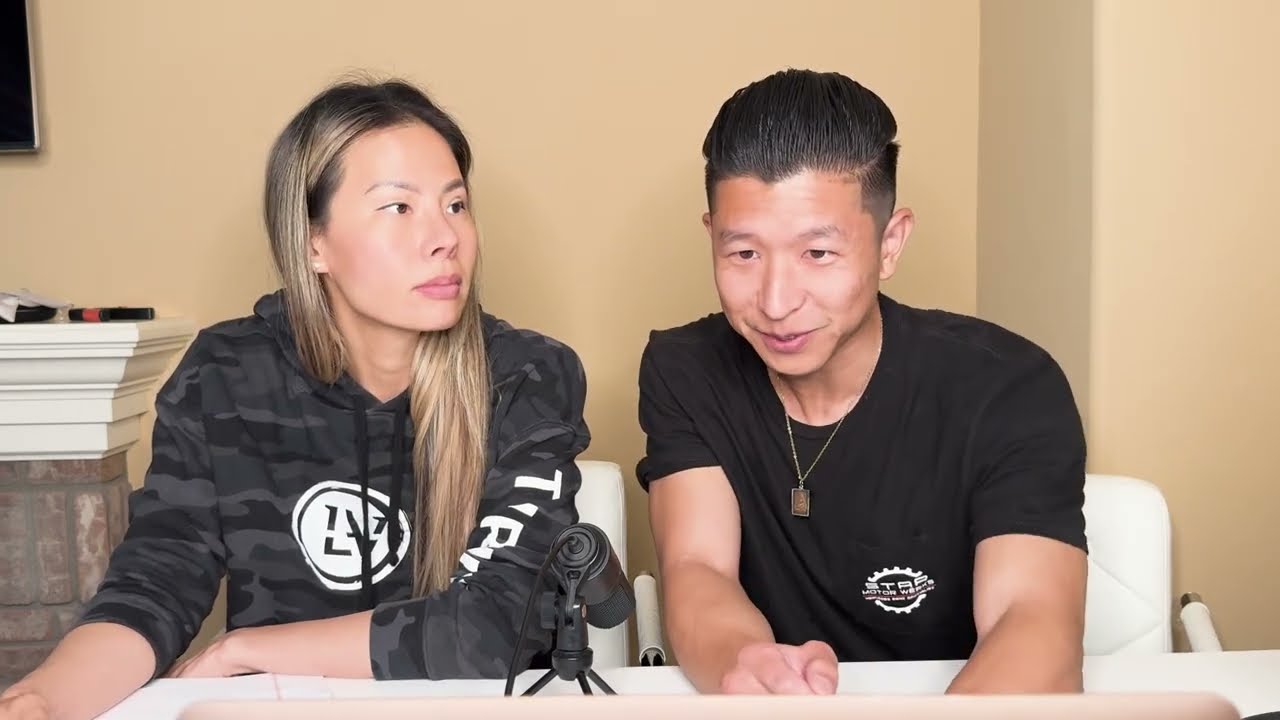
In this 90‑minute Fire Hour session Sean and Crystal lead a live coaching call for Thrive (a direct‑sales business) members. They begin by asking attendees to reflect on the recent Lifestyle Getaway, extracting lessons about what they loved and what they wish they had done to leverage the experience for their business. The hosts then review the previous episode’s theme “Get Rich or Just Watch,” emphasizing the need to turn free resources into intentional action. They break down the Thrive business model into 90‑day quarterly sprints and stress the importance of maintaining momentum through income‑producing activities (IPAs) such as reach‑outs, follow‑ups, social‑media posting, and leader connections. The conversation shifts to marketing fundamentals: defining a precise customer avatar, using traffic (social media) to drive a front‑end funnel, qualifying leads, and converting them on the back‑end. A concrete example – Star Motor Works – illustrates a three‑step traffic‑front‑end‑back‑end funnel for a niche market (Mercedes‑Benz owners). Sean introduces three ways to grow a business (new customers, upsell existing customers, raise price points) and nine practical steps to gain rapid clarity as a business owner, ranging from personal experience and expert guidance to meditation, priority setting, feedback loops, Kaizen (continuous improvement), data‑driven decision‑making, eliminating distractions, and clear communication. Throughout, the hosts stress mindset, intuition, adaptability (including AI and automation), the power of community, and the principle that “you can’t scale what you can’t measure.” The session ends with a call to turn the discussion into blog posts, social media content, and actionable steps for the participants. Key takeaways: • Reflect on events to extract actionable IPAs. • Operate in 30‑60‑90‑day sprints to keep momentum. • Focus on targeted traffic and a simple three‑step funnel. • Use the 9‑step clarity framework to accelerate decision‑making. • Leverage data, Kaizen, and strong communication to sustain growth.
Chapters
Warm welcome. Oregon thrives. Oh, wow.
Oregon.
Welcome to the call. That's awesome.
I'm trying to think if we ever had anyone from Oregon before or if it's just been that long.
You're first to market. All right. Just keep that in mind.
Yeah. Oregon.
For those of you who went to Lifestyle Getaway and attended, what's— I have a question for you. If you could put it in the chat. Uh, this is for everyone else, but what's one thing that you absolutely loved about your experience? And then another question is, because this is for, this is for your future references, you know, your reflections. Uh, what's one thing that you wish you would, you did? Okay. What's one thing that you wish you did during Lifestyle Getaway and particularly or specifically for your business? Because I know that like whenever I've gone on events, experiences, trips, et cetera, there would be a list I would have, like a to-do list, and I would do my best to check off those lists because it's part of IPAs, right? It's part of building your business. It's also part of, especially with social media, collecting past experiences that you can repurpose and remarket. Angela says, I love witnessing new promoters experiencing it.
Yes, it's definitely life-changing. You know, sometimes people, they come into this business, they're not necessarily looking for like a dollar amount, a specific dollar amount, right? Like they're looking for experiences, they're looking for community, they're looking for a change in life, right? And a community to be able to do that with. And sometimes people, they don't look at the monetary things, right? They're just like, oh, there's an auto bonus. Oh, there's a lifestyle getaway and you can go on vacation, you know what I mean? At least I know that's what I looked at, right? But if you were like, oh, you get X amount, you know, in rewards and all this and that, I'm like, oh, you know, people love experiences and they love to attach the monetary to something like physical or at least an experience, right? And so I think it's great that this business offers us the opportunity to be able to get our cars paid for and to be able to have our vacations paid for. And you're able to take a plus one And I think that like it's amazing going somewhere and being able to be with like all your friends, right? Like all the people that you've been hopping on Zooms with or in the chats with and you may have not met in real life, right? But once you like see them in real life and you guys are just taking a vacation together, it's just a different type of energy and it's something very new and something to get used to once you start going on one, right? So If you guys didn't go, if you guys didn't make it, don't worry about it. This is offered like 3— this is offered 3 times a year, right? In February, June, and October. Sometimes they do a specific leadership one, but you can still qualify for all 3, right? And so they typically do it 3 months, 4 months prior to a lifestyle getaway. You have like those 3 months right, which is 90 days to really like go into all-out massive action to be able to achieve that goal. And if you didn't make it this time, there's always next time, right? Like there's always going to be a chance. And seeing everyone go and being able to see like all the people that were able to make it, it just— you just know that it's very possible for you, right? But there's going to be a lot of work to be able to— to be able to go.
But yeah, yeah, you'll earn it. That's good.
But sure. Cheryl says meeting everyone was amazing. They're so high vibe. I wish I posted more. Yes, but it's like you just, you're just living in the moment, you know, and just feeling that energy. But everyone has content. I know typically like there's chats and so there will be a lot of content in the chat. So like grab all those photos and those videos and like repurpose them, you know.
That's good. Okay, so last week's episode, uh, we went over the title. I called it the title, um, Get Rich or Just Watch, and that's from a blog post if you weren't on that call. But, um, essentially, you know, what it's about is because these are free, right? Zoom calls are free, Power Hours are free, Fire Hour is free, YouTube is free, blog articles are free, the news, everything, right? Whatever you're grasping and and studying. It's free, right? It's free resources. So the challenge is what is valuable to you, what is relevant to you, and what action are you taking on the ideas that, that you're receiving, you know, that you're collecting. Because it's important to understand that there is a difference between, you know, focus, like intentional focus in the right path, in the right way, in the right direction towards your goals versus just doing all these things and not knowing exactly where you're going. And one of the beauty, uh, one of the beautiful things about this business, this business model specifically, is that there are people in this Zoom call right now that have already reached the top. They've already reached a success level where everyone can get to because it's possible. And so when it comes to last week's episode, you know, if you're going to, if you want to get rich or just watch, you know, it's about actually taking the knowledge and letting your learning lead to action., right? And structuring it in a way where you're able to stay accountable to yourself and also to other people. And not only that, but also to take your game to the next level, to elevate your game. So that was what last week's episode was about. And now in today's episode, um, one thing that Crystal just mentioned is when it comes to this business, the business model that they, they created, the structure. It's so smart, right? It's so smart because everything that they lay out throughout the entire year, it's broken down into 90-day runs, right? It's broken down into quarter runs. And that's something that is super important to understand is when you're creating momentum, it's about that 30, 60, and 90-day sprints, and it never stops. That's, that's the thing. Like once you get your momentum going, you don't want to stop the momentum. Because it builds, everything builds on each other. And also when it comes to this business, you know, like for example, Lifestyle Getaway just happened. So there's, there's momentum that was created. If you're brand new, right? If you're brand new to, to Thrive, to this business model, etc., well, like for example, with Jenny, you have momentum that has already been created. So now you can just grab that momentum, borrow that momentum, transfer it to yourself, and push onto that, like bring it to your business. And then from there, now you're not starting from scratch, right? Because there's social proof. There's, there's people that have already experienced, you know, winning and, and whatever that success looks like. And even if you're brand new, right? That doesn't mean that there's no momentum for you because you're running with everyone else. Like the beauty of this business is that you're, everyone here is running together towards the same goal. So it's about working smarter. It's about working in unity. It's about working together. There's no competition. And that's the beauty of this. So at least in my opinion, taking all that advice, whatever you feel like is applicable to you, you know, what are you going to say?
Nothing. I was clearing my throat.
Okay. That's awesome. Yeah. So it's what I've learned in this business and just in multiple businesses is the best trained team wins, and the best student that actually takes the action really, really moves the needle forward. And so every single one of us is a student. We're a student, and sometimes we're also teachers. But when you're teaching, like what we're doing right now, we're also taking notes. We're also the students as well, because the things that we talk about sometimes is new. And the things that we talk about sometimes is old, but it's always a reminder to ourselves. It's always a reminder. Krystal told me this before, and I didn't believe her until I experienced it for myself. Um, I, I used to think that all knowledge comes externally, and then what you told me was that, you know, all knowledge is already within. And so it's kind of like whenever you go within and you start to learn and uncover these things on your path to success or on your path to whatever, you, you'll start to realize that you're just reminding yourself, you know, there's little reminders to yourself that, okay, yeah, this is what it's supposed to be because your intuition naturally will, will activate and it'll tell you like what's right and what's wrong. And so when it comes to you taking action in your business, uh, I want to encourage everyone here that, you know, lean more into your intuition, lean more into like that feeling of, is this good or is this bad? You know, if, if, What is it? Thank you, Jackie.
Um, and so, yeah, um, so what you were saying is basically like, you know, sometimes if you actually take the time to like quiet your mind, um, and ask yourselves questions or even journal, you'll start to get ideas, right? Or insights. And so sometimes things come natural to you and sometimes they don't. But I know that in a world full of a lot of noise and a lot of things just happening at all times and things being in your eyes and your ears, like it's important to also sit with yourself, to ask yourself like questions, right? Because we all have to know at the end of the day what drives us, what motivates us, what do we want, right? And we all have to like push forward towards that goal. And being able to do it with a bunch of people is the most fun, you know, like having that energy around. So like what Sean was saying was he was saying that, you know, being able to be a part of a community that's all going after a same goal and like talking about like how, you know, if you see people with momentum, don't think that's not your momentum. That is also your momentum as well because you're just within the vicinity, right? So the 5 people you surround yourself around the most is the 5 people you will become. So if these people are building momentum, like going after things, like really crushing it in life, guess what? You're going to be doing the same thing, right? Uh, because you're just flowing along with them because it's natural. It's like the belief in them becomes the belief in you, right? So continue to surround yourself around people like this community that's positive and going after goals, and, and they're just, they're just going for it, you know what I mean? Like there's no chill, there's no break, it's just like go, go, go in a way that is like you're happy to do it and like it's sustainable, right? Because sometimes certain goals aren't sustainable. But yeah, I just wanted to add that in.
No, that's fire. It's like, it's so true. Like what you're saying, it's so true. So how can we, how can we translate this into, you know, more? Because everything is really the same thing. It's just IPA every day.
But it comes down. Yeah, it comes down to income-producing activities, you know what I mean? Like you guys are in business, it's, it's, it's not a job, right? Like you, you are here and it is optional, right? It's completely optional. So what you do and what you put in is what you're going to get out, right? And that's the difference in being in business like for yourself and going to a job, right? Like if you have a job, like you clock in and you still have to do the things and then you clock out, right? If you don't do the things, you're going to get fired and then you're not going to get paid and then you're not going to be able to pay your bills, right? But over here, Everything you do is optional, right? And so you really have to build a certain discipline and consistency within your business to do the right action. Because a lot of times, sometimes I see entrepreneurs and/or business owners and they're doing a lot of action, action, action, action, but those actions aren't leading to results, right? And so you want to make sure your actions actually lead to results, tangible results, and you take measurements to see where did I start and what happened? Like, what am I doing right? What Am I doing wrong, right? And so that all comes down to income-producing activities. Like, a business needs to generate revenue. If you are not generating revenue, then you're just keeping busy. But what are you keeping busy in, right? Um, so yeah.
So what are some, like, income-producing activities that, you know, well, even with this business, like, should people be doing?
5, 4, 3, 2, 1, right? You guys probably learned this when you first came in here. There's the reach-outs, there's the follow-ups, there's social media posting. There's the connecting with like a few people like that are out of your network because this business heavily relies on also new people, right? Like making new friends that have never heard about Thrive because your old friends or your friends that have been around you for the longest time and your family, sometimes they may be the last people to support you because they, they don't know you as that person, right? Like to them, it's easier to sometimes trust a stranger because they know nothing about that stranger than it is to trust and support you., right? So always getting like new friends, new people within your network to learn about it or socializing, right? And then connecting with the leader, right? Sometimes you need that accountability. And if you don't connect with the leader, they may not like always connect with like 10, 20 people, right? Like you got to go to them. If you step to them, they're going to step to you and they're going to be like, hey, how can I help you? How can I serve you? Right? And then also your VIPs. When you first come in here, what do you do? Right? Like the system is so simple to follow, right? Like, I wish every business came with a playbook like this because it's so easy to do, and it's just how many times can you do it and how good at it can you get, right? And so the system is there, right? Like the IPAs and the VIP, you just keep doing the same thing over and over again. It's just how many times can you do it and how good can you get at each activity. It doesn't get much easier, okay? Like in a business, business. Like, there's so many other things, right? Um, but if you don't generate the revenue and, and you don't, and you don't work towards that, then like, what's gonna happen with your business? Like, eventually you're not going to have a business, or you're going to be like, oh, I'm not succeeding, right? But the answer always is, well, what are you doing and what are you not doing? Because whatever all the things you're doing, it might not be the right actions, right? Or it's probably It's probably you. It's probably part of your personal development. It's probably part of your mindset, right? Because that all matters. So many times, because this is an optional business, like people give up on their business, they give up on a free opportunity because sometimes people don't value it, right? Like, but if you were to pay X amount to come into this business, you'd be like, oh my goodness, like I need to make that back, right? Like I need to make the money back that I put in. Or sometimes You know, it's mindset again. Like, people give up. Like, even if they put money into a business, it's like they just give up and they're like, it's not for me. And there's just a bunch of excuses or reasons or someone or something to blame, right? But at the end of the day, like, you have to also develop a very, very strong mindset and willpower. And that's when you have to kind of go within to ask yourself the questions like, what do I want in life? And, you know, what's really holding me back? And most of the time, if you look to yourself for the answers and you look to yourself like, what can I do better? You're going to actually think about how you can get better. You're going to think about how you can improve your mindset and you're going to think about like all the things that you have been doing that haven't been getting results and think like, I need to try something different, right? But sometimes going within and asking yourself those questions, sometimes you don't ask yourself those questions or maybe you're not asked those questions.
Yeah, that's, that's a really great tool is to like just stop, pause when you need to and just sit with yourself, right? Just sit. We call it thinking time, right? Thinking time is when you stop everything, you schedule time to actually sit and think. And then from there, because you're just, you know, you're not entertaining the noise. Now you're going within and really like, you know, figuring out, is this You know, what do I need to do? I actually have a list, 9 ways to get clarity fast as a business owner. So I'll read that out because I wrote that.
That's good.
I wrote that a long time ago, but I mean, I wrote that. Yeah, last year in March.
I haven't heard this before, so I'm going to take my notes.
I never, I never shared this, but that's something that we'll go over right now too. And then also like the 3 ways to grow a business. I'll talk about that. But Jackie says you can't scale what you can't measure, right? And that's, I found that to be true, right? So there's, you know, you can have SMART goals, um, you have KPIs, uh, key performance indicators, all these things you want to list out because a business, a business, a really good business is when you can step out of it and someone else can come in and take over, right? Jackie says she learned that from me. I learned that from someone else, you know? So Anna says, meet people, new friends. The fortune is in the follow-ups. Yes. So, uh, the 3 ways before I get into the 9 ways to get clarity as a business owner. Yeah. Knowledge transfer, 100%. Um, the, the 3 ways to grow a business. This, I learned this from Jay Abraham. All right. He has a book called, uh, Getting Everything You Can Out of All You've Got. I highly recommend Jay Abraham for marketing, business strategies, etc. He's like the, like, he's the GOAT basically when it comes to, to all that stuff. And a lot of people have taken all of his information and repackaged it over and over, but it's because it's like, it's just the fundamentals, right? It's the fundamentals. And it's also stemming from so many different knowledge bases that you create something completely different. You, you start to activate innovation. When you start to pull from different knowledge bases, right? If let's say, for example, like, so Virgie is a scientist, right? So her background's scientist. You are like loan officer or mortgage lending and real estate and finance, right? I come from marketing world, right? Online space. Like, let's just say, for example, combining these 3 knowledge bases, right? We create something completely different. And so this guy, Jay Abraham, like he's in over like 100 to 1,000 industries that he's worked with. So imagine having those types of knowledge bases and connecting all of them. Like, what do you get out of that? Right? That is something completely different. And that's why it's important to like always have that knowledge transfer, like what Jackie said. Like, knowledge transferring is the key to innovation and the key to actually moving the needle forward because one thing that I've learned and one thing that I truly believe in when it comes to business specifically is that you have to adapt, right? It's all about who can adapt., right? The, the quote says, um, it's not the strongest or fastest who survives, it's the one who's most adaptable. And if you notice over time, right? Over time, knowledge that you got today, it becomes irrelevant because it's no longer applicable, right? You can't take action on it because it's just, it's just done. One thing that I want to share with you all is when it comes to AI, right? Artificial intelligence. If you notice a lot of companies out there, are using conversational AI. They're using AI as their sales reps, their chatbots. They're using AI to sell people, like high-ticket closing. They're, they're doing all that. And the people who are— the companies and businesses who are not adapting to AI, they're going to be left behind. And the reason why is because now they're relying on human power versus technology, software, right? Computer power. So guess what? Like, which one over time, if you think about it, Which one over, let's, let's just say like a decade, okay, 10 years, who is going to be better? Who is going to be more efficient? Who's going to be able to achieve scale faster? Obviously it depends on your business, but the thing is, is that with conversational AI, you can train it, right? You can train it and you can, you can go through iterations over and over and over thousands and thousands and thousands of iterations per day. I started doing this in 2016, okay, with my former mentor, my former boss. We were activating conversational AI and we were training the bot that we had in 2016. Okay. And I was the one that was like helping like develop this AI. And, uh, we never used it because at the time, like we, we couldn't get it to really work, but that's how long I've been learning about AI already. It's been since then. It's like, I've already been aware of it. And now like coming to the technology that we have access to, like ChatGPT and everything else out there. Guess what, right? Like, look at the businesses now. Like, people who are using AI and selling these services, um, they're, they're the ones that are like really growing and going at it after it because the innovation, the aspect, they're adapting to the new changing way of the world, right? So this is something to just pay attention to and notice. When I said, um, on a previous episode, like to use automation, to use workflows, right? Like how I showed before. It's about like activating and automating your, your income-producing activities, right? You're, if you're going to be doing on social media and posting all the time, right? How are you going to get new, right? The new people, the, the 3 ways to grow a business. It's again, there's only 3 ways to grow a business. Basically it's getting new customers, right? Selling these customers more and increasing the price point that they pay. That's it. So essentially, what's the number one thing that you have to do is get new customers, right? How do you get new customers in today's world? One of the ways is social media, right? But that's just an example of an amplified way of getting referrals, right? It's word of mouth referrals. So how can you massively amplify and elevate and multiply your word of mouth referrals? What's one thing you can do? Social media. Right? That's why, and thing is, it's free. So when it comes to social media, how do you activate and multiply and, and get geometric growth, right? And multiply your efforts with one thing. And then from there, how do you automate that process? So there, all these things, this is just stacking just processes in place for your system that you're going to develop because it's important to turn your, your business into a well-oiled machine. If your business is not something that someone can just step into And if you, let's say for example, with this specific business, right? In this specific business, direct sales, it's obviously you can't like, you can't change yourself from someone else because it's your account, right? But that doesn't mean that you can't hire part-time workers. That doesn't mean you can't hire a social media team or a video editing team or a graphic design team or assistants, right? It doesn't mean you can't do any of that stuff. Like when you have this business, like you are the operator of this business, right? And you're, you're part of your business is to recruit and expand your team. Like I said before, like you want to reflect out, you want to push your business away as far as you can so that way more business comes into you. Because the reason for that is it's like what, um, let me see, it's what Anna said, right? Fortune is in the follow-up. What I teach people in business is instead of you following up with them, Teach them how to follow up with you, right? And so how do you do that? One of the ways is to build your brand. One of the ways is to build your social media following, is to build that, that word of mouth referral, um, base that is so strong that people are just coming to you. So you unlock unlimited deal flow. You don't have ever have to worry about chasing deals because the deals are chasing you, right? So that right there, th— there's, this is all one thing going back to social media. Right? Your business action, social media, one thing alone unlocks everything else. And, and it's free, right? And the thing is too, is that most people, like, you know, like we've gotten a million views before, right? A million people reached from one piece of content, right? That doesn't mean that they're necessarily buying. That doesn't mean that it's building our brand. That doesn't mean anything, right? Because what about the smart— what about the The measurements, like what are you measuring from there? The conversion rate, the conversion rate, right? The share rate, the referrals that came from it, the all the tracking in the backend. All of this matters and it's all systemized. Everything is a process. For example, with Star Motor Works, right? The, I'm just going to give you a very basic example and I'm going to share with you how we're scaling this business in terms of getting more customers. Okay. Um, so. It's just 3 steps, right? Traffic. Thank you, Angela. Traffic, front end, back end. Okay. Traffic, front end, back end, right? The traffic is social media. It's how you get your— how are you getting attention from the marketplace on your specific offer and service, right? Or product, whatever it is. So for us with Star Motor Works, like we sell services. Like auto repair services to Mercedes-Benz and AMG owners, right? So we already know who we're targeting. When it comes to Thrive, it's so important to understand who are you targeting. You have to understand that and then just target those people. That's it, right? Attract those people because that, like, Thrive is very specific to, um, a, a customer avatar. And that's why you see a lot of success really fast with certain people and not so much with others. It's because it's about like, who are you targeting? Who are you talking to? Who are you connecting with? Right? It's really important to understand this as a marketer. Okay. Everyone, everyone here can learn marketing. Everyone here can put their marketing hat on and start to take notes as a student and then apply. Okay. But with Star Motor Works, we're only targeting Mercedes-Benz owners and Mercedes AMG owners. That's it. We're not trying to target anyone else. If we're targeting, if other people are coming in, And saying like, you know, they have every other brand except for Mercedes, then we're basically losing money by talking to that customer because time is money when it comes to doing business. So front end is traffic. Okay. If we had the whiteboard, front end is traffic. Social, we're going to talk about social media, only targeting, only creating content for Mercedes-Benz owners. Okay. Now the front end is. This Mercedes-Benz owner sees that, you know, we service Mercedes and now they opt in. They go to our website, which is the front end, and they click get a quote. When they go to get a quote, they go to a form where they literally fill out their information for us on the back end to see, all right, is this a Mercedes-Benz owner, right? Is this a Mercedes owner first and foremost? And if it is, okay, the next qualification is, well, what, what year, um, is their, their vehicle? Because we don't service Mercedes-Benz vehicles from 1990 and down. We only service from 1990 and up. Right. And that's very specific, obviously. So if they have something that is above that qualification, then they continue to pass through the funnel. They continue to qualify themselves towards our business, right, towards doing business with us. So you see how, like, listen to the language I'm saying, right? The words I'm saying, like I'm having the customer, the client qualify themselves. Instead of us having to do all that heavy lifting, right? It's all a process. The next step is what job do they actually need? Like if it's a job that we're not going to make a lot of margin on, then does it make sense for us to actually use our time, like to use our employees' times to work on that, that car, that job? If it's, if the answer is no, we, we send them to someone else. We actually refer them to another Mercedes-Benz shop because it doesn't make sense for us, right? So all these are just little qualifications. Uh, the reason why I walked you through that step, and then just, I'm sorry, just to close that out. If the client qualifies to work with us, like they actually can get a service with us or a maintenance or repair or enhancement, then now that's when our shop schedules a call with them, right? They reach out to them and then they schedule an appointment for them and then they come in. Okay. So that, that's just, you know, it's 3 simple steps. But this is just to show you a real life example of the qualification process because you don't want to work. I mean, you can work with everyone if you want to, but I don't, I don't advise that simply because if you can really distill who you want to work with and who Thrive is for, now you're working smarter. Now you're, you're activating the 20% that gets the 80% done and you're targeting all your efforts and focus into what's actually going to produce results, like what Crystal was saying, because all about a business is about getting results, right? And that's it. So if you go back to the 3 ways to grow a business, getting a new client, getting a new customer— what are you doing?
I was following up on that.
I'm just seeing her face like— when you focus on the 3 ways to grow a business, Right? Getting a new client, getting a new customer, and activating income-producing activities. What Jackie says, you know, you can't scale what you can't measure, right? Measuring out exactly what you're doing. Guess what? All your focus starts to go towards who is the person that is ideal for Thrive? And then now your social media efforts is all about that. Who is, who, what you're creating content for the ideal person to get started with, with, uh, with Thrive. Right? This is what it's all about when it comes to marketing. Okay? Um, there's, there's a whole different, uh, marketing strategy when it comes to like if you should niche, like niche down, or if you should become, if you should just do like broad, uh, general social media content. It just depends on your strategy. But like, we're not going to get into it right now. But when it comes to like you specifically talking about creating content or creating revenue, right? Generating revenue. Like, what is the fastest path? Towards generating revenue for your business, right? Well, it's about getting a new person, getting people on Thrive, right? G-Pod, right? Getting people on Thrive. It's about that. So how do you reverse engineer getting people on Thrive? Well, who is the ideal person to get on Thrive? And very specifically, right? One thing that I shared with Crystal before is like, how did she get on Thrive, right? Why did you get on Thrive? Ask yourself that question and then like use AI, okay? Use ChatGPT or whatever AI you would like to use and literally type in customer avatar and fill out like this person needs every trait that you have. Okay, so with her, right, like you're a mom of two before. Can you just share like how you got started on Thrive? I was really quick, really quick.
I was tired.
Okay, so tired is one, right?
I was tired. I lacked energy, right? So same thing as being tired.
Um, wait, wait. But, you know, someone can say that they're tired and someone can say that they need more energy. It might be two different things in their mind. So you include all that, right? It's very specific to that.
Okay. I was tired. I needed more energy and I was struggling to lose weight. However, for the weight part, specifically for me, because I never tried different weight loss things besides, you know, eating less, increasing physical activity, drinking more water, or watching what I ate, or like stop— I would stop eating at a certain time. I didn't know what products out there worked. All I had heard was that sometimes products don't work, right? So for me, I was like, okay, well, if I can increase my energy, like then I would be able to like work out more, right? So for me it was like energy, like I wanted more energy, like I was just exhausted. Um, yeah.
Okay. So that's a huge pain point, right? So like, that's part of marketing. That's part of actually like calling out like the audience that you want to talk to. It's about creating content that actually addresses their pain point. Because then once a customer, when someone knows that you know them best, like exactly what you were saying. Now, like, don't you think that someone's guard will go down and someone's mind will open up? And someone will be able to receive your message faster? The answer is yes, because they're going to say in their mind, this person gets me right. If you can continue to create content where people are saying, wow, this person is really speaking to me, this person like understands what I'm going through, this person gets me, this person has the solution, or they might have the solution to my problem that I've been looking for for so many years, I've been struggling with for so many years, etc. It's keeping me up at night, etc. Don't you think that that lowers the barrier to entry and they start to take more action? Their action threshold raises, so they start to take more action in the right direction that you want them to. The answer is yes. And that's what good, like, that's what good targeting does when it comes to your marketing. Just the first pillar, traffic. It's about really refining and being very specific with who your message is for. Now they can receive it and then they can move on to step number 2, which is now they're opting in, they're going to your landing page, they're going to your website, they're reaching out to your DMs, et cetera. Right? So that's the importance of understanding who you're targeting and who you're messaging, who you're creating that message for and activating on social media. When you go out, like, this is something I did for years, okay? I had to go out there and pitch people in person. So one thing that I did, especially when it came to in-person, was I had to understand who my target demographic was. Who was my target client, my target customer I'm going after? So when I ask the question, the first question, it's like, do you need XYZ service? And they say no. Why am I talking to them? Right? So I automatically qualify them already. And then from there, I move on to the next person. And it's about like pitching as many people as possible, obviously in, in person. And then from there, seeing exactly like what happens. It's the same thing when you have a booth. If you're, if you, if you've ever been to a convention, um, and they have like a vendor booth and they have like, uh, you know, they have their business, their, what they sell, et cetera. Like you're just planted as a storefront and everyone, all the traffic is walking next to you. And the ones who like are really interested, they come to you. So you're automatically qualifying them with your branding and your, and your, the way that everything looks. Right, your product and service. That's the same thing as if you're doing it on social media, right? If someone goes to your, your social media right now and they land on your page and your page is all about Thrive and they are looking for energy, looking for weight loss, looking for, you know, the products specifically, right, more, etc., all that, all the benefits, okay, all the pain points, the benefits, etc. If your page is like that, there's going to be a higher chance that we can assume that they'll convert, that they'll become a Thriver, that they'll actually try a product or, you know, get a sample or whatever, right? So if you, if your page, if your social media page becomes like that storefront for people who are shopping for the specific thing, then guess what? You're automatically going to increase the percentage of, of clients that you get, the percentage of customers that you attract, etc. And the word of mouth That referral, those efforts, they start to amplify, they start to multiply, right? And that multiplication starts to go into effect and in turn it really becomes an income-producing activity. It really generates revenue. So does that make sense? Because I went through like a complete, it's very basic, but it's, it's, that's all you need. You just need the simple basics. That's it. The fundamentals of business to understand like how to actually put it into action. The real work is when you start to create the content, right? And you start to create your messaging, your copy, right? Copy the, uh, sales in the form of print, your copywriting, right? And also like the, like getting better at video editing, right? Getting better at graphic design if you want to. All these things, whatever it is that you want to do, whatever you want to pursue when it comes to how you create content, that is how you do it, right? And it's about just like actually doing it and then testing it, right? One of the episodes that we talked about on the last, um, Fire Hour episodes was becoming a mad scientist on marketing, right? You want to be a marketing machine, but like, but you want to experiment as much as possible. So is this making sense, babe?
Oh, you're asking me?
Yeah.
Yes, it's making sense. Good.
Okay, next.
Next. I could, I could relate marketing back to our business, right? Like, if you are out there and you are marketing yourself or your business, your people are going to think of you when they think of what, right?
Yeah.
So you want people to think of you when you think of when, when, when it comes to a product or service that you're selling, right? And so I made that face because I was just doing a quick research earlier because I didn't get a chance to look at it yesterday. So I was like, I better hurry up and do it now. Like, I usually like to do things like right away before I forget. And the other day, 15,000 dealerships got hacked, right? They got hacked and held for ransom for their software. And so I was looking at it because the other day when I was in the shop, like, that's what, you know, some— a really, really big dealership out there in Orange County actually referred us business because they couldn't do business, right? But they thought of us first. And so that's part of the marketing, right? It's like, How loud are you with your marketing? How well do people know you, right? And are you, um, are you someone that people would refer, right? So like, even though they were, were kind of technically competitors in a way, I mean, we're not at their level. They're huge, right? But the first people that they thought about, and we've actually gotten several referrals from them, was us. And that's due to like marketing, right? Like that's due to our tech, right? Like he's really good and he knows people in there. He's a networker. He socializes. So people know who he is, what he's about, what he's selling, where he's at, and how good he is at it. Um, so I was just looking at that, and then my eyes got big because, um, supposedly they were held for ransom for like tens of millions of dollars, which is insane. I mean, let's— so I was reading an article that just came out 22 minutes ago, and, uh, the company said that supposedly they were going to pay the tens of millions of dollars to get unhacked. And I was— that's— so that's why I was like Like, imagine, you know, like, imagine you're, you know, something happened to your business.
But that's crazy though, because like that, like, that's possible, right?
Yeah.
And hopefully it never happens. So with that said, like, I don't want to entertain that at all. Don't put that energy out there.
You know, you want to be the loudest person. Like, if something was to happen, like, let's say one day someone's in this business and the next day they jump ship to another company, which happens very often. Right? And their people are left there like, I don't have anyone to follow. How loud are you? How successful are you? Like, how good are you in this business? They're going to want to transfer over to you. I'm just saying, you know what I mean? Like, it happens all the time in any kind of business. So to market yourself and actually start to put yourself out there, who you are, what you offer, and what you can do, you're actually going to start attracting people. And just because you put something out there today and you don't get a result today doesn't mean you need to stop, right? Like, you're You're building yourself, you're building your brand, you're building who you are, and that's going to take time. That's going to take a lot of time. It's going to take a lot of discipline and consistency and trust, right? Like, who are you, right? And so again, it comes down to marketing, but it also comes down to the mindset, right? When you're, when you're starting to market and starting to continue to market, um, yeah.
And then also your brand, right? What does your brand represent? What— because your brand is a symbol. So what does that symbol represent, right? When someone sees your brand, like your page, like what does that convey to them? So just to go off of what you were saying, like with Star Motor Works, right, our auto shop, because like this thing, this, you know, this really unfortunate event happened. Yeah. For us, like as competitors in the marketplace, like it's, it's a, it could have been a really bad thing for us because if everything's wiped out, like with the people that we do business with, then like it affects our business in a negative way, right? In this instance, it just so happened to be a positive or a benefit for us, right? We don't want, like, for us personally, we don't want or wish any ill will to anyone. We, I hope that this never happens again to any of those businesses because what is attached to business? It's people's lives, right? People, like, people are suffering because of this. So I don't want that to happen. You know what I mean? But when it comes to your marketing, right? Business is war. So when it comes to marketing and your brand, specifically when it comes to Star Motor Works, what have we conveyed to the market? That we, like, our team knows what's up, right? We are experts in our field and our craft. We specialize in the specific vehicle that we are working on, and we market that, right? And it establishes credibility to our team. It establishes credibility for our auto repair shop, establishes credibility to the client. That we know what we're doing and that we are trustworthy and that we, you know, we showcase what we're about, right? So when it comes to your business, what does your brand showcase? What does your brand symbolize? What does your content, you know, talk about and what does it convey to the audience that is seeing it? Right. And again, like when you, whatever you put out there, you're, you're reflecting out what you want to attract back in. Okay. That's what, that's what you're doing. Um, yeah, it's just, it's just crazy how like, um, all that stuff is, but we won't get into that. So that, you know, uh, when it comes to your, your brand, like look at your page, like do an audit, right? Every quarter, just at least like this is part of your systems. Every quarter you do an audit on your social media. You do an audit on your pages. You do an audit on your website. You do an audit on what it is that people are seeing, that they are actually like connecting with and interacting with. And is your messaging, does it need to be updated, right? Does, is it relevant to the market now? The content that you're creating, is it, is it getting views? Is it getting attention? Is it getting engagement? Like what's happening, right? Everything has to, everything matters. All the little things matter. Um, but don't get bogged down into like the little details, get more into the action mode and really test out those content campaigns. On another episode, I laid out exactly how to create content campaigns. And then just test, right? So everything is there, but you know, when it comes to doing the work, it takes time. And that's the thing that I want to get into right now, right, is the 9 ways to get clarity fast as a business owner. Okay, so I hope that like, um, so far when it comes to like targeting who you're going to target and who you're going to actually like go after is very clear. Um, and obviously there's, there's levels to it. We can get even more clear, But, uh, that's just a little summary right there. So let me, let me get into the 9 ways to get clarity fast as a business owner.
All right.
And, uh, I wrote this in March, uh, 2023 apparently. So I'm just gonna read it and, uh, if you guys have any questions, then, then please ask. But I'll, I'll write it out right now. I'll read it out. Um, 9 ways to get clarity fast as a business owner. Number 1, personal experience. Okay. It's either from mistakes that you've made or your past history, your past experiences. Personal experience is always the fastest way to connect the, the knowledge. Okay. Connect the dots and then take action. Okay. But you're, you're getting clarity. It's all about, it's about clarity, then direction, and then you unlock speed. If you already have the clarity and the direction, then automatically you're going faster.
Okay.
That's the whole framework. So personal experience is number one. If you have the personal experience, you don't need to learn, you just do. That's it. Number two, expert guidance from a consultant, advisor, someone who has personal experience and not theory, right? That's the fastest way. That's why companies who have the money to allocate to consultants, to advisors, they do it because what are you getting? You are saving time because you're hiring someone for their personal experience. That's the second fastest way.
You're saving time, money, and energy. Three things.
Yeah.
Time, money, and energy to be able to cut your learning curve to go faster. Right. Um, so yeah, I just wanted to add that in. Yeah. Because I feel like those three things, it's like, it's a flywheel in itself. Right. It all ties together.
100%. Number three, slowing down to think, set aside thinking time. Like what we said before, right? Like thinking time is really important. Um, but one, one thing that I would want to add to that even before slowing down to think is just sitting with yourself. Okay. So add that in. It's like slowing down to sit with yourself and clear your thoughts, clear your mind, meditate. Okay. Number 3 would be meditate. And then after you meditate, you're, you know, you're, you're good. Then from there, set aside thinking time.
Okay.
That's, that's one thing that I would change with that or update.
And meditating doesn't have to take long. It's just basically an act of clearing your mind and just allowing it to stay still. Right. And this can take practice. Usually, like when I started, like it took me a long time. Like I still, you know, have to do my best to like clear my mind and sit with myself and allow, you know, almost nothing to go through. It takes time, and so it's something that you practice. But the more you do it, just like anything and everything else, the better you get at it. And when you get better at it, your mind becomes a lot more clear. Like, ideas come to you, and you're also able to hear what people are saying and actually really hear what they're saying. So yeah, it's, it's a good practice to have if you want to try it.
It, it takes discipline. Okay, it takes discipline, consistency, and all-out massive action, a real commitment, uh, to getting better, right? Uh, that's what I found, at least in my experience. Number 4, clarify your priorities and goals. This will help you focus your efforts and make better decisions, right? If you know exactly where you are going, you know the goal, you know exactly where you're going, everything else is noise. You're laser-like focused on your goal. So you're going to get better decisions. You're going to make better decisions. You're going to get better data because you know exactly what you're reaching for. Okay. Number 5, get feedback from your customers, employees, and other stakeholders. Ask them what they need and how you can improve your products or services. Right. That's huge. Yeah. On getting feedback from your team. Everyone here, we're all a team. We're all a family together. So when you discuss and have a mastermind together, You unlock different ideas, like what I said before, having the multiple different industries and combining that, all that knowledge in one, it creates something new, right? It creates a different level of clarity, different level of perspective. So when you have a mastermind and you do that daily, you do that weekly, you do that monthly, however many times you want to do it, however frequently that is, you start to unlock and connect the dots, right? And that's what that's all about, is about getting like real feedback. One thing that we're implementing, I don't know if you are aware of this yet, but maybe not because I didn't communicate this to you, is I created, I call it, so there's something called Kaizen, right? Never-ending constant improvement. So I've been using Kaizen for years now, many years. But one thing that I wanted to implement into Star Motor Works is I call it the SMW Kaizen. And it's about like getting exactly that feedback from our employees, feedback from what can we do better, what, um, what has been like doing good, like what areas of development that they want to improve on, all that stuff, right? Because I'm looking long-term, like how can I help my employees, my staff, my team? How can I help them reach their goals? How can I help them reach their personal goals, which in turn will reflect back into the company and vice versa? And also like establish the achievement level that they want to achieve, right? Help support their achievement level that they want to achieve in their life. So like all that matters, and that's part, that's just a small portion of that form. But if you create that with your team, like if you have a team of leaders and you want to hold everyone accountable because they want to participate, then what is that kaizen that, that you have in place for them to get better, for them to improve? Right? Because it's about leadership development, right? So that's number 5. Uh, number 6, use data and analytics to gain insights into your business, right? Measuring, measuring everything. This will help you make informed decisions based on facts and figures, not just gut feelings. That's 100% true. It's important to use both. If you, if you have personal experience, you can use intuition, but if you don't have that refined just yet, then use the facts and figures. Obviously it's important to use facts and figures in business.
Okay.
Lena says Japanese way of life. Yes, I— yes, that's correct. Yeah, it's a methodology, a framework, right? A lifestyle. But it's just, it's all ingrained. It's all integrated into your life, the way you live life and how you do business, right? Uh, number 7, identify and eliminate any distractions that are keeping you from focusing on what's important. This may mean delegating tasks, outsourcing certain functions, or cutting back on non-essential activities. Right? Like what I said before, if you're, if you're really good at one thing, like the Peter Drucker, who, who like got the book Peter Drucker's Managing Oneself, right? Or who did the activity actually? Your strengths, identifying your strengths and identifying your weaknesses. When it comes to your strengths, I did, I did the audio.
Good. Same day. Wow.
All right. Boom. Action, right? Letting your learning lead to action. So when it comes to your strengths, right? And especially with the, the team, like this is the beauty of a team is everyone has strengths and weaknesses. Do you want the person to work on their weakness or do you want to work, do you want the person to work on their strengths? What's gonna benefit the overall goal? The overall goal will be benefited by the person working in their strength. Peter Drucker says in that book, it doesn't make sense to have people work on their weaknesses because they're only gonna get to a certain level. Instead, they should focus all on their strengths because they can maximize and achieve the best, the, the top level possible for themselves. It only makes sense. So guess what? When it comes to number 7, it's about that. It's about identifying what is your strengths and what's your weaknesses. And then when you identify that, outsource, delegate, or eliminate the things that don't involve your strength because you're only going to get to a certain level. Right? Put that onto someone else. Put that onto your team, your, whoever that is. Okay. Find, figure that out on your own. That's, that's part of the work. Number 8, develop a clear and concise communication strategy to ensure that everyone in your organization is on the same page. Okay. This will help minimize confusion and misunderstandings. One of the biggest things I've learned from my personal experience doing business is if communication is lacking, no one knows what's happening. No one gets things done. The needle's not moving in the right direction together. And guess what? Businesses die. Okay? So that's something I've learned from working with big teams is that communication was a pillar that needed to be established right away so that way every single person, every single department, every single employee, every single staff member, every single leader, et cetera, knew exactly what was happening. All the time. Okay? That's how you know when an organization has really good communication. It's super important, especially in today's world when there's remote work, when there is like Zoom calls happening, when there is one-on-one meetings happening. All these things are happening, right? In your organization. It's important for you to have the data, have that knowledge right away. Relevancy, because we're in a world where it's going faster and faster and faster. If your competition is communicating at the speed of light and you're not, you're already behind. Okay. Foresight and data and information is everything in today's world. How are you getting that information as fast as humanly possible in your organization?
Can I add to that?
Yeah, that's number 8.
Okay. Um, what I want to add to that is like, remember we mentioned the IPAs and one of them was to connect with the leader, right? Connect with the leader every day. Well, why is that? Right? A leader may have 20, 30, 40, 50, 100 people in their organization, right? So if, you know, they're reaching out to like 100 people, like they, they, they may not have time to do what they're supposed to do, right? But if you want to, and you care enough to get relevant feedback to know if you're going in the right direction or if there's another step that you could take or if you could have done something better or if that was something that you misunderstood, right? You didn't have enough clarity. You took an action and then you're like, hey, I did this. And they're like, Oh wait, we're actually supposed to do this. Then you're going to not be doing the same thing like 10 times in a row, right? Like you're going to be able to self-correct. But that's not to say that leaders won't reach out to you as well. Like leaders, good leaders should reach out to you as well and not feel like they're too good to be able to spend time with you, talk to you, get to know you, make that connection, right? But also take that step to reach out to them. Because the thing is, like most people, they won't. They might just think, oh, maybe they're too busy or they're this or they're that. But the people that ask the most questions, the people that are the most persistent, are usually the people that, like, get things done and they get things done correctly because they're there asking questions, getting feedback, and then readjusting the actions that they take, right?
Yeah.
So I just wanted to add that last thing.
And then one, Nicole, number 9, take action, right? Once you have clarity on what needs to be done, don't hesitate to take action. Procrastination can lead to missed opportunities and lost momentum, right? And that's true because you miss 100% of the shots that you don't take, right? And it's like what you said, it's about just taking action. It's about reaching out. It's about implementing all these things, these 9 steps so that way, and you can implement today, all right? Just test small little steps. Just do small little actions because that'll get you closer to the goal of doing it, right? And that, that's it though. It's, it's just, is very relevant still today, right? It's an evergreen framework right there. It's 9 ways to get clarity fast as a business owner. Literally just implementing all the little things that you can do today. I guarantee if you do it, like, you will get the clarity that you need and then you'll be able to move the needle forward faster. And that's it. That's the whole purpose of this, right? And yeah, it's just no one is, um, is above like doing the work. Okay. That's at least in my opinion, no one is above doing it. At any level, no one's above doing the work. And in fact, the people at the top, they're willing to do the work. So for you as a leader of your own ship, of your life, of your business, of everything that you're doing, right? What are you above? Like, what, what do you need to check? Like in terms of ego check, right? What can you implement? What can you, how can you let this learning lead to your action? How can this improve your business today? How can it improve your team today? How can it improve one area or aspect of your life today? If you did it right. And the baby's up, so we got to end the call. But hopefully this was helpful. Um, this, yeah, there was a lot of value actually.
This would be a good, um, blog article.
Yeah, I'll turn it into a blog, into an article. But this is also a post. Okay. This is also a social media post. This is all, everything again, like depending on who you're targeting.
Right.
Depending on who you're targeting, your message is going to reach them and talk to them and speak to them. Right. Leanna says, yes, it was. Thank you. Oh, yeah. Um, but yeah, there, this is, there's so many things. Okay. There's so many things depending on what is relevant to your business and what your business needs and what you need. Right. You personally need, right. It might be self-care. It might be, uh, a timeout. It might be like just a relaxed day. It might be whatever. Right. It might be like you getting to people or in proximity with people who are just taking action, creating momentum. Like whatever it is that you need for yourself. Number 3, slowing down to meditate and to have thinking time. I think it's really important for everyone because in today's world, like the input that's happening in our daily lives, if you're on social media and you're looking at, you're scrolling or you're watching YouTube or whatever, you're doing something that's input into your mind that is cluttering your mind or refining your mind depending on what you're watching. And so number 3, I, I highly recommend and encourage everyone to do. Is to just set aside some time to just meditate, set aside some time to just sit still, set aside some time to, after you do that, then start to like really think, have that thinking time for yourself and refine everything. And, and don't think just like out of nowhere, like have a paper and pen if you want. Um, and make sure that, and use the One Page Productivity Workbook, right? The steps that are laid out for you already. And from there, like just use it, use all that, the tools. You don't need to reinvent the wheel or the process. Everything has already been laid out. If you don't like any of those tools, use AI to create your own, right? Just be creative, be innovative, adapt to the times and evolve, right? Evolve yourself, level up yourself because you're the only person that's gonna benefit. And after you benefit, everyone else around you will benefit too, just by being you, right? The best project you'll ever work on, you. That's it. So hopefully this was helpful. Uh, we will see you on the next episode. A fire hour, and let's freaking get it. All right, have an amazing day. Thank you all for the birthday wishes. I appreciate it. Um, and yeah, just freaking crush it. Do your best. All right, live your best life because it's up to you. So make it happen. All right, we love you all. We'll see you on the next episode.
Love you guys. Bye, see you next week.
More from Michael





Social Media Strategies for Entrepreneurs and Business Owners (#FIREHOUR S4, E41)





