Get Serious (#FIREHOUR S4, E28)
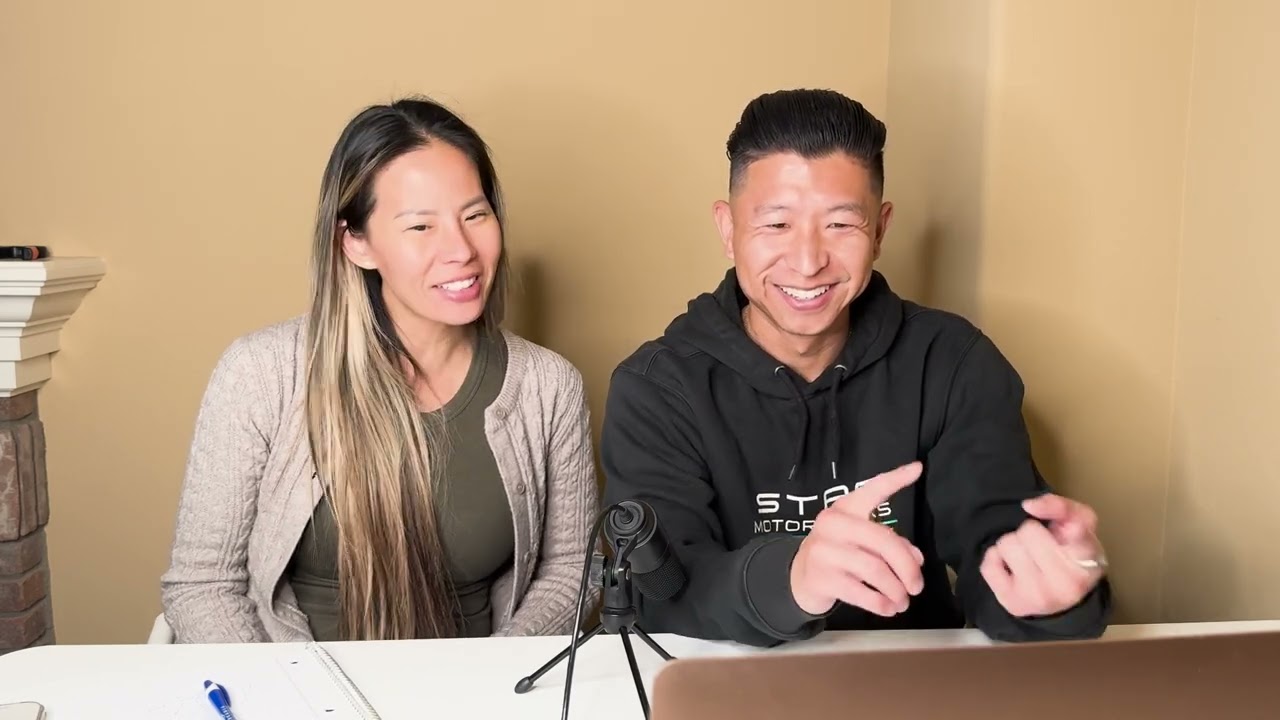
Shad and Crystal break down the Eliminate-Automate-Delegate system for scaling your time and business. They value every hour at $100 million, offer a free Productivity Workbook, and explain how high-status networking works without chasing social media followers.
Chapters
You have your phone, right?
Yeah. Where's yours?
Oh yeah, it's recording. Where is mine? Recording in progress. Are you awake?
It's been a while since I had to wake up this early. That's usually a question you'd ask.
That's not.
Yeah, it is. Yeah, you have those blonde moments.
Kran rising, everyone. Zoom changed a little bit.
Did it?
Yeah, it's like a little weird.
Oh, it looks a little bit different.
We're gone for one week and we come back to an entirely different— yeah, new Zoom scene.
I don't know, I've been on Zoom calls.
Oh yeah, that's true.
So—
but setting that up, even like the meeting, the meeting settings were different.
Hi everyone, I am back.
What up? Welcome back. Welcome back to Fire Hour. So last episode we talked about marketing and branding. That's what we just, yeah, we dived into. And I was actually sharing a little bit about Star Motorworks and like the movie's philosophy. And so we're actively doing it now and it's in motion. So what have you been seeing in terms of the trends of the world?
What have I been seeing?
What has everyone been seeing or noticing in the marketplace specifically for like, you know, marketing, branding, business?
Communities, right? What about them? Communities are very powerful because you have a bunch of people who know you or think they know you, like you, and trust you, right? So, um, it's typically your community, people that really feel like they know who you are because you put yourself out there, that, um, purchase from you. So when you have an offer, um, you know, people are like, hey, I already know you, I already like you, I already trust you, I've been following you for a while. Like, you know, you share a good amount about your life for me to feel like we've developed this friendship, right? And then when you have an offer, a good or service or event, what have you, like, people are like, cool, I'm there, you know. So that's what I've been seeing is a lot more communities built, like when you're looking at these influencers or, you know, whether they're micro or whether they're bigger.
Yeah, communities. Yeah, that's true. It's like that, that's on the rise. What else is there?
I don't know.
Personal branding.
Well, yeah, cause that follows with community. Like if you're not a personal brand, like you're not gonna get the community. Like no one's gonna even like, you know, they don't even know who you are.
Yeah. So community, personal branding. What else is there? Right. Entrepreneurship. Like overall.
Yeah.
Like the industry of entrepreneurship is on the rise.
Booming.
Yeah. What else is there? Personal development. I think that personal development is on the rise. You know, just self-awareness, I think, is on the rise. I think other people are becoming more conscious, even like for families. Like you're like, we were on a Zoom call yesterday for a conference call and they were talking about how like one of the biggest aspects that they focus on for all their students and stuff is like mental, like health and, uh, just awareness of what is going on, uh, in the students' and, uh, parents' lives. Right. So there, I, I think that it was interesting for me to, uh, to see that because, uh, as we go about like social media and like building our businesses and like living our lives, like all of this, it's, it's kind of interesting because I was never like truly aware about all of these aspects and these elements and how they all like intertwine, you know, they all come together. And I think that, um, like if you can say like finding like, cause some people ask like, how do you find balance? Like how do you, how do you be like, how do you balance out everything in your life? Um, and I was listening to this interview, remember this is what I taught, um, I shared before is that when you're learning about like success, like what is the framework to use? Is to always shoot to the top, right? So if you shoot to the top, if you're looking for like financial success, for example, like how many people are you learning from that are at the top, right? Whether you like them or not, because you want to drop the ego, right? Drop your guard, drop your ego so that way you can open your mind and really like understand and learn and download information, uh, that, that can be helpful for you in your journey. To success, right? So like, forget about all the politics, forget about like what the news says, forget about like what social media says, even just keep an open mind attached to nothing. And when you're learning and taking notes and be that student, right? Have that student mentality. So I was listening to a few billionaires' interviews, um, like over the past like couple weeks, because for me, again, like I can always learn from everyone at every level. Right? Because there's a law of 33%, which is what I learned from my mentor. You want to learn from people who are, you know, on their journey, basically like behind you, they're, they're students. The people who are your peers, like they are, like they're in the trenches with you. And then the people who are years and decades ahead of you, even who are, are, are no longer here. You want to learn from them as well. And those are kind of like your mentors and guides and the people that you look up to. And so you always want to have that, that, that balance of, you know, 1, 2, and 3, and always learning from each category, basically each person that has that information available to you. Because it's true that, you know, when they say like age is just a number, I believe that's true. Because if you look at history, there are people who have changed the trajectory of history at different ages, right? There were some that there were children, There are some that, you know, are adults and then there are some that were in their, their wiser years, right? So it's really important that no matter what the age is, you know, as long as you're looking at the information, uh, with an open mind and, and really like seeing like what they are sharing and then absorbing it and then applying it to your, your whatever position or that is applicable for you in your situation, then you can learn, right? And so I was thinking like, this is something that I've been, I've been sharing, like I'm, I've been wrestling with, you know, how do I figure out like this balance? How do I find out like, you know, how to like just crush it, like, and, and everything that we're doing while balancing like family and, you know, everything else. Okay. Like the 4 pillars of the good life. Right. And so, um, 4 or 5? 4, 5. What, what's the 5th one?
I don't know. Why did I think it was 5?
Health, wealth, love, happiness. I don't know what the 5th one is then. Oh, you're talking about the 5— Oh, you're talking about the 5 rules of life, right? Like be good, be healthy, work hard, get along, do something good with your life.
There's no such thing as balance.
Yeah. What I've learned is that there's no such thing as balance.
There really isn't. I think time management is where it's at, you know, like there's so many things going on in this world today. And with social media, you know, you see a lot of things like how do you be the best parent? Like how do you be the best, you know, so-and-so at your business or in your career, right? If you have a job, like, and then how do you balance the home life, right? Like things still have to happen in the home, right? Groceries don't come and show up in your fridge and the house doesn't get cleaned on its own. So there are so many things these days to balance, and there's so many, um, places or people pulling your attention. And when you feel like you have it, or like you're doing really well in one aspect of your life, or maybe two aspects, there's, you know, maybe fires to put out somewhere else, or something else that's attracting your attention. So I mean, I personally feel like it's like It's— there's no such thing as a perfect balance. Like, you want to be a perfect mother or perfect, you know, husband or whatever. And you also want to be really great at your career. And you also want to be like the best parent or you also want to be the best person at, you know, let's say you go to church or have a religion or have some type of philanthropic work that you do. Like, it's like, you know, you could— all you can do really is just be your best. Yeah, be your best. And improve every day, right? Like, okay, I wasn't able to get to this whatever, but like, what else did I have going on, right? So allow yourself the grace and the compassion that you show others, right? While you're pushing through things. Um, so yeah, I mean, what are your guys' tips? Time blocking. Time blocking is huge, right? Like, what's important to you overall? Because I know a lot of people on here most of you guys are parents, right? And the most important thing to you, it may be your kids. And so you're like, I'm working hard, I'm doing this, I'm doing that, and it's for my family, it's for my kids. It's so that one day when I make enough or when I hit this financial goal, because let's be honest, it's always around a financial goal and it's never really for the money. It's for the freedom, it's for the options, it's for the time that it could allow you. Right. But if you keep doing that and you're like, one day this, like, you might not ever get to that day because let's be real, you're probably going to be working for a very, very long time unless you set yourself up a long time ago or someone taught you financially how to set yourself up to retire early and to still have enough and to be able to leverage your assets to be able to work for you, right? So you don't have to trade your time for money anymore. So, you know, you have to schedule those things out and like, I'll be the first one to admit, like, there were times where, you know, we had our daughter, like, watching YouTube, like, educational YouTube, and we're like, oh yeah, like, let's just— when we finish this, when we finish that, like, oh, a couple more hours, like, oh, he has to finish something. Oh, and then I have to finish something. And then the whole day's gone by and we didn't even take her out once. And I'm like, what are we doing? You know what I mean? Like, we, we said that this is the most important thing in our life, but are we doing that? You know what I mean? Because there's so many things or people or businesses or needing our attention, right? Like, okay, so-and-so needs help, or this needs help, or okay, you see something, okay, then you do something, right? And you're just like giving, giving, giving. But like the last person you're giving to is the person or the people that's the most important to you that you think that you're doing all this for. But then you come back and you're like, I'm not even doing that, you know? So I think that blocking out time and having hard non-negotiables and like timers is really important because there's never— there's never not going to be work. There's never not going to be things that you don't have to do or that you're not going to, you know, be able to get to. Like, work is never-ending, right? And people wanting things or like needing something from you is going to be never-ending, right? Or your feelings or your thoughts of needing to be this, to be that, to do this, to that. It's never-ending. But like, what about the people that are the most important to you. And maybe you don't have kids, right? Um, what about your relationships with your partner? Like, did you time block out for them to actually have time with them one-on-one outside of home, kids, work, right? Because that will affect your relationship heavily. Um, like, what about, you know, your, your family, your parents, your, your friends, right? So putting in hard time blocks and like non-negotiables and even setting alarms to be like, get off, like right now you need to just intentionally spend 30 minutes to an hour, right, with your family. Um, those are really important because you can keep running and, and, and you're like, well, I'm doing this for them, but the whole time you're not even paying attention to them. Then it's like, okay, but like, what relationship are you going to have with them in 10, 20, 30 years? Or when you're on your deathbed, you're like, oops, never really made it. Like, never really, you know what I mean? Like, never really worked hard enough or had enough money to really do that. Or so you think. Right. So time management, time blocking, hard non-negotiables, and just knowing that, like, if you give all of your effort, like, you, you did enough. Like, if you kind of set a goal out, you did enough, right? There's always going to be work to do, but like, eventually your kids grow old very quickly. Your parents will grow old. Your friends would be like, we have no relationship anymore. So Yeah.
Yeah.
Sorry, I went on a tangent there.
Well, it's just, it's, it is, it's like what Rebecca said. This is all important, right? Uh, Lena said she came back from vacation last week and committed to working less hours so she can use that time for cooking and spending time with family, kids, activities, et cetera. Right? Yeah. And, um, even like since she started Thriving, she's timed her showers so that way she's not wasting extra minutes getting ready.
Yeah.
Like, you know, all of those efforts counts because it stacks up because the compound effect, right? And it's all about, you know, when you, when you take a step back and you really look at the big picture, adding on to what Crystal was saying is that, you know, all of this truly matters and it goes down to your decisions. It goes down to— it boils down to what is the most important thing for you in your life. And, you know, for like for us as parents, the most— one of the most important things in our life is our children, but not just our children, spending time, like intentional time with our children, right? Creating memories, going to, you know, going out, like doing activities, scheduling out things that we want to do and experience together, right? Because experiences are the things that your children will, if you have small children, if you like, you know, just span out, like future pace yourself, like 20 years from now, right? Ask yourself, like, what type of childhood will your children remember 20 years from now, right? That would— if you just ask yourself that question and you sit down with yourself and you ask yourself that question, right? Like, that right there, it'll give you the answer. You know, you'll get the answer. Like, this is what my children will remember, right? And that's why it's so important for us that we spend our time intentionally with our children, especially when they're young, because Yes, they are growing. There's a lot of childhood development things that are happening with the children. But at the same time, it's like, how much do you really want to believe? How much do you want to create? And what type of life do you really want to live with your children? Right. And then for yourself, if you have children, et cetera, you're figuring things out for yourself as well. Right. No matter what age, it doesn't matter the age. But like, today is a new day. You know, you're able to recreate your entire life today. Every single day that you wake up, you have a new opportunity, a new chance, a new change, right? To change something in your life that you want to change. And it's about making that decision for yourself, but it's about knowing what you want first. And then from there, making a decision and then taking the actions consistently. And not only that, but every single decision that you make It comes with responsibility and discipline. And if you make, if you make a decision, but you're not disciplined to follow through, then you're not going to see like the result that you want. Because if you're truly serious about what you want in your life, you want to, like for us, we want to seriously work less. We want to seriously spend more time with our children. We want to seriously make a lot more in our businesses. We want to seriously like make an impact. We want to seriously do a lot of different things. But if we're not disciplined to follow through with the decision that we make, then how can we expect that result? Right? And you know what, uh, the thing is too is that there's a difference between experiencing it versus trying to figure it out along the way, right? And having that faith until you make it, until you like experience like all that stuff. For us, like it is true that you can work 30 minutes a day and make a lot of money. Like, that is true, right? And that's just an experience, right? That was an experience. So that's why it's easy to believe. But if you've never experienced that before, right, if you never made money like from social media before, like, how is it easy for you to really believe that, right, if you never experienced it? And that's where, um, the book Think and Grow Rich comes into play, in my opinion. You know, from what I— like, from decades of experience now and learning all the ups and downs, etc., and then experiencing it, right? Like, what I can share with you, and just for those who are ready to receive it, is it is possible, right? It is possible. You can make a lot of money within seconds because it's just possible, you know? I believe that. And in 30 minutes per day, right, it is possible to, to change, like, your life, just simply because that's the belief I have., you know, and that there's so much proof out there. I'm gonna share more details with that, but let's just read a few things. But yeah, Rebecca says, that's so smart, timing your showers. Jenny says, yes, more time with my children, not missing out on their learning, wanting to put them in sports, but my job is in the way. So now, like, right there, like, that's, you know, thank you for sharing. Like, there, there's gonna be so many constraints and challenges that get in the way, really, you know, get in the way of what you truly want to do. And like, so the challenge is really like, it's right there though. It's like, what is the solution to getting around that or going through it, right? Over, under, or through. Like, you're going to make it happen no matter what because you'll will it into existence, right? So if you like, with that challenge right there, this is like something that everyone can do. Like, there's always a problem. There's always a problem and then a solution. So in between, there's a gap. This gap is the bridge that gets you overcoming the problem. So what is that gap? What is that bridge that you need to build so that way you can get to the solution faster, right? And, you know, again, like, there might be, like, scheduling conflicts. There might be a lack of funds. Like, whatever the problem is, right, there's always a solution. Okay? There's always that, that bridge that you gotta build. However you get, however you build that bridge is up to you though, right? And so, um, if you can figure out how you, this is like a philos, uh, philosophical thing. Um, but these are like frameworks for yourself. It's just like how you're able to learn. If you, if you master how you learn, you'll be able to cut your learning curve so much faster than if you didn't know how to learn. Okay? Everyone has a different learning style, uh, but you have to figure that out for yourself. Right? For me, I can figure out, like, when it comes to, like, solving, like, business problems, I know how I learn to solve the business problems. So I'm able to solve problems fast, like this, in business. When it comes to, like, downloading information, I know how I learn. I know how I download information. So I'm able to cut my learning curve and download information faster, learn faster. I'm able to learn faster just simply because I know how I learn. For you, for everyone here, like, if you don't know how you learn yourself, for certain things in your life, that's one thing to solve first. Because if you can solve that faster, that is the 20% that gets the 80% done. Okay. Does that make sense?
Can you share with them the different types of learning?
Yeah, but there's, there's many different ones. Um, because it's not just like, there's 3 types of learning.
Yeah.
It's like visual.
General ones.
Yeah. Basically like in the beginning, it's like you learn, you either learn visually, like kinesthetically by doing. Or, um, audit, like, by listening. Okay. And the thing is too, is like, there's many layers to it. So it's like, you can learn from experience. You can learn from just being in proximity with people and just like, if you're in the room, if you get yourself in the right rooms with the right people to learn the things that you need to learn, you can get information from them just by being in the room. It's opening up your perspective. It's opening up your mind to different things. Um, they, they, I'm not an expert in the psychological side of these things and the scientific things, but there's something called the RSA, the RAS, reticular activation system. It's something in the brain where when you see something, you can't unsee it anymore. When you hear something and you are now made aware of it, you start to see it everywhere. Okay. For example, let's just say, let's talk about the Cybertruck. Okay, like the Cybertruck is something brand new, right? Rebecca says, I need to activate ASAP. It's already activated, right? It just activated right now, right? You're now aware of it. So now here's how to bridge it. Okay, so let's say, for example, you've never heard about the Cybertruck. Okay, I'm just using this because this is something that's new. It's fresh. People are still talking about it. They're still discovering it.. And so when they see it, they're like, what the heck is that? Right? My mom, I was talking to my mom a few weeks ago about, and I asked her, 'cause we're driving in the car down like the freeway. And I, and we saw, like, I saw a Cybertruck pass by. And so I was like, oh, like, you know, I asked my mom, have you ever seen the Cybertruck? And she, like, she gave me this story. She was like, yeah, I was, I was driving in San Diego and out of nowhere, this, like, this car was driving behind me. I had no idea what it was. But it kept on inching up on me. So I decided to pull to the right. And she saw that this silver-looking thing just passed by her. And she was just astonished. She was like, what the heck is that? So when she got home, she Googled it. She Googled silver car truck thing. And then the Cybertruck pulled up. And then she was like, oh, OK, that's what it is. And then ever since then, her RAS, the reticular activation system, whatever that thing is in the, in the brain, the mind, it was activated. So now she was made aware of the Cybertruck and what it is, and she can identify it, right? So now every— ever since then, like, she knows what it is, right? Same thing with personal development. In 2015 or 2016, um, I shared with my mom, like, personal development. Like, here's videos on personal development. This is what personal development is. This is why it's important, this is what mindset is. I shared with her that, and she knew these things too, but she was more aware and more intentional about learning about personal development. And so she, ever since then, she started to learn about personal development. She was made aware, okay? She was made aware of it. Now it's in her, in her inner consciousness and in her awareness, really. And so when it, like, when it comes to books, like she sends, she sends me like quotes and books since then because she's aware of it. And, and not only that, like, that's KLT, know, like, and trust. You're building know, like, and trust because you're building bridges. It's affiliations. It's, oh, I like this. You like this too? Now we can connect together on this thing that we like together. Okay. Does that make sense? So yeah, it's, it's, it's like that. Um, Rebecca says that's why when you buy a car and it's a Ford, for example, now we always see that car all day. Exactly, exactly. Because you're now made aware, right?
And then adding to what you said, it's communication. And through communication, you build relationships, right?
Yeah, you build— yeah, building bridges builds relationships. Okay, like there's something called bridging. I learned this from my mentors. When it comes to like networking and relationship building, you're always looking for bridges to build. Like if someone likes something and you truly, genuinely, authentically like it too, you can build a bridge with them. That, that creates a relationship, a stronger connection, and then you guys can build together. You guys can build that bridge together, which builds a relationship, right? So that's called bridging. Um, Lena says, all I remember is going back to school, right, uh, night one year, and my eldest said, my mom is a workaholic. That hit hard. Yeah, that's huge, right? Because your child is aware, right? And it's crazy how, like, our children are aware of this, these terms.
They're, they're so aware. And then they also, um, kids, they always tell the truth, right? Like, yes, there's times they make little white lies, but for the most of the time, like, when it comes to children, it's very easy. I see it, I say it. There's no filter. There's no, oh, am I gonna hurt this person's feelings? Because they're not thinking that. They're just thinking, I saw it, so I said it. Okay, and now I'm getting in trouble for saying it, right? Like, obviously there's like things that they have to learn, right? But they're like the greatest teachers because, yeah, I've been told that too, right? Like, you know, when your kids write about, oh, when they write about their mom or their dad, right? It's like, oh, Dad's fine. He takes us here and there, right? And my daughter, I think when she was a few years, a few years ago, she was like 6 or 7. She wrote about me and she was just like,, oh, my mom's really good at making money and working a lot, you know? But, and I was like, oh my gosh, like, you know, but, but they also had said, like, both of my kids had said, like, my mom loves me a lot. She's very loving and like, she, she's very nurturing, right? Because I, I do a lot of things for them. I do intentionally spend time with them because there was a point in time where I had 4 businesses and Thrive I stumbled upon became my 5th. And so obviously I was working all the time. And although I worked from home with all 4 businesses plus Thrive, right, 5, I didn't really see them. Like I would literally see them maybe 1 hour a day and that's it, right? Like at the time, my ex and my mom, they were helping me around the house. Like, you know, my ex had work and stuff, but he— after work he would cut it off. Like, that's it. And for me, I just worked like from the time my eyes opened until the time my eyes were shut. I just worked and I spent maybe like 1 hour somewhat intentionally with them. Like I'm still on my phone and I'm next to them and I'm responding, but I'm not really present. Right. And so it's like memories like that, that it really hurts because you can't take that time back. You can't get that time back. Right. And what happened from it? You know what I mean? Like what results? You know, happened from all that time you took away from them. Because there's always going to be work, and you're probably going to be working for maybe almost the rest of your life, or doing something with yourself for the rest of your life, right? Um, so yeah, like, the kids will— they will always tell you, you know, what's happening or what's going on. So when they do tell you something that they see or something that they're very aware of, like, um, take accountability for it, you know. Don't get upset at them and just be like, Wow. Like, hey, like, what do you mean by that? Like, ask questions and like, oh, what do you mean by that? And like, what do you think? What do you think I should do? Right? Because sometimes a lot of times kids' moral compasses, they're still very, very intact. It's very— it's still there. Right. And like, as adults, like sometimes our moral compasses, it kind of gets clouded. I want to say. Right? Where we think that like, oh, we're right and this is what we're doing and it's for this. But it's like, you know, when as a child, when you were growing up and looking up at your parents, you were just like, why do they do that? That doesn't make sense. So having the realization that kids will see what they say and if they say it, it's because they saw it. Don't get upset at them. Like, remember when your parents used to get upset at you for telling the truth? It's like, you know, now we're those parents, right? Or we're their friends. Like, let's just say you don't have kids. Like, if your friends are saying something, your family's saying something, and if a lot of people are saying the same thing, then it's like, it's kind of time to start looking at yourself and asking yourself questions, um, and like realizing like people wouldn't say these things unless there was some, some truth to it, right? So let me explore that. I think that's also a part of personal development is having feedback from people.
You have to no matter what. And like, you know, for those who have children, like that's, that is one aspect of using like learning from someone who's a student, right? And like they say that your children are your greatest teachers. Like, I found that to be very, very true because of what Crystal's saying. It's like if they see it, they say it. And if they say it, then I would consider that a blessing because that's good that your children are speaking to you and letting you know, like, you know, here's like what I'm seeing, here's my perspective. Now, you as an adult, as the— not just the adult, but like as someone who's a role model and influencer to them, You know, if you truly want to do your best and be your best, then you take the good and the bad and you, you bring that insight in for yourself and then you learn, okay? You get better, right? So, and that is part of personal development. It's like your journey because we're all like still, you know, if you're, if you're a parent, you're a parent for the very first time ever, right? So like you're learning throughout every single, everyone's life, right? And that's the beauty of life.
And then feeling safe to be able to express themselves and talk to you, right? Like The way I grew up, I could not really say that about like one of my parents, right? Like I can't say anything. Or if you grew up in like in an Asian or a strict cultural household, like there it was not safe to say the truth about that person or anything, right? So if your kids are saying something and you yell at them because you want to deny it or you're not aware or you're insecure about what they're saying and you're like, no, I'm perfect, you know, like it's it's not going to work, right? Like, personal development is easy when you're reading books and watching videos, but it's not when you're getting immediate feedback from the people that you love the most, right? And it's constructive criticism. It's like, hey, I love you. You're saying this, but you're doing this. I see there's like a bridge. Like, let's, you know, they're— it's almost as if they're teaching you, right? Because what are you going to do? Like, ignore them and be like, I'm not going to be your friend anymore because you said something about me that made me feel some type of way. Well, if you felt some type of way, like maybe you should look into it, right? Because you wouldn't feel that way if it was not even like that.
Yeah, there's a quote. They say if you spot it, you got it, right? So it's the same thing. Like, it goes— it works both ways. But obviously children have a less— like, they're less— they see the truth, you know, I like to say so. And this goes really well with what Katherine is saying. You know, this is a really good— in my opinion, this is kind of like a 1%er. Uh, it's like what you said, Katherine. If they can draw, ask. So if they can draw, ask them to draw a picture of you. That may tell a lot. That right there is just like that one, you know, that one sentence. Like, that is huge. That is a hack, in my opinion. Right? I agree with you. Like, that will tell a lot. If they're too young to draw, just keep loving and hugging as much as possible, because they grow so fast. Either way, hug them a lot, and maybe see how many times a day you get to hug them. Because that might say how or— oh, that might say how, how or too busy it is. We all need hugs. That's very true. I think that, um, when it comes to your children, like, you know, again, we're not, we're not trying to teach anyone how to raise their children. We're just sharing like what we do and, uh, what we've learned over these years. Yeah, what we experienced, because it just—
we're still learning.
Yeah, we're learning. But, um, but like, because we're entrepreneurs, like, we're like, we run businesses, like, we're working all the time. Like, we like, it requires us to work a lot, right? If you're, if you have a 9-to-5 job, um, and, and we all started off like in 9-to-5s, but, uh, well, yeah, both of us had, well, you had 2 jobs too, right?
I had many jobs.
No, no, but at the same time, at the same time, I, I worked 2 jobs and 3 side hustles on the side just to make ends meet in my previous lives, right?
And so I think that I just worked a lot in one. Like, when there was an opportunity to take shifts and work overtime or do holidays or do all the, um, do all the shifts that no one else wanted to do, I was always like, everyone could come to me because I would take their shift. So I wouldn't say 2 to 3 jobs, I would just say 60, 80-hour weeks, right? 14, 16-hour days, 7 days a week. So it could be one job, but I'm taking like multiple shifts on.
Oh, okay. Got it. Got it.
So the hours.
Yeah. So it's like what Rebecca said. I don't even work 9 to 5 anymore. I work 6 AM to 7 PM. That's crazy. But that, that's like, you know, that's like running a business right there. It's like when you're, when you're an entrepreneur, like basically this is just, um, it depends on the business that you run, but in truth, Right? Especially when you're starting out in any business. If it's a startup, if you're building momentum, like if you're thriving and you're building your Thrive business, like everything starts off the same. It's like you have to create momentum in the first, in the beginning. Okay. You got to create momentum first. And then once the momentum is created, cash flow is coming in. That doesn't make, that doesn't mean you're profitable, right? In Thrive, it does. But in, in another bit, in a traditional business where the infrastructure is already, is not laid out. Like all of that matters, right? And so like it doesn't mean that you're profitable from day one. Um, you, there are businesses that you can make profit right away, like consulting. That's why I love consulting because there's no overhead expense except for your time, right? Which sucks, but like it depends on how much you want to charge for your time as well, right? Because it's about solving problems. You charge for how much you want to solve problems. And, um, like if you can, like, This is like what wealthy people do. Okay. Like, this is something that I was like thinking about like literally yesterday. When, when you have money, right? When you have money, you think about like time. Okay. When you have, when you have all the time, you think about money. It just depends on your situation. If you don't have money and, but you have time, then you're always using your time to make that money. Right? And then vice versa. Like when you have millions of dollars or billions, you're always thinking about how can I make more time? How can I save more time? How can I get more time?
Right?
Because you already have all the money. So you're now using your resources to make more time. For everyone who's in between those two, and like, you know, you don't have the time, you don't have the money, right? But you want, you want both. Okay. Like you'll realize in the future that you'll sooner than later, you'll realize that you want to make more money and you want to have more time. Okay. And you want to spend it however you want to spend it, like both things. So. The challenge is how can you resolve that problem right away? Like today? How can you figure that out today? Right? Um, when it comes to like work, like having jobs, right? Like the whole dilemma of having a job is, I guess, or the challenge is if you love your job, that's perfect. Now, how do you end, but you're not making enough money, then how do you make more money while still working your job? It's just, it's just about like working something on the side. That's it. It's that simple. Yeah, but now like the challenge comes when you decide to start something on the side. How disciplined are you and how serious are you? If you're actually serious about it, you'll be disciplined about it. Like that's just the facts, right? So it just depends on your situation and your goals and like your lifestyle. Like what do you truly want? Like I think that to like summarize everything for this chapter in this episode, it's really about, you know, like this is what Jim Rohn says. Like, take things seriously, right? Like, get serious. That's what he says. And the reason why he says that is because life is serious. He literally says life is serious. Okay? So you got to start to get serious about the serious things. There's a whole seminar that he does on serious, the word serious, and it's really good. I would encourage everyone. Okay? Encourage everyone to, to take that serious seminar.
Okay.
Because things are serious that they need to be serious.
By Jim Rohn. So if you just hopped on, Shad's talking about Jim Rohn and his serious seminars because you have to get serious being serious. Okay.
But that's like, isn't that true? It, you know, like the beauty of life is that things are simple if you treat it simply, right? If you treat things simple, then things will be simple in your perspective. But if you treat things like, you know, super difficult, super hard, it's impossible, then that's what's going to be your life. Okay. So going— so just to summarize this episode or this chapter in this episode is like, for sure, like you got to get serious about the serious things. Okay. If you are serious about spending time with your children because you have children and you want to spend time with them, then get serious about that. How do you get serious? What do I mean by that? How do you define what serious is? Like, you got to define that for yourself. Okay. I can't tell you that, you know, we can't tell you like what to get serious about with your children. Like your lifestyle and your goals and dreams are different than ours. For us, our whole goal is just to, you know, uh, build our businesses in less time while spending time with our children, right? Making memorable experiences together, memories together. Right. As fast as humanly possible. Today, you know, it's family day for us. Guess what? Like, what are we going to do? I don't know yet, but we're going to do something, right? We're going to— it doesn't matter. Like, for us, if our children want to do something and because they want that, then we're going to do that depending on like, you know, what it is.
Yeah.
Right.
Usually like one day a week consistently, we're like, today's family day. Like, what do you guys want to do? Or here's a list of options, like pick one. And then it's like, that's it. Like, that's what we're doing. Like, If there's not a fire for any of the businesses, like, get off your phone, right? Like, it's not a fire. It's not an emergency. Off your phone. Like, it'll still be there at nighttime when they're asleep. And if we have to necessarily, like, really get to it, right? But it's so funny that you're talking about that, like, about time and money, because, like, I was thinking about that this whole week. I'm just like, you know, because it's so true. And I've been listening to, like, um, audibles as well, right? Like recently I'm listening to this ex-Mafia guy who was making $10 million a week, right? Like there's always something you can learn from someone and it kind of relates, right? Like business and the mob, like it is a business, right? Just a much more violent business. Uh, but there's still things to learn. There's still core principles and values, right? Um, and so I was like, you know, if you don't have time, you probably have money to leverage your time. And if you don't have money, then you probably have time to leverage to be able to make money. Right. But now if you're in a position where you don't have time and you don't have money, like you need to reevaluate your life because there's a lot of like your energy personally is only finite, right? Like you, you need to sleep, you need to rest. We're humans. We're not robots. We need to eat. We need to— there's all these things that we literally physically have to do. Right. So, and, and I was talking to a friend the other day and she's been struggling for a long time and I'm like, you need to switch jobs. Like you, you're unhappy for a third of your life. A day, like a third of your day is going towards something that does not bring you joy at all. You can make the same thing doing something else that absolutely brings you so much joy and there's so much more room to grow because when you're doing something and it makes you really happy, um, you know, don't be blinded by what you're receiving now. Understand that when you're in that state, you're always going to be thinking of how you improve yourself or how you improve what you're doing or how you're doing things in order to get to the next level, right? But if you're doing something that doesn't bring you joy, you're not going to think of those things, right? So you're not going to grow in that. So, um, I was like, you need to switch jobs. Like, you need to find something that brings you joy. You'll get paid the same, and then you'll have room for growth because people are going to see you're going to improve. And when you improve yourself, you add value to a business, or you value to yourself, like, you will have many more opportunities than, oh, well, I'm worth this because I can do this. Well, if you don't show you can do it, no one's going to give you those opportunities just because you think, you know what I mean? So, um, I just wanted to add that in just in case, like, anyone was struggling with that, you know, because I see it all the time and I'm just like, you know, like, hey, but sometimes people aren't aware because You're so tired every day. You're just like, wake up, like clock in, clock out, like robot, like, you know, zombie, right? And so I was like, hey, like, I love you. So like, I'm just going to be honest with you. This is what you need to do. And I'm like, and she's like, yeah, yeah, yeah, I need to. I'm like, but it's been like 2 or 3 years. So when you going to start? You know what I mean? Like, I am that friend that will like light a fire under you. Like, I will literally, I'm so direct because I don't know how to be indirect because it takes a long time to fluff things, right? And so I'm the type the type of person where it's like you're either gonna like be very upset at me the way I speak to you, or you're gonna really like it because you're like, I needed that. No one gave that to me. They just sat there and listened to my complaints for 2, 3, 4, 5 years. Like, sorry, I'm not that friend. I'm not that patient. Like, I'm gonna tell you like it is directly. You need a new job. When are you gonna start? Like, just start. Like, go look online, right? Like, start looking, start interviewing, start seeing what you're worth, start seeing what brings you joy and what you can actually, you know, grow in. Because you will grow if you really love what you And that comes with like all things. It comes with work, it comes with Thrive, it comes with side businesses, it comes with anything and everything that you touch. If it brings you joy, it makes you happy, do more of it and see how your life starts to change.
Yeah, and it's true. Like there's an argument in the world where it's like, like you shouldn't do what you love, like as a job. But the thing is, is that when you are, it depends on what it is. But if you are doing something where you're in an environment where it's uplifting for you, like it's, it's making you more positive. It's amplifying everything you want and more. And it's just doing everything that is just enforcing and reinforcing like a flywheel. Okay. It's a circle. It keeps— if you do this, if you're in this job and you're happy about it and you're trying to make more and you're going after your goals, all of it is connected. Okay. Every single part of it is connected together. So it actually amplifies, it accelerates the momentum for you. If you are in a job, like right now, Lena just said, my job is draining, totally reconsidering switching up careers. Time is too precious. Yes.
I hope you look today.
Look today. Because, well, here's, here's why. Because I'm going to just share as an example. It's like if your job— because I've been in jobs that are draining, okay? And, you know, it's, it sucks, right? It's because it's like, what can you— what do you do? Because you have to realize, like, all right, like I probably need to make more money, I probably need to do this, probably need to do that. And so there's a lot of aspects to it. But basically, like just for this example, right, if you are drained, if you are drained in a job, okay, and now you're going after your goals and dreams, you're using this and this energy transfers to your goals and dreams now. And then now when you're trying to go after your goals and dreams, you're going after it with probably all your might for sure and all your willpower. But it's not accelerating and amplifying it because your energy is not aligned, you know what I'm saying? So then when you actually hit your goals, you know, now it's like really pushing everything here, focusing everything here. And then from there, you know, what's next? What about your health? What about like your family, your love life? Like, what about everything in between? Okay, all of this, it's, it's a flywheel. It all is connected together. They're asking, what is the podcast? Is it this one? Diary of a CEO Podcast, the former Mafia?
Yes. So I started actually— so I didn't watch that specific podcast. I actually went to go find his book. I went to find his book and I started listening to his book. Right. So I'm sure the podcast is great. I didn't look it up. I just went straight to his book.
Oh, let me—
you remember you because I was like telling you and then you like literally knew his name. Oh, yeah. I'll Make You an Offer You Can't Refuse.
Yeah. So let me share one thing real quick. This is super important to know, at least in my opinion. This is just based on my philosophy. Shoot to the top, right? So what, like, another aspect of shooting to the top is going to the source, okay? Which one makes more sense? To learn from the person directly, to learn— so that, that's obviously the best, is to learn from the person directly, right? Because that's proximity is power, and you get to like get the raw data, right? Then the next thing is like, okay, maybe they wrote a book, okay? So now, like, can you read their book? Can you figure out, like, exactly what they meant? Because that's their words. You know, that's them speaking directly. And then from there, podcast is next. It's because it's only getting snippets, right? Because it's based on, like, what the, the interview is asking, right? What the podcast is covering, etc. It's not covering the entire book, right? So always get, like, if you go through the book, like, that's better, in my opinion, because you get the full picture, right, of what they shared. And then you add the podcast in because now you get to hear from their perspective in modern time. Yeah, right. So because things may have changed a little bit, maybe they're revisiting, but it's all connected.
I was going to say that too. Okay.
Yeah. So you got to like, look like shoot to the top, get the full picture, then get the podcast and then, you know, go from there. But obviously it depends on like, you know, what you want to do. I'm just giving you like another avenue that is just, in my opinion, is better. Okay. Just get, get to the source first. It's a little more work. It takes a little bit more discipline, takes a little bit more time. But what if like that extra like few hours saves you so much more, helps you instill something in you, like you download information that helps you right away. Like there's so many different things that you'll get because you got the full picture. Does that make sense? More, more perspective.
And then listening to, you know, Audibles or what have you, like when you're in the car driving, It's like if you have kids in the car or friends in the car, they're going to be like, oh, what are you doing? You know what I mean? Like, they're going to be influenced by you and they're going to see that you want more, you want better, and you're going to inspire them to do the same because the kids are going to copy what you do. So you can't be like, don't do this or you shouldn't do this. And then you go and do it, right? They're going to be like, well, you said don't do this, but you're doing it. So that means it's okay, right? Because they look up to you. You're their— you're like their first mentor, the people that they're around, right? And so your habits will leak on to them. Right? Um, and just like your surroundings, like, who are you surrounded by? Like, who are you getting into the rooms with, right?
Yeah.
Um, like, how much are you putting yourself out there to be able to do these things, right? And I want to talk about energy and time, right? Like, I missed out on a couple opportunities this past week because I just didn't have the energy. Like, I didn't have the energy, and I just wasn't feeling it because I was drained because I was just working, working, working on something. And I felt like I was pushing more than actually having joy in the process of it. And so like I got a text, right? Like I spoke on stage at a business conference a few years ago where, what is it like, where Bobby Kennedy was on the same stage and like we had like a Vanderbilt, right, who built America's railroads, like from the fam, like the family line. She was on stage too, right, on the panel interviewing me. And so like one of the speakers who actually like trains multimillionaires and like business people was like, hey, Hey, I'm gonna be in Orange County and I'm having a lunch, like, come by. And I was like, I don't know if I can come, you know. And he's just like, there's gonna be 20 people there and they all make half a million dollars a year. So what would it have been like for me to get in a room with people that are clearing half a million a year? Not just one, but 20. It would've been so valuable to me because there's a lot of things that I can learn from people that are actually doing it and actually have it, right? But my energy just wasn't there. And I was like, I'm not feeling it. I'm completely drained from doing all these other things that clearly didn't make me money, make me better, whatever. And so I was just like, I'm not going to go. Like, I just can't go. Because when your energy is not right, it's like you're going to miss opportunities. And there was another opportunity I had signed myself up to, to like network with a bunch of women. There was like 30 or 40. And I just was I was just drained. I was like, I'm, you know, it'd be a great opportunity for me to network with local women in my area, right? There's about 30 or 40 of them showing up. I have no idea who they are. They have no idea who I am. They have no idea they're going to get started thriving with me if I just show up, right? No, I didn't go. Why? Because my energy was drained. And so I was like, man, this week I missed out on two huge opportunities to get myself to an event or get myself in a room where I was like, You know where it was at, even, and I'm like, something's off. Like, that's not okay. Because to me, that's an IPA. That's an income-producing activity. And for me to not do income-producing activities and just to do busy work for what? Like, it's not okay with me because now I'm going back to like a worker mentality, right? And that's not who I am. That's not why I worked so hard since I was 16 to get out of, and now I'm going backwards. So I'm like, there's something wrong. I'm like, this is not okay. Like, I'm not going to keep missing out on events like this because I'm I'm tired, right? Like, where I lack the energy because what I'm doing is not bringing me joy. It's just like, it makes no sense, right? Like, I leverage my funds for my time, and I leveraged it, and now I'm giving my time to— it makes no sense. Um, so, you know, when you're busier, when you're a parent, you think of time and energy and money a lot more differently. You actually work a lot smarter when you have less time. And there's a saying, Like if you want to get something done, how do you get it done? You give it to the busiest person, right? So I just wanted to share that.
Okay.
Those were a couple L's for me.
Uh, L's?
Those are a couple lessons learned this week.
There you go. All right.
So L's, lessons learned. So I wanted to share that just because like You know, we're on here and we're teaching and stuff, but it's not like we're not learning through our own lives. And like, I want to be transparent in like the things that like I go through or that we go through. Like, you know, there's, there's things that still happen. Like we're still figuring it out and learning and growing. And yeah, time, energy, money, those three things. If you, you know, it's a flywheel, like what you were saying.
Yeah, you got to be very intentional with how you use your time and your energy. Because what you decide to do or not do will dictate like your, your lack of energy, your lack of time, etc. And so it's all your decisions that you make. One thing like I like, because everyone in the chat is really talking about, you know, like if you read it, this is really a big thing. I think if you are— so I'm just gathering like I'll just read the comments real quick.
All right.
Like, I'm so tired working 6 to 7 days in a salon and away from my kids. Like, that is like, time is too precious. That is a huge, huge pain point to solve. Right? 23 going on 24 years. I'm vested. I can leave. Not waiting 30 years. Gotta live. Yes. Like that. Like, especially if you're, if, especially like if you have the opportunity to take the risks, like go for it because you won't get that back. Like the time you won't get— I'm not saying that you will never get it back, but I'm saying that it's just better to do it now, like sooner than later, because there is no point in waiting when you already know what you want, right? I think that they got the book already, right?
Yeah.
What book name? The one that you were referencing.
We should tell the author too.
Yeah, they put it in the chat.
Okay, good.
Alexa said literally same with my job. My fiancé and I had a whole heart-to-heart last night to get back on the same page. With my job right now, it's so draining, and being a, um, a stay-at-home mom, I needed the support of him before looking elsewhere for another job or venturing outside. And I made the mistake to think he was a mind reader and could not— and could feel my energy. That's huge. I feel like a weight lifted after having an open conversation with my partner and where to shift my focus. We were not aligned and it was hindering our growth. Yes, it's, it's so important, right? Like, basically what you guys were doing is you guys were trying to make the ends meet without like everything connecting, right? And so when you had that discussion, you actually were able to bridge your guys's, your both of you together, and you guys realigned on the same page. And when you have a partner, it's so like, this is the most important thing is that if you, if you as If your partnership is aligned together, it's game over in a good way, because now you guys are going with the same vision, the same direction, the same story between each other. Everything is aligned. So now all your energy combines together and literally changes things for both of you at the same time. It's freaking crazy, but that's like truly what happens, you know. It's— it— magic happens when two people come together in true alignment, right? Uh, so that's really good. Congratulations on, on doing that because that's, that's huge. Okay, for everyone who has a partner and you guys are not aligned, like, there has to be a discussion done and both of you have to come together to the realization that it's like it's both of you coming together, right, and going after the same thing. Otherwise it's not going to really work out, right? So that's just so, so important. The podcast— yeah, author is Michael Franzese, and that's the book. Can you read the book out loud? Alexis says, that's how my mindset fell behind because I was getting drained with my home life. The energy was off. I was tiptoeing around my fiancé, and we needed to get it back together. That was my lesson learned. Thank you for sharing.
I'll make you an offer you can't refuse.
That's the book. Okay. That's the book. So that's so, that's so important, right? That's so, so important, uh, to get aligned. Um, one thing that when it comes to, uh, cause I want to address this for sure. Um, if you are in a job where it's draining you, um, and you have opportunity to switch, right? I would, I would encourage everyone to do this instead. First, okay? Like, think with the end in mind, okay? So you have to think with the end in mind. What do I mean by that is if you already know, like, if you know what you want in your life and you have goals and vision that you want to accomplish, you reverse engineer from there, reverse engineer from that endpoint. So if you're in a job that is draining you and you're not happy there and it's not helping you grow and it's just giving you just, it's just draining you. Okay, it's just negative, right? It's not a good place for you to be in. Well, guess what? That's good because now you are aware of that. But the next thing is you need to figure out where, where do you want to end up? If you know where you want to end up, work from there. Okay, so if you're in a job that you don't like, go from where you want to be and then from there get as close to that as possible right now. So what I mean by that is today, look for a job or a position that already aligns with your end in mind, with your end goal. If you do that now, you'll, you'll get data. 'Cause if you actually didn't make the decision, you take it seriously and you do it, you'll get data like real raw data right away, uh, or sooner than later about if you truly want the end in mind. Okay. Then you can cut your learning curve with less, um, efforts and less expense. And also you get to like experience life faster because now you know what you want or what you don't want. You might, you might think that you want this, that whatever it is, that goal, and then you actually experience it sooner than, than you realize you would. And then you realize you don't want it or you don't like it, or you want to, you need to pivot or change something up, or you got more data. So now it's like, all right, maybe I don't want this. I want something else. Okay. So if you have opportunity. To take big risks. And what I mean by big, big risks is like jump, dabble into multiple industries or dabble into different things, start your businesses, whatever that may be. Like, do it sooner than later, because if you do it sooner than later, you'll just have more data to work with. And when you have more data, more experience, more wisdom, more knowledge, then you're going to be able to make pivots faster because you'll be able to make decisions faster. And actually follow through with them. And when it comes to like taking your life seriously, right? Like have a list, like literally like write down a list of what you want. If you don't write down like what you want, then how do you truly know what you want? If you're not even able to take 5 minutes to write down a list of what you want, then how serious are you really about it? You can always talk to yourself, say like, I am serious, I'm serious, but you haven't wrote it down. You haven't taken 5 minutes. For yourself, whether you have kids or not. 5 minutes, just 5 minutes. If you can't give yourself 5 minutes for what you truly want in life, then you're not— then you truly don't want it. Like, that's the truth right there. Okay.
You're not living either. You know, sometimes you get so, like, robotic, right, in your ways. But also taking action, right? Because reading, listening, watching, writing, writing, writing. Like, if you don't take the actual action steps and just start, even if it just takes a few minutes to actually do it, then like, there's no point. You're just going to like loop back in the cycle of like learning and strategizing and writing and not doing it and watching the actual result of what you wanted, right? Um, so it's funny that you say that to keep the end in mind, because I literally told my friend, I'm like, when you look for this next job, don't just look for something that's going to pay you a little bit more that you do like, right, to do. Like, think of this as like, if this was your last job, I said, if this was your last job you ever had to do for the rest of your life, I mean, like, look for that. Like, look for that because you don't want to end up in the same place you are now in another place. Like, look for whatever you feel would be the last job. It like, if you had to work for the rest of your life for the next 20, 30 years until you retire, if you can retire because you made sure you got your finances right and they had something for you, like, like, look for that, you know, keep that in mind when you're looking because then you're not willing to settle for less, right? You're not willing to settle, maybe this might happen, right? And so it's funny that you mentioned like to look for the end in mind because that's what I literally told my friend to do.
Yeah, it's just like a proven, like, you know, concept, like just use it, use, like, use the models that are out there, like, there's success models, So use the, like, you got to learn about the success models and then you got to apply the success models. Otherwise, you know, you're just, you're trying to learn on your own, but like, there's already ways to cut your learning curve right away. Right. And then once you, like, once you get the money out of the way, then now, like, the challenge will be like the time again, it's going to go back. It's like, all right, how can I get more time? How can I make more time? How can I cut the learning curve to get more time? Like all these things. And that's where you start to like use your funds. To buy back time, right? But if you're able to figure out both at the same time, because keep things simple, like, why can't you apply billionaire lessons that are saving time to you right now? You can, because it's actually very simple. Okay. It's super simple. And, um, like we can, like, I've already shared this before on previous episodes about automating your life, about using time management, uh, frameworks, right? Eliminate. Automate, delegate. I've already shared this before, but are you using it? Are you taking action on it? Are you implementing it? Right? Are you— like, a billionaire literally said this on an interview. He said every single— oh my gosh, was it a day?
Hour.
Every hour is $100 million. That's, that's to him. Okay? Every hour. That's That's kind of crazy, but it's because his company is valued or is going to make $100 million or $100 billion. Okay. So like, but in his, in his perspective, he's wrestling with like, all right, he has to have his health in check. Otherwise, if his health is not in check, then he may, he might make one decision that is not that great and it will affect the company by $100 million. That's what he says in a, in an interview. And I'm like, wow, okay. And then he shared this. He shared what I shared to you guys before. He shared like what his decision-making process and how he carries that things out. And he's realizing that, you know, like I, I did all this work, but I decided to eliminate it. And then I, I had to eliminate enough and then put back some things to make sure that I eliminated enough so that way I actually know that this is what was needed, right? But he had to, but he realized he needed to eliminate first. Right? The simple thing to do is, do I even need it? Question like the purpose of why I need it. And if I didn't need it at all, just eliminate it altogether. Right? You might have to put things back in, but that's how you know that you were able to, you carried out the example, the framework properly, right? His equation. And what did I share before? It's the same exact thing with your time. It's like with what you do. Literally, if a billionaire is doing it and they're trying to figure out like what they need. To get the XYZ result. And it also, it intertwines with time as well, because it was a waste of energy and time, what that he concluded. Like, it's about us doing the same thing too. It's like, just because he's a billionaire doesn't mean that his frameworks don't apply to your life, right? All of us, again, whether you're a billionaire, millionaire, or not, you're on your way. Time is still 24 hours a day for all of us regardless. You can apply, keep things simple. You can apply time management, like these frameworks to your life right away. One of the frameworks is eliminate, automate, delegate. When it comes to like activities, if you, if you feel like there's no purpose in it, try to figure out how you can eliminate it, right? If you can eliminate it, then why do it at all? You already know the answer. You got the data that gives you the result. So eliminate it. Right? You, you're gathering more information. Now, if you have to automate it because it's needed, then try to figure out how to automate it. And if you have to, if you can't automate it, how you, how do you delegate it? Right? Because again, in business, especially when we're talking about business, right? A business is meant for one thing. It's to make money. Right? It, that's all a business is made for really is to make money. And then also like the byproduct of it, or I mean like the main product of it is like the, the service or product that the result that it delivers. But you're making money with the business. Okay. And so if a business can run because it's all about systems and process, how do you systemize and, and really like refine the process so that way other people can step into that business right away? If you're able to replace yourself in your business right away, it's because you understand the systems and process that it takes to run the business. If you're not able to systemize and process and refine the process and then put someone in place of you, right away, then you don't know the steps. Okay, it's that simple. So you have to like figure out how— what you can eliminate, automate, delegate, and then systemize everything, right? Use the 5 pillars of massive scale systems, right? Foundation and system. Create the infrastructure for those 2 things to work. And from there, now you have a process that people can literally— you just take people, you employ them, or you put them in place, and they just run, right? It's like that. It's so simple like that. It just depends on the business that you're running and operating. But, you know, when it comes to like, like, for example, with Thrive, like, how do you, uh, I keep pressing the button on accident and every time I'm like, did I press it down or up? Uh, when it comes to like Thrive, for example, like one of the things that like you can automate is your income-producing activities. Right. And what I mean, I mean, systemize first. Okay. Like you can, you can systemize your income-producing activity. Like when it comes to Thrive, it's like when it comes to social media, it's really so simple. Like right now we're doing an income-producing activity and then the next step is literally, you know, like editing it and then posting it. That's it. That's already done. Income-producing activity. It's systemized. Okay. To automate it is I would just literally like download it, send it off to video editor, they edit it, and then I post it. Right? I can do that, but it just depends on what you want to do. I don't want to do that right now, right? So that's why I do it myself. It depends on what the, the video, the system is. Okay, so it just depends on like what your energy is going to be put into and the XYZ result that you're going to get. If I can, if I can offload certain things and it's going to get the same or better result, then I can do that. If it's not going to get the same or better result, then I'd rather do it myself. It just depends on the situation and the result you want to achieve. And if you even want to automate or delegate it, okay? It's just, it's all up to you. Like, as an entrepreneur, one thing that I'll share before we go is, and there's a second thing I'll address for the jobs, but if you're an entrepreneur, like, one thing that I, I learned from experience and from also mentorship, okay, but both personal experience and also just being in the right rooms is Entrepreneurship is at your whim. You can do whatever you want to do in entrepreneurship, as long as it's legal, as long as it's, you know, with the law, and as long as it's a moral, in my opinion, like morally good. All right. But really, like you can do anything you want because you're the creator of your life. And as an entrepreneur, that is the power. That is the magical power that you have as an entrepreneur. Is that you can do whatever you want. You can, you can say whatever you want. You can be whoever you want. You can literally just, you can decide on what you want as an entrepreneur. That's the beauty of entrepreneurship. It takes discipline. It takes learning. It takes hard work. It takes grit. It takes smart work. It takes all of the in-between. Okay. It will be, it may be the most challenging thing you ever do. Right. But it's worth it in the end. Okay. And so, or worth it throughout the entire process, that journey that you're on. Now that's, that's just one. For employees, people who still have 9 to 5 jobs, you know, like 6 AM to 7 PM jobs, like you're working all day long and you have everything else going on. You have children, you have your health, you have everything in between. Home cooking, home cleaning, errands, kids' activities, kids' activities, everything. Okay. All that stuff. Partner, relationship, everything. Okay. Like even if you don't have it, like simulate that. Like everything that you have going on, but you're not happy in your, your position, your job. Okay. If you're not happy and you truly know that, and you've taken a step back, like you use, you've taken a step back to reevaluate everything. You've written down your goals, you've done all the work. Okay. Again, use the productivity workbook. It's free. I created it. It's free. It's a good reference. It's a good tool. You can use that to recreate your entire life. Literally in 10 pages, because that's what I did. I created it for that reason, to get to be more productive, to get more done in less time. Okay, that applies to entrepreneurs and applies to employees, and I don't make any money from it at all. Okay, I, I, it's not monetized, it's free. So guess what? Use that tool if you need to reevaluate your life and recreate your life, right? It's going to have— it's going to walk you through the current situation that you're in your vision, and then everything in between to get to that result, right? It's a problem and a solution, and it helps you resolve all that, but you have to do the work. It requires you to print it out and to sit with yourself and write through everything, right? And when you use it, you'll realize if you're serious about taking, like, to making jumps and leaps and going, like, to where you want to go and end up, like, you have to do that work. It's laid out for a reason. It's because it's taking you through the journey of your next step, your transition, the next chapter in your life. It's helping you bridge the gap between problem and solution. It literally does all that in one, in one workbook. Okay. And so, and it involves family. I literally have a, a little chapter, like one page is dedicated to family time. Why? It's because I regretted not spending time with my family. I regretted not spending time with my loved ones. I, I have that regret. Weighing on my shoulders because I didn't do what I should have done and I knew better, but yet I didn't decide to do it. I regret not spending time with my family. So I literally dedicated an entire page to that. Okay, that's in there as well for you, for your self-love, self-help, like self-care, you doing your passions and goals. There is a page for that. Okay, it's about scheduling rewards and really pursuing like what you want in life. Right now, today. Okay. All I push urgency because when you have money and you don't have time, what is the most important thing for you?
Time.
Time. Okay. So I'm telling you right now, like you're no matter what, when you're a millionaire, when you, if you, if someone here becomes a billionaire, whatever the case may be, remember us.
If you become a billionaire, give us some tips. Yeah.
Like 24 hours in your day. It's still, you're still going to wrestle with that. So try to figure that out sooner than later, because if you are, it's just going to help you. It's not going to hurt you. It's only going to help you. And you're going to be able to help other people in the future as you're going on that journey and experiencing it for yourself. Okay. So, but if you have that pain point, right, you're stuck and you don't want to be stuck, which it seems like a lot of people do. Yeah. Well, based on the comments, time is precious. Based on everyone's engagement, um, for those who shared, it does seem like that is a pain point. Right. Well, guess what? Get unstuck. Okay. If you're stuck, get unstuck, do the work and take the action. Right. It's for you. Right. Take the action if you truly want to. That's, that's on you to decide for yourself.
Yeah.
But use all this information, use all this data, use this knowledge, and really, again, take time to write for yourself this week, today. Like, if you already know, like, take time and then figure out what you want. And then work, reverse engineer what you want to get yourself in that position to make sure that you make that jump and boom, like make things happen.
And then just take a little action step, even if it's only 5 or 10 minutes to go through like what he just said, like that little action item that you wrote down, it'll take 5 or 10 minutes, or maybe you can't do it fully, but 5 or 10 minutes is worth your time to start valuing your time because no one else will value your time more than you will. So don't get pulled into other people's plans or try to compensate for other people's times. Like, they don't see it, they don't know it, they don't care, right? Um, you do. So what's important to you, right? Where does your time go? Where should it go, right? If you don't value your time, other people won't either. So it's up to you and it's your responsibility. And if you haven't been valuing your time and people have been like taking advantage of it, like like sorry, not sorry, like it's your fault, right? Because it was yours to give, and so it's yours to take back. So take the time to just, you know, ask yourself, what do you want? You know, what is your time worth? Um, what is spending time with your kids worth to you, right? And are— is what you're doing on a day-to-day basis aligned with that? And if not, Productivity Workbook, goal setting, strategizing, thinking time, and just 5-10 minutes, you know, to start inching towards that goal.
Yes. And then Catherine says, let's end. If you're open, give Crystal a hug for that amazing transparency shared. It's less and less weight carried on the events missed when you express and be transparent.
Love you. Thank you. Learn from my lessons.
Yeah.
Learn the hard lessons on your own.
Yeah. And then also like, This is something we can talk about in the next episode. But it's called high status networking. Again, you know, there's just so much with it. Like, you know, when you build a personal brand, you don't— you really don't have to go to events. Yeah, because the people come to you.
People will message you. I remember last year after I spoke, someone like a big influencer with 2 to 3 million followers, like your friend, was like, hey, do you want to come to a networking event next week here? Like, It's only millionaires, like millionaires only. And so, you know, you get opportunities.
Yeah. And just because you don't have a big following doesn't mean that you're like, you don't have high status in the social world, right?
It's because that's what we've been experiencing as we've been hopping on a lot of calls these weeks. People are like, oh, they know everyone, but they're not like big on social. They really do know everyone or very well connected.
Yeah. And I discovered that in 2015 because, and I created my entire like Some of my philosophies and frameworks for high status networking, my methodology involves that. I've been teaching that since 2018, is that there's people out there who have high status and, you know, they're financially wealthy, they're very successful, their philanthropies, all, all these things. Okay. Like everything that you can think of that would equate to high status, like these people have, yet they have 100 followers on Instagram. Okay. And then people, they just don't know. That they don't know high status networking, they don't know high status frameworks, they don't know the high status world, they don't know status transfers, they don't know, they don't have a perspective of high status, okay? The world of high status around and understanding of that. So that's high status networking. I already, I covered it on last episode, so we won't, we won't cover it on, um, on the next one, but it's just something to know is that when it's recorded though, right? Yeah, it's already, it's uploaded. It's uploaded on, uh, YouTube, you know, it's free. Right? Uh, like I charge for coaching if you want, if so, if people who want high status networking coaching, then I'll charge for that because that's my time. Right? But when it comes to like the advice or the, you know, knowledge I give, right? It's all there. It's every, there's so much, there's hours of high status networking on our YouTube channel and you just got to dig for it.
But that's, that's how you found me.
I applied high status networking.
And smart guy, smart guy. I'm a good catch.
Attracted, attracted, attracted her to me. So, uh, I apply all this in real life.
All right.
So, but yeah, it's don't like, if you miss opportunities, like events, like yes, there is missed opportunities for sure. There's opportunity costs as well at the same time. Uh, if you didn't have something going on that's better, uh, than that. And how do you know which is better or not? Like you don't know, and unless it's hindsight. But these opportunities, like, it's lessons that, all right, well, build personal brand then, you know, build like a following, build an audience, like become the magnet that you want. You have to attract, okay? You gotta attract things to you. And then from there it'll reflect it back out and vice versa. It's a, it's again, it's a circle, it's a flywheel. So there, there's a lot more with that, but I'm just, just wanna end it cuz that was a great note. The hug. Thank you.
So it was a side hug. It was a— you gotta— when we get off, you gotta give me like a bear hug.
Yeah, of course.
Like, hey, you're my buddy, you're my friend hug.
It's a PG call.
We love you guys so much. Thank you for sharing your energy. Thank you for being on. Thank you for your comments and your feedback. Um, thank you guys so much.
Yeah, thank you for sharing. Also, uh, you know, if you're stuck, again, get unstuck. You already know it. You got it. Okay, we believe in you and you'll make it happen 100%. It's just game. It's game over. So we love you all. Yeah, we love all the fun. We love being here. So have an amazing day. Crush it. Dominate your path and make it happen. All right, we'll see you on the next episode. Bye. Peace out.
More from Michael





Social Media Strategies for Entrepreneurs and Business Owners (#FIREHOUR S4, E41)





