Leadership and Ego (#FIREHOUR S4, E31)
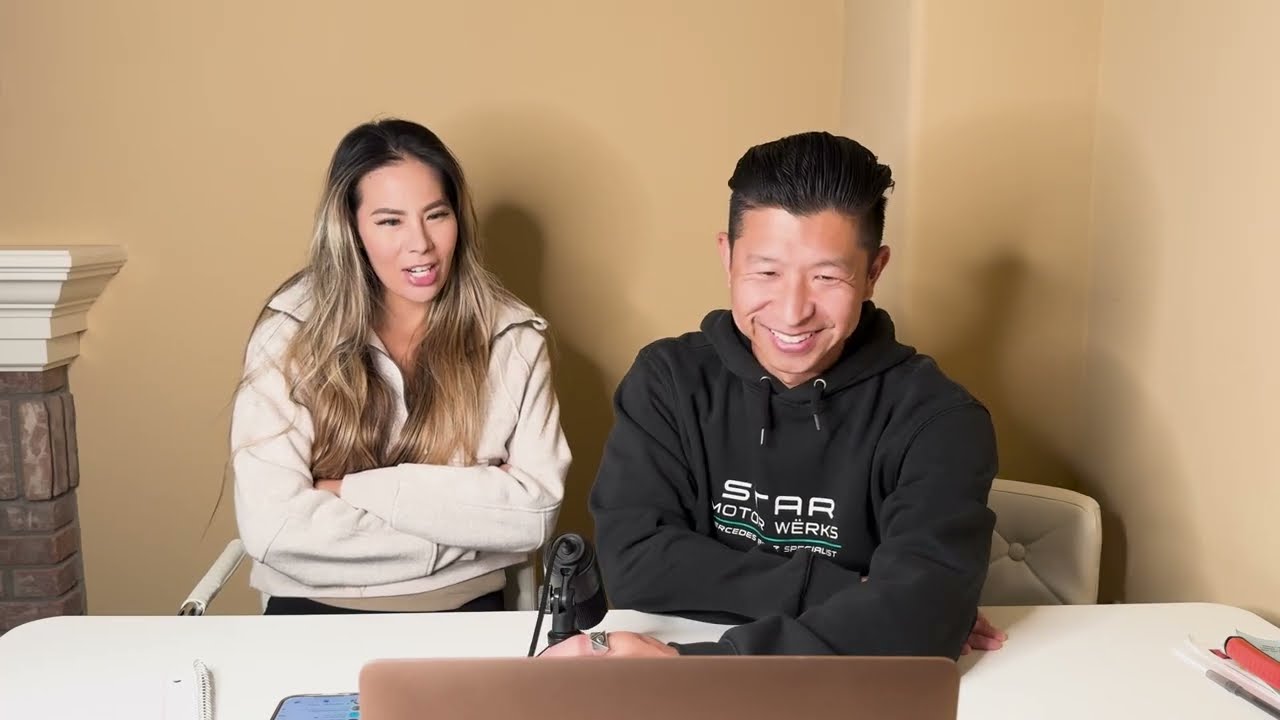
In this live, conversational episode of #FIREHOUR S4, E31, hosts Crystal and Shen discuss personal development and leadership, using John Maxwell’s The 21 Irrefutable Laws of Leadership as a framework. Crystal shares insights from the Audible version, emphasizing that leadership is a muscle that requires continual work, ownership, and self‑reflection. They unpack several of Maxwell’s laws—particularly the Law of the Lid (leadership ability caps effectiveness), the Law of Influence (leadership measured by influence), the Law of Process (leadership develops daily), and the Law of Navigation (vision and strategic planning). The dialogue weaves in ego work, distinguishing confidence from insecurity, and stresses the importance of humility, feedback, and leveraging complementary partners. They discuss practical actions such as delegating to strengths, seeking constructive criticism, and leading by example. Community and networking are highlighted as amplifiers of impact, with references to military leadership parallels and the value of mentorship. The hosts transition to social‑media content creation, noting that serving the audience helps overcome ego. Finally, they promote their nonprofit, Love Tower at Asha, announcing an October festival, a discount code (THRIVE), and a call for social‑media support. The tone remains conversational, enthusiastic, and reflective throughout.
Chapters
I feel very fired up. Can you see the fire within me?
Today's Wednesday. Okay. So on last episode, uh, we talked about perseverance, right? In entrepreneurship.
Yeah.
And I think that's, that was, you know, huge. Um, today I know that we discussed last episode, we're going to talk a little bit about Instagram stories. And so we can talk about social media as well, but is there any other things that you had? That you wanted to share as well. And then any questions that anyone has, please put in the chat.
Um, so I was going through a book, um, I haven't finished it yet. I actually was doing the Audible and it was John Maxwell's The 21 Irrefutable Laws of Leadership. So I don't think I've ever been through that Audible before, and I just know that he's like the person that's known for leadership and He's done it for what, over 20, 40 years of his life. And so it's a muscle that you have to work at, right? Like, not everyone is born into a leadership role or knows how to lead people, right? And so it's something that you have to actually work at. And so I was just reading it the other day because I feel like You know, sometimes when things aren't going a certain way, it's always so easy to like put the blame on others and just be like, well, it's not my fault, you know, ABC, XYZ, they didn't do this, that, and the other thing, or there was no communication, right? But at the end of the day, like if you are a leader or you see yourself as someone with a vision of where you're going and how things are going to get there, you have to take that responsibility on yourself, right? And so most great leaders, they never blame their team for anything. They always blame themselves, right? And that's a part of ownership. They blame themselves and they ask, you know, how could I have done better? Or what did I not see that I should have saw? Because most of the time leaders, they can see 10, 20 steps ahead or even years into the future, right? And And so sometimes you don't even know, right? Like, you don't even know that you're supposed to be leading. You don't even know what's happening. But naturally, like, when you're in a group setting or, you know, you're at work, you're with the Volunteer Army, you're in whatever type of community, you'll, you'll start to see like the leaders kind of come out because they're the ones that take charge. They take ownership. They're like, hey, We're going to go here, we're going to do this. Like, this is what's going to happen. Like, who's coming, right? They're the ones that are actually taking charge and seeing all the things that sometimes aren't seen and making sure that they communicate that well. And then for the things that they're not good at or they see a strength in someone else, they're like, they start to delegate, right? Like, hey, I'm not really good at this. This is not my strength, but I know it's yours. And, you know, can you take this on? So, so yeah, so I was just going through the Audible. I didn't get through it yet, but I listened to it in the car. And like most of the time I'm like, like these days I have like so many drop-offs and pickups. And so I like to listen to things in the car because I feel like, you know, maybe the kids, um, aren't gonna really fully understand what's happening, or maybe they're like checked out, but there's gonna be things here and there that they hear and they're like, Oh, that's interesting, right? Or one day they're going to be placed in a situation where they're going to be like, oh, I remember listening to something like that when I was in the car. Uh, oh, maybe I should use it now, right? So most of the time in the cars, it's always like there's audibles going on, there's personal development going on because, you know, developing as a person, it's a lifetime thing. It's never going to end. And so I listen to it in the car because I want my kids to be exposed to that. Like, I love music too. There's times when I'm like, what do you guys want to listen to? So I can hear what they're listening to, right? Um, or sometimes I just want to like check out and not have to think, so I'll listen to music. But other than that, most of the time, like every day, there is, um, some type of personal development where they're learning something. Um, because sometimes your kids, they don't listen, right? Like it's in one ear out the next. Um, but at least I know like it's seeping into their subconscious and it's something that they're getting used to on a day-to-day basis. Like, oh, well, Mom did that. Why did she do that? Well, okay, so maybe I should do that. Like, it just becomes a part of your normal routine. Um, and so I just wanted to kind of share a little bit. There are 21 laws, and I think every few years he updates the books and he makes them better, or he's like, you know what, 10, 25 years ago, 10 to 25 years ago, I didn't know what I was doing. Like, he actually, um, says that. Like, he openly says, you know, like, I feel like the first version or the first books that I had, like maybe some people think that they're great, but I don't think they're good because as you grow as a person, like you look back, right? You look back at your photos, you look back at your videos, you look back at some of the interactions that you've had with people and you're just like, oh my goodness, like I, I just want to throw up in my mouth or something. Like, I can't believe I did that or I said that or I acted that way. Right. But it's in those moments that you have to look at yourself and just be like, wow, like I actually had a realization. That I am growing as a person, right? Because if you stay the same person for the next 20, 30, 40, 50 years and you're like, everything I do is right, like I'm always right, everyone else is always wrong, like what kind of growth are you experiencing as a person? And like, who are you leading in life right now, right? When you're a parent, you are automatically a leader whether you like it or not. You have people depending on you. And they're watching you. So you could say whatever you want to say to your kids, but they're watching you. I remember sometimes I would watch my parents and they would be like, don't do this or don't do that. And I'm like, but you're doing it. And they would get so mad. But it's like, it's true though, you know? And so like when it comes to, when it comes to our kids, like if we say something and they like call us out, like our thing is like, hey, we can't get mad at them because ourselves as leaders, as people that are developing and wanting them to, you know, have that growth in themselves. Like, we can't just shut them down. And because then they're going to double-guess themselves, like, oh, so they told me not to do this, but they did that. Is it because they're an adult? Or they start to try to find some type of rationalization, and that's not okay. So we basically will be like, okay, like, if we tell the kids this, and they see us do something and they say something to us, like, we can't get mad at them. We have to just be like, you know, take a second and just be like, you know what, you're right, right? If there was a reason for it, explain the reason. So they start to see and understand things. But if you just literally got caught, you slipped up, right? You're just like, hey, thanks for letting me know that because I wanna improve. I didn't even see that and I wanna get better, right? So what they see is, you not playing the victim or not playing that, well, I'm older than you, I'm an adult, so I'm right, you're wrong part. But you're taking ownership. And what that's going to show them is that, okay, well, I need to take ownership too. Like, it's okay to make mistakes. And if someone says something to me, like, that's a way for me to have improvement because that's feedback that I wouldn't have gotten if someone wasn't, you know, brave enough to say something to me. So, yeah. So I was just talking about like the 21 laws. I haven't even went over anything yet, but the Law of the Lid, right? So that's like one of the first rules. And the Law of the Lid is the leadership ability determines a person's level of effectiveness. And the higher your leadership ability, the greater your potential impact. And so the Law of the Lid is like, no matter what, you're always going to reach a certain cap, right? Like your level of effectiveness as a leader, where is it, right? Like, like, how many people do you have that believe in you, that want to follow you, that understand what you're saying, or can communicate effectively, or even be able to speak to you openly and honestly about what they're looking for and what their goals are, right? Um, and as a leader, you always have to develop. Like, it's a never-ending process. Like, you have to develop, you have to take a lot of accountability. If something doesn't happen or something does happen, like, you have to take the time to slow down, to think and analyze, right? So The law of the lid is basically like there's a certain cap to your level of effectiveness, right? And so working on yourself will constantly kind of keep pushing that cap, right? And so as you keep pushing that lid up higher, other people will come with you, right? Like they're going to follow you and they themselves are going to be able to also learn, like, how do I get to the next level? Because I see you leveling up. You weren't like this last month or 2 months ago or even 2 years ago, but you're like this now. So what have you been doing and what did you do to get there? So that's one of them. There's 21 of them.
I don't know if I'm going to go through all of them, but if you have a list, but we do. When it comes to the Law of the Lid, like the way that he describes it, and even like he uses visualization with, with body language, he says that the Law of the Lid is like this. It's like if you are the leader here, then all everyone who follows you is on your team that you are leading. They will stop where you are at, right? They will stop their growth, their development, their mindset, everything and anything, right? That's related to leadership. Like they stop where you stop. Okay. So if you want to elevate your team, if you want to elevate everyone who follows you, if you want to elevate your organization, then what do you have to do? You get here, you got to break through. Your limiting beliefs. You got to break through the glass ceiling. You got to break through the barriers that you have that you don't know if you can, you know, overcome. And so that's basically like, you know, at least a simple summary so we can get through all of them. Um, that right there, like, you have to continue to elevate your game. And when you do, then, you know, it only is natural that whoever is following you, whoever is in proximity with you, whoever is working alongside you, et cetera, right? They're going to elevate with you. And when they elevate, then they also elevate you again, right? It's a, it's now a mark. It's, it's now a positive flywheel that only amplifies. And so like, for example, this community, right? If this community never grows, then, you know, it's, what's going to happen is that there's going to be less input. There's going to be less creativeness. There's going to be less unlocks. There's going to be less connections being fired, being fired and made. There's going to be less of, you know, everything. But as the community expands and evolves and continues to, to grow, then what happens? Everyone gets to benefit, right? It's a privilege to be a part of this community because with privileges comes benefits. And when you have benefits such as relationships, which is one of the most important things in this life, especially when it comes to business as well, you know, you would want to reap those benefits. And so you just never know who's in the community that has a connection. Like, like I said, you're one connection away from life change. There's one connection here that if you make and you unlock and it helps you in whatever your goals or dreams are, then that is a benefit about of, of being part of this community, right? So there's gold in relationships. There is so many different— there's life change in relationships., but it just depends on if you're actively seeking it, if you're actively working towards it, and if you're actively, you know, you're, you're really going after the opportunities that are right in front of your eyes, right? So the law of the lid, like, you know, with leadership, if you raise your standards, then you elevate everyone else around you and vice versa. Okay. It works both ways. So that, but that right there is, that's huge.
So one of the actions that they talk about is finding complementary partners and providing leadership training and seeking feedback. Back, right? And so like I said, like we all have different strengths, right? Like every single person here has different strengths in your relationship even, or in your home. Everyone has a different strength, right? Like some people like to do this and some people like to do that, right? So how do you get everyone involved in one activity? You allow them to work on their strengths, right? Like, and not their weaknesses. Because if you have someone working on their weakness, like you're, your input is going to go down so much. And the thing that they're really good at that maybe no one else is that great at it, like, is going to suffer, right? So, you know, having other people that maybe they're good at this, you're not good at that, so they take on that role, right? And so that also takes like looking for the leaders, like who's willing to get involved, who's willing to step up, who's willing to actually give back, right? Like, because most of the time when you're leading people, it's adding value, it's giving back, it's never What's in it for me? What do I get? Like, do I benefit off of you or not? Okay, no, then I'm not doing it, right? Um, that is leadership in its purest form with no attachments to what's in it for you, right? Because what's in it for you is you're going to improve yourself as a person, right? You're gonna level up. Like, you actually know how to, like, open your heart in a way to be able to be selfless. And I think that a true leader is selfless, right? Like they're always looking out for their people and what's in it for them. And they truly have a desire to help people, right? So looking for other people that have strengths that you don't have, right? And then feedback like, hey, you know, I was doing this and I'm not sure what happened, but like no one's listening. Or like, you know, this happened or that happened. Like, what do you think that it was like? What do you think that I could have done better? Right? Like asking peers for feedback, just like how sometimes there's a script, right? We have scripts, and so it's literally a copy and paste. Or sometimes people will like screenshot in the chats like, hey, this is what they said and this is what I said. Do you think I could have said something better? Or, you know, what could I have done? Right? Like asking for feedback sometimes is not the easiest thing because you're putting yourself in a position to receive what you might think is criticism. But you have to be aware that there's also constructive criticism where where, you know, people want to help. And how they help is, well, they need to see what you did, right? In order— and in order to see what you did, you have to, you know, communicate that. And you have to be willing and open enough with a certain level of security within you to be like, it's okay, like, I'm gonna grow. It's a little uncomfortable, but I'm gonna put out there what did I say, what happened, and ask for feedback, right?
Um, yeah, that's, that's part of the work like that every leader must do. Like it's the ego, right? It's, and the pain body.
Yeah. Right. Because ego isn't just confidence, right? Like super, super confident or I'm good, I'm better. It's also insecurity, right? Like it's insecurity and it's not feeling good enough or worthy enough. That's actually also your ego, which is something that I learned, um, I don't know, maybe like a year ago from like one of our mentors, right? We're like, oh man, I, I always thought ego was like huffing and puffing your chest, right? But it's not that. It's also the insecurities that you have because you have an attachment to who you are and how you look, right? Whereas when you don't, it's kind of like, I'm free, I'm— I can change, right?
Yeah, exactly.
So that was interesting. The next thing is the law of influence, right? So true leadership is measured by influence, nothing more and nothing less.
Let me add to this real quick.
Yeah.
Just for more framing and context too. So like this, this, like the leadership lessons, right? This is the 20% that gets the 80% done. And it doesn't happen overnight, right? Just because you hear like these 21, like irrefutable laws of leadership doesn't mean that it happens overnight. It doesn't get instilled overnight, right? This may be the seed that is planted and then 10 years from now it starts to activate, right? Hopefully it doesn't have— it doesn't take that long.
I was gonna say 10 years is a pretty long time.
Well, the thing is, is that, you know, 2013, was 11 years ago for me, right? It was 11 years ago for all of us. Break your state.
So no, you're questioning it. Were you questioning it? Was he questioning it? I don't know.
I'm just seeing if everyone's awake. Um, so, you know, it took me—
he has his blonde moments.
It's 6 AM. All right, give me a break. So no, the whole point of what I'm saying is that, you know, it took me— I learned about personal development like 10 years ago. I'm trying to break the pattern. Exactly, Nico. Thanks for having my back. So yeah, in 2013, 2013, 11 years ago or, or 12.
Because it's 2024.
Yes. I don't know. Okay. You don't have to be good at math to be a millionaire.
I'm not. I use calculators.
So, okay. Yeah, basically like 10 years ago, right? I learned about leadership.
10 or 11 or 12.
I don't know.
In 2013.
In 2013. Yeah, 2012, 2013. I, um, I, I got introduced to personal development. Okay. Thank you. And I didn't know at the time, like, about all these laws of leadership and, you know, personal development, et cetera. I, that was the first time I learned about it. Right. And then when I actively started to work on it, it was kind of like, you know, from 2013 all the way till 20, like 2016, basically. And then in 2016, I decided to stop for whatever reason, which was a big mistake for me. And then I picked it back up in 2019, like 2019, 2020. Okay. So like, you know, I had like basically like 6 years of personal development, actively working on myself, investing my, my money, etc., into my personal development. And the one thing that I can share is that, you know, these things, it takes years to cultivate.. It takes years to refine and, and really takes a mindful, intentional person that is actively focused on it to actually activate these lessons, to actually activate the growth, to actually activate the things that are gonna help you actually level up your leadership. And so for when it comes to like this call, this episode, for example, just this portion, you know, like these things are the seeds that are being planted for you.. And if you've been working on it for decades, if you've been working on it for years, if this is your first day, right? Just know that this is actively like, this is the work that must be actively done. Okay? And if it's not done, you know, then guess what? Like if you're not growing, if you're not intentionally actively working on yourself, right? The best project you'll ever work on. And you're instilling, you're not instilling these leadership laws and lessons into you, into your mindset, your personal development, into your environment, into the people that are, you're working alongside with. The ones that are actively following you, then just know, right? Just know this, that someday, somewhere, someone is going to see you. And that, that was that one person that could have changed everything, right? You're one connection away. That was that one person that they were looking for, someone that is on the same level or even ahead of them, and they're looking for a guide, a mentor that they can truly trust because you are, you inspire them, yet you didn't do the work. Okay. You decided not to do the work. You decided to be lazy. You decided to just forego these little things, right? Et cetera, which are the big things, right? The small things lead to the big things. So that is why, you know, that, that can become a missed opportunity. And that's the importance of this call. That's the importance of these, just these little tips. It's because it's these little things, right? They say small hinges swing big doors. And small holes sink big boats, right? Big ships. So guess what? Like these little things right here, the compound effect of actively like taking these notes and, you know, jotting it down on your notepad if you're not driving. Yeah. You know, etc. Or replaying this, this video, right? This episode, all of it matters because sooner than later, sometime in the future, a time from now, it's going to actually— it's going to benefit you. And if you are doing the work, it will benefit you. If you are sharing like these tips with your team, it'll benefit them and it'll inverse, it'll benefit you. So everything, you know, it all matters. It just depends on like when, like when will it matter, right? And that's something that, you know, a strategist or someone who really thinks long-term will think about. Like even when it comes to the finances, right? I know you're going to post like a reel today. Um, I don't know which one you're going to post, but there's going to be one Actually, I didn't share it with you.
Like, what am I posting? Like, what do you mean? I don't remember seeing a video in my, in my, in my—
Yeah, I'll give you one. So you're going to post something about finances, right? Like if someone is like, for those of you who are doing today, if those of you, for those of you who are on your journey to your first million, for example, right, you know, you're the basic foundation of being able to earn a million or being able to say that you have a million in the bank is savings.
Well, not in the bank because it'll depreciate, but yes.
Yeah, but yeah, that's just— let's just, just give it— keep it simple though, okay? Just— but yes, you're correct though, okay? But you know, like, part of that foundation is savings, right? So you're going to be posting a reel about that today.
Oh, okay. So we've been working together, um, in our strengths, and so things have been going a lot more smoothly for, you know, a certain aspect of like our businesses, right?
Yeah, I decided give up on making her a content creator. Yeah.
He was like, you need to learn how to edit your own videos. I was like, I, I'm not going to work on my weakness. Like, no. I was like, if I have to learn to edit my videos, like, I'm just going to go do something else.
Yeah. Angela says, just have 10x expenses in bank and invest the rest. Why she has you. Thank you.
And why I have him, right? He helps me edit my videos. Like, if you guys have been seeing me post just a little bit more content is really because he started helping me because I was like, I'm stuck. So until I get unstuck, like, I need your help, right? Like, I'm very vocal about things that I'm good at and that I'm not good at because I know I don't, I don't want to go out there and be like, oh, I'm the best at everything. Like, I am not, you know, like, I'm not, and I'm okay with that. But I'll tell you what I'm good at, and I'll help you in this place if you help me here, right?
Yeah, for me, I just decided like, all right, he kept trying.
I think it's been years, years because you got to edit your own video, blah, blah, blah. I'm like, if I got to do that, I'mma just go do something else that I'm really deadly at, that I can do like this.
I know. Yeah. So it took, it took years to like learn. But in truth, it's just, it's super easy. But yeah. Okay. If you edit your own videos, which I'm sure everyone here does, you know, part of it is like ego work as well though. It's like you're overcoming like the insecurities or the things that— because here's the thing, like when it like this is for the second section of this, this episode, but I'll just like plant a seed and then we'll run through these, the laws of leadership broke like very quickly, um, in the next 18 minutes. And then from there we'll switch to social media, but just to plant the seed, you know, for, um, later in this episode, but when you're editing your own, like you yourself, your own videos, you know, um, one thing that you'll like, you'll discover, okay. Um, when you're doing this is you will see, like, the reality is it's all about the person on the other side of the screen, okay? It's all about them. That's part of— that's leadership, right? Servant leadership. To be a leader is to be in service of everyone else, of others, okay? Of others, not yourself. Because by you being in service of others directly benefits you, the leader. Yeah. So it doesn't make any sense for you to be a self-serving leader because that's not a leader, right? That doesn't make any— that makes no sense.
Eventually people see it.
And, and for people who are making that mistake, right, if you're in a leadership position, if you know someone who's in leadership role, etc., right, and they are self-serving, they are in service of themselves and not their people, then that is a direct violation of what it means to be a leader, right? At least to me, in my perspective. And so if you are a leader and you're in a leadership role, you must be in service of your people. You must be in service of others. You must— the last person that's in service of is yourself. If you're a leader, okay, you directly benefit from your people. You directly benefit from the people that you lead. You directly benefit from others simply because of the position that you're already in.
The growth too.
Yeah. So that's why, like, for when it comes to a leader, right, it's the ego work must be there. Like the— you must overcome the ego. If you don't overcome the ego, then, you know, like, here's how far you'll go. You know, when this— when the sky is like all the way up here, when the limit is— and it's endless, okay? It's in— there is no limit to how, how, like, benevolent you can be, okay? In my opinion, uh, that's something that I strive for, right? Becoming a benevolent leader, being a benevolent leader, right? Being in service of others, in service of your people. So I think that's so important. That's like That's, that's huge. Okay. That's essential. Non-negotiable. All right. Now, when it comes to the social media, right, what I was talking about, you know, when you're editing your own videos, right, as long as you're able to overcome yourself and you make the content and your message about them, everyone else on the other side, then now like that, you're going to see like it's, it's actually working on the ego. You're actually getting yourself out of the way and you're, you're being in service of others. Okay. It's all about the message that is being received from the other side. And that's part of social media. Okay. So we can talk about that, like in the second portion of this call. But that is what I wanted to share now.
And that's a great tip too, because if you think about it, like most of the time when you follow people, you're either inspired by them, influenced by them, or there's something that they know that you don't know yet or you're not as good at yet, but you want to be right. And so it's like like you're learning, you're educating yourself, or something's funny, you know, and you follow them because they're really funny and they make you laugh. But it's always like you're following someone for something, right? So now put your hat on, your— a different hat on, and now you are that someone. So what are you good at? What message do you want to share? And what do you think that someone might benefit from, you know, and sometimes you might get in your head like I got in my head. I'm like, am I adding value? Am I saying something that's good? Like, is this going to inspire someone? Like, you know what I mean? And, and it's like, it will. Like someone out there, maybe not everyone, maybe not, you know, but it just really takes one person that's like, wow, like I was inspired by that. So it just doesn't matter. Just keep on going.
Yeah, exactly. Yeah. And yeah, there's, there's so much to it. So we'll finish that and then we'll go. But Nico says, literally thinking the same, started self-development in 2016 and the fruits are really showing. Good job. And you know what, like Nico, when you speak, like it does show, right? You're especially when it comes to like you speaking about love like that, really like your energy is out there. Like I feel it. And so I really appreciate that about you because when you are about love, which you are, and now you speak about it, like, you bring that into existence. And that's like what the world needs. And so when you start to— when you, Nico, when you use your voice and you share it with the world, you know, and people hear it and people feel it, like, that's because of your heart energy. That's because of the energy that you're putting out there into the world. And remember, like, in marketing and everything, in all of our— all of our lives, right, what you reflect into the world is what you attract back So you can— and it's a decision. You can decide to reflect out whatever, you know, and then you can, you can decide to reflect out things that will amplify, right? The positive or the good or the light, whatever, you know, whatever you want to call it, you're going to get that back because that's what you're seeing, right? It's like the mirror principle. You are seeing what you want to see because that's what's inside. And so, like, I just wanted to share that because that's— I think that's huge. And I think that the world needs that. That a lot more. Um, when it comes to— yeah, so Angela says just have 10x expenses in the bank and invest the rest, right? Um, I think that that's, uh, that's, that's true, right? Um, I think that there is people who they have that as well, but then they don't have the foundational, uh, principle of the saving, budgeting, expenses, etc., and then their mindset. That's how it's a dangerous road, because when people make a lot of money but then they don't have that foundation it's kind of— it depends on their life, obviously. But I think that that's the danger right there when it comes to it. So because some people can— I've seen people make like millions of dollars like quickly and then it's gone. And it was because the foundation of the long-term foundation was not set in the first place. But it's true, like do how you want. But I think that, you know, it's definitely better to have more money, be sure, and not have to worry about it. Rebecca says accountability and self-reflection. Yes. Angela says, I pretend not to know how to do everything so Peter can do it.
I didn't get that lesson. I did not get that lesson when I was younger. I wish I did. I praise you because I'm like, girl, you are so smart. I did not get that lesson when I was young. It was like, Krystal, go do this, go do that, go do everything because no one else wants to do it or they're weak. And I'm like, okay, okay, okay. Right. I mean, so in a good way, like I became extremely independent at a very young age, but I wish that like sometimes I was just like, I don't know how to do that, you know?
That's so funny. So that's a huge tip though, right? Leverage your partner, right? It's true. If you have a partner, right? The thing is, is that like a partnership is a team. Yeah. Right. So why would you not like— why wouldn't you leverage your partner? Why would you not leverage their skills, their experience, their knowledge, their wisdom, their expertise? Like, why would you not do that? It would be kind of like a missed opportunity and a—
like, you guys just don't get further. You know what I mean?
It would be not a wise decision. That's like wording, but it sounds harsh if I say it like— so I'm trying to translate it in my mind right now to make it like—
he's very nice like that. I'm always just like, bleh, and he's just like, I can't believe you said that. And I'm like, what's not to believe? It's me. Everyone knows how I am. Like, I don't care.
So it just wouldn't be— oh my gosh, if I— I'm just trying to say the message the right way.
Nice.
No, but it's because like when I say it a different way, sometimes when you hear a message, like it goes over your head. And then sometimes like when someone words it the right way, Like, yeah, you hear it. No, but when you hear it, like, you receive it, like, so much faster, and it bypasses all the cognitive biases and blocks, etc.
So it's very true.
Yeah. And so that's why I have it in my mind, because I feel like if I say it in that certain way, someone here, like, who needs it will receive it fully, and then they'll be able to benefit from it. And yeah, I'm just trying to think how I ChatGPT it. No, no, no, I got it in my mind. I just need to just slow down a little bit. But yeah, leverage your partner. I'll think about it. I just, I love the chats though.
It's funny.
My sister would cut things ugly so her puzzle would fit. Oh my God.
I mean, is it ever too late to just like start dumbing it down?
Y'all be scheming, right?
Alex, poor guy. Now you know. Now you got the inside tips, you know, like, so for those of you on here that are men, now you know, right? Like, you're like, do you really not know how to do it? Oh my God, because I got a lot of girlfriends in a big community and they told me.
Yeah, and you know what, that's the benefit, right? We just re— as men, we just reap the benefit of being in a group, a community where we are literally like less than 5% The community. So it is a good lesson though. It's, it's actually a really good tip. So that's so funny. Oh my gosh. That's my oldest sister. We learned from the best. Everything rises and falls with leadership, right?
I'm gonna start burning things when I cook now.
No, no, please don't do that. Stephanie says, yes, I've learned to do that after 16 years. Dang. If they tilt their head down and blink a bunch of times, it's a lie.
Oh my gosh, you guys are too funny.
So funny. Okay, so the lesson is leverage your partner, right? Thank you. Um, and, and, and, you know, like, don't, don't not do it. I'm trying to— I need to get the wording.
Next up, we have the Law of Influence.
Alina says, I'm like Crystal now. I'm unlearning to do everything but secretly knowing it.
Yes. And it helps when you have, when it, when there's someone new, right? Like the old person is going to be like, nah, man, you did 100 things. All of a sudden you do 50 out of 100.
No, right? Test it out. See what happens. But we know. All right. If you know, you know. All right. So, okay. All right. Let's move on.
The law of influence, right? We're only at the second one, but it's okay. The true leadership is measured by influence, nothing more, nothing less. If you can't influence others, they won't follow you, right? So what are some actions that you can do to help build influence? You can build trust, show empathy, and lead by example. Leading by example is huge, right? Like, again, you are already a leader if you have kids, if you have coworkers, if you have people around you, right? Like, you live in a society where sometimes people have that leadership role, right? It's just a title. But it doesn't matter what their title is, it matters what is their actions. Like, are they really leading? Because I know that when I was listening to the book, he mentioned that sometimes people are given titles, right? Like they're given the position. So what really that is, is you are given an opportunity and you are given a chance. Will you rise to the occasion? That's on you, right? Um, so leading, uh, influencing others could be by building trust, right? When people trust you, they listen to you and they follow you, right? But if they don't trust you, they're not going to listen to you and they're not going to follow you. Right. And so then the next thing that you can do is show empathy, show them compassion, show them that you care. Right. Because people will only care if they know that you actually do care about their future. You actually do care about what you guys are working on together and leading by example, not just saying it, but actually doing it, showing the way, right? Showing the how-tos because people are always watching. The next one is the law of process, right? So leadership develops daily, not in a day. You can't just go to one seminar for all day long and just be like, I am a leader now because I went to this seminar. Like, you know what I mean?
There's one time I was in, I was in a seminar, okay? And it was like a room full of like, like very successful people. And but this is, it just goes to show because like like, you know, no matter like what you look like on the outside, the external, it has nothing to do with anything because it's all about the internal, right? So we just went through in the seminar, we just went through a leadership lesson on the ego, actually the ego work. And I remember like this, it was actually like a lady who was very successful and she came with a friend to that seminar and her friend actually called her out. Her friend called her up on the things that she needed to work on in front of everyone. It's like a transformation seminar. And so it's about accountability. It's about like owning up and speaking up, like all the things that you really want to work on. And so her friend did that. And, um, that lady came up and the thing that was very apparent was that it was the ego, like the ego work was not there. And so she went through this entire activation and transformation, and then she literally announced on the like, I'm now a new person. Like, I'm so—
I'm new.
Like, and that's exactly what it's talking about. It's like leadership is not like just you work on it one day and then now you're a leader, right? It's daily activities that you are working on to actually refine and cultivate and develop the leadership within. And so with like, that was just an example because I got to witness it firsthand. I got to see it in front of 5,000 people.. And I'm like, what is happening? Like, but that, that's, but that showed me, right? For me as an observer, it cut my learning curve of what not to do and of the things to avoid and also the lessons that I can learn by observing others. Right? And so for, for you, like if this is your first time or your, your 10th time, or you know, you've been in it 10 years, et cetera, like that doesn't mean that you've arrived there. That doesn't mean that you've developed it and you've refined it. It means that it's just another day that you need to work on it. That's all it is. So that, that was just huge.
Yeah. So it's daily and not in a day. Um, it's a continuous process that requires dedication and growth, right? Like we're not all perfect and thank goodness we're not all perfect. Otherwise life would be boring. There would be nothing to improve on and like what would we do, right? Um, And so it's, it's truly your becoming, like, who are you becoming in this process, right? Like, you might sometimes see a lot of struggles and then there's other times where you see a lot of triumphs, right? But that's life. There's ups and there's downs, and it's how you navigate through those things, right? And actions: commit to lifelong learning, seek mentorship, and reflect on experiences. Sometimes if you take a little bit of time every day just to reflect on your day or maybe something that happened that you kind of wish wouldn't happen you felt like, man, I can't believe I said that. Like, why am I like this? Having that reflection time of being really honest with yourself, you know, that internal dialogue where it's like, okay, I did this, it wasn't too great. This is what I could have done better. Okay, so if I get into that situation again tomorrow or the next day or next week, like, this is the action that I'm going to take instead. And taking a moment to pause, right? Sometimes we're just in reaction mode that we don't sit in stillness, right? Or sit in silence to be able to reflect or to allow maybe like our emotions or our fight or flight response to just like calm down and then, okay, what's, what's happening? Is that really what's happening? Okay, how, how would I respond? How, how would I want to be the other person receiving this message from me right now? So a lot of self-reflection, taking that time to really think through things and to grow through it.
Yeah, here's a hack for that too. It's never about like how someone says it. It's about how you receive it. Okay. It's always— I know I'm seeing Angela's—
I was like, that's what you were laughing at earlier.
Yeah. Yeah. I was laughing because Angela's putting all these funny comments inside the chat.
That's funny. Fight me, Peter. Not me, her. She's in the chat.
Just edit with the emoji. That's so funny. My gosh, I love that. So yeah, the life hack, all right? The life hack is it's never about how someone says something to you. It's about how you receive the message. It's always and only about how you receive it. Okay? Because, I mean, I can explain, but I want to go through the leadership laws. It's how you react to it. Yep, exactly.
Yeah. And just, I want to talk about this too, like what Angela said, like being hyper-independent is not healthy. And that is like how Peter is, right? Like, and most of the time, like, I see that, right? Like most of the time, really good leaders are actually very hyper-independent because they just are like, I don't need anyone. I don't need nothing. I'm going to do it myself. And I was like that, you know, like since I was young, my dad left at a very young age. And so I almost filled that like father, husband role in a way, or I thought that I needed to, right? And I didn't, right? So that's my work. But I became extremely hyper-independent. So I was like, I don't need no one. I don't need nothing. Like, I got this myself. And that made me extremely successful, right? Financially and as a person. But as I started getting older, I was like, you know what? Like we live around people and we have relationships and it's okay to lean on others and not feel like, okay, shoot, like, what do I got to do, right? Like someone offered me this and I took it. Okay, when do I have to pay them back? Or like, how much do I have to do to make up for that one thing, right? So I know that's what happens to sometimes a lot of women. You become extremely hyper-independent and then you become very masculine, right? So it's about unlearning things along the way, stepping into like you're feminine, if you are a girl living and you've lived in your masculine for a long time and just kind of like growing through that, right?
Yeah. Can you read Angela's and then I'll read Alex's?
Yeah. So Peter's dad left at a young age too. There's a story that is so deep within. They can't show weakness because they had no choice but to always be strong. Yeah. So like, and it happens for men too, right? Like you probably had a parent that left, like that person that was there, that was always there, that always, that was like the protector of the family, that brought that masculine energy is now gone. So where does it transfer to, right? Um, and I had a younger brother, but, you know, he was, he was younger. Um, and, you know, my mom, she was, you know, it was, she was not good, right? And so emotionally, I was like, I can do it, like, I got this. Um, and so, you know, at 16, I was working, you know, I was working a full-time job job. I was in college at 16 and I was still finishing high school. Right. And so there's always like the silver lining. There's always the good. And then there's always the things that aren't so good that you have to unlearn. Right. But what is that for you? You decide for yourself, because I don't regret ever being hyper-independent. Like it's gotten me the life that I have today and helped others around me. But at the same time, there are parts of it where I'm like, okay, I need to unlearn this because I'm not in flight or fight mode anymore. I have a partner that I can rely on, that I can trust to edit my videos. Right. So, oh, I'm just kidding. But you know what I mean? Like, there's, there's good and bad in everything, but it's really like your perspective and the optimism you have in life, right? Like, yeah. Yeah.
Yes.
Yeah.
Oops, sorry. Jenny says divorced parents at such a young age. I always want to take care of everything by myself. Yeah, yeah, it's, you know, that's, that is part of the journey, right? Like, it's like what you were saying, that work, that work.
You read what Alex wrote?
Yeah, excuse me. So Alex says, the most self-serving leaders have a do as I say, not as I do mentality. All the best leaders do so by example. It becomes easy to receive guidance when you see leaders in the trenches with you. That's very true. They teach that in the military. Then once you hit a certain rank, they start teaching how to delegate. I see a lot of correlation with military delegation and the color personality thing we do for waiting room placements. Yes. And you know what, like to add to the military, so like the military is, at least from what I understand, it is one of the most stable and long-term organizations, like our structures that has like really stood the test of time in terms of, you know, at least like the few hundred years. And so when it comes to like, you know, military structure and organization and leadership and business, it really is one and the same. And, uh, and the, you know, there's different like ways it looks, but leadership in general, like, is about that, right? You have to first learn like to follow orders and then you have to learn how to give orders and then you have to learn how to actually sustain everything and really make sure that the entire organization can last, like, stand the test of time. Right. And all of that is like in military. It's all taught in the military. So there's actually a lot of business books that are driven and taken from military, like the military teachings. And not only that, but like, think about The Art of War, right? The Art of War is— it's a business book, right? Because there's leadership lessons and principles within that book. Book. And when you hear a lot of people who are very successful, um, both in military and also like in business, they, they reference that book, right? The Art of War. And so that's something that if you haven't picked up yet, like, I would encourage everyone to, to pick up and read The Art of War by Sun Tzu. Like, that is going to be a book that will, you know, it'll help you in all aspects of your life, especially when it comes to like you becoming the best version of yourself. Right?
So thanks for sharing that.
Yeah, thank you for sharing.
Great. It's great perspective.
Yeah. I actually have a coach who was, he was a PJ, you know, and, you know, being like being in that role that he was in, like he had to learn to become a leader. Right. And he had to learn how to, to do all these things. And people's lives were like at stake. Right. He has to rescue people like their lives are at risk. And so, and that's just one aspect of it. That's one perspective. But like every single time I have a discussion with him, he's my coach. You know, I, I get to learn so much wisdom and download so much experience and information because of all the things that he's seen that I have never seen.
You know what I mean?
And that's part of accountability. That's part of partnerships. That's part of collaboration, part of being, having a coach, having a friend, like someone that like you can look up to and they are a role model that you can aspire to become like. Right. So all these different, like, you know, having a community like this and being surrounded with people at all sorts of levels from all different backgrounds, like that is a benefit, right? And if you're in the right rooms, right, that's part of networking. You're in the right rooms, you're cultivating like the right relationships, you're being able to, you know, add value to them as well, right? It's not just about you receiving, but it's about you giving value as well. Like that compounds, like all that effort compounds. And then from there, a time in the future, it'll unlock something different, right? You just never know what's going to happen. But that's why I say, like, you're one connection away from life change. And so, and it's not just your life changing, it's other people's lives changing as well, right? So yeah, that was, that was huge. Did you want to go back to the thing? We have 8 minutes left.
We have 8 minutes. Yeah.
Yeah. What did you get to on the—
Yep. And then what Jenny said too. Same thing, divorced parents at such a young age. I always want to take care of everything by myself. And yeah, it happens. But just know that like you're never by yourself. There's always going to be people that you can rely on that, you know, you add value to and that add value to you as well. The Law of Process. So we only got down to 3. I feel like it was really good. Like we had really nice discussions. The Law of Process, leader— no, we already went through that. Oh, we did go through 3. So I'll just go through a 4th one. So it's the Law of Navigation, right? So Leaders chart the course and navigate through obstacles to reach their goals. They have a clear vision and plan. So an action item for this to help develop like the Law of Navigation and developing like that vision and having the plan is developing a clear vision, planning strategically based on that vision that you have, and then anticipating challenges, right? There's always going to be challenges. So how are you going to overcome them? Most of the time I would say it's mindset, right? Like there's things that are going to happen that you didn't think would happen, could happen, did happen. But where is your mindset, right? Because your mind is going to determine which route you take. You can either like fall victim, you know, although you didn't choose for those situations to happen, or you're going to choose to be a leader and you're going to choose to lead yourself and to lead others in a direction that needs to, you know, that you need to go in. Right. So that is the Law of Navigation. Okay.
And then I know that we talked about social media. We're going to get into social media.
Yeah, we're probably going to finish this on the next call too, because I feel like he has so much leadership wisdom, you know, and that it's, it's something that's really important because as you start to lead others like you, you have better had led yourself first, right? Like you're a leader in the aspect of of you have to lead yourself first in order to lead others well. And so we'll finish this probably on the next call.
Next episode.
Yeah.
Okay. We'll just wrap up like, uh, social media. I mean, we're going to have to probably save it, but if there's any, if there's no questions about social media today, then, then that's, that's totally fine.
Yeah. I think on another call. Um, but we do have a favor to ask of you guys. Um, you don't, you totally don't have to do it, but, um, as you guys know, Shen and I, we have a nonprofit that we co-founded called the Love Tower at Asha. We are building a monument, um, of love, uh, because love deserves its own monument. Um, we are doing a festival in October. It's October 19th and 20th. Um, I know I talked to some of you guys and you guys have, um, you guys are already like planning and like what you're gonna wear, what you're gonna like, you know, who's gonna watch your kids. Um, but if you guys could, we're doing a huge push, um, on social media just to bring awareness to our nonprofit it. We believe in love. Like, as you guys— if you guys have been following us for a while, we believe, believe that love is the foundation to all acts of kindness. And so we are doing a festival in October. So on the 23rd, we're going to be doing like a little social media push, just putting it out there for anyone that wants to come and take a transformative journey and just to like discover like what it's like to connect with other people. We have some really cool activations that we're really excited about that should bring people closer together in a much more loving state. And we have some speakers, some spiritual influencers. One of the candidates that was running to be president this year will be there. And so if you guys could just share, what was it that we're going to post? Were we going to post like a photo?
Yeah, just a Love Rising photo. It's just, it's really to bring awareness to the festival. And the purpose of the festival is to unite hearts and inspire change, right? A change that is much needed in the world today. And it's really about unity, kindness, connection, collaboration, bringing people together and with a light that is much needed in the world today. So, yeah, for those of you who want to participate, we would love your support. We would love the help. And when it comes to backing the Love Tower and being able to back like such a positive movement and to really be a part of it, like being a part of building and constructing a monument of love for the world, right? That is huge. So, and it's happening in our lifetime, right? It's happening in this life, not the next one, right? If you believe that. And so like, that's what we're doing. We've committed, we've committed like our, our lives to this because it's part of our mission. It's part of us wanting to give back to the world. The world. That's how we show up in the world as leaders. And I think that especially as parents, this is so important because when we're gone, you know, what kind of life is our children going to be experiencing and living? What type of mindset are people going to have? And so that's why, like, you know, when it comes to us, uh, you know, backing like the project with our faces, with our money, with our time, with our energy, like, you know, it means the world to us. And so when it comes to, you know, like sharing, we'll have like specific instructions and we'll have a community of where we can put that. But it's super simple and easy and we'll post it on our— we'll post it like you want to post in the chat right now, I think.
Yeah, I'm just putting the link if you guys want to go. We, we had a discount code made and that discount code is Thrive. So if you guys are getting tickets, if you guys are coming, there is a discount code for our community and it is Thrive.
Wait, hold on, hold on.
I can't see.
I know, I know. It's too, too small.
I'm putting the link in the chat if you guys are interested. If some of you guys are coming, we'd love to have you. We would love to see you. I think it's going to be a one of a kind, amazing experience that I hope really opens your heart and shows you a different perspective on life and how you see things and how you see people in the world. And can you put the discount code? It's Thrive.
Yes. Yeah, sorry, we put the wrong link in there, but we'll put it in the Telegram chat.
I thought it works here.
No, it's because it's spelled incorrectly.
Oh, it's the— sorry. Can you put the—
No, no, no. Let me do it. Sorry, I got to mess with Zoom a little bit. So we'll post it though, for sure. But yeah, we'll post in the link too. Them. And then the discount code, you said?
Yeah. So the link is in the chat and the discount code is Thrive, and it doesn't have to be capitalized, lowercase, whatever. Yeah.
Yeah. So we're making— yeah, we're making a big push. And when it comes to like this year's festival, this right here is, is like really everything. So we're putting all our effort into it.
It.
And all the efforts that are made for this festival will compound into next year. So thank you all so much for participating, for showing up, and for being here now. We love you all, and we are going to see you on the next episode.
Yes. Where we're going to go through all the other ones.
Yeah, lots of things happening in October. 100%. Yeah, we're super excited. So thank you all.
Love you guys.
Love you.
See you next week.
We'll see you soon. Let's get it. Bye. Leverage your partners.
More from Michael





Social Media Strategies for Entrepreneurs and Business Owners (#FIREHOUR S4, E41)





