Marketing Philosophy (#FIREHOUR S4, E3)
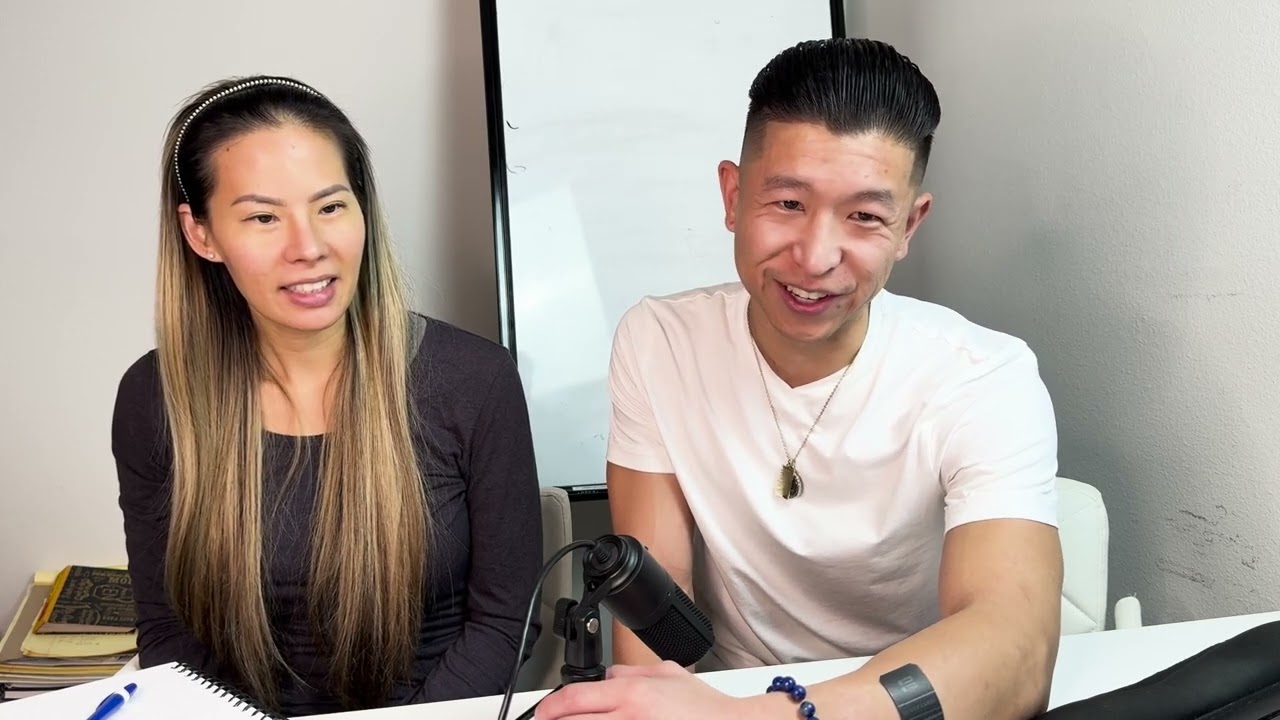
The hosts break down a marketing philosophy centered on three core goals: brand awareness, sales revenue, and word-of-mouth referrals. They stress that an email list is your brand moat against platform risk, and walk through an 18-minute framework for building repeatable content campaigns using psychological triggers like authority and trust.
Chapters
Marketing strategy and creating your content campaigns.
Gonna be a juicy one today.
Well, we'll see.
Gonna be juicy.
We will see. Welcome back to Fire Hour, Season 4, Episode 3. You remember that?
No, not at all. I don't touch the recordings after, so I don't see— no idea what season.
Today we're talking about Okay, episode 3, right? Season 4. We're talking about marketing strategy with the goal of creating your content campaigns. And the whole purpose of this, if you're building on social media, if you're, if you're using marketing for your business, your brand, whatever it may be, how do you create content that actually converts into results? Okay. It actually produces results and results can be 3 things. Brand awareness, sales, you know, sales revenue, and word of mouth referrals. Okay. Those are the only 3 things that for me personally, I care about. It's brand awareness, sales, and then word of mouth referrals. So there's 3 things, the 3 goals. These are tangible goals that you can track and you can measure. Um, and one of the ways to tie all that in is basically through your social media. Is through your Instagram or through your YouTube, whatever social media platform you're using. So we're going to dive deep into marketing strategy. I'm just going to share my thought process of, at least my current thought process, but it just depends. It's always malleable, like it's flexible. It depends on the industry, depends on the business. It depends on, you know, what the business actually needs, what the brand actually needs. And then from there, the marketing strategy, I adapts to that and is created. Okay, so for everyone here, uh, for most people who are thriving, right, you guys are sharing, um, a product and you're delivering results through that product. That's health and wellness, that's nutrition, that's, you know, becoming the best version of yourself through health products, right, through health transformation. So here's the thing though, right, some people might think that you have to be you guys are all promoting the same thing, but how do you promote it differently? How do you guys stand out? Uh, I've already said this before, um, a couple years ago, but every single one of us is unique because we are unique. You are unique on your own. And so when you're sharing your story, when you're sharing your, your transformation, whatever transformation that may be, whether it's internally or externally or your mindset or your lifestyle, whatever that case was, That's your unique transformation that you can share because that's your results, right? For me, one of the transformations that I received, you know, after thriving for so long was I started to really remember who I am inside. I started to remember my core values. I started to remember that, you know, drinking alcohol was not for me, right? When I first like started drinking alcohol, that's because like I just got lost in the noise. And then that took me down a really bad path. And then guess what? I remembered like, what was, what was the reason why I started to do that? You know? And then from there, like, why did I continue it? And then I started to judge, uh, and reflect on my beliefs. And then from there, you know, because I remembered my core values or one of my core values, then from there I just decided, you know what, enough's enough for myself. Like, I want to take care of myself. I wanna be healthy again. And boom, I stopped. It was just one decision. It was super simple and easy, but that's one of the transformations that I got from Thriving, from putting myself first, right? From remembering self-love, remembering self-care. So that's one transformation, right? Everyone here, you can automatically now have another story to share for a Thrive transformation. All right? That's one. That's my transformation. That's one of them. Okay? So for you, it might be different, right? For you, it may— I don't know what it is, but you know it, okay? You know your own story. You know your own transformation. Like, that's one of the results that you are providing when you're sharing your story. Okay? When it comes to— are you frozen? Okay.
Yeah, I'm frozen. Half the screen froze.
So I just saw her. Did I check out? Yeah. I was like, what happened to you? Okay, so that's just, that's, that's part of the, the marketing. It's not part of the marketing strategy. That's in the content campaigns. That's in your story, in sharing your stories. So that's just one example. Like another example can literally be a before and after picture. That's a content campaign. But what's the strategy behind that? Okay. The goal of this call again is to really understand how to create a marketing strategy. Because if you don't know your marketing strategy, if you don't know the vision of where you're going. You don't know the direction of where you're going, then you can really get lost in just content creation. And then from there, burnout. Okay. And I did, I created content from 2017, well, 2015 to 2020, every single day. Okay. So I have 5 years, right? 5 years of experience, like full-time, like not even like, not even full-time, but like more than full-time, right? 14 hours a day posting content. Every single day from 2015 to 2020. So I know what burnout feels like, especially when it comes to content creation. I lived it. That was my life. In 2018 to 2020, I made my full-time income from social media, from my Instagram specifically. And that was the only platform I built on. So I literally lived, breathed from 2018 to 2020, all on Instagram. So I burnt out from creating content. Because I didn't have the right marketing strategy. I didn't have the right content campaigns in place. I didn't have the direction of where I was going. I thought I did before, but I realized that that was not the way to go. I was working, I was working a lot harder and not smarter. And so one of the goals of this call is how can you really work smart, right? How can you work smarter? And then you can work harder, layer over the hard work on top of the smart work, because that's going to take you so much farther and faster. Okay. It's going to scale. Yeah. You're going to achieve scale basically. So that's what we did with the Auto Repair Shop, right? I created the marketing strategy, created because I had the marketing strategy already down, like the foundation of it already down. Now working smarter is so much easier because it's just rinse and repeat. It's really that simple. The content campaign that I created, I just created one. And then from that one content campaign, that pillar. It's just rinse and repeat over and over and over again. It's so simple and easy and it gets results.
Okay.
Results, I guess, in terms of brand awareness, 1 million views, right? On a reel, 500,000 views on a reel, right? 160,000 views on the last reel. I don't even know where it's at. I don't care. I don't look at it anymore because I just know that the constant campaign works. So I don't even have to look at the metrics. It's that simple. So when you are able to create that, and this is not, I'm not I'm not trying to boast or brag or talk from ego. I'm just talking from data and results. That's it. In business, you want to just talk from data and results because that's what the whole point is, right? It's that simple. And I'm going to share with you like how the marketing strategy can, you can leverage it and use, uh, you can basically use persuasion and influence to penetrate the ego, to penetrate the guard because most people, I'm going to share with you this why, like Let me ask you guys a question. How come those— the people— it's freaking thumbs. Yeah, how come the— how come people hear about Thrive, know about Thrive, know that the products deliver results, but they don't get started? It's because ego.
That's it.
It's all ego. Because if you know better, then you'll be better. If you know better, then you'll do better. But for most people, they just there's a limiting belief. There is some type of belief right here that triggers the ego to go up, the guard to go up. The ego, the guard, okay? The ego is the guard. So it triggers the guard to go up. And then no beliefs can come in. In season 1 of Fire Hour, I talked about this. I talked about how when it comes to using influence and persuasion, like, the whole goal of persuasion, the whole goal of marketing, the whole goal of influence is just to get the guard from here down here, and then all beliefs can come in, all beliefs can be received, all your information, education, knowledge, wisdom, et cetera, can be transferred from one person to the next. It's because it just depends on if your guard is up. That's it. So one of the things that bypasses the guard, which is the cognitive biases, is authority bias, right? Authority is one of the biases that can go, like, even if the ego's up, it'll penetrate through the ego. It'll penetrate through the shield. And then from there, that's when influence and persuasion and, you know, like telling people or showing people what to do, they actually do it. They follow through. It's because you're penetrating the guard. The guard is kind of like now down and you're penetrating through. So does that make sense? Because this is really important to understand. When it comes to marketing. When it comes to marketing, I think that marketing is just persuasion. That's it. It's just influence. And so when you're using social media marketing, your, your goal is to use your marketing efforts to penetrate through the guards, to just go through all the shields, because now if you're able to do that, then how much more results would you get? How much more reach would you get? How much more sales would you get? How much more word of mouth referrals would you get? It would 10x, it would 100x, it'll be infinite. You'll now unlock unlimited leads, unlimited generation of referrals, unlimited sales, just simply because your marketing is so good. And so when you think about it, before social media, how did people advertise? How do people use marketing? It was through TV, right? Commercials.
Newspaper.
Newspaper.
Yeah.
Magazine. Right? Even, and email as well. Email's never, like, has never gone away. It's just people have forgotten about it simply because of social media use. So when it comes to, you know, advertising, right? Even before TV, even before print, even, even before all this stuff, what was there? Stories, word of mouth, word of mouth referrals. Guess what? Why does someone's word of— why does someone's referral, why is it stronger than someone else's? What's behind that reputation? Credibility, values, character, right? Who they are, what they represent, what they stand for, what do they symbolize, right? All these people. This is why Fire Hour, like part of Fire Hour is leadership development. It's because who you are as a person can influence someone in a positive or negative way. Why do you think people are successful in business who lead big teams? It's simply because of influence. It's because of who they are. It's because of the transformational work that they've done on themselves. Every single business owner should be working on themselves. I mean, in an ideal world, that would be great. But if you are a business owner and you lead teams or you lead people, it's in your best interest to work on yourself, to transform yourself, to lead yourself to who you need to be in the future., right? Your future self, your best version of yourself. That's why transformation is so important. That's why leadership development on Fire Hour is so important. It's, and not only that, but that's selfless. That's selfish, right? If you just work on yourself and you become the best version of yourself, who benefits? You do, right? But now what's the benefit for the world? What's the benefit for your friends, your family, the people that look up to you, that you're leading, they also get a better experience because you are better, right? So that's why leadership development is twofold. Like there's many, there's so many benefits from just working on yourself and becoming the best version of yourself. It's a benefit to yourself and a benefit to the world, right? So most people, at least in my opinion, should be working on themselves. And that's why if you're on here, I already know that you're a leader because you're working on yourself. You're doing the work. You're here for a reason. You have your vision, you have your mission, you have your purpose, you have your goals, your dreams, your aspirations., but you also have you. The best project you'll ever work on is yourself. So when you work on yourself, everyone around you benefits just because you're the best version of yourself already, right? It's so simple, but the work is the challenge. The work is the journey. The work is the thing that's gonna be the most challenging thing, right? Because you have to decide for yourself that that's what you're gonna do. And then from there, right, everything else magnifi— uh, any— everything else magnifies and manifests. It amplifies because when you get better, everything that you touch turns to gold. Everything that you touch just gets better automatically. Okay? So when it comes to this call today, the discussion for this episode, right? Marketing strategy. When you get better, when you start to work on your personal development, when you start to work on your mindset, when you start to work on studying marketing, when you start to develop your marketing eye, your mind, et cetera. Your marketing efforts, it's going to increase. Your results are going to increase simply because you have a bigger understanding, more awareness on what you're doing. And that's the whole point. Okay. That's the most important thing. Awareness. Because what are we doing on social media when we're marketing? We're driving awareness. We're driving attention. We're capturing attention, right? And then from there, we're directing that attention through our influence, through persuasion. Through our communication, through our stories, through our messages, right? So this right here, this is everything. This is marketing, okay? Take all the knowledge and wisdom and experience that you have and sum it all up into your marketing strategy, into marketing. Because if you're building a personal brand, you are sharing stories. You are sharing stories. You are sharing transformations. You are sharing results. You are sharing stories before, during, and after. Right? You're future pacing people through your stories, through your messaging. So that's why I brought up like one of the reasons, like one of my transformations. It's because before Thrive, before this product or service, before this transformation, I was this, this, and this. During this transformation, I was this, this, and this. After transformation, I was this, this, and this, right? It's literally before, during, after. It's stories, right? The hero's journey where we talked about in 5 Bar Hour, what, Season 3, right? Episode 1, Hero's Journey. Guess what?
Someone's been looking through all the videos.
I just remember I'm studying, I'm actively working on myself. Like, it's memory work, right? I want to understand and deliver the best message I can for everyone here. Otherwise, what am I doing? If I'm not consistently getting better, you will notice, right? We show up every single week. If I'm not getting better, then you will notice. The audience will notice, right? Your audience will notice. Your followers will notice. The people who are looking for results, transformation, lessons, stories, experiences, help from you, they will notice. Okay? Every single person that's following you, if they've been following for a long time, they'll notice. I've had people follow since 2015, and then they noticed the diff— the transformation, the difference. They notice if I'm getting good or bad. They've seen my journey from high school, for example, and they've seen like, oh, like Sean is crazy now. Like during that time when I was 2018 to 2020, I was really wild. Like I was wild. It was not even like completely different transformation than who I am today. So, and it's a good thing, right? I love who I am today. Who I was back then, I don't love. So I'm just happy. That that was part of my journey because I'm, I can reflect and look back at it and say, okay, I've gone from here to here. Okay. It's the same thing for you. It's the same thing for your audience. Good to be back on the same time zone. Welcome back. Gotta say your identity first, build on that to set a foundation. Yes. Yeah. It's really important. Like you have to know who you are, right? You have to, and that's the thing. Like that's, that's part of life. Like sometimes you might, you don't know who you are, right? Until you actually go through life. And then from there you develop your identity. So that, that's part of the practice of writing out a vision for who you want to be, right? Your vision, your, your future version of yourself. Like you write out a list of traits that you want to embody. And then from there you work towards those traits. You bridge the gap from who you are today to who you are, who you want to be tomorrow. And then that's how you can start to become like the I am. That's when you can start to activate the I am. I am this person. I am that person. I am whatever, right? Whoever trait you want to embody, that's how you do it, right? You just bridge the gap like that. It's, it's, think, it's, it's like, um, it's that quote, man. I think it's from James Allen's book. I can't remember it. I think it's, think, um, I, I can't.
You only said one word. I mean, I need like two or three, even if it's jumbled in a sentence. I know. I'll try to put it together. Okay.
I don't want to look it up because I want to just focus on the marketing strategy. But the thing is like, if as a personal brand, you have to know your identity. Yeah. That's the point. Okay. The point is, is you have to know who you are, who your brand identity is in order to lead other people, because if you don't solidify who you, who your brand is, like what your brand is, what it represents, what it symbolizes, then you can't, you can't create a big vision. Okay. Does that make sense? So I'm going to give you, I'll just give you guys an example and then we'll dive deeper into the marketing strategy and the content campaigns. And so I might, it's okay if I talk about the Auto Shop.
Yeah. I mean, I think that you did really well with it when I go. See people like that I haven't seen in a while, like they're watching and they're like, they love it. Like, I don't know if you guys, um, have seen it or watched it, or if you know what content campaign, uh, he created behind it. But when I go out, I'm not going to give it away right now, but when I go out and see people, they always repeat back to me what the content campaign is like. And this has been like 2 or 3 times where they're like, oh yeah, I've been following and I love it. And then they'll repeat what the content campaign is. And that's how know, like, it's so strong because when a lot of people are saying the same thing and it is the content campaign that he created, it's really good feedback for me because then I come home and I'm like, hey, so-and-so has been watching and like, this is how our conversation went and this is what they said, or this is what they remembered about the brand and about the content going out there. And so he's like, yeah, that's my content campaign. And so, uh, the importance of a content campaign is so important because it's really like branding, right? It's like, how do you associate yourself or how do you associate your brand with what you're doing? And so for the auto shop, he created one content campaign and I think it was one of the first ones you created. I don't remember you creating that many.
The only— it's the only one I created.
Yeah, but I think that was— yeah, that was the one and only.
So the reason why it works is because of the marketing strategy though.
Okay. It's—
I'm telling you again, the key is the marketing strategy. Once you unlock your marketing strategy, content campaigns are easy to create. You can create infinite amount just simply because you know where you're going. You know the vision of where you're going. You know the direction of where you're going. Okay. That's why it's so important to have your marketing strategy down. The marketing strategy, right? The 80/20, the 20% that gets the 80 done is the marketing strategy. I don't care what anyone else says. Like, this is my true belief. Just because it's delivered results, not just for this brand, but for a lot of other brands I've worked with. Okay. It's all in the marketing strategy. The content campaigns is the reason, like, people just see the content campaigns and then from there they think that that's, that's all it is, but it's not the case. Okay. The content campaign ties everything together to the intangible, to the, the marketing strategy, to the thing that people don't see. Okay. So, um, yeah, it's really like what you said is true. It's most people can repeat the exact content campaign that I created for the auto shop simply because it's, it's sticky, right? So people remember it, right? It's, it's simple. So like keep everything simple, right? Keep it stupid simple. So keep everything as simple as you can because why, why like make everything harder? Like there's no point. Okay. So do it. If you can make it simple, then do it. That's better. Most people don't have to work as hard because now their brain can like just, it can, the information can go in and flow really easily. Um, and it's, it's just, it's, it gets the job done. It gets results. Okay. So again, the 3 things, the 3, the, here's the 3 metrics for your notes, right? Brand awareness, sales revenue, like actually getting results, getting sales in. Because this is business, okay? We're talking about growing a business, right? How do you get your marketing strategy and your content campaigns to deliver these results? Brand awareness, sales revenue, word of mouth referrals, okay? These are the only 3 things I really care about when it comes to marketing, just because these are the 3 things that matter, right? There's probably other things that matter too, but those are, in my opinion, those are secondary. To these 3 things. Okay. So, um, the reason why I asked you if, if I can talk about the marketing strategy is because once you, like, especially for people who have auto shops, like it's so simple. Okay. I'm just going to share. It's just super easy. Uh, we're not going to check on the baby, right?
No.
Okay.
All right.
It's because the baby's crying right now. So, um, all right. So marketing strategy with auto repair shop, you have to always think about what's in it for the client, what's in it for the customer, what's in it for the people that you're trying to reach. Okay. What's the story inside their head? Every— everything I'm about to share with you right now is how I, how I think about marketing the strategy. There's going to be some things I probably leave out just because I don't remember off the top of my head. But this is, these are the most important things. What's the story inside their head? What's the story inside your customer's head? What's the story inside your client's head? What's the story inside the industry? What's the story inside the branding? What's the story inside the news? What's the story in movies? I'm, I'm, this is a key question. Okay. When I was looking at the— this is just one question asked, one of them. The second question, and this is in no direct order, but the first, the first question is, this is the number one thing I ask first. What's the story? Okay? Because stories are sticky. Stories are relatable. Stories drive results. Story is everything. So that's why that's the number one question. When I was creating the Star Motor Works marketing strategy, The first thing I asked myself was, what's the story in client's head? What's the story in the auto industry? What's the story in people's head? This is a 20% that gets the 80% done. Okay. If you look at movies, think about movies. What's the story in the movie? How come one movie can generate $1 billion? What's the story that that movie has told? When it comes to your social media, your marketing efforts right now, what story are you sharing? What stories have you shared that didn't deliver anything, that, that got zero results? What stories have you shared that got results, got a million followers, got a million views? You know, this is the most important. What is the story you're telling yourself? Yeah, that's huge. That is huge because you can challenge your beliefs. You can challenge like your, your thoughts. You can challenge your life, like your decisions, right? So when it comes to this again, okay, the marketing strategy, I'll tie everything in because this whole entire episode is going to be dedicated to this alone, marketing strategy. Because once we get this down, once you get this down, then from there, all the content, the content campaigns that you can create are unlimited. They become unlimited because you can now play. Okay. This is like what I said before, like in one of the reels I posted, marketing strategy is the key to unlocking your content campaigns. The reason why is because once you have your marketing strategy down, everything else becomes play. Because you know where you're going. You already know where everyone else is going to be led to. Okay, you're leading people. That's why I said you're a leader. And when you're deploying marketing efforts, you're leading people to the results. You're leading people to their transformation. You're leading people to the after, right? After the story has been told, you're leading people to their desired goal, the desired result. You're leading people to where they want to go. But how do you get there, right? How do you hook them in the beginning? How do you help them or enlist them into your journey, right? If this is not making any sense, ask questions, okay? Ask questions. There's never a dumb question. But it's really important to understand this. It's really important to kind of get like the philosophy behind it. It's really important to understand like that once you know you understand the philosophy for yourself, everything else becomes easy. All the content that you start to create will get results. They'll get views, they'll get reach, they'll get brand awareness, they'll get sales in the door, they'll get word-of-mouth referrals unlocked. Okay, so going back to the marketing strategy, right? Uh, that way you understand, like, you understand, like, where, like, where the content campaigns play. Okay, the content campaigns is just what people see. If you like bring up, like if you look at like social media, right? And you see all this content, you see reels, you see posts, you see whatever. Those are just content, right? Based on campaigns that people think that like will get results, right? So, and some do, some don't. But what you're seeing is the marketing strategy from its intangible form. Turned into a tangible form. That's the whole point I'm trying to make. Okay. So when it comes to Star Moto Works, right, the whole entire content, I'm going to share with you the content campaign and I'm going to ask you guys, why do you think that works? All right. Because I haven't talked about the marketing strategy yet for it, but I'll share. So the content campaign is, you know, um, it's Hey, name. Okay. Hey, name. What car are you working on? Why are you doing it? That's it. That's all it is. That's the— it's just 3 lines. And it's insert, insert whatever you want into those lines. That's it. I'm gonna— I'll go deeper into why, like why it works. But why do you think in an auto, in the auto repair industry, Why do you think that works? Why do you think the content works? Like, what's your thoughts? What's your opinion on that? Because this is so important, like, to understand, especially when it comes to the auto industry, right? At least this is just my theory. This is just my philosophy on it. Because the answer is, if you have the same car, you know where to bring it. Very— yeah, see? That is so simple, right? Yes, that's one answer. That is, in my opinion, right, from my thought process, that was one of the things I thought about. That's one reason, right? That's very true. If someone sees content on their Instagram, on their YouTube, wherever they're looking, okay, and they see, oh, this person, like this auto shop is working on the car that I have, automatically there's a bridge that's formed. Right? There's a bridge that's forming. Now I'm like, okay, like, let me, let me like look more into it. Right? Let me see more. What are they working on? What, what's happening on that car that can potentially be happening on my car? Right? As a female, I'm always like, who knows how to fix the car I have?
Oh.
Also going off of what Lena said, if you have the same problem with said car, you know where to go. Exactly. Yup. Here's the challenge though, okay? The challenge is, let's say for example, you see your car, you see your car on social media. Our shop is currently in Costa Mesa in California. What if you're in New York watching that? What do you do? We have clients have come from all the way in the East Coast because they've seen our content and they get their car delivered to us. We've seen that happen. Okay. Florida was one. Uh, I, I don't know, I can't remember if New York was one, but Florida was one. Okay. Bay Area is another one, right? There are people seeing our social media. They're from different states, different locations in California. They make the drive to deliver the car, right? We've seen that happen just because of content. Okay. So that is true, but there are other people who see it and they're like, damn, like it's super far. Like I can't bring my car there. Right. So then they ask, what do you think they ask? Like, do you know anyone? Do you know anyone that you trust?
Right?
Who do you know? Word of mouth referrals now is activated, not just for us, but for other auto repair shops now. So now, do you guys think, because this is actually true, this is actually happening, auto repair shops, do you think that other auto repair shops in other countries, in other, not, well, countries, yes, that we have that, but But in other states, do you think that they're trying to build relationships with us? The answer is yes. Okay. We have other auto repair shops servicing all these other vehicles, trying to build relationships with us because we have the traffic, we have the attention, we have the credibility, we have the trust. Networking opportunities because of word of mouth referrals. Yes, exactly. The networking opportunities now unlocked. Right? We have, we get invites all the time to all these places that only people who have access get invited just simply because of what we're building, our brand. Right? So we can't take advantage of all opportunities because it's limit, we are limited in obviously time, but that is the power of brand. Right? So going back to, you know, like, what's the, like, what's the reason why you think it works? Right? What— these are reasons. These are all reasons. These are all valid reasons of why it works. There is 100 reasons why it works. Okay? Basically, every answer that someone gives, if what they think that it works, like, why they think it works, like, that reason is valid because that's the story in your head. Does that make sense? Like, for example, with Lena, it might be the story that, oh, you know, it, it answers if you have the same car, you know where to bring it, right? That's the story in her head. Nico, right, same thing. If I have a problem with that, with— if I have the same car and addresses the problem that I might have, or I have, I know where to bring it, right? It's all these answers. Whatever answer you set in your mind, that's the story that's in your head, okay? That's one layer of the story in your head. Now, when it comes to the marketing strategy, going back to the high level, okay? The most important thing, the reason why I created these three things is because, let me ask you guys a question. How do you know you can trust your mechanic? How do you know you can trust a mechanic, a technician, a shop that you bring your car to? How do you know? It's because of word of mouth referrals. It's because of the results that they deliver. It's because of the reputation. It's because of maybe your friend goes to them and they're like, you know what? This is the only place I bring my car to. Right? How do you know? When it comes to you with your marketing, with your strategy, with your brand, how do people know that they can trust you to lead them to transformation? How do they, how do you know, or how do they know that they can trust you to lead them to where they want to go? Right? So this, like, this is all in the marketing strategy, okay? Like, I'm doing my best to keep it as simple as possible, but when you engage, you start to activate your mind, your thought process. You start to understand, okay, maybe this is why, maybe this is not why. This is, babe, this is the reason why I really want to have a community where people are like masterminding together. This is what we talked about in episode 1, unity, the power of collaboration, of mastermind, of community, of coming together and connecting different ideas because this is how you unlock ideas, right? This right here, like just you guys answering this question alone, it automatically starts to unlock different ideas, discussion. And it starts to provide even better results just simply because it's the mastermind effect in action, right? So when it comes to the marketing strategy, right, for the auto repair shop, one of the things that I talked about or that I discussed and created was, and here was also like the question in my head, like what's the story inside my head about mechanics, about auto repair shops. Every single time before acquisition of the auto repair shop, Every single time I had to go bring my car to the mechanic, I was like, damn, like, are they going to steal something from me? Are they going to— are they going to rip me off? Are they trustworthy? Are they going to actually work on it? Are they going to get it done right? Like, who do I trust with the car that I put my hard effort, time, and energy into, into buying, right? Working so I can buy, and then I'm going to bring it to someone that I don't trust, right? Who has had this experience where They bring it to a shop and the shop says that they did it, they got the results, whatever, and then you pay them and then like your car's still broken, right? I've had that many experiences. I had many experiences with that. So for me, the story that was in my head was how do I know I can trust this mechanic? And then, yeah, so, okay, I see you had. So when I, when Crystal and I, we acquired the auto shop, The one of the first things in my head was like, all right, when I'm going to create the marketing strategy, what's the story that's in my head, right? What's the story in my head about auto repair shops? What's the story in my head about auto mechanics? What's the story in my head about mechanics in general? What's the story in my head? And then I was like, I automatically don't trust them. I automatically am like, I've had so many bad experiences and my mom has had many bad experiences and my family has had many bad experiences and some friends have had many bad experiences. What's the story in all of our heads, right? So for me, automatically the number one thing that stood out was trust. So now in the marketing strategy, okay, how do I instill trust? How do I instill trust?
Hi.
How do I instill trust? Right? Again, this is a question. This is a question to ask yourself. This is a question to note down. This is part of your marketing strategy. If more people in your life, in your network, trusted you, how— and whatever product or service you're selling, right, or sharing— how many people would do business with you? If you were trustworthy in their eyes, how many people would do business with you, right? This is a question to ask yourself without any ego. Okay, sometimes when you're doing these types of workshops, right, when you're doing these types of practices, babe, when you're doing these types of practices, right, when you're working on yourself, sometimes it's gonna hurt, right? Because you might notice in yourself, oh, there's an area that you yourself don't trust, right? This is the deep work right here. And you know, it doesn't have to be this deep, but I'm just giving you the layers. Okay. Like this right here. When you ask yourself that question, like, do you trust yourself? Do people trust you? What area in your life do people not trust? Right. This right here. I'm telling you right now, like this is everything. This is part of the foundational pillar for your brand, for your marketing. If you're building a personal brand. And you don't address these questions, then I already don't expect you to go so far. And that's the truth because you're not willing to do the work. Okay, I'm here to tell you the truth whether it hurts you or not, whether you think I'm like of me differently or not. I don't care, right? My goal and purpose is to help facilitate transformation so that way you can actually get your desired result, so that way you can actually achieve the outcomes you want. That's why I'm gonna tell you the truth, whether it hurts or not, right? Even as I'm speaking this right now, I'm asking myself these questions too. It's the same exact thing. Why? Because I'm committed to working and getting better, right? So who here in your life is telling you the truth, right? This right here, again, it's just a question. It's just a simple question to ask yourself. Do you trust yourself in this area? Do people trust your brand in this area? If not, that is an obvious sign of just where to work on. It's that simple. Okay? It's super simple. So areas of improvement, right? In your trust factor, how can you instill more trust through your content? Right? This is directly tied. Okay? Trust is one pillar. It's directly tied to your marketing strategy because this is the vision of where you're going. This is the direction of where you're going. This is, where you're bringing your brand to and everyone who follows you. Trust, they have to trust you in the process. If they don't, if you don't develop trust with them through your content, then the marketing strategy is irrelevant. It doesn't matter because now you can't, you can't bridge the gap, okay? You can't, they're not going to go far with you on your journey. Does that make sense? So trust was one of the pillars that I, I was like, all right, how do we instill trust through our content? Question to write down. All right. So I had to, I had to like, I had to tell people, I had to show people, well, this is the mechanic that is going to work on your car. I need people to trust this mechanic. Okay. That's why I say, hey, name, you see that data and results? Yes. All right. So hey, name, okay. Humanize the person, humanize the mechanic. Right? Data and results and reviews. That instills trust. Absolutely. That's credibility, right? So, what car are you working on? Right? The car is just the hook. Okay? The car is really like the hook. But it just depends on what it is. Right? There's, yeah, there's so many things. Data, results, reviews, show, uh, company, community. There's so much social proof that you can show. Right? There's so much credibility that you can showcase. It just depends on what, like, what it is and how you're showing it. That's it. So, hey name, right? Humanize. Because everyone here, again, like, we're using social media. So people really don't care how much you know until they know how much you care, right? But they're not going to know how much you care until they follow you on your journey, right? So that's why it's important to be consistent and to continue to do everything that you have to do. When it comes to your brand, your marketing, your message, right? So this right here is, is everything, right? For the mechanics, for the Auto Repressed Shop is how do I still trust? What's the hook, right? How do I retain the attention? And then from there, what's the content? What's the story, right? What's the story that's being displayed? And then from there, like, is this is a question to ask yourself, right? Is your content even good? Is your content compelling? Is your content— does it meet the 6 human needs from Tony Robbins, right? Does it meet all these different elements? How many elements can you implement into your content? How— what are the— what are the elements that are essential in your content, right? For us in the auto repair shop, obviously the pillar that we have to establish is trust. Trust is just one pillar, but it's the entire content piece itself, right? It's the entire content piece. So if you watch from beginning to end, right? Sometimes people like they'll watch and you'll get many different expressions and reviews, right? You'll just get many different just reflections based on one content piece. If you watch a movie, Right? You watch Titanic, for example. Like, what do you get from Titanic? Right? If you watch Marvel Avengers, what do you get from that movie? Everyone here is going to have different answers. Okay. But there's one, there's one big story that's being told from that movie. It's the same thing with your content. It's the same thing with your brand, your brand. Well, especially when it comes to like, if you're only selling one product, one service, Okay. What, what is your brand encompassing? What story does your entire brand display? What story does your entire brand talk about? What is the one message that your entire brand is like? What does it symbolize? What is it about? So if we look at the Auto Repair Shop, obviously it's the same thing. We fix cars, right? We fix cars. This is how we do it. And this is how transparent we want to be. That's it. It's, it's so simple. And, and here's the thing, the message that we invoke based on data, based on results, based on just reading comments is people trust us. People understand the level of, of, um, of challenge that we're, we're fixing, right? People understand what we're getting and that's why the brand has been growing. It's because literally we instill trust. We showcase that we get results, right? Results equals sales. We get results. And then because there's so much buzz from these two things, word of mouth is automatically instilled. It automatically gets unlocked because people are seeing it. People know we get results. People are talking about it. It's just, it's these three things right here, right? Brand awareness. Results, sales in, word of mouth referrals. This is just one example. That makes sense. I know this is very advanced for some people. Oh, it's like, but maybe I'm making it too complex. I don't know.
No, it makes sense. I think one of the greatest things about you is that you know how to teach and break things down easily so people can understand it. It's definitely a skill set to have. So it makes sense, everything that you're saying. Okay.
All right.
Right.
Tony Robbins. Yes. Let me just read. Tony Robbins calls them the needs of the personality. That's interesting. When I learned it, I learned it directly from Tony Robbins in a seminar in Date with Destiny. He talked about the 6 human needs. Yeah. Certainty, uncertainty, variety, significance, connection, love, growth, contribution. And he breaks those 3 things down in 3 different categories. Like he talks about the ego, he talks about transcending, he talks about all these like crazy wild things. But this right here, right? These 6 human needs, right? That is what you want to instill into your content campaigns as well. This is all in the marketing strategy, okay? This is all in, you know, if you, he says this, he said that if you can have— if you can invoke 3 of the needs, if you can invoke 3 of the human needs, uh, to one person, then you can basically lead them. That's what he's talking about. That he talks like very deep about these 6 human needs in, in relationships, okay? Because in relationships, um, well, we can go over it on different call, but basically like I'll just talk about Crystal, for example, like variety. Crystal loves her variety, okay? So if she doesn't get a lot of variety, she automatically— like, I automatically feel the unhappiness or the, the lack of fulfillment, okay? It's the same thing. It's, it's like with all of us, same thing. Like, out of these 6 human needs, which need— that's why they call it a need— which, which need do you know, uh, do you need? For yourself, okay? So part of the needs that we're filling here in Fire Hour is growth, right? The way that Crystal and I show up, contribution, right? The certainty factor, right? Obviously we get variety when we hop on because we never know what's going to happen sometimes, right? That's women. Yes, that is women. I've come to understand that as a man. I've come to understand the variety need. So that's a pointer for all men, right? For everyone who has a significant other, right? Variety is key. Variety, that's why they call variety the spice of life, right? So in your content, it's the same thing though, right? If you continuously put the same type of content out over and over again, don't you think that your followers or people who are watching will get bored? Do you think that their, the, their need for variety will be fulfilled? So here's how we incorporated that into our auto shop, into the marketing strategy, because I thought about the 60 minutes, right? The variety. So same content campaign, right? Hey, name, what car are you working on? What car are you working on? Variety, because we work on so many different cars. Right? One day it's a Mercedes. I mean, majority of the days it's Mercedes, like 90% Mercedes, but sometimes we'll have a Lamborghini. Sometimes we'll have a Rolls-Royce. Sometimes we'll have a Porsche. Sometimes we'll have a Tesla. Like, we don't advertise this, right? Because we don't need to advertise it. We don't want to advertise it, but we can. We have the content for that. We have the clients that come in when it comes to those, with these cars, right?, we have clients that have all these other types of cars, but it's not part of our strategy. Like, it's, that's for later, right? So you see how like the marketing strategy, like there's stages into it, right? I didn't say that before, but there, there is. So it's the same exact thing because when you achieve a certain level in your brand, you unlock the next strategy, you unlock the next, content campaign, you unlock the next like cycle. Does that make sense? I know that this is like very, um, it would be a lot easier to just draw everything out, but I'm going to be, yeah. So I'm actually, I know. Yeah. So I'm going to, I'm, I'm creating, um, a community actually on a platform that I've been wanting to build on for the past 3 years since 2020. I've been wanting to build on it and I just never did. I just never pulled the trigger on it, but I'm going to be doing that. And it's going to be a platform where it's going to be a platform where I'll have visuals. I have slideshows. I have everything drawn out. And I'll actually have courses in it. I have community in it. I have live coaching, Zoom calls and everything.
How tos.
How tos. It's all going to be how to. Everything's going to be how to. The goal of it is membership. It's a membership community. And so I'm going to be talking about all these things in it simply because like this, that's going to require a lot more planning and a lot more like tangible strategic evergreen content. I'm going to be putting that all into there. But I'm just sharing that, you know, because this right here, when it comes to the marketing strategy, I lay it down into like 3 different layers. It's marketing strategy, it's content campaigns. And then from there, this whole entire part on the bottom is optimization. It's like, how do you optimize the content campaigns and how do you optimize the marketing strategy? The market.
That's true.
That's true. The marketing strategy. Okay. So this right here, like this will all be laid out. Like I'll be literally like drawing it out and mapping out into slideshows because I think it's just so important to understand and like to really dive deeper into, because this is, I guess an hour is not long enough, but the thing is like, no, but it was like, it's good.
Like you laid it out, but like, I know there's so much more, like actually getting down to the how-tos and, and, and why, you know, behind everything that's when people will really start to like understand on a deeper level and start to think differently.
Yeah. Like, especially when it comes to like your specific brand, like when it comes to your personal brand, like when it, when it comes to you, like there's going to be an entire different marketing strategy that comes from like you and then your content is going to be completely different. If you have like, let's say for example, with Thrive, right? We're all sharing like the same product, same service, right? The service is how you facilitate the transformation for them. Right? The service is how do you hold them accountable to getting like through the first, like their first, like 10 days, the first 8 weeks, whatever that may be. That's how you differentiate your service, but it should be duplicatable. But when it comes to your content and actually attracting people, right, through your marketing, your content, like that's a different story because everyone here has a different story. So that's what we can dive deeper into, like in that community. But it's just for those people who want it, you know what I mean? It's for if you really want to go deep into that. But again, like you already have everything you need for Thrive specifically. You already have all of it that you need. It's 5, 4, 3, 2, 1 and figure it out. But if you want to get— if the, the whole point I'm trying to make is that like you can go so much bigger and you could create an even deeper impact when you start to solidify all these things, because we're not just here to just like impact people through Thrive. Like we're here to impact people on a big scale, like a massive scale, that is tied to it as well, right? So I just— it just depends on like what your goal is. I don't know, it really depends. Like, I'm like pretty much in the— I'm out here right now, like in the bigger space.
Yeah, that makes sense. There's so much more I want to discuss, um, but I'm pretty, uh, when it comes to You know, everyone selling the same product or having the same service, right? It's just like there's so many attorneys out there. There are so many realtors out there, right? Everyone's selling the same thing, selling the same service. How do you differentiate yourself from everyone else, right? Because we're not all the same people. We all have different likes, different hobbies, different interests. Maybe some people it's like fashion, it's beauty. Maybe other people is like health and wellness, it's all about how you present yourself, right? Because you want to attract people that get your, that get you, that get your language, that understand you, right? Because it's easier to talk to them. It's easier to establish the know, like, and trust factor. So I think that, you know, what you're trying to talk about is besides marketing, it's also personal branding. Like, who are you as a person? And it's like what Angela mentioned earlier, like before you're able to go out there to really talk really show yourself, it's like, who are you, right? Because the foundation is you first. If you don't know who you are, then you might be trying to mimic someone that you are absolutely not. And people are going to see that. They're going to be like, that's not you. I know you. And it's surprising because sometimes people outside of you know you better than you know you, right? So once you are able to really figure yourself out and have that awareness, that foundation is set, then you're like, okay, I know who I am. This is who I am. This is who I am. Or like, and this is who I want to be, right? Because there's different levels of growth to who you are right now. So I think that creating yourself in a way that aligns with you or actually being aware of it, it helps, right? It's the personal branding. It's the personal touch. It's who are you? Because we all have the same product or service to sell, right? But who's going to be attracted to us? People that are going to be attracted to us is people who are like us or who maybe want to be like you, right? So that's like the different spin on how you can make yourself like more unique, right? Don't try to be somebody else. Just be yourself.
Yeah, there's so many layers to this. Like, I'm just giving you guys like information that I've drawn from 16 million followers. That's just my experience. So all these, like, I've seen everything from the beginning. From 0 followers all the way up to 16 million followers. I've just seen it. I've experienced that, lived it. So that's why, like, these are just principles I've seen that gets results. It gets millions of dollars and millions of followers. And so these are just like the, the, that's why the marketing strategy, it's intangible. It's, this is everything. The marketing strategy is everything. Like there's so many different, there's too many things to cover when it comes to marketing. Um, and then the con— once you understand the marketing, the high level, the philosophy, right? The philosophy is everything. Then like the play happens, then unlocking content happens because it's just, it's so easy now. Like after that, it's so easy to build a following, but there's just, there's too many things to it. Like, and then we didn't even talk like on another call, we're going to talk about email, right? Like, I know that like this may not apply to everyone here., but it does in my opinion, right? As a business strategist, as a marketing consultant, like every single one of us, every single one of you should have an email list if you're building brand. If you're building a following on social media, if you're building on social media, you should have your own email list. If you don't have your own email list, then what are you doing? You're building a lot of merit and you're, you're probably making money, but like your, your, your moat is you don't have a strong defense. When it comes to your business moat, your brand moat, because you don't have an email list, right? What if we're— I'm going to share with you why, um, and then we're going to go, but the email list, right? Like, well, I'll, I'll— okay, just for everyone to know, um, just so I just document it right now, but I'll be creating specific, like, I want to just do like 18 minutes max for marketing strategy. Uh, and then from there you create your content campaigns. Because it should be very like quick and easy, but obviously I'm going a lot deeper into our, the mind, the mindset, the philosophy. But, um, when it comes to like the, the email, right? When it comes to email, if you're building brand and you have a following, okay, you should have email list. Why? It's because do you control or own social media? If you're using Instagram, do you own it? If you're using YouTube, you own it. If you're using social media and you don't have an email list, it's a mistake. Okay. I'm telling you that right now. That's a 1 percenter. That's, that's, I'm just, I'm only going to tell you guys the truth. That's it. So how do you start your email list? Well, we can talk about that on another call if you want to. If you don't, if it's not helpful for you, then, then let me know, but we're not going to talk about things that don't help. You know what I mean? Like there's no point, but I'm telling you right now, if you're building brand, okay, if you're building brand, have an email list and it's very simple. And even if you don't want to send any emails whatsoever, have an email list. Okay. I got it. I got you down. So yeah, have an email list. 100%. Okay. Like it's just, if you're building brand, have an email list. That's my only, that's my only warning. Okay, it's my only warning to everyone who's building brand. Have an email list, even if you're not sending any emails at all. Okay, so, uh, marketing strategy. We didn't even go into content campaigns. Maybe we'll talk about content campaigns on the next episode, right? If there's no questions about marketing strategy, then, then I assume that you understand it. Okay, I assume that you understand your marketing strategy. I assume that you understand your strategy in general. I extend the call, talk about the email list. We can, we'll, we'll welcome to the call. Um, email list is so important. I'll just real quick in a few minutes, cause we gotta go. Um, when it comes to email list, okay. And we'll, we'll dive deeper if you want, if you want to hear more about email, we'll dive deeper into it. But email, here's the reason why it's so important, okay? If you've been building brand, okay, bless you. If you've been building brand, right? Let's say you've been building for like me, right? 2015, this is one mistake I made. A mistake I made was I didn't have an email list. From 2015 to 2020, why did I not have an email list? It's 'cause I just didn't know better. It's that simple. If I knew better, I would've had email list, okay? So all the brand merit, all the followers, all the connections, the networking, all the people, all the opportunities that I've been introduced to from 2015 to 2020, if I only captured every single person on an email list that I knew, that I met, that I connected with, that was introduced to my brand, how much more money would I make, right? They— the metric they say for email is I don't know if it's super accurate now, but they say for every single subscriber that you have on an email list, it's equal to $1 per year. Okay? So if you have 10,000 people on email lists, $10,000 per year that you're making, right? In network marketing, it's the same exact thing. For every person, every person that you bring to conference, it's an extra $100 to your year, right? So it's just, or extra $1,000 to your year. So it just depends, right? It depends on your monetization model. It depends on your industry. It depends on the service or product that you provide. But when it comes to email, it's the one thing everyone checks on daily. Yeah, for most part, right? Most people still check their emails, right? Most people who use social media who don't have email lists and who have 100,000 followers, big mistake, right? Because again, social media can go away. Social media, when people complain about algorithm changes, right, they're just complaining that they're not getting reach, right? It doesn't matter. It doesn't matter about the algorithm. It doesn't matter about like the reach. It just matters about business. It matters about your brand. It matters about what are you doing to be proactive about it, right? It's the same exact thing. So if you have 10,000 followers, if you have 1,000 followers, if you have however many followers you have, if you are building a brand on social media, you best believe you better have an email list attached to it. If you don't, again, it's just a big mistake. Okay? Yeah. So yeah, literally again, that's the one takeaway from this call, you know, when it comes to email, when it comes to marketing strategy, marketing is everything. Marketing strategy is everything. Your content campaigns, we'll dive deeper into it on the next call, on an episode, on the next episode. But when it comes to email, okay, take big takeaway. Just, and then we'll dive deeper into later. But if you're building brand, have an email list, okay? Attach it. Even if you don't send out any emails whatsoever, even if you have no plans at all, have a list. Capture all the brand merit that you're building onto email lists and that's it, okay? So we gotta go, but on the next call we'll talk about all these things, alright? If you have questions, if you have questions, send them in, alright? Send them in, we'll answer them, alright? Have an amazing day. Hope this was valuable. I know this was a little bit more advanced and we didn't get to finish it all, but there's just too much to cover. There's too much to cover. So yeah, crush it. Dominate your path. Make it happen. Get people on your team who need to hear this, right? Everyone who's building a personal brand, who's building a business should be on this call because one, it's free, right? Two, it's valuable. Three, it actually gets results done. And we're doing it because we're We do this in our businesses already. So if you're not doing it and you're not applying it, then you're missing out big time. All right. Use all this information to work smarter and then work harder on top of the smart work. All right. And multiply your efforts, right? If you have a team, if you have employees, if you have staff, if you have leaders, if you have anyone that is building something with you, then get them on the call. Why? It's because it's gonna be valuable not only to them but to you because their efforts are going to multiply with your efforts. And that's the mastermind effect. That's the unity, that's the collaboration, that's community. That is the efforts of episode 1 of season 4. Episode 1 is unity. How do we get success and achieve success and create deeper impact and fulfillment in the life in this world if we're not doing it together? This is how we amplify everything is by contributing, engaging, communicating, delivering different stories, masterminding together. This is how we actually grow. This is how we actually make deeper impact. This is how we achieve bigger success, right? This is how we transform other people's lives in a massive way. And that's why I'm starting the community. It's 'cause I want a more engaged, strong unity, mastermind-driven community so that way we can multiply all efforts. I don't want to just be the only person talking. I don't want Crystal to be the only person talking.. I don't want Devin to be the only person talking. I want all of us to contribute and really just come together and just manifest a mastermind where we are able to impact the world. We're able to impact the people who need this, right? Get them on. If you have people on your team, get them on. It's so important. It's so crucial, right? It's for the development, for them getting, getting better, right? So, all right. Anyways. I'm fired up. Have an amazing day. Crush it. Dominate your path. Make it happen. We will see you on the next episode. Let's get it. Peace out.
We love you all.
Bye.
More from Michael





Social Media Strategies for Entrepreneurs and Business Owners (#FIREHOUR S4, E41)





