Marketing with the 25 Cognitive Biases (#FIREHOUR S3, E21)
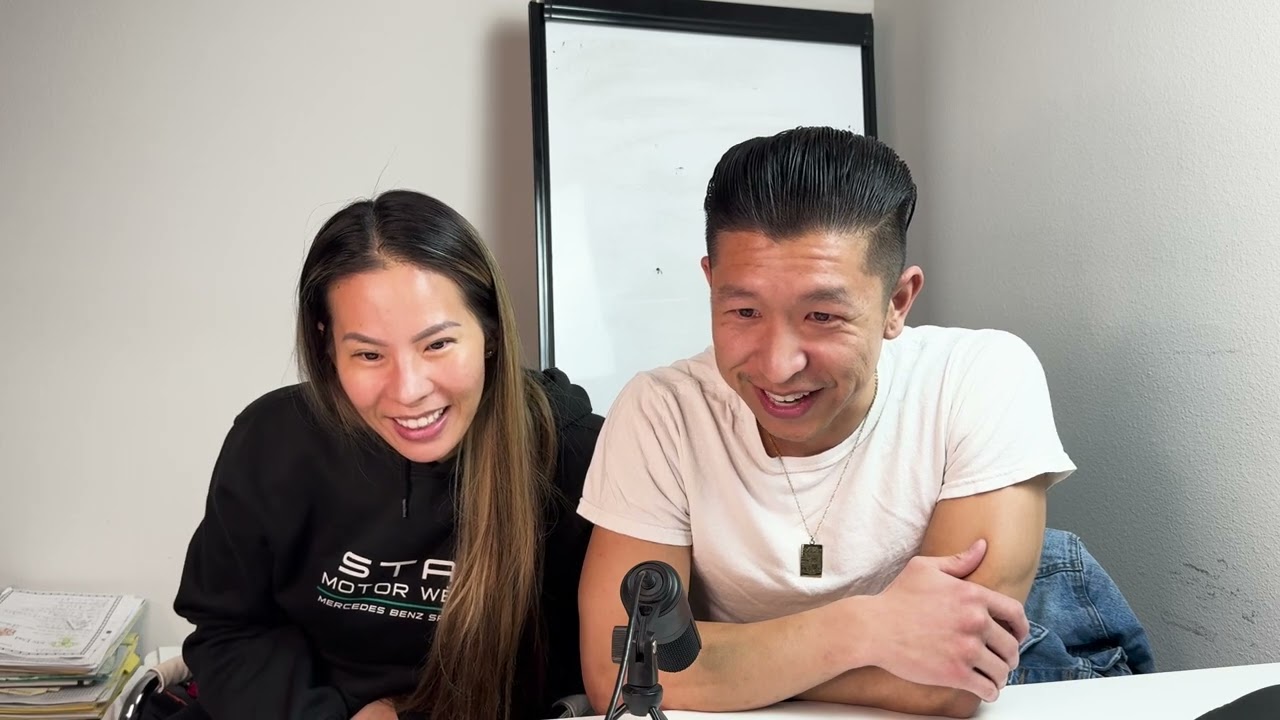
In this live coaching session, the hosts introduce and explore the concept of the 25 cognitive biases, emphasizing how understanding and applying these psychological tendencies can dramatically improve social media marketing, personal branding, and overall business growth. They begin by urging participants to adopt a "work smarter, not harder" mindset, leveraging AI tools like ChatGPT to reduce mental load during early‑morning fire‑hour sessions. The presenters reference billionaire Charlie Munger’s "Poor Charlie’s Almanac" and Tai Lopez’s viral "Here in My Garage" video as foundational resources for learning the biases. They provide a rapid rundown of the 25 biases—reward/punishment, liking/loving, doubt avoidance, curiosity, social proof, authority, Lollapalooza, etc.—and discuss how each can be woven into content creation, from captions to reels. Real‑world case studies are shared, including the viral Tai Lopez video and the hosts’ own brand Star Motorworks, illustrating how bias‑driven tactics can generate massive reach (millions of views) and even overwhelm operations. The session also covers practical marketing frameworks (SWOT analysis, high‑level strategy, evergreen content campaigns) and personal habit formation (sleep, AI assistance, neuroplasticity). Further, the hosts dive deep into scaling challenges: hiring, onboarding, the "bottom 10%" rule, and the explosive growth of a Social Media Marketing Agency (SMMA) that generated $5 million in five days, which broke their operational capacity and forced a rapid refinement of processes. They stress the importance of trust, leveraging team strengths (Speed of Trust), and building momentum through the "Big Mo" principle—90 days of intense effort to create sustained energy. Throughout, the hosts encourage participants to experiment, take notes, and apply the biases immediately to their own marketing efforts while recognizing that scaling requires synchronized growth of marketing, operations, and team dynamics.
Chapters
Grand Rising, everyone. Okay, today's, today's topic is going to be on the cognitive biases. Okay, we last week we talked about this. We said that we're going to go over the cognitive biases, and that was your request, actually.
Yeah, it's a really good one. Do you guys know about cognitive biases and how they affect your behavior? Any cognitive biases you guys know of?
Yeah, what we'll do is, has anyone studied, um, the cognitive biases or applied, not just studied but apply them to your business?
I'm sure most of you applied it unknowingly.
Yeah, we're going to go over it again. Okay, in 2024, one of the goals, I mean, not goals, but just new habits. Okay. New habits is work smarter. Work smarter, not harder, right? Work smarter, not harder. So, so, you know, ChatGPT, okay, AI. Use AI to your advantage. If you're not using AI in some aspect to help, you know, make your life better or to just help improve your life, help it, uh, help you just make life easier, Okay, then you're working harder in some capacity, and I'm telling you this for a reason, right? For me as a business strategist or a marketing consultant, I have to use my brain to think, right? Doing fire hours at 6:00 AM with 2 hours of sleep, sometimes 3 hours of sleep, no hours of sleep is very challenging. So at those times, like when Crystal and I used to do like fire hours every single day, sometimes like there would be like days where there is no sleep. But then we still show up. And if we had been using AI, you know, to like gather our thoughts, then I think we would use a lot less energy and we would be able to keep things, you know, more focused, you know, but I think that it's just, that's part of the journey of going live and doing livestreams, right? And then from there actually addressing like whatever questions come up or whatever, narratives we need to discuss or whatever strategies we need to share, right? So, you know, using ChatGPT, I'm going to be using that a lot today, hopefully.
Was there AI back in 2020?
Um, I can't remember. I really can't remember. If you, if you know, let us know. So the 25 cognitive biases, um, if you don't know what they are, there's many, there's more than 25 cognitive biases, okay? There's, there's way more than 25, but there's a billionaire by the name of Charlie Munger who just, you know, he's Warren Buffett's partner and they're billionaires and they have so much wisdom. If you've never looked them up, like on YouTube, like watch their, like just hear them out, right? Listen to how they speak about things, their experience, listen for that, their wisdom. Then you're missing out. And why I say that, because anyone and everyone, especially those who are entrepreneurs and business owners, can take a lot of knowledge from them. Like, you get— you can learn a lot of knowledge from them simply because they've been like where they— in some sense of business, they've been where we want to go, okay? Or they've been where, where you are. And if you're not finding all the clues that success leaves behind, then you're just working harder and not smarter. Does that make sense? So I really want you to, I, I wanna encourage you to go with this frame, right? With developing a new habit of working smarter and not harder in any aspect of your life. If you can work smarter and not harder, then I really wanna encourage you to pursue that and keep that in the forefront of your mind. Like put your focus and attention into working smarter and not harder. Why? It's only to your benefit. Okay? It doesn't— if you work smarter and, and not harder, it doesn't affect my life. It only affects your life and everyone in your life. So there's no benefit to me of you working smarter.
Okay?
So that's just for you. Now, the 25 cognitive biases. Right? Specifically 25 cognitive biases. Okay? If you wanna learn about that, just Google it. If you haven't, if you're not raising your curiosity factor and you're not learning about these things that we're talking about, you're not doing your own research, you're not being a student, a serious student of all this stuff that we discuss on Fire Hour, then again, it's to your benefit if you do it. It's not to my benefit. It's to your benefit if you do it. So 25 cognitive biases, we are going to discuss it for a reason. And specifically what I want to go into is how it affects your social media marketing. Okay. How it affects your business, uh, efforts, how it affects your life, personal and business. They're intertwined, especially if you are, you know, pursuing this. If you're pursuing this part-time or full-time, it doesn't matter, right? The business is always going to seep into your personal and the personal's always gonna seep into your business. And the fine line of be— between those two is the work that you do within. It's your personal development, your leadership development, your self-mastery, your mindset training, your skillset evolving, all these different things. The community that you're around, the associations that you hang out with, the people that you surround yourself with, right? And again, I just said 3 layers for those who are taking notice, who are paying attention. I said the same thing in 3 different ways. Why? As a leader, I understand that people in the audience, right? When you're speaking on stage, when you're speaking on a podcast, when you're speaking to an audience, a crowd, the crowd may pick up different things. So you as the speaker, as the leader, as the messenger, as the some, some someone who is sharing the knowledge, expertise, and experience, you need to understand who's in the room. You need to understand how to speak and connect with those people in the audience. So, and I learned that from someone who is a big, he's, he's like one of the, he's like, they say that he's the number one marketing strategy, uh, strategist in the world. And there's people like Tony Robbins, Daymond John from Shark Tank, Uh, there's many different companies that he's worked with, right? This guy's name is Jay Abraham. Okay. I said his name before on a previous call. If you haven't looked him up yet, raise your curiosity factor. If you haven't read his book, take action and go search, right? All these things, this is for your own development, for your own benefit, not mine. Okay. So 25 cognitive biases, right? This right here. Is this is just based on how people think, okay? It's like how people make their decisions. That's what, that's what it's all about. And so if you as an entrepreneur or business owner, especially as a marketer, okay? Because everyone here is a marketer. If you're using social media to build your business, then you are, in my opinion, considered a marketer, right? And what is marketing? All right? Marketing is just about getting your idea and getting attention on the idea. That's it. It's getting attention on your idea. So your product or service or your message or your vision, whatever it may be, that's mark— this is the idea. And marketing is all about just how do you get attention to that idea? That's it. Okay? Now, the reason why the 25 cognitive biases matters and why it's so important And if you want to take your, your business and your life seriously, especially as a marketer, because everyone here is a marketer, everyone here is an investor, everyone here is a marketer. If you wanted to get your, like, if you want to scale up, right? Level up your marketing skills, the 25 Cognitive Biases. All right? The way I learned this, because I, I want to really just let you guys know first and foremost, that way, like, I'm talking from a place of credibility and authority and just experience. Okay. I learned this from a multimillionaire who was my former mentor. He had a video. Okay. He had a video. I don't know if you've seen this before, but I believe it's reached like half a billion views or, or even a billion. I don't know. I don't know the number. I can't remember. But, um, this one went like viral and this was in 2015, right? The video went viral in 2015 on YouTube and memes came out of it. Like I can discuss like exactly what happened, but cuz I was there, but memes came out like just many different stories, many news outlets, many press releases, all these things and influencers. And, and before there was even influencers, uh, micro influencers, people just discussing things, right? This was when like social media was really like brand new still, right? This was before like all the influencers that, you know, now were influencers. They were just like, you know, everyone else. Okay. So the video is called Here in My Garage.
71 million views.
No, that's the public one. Like there's, there's way more.
The lengthier one.
Yeah, there's, there's way more. So yeah, the video is called Here in My Garage. And that guy's name is Tai Lopez. And so, you know, after that went viral, that video went viral. Okay. A lot of people saw that video. That's how a lot of people know my former mentor, Mai, is from that one video alone. And they, you know, after that video came out, a lot of marketers, okay, a lot of other marketers, right? People I've met, people that are 8-figure earners, people that like, they crushed it in marketing, but they never crushed it like he did. They never went viral. They never became known, right? Because as marketers, marketers are typically known to be just on the backend. They're typically known to not be known simply because they're helping other people's brands and businesses grow and scale and get seen, get attention. So they stay in the back burner. But now because of personal branding, because personal branding is a thing, it's, it's, you know, it's like kind of like the new shiny object syndrome or shiny object, not shiny object syndrome, but shiny object. Okay. So a lot of people have an opportunity to pursue personal branding. Well, guess what? A lot of marketers from, you know, before all this, before social media, like, they now are wanting to build their personal brand because they, they obviously understand the power of, of building a personal brand of attention. Okay? Of attention. So, you know, a lot of people after a year and a half, they were trying to just, like, they were trying to decipher and discuss and analyze and discuss, like, how did this video go viral? Right? How did this video go viral? Well, in 2016, we held a mastermind with a group of entrepreneurs, um, and we discussed how it went viral. We discussed how this video went viral, the Here in My Garage video. And one of the discussions was based on the 25 cognitive biases. Okay? So that's, that's the importance of this right here. If you can apply, if you can understand the cognitive biases and you apply it to your short-form content, Or you apply it and I'll discuss like Star Motorworks too. Okay. We'll, we'll dive deeper into one of the brands that we own. Right. And how we go, it's not viral, but like a million views. Okay. How we do that. Is that okay?
Is that, is that not viral? I think that's pretty viral.
I don't, I don't really care about the term viral.
Well, it converted. Oh, it converted to sales. Wait, was it on Zoom that it says that? I thought it was like the signal.
I don't know. We don't use Signal. Just kidding. Thumbs up. Okay, so a million views is not viral. Okay.
What's viral then?
Like 10 million and up. A bunch of random friends follow Star Motorworks. Wow, that's funny. And they do not know you. Exactly. Yep. Exactly. And we did that for a reason, right? Like there's, there's no need for them to know about us, right? That's not the goal. All right. There's many different goals and many different milestones and many different like layers to the, the strategy for marketing.
Yeah.
So I'm going to, I'll discuss all that. Okay. But you know, there's, okay. I'm going to give you guys two clues and then you do it on your own because I don't want to discuss it because it's not our brand. I'd rather talk about our brand than than someone else's, okay? But I thank every— I thank my former mentor. I, I'm grateful for those experiences and knowledge, right? Um, because that's millions of dollars right there. So the— if you want to study, okay, here's call to action number 1, okay? Action item number 1 for you, for the serious student. Can I have my water, please?
Yeah.
Number 1, look up Here in My Garage, okay? Look it up and then, and watch it. It's a, it should be a 2 to 3 hour video. Okay? 2 to 3 hour video. Fun fact, when we first started, when I first started with that company with my former mentor and we were viral, right? We were, we were viral. A lot of people, cuz I was in the support team, a lot of people kept on calling from all over like the US and other countries. And we, I, for whatever reason, we would always get this spam caller, like, Like there would be multiple spam callers and they would just be like, but it's because of the memes. 'Cause when you go viral and there's like memes, like funny memes after you, like, you know, it just, it's kind of crazy, the experience. But I remember like there's a 2 to 3 hour video for the Here in My Garage, okay? The spam callers would call and we would never be able to get them off their phone. So what I started to do was, and this is probably not like, I wouldn't encourage you to do this now, but this was a very unique time. Um, and Ty knows this, so I'm going to discuss it. I just don't think we ever talked about it publicly, but we would literally put like the, the phone because we have multiple phones. We would literally put the phone to the spam caller to the 2 to 3 hour video and just let it play. Because, because it's a waste of time to talk to this person. It's like we lose money and energy and time talking to someone who's not going to buy, right? We're, it's a business that we're operating. Why are we going to waste our time with someone who's just clowning on us, right? So I would literally do that. And it was actually the funniest thing.
Did they hang up or did they stay on?
No, they would hang up. Like the spam caller would hang up because at the—
and call back.
Because if you look up here in my garage, like here in my garage memes, like that's literally like what was going viral. So like you'll see it. Is it called the Rise and Fall of Telepathy? No, it's not.
Yeah, I couldn't find the original either. I only found the short clip, so maybe it was the original.
The original. Oh, the actual, actual original might be down.
I think so, because I only saw the 71 million view one and it was 2 or 3 minutes. That's why you're like, it's not that one.
Yeah, it's not that one. There's one where he's like, oh man. Anyways, we gotta find it later on. Like, we can post it in, um, I don't know, if you, if you, if you want it, just DM me, okay? Just DM me if you want it and then I'll go find it and then I'll, I'll reply and, uh, I'll send you the link if I could find it. If I can't find it, then I'll let you know. But I do, yeah, I remember that we had many different versions of it. Um, yeah. Anyways, so, so the, that's the power of virality though. Okay. Like, or one of the way, one of the experiences of going viral, like you just never know what can happen, but especially for your business, what happens for sure, uh, guaranteed is attention. Okay. An increase in attention. All right. So now when it comes to the 25 cognitive biases, okay, if you could replicate or, or ju— if you could just take a few different elements from the cognitive biases and apply it to your marketing today, what would that do for you? What would that do for your business? What would getting more attention on your business do for you right now? What would getting more attention on your brand do for you right now? And I'm gonna, I'll list out all the things that happen, okay? I'll list out the benefits that can, that comes to top of mind when it comes to your personal brand. And building a solid foundation. Okay. Uh, and not only that, but I'll also list out like the, the specific cognitive biases of what we, we can apply. And this is just based off of my perspective and experience, but I 100% encourage you all to experiment. Okay. Experiment with applying cognitive biases to your marketing. Okay. It's just, it's to your benefit.
What also helps is like if there are certain ads or certain things that you saw that made you stop your scroll or kept your attention and you even replayed it, ask yourself, what made me want to watch this? What made me want to replay this? What made me want to actually stop and like actually watch it? So sometimes reverse engineering what happened to you is kind of like coming from a marketer's mind, right? Like, don't get sucked into like the social media, like scrolling and feed. Like when you go in there, actually go in there with the intention of I'm trying to find something that's going to catch my attention and I'm going to reverse engineer why it caught my attention or what it was that really stood out to me. And now I'm going to take that and apply it to like the next piece that I do, or I'm going to like take notes. And the next time I do a reel or I do a post, like I'm going to remember what made me stop there.
Yeah.
And I'm going to now incorporate it, right? So you're basically learning something and then taking it into action right away and then saying, what happens.
Yeah, and here's the beauty of social media is you can experiment so much faster because content is so easy to create. Like, all you do is just do talking head video, apply captions for the ASL community, and also, like, you know, that's why, like, captions exist, okay? It's for people who cannot, like, hear or, like, they need to be able to read. So that's, like, why I started to do captions in 2020. Is because I had people in my, uh, following, like, asking for captions. And I was like, all right, I gotta learn this. And it was a pain to learn, but it's okay though, right? Uh, everyone now, CapCut is super simple to use, right? So use CapCut, um, and keep everything simple. But, you know, just get your message out there and, and use, like, create content to experiment with the biases. Like, create content to experiment with what you think will work. And what you think, you know, you should apply to your marketing efforts. So let's just go down the list real quick for the 25 cognitive biases.
You gonna go through all of them?
I'm just gonna name them. Okay. Why, why not? Go ahead. I mean, I think, I'm pretty sure there's one person here who hasn't looked it up yet. I don't know, maybe, maybe not. If you're brand new here, then you probably haven't looked it up. So, all right, so confirmation, there's 25. Okay, specifically looking it up as we speak. Good job. Good, good job.
If you're driving, don't look it up.
Yeah, if you're driving, then I'm going to list it off for you. All right, so there's 25, and specifically from Charlie Munger. Okay, this is the second clue. I remember I said there's going to be two clues. First clue, look up here in my garage. If you can find the full video, watch it and take notes. Second video, and take notes on the cognitive biases that you can spot. Second video is, uh, second clue: Charlie Munger, Charlie Munger's Almanac. It's in the— it's in the—
is that a book?
It's a book. It's the biggest book that we have.
Right or left?
Uh, right. It's a blue book. Okay, so, so this book in 2015, I think it was like $130. Okay, $130 book. All right, $135 book. Uh, my brother got it for me for my birthday as a gift, but yeah, so Charlie Munger's Almanac.
Okay, I remember this one. I was like, what is this, a history book? Yeah, it's huge, you guys. This is like the type of book that you would have in like, you know, going to school in your—
it's a very easy read. Okay. It's, it's easy cuz one of the—
I'm looking at small books.
Yeah. But that's like this right here. So Charlie Munger, right? Uh, Poor Charlie's Almanac. If you can get this, then, then buy it. Um, and the reason for that is because there's no audio version of it and like it, it's just better to have this. Okay. Hard copy. And it, this is like from a billionaire. This is someone who has so much, not just a billionaire, but someone who has like so much wisdom, experience. Life. And if you can find clues from this person who is 99 years old, right, then why not? It's to your benefit. Remember, leadership development, self-mastery, mindset, picking up the clues, always being a student, being serious, take— becoming the best version of yourself, right? This right here, it talks about the cognitive biases, the 25 cognitive biases. This book is how this, the 25 cognitive biases, started to getting known, okay? Basically. And Tai would say that he, like, I'm pretty sure he would argue that he's one of the people that really helped push out the 25 Cognitive Biases. So, you know, like, besides him, I never heard of this before, uh, until, like, I started to learn about Charlie Munger and Warren Buffett, right? So, okay, anyways, get this book. That's the second clue, okay?
You will never find a book with more useful ideas. That's what Warren Buffett said about it.
Wow. All right. Okay, cool. So yeah, the wit and wisdom. All right. 25 cognitive biases. I'm just gonna go down the list for those who cannot look it up themselves. Confirmation bias, availability heuristic, anchoring bias, Dunning-Kruger effect, hindsight bias, self-serving bias, loss aversion, sunk cost fallacy, and that one's huge. Recency bias, groupthink, Confirmation bias, overconfidence bias. That's, that's another one. Availability cascades. So availability bias, right? Fundamental attribution error. Wow. That's weird. The curse of knowledge. That's, I've never heard of that one. So maybe this is a different list. Neglect of, let me give you guys the exact list. Cause this one is from Charlie.
Oh my goodness. I have that.
You have this list?
I have the curse of knowledge. I have that.
When individuals who are more knowledgeable assume that others have the same background knowledge, leading to communication gaps.
That's like, you know, when I was training people, that's why I'm really— I'm not the best at training. So when I used to have to train people, like, and I had a certain amount of experience, which is why I was training them in, in, in work, I would just literally just lay it all on them and people would watch me like, oh my gosh, like, How you always say to me, like, do you feed a baby a steak? And I'm like, yes, sink or swim. It's really because I have that and I don't know how to go backwards and break things down.
It's called, you know, gotta keep it simple. Okay.
I don't know how to keep it simple.
Use ChatGPT. I'm just kidding.
I have that though. So I usually don't train or teach.
'Cause no, but you, it's a skill. Like, do you think that I always—
it is a skill.
Yeah.
It's a skill you're really good at.
'Cause I developed it. Every, any skill can be developed. Okay. Can you list out the 25? Okay. So there, there's, um, the, the, the list that I'm familiar with is, and there's many different terms for these, right? But 25cognitivebiases.com. Okay. That's this, that's the original list where I found it and what I was like directed to learn. Okay, so there's, I'm just gonna list it again. All right.
Okay. That's, yeah.
Yeah. I wish I can just send it to you guys, but I can't. It's a different computer. Reward and punishment. Okay. So there's, there's 25 counter-advice starting with one, number one, reward and punishment, liking, loving tendency, disliking and hating, doubt avoidance, inconsistency avoidance. Curiosity tendency, Kantian fairness, envy jealousy, reciprocation tendency, influence from mere association. These are so good. Simple pain-avoiding psychology, uh, psychological denial, excessive self-regard tendency, overoptimism, deprival superreaction, social proof tendency, contrast misreaction, stress influence bias. Availability misweighting. This one, this one's huge, okay? Use it or lose it tendency, drug misinfluence tendency, senescence misinfluence, authority misinfluence tendency— that's authority bias, okay? Um, twaddle tendency, reason-respecting bias, and Lollapalooza. And the, the 25th one, Lollapalooza, is the most powerful one, and I'll explain why, okay? And then we're gonna go after, like we just— I'm just going to pinpoint the ones that Like we can apply to our marketing currently that I would encourage you to apply right away. And then we'll go into, uh, Star Motorworks. Okay. We'll break down like, uh, a million, a million real, a million view reel, whatever.
1 to 1.5.
What?
You had a few that were 1.5.
Yeah, it's fine. I don't care what the views really, but okay.
They converted though. They converted.
Oh yeah. We, yeah. I'll, I'm going to share with you again, like the benefits of going of like having like more reach, getting more attention. Okay. And we'll go into that because it's actually a big problem we have right now. It's a big, good problem that we have right now. Okay. So let's talk. Let's just list out the ones. Okay. Can you, can you write them down or type them?
Do you have Telegram open in there?
Oh, yeah.
Sir, do you want me to type? I'm not the fastest typer, but there is a smarter way that will conserve energy.
Yeah.
And still get the job done.
So out of these biases, right? Which one do you think you can apply right away? Like, if you can, if you can participate, then I highly encourage you to participate because participating helps you activate different, different connections in the brain. It's called neuroplasticity. No, I already sent it. Oh, recording.
How'd you send it?
You gotta get up. Okay, so do you guys see this in the chat? I just posted it. Okay, reward and punishment, super response tendency, liking. Okay, thank you.
So tendency can be exchanged for biases.
Yes. Yeah. Okay, and remember, 2024, right, starting now though, is developing better habits. Okay, removing, removing bad habits and replacing them with good habits. Work smarter, not harder. Any area of your life that you can improve, right? And you want to, you're serious about it, then, then do it. All right. For marketing specifically, cuz 25 Cognitive Biases is heavily related to marketing. Guess what? Because of psychology and people, of people making decisions, how people make decisions, right? So this is just one of the, the ways of how people do it. But if you understand it as a marketer, then you'll know how to get attention. You'll know how to get more reach. You'll know how to increase your views. Who here wants to increase their views? Who here wants to get more attention on their brand? Who here wants to get more, more followers on your social media? Who here wants to get more views on their content? Who here wants to get more engagement from their community? Who here wants to just increase and get better. This right here, the 25 cognitive biases, is how you do it, is by learning this and applying it to your marketing, your marketing efforts, your branding efforts. So which one out of these 25 cognitive biases can you apply right away, right? There's two questions, like which one can you apply right now to your next piece of content, and which ones do you think, you know, do you think matter? They all matter. Again, But it depends on how you use them, right? And not only that, but this is going to take time to learn. Okay. You're not going to get it overnight. Some of you will, some of you won't, but if you can learn how to do this and start applying them right away, then you're going to start to see an increase in your social media and in your efforts, as long as you use it correctly and you have a really good content campaign with a high-level marketing strategy. Okay. So which one do you think is the most powerful out of these? Which one do you think? Let's go. I'm going to ask you. Okay.
Well, you already told us earlier. You said Lollapalooza is. I know.
Okay.
So can I choose that one?
No, that's okay. Second, which one do you think is? I don't know. I don't know all these.
I— social proof.
Wait here. Let's want to look here because it's easier.
It's still small for me. But I would say social proof would be really huge when it comes to marketing.
Okay. Social proof.
Yeah.
Okay. What, what else?
Influence from mere association. So that's influence from your peers.
Okay. How about this? Here's a, out of all of the, the 25 cognitive biases, which one do you think is the most powerful?
You already told us.
Aside from Lollapalooza.
The second? So am I guessing all wrong? There are 25. We're going to be here a long time. Okay. Somebody please guess besides me.
It just depends, basically.
Oh, wow.
Look, authority, misinfluence, curiosity.
Thank you. Thank you, guys.
So let me ask you guys a question. Okay. You know how, like, we're taught, like, you know how we're taught, like, to look left and right before we cross the street? Why is that?
So we don't get hit.
So we don't get hit. So we don't get hurt. Look at the list again. Which one out of the 25 cognitive biases does that invoke?
Is it the simple pain avoiding?
Yeah, pain avoidance bias. But this one right here— oh, okay, it's number 1 on the list. It's reward and punishment. Okay, so most people in life, they go towards reward and they move away from pain. If you look at how you teach your— if you have children, or if just yourself, look at yourself. Do you look left and right when you cross the street? If the answer is yes, then it's because you're thinking about the cognitive biases. Like, the cognitive biases is working already. It's like one of them, right? Reward and punishment. The reward is you want to get across the street, right? The punishment is if you get across the street but you get hit on the way, then it's like, what the heck, you know? So reward and punishment, it is one of the strongest cognitive biases, um, on this list, right? Every single person here, they move towards reward and they move away from pain. And that right there is, if you can, if you can invoke reward and punishment, right? Reward and punishment bias into your, your content, then you're going to already automatically get an increase in your views. Does that make sense? How do we do this though, right? Everyone here is, you know, Thrive, right? So what is the reward of Thrive? Let's just say more energy, right? Weight loss, better gut health, community, an income on the side, potential income on the side, right? Those are all rewards, right? What is the punishment? What are people trying to, to move away from? From the pain is, let's say for example, someone who wants to lose weight. That's their pain right there, right? That's their pain. How do you call out to that pain? You just, you just highlight it. That's it. You see what I'm saying? Uh, for energy, right? Most people, like, they, they want, oh yeah, mental and mental clarity, right? Brain fog. Someone not wanting to work a 9 to 5, that is, that is a pain. Right there, 100%. That's actually how I got started into network marketing. I didn't want to work a full-time job. I, I, for me, I didn't know what I wanted to do, um, or how to get out of it, but I just knew that I didn't want to work for someone else. I didn't want to work a 9 to 5. I didn't want to be an employee because I didn't like when people told me what to do, when to do it, with who to do it with. I, I hated it all my entire life though. I never liked it. So for me, you know, when I found entrepreneurship through network marketing, then I was like, wow, this is reward for me, and it helps me move away from my 9 to 5, which is pain. Do you guys see that? Who here wants to recruit more promoters? Who wants to build and expand and grow their team? It's through recruitment. Guess what? Do you think that there's people out there who are stuck in their 9 to 5 but they don't have a way out? The answer is yes, there's many people. There are also people who love their 9 to 5, but they want, they want to build another income stream on the side. That's reward right there. The pain that they have is, how do I do it? What do I do? What vehicle do I pursue? What do I get in? Which vehicle do I drive? How do I create it? Those are all pains right there. Again, problem and solution. Right? Reward and punishment, solutions and problems. Solve the right problem and you become the solution to that person. Does that make sense? Your product and service, your idea, your message, your vision, whatever it is, the community that you have, it becomes the solution to someone's problem. Reward and punishment. This is just one of the cognitive biases. If you are going to create another piece of content, how can you apply reward and punishment? In your piece of content. I gave you some clues already, specifically, right? Okay. Liking loving tendency. I'm just gonna go down the list real quick. Liking loving tendency. That basically, it's exactly how you, you, you hear it, right? It's, it's basically like there are people that you like and that you love, and then there's the dislike and hating tendency. There's people that you dislike and that you hate, right? This is again in the decision-making process. In your life today, do you have people that you love, that you like? Do you have people that you, you hate, dislike, right? This is just the, the verbiage of, of the cognitive biases. If you have a tendency to like someone or to dislike someone, then that right there is affecting you. Does that make sense? This right here, this goes with your content. This goes with your marketing. This goes with your branding. This goes with how you communicate. This, this goes with how you connect with other people. This is networking right there, right? There are people that you naturally tend to like. There are people that you naturally tend to dislike. Those are just the patterns that you recognize within yourself. Obviously the goal is to not be judgmental and to have compassion and to be kind, right? That's, that's at least in my opinion, one of the, the noblest things to do. Right? To, that's a good value. But again, like, because you're in this world and you're on social media and you're building a business, it's to your benefit to understand this. It's to your benefit to see like why someone may like, like, may like you or dislike you, or may like your product or service or dislike your product or service. Does that make sense? Okay. So that right there is exactly how it sounds. Doubt avoidance, right? Inconsistency avoidance, curiosity tendency, Kantian fairness. Okay, let's just talk about this one right here. Kantian fairness, okay? It's just, it's just, it's exactly how it sounds. It's just, it's fair. Like, what do you think is fair? What do you feel is fair, right? Why do you feel that's fair? Like, that right there is already in the mind. Envy, jealousy, right? This invokes the ego, obviously. Did you want to say something?
I was just— what does content mean?
Content. They just— they just— content fairness. Look it up. Okay, recipro— um, reciprocation bias. Okay, who here shops at Costco? Who here has ever gotten a sample? Who here has ever gotten a free sample? Who's here? Who here has ever gone to Costco just for the samples?
Who goes to Costco and doesn't get samples? Why are you even there?
Someone— yeah, love me some samples. So reciproc— oh yeah, reciprocation bias. Okay, why does it keep on doing the thumbs up? Reciprocation bias, right? Like, because Costco gave out a sample for free, right, they're invoking this bias. They're like, if we just give out this for free, they might— the customer might reciprocate by buying. Right? If someone's ever done you a favor, don't you feel like you kind of owe them a favor back?
Yes.
If you've ever given someone something, right, and it was because like you were just being kind or like you were helping them out, don't you think that they felt like they needed to give you back as well? Give back to you. That's reciprocation bias right there. Okay. For you, like with, like with, with your business or with your life, where is the time in your life where you gave someone or you helped someone with something and then they felt the need to help you back, right? That's reciprocation bias right there, okay? It's you helping someone and then helping you back and vice versa. And there's many other examples of that, right? Simple pain avoiding psychological denial. Okay, so this one right here is a little tricky and I just wanna make sure I got it correct. But this one is the reality is too painful to bear, so one distorts the fact until they become, yeah. Okay, so simple. This one I really want to encourage you to, uh, do your best to learn about because it's going to help you in your life. Uh, this one basically states that the reality is too painful to bear, so one distorts the facts until they become bearable. That means that, let's say for example, you're in a very painful situation, and because you are in that situation and there's no way— like, you feel like there's no solution or there's no way to get out of it, you start to make logical conclusions as to why you should be in that situation in the first place. Does that make sense? You, you like justify the reason why you're in pain. Like, you know, you don't want to do that, okay? If you know that you're in pain, there's a solution, okay? If that's a problem, then that's— there's a solution, right? So that, that's the one that you want to avoid, right? The tendencies— most extreme outcomes are usually mixed up with love, death, and chemical dependency, right? We all do that to some extent, often causing terrible problems. Again, it's, it's a, it's a problem, right? You don't, don't, if you're in pain, don't justify the reason why you're in pain. Instead, find a solution to it. Because what will happen, especially if you fall, if you fall to this, fall victim to this bias, then you'll actually distort all the real facts. You'll distort the reality of it. And then from there, that's going to become your life. I, I'm pretty sure everyone here does not want that to happen. Okay, so that one's really important to, to know if you are, you know, again, in business, right? Like if you're— okay, like what we discussed last week, right? We— because one of the challenges that we have with the shop is like our marketing is too strong. So that's, that's the bad problem that we have. It's— I mean, the good problem that we have. Our marketing is just like too crazy. So that way, like, so to the point where like operations is broken right now, right? So now what we have to do as, um, like what me and my partner have to do as operators is we have to make sure that we avoid this simple pain-avoiding psychological denial because there's a problem. We can't justify the reason why there's a problem, right? We have to just figure out the solution to that problem, right? So Is this making sense to everyone? If you have too much, like, if you have too much marketing, right? If your marketing results are too great, like, I really hope that you guys all experience this. Okay. I really hope— who here wants to experience like too much market, too much like traffic, right? Too many people hitting you up. That's what happens. Okay. Social proof tendency. This is something that Elaine, like, talked about last week. She said that she only buys if she sees social proof reviews. This right here, social proof. How can you add social proof to your, your videos, to your content, to your, your social media efforts? How can you do that? Okay. Um, availability, misweighting bias. Okay. Availability bias. This one's huge, right? Again, the, the simplest way I can explain this is When you want water, where is the water? How close is it to you? Is it in your hands? Is it next to you? Is it like right here? If you, if you need to write with a pen and you have a notebook and you need a pen, like how close is it to the— how close are you to the pen? If you want to buy a product or service online, where's the buy button? How, how is it— is the buy button easy to see? Can you see it? Okay. Hi, hi, twin. Oh, can you hear me? Special feature. Don't worry. So, okay, when it comes to your website, right? Like, I'm not gonna talk about a specific website, but I know for a fact that availability bias is not on that website. I'm pretty sure we all know what we're talking about. Okay, so that right there. Yeah, it's okay. Don't worry. So availability bias, right? How easy is it for someone to shop? How easy is it for someone to click the buy button? How easy is it for someone to say, oh, this is what I need. This is what I want. Okay, boom, I buy, right? That's availability right there. You see how this affects your marketing? You see how this affects your sales, your revenue directly? Okay. Availability bias. How easy is it for someone to do business with you? There are some sites you have to scroll down so much to get to the button. Yeah.
Yeah.
Like some people do that for a reason, right? It just depends on like what you're, like what you're selling and buying. If you know, so, okay. Anyways, so these, there's 25 cognitive biases. Authority. Okay. Let's talk about authority because it was mentioned in the comments. Authority bias, right? Like following, like this is how you can use it to your advantage, right? Authority is if you become the expert, if you become the leader, the known, like the known expert in your field, in your content as a brand, then now everyone who follows you, everyone who starts to discover you, they start to learn about, oh, like this is why I should listen to you. That's the whole entire point of authority bias. It's how can you, you know, expand and grow like you're following? How can you start to get your message out there faster? It's simply by having expertise. It's, it's by being perceived as a figure of authority. Okay? So everyone here, because you're building a personal brand, it's, it's to your benefit to, you know, increase your authority bias, right? Increase your authority as much as possible. How do you do that? Getting on stage. Getting featured on podcasts, right? You know, hosting your own Zoom call, hosting your own live, right? What are other ways? I was like, that was just, you know, like poke. Okay, so let's just— and then Lollapalooza, right? And reason respecting. Okay, reason respecting bias. This one is just To make it very simple, 'cause I want to get into like an example, but is this making sense so far? Like, is this helpful at all? Like to everyone? Reason respecting bias is, you know, because like you give a reason of why you're doing something. So when someone's buying a product or service like from you, or they want to talk to you, they want to do business with you, et cetera, connect with you, they're putting a reason in their mind of why they want to do that. Okay? Your job as a marketer is to put as many reasons as possible for someone to buy or do business with you. And that's just one of the reasons. There are some sites you have to, yeah, shout it out from other authoritative figures. Oh yeah, 100%. That's called, I call that status transfers. When an authority figure edifies you, right? The, the three-way edification triangle. The, when someone edifies you, that is a status transfer. And now that authority that they have was transferred to you. That's why the 3 ways are so important. Okay. Lollapalooza tendency. That's the last one we'll discuss and then we'll go into like examples. But Lollapalooza is a mix of 3 or more cognitive biases together at the same time. Okay. That's when Lollapalooza effect happens. It happens to all of us all the time. Okay. The, the example that Charlie Munger and Warren Buffett give for the cognitive biases. One of the examples is if you go to an auction, if you're at an auction, like what's happening, there's social proof, there's urgency bias, there's authority bias, there's reward and punishment. There's so, there's availability, there's the use it or lose it, right? There's, there's so many things. Okay. There's so many like biases happening in an auction at the same time. I remember like when like Gary Vee was doing his NFTs and he like did an auction with Christie's and it was like, I don't know, went up to like $500,000. But I remember being in the auction house and I was like, oh my gosh, like the buy, I know that the biases are going to get to me and they did. And I was like, damn, like urgency, availability, the pain, like all that stuff. And buy felt it all. If you have the opportunity to, or just like experiment, you know, like go to, um, go like just look up online, like an experience, an auction for yourself, right? And, and like ideally something that you want. And then from there, you know, see what biases you feel inside, right? Everywhere you go, if you go grocery shopping, like you can feel like the need to do something, all right? Those are biases of working for or against you. Is that why Lollapalooza is a music festival too? Multiple stages, artists playing. I'm not sure. Really not sure. Okay, so 25 cognitive biases. That's homework. Um, go just apply it. Okay. Just, that's the number one thing, like whether you study it or not, do your best to learn these and apply it to your marketing right away. Okay. And these ones are gonna increase, they're gonna increase your, your views. They're gonna increase your marketing efforts. Angela says, I post a lot in my stories. It's smarter for me. I get sales in without having to really follow up. Also because we have networks of net worth following you. Be seen, be consistent in evergreen. They see you. New markets, new eyeballs, and trust compounds from your existing followers. Secured attention and engagement with the right people. Yes, 100%. Like, and that's the power of building a brand, right? It's the power of building your brand. And when you have, and working smarter, right? If, For you, if posting in stories works better for you and that's easy for you, that's, it's simple, it's fast, it's efficient for you, it's available for you. Like it helps you get like to the reward, like for yourself and it moves you away from pain, then do that. You know, um, Reels is the 80/20. There, there's, I'm still like listening to this book called The 80/20, right? And like there's a lot of layers for the 80/20, but when you take a step back and you really start to think strategically about like the decisions that you make, where you put your energy and attention to, you'll start to see, like, you'll start to identify what really is the 80 and the 20. Okay. So for me, like when I was building the Shungunna brand before I met you guys, um, 2018 to 2020, right? I was only posting in stories and I would only post like in my posts, like every now and then. But I really grew my following just through stories actually. And it was, and my network of people was like in the influencer world and entrepreneur world. So all those people, like every single time I got shouted out, it was from an influencer or it was from like a celebrity or an entrepreneur, like an 8-figure, 9-figure entrepreneur. So that's who would be shouting me out. So that's why my following like was growing like slowly, but it was through stories. I wasn't doing anything else on post. And back then, like, I wish I, I just, I just wish if I knew better, I would've, I would've built on my posts on my feed versus the stories, you know? But that was a lesson that I learned through my journey. You know what I mean? So now, like going to Star Motor Works, right? Star Motor Works is actually the opposite. We don't even post any stories at all. Like I think I only posted, I think I posted like maybe at most 5 stories total. Um, in the over a year and a half, right? For Star Moto Works. And right now if we just look at it, like the only thing we do is we post on Reels. That's it for that brand. And that brand is now at what? Gosh, it's gonna load. So we're at 26,700 followers so far. Um, we actually have to slow down on our marketing and the reason for that is because It's just, it's too much. Like, it's just the traffic is unbearable. Like, our partner keeps complaining to me every single time I go to the shop. He's like, bro, like, there's too many people calling me. I can't, I can't work on the cars. So that's like, that's the, that's the problem. Okay. That's just, that's how you do marketing. Like, that's the goal of marketing. The goal of marketing is to increase your traffic. To the point where it breaks your operations. That's my goal, at least. Okay. That's what I do. And so that's what happened with Star Motor Works. That's our bad— that's our good problem that we have right now. For every single person here, if you don't, if you're not experiencing too much traffic, that means that your marketing is lacking. It's that simple. So you just gotta get better at marketing. That's it. That's the whole point of this call. Okay. How do you apply the 25 cognitive biases? To you, to your marketing eye? How can you get better at marketing? Because everyone here is using social media, right? You're doing social media marketing. How can you get better at social media marketing then? It's by applying the cognitive biases to your marketing efforts. Then from there, when you, you know, when you start to actually, like, it's, I'm gonna just give you guys the, the, what I do. Number 1, step 1, create a high-level marketing strategy. Okay, for your brand, use SWOT, SWOT analysis. You know, do you know what SWOT analysis is? It's very simple. Strengths, weaknesses, opportunities, and threats. Okay, analyze it and do it. And you specifically analyze the industry that you're in because, you know, everyone here, again, whatever industry you're in, you have comp— you have competitors, right? You have people who are selling the same product or service as you. The auto repair shop, We have other people, you know, trying to sell their services to Mercedes-Benz and Mercedes-AMG.
We have the biggest one down the street.
Yeah, we have the biggest competitor down the street.
So it's O, it's not an A. So strengths, weakness, opportunity, threats.
Yes, SWOT. And yeah, SWOT. Google, okay? Use Google and ChatGPT. So that's part of your high-level marketing strategy, right? And there's many other things to do. But the second thing, which is a, a lot of people are more interested in because that's what they see, is the content campaigns. Okay? You gotta create content campaigns based off of your marketing strategy, and you don't need that many. It just depends on your product or service, depends on your operations, depends on like what you can do and if you have the, the knowledge to do it. Okay? Content campaigns. That's what everyone sees. That's why a lot of people online, they're like, hey, what's the content campaign? What, like, I need a content campaign, blah, blah, blah., but that's just one, that's just half the battle.
Okay?
If you have a very high-level marketing strategy that's very clear and concise and it's specific to your industry, to your brand, then you can become very creative with the content campaigns. It just unlocks a lot more power and more impact to get attention. That's what I did. Okay? And then the third thing is just, is, you know, optimize the content, like shoot the content, so execute. Optimize the content to the platform. So we're talking specifically about Instagram. I specialize in Instagram. So we talk about this, right? Specifically optimizing your short-form content for Instagram. It works with TikTok too, but for Instagram, um, and then from there, you know, test, like post it, gather the data, revisit the marketing strategy, and then from there If you have to tweak the content campaign, then tweak it and optimize it again, and then test again. With, with Star Motor specifically, because I did a very high-level marketing strategy, I was very specific and intentional with my high-level marketing strategy. The content campaign, I created it one time. I just created one con— this is how the power of it, okay? Just for everyone to know, I created the one content campaign, so it's just one content campaign. And we ran it for a year and a half. Still to this day, we're still running it. It's an evergreen content campaign that I created, and I do it specifically for a reason. It's for timelessness. It's for, it's, it's just for everything. Okay. And from there, from 2,500 followers to now 26,000 followers on Instagram. Okay. And we're not even posting how much we should post because we just can't, because like on average, we get 100,000 views per post. So, or averages out to 100,000 views, right? The last, the last post should be like going, it should be growing to like 300,000 views. Right now it's at 212,000. The one before that, 49,000. The one before that, 459,000. The one before that, 1 million. The one before that, 381,000. 30,000, 500,000, 92,000, 222,000, 42,000, 19,000, 1.1 million, 329,000, 46,000, 23,000, 20,000, 1.4 million, 1 million. 40,000, 100,000, 600,000. Yes. Okay. So that's just to like, and this is, we're not even posting like once a week or not even once a day. We're literally posting like maybe like once a month, if that, because we just can't handle it anymore. We just cannot handle it. But that's just to give you the, the end in mind. Okay. When you create a, a powerful high-level marketing strategy and you have a clear winning, you found and identified a winning content campaign. You found a winning content campaign. Then from there, you, you post and you get results. Okay? That's all it is. That's the goal right there. That's, those are the milestones. There's, there's many different layers to like what we should achieve, or I, I at least in my opinion, what we can achieve as marketers. But this is what I do for social media marketing. And this is the results. You break operations, okay? Your marketing efforts increases to the point where marketing, you can't market anymore because operations can't handle it. And then from there you have to revisit your operations and that's where scale comes into play because you have to optimize the, the operations. Because I'm gonna tell you this right now, this is what happened to us before. And, and I know how to scale because I've literally experienced it. But we went first is marketing. Okay? Marketing's number one. Without marketing, you can't get sales. Okay? Marketing is networking as well. Word of mouth. You cannot get sales revenue if no one knows who you are. No one knows about you. They, there's no attention on you. So marketing's number one. Second thing is operations because obviously operations is how you actually onboard people. You, you, you know, process the sales, you deliver the items, whatever, right? Product service. And then from there, scale is where people like, they want to get to. But they just, they can't because number one, marketing, lack of marketing, and then lack of the operational efforts. So in 2015, uh, to 2016, like when we started to grow heavily, uh, in my former, in the former, like mentor's, uh, company, I remember we grew, we were like growing the operations because marketing kept on increasing. Okay. So we had to keep on hiring more people. I was telling them, I was like, yo, like I need more people. I need more staff. I need more customer support on my team. Like, we can't handle all these people. Uh, imagine getting like 3,000 emails a day, right? I don't know if that was the number. I can't remember, but it was a lot. And we could only get like, we can only get through like 300 emails per day, like with a full staff, something like that. And so I remember like, I just was telling the company, we need to hire more people. So we started to, we started to get like agencies to help us hire more people. And then I would interview them. And I'll be like, yes or no. And so every single person that we've hired, like, they have to go through our onboarding process, which is in operations. I have to train them. I have to like help them like learn the system in 3 days. If they can't learn it, then they're out. Like, I have to hire new people. Like, you know what I mean? Like, it was like that. And so, but as that's happening, I'm training all the existing operations people as well. And then I'm like, yo, like, this is like, we can't sustain this. We had to keep on expanding, expanding. So we kept on recruiting and hiring more talent, more customer support people to, you know, accompany the marketing efforts. And then it got to a point where our marketing was like solid, it was good. And then, but then because our increase in knowledge and experience and skillset and optimization of the operations got so great, right? Like I had to tell everyone, I was like, yo, we're like, we're super efficient now. Like, you know, like I, I think it's, um, and I, and I wanted it to be like that though, because that was the goals that I was given. It's like, how can we get to, um, under 2-minute replies for each email? So imagine 3,000 emails and you have to reply in under 2 minutes. Let's just say even 100 emails and replying in 2 minutes per email. That's what we had to get to. And then picking up the phone calls and doing chat at the same time, right? Hundreds of chats, right? So all this was happening at the same time as marketing is in play. And operations is, you know, is going. I'm leading the operations. I'm doing all this stuff, right? At one point I had to even do operations remotely because I had to work at the mansion, the house. So now I'm like managing an entire department remotely, right? For like 6 months. And all this right here, it's because operations was so refined and, you know, optimized to the point where now the company was like, yo, we got to let people go. And that's part of scale. Now this is where scaling is happening. So marketing is in play, it's working, it's improving, it's increasing, it's still increasing. You always want to increase marketing no matter what till, until the point where operations breaks, then you gotta fix operations. Operations was so refined and optimized now, like all the people, they want to scale, they want to like decrease. So they want to decrease expenses and increase revenue. That's what scale's all about. The challenge with scaling is how do you increase revenue while decreasing the expenses without everything breaking? Okay? That's what scale is all about, basically, essentially, and, and continue to expand everything else, right? So I remember like they wanted to do that. They wanted to start letting go, people go. So what we, what we start to implement is a, is the bottom 10% is out. So now every single week, every day, I'm like, I'm observing. I'm like, oh my God, like, I don't want to do this, but like, but the bottom 10% is out, right? I'm just doing my job. And, um, you know, when that happens, there's a different type of energy in the room now, right? If you imagine going clocking in, imagine going to your job right now, all right, in whatever position you're in, and all of a sudden you have a 10% factor The 10% rule goes into play, goes into effect, and now every single day you are fighting for your position. That's what happened. So it went from like 30 people all the way down to 5, okay? From 30 people, okay, from what I remember, like 30 people down to 5, okay? This was horrible for me because I remember this pressure and this experience But this is, this was before we went, we went super viral. This was even before we went like, like it was crazy. Anyways.
What do you mean? You guys were letting people go already?
No. So we had to like, you were at scale prior to even going viral. We, we grew, we grew so big. Yeah. We wanted to scale, but then we didn't know that, that something else was going to happen. We didn't know that there was going to be an explosion in another thing that we launched.
Another jump.
Yeah. And that, that jump was called social media marketing. That jump was called Social Media Marketing Agency. So literally like that went viral. That's what put like a lot of the influencers today on the map. It's, it's because of social media marketing. If you look up SMMA, right? Social Media Marketing Agency. Like that's because of us. That's what we did. So 2016, I remember like I helped create the, uh, the program and launch it. When we launched that program, we had 5, people. We scaled down the entire team. We went through all the ups and downs and scaled everyone down. We were super optimized. And then we launched Social Media Marketing Agency and our everything like broke. Everything broke. And it was all on me because I'm the customer support team. So it's me and 4 other people. It was 5 of us, but because we're the highest trained, like staff, like for the customer support. Department, like we were a unit. It's, and it goes back to Tim Grover's Relentless book. Okay. The coolers, closers, and cleaners. We were all cleaners, cleaners, 5 cleaners handling all this traffic. This crazy. And so the revenue that we created, $5 million in 5 days. Okay. $5, $1 million each day. Okay. That is like, imagine how much like customer support, how much traffic was going to us. How many people we had to talk to? Like, how, how, how do we like configure all this in operations? This is the whole entire point. If you take a step back, if you're an employer or you're the investor or business owner, like how are you looking at your operations when it's broken? Well, it's about your team. It's about how well is your team trained? How knowledgeable are they? How much talent do they have? Is the system for the operations refined? To a T? Is it running like a well-oiled machine, right? Is the train moving forward or is it being slowed down? This is where you optimize everything in operations because the marketing is too great. Operations, if it breaks, then you lose revenue. You, you can lose, you can miss out on a lot of money, right? And not only that, it can cause a lot more problems because think about, this is just operations, but think about emotional now. Like how much stress was on me? Was my mind clear? How tired was I, right? Working 12 or 14-hour days, right? All these, this is the, now this is the emotional side of people, right? This is the, the health, the human side. It's like we can't be like machines. You can't, you, you have, you can only, you have to be aware of how hard you push your people, right? So that's the experience that I had. It's like, I was in the trenches and we had to go through that, but because I went through that experience, I understood how to scale. I learned how to scale businesses, right? And this one right here is with a unique experience where it's un— it's unheard of. It's unseen. Like you can't experience that unless you've experienced it, right? Going viral and then your marketing efforts on virality, like, like global virality, going to your operations and breaking operations. And then I have to refine everything and optimize it all. See everything. That's why I have the experience to scale businesses. Then from there, when you get to the scale point, optimize, refine, decrease expenses, increase, uh, increase revenue, right? And expand overall brand awareness. All this things, all this happens at the same time. Okay? So for you as an entrepreneur, as a business owner, for you as someone who is in the trenches, Someone who is, you know, number one, like marketing, right? Apply the cognitive biases. But number one right there is how can you go so big and get marketing results to a point where your operations breaks, where you as an operator is now like, what should I do? Like, how do I fix this? Like, and you're in, you're in. How can you see? You're in the trenches. How can you take a step back and see? Okay. And then from there, like scale, after you do that, scale will naturally start to happen. It'll start to open itself up to you. It'll start to be an opportunity for you to pursue. But again, like you're only one person. If you know, if you want to go fast, go alone. If you want to go far, go together, right? If you really want to go places, go the distance, right? Like in Hercules. Then guess what? You need to have a team. Yeah, you need to have a team. That's the— that's like how empires are built. That's how history is made. It's with people, right? It's with a community. It's with a team, a dream team, you know what I mean? So that right there, like, is a challenge. Okay, so I, I know we went a little bit over, but it's because I think it's valuable. It's valuable information. And I really believe that, you know, for us as a community here on Fire Hour, Like for this is just the beginning, you know, for us to go like the distance, like we need to expand, like we need to grow, right? Like who here like wants to continue to grow and, and make a bigger and deeper impact? Oh, I— there's— and we'll read the comments and then we'll wrap up with that. Okay.
And then recognizing the strengths in your team. So when you find a team, what is each person's strengths, right? Like What is their strengths? What are they really good at? And then allowing them to take the lead in that thing that they're good at, right? Because if you try to control all aspects of it like a dictator, you're not gonna get anywhere because you're relying on yourself to be the one person that does it all. So in all of our businesses and in our nonprofit, we always rely on each other's strengths. Right? Like who's good at what? And then, okay, so you're good at that. So you are in charge of it. You take the lead. We support you. We may have our input, but at the end of the day, you make the final decision on that.
Yeah, exactly. That's a clue right there. Right? We lean on each other's strengths and we, and that's where the, the Speed of Trust comes into play. That book, The Speed of Trust, because without trust, it's, you go slower. That's why trust is number one. If you can trust your people and you could trust your partners, you can trust your team, then you know each other has each other's back, right? And you know that if you say this, it'll get done. If you say that, it'll get done. If you handle this, it'll get done, right? So speed is unlocked. So yeah, up your marketing. Before and afters don't work as much anymore. Gotta put efforts, apply yourself, adapt to the time. What works before doesn't work like it used to. Experiment and find the formula that works for you. And then help people duplicate what really duplicates because it's not what works, it's what duplicates. What exactly are you selling? Think and expand, put more efforts in figuring this part out. Entrepreneurs, we pivot and we will always figure it out. Yes, 100%. With before and afters, like a before and after, it, um, it can work. Like imagine this, imagine that you have someone brand new, they've never seen your before and after before. It can work for them. Does that make sense? So it's always about like who is seeing what, right? Who is seeing what? With scale, you need momentum and this starts with you. 100%. Momentum starts with a leader. Motivation is a key factor and encourage momentum to move the energy forward. Yes. Yeah, absolutely. Yeah. And that's momentum is everything, right? Momentum is like market. So there's something called Big Mo and with Big Mo, it, you have to, you have to do something hard, go hard. For a specific amount of days, specifically 90 days. Okay? And that's, you gotta do 90 days of just all the hard efforts, hard work. And then from there you start to create momentum. And then when that, with that momentum, that creates energy. And when you have that energy now and you're in your capacity, then you are able, you are able to, you know, direct that energy to what you want. Okay? So that is Big Mo. Yep. The Law of Big Mo. Yep. So that right there, right? Create that momentum. Marketing, again, the cognitive biases. Don't get into the, don't get into the weeds of it. Like don't get stuck through analysis. Like just pick one, pick one. Okay? Start with reward and punishment. Pick one cognitive bias and then from there, apply it to your marketing efforts and, um, just experiment. Have fun with it. Again, have fun. But just experiment, experiment. You have, there's unlimited amounts of content that you can create, but you just follow the HighLevel marketing strategy, create your content campaigns. And then with those content campaigns, that's where you apply the cognitive biases to. Then from there, you, you optimize your content piece to perform. And I'll give you like a clue as well. Like it does not matter necessarily about the platform, the social media platform. Okay. It doesn't matter if you create a good piece, a valuable piece of content, it'll always get attention. Okay. If you think about, this is the last example I'll give. Think about movies. Okay. Before social media, there are good movies and there are bad movies. Movies are just pieces of content. Some are long and some are short. Well, guess what? Let's say for example, you pick a 2-hour movie and it's really, really good. Well, do you watch the entire 2-hour movie? The answer is yes. Why? It's because the content of the movie was just so good that you had to watch for the entire 2 hours. That's the same exact thing with your short-form content, your reels, with any piece of content that you create. If it is valuable to the market, it's a valuable piece of content. Attention will follow it. That's it. Okay, so let's end it with that. I hope you guys enjoyed this discussion today. We will see you— wait, wait, wait, hold on. Wait, next week is 20th. We're gonna be on—
No, we're still here.
Okay, all right. I guess we're gonna be on fire hour then. So, all right, enjoy your day. Crush it, dominate your path. We love you all. Take care, apply this, be a serious student, take action, raise your curiosity, and let's make it happen, okay? Take care, love you all. Love you guys.
Thank you.
More from Michael





Social Media Strategies for Entrepreneurs and Business Owners (#FIREHOUR S4, E41)





