Perseverance in Entrepreneurship (#FIREHOUR S4, E30)
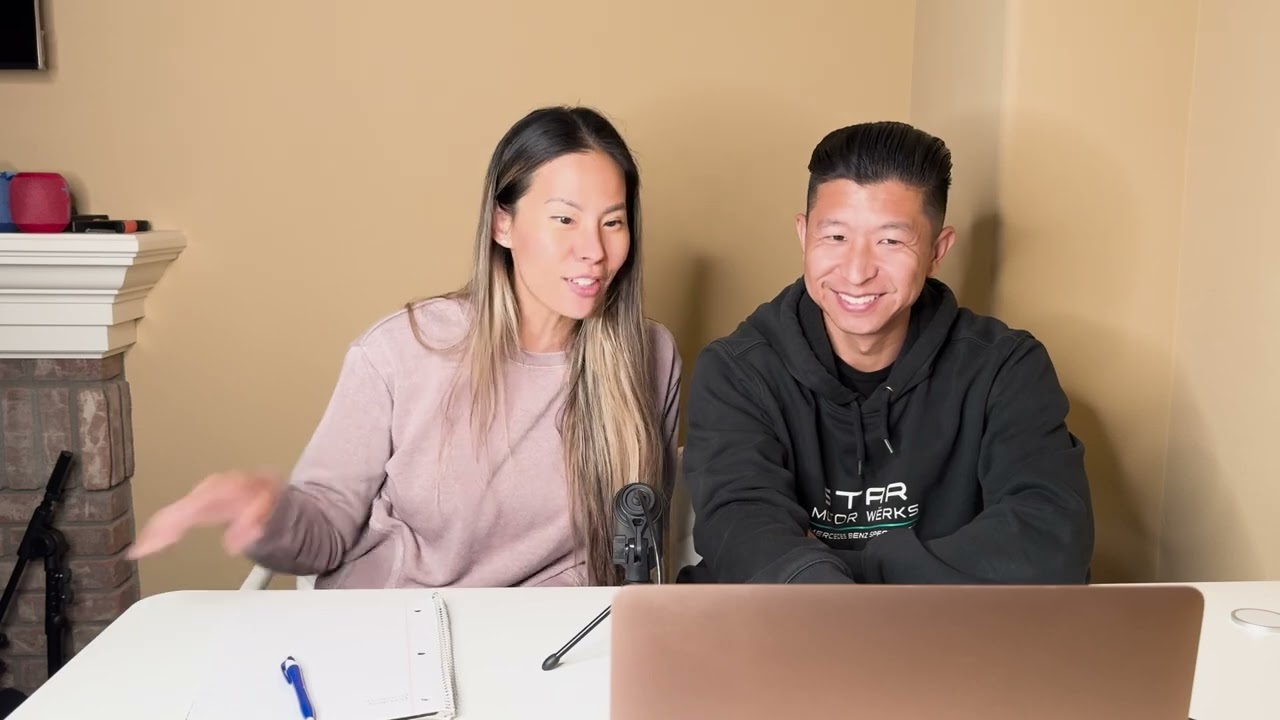
In this live coaching session of the Fire Hour podcast, hosts Sean and Crystal lead a discussion on perseverance as the engine behind entrepreneurial success and personal growth. They explore how obstacles shape character, the importance of showing up daily (even against the snooze button), and the mental shift from "goal arrival" to continuous journey. The conversation moves into practical business tactics: a three‑step MOS (Marketing‑Operations‑Scale) framework, daily income‑producing activities, the power of consistent Instagram Reels and YouTube as evergreen marketing assets, and the concept of "thinking time" for daily reflection. Crystal shares the unique challenges and time‑management strengths of busy moms, while Sean emphasizes systemizing processes, duplicating work, and building a team that can run without the founder. Real‑world anecdotes (KFC founder’s 1,001 failures, Edison’s 10,000 attempts, golf networking, AI duplication) illustrate the perseverance mindset. The episode ends with actionable take‑aways: set a bare‑minimum posting cadence, iterate upward, maintain customer relationships, and plan for the next goal to avoid plateauing.
Chapters
I'm gonna, I'm gonna control Zoom, okay? And you're gonna take it away.
Excuse me?
You're gonna take it away.
Where are we going?
Perseverance. To the, to the goal.
Where are we taking it away from?
Take everyone on a journey. Success. All right? Yeah, don't worry, don't worry, don't worry about it.
All right, so we're gonna give it a few more minutes. Um, everyone's still coming in. Hi, happy Wednesday. September 11th today.
So no, we're not going to give it a few more minutes. We're going to start right now. It's 6:02. All right. It's time to start. So Crystal, so welcome back to Fire Hour. If you're new here, this is about leadership development, about business scaling, about marketing, about fulfillment, about anything and everything that pertains to your life when it comes to you pursuing the best life possible. Because you're working on the best project, which is you. Okay. So when it comes to today's episode, Crystal was talking about how she wanted to focus on perseverance. And did you want to elaborate more on that? Was there like a— was there something that inspired you about, you know, why you wanted to cover that today?
Life. I would just say life in general, right? Like, We all have goals and we all have things that we want. And so in the process of going after a goal, like, what do you have to have, right? Because you don't have to be the smartest person, the fastest person, whatever. It doesn't matter, right? Like, but you have to be the person that perseveres through anything and everything, right? You have to be very persistent in the pursuit of your goals. And so I just kind of— I just wanted to— it's just something that's been on my mind lately, just because sometimes you have a big goal out there, right? Like you have a big goal and you have no idea how you're going to reach it or how you're going to get to it, right? There seems like sometimes there's obstacles that get in the way, as there should be, because if things were too easy in life and everything you wanted, you always had, there would be this emptiness inside of you that you never got to really grow as a person. Because it's through these obstacles and persevering and getting knocked down and getting back up and just trying again, um, where you really grow your character, right? Like, your level of resistance to the things that happen in life. And it's always going to happen. Like, no matter how successful you see people around you, or you see people on social media or TV, like, you don't know all the things that they had to overcome in order to get there, right? And So I've just been thinking about that topic lately. And yeah, that was a great opening.
That was a great opening. That's a great framing, you know, but you really— yeah, but you know why? It's because like, it's true. Like, if you think about it for yourself, like, think about your life, think about the obstacles and challenges that you've had to overcome. And maybe you're going through one right now. Right? I'm sure, especially for everyone who is you know, in the pursuit of success, in the pursuit of achieving big goals and dreams, in the pursuit of changing your family tree financially, in the pursuit of becoming the best version of yourself? Isn't there an obstacle that's in your way right now? Isn't there a challenge that you're literally, you know, maybe you're wrestling with at night right now? What is it? You know, what is that one thing? And I think it's really important about how you said, you know, it's the person who's successful. Like, it doesn't matter the background. It doesn't matter like what you look like. It doesn't matter about, you know, everything. At all. Like each and every one of us, whatever level of success, whatever level of fulfillment you're at, whatever level of the personal development that you have, whatever that is, like we all have challenges that we are facing. And we, you know, the most important thing I think about what you said is that we have to persevere. We have to go through it, right? There's a quote that says, over, under, or through, I'm going to make it happen no matter what., right? And it's about becoming creative with the solution and being able to, you know, enjoy the process at the same time as being able to take on that journey. And, you know, again, goes back to the hero's journey, right? The hero's journey is— the first step of the hero's journey is the call to adventure, right? Whatever that adventure is, it's about you chasing your goals and dreams. It's about you changing the world. It's about you impacting your family. It's about you impacting your children. It's about you impacting yourself. And so when it comes to the call to adventure, every single one of us that's here on Fire Hour today, you already said yes to the call to adventure. Everyone here, you're showing up at 6:00 AM or wherever you are, whatever time zone you're in, you're showing up on a Zoom call to work on yourself, to, to better your skillset, to better your mindset, to achieve a goal that you want, that you have a desire to attain. And so perseverance, you know, even like showing up right on time when 6:00 AM hits or whatever time zone that is for fire hour to start, like you're already here. You persevered through hitting the snooze button. You persevered, uh, you maybe you woke up at 5:00 AM like Angela does, right? You see all—
No, I think she gets up at like 4:00. May—
I don't know. Okay. She's saying yes.
So.
You know, whatever, whatever time zone or whatever you had to persevere through, right? Whatever you had to overcome, uh, to get here today, you know, you did it, right? So how do you use that energy for everything that you do in your life, especially when it comes to facing challenges, right? Especially when it comes to not getting discouraged, when it comes to, uh, not quitting, right? And, um, there's another quote too, uh, I forgot it, but it's about like never quitting. Like you're going to— you're no matter what, you're going to win. Okay? No matter. It's— you just can't never— you can just never quit. That's it.
Yeah.
Most important thing.
Yeah. So, you know, I was talking to you the other day about like some random YouTube documentary I found about a guy who interviews a bunch of successful entrepreneurs. Right. And he just interviewed them all. And I was like, you know what? They're not very different from all of you here, right? Like, they're not very different from anyone that you know, honestly, like the way they speak, the way they present themselves. And it's just the only thing that they didn't do was they didn't quit, you know? And a lot of them in the interviews were like, I just didn't quit. Like, I just kept going. Like, no matter what came my way, I just kept going. And so usually the person that sees success is a person that just doesn't quit, you know, no matter how long it takes. Because everyone's journey is different. Like, you look at, at a lot of billionaires out there, and most of them did not, you know, make billions until they were like 50 or 60, right? And so it's like, imagine if you decided that, you know, you want— you were chasing a billion dollars and then you quit, you know, after 10 or 20 tries, or after like 20 years. Like, yeah, you're not going to get there because you stopped, right? The only thing that a lot of people don't do is they just don't quit. You know, regardless of what your situation looks like right now, if you— if your mind can perceive it, then you can achieve it, right? And if that's what you really want, like, your subconscious will go to work for it, right? But you have to just every single day work at it. You know, like, what can you do today? Like, even if you're just getting 1% better, every single day, it's better than no percent better, right? Like, you don't have to be like, tomorrow I'm going to be 100% better. I'm going to be a brand new person. Like, just have some small wins for yourself to kind of keep going. So yeah, I just found that interesting and it's just been on my mind for a while.
Oh, and that makes sense too, because it's like you don't have to like go all out.
Yeah.
Like in one day. Yeah. It's about like consistency. Nico says kaizen, never-ending constant improvement, right? Angela says she gets up at 4 AM now. She sleeps at 9 PM. She doesn't have time, enough time in a day.
Evening, evening, she's a full-time mom.
Yeah, that's right.
Yeah. And like for those of you with kids, you know, there's goals that you still want. And why do you want it? Most of the time it's for your kids, right? To provide a better life for them. Because it's not just about yourself anymore. It's not just you that you're taking care of. Like you have people that you're responsible for, people that are looking up to you. And it's like, I feel like when you have dependents and when you have kids, they're looking up to you. And you're like, you, you ask yourself, you really ask yourself, like, am I, um, being the example of how I would want them to perceive life or who I would want to be, right? And if that answer is no, um, then you have an even bigger reason to start working on yourself day by day, just 1% a day better. Um, and yeah, like, if, if you have kids, having kids is more than a full-time job. Like, there's no sick days, there's no days off, there's no, I don't feel like taking care of you today, so just figure it out, right? Um, unless they're older to a certain point that they actually can figure it out, right? Um, there's just, you know, you're constantly thinking about them or like attending to their needs. And so I always, I always tell Shonda sometimes it's like, I like to work with moms. Like, I like to work with busy moms too. The ones who have pickups and drop-offs, multiple activities, schedules, appointments, errands, because your schedule is already so jam-packed. Like, there's full-time moms out there and that's their job. Like, they're stay-at-home moms and that is their job. But, and like, they're barely hanging in there, right? Because it's a lot of work. And now you add on a full-time job. Or you add on a business or you add on a side hustle, right? Like what we have. And it's a, it's, it's a brand new like thing, right? Um, and yeah, Thrive is actually best for them. Busy moms are the best. You know why? Because they figure out how to manage their time really, really well, right? And so they know that there are certain things that they have to do that is like non-negotiable, right? Like you got to pick up your kids from school. You got to drop them off. You got to like help them with their homework, right? Um, you got to feed them. You got to make sure they're clean. There's a lot of things that are non-negotiables that you have to make sure you get done. And then there's the all the extra layers of like, okay, how, how do I improve as a mom, right? Like, how do I get better? And then if you have work on top of that full-time and you have to commute, like, you really know how to manage your time because you know what's important, what's not important, how to start to do things faster, right? So I always tell Sean, I was like, I always ask him too, or I always tell him like, hey, like, how do you get things done? You know, like, how do you get things done? Or like, who do you ask to help to get things done? And it's not the least busiest person. It's the busiest person. You know, you want to get something done, you ask the busiest person. Why? Because they know how to get things done in like the most efficient way because they've learned how to manage their time with all the things they have on their plate. And in that, like, there is a lot of persistence, there's a lot of perseverance, right? Like you have human lives on your hands. You can't just— it's not just you, it's not just yourself, it's not just one job, it's everything all at once. So I think when it comes to thriving, like busy moms are like some of the best people because they will figure out how to get it done. Like if they're on 4, 6, 7 hours of sleep and like nonstop, you know, they will figure out how to maximize their time in order to hit their goal and the amounts of times that they do have. Because I mean, even when you're sitting on the toilet, you're scrolling on the phone for 10 minutes. Guess what? You can actually do an income-producing activity instead of scrolling your phone, right?
Um, so yeah, no, that was really good. It's funny. All right, go ahead.
So Aubrey put, I, I read KFC founder failed 1,001 times before he succeeded with his winning chicken recipe. Imagine if he quit. Right. And Thomas Edison with the light, over 10,000 tries, you guys, like 10,000. Like, that is persistence, right? You have to persevere, like, regardless of what goal you have. If you don't hit it, like, that's fine. But are you going to never set another goal in your life to attain? Right. Like, no matter what, you're building character at the same time in the pursuit of any goal that you have. So you're more so pursuing the best version of yourself that's hidden deep within you that you never knew existed, right? That's what you're really going after. Because I guarantee you, once you hit that goal, like, you're going to be happy and you're going to be grateful and you're going to look back on everything and the entire journey. And what you're going to remember is like the journey through and really the character building that it took to get you to that goal. You're not going to be like, Oh my goodness, the goal, the goal. Like, I got it. I got it right. Like, you're going to look back and you're going to be like, who was I before I started? Who was I during the process? And who did I become during the process? Right. And then I hope you guys never hit that goal and you set another one, because once you hit a goal, it's like, what are you going to do? Just chill and like stop developing and stop growing as a person, like growing as a person and building your character, that perseverance, it It's something else, right? Like, you're going to want to pursue the next thing because you're going to be like, you know what, I want to see what I'm really made of because I didn't think I was going to get that and I got that. So what's next? So I feel like in life there always just has to be something that you're going after, right? Um, but you also have to be proud of yourself, of how far you've come in everything that you've already done and getting through the obstacles that you didn't think that you'd be able to, right? Um, but I think that if there's just nothing in life that you're, you know, pursuing. Like, I don't know.
No. Well, it's actually a mistake to avoid.
Yeah.
So like, well, I just wanted to add, Crystal always says it's about the journey and not the destination. Okay. It's about the journey and not the destination. She likes to say that because, you know, when you're going after big goals, whatever that is, right? However you see a big goal, it's really important that you know, you enjoy the process, you enjoy exactly what you're doing, you enjoy like every single stage in that journey towards your destination. And then she says like, may you never arrive, right? And what she means— well, what do you mean by that?
I mean, when I say may you never arrive, it's more so like, may you always be on this journey, like ever evolving as a person and getting better and growing and really feeling good within that journey, within that growth of yourself. Because at the end of the day, you're going to see that it wasn't always about that goal. It was always about the perseverance that you had in persisting towards that goal and becoming the best version of yourself, whatever that version is for you, right? Like, you imagine how you want your life to be every single day, what you would do from the time you're up until the time you go to bed, right? How would that look like? Who would you be? You know, where would you live? What would you drive? What are some of the activities that you would do on a daily basis, right? And most of the time it's, it's the little things that really matter, you know, like imagine people out there, like some of them don't know where the next meal is coming from or, you know, where they're going to be housed. And we're so lucky, you know, like we have all those things. So just appreciating the small things that you have that other people take for granted and that some people don't even have and then building off of that. Right. And so not just seeing like, oh, I want this and I want that and this is how far I am. Like, no, it's like, what about all those things that you wish you had? Like, you know, do you ever take a moment in time just to look back 10 or 20 years ago and seeing all the things that you wanted, right? And the littlest things and you have them now, right? So what did it take for you to go from 10 years ago until now to actually achieve those things? And so now you're just doing that all over again, right? Um, but now you have a community too that's doing it with you, right?
I think a good question to ask yourself if you're doing that, that practice is to ask yourself like, who did you need to become in order to achieve XYZ? You know, because like, uh, at least like from my perspective and just a reflection on my life, like every single shift that happened in my life, it was because I had to become someone different. Like, I had to level up, or I had to have a different perspective or a different mindset. I had to, like, look at this problem in a different way, right? And so I think that that's like, it just depends, you know, on, uh, on who you were at that time.
Yeah.
Because if you look at yourself, like, in today's, like, time, in the present moment, like, who are you now? You know, if you, if you break it down into, like, very simple, like, past, present, future, Right? Like the past version of yourself before Thrive, like that's the simple terms, like before Thrive, who were you? You know, after Thrive, who are you now? Right? And then, you know, as you're building your team now, as you're, you step into a leadership role, um, you are now, maybe you have another person on your team and you're, you're guiding them, right? Like, who are you now? Right? And so every single like level, it's like that quote, right? Every level has a different devil. Yeah. So you always want to overcome the next devil and then keep on going, right? Keep on elevating your craft, keep on elevating your skills, keep on elevating your game. And then from there, leveling up your skill set to attain the next goal. And so, um, going back to like what I was saying though, uh, it's a mistake to avoid by not— if you don't set goals, like if you don't set like milestones, goals, like bigger and bigger goals, or just next level goals for yourself, and then you hit every single goal, you know what happens? This is the danger zone, is if you don't have another goal to reach for or you don't have another level of attainment that you want to pursue for yourself, whatever that may be, like in all aspects of your life, right? Then you're going to hit a point where you get into a plateau, right? You hit plateau, basically, meaning like you just stay, stay leveled. And now like there's no ups or downs. Okay. And what happens in that point is that you yourself start to question things. That can be one thing that happens, or doubt can creep in, or you feel like kind of lost in your journey. Um, there's many different like aspects of this, and if you've experienced it yourself, then you know what I'm talking about. But that's why I say it's a mistake to avoid, right? It's because if you don't know what you're gonna reach for next, or if you don't know what you're going to pursue next, or where you're going, the overall vision that you have for yourself, then that's, again, it's dangerous. So, and that, that's where like sometimes you see people who are very successful and they don't have anything further to attain. And so what happens is that because they're right here, they, they start to get lost and get distracted with noise, and then they start to veer off the path, off, off their journey, you know, towards their success, towards their vision. And from there, that's how everything crumbles. Okay? That's one way that it happens. I've, I've experienced it firsthand and I just didn't know that I needed to set a bigger goal. I didn't know that I needed to set another milestone. I didn't know that I needed to set something bigger for myself or create something bigger for myself or, you know, manifest something in my mind to understand like, all right, here's where I really want to go. Even like slowing down to speed up. Like I didn't slow down enough. Maybe it's because I didn't feel safe enough to slow down, like whatever that it was, but I didn't slow down enough. To like set aside thinking time and then to really map out like my vision. All right. That's something that I encourage everyone to do. If you don't know where you're going, how do you know what to do? If you don't know where you're going, like, or why you're doing it, then how do you know what to do? Like, it's the same thing. So I think it was really great.
Can you go into thinking time? Um, thinking time. Yeah. Because I feel like in the pursuit of your goal, If you don't take a moment, even every day, even if it's 5 or 10 really intentional minutes about what your goal is and what you did today, sometimes you get lost in the sauce, right? Like you just kind of are like not really conscious of like what you did. You're just like, well, I did a lot of things and it's like, yeah, great. Like people can do a lot of things and be very busy. But what actually was that moving the needle forward 1% that you did today that maybe you didn't do yesterday that you knew you took the time to think and reflect like, hey, you know what, what I did miss today or what I didn't do or what I think I should have done. And then you have that game plan to go into tomorrow. Can you like maybe go into like thinking time or more of the importance or how you would schedule that?
I think that like, okay, let's, let's talk about it in a business, uh, from a business perspective because we're on a business call. So it's like, let's get into like more money-making activities right now then, or topics. So because time, like, it's like what you said, like, you know, there's a comment, right? Thrive is actually best for moms. Okay. Busy moms are the best. And when it comes to like time management, right? Self-management, like time management is just self-management, right? It's about you managing yourself because don't like everything rises and falls in leadership, right? You are the leader of your life. So every single, every decision that you're making, like you are deciding to either spend time or waste time or, you know, not be productive. Okay. It's all on you. So, and I understand that we, you know, we have kids, so I understand like time. Okay. Um, when it comes to—
even better now though.
Yeah.
Yeah. Yeah. Even better now. But, um, when it comes to, you know, like you managing yourself, um, I think that, and especially in a business perspective, I think that there's like 3 steps. Okay. It's, I call it the MOS. Okay. MOS, marketing, operations, and scale. Okay. And it's just, it's 3 steps. It's super simple. Marketing is number 1, operations comes next, and then scale, the scale, aka result, is 3rd. Okay. And it has to be in that order. All right. And so in the very beginning of your day, I think that to manage, you know, to really like have thinking time, I'll talk about thinking time, um, after, But it's because I think that it's going to be super simple and you can implement this right away. You can implement this right after this call. Okay. Or even on this call. Right. So marketing is all about your income-producing activities. Right. And, and I'm going to share with you right now, like any business that's not marketing. Right. And there's, and if there's no word of mouth marketing with it and you have nothing else going on, no advertisement or promotion, then just expect nothing to happen for your business except it going down. Remember, a business is either growing or dying. It's only up or down. There's no in-between. Okay. Unless you have things that are happening where it's pushing the needle forward. Okay. It's moving the needle up or it's moving the train forward. Okay. If you're— if you have a consistent flow of traffic coming into your business, then that's good as long as it's converting into sales. Right. And so that's why marketing is number one, because all of us, again, we have 24 hours in a day, every single one of us right now in between this, this day, this 24 hours, you might have 30 minutes to work on your business or in, you know, whatever that may be. Right. In this context, like with, with Thrive, for example, it's a, it's basically a product that you don't have to worry about the backend. So your focus really should be only on marketing. And then, you know, when you start to, you know, build a team, um, you know, part of your, your responsibility is going to be sharing and cutting the learning curve of your new team member. Okay. So if you cut the learn, if you cut the learning curve, help them duplicate as fast as possible by understanding exactly what to do, when to do it. And then from there, how to do it. It's game over because it's super simple. It's just a copy and paste model. Right? And, and the, the creativity, like this is where the, you know, you can like put your creativity in is it's in the marketing. Okay. And so I know that I'm going to brain like just kind of like, uh, shoot all over right now. But, uh, when it comes to like your marketing, marketing is number one. How we market is on social media, whatever social media you're using, especially Instagram. I think Instagram is really the best in my opinion, especially for a personal brand. Again, it just depends on how you want to do it. Like that's up to you. But just know that marketing for the first, like, half of your day, like, first quarter of your day, right? Let's just break the day into 3 quarters, like morning, like afternoon, and night, right? So in the morning, whatever that is for you, that's all marketing. That's it. You focus. Is that the baby?
I don't think so.
Okay, hopefully not. The morning, morning, just think morning marketing. Okay, that's number one. Now the next thing, because your marketing is in play, right? Operations. Operations is about like, you know, like systemizing, like doing your daily like activities, whatever that may be, whether it's picking up your kids, doing homework, family activities, you know, working out, whatever. Okay, whatever that is for you, whatever it is. Operations. And it's also, you know, again, in business, it's about like talking to customers. Or potential customers, building relationships, authentic relationships, you know, helping them get started on Thrive, helping them, you know, sign up, all that stuff. That's operations. Okay. And onboarding as well is operations. And then from there, helping them, you know, like get to the next step, basically that's all operations. Now scale, the results. It's about post-customer success, post-customer sale. Post, like when someone gets started and now they bought, they paid, right? How do they go to the finish line? How do they get their results? Okay. Because it's not about you. It's about them. It's about helping the next person get started and helping them on that journey to their goal, their destination. Like that's, that's what you got to do when it comes to scaling. Okay. That's helping them. It's not about you. It's helping them get their result, helping them achieve their goal. Helping them achieve the life that they want, the lifestyle that they want to live, the dreams and goals and outcomes that they want because they trusted you. Okay? You are their guide. And so by you being their guide, helping them get started from day 1 all the way to day 10, for example, it's all, that's all in the scale part. It's all in the scale part. If you help them get their results and they're happy with you and they're happy with their journey. Right? Then wouldn't they share with a friend? Wouldn't they share their result with someone else that they love and care about? Wouldn't they share more just simply because of how they feel inside? Because they're now working on themselves. They're working on their best project, which is them, right? Remember the best, if you never heard this, like I always say this, I started saying this in 2020. The best project you'll ever work on is you. It's yourself. It's you. And when you become the best version of yourself, And, you know, we're always attaining more. We're always going deeper into ourselves. We're always getting better when it comes to understanding ourselves. You know, there's that quote, know thyself. It's important that you know yourself because when you truly know yourself, then you're going to start to, at least in my perspective, you're going to have a different understanding of you and how you operate and what you truly want out of life and what you want to give back to life. And so, you know, when it comes to you working on the best project, it's about everyone doing the same thing. When someone comes to you for help and they're looking for guidance and, you know, they're, they're seeing you as a role model, they're seeing you as someone that they can trust. They, they have a potential opportunity to achieve the goal because of your guidance, because of your energy, because of you, right? They are embarking on this journey. They're, they're saying yes to the call to action now with you. Right? And inside the hero's journey, like there's a guide that appears. You're that guide. And so when it comes to them saying yes to you, right? You know, again, from your marketing, your marketing efforts, you know, in the operations, they're saying like, hey, like, how can I get started? You send them your link. You help them, you onboard them, you help them get started with Thrive. You walk them through their day 1 all the way to day 10, right? When they hit day 10 and they have their results, you know, just giving the average, the average person, um, you know, once day 10 happens, like, what is the next step that they can take, right? Maybe someone wants to become a promoter, they want to start to make an income on the side. Maybe someone, uh, you know, wants to share and Thrive for free, whatever that is for them, okay? As long as you help them get to that point and then you teach them the model, you teach them exactly how to like duplicate, etc., then now like this is all in play. Okay, so does that make sense?
That's only one aspect of it.
So there's so much more, but, um, well, it ties back into thinking time, right? Like making sure, like making sure you do your income-producing activity or whatever you set out to do that day. And then taking a moment to be like, okay, did I do everything I was supposed to today? Or at least the bare minimum, like non-negotiables, like SEV 1 type of things, right? Like severity 1 level, which means like it absolutely has to get done, right?
Let me actually like add to that. So like the, yeah, when you say bare minimum, yeah, like bare minimum. Okay. Just again, IPAs, the most important thing in your mornings is marketing, right? So that's an income-producing activity because you're now driving traffic. Every single business needs traffic, right? So no matter what you do, the bare minimum in the mornings, okay, is do an income-producing activity, a.k.a. do marketing.
Yeah.
Okay. If you— this is the 20% that gets the 80% done. All right. If you do marketing first thing in the morning and now you have traffic, like you have something coming in, right? You have energy that is out there and now it's, it's searching its way to you. Or to your product or service, right? Your business, right? Marketing is number one in the very beginning. Once you get that out of the way and you put that out there, then you're good. You're good to go. Uh, but, but don't do the bare minimum of that.
Okay. My hair was stuck to your sweater.
Don't do the bare minimum because why? I'm going to share with you why. If you're not even able to get to the bare minimum, then, then shoot for that. But if you hit the bare minimum and you're doing it consistently, you're doing it every day, then start to level up like that. There's a goal there. There's milestones. Like, do bare minimum, then what's the next level up of bare minimum? And then what's something that's like reaching for the, the moon? Okay? Shooting for the moon. What is that? Like, do 3 levels for yourself. Okay? 3 levels for yourself so that way, like, you're hitting one, or maybe it's not applicable to you because you're already doing more than the bare minimum. Alright? So maybe you're shooting for the moon already. Whatever that is for you. Okay. In the simple context, let's say so Instagram, like Instagram marketing, right? Reels. Okay. How many reels are you posting per day? There really, there truly is no limit to how much you can actually post per day because the algorithm is so like different now. Like if you post, it doesn't mean that people are going to, your followers are going to see it. It doesn't mean that new people are going to see it. It just means that some people will see it. Okay. So don't limit yourself and don't, don't listen to the myths of social media. Of all these people saying like this and that, right? Like test it for yourself. Like if we put our marketing hats on, okay, as a marketer, this is just what I like to share. As a marketer, it's all about experimentation against the market. Okay. What I mean by that is test it against the market. Test, like if you have an idea, create the piece of content or advertisement or promotion, whatever, and then put it out into the market and see what the market does with it. That's the best form of marketing because when you start to underst— that's the best form of experimentation for marketing because when you start to do that, now you get to actually see the real data. And then from there, use the scientific method, right? The 7 questions and ask yourself, all right, like here's my hypothesis. Here's exactly like what my thesis was. Here's exactly what my idea was. This is why I think it's going to happen. Here's what actually happened. And then you reverse engineer from what actually happened. And then you put it out there again. That's how you do marketing. Okay. That's how you test your marketing. So that's what you want to do. Now, when it comes to reels, for example, like how many reels can you post per day? You know, how many do you want to post? Right? How many can you realistically consistently post per day for yourself without feeling burnt out, without feeling like you're not doing enough, without feeling like you're overdoing it, whatever that is. Okay. Whatever metric it is for you, however you want to feel. Right when you're doing it, then you test it for yourself. But no, just know that, you know, at least the bare minimum should be like one post a day, right? One reel a day. And so if you notice, like we're doing that, uh, right now and we're just doing one post a day and then we're moving on to operations and then everything else in between. Okay.
The goal I'm going to share with you, it starts, well, basically it starts to work for you, right? So that is why it starts to work for you and starts to go into motion before you get into your busy work.
Yeah, basically like your marketing is now in motion and so you have energy out there. Okay. You have energy now. Okay.
You have an asset working for you.
Yeah, that's what it is. You have an asset, you have a marketing asset now working for you. Okay. When you think about like duplicating yourself, right? Imagine you have yourself and you're using social media to duplicate yourself. Right? And you have an employee that's marketing for you already by doing videos. When you do videos and you're posting it on social media, that's an asset. It's like what you said, that is an asset now working for you 24/7. And forget about how much reach it gets, forget about like all that stuff. Just think for time's sake, right? Time-wise, right? You already have someone that's now working 24/7 for you. Okay. Imagine unlocking, like using AI and duplicating yourself like that. Like, how can you do that? Again, people are doing it right now, right? That's, that's going to happen in the future, I believe, right? So when it comes to you doing that, like leveraging the technology, it's about, you know, stepping out into your comfort zone, stepping out of your comfort zone and growing, like starting to learn like these little things, like learning new things. And here's the thing too, like all of us, we didn't grow up with social media. You know what I mean? We're like the last generation to grow up with social media, right? Or to know what it's like before the phone. Like, yeah, before social media, right? So when it comes to us, like, adapting, like, we all can adapt, all, every single one of us, right? When AI is coming into the picture, like, you know, we're able to use it because we had to learn, right? For me, I just picked up golf. I freaking love it. I picked up golf, like, We went to Texas last year.
I don't even remember.
I forgot.
We went last year.
Yeah, we went. Okay, so we went to Texas last year. It was the first time I ever, like, got a chance to, like, go on the golf course and actually golf. And my brother taught me. And so, like, after that, I experienced something new and I'm like, damn, I like— I thought it was going to be easy to hit a golf ball and I don't even know how. And so, like, it's— I'm hitting into the river. I'm hitting— Um, you know, we're calling fore because, you know, I'm not— I don't know how to hit.
Um, what does that mean?
Basically, you call out fore when, like, when the ball is gonna hit someone, or it's like it's going into a direction where you didn't think it was gonna go, but there's people there. So you gotta let them know as a warning, like, hey, like, you know, just watch out for the ball. So, like, terminology. I don't even know how to explain the terminology, right? But it's something new. Golf is something new. And I've been going every single week for the past, like, I think, um, like 5 weeks now, actually, like, uh, because it's something new that I actually want to pursue and because I enjoy it, like I'm enjoying like learning it. And this app, this for me, this applies to business because what do people do on golf courses? They actually do networking. It's so crazy because I, like, I never put that 2 and 2 together, but it's because I never, like, for me, I just didn't have an interest in pursuing golf. But after playing and after like, you know, like, you know, putting my focus onto it, I'm like, all right, like, let me grow out of my comfort zone. Let me get out of my comfort zone. Let me start to dive into something completely new for myself. Right? And then I just applied all the principles of success to it. And literally, like, I'm just going consistently and I'm recording myself. I'm, I'm watching only the top people. I'm not watching amateurs. I'm not listening to amateurs. I'm not, I'm asking people., people who don't know what they're doing. I'm not asking them for help at all. Like, I'm literally going to Tiger Woods, this guy named Bryson, and all these other people who are, like, at the top levels. And I'm going to their YouTube videos, their YouTube channels, and I'm just cutting my learning curve. And then I'm applying what they are teaching, and I'm referencing back what taught them. I'm referencing their coaches and their books that they read, and I'm di— I'm diving into that. Okay? Environmental exposure. Right. And being able to get yourself in proximity with the people at the top and the people who had the knowledge that gave those people, you know, that, that stepping stone, they were the guides to them, to the successful people. So I'm going to the top. That's shooting to the top. Okay. I'm going to tie back into marketing. Like when it goes to your marketing, like part of being, part of shooting to the top in your marketing is about like knowing who to learn from. You have to have the right mentor, the right coach, the right guide. In order for you to get the right outcome that you want, right? If you're going to learn social media marketing, like, who should you learn from? Don't learn from these, like, these Instagram gurus that only have 100,000 followers. Don't learn from people who don't, like, who only have, like, that many. Like, it's not, it's not a lot. 100,000 followers is not a lot. It is a lot if you don't have it, but if you're at that level, like, who are the people who have 100,000 followers learning from? They're learning from someone who has a million followers, right? And then who are the people like who have a million followers learning from? The ones who have 10 million. Okay, so just shoot to the top, the very top, right? The people who are, um, you know, on famous now on Instagram and on YouTube and whatever, like you're seeing them in movies. Why are they going into movies now? Right? I, for me, in my perspective, I'm going on a tangent, but in my perspective, Like YouTube is going to be really like one of the biggest things. Okay. Like in my opinion. And so if you have a personal brand, like building on YouTube is in my opinion, major key. And there's a huge shift that I'm seeing, like this is just from a marketing perspective. I saw it like a year or two years ago, three years ago, but YouTube is really like where a lot of influencers on Instagram are going to. And, and the thing too with YouTube is that it's long form, long form content. Like think about it as a digital asset. Like you record a 12-minute video one time, you post it on YouTube. Forget about reach again. Okay. Don't worry about the reach. Like you're, it's about like putting, like creating digital assets that are now working for you 24/7. Okay. Once you start to get that and you hit that minimum goal for your marketing, Right. Then from there, now it's about getting better. Now it's about— that's the baby for sure. Yeah. Okay. Now it's about improving your game. Okay. Like really like applying all the things that can potentially work because you never know if things will work until you test it against the market. Oh, that's a philosophy. It's a, it's a framework, a principle for marketing, like test against the market. Right. You can take every information, even from me, with a grain of salt, but test it for yourself as a marketer. And then from there, see what the market says, right? And however you want to do it, however you want to create your content, create your marketing, right? That's, that's like where it's up to you. Like you can, and you can have fun with this process, right? You can, there's no hard rules on how you want to market. Okay. Uh, it just depends on what you want to do. Um, there is frameworks to use like AIDA, like AIDA, attention, interest, desire, action. Or PAS, Problem, Agitate, Solution. There's a lot of frameworks that you can use and apply to your marketing. Like, use one of them and then continue to go on, right? Hook, Story, Offer, right? That's another one, right? Headline, right? Copy, and then Call to Action is another one. There's so many different marketing frameworks that are kind of like hard set, but apply whatever works for you and then test it against the market. And I'm going to share with you, like, a lot of people especially in the online space, in the internet marketing world, the people that I personally know, people who are multimillionaires from marketing, right? 9 figures even. Uh, again, like they're using all these little frameworks in their marketing and it all looks the same now. Like as you start to dive deeper into that, that world, that industry, you'll see everyone using the same frameworks, the same flows, the same patterns, the same, like, you know, the same content in a sense, just with their fa— like the only difference is that it's them. It's, it's their face. Okay. The face just changes, but the information stays the same. And why is that? In my opinion, it's because like there, there is a proven success model that you can copy for marketing, but if you learn it now, you can start to be creative with it, right? There's a quote, I, I forget the quote, but I forget who says it and what the quote specifically is, but it's something along the lines of, first you master the fundamentals and then you break the fundamentals. You break the rules with art. Okay. And so the, in my opinion, like what I get from that is I have to learn what is the success model first, so that way I know what works and what doesn't. And then from there, I start to like break the boundaries. I start to break the rules. I start to get creative with whatever I want to do. And then from there, you know, with that creativity, I start to enjoy the process more, but I'm still getting the results at the same time, if not even more. Right. And so that's all in marketing. Okay, this is all in marketing. Now let's move to operations, step 2, because we're going to— we have like 10 minutes left. So step 2 is operations. Okay. With business operations. Okay. A business is all about systems and process. That's it. That's really all it is. Systems and process. A business, if you think about it, a business has to live with or without you. Okay, in the very beginning, a business can't live without you. Over time, if you're doing all the right things, right, and you are, you know, you're building your business the right way so that way it's sustainable, it's scalable, and it's systemized, right, then it should live without you. It should be able— your business should be able to live without you, right? When it comes to your business living without you, how do you do that, right? This is the thing that I do, like, with business owners who need help. Like when it comes to them scaling, right? They don't know how to get themselves out of the way. Most business owners I talk to, they don't know how to get themselves out of the way, out of the way. They don't know how to duplicate themselves. They don't know how to systemize and let go. And that's the most important thing for a business owner, depending on your role, right? You have to, over time, especially if you think, if you reverse engineer and go to the end of mine, okay? Let's say it's— you're 80 years old right now. You have a business that is thriving, but you're 80 years old now at the very end, you know, like however long you want to live, but the very end of your life, basically you, and you have a business that you still want it to, to persist, right? And persevere through everything. Well, guess what? You're going to look back and be like, all right, well, I need to systemize this. I need to duplicate this. I need to teach this. I need to onboard this. I need to get this person. I need to recruit this talent. You know, I need to do all these things, right? That's what someone at the very end of a business cycle is going to have to do no matter what, right? Otherwise, their business is— if there's no systems and there's no process and there's no talent and there's no people to take over, right, to step in and just do the processes, that's it, to make the business run, then that business will die because your business is either growing or dying. The operations part This is how it applies to you. The operations part is all about systemizing everything, okay? Everything that is necessary, essential to your business for it to run and to be profitable, to scale, right? And it has— there has to be step-by-step process in place so that way anyone and everyone can just read a simple Google Doc and do step 1, step 2, step 3, step 4, and step 5. And boom, you get your results. Okay. That's how simple every single business is. Okay. Because the most, the most complicated thing is when you're trying to figure it out, when you're trying to make it work, when you're trying to figure out, all right, what works? How does it work? How can I make it like work in less steps? And how can I duplicate myself and then have someone else do it? Right. You have to simplify all the complex. So that way the systems and process are so simple that someone like a child can come in because children are very intelligent and smart, right? So, and it's at any age, it doesn't matter. I saw a 3-year— I saw a video on social media, a 3-year-old, a 3-year-old was driving a, like a sports car and drifting.
Okay.
A 3-year-old. So age does not matter. All right. Breaking. I've been breaking for over a decade. Okay. The Breaking Olympics happened like a month ago. Guess what? Like when I look at social media and I look at breakers and there's like 3-year-olds, 4-year-olds, 5-year-olds, right? Doing the things that I can't do. I'm like, how do they do this? I trained for 10 years and they can do something I can't do. And they're like 4 years old, 5 years old. Okay. So the age. Like, that's just to break the limiting belief in your mind if you have that. Like, age doesn't matter. It doesn't matter. It's about, like, the technique, the skill, the system, the process, the step-by-step of how to do the thing that you want to do. Okay? So just know that our, our, uh, our oldest one, she knows how to do business stuff because we're able to teach her in simplified step-by-step processes of how to do it. And she's able to do it. Okay. She's able to do what 20 and 30-year-olds can do just because it's step by step, right? In your operations, that is the goal. Your goal should be if you have children, especially, and you want to teach them business, like teach them how to shoot, shoot a video and then edit it in CapCut and then boom, like that is a skillset. If you think about it and if they don't want to do it, it's fine, you know, but I'm just giving you examples. Okay. I'm just throwing examples out there. All right. Um, our second child wants to do YouTube. She wants to be a YouTuber. Like, she already started doing YouTube. Okay. So, and, and for us, like, as parents, you know, we understand that the world is going to go more into social media and not less. So if our children are not using their social media, they're not getting familiar with the tools, right? The tools, AKA their phone, AKA the apps, AKA understanding how to do all that stuff. Then they're gonna be left behind because what's happening when it comes to adaptability and evolution, right? I don't know about evolution, but adaptability at least and flexibility, right? That's, and just future pacing ourselves. Like everyone's using social media, everyone's using technology and, and using AI, right? Brianna says, my husband and I teach our daughters how to trade Forex. Wow. That is complicated. Good job. The foreign exchange, that— so reading charts, analyzing, reading articles, understanding like the patterns, the Fibonacci sequence, like all these different things, right? I have a friend who showed me— this was like in 2019, we're in Miami, Florida, and, uh, he literally— we're like in Brickell, and he showed me his phone because he does— he, uh, trades Forex like, you know, for full time. He made $100,000 in It was not 30 minutes, but he was— he told me, he was like, yo, Sean, like, check this out, I just made $100,000 in 30 minutes. And then in— it was like really like, like, you know, a few seconds because a trade is like that. But he made $100,000 and he showed me. And I know— and I know him personally. And so he showed me and I was like, I can't believe it. But at that time in 2019, I just didn't understand what Forex was, so I just went over my head. I was like, oh, that's amazing, like cool, you know. But that's again, it also like I wasn't fazed because I was surrounded with like people making that money like all day, every day like that. So it's not, it's not something new to me, right? It's just, it's again, money is a tool, right? We're using the money for as a tool. So anyways, with that being said, right? Like in the operations, like for you, for Thrive, for example, like systemizing and putting into process how you create content and how you shoot it and, and whatever is easiest for you to do and you're enjoying the process. Like do that. If you don't have a system yet for your content creation, then you got to create that because it's only going to make your life easier and you're going to have to do it no matter what. Angela says 3 to 5 is what I do weekly for feeds. That right there, boom. And Angela, is that for you? Is that you shooting to the moon or is that like what, what, uh, like milestone is that for you? Like bare minimum, um, you know, you're kind of like stretching or you're shooting for the moon.
Hi. So it's bare minimum for me, you guys. Like, that's like nothing. That is for me to just have some presence and they see that I'm active. But like, that is just me flowing, to be honest. And I always tell the team all the time, I've been saying it for years, ever since Sean has been telling us, you guys, instead of saying in your stories, do it on your feed, right? He's been saying this for a long time and it helps you guys. I had— I signed a lot of cold market turned warm, like they're going on our Texas Mastermind right now. And it really is— goes to show you it works. Um, and a lot of times people are burnt out is because they're talking to the old people. You're selling the dream to the people that don't want what you have. And it is so crucial to work on— like, our business is network marketing. And if you guys are feeling like you're like complacent right here, it's because you're not, um, showing to new people, right? Your people need to see you. There's like 8 billion people out in the world, you guys. A lot of people, they see your content. It's basically like they're watching you from the outside and they see me all the time in my Explorer page. But because I'm so consistent, they give me a follow, right? So yes, 3 to 5 is just normal for me, you guys. That is healthy, actually, a beating heart. But I know that I could do more, right? So kind of like what Shen said, you got to put your, you know, share your— I will say leaders will see vision before you. Um, this time, you guys, about recession, it's not going to be about your vibe or your energy. It's going to be about work ethics. Um, for me, when I post, that's not work because it is actually, uh, the bare minimum. That is posting for hoping somebody's gonna text me, right? For me, I go really deep dive into what is income-producing activity. Income-producing activity is when I'm helping a customer check out, close, closing somebody, 3-way calls, welcome calls, guiding people to VIP, helping people to the next step, getting people paid and promoted. That is income-producing activity for me. So if you guys see welcome calls, that means money abundance, right? It's helping the next person scale their foundation and set their business. And connection is everything, you guys. Connect the dots. So, uh, before I say this, I want to say congratulations to Crystal. She's been on our leaderboard for the last, guys, 3 months. I'm gonna be able to see her today IRL, you guys. So the power of connections. So you guys, um, I just wanted to add that social media is good, but you guys must do that connection if you can in real life, right? A lot of our teams grew because— not because of social media— the power of of human connection and how can you guys bond besides, you know, behind a screen because there's so much that people can see. It's social proof, actually. And also, we're heading to Texas tomorrow, you guys. So you'll see we've given homework to our team to do kind of like what you're saying, Sean, like the, you know, the, the reels. Take people, have like just exactly what Crystal was saying. Um, the journey is your destination, so take people on the journey with you and show it in the feed. You guys, don't be afraid, right? It could be so simple. Um, so that's what we're having our team do, is give them homework, and then we're all doing it together. So if you guys don't want to be like micromanaging your team, you just lead yourself first, and the rest will be like, okay, well, that was easy, right? So Thank you for letting me share, Sean and Crystal.
Absolutely, Angela, you're always crushing it and always sharing golden nuggets. Like I, I took notes right here. See? So remember, note takers are money makers. That's what, that's what a lot of people say, but it's really about listening, right? Listening with an active mind and an eye and understanding like what Angela was sharing, right? That like the bare minimum is 3 to 5. Like she said, that's just a healthy heartbeat. Right? Like for your business, like that pulse on your business, that's something that only you will know because you're actively doing the work and you're actively understanding, all right, this is what I can do for myself and what my business needs. And then from there, being able to help onboard, focus in on the IPAs. There was a list, literally after I post this on YouTube, you can like, Angela, you already shared it. So now someone can actually clip that and there's your IPAs. Right. For someone operating at your level. Right. And not only that, but also like the explore page. That's huge. Right. Remember when it comes like something you shared a lot of golden nuggets, but we're going to, we're going to wrap the call up soon. You shared a lot of golden nuggets. So I encourage every single person to replay it and take notes because what you shared was about cold, like cold traffic turning into warm. That's what every single, every business Every business struggles with that.
No.
And here's why she's saying no to the baby. Here's why. It's because, you know, again, like over time, right? Over time. And especially like there's different periods, right? Right now, like recession, like recession is real, right? So a period of recession means that you have to be adaptable and change with the changing times. How do you adapt and change to what's happening in the market today? Maybe your content strategy has to be different. Maybe your message has to be different. Whatever it is for you, like, you're only going to be able to understand that if you have your pulse on your business, right? Like what Angela said, a beating heart, right? Her, as long as she's posting 3 to 5 posts, uh, on her feed, then that's the bare minimum. She has a beating heart on her business. That's the pulse of her business. For you, a good question to ask yourself is what is that pulse for yourself? What is that pattern that you're looking for that you're able to sustain and have cold traffic come into warm, right? When you're able to figure out that, now you start to be able to, you know, really reverse engineer and simplify a lot of the complex things. And then from there, scale your business, right? So there was a lot more that you, you covered, uh, but I'm going to Do you want to add anything?
No.
Okay. Another thing too is—
Oh wait, you know what? Yes. Like, this is so huge. The stories to the feed, because for the last— in, in a couple of days, it's going to be 6 years since I started Thriving. And all I knew was stories, right? And don't get me wrong, stories are important. Like, stories is where someone's interested enough in you to want to see what your day-to-day life is, right? But I built so much in stories and not in feeds. So it's like, who's seeing it, right? There was hardly any opportunity for a cold market, for someone that has no idea who I am to randomly find it or randomly see it, right? So all these hours that I spent, and sometimes it'd be like 1 hour, 2 hours a day in my stories for it to disappear in 24 hours. It did not work for me longer than 24 hours. So how do you scale when you have to constantly replicate that on a day-to-day basis, right? So thankfully there's a lot of things that are archived and eventually I'll go through there and kind of pull some things out to try to create a store, a feed, something on the feed. But like, imagine how much work that was to go and disappear.
Yeah.
Right. And so to me, I was just like, oh my goodness, like like how inefficient was I with my time. I could have had hundreds and hundreds of hours of content on my feed. I probably would have gotten a cold market, right? So learn from my mistake. Sean used to always be like, are you putting that in your story or your feed? And I would get so annoyed, but it's so true. Like if I think about it, if I lower my guard, I lower my ego, it's like, dude, it's so true. Like I love to maximize my time in order to get the most of my day and everything that I'm doing, right? So if you're doing something and it's not efficient, it's not going to get the most eyes, the most attention, the most marketing, the most bang for your buck for your time, because time is money, right? Then what are you doing? You're just wasting time. And so ever since then, like, I'll post in my stories here and there if it's like one quick second, but that's pretty much it, right? Like, um, So that's like the one biggest regret that I've had. And that's hundreds of hours of time, right? Like, how much money could that have made? Right? And now I have to redo it all over again. So learn from my mistake. Learn from a lot of people's mistakes. Like, if you're going to do something, make sure it's the best use of your time.
Yeah. And what else can you read? That's right.
It's the 11th. I have 27 customers on auto ship. I don't believe that longer you're here is harder. No longer you're here, you get better if you're intentional. Growth because I learned. And yes, um, that's huge. Trained. Trained. Yes. Yeah.
And you know what? Like, uh, it's just, it's so important. Like that's, that's huge, right? The 11th, like this is, there's, there's only 30 days basically in this month, right? So the 11th and 27 customers on auto-ship. That is like, that's amazing.
Yeah.
That is amazing. Congratulations. And you know what, like when it comes to, to like what Angela's doing, right? She already shared what she does. So just if you're, if you don't have that, right? If you, if you're not reaching that bare minimum yet, then shoot for that. Right? Shoot for that.
Yep.
Angela says it's about getting better and learning how to maintain. People cool it. Can you read it? Maybe I can't see it.
People cool it. Don't cool it. Um, yeah, so it's, it's about maintenance, right? Like, how can you maintain the customers that you currently have, but also how can you also get new, right? Because at any moment, if they're no longer here or whatever happens, like, you're out of business. So constantly getting new people, right? Um, yeah.
And then, um, I forgot what I was going to say. I think stories, like, that's, we'll talk about on the next episode. Okay. The next Fire Hour, we'll talk about social media stories and we'll kind of go into that. All right. Because we got to go.
She wants to bang the gavel.
Here, let's end the episode.
Boom, boom, boom.
Okay. Have an amazing day. Crush it. Angela, thank you for sharing and hopping on. That was golden nuggets that you shared. Have an amazing day, everyone. We love you all. Crush it, dominate your path, and make it happen. All right. We'll see you on the next episode. Sorry, we got to go. All right. Peace out. Have a great day.
Have an amazing time in Texas.
Bye-bye.
Oh, Debbie. Oh, Debbie, you're so, so, so, so funny.
Hi, baby. Debbie.
Devin, what are you doing?
What are you doing, baby?
She get her tool set. Oh yeah, yeah, you want to see? She get her tool set. Hi, Mommy.
Okay, we got to go. Okay, let's go, baby. Thank you. One more time. Boom! All done. Okay, let's go, let's go wake up your sisters.
More from Michael





Social Media Strategies for Entrepreneurs and Business Owners (#FIREHOUR S4, E41)





