The Power of Sharing Your Story (#FIREHOUR S3, E8)
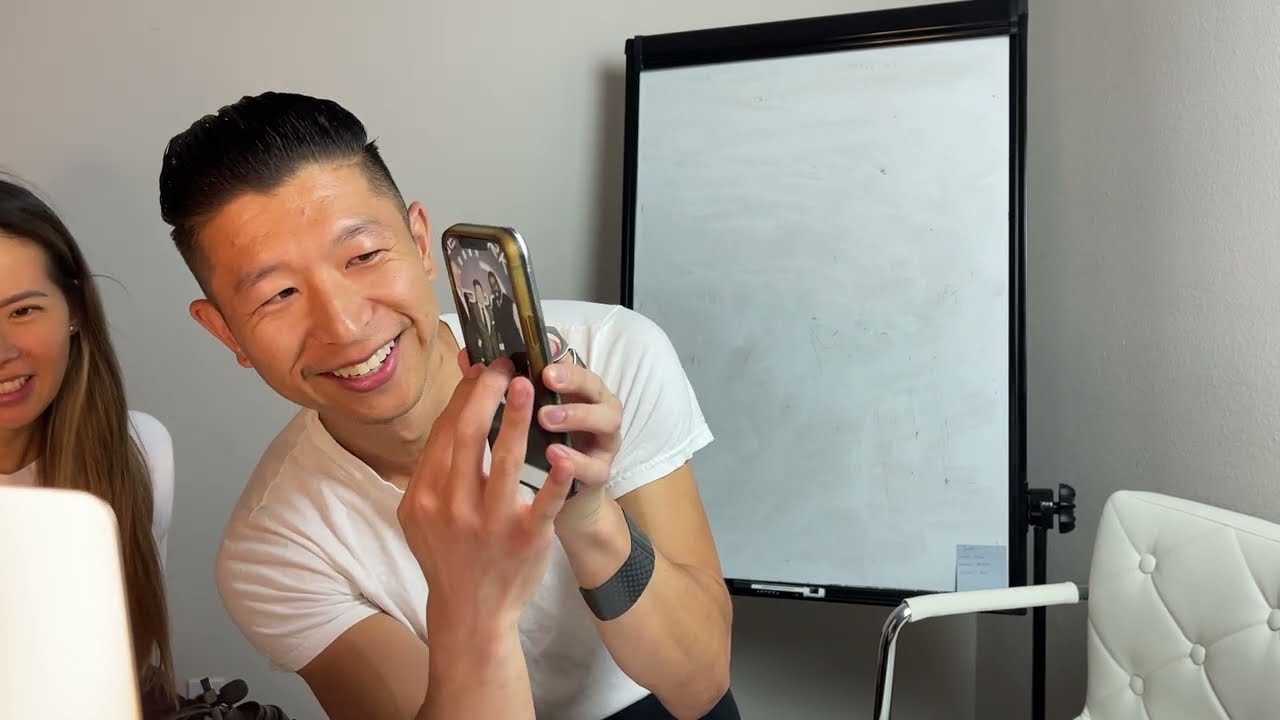
In this 5‑hour Zoom workshop, Speaker A (Michael Resurreccion) guides network‑marketing entrepreneurs on why public speaking is essential for leveraging social media and building a personal brand. He shares his own journey—from a sleepless overnight drive to a Las Vegas workshop with Les Brown and Eric Worre—to illustrate the value of learning from top speakers. The session covers a framework for mastering public speaking, the neuroscience of fear exposure, and a detailed "7 Principles of Powerful Storytelling" that link personal narrative to audience impact. Practical tactics such as breathing, pacing, recording, self‑grading, and the daily 2‑minute selfie‑talk are presented as habits for continuous improvement. Participants are prompted to audit their strengths/weaknesses, define their "why," and commit to consistent action, with an emphasis on self‑mastery, leadership, and the ripple effect of authentic storytelling.
Chapters
So as we admit people, uh, today's topic is going to be on public speaking. This was a topic that was requested from the first Fire Hour session a few weeks ago, and now we are ready to get into it. So public speaking, public speaking is exactly what it means, you know, exactly what it is. It's you speaking to an audience, speaking to one person, speaking to someone that is receiving your message. So I'm going to be sharing today on the topic of public speaking. And the reason why this is so important is because who here uses social media to build your business? Who here uses social media to build your brand? Ask yourself the question, am I using social media? Am I using my voice, right? Am I using social media to amplify my voice, to amplify my message? To amplify my goals and dreams, right? Grand Rising. There's a number of reasons why public speaking is crucial, especially in today's world, because we have the tool of social media. We can duplicate ourselves through our message, through our voice. We can duplicate our efforts with the use of your phone. We can duplicate and amplify and multiply everything that we do just simply because we have the tool of our voice and then mixed with social media, right? So there's so many different ways that we're going to leverage this, but the first thing is to really get clear, get clarity on the skill of public speaking. And I'm not the best public speaker, okay? And, you know, let's just break those two things down, right? Public and speaking, right? Everyone here is a speaker, no matter if you've never spoken before in front of an audience, in front of a camera, no matter if you've never even thought to even be a speaker, you know, you, by you talking to a friend, by you talking to a child, by you talking to a partner, by you talking to yourself even, You are speaking, right? You are using your voice. That's tool. Everyone here has this voice. And if you can't speak, you have your hands. You can use sign language, right? This is all communication. Speaking is all about communication. So if we continue to level up our skill of communication, we naturally will become a better speaker. And then the next challenge is speaking in public, is speaking on Zoom. Is speaking to an audience, is going to a networking event and talking and communicating to other people, making those connections, right? It's about your voice though. It's about the skill of communication. So I'm going to share with you what I learned in 2015. And I learned from this guy right here. I have the original workbook that I bought. This right here, if you guys don't know who Les Brown is, at the time of this, And I don't know his status now in, in life, but at the time of this, when I got this, 2015, around February, March, he was one of the top 5 motivational speakers in the entire world.
Okay?
There's a framework, right? That I learned from my mentor. If you're gonna learn anything, you always want to shoot to the top. So what I mean by that is if you're gonna learn about public speaking, Who is the top in public speaking? Guess what? I used that framework. I got surrounded. I got myself in a room with one of the top 5 motivational speakers in the entire world, right? That is called using the frameworks the right way, implementing the frameworks, being a student and being coachable and, and having humility to take action on the lessons and advice that people that you want to get to, that the levels that they're at, you just heed their advice and you take action on it. That's what I did. I, there was an opportunity and, and I'm gonna share with you too because there's a lot of, everyone here is in network marketing as well, right? So there's a lot of, there's a lot of amazing, amazing people out there in the world. And for me, I didn't know that there was a lot of people building themselves, working on themselves, doing personal development, self-improvement, committed to self-mastery. I had no idea until I got into network marketing, until I was introduced to network marketing by my brother and a friend. And so when it comes to network marketing, when it comes to self-improvement, when it comes to self-mastery, when it comes to leveling up your skills, public speaking for example, right? I got into a room where, you know, Jackie was talking about and Angela as well. You guys went to an event called GoPro with Eric Worre that's hosted and created and co-founded by Eric Worre. Well, guess what? Eric Worre is the one that introduced this opportunity to me, not directly, but on stage. And I said yes to opportunity. Oh, you got it. Nice.
I pulled up your photo.
Thank you. Here's a picture. Okay. I don't know if you guys can see this or not.
Zoom in a little bit.
So this right here, this is me at the event. All right. Uh, this is Eric Worre on, on the, on my right. And then this is Les Brown on my left right here. This is 2015. I still have this suit in the closet. At the time, this was a very expensive suit for me. So, you know, but Yeah, these are good times. 2015, right? In Las Vegas, Green Valley Ranch Casino and Spa, Las Vegas, Nevada, right? I drove, I drove from San Diego with 1 hour of sleep. I drove from San Diego. I drove my brother and our friend and myself. We all got off of work. We decided to commit $1,000 each. To attend this workshop to better ourselves, to level up our skillset of public speaking, right? For our business so we can amplify and increase our results in our business. We decided, us three decided to commit and say yes. After work, we all went and drove to Las Vegas. It was an overnight drive. And I just remember being so exhausted because I remember arriving in Las Vegas from San Diego at like 2 or 3 AM in the morning. And what was crazy is that all the hotels around were booked. It was fully booked. And I remember just like, I remember telling my brother and our friend, you know, like we need to find a hotel so we can get some rest so that way we can have clarity in the mind and, and really be to be a student and take notes when we get into the workshop. And so, um, I just remember driving around and after 30 minutes we're like, you know what? There's no way we're going to find a hotel at all. And back then, like social media, we didn't really know how to use social media and, and like Google Maps wasn't like great. And there wasn't, I didn't have an iPhone. So like, it was really challenging to find a place. So what ended up happening is we went to the hotel, the actual hotel of the, this place. And I found a parking spot and I just parked and my brother and our friend was already sleeping. They're already knocked out for like 4 hours. And they could not wake up. I just remember budging them and I was like, yo, help me find a hotel. Like, I'm so exhausted. And they just couldn't even wake up. My brother will tell you.
The car was your hotel.
Yeah. So literally. Yeah. So literally parked. I put up like some blindfolds that way no one else, like no other guests can see us because it was embarrassing, you know? And that's how we felt at least. And I remember just parking. The sun was already rising. And I just, I slept for like an hour, less than an hour basically. And because we didn't have a hotel and all us three, like the, the event was starting like at 7:00 AM or something, uh, we had to really get up and then get ready. So what we did was we went to the hotel lobby and, uh, we asked like, where is this workshop? They point to the right direction. Uh, it's in, it was in a hall, a convention room. Down the hall is a bathroom. Right? It's the men's bathroom. We go in there, us three, my brother, our friend, and myself are basically showering in the sink, brushing our teeth in the sink, getting our hair done, and changing, putting our suits on. And that's all we did. And we had like less than 20 minutes to do that. So we got in, got ready in the sink, right? And then went to the workshop as if we're good, we're all fresh, we're ready to go, we're hungry for success. We're ready to be a student and to learn from one of the top 5 motivational speakers in the entire world, right? This was all because of our why, our why of going after our goals and dreams, of helping our families, of building a legacy for us, of becoming our best versions of ourselves. All the sacrifices that we made to get to this point. Now we're here, right? So when you ask yourself, the question of how much have you really sacrificed? And not only sacrificed, but also invested. And not only invested, but dedicated your time, your energy, your money, your resources, right? All the time that you can't even spend with your family and friends and your loved ones because you are going after your goals and dreams because of your hunger., you know, for more or for more fulfillment or for a deeper impact or an amplified impact, right? When you think about all of the decisions that you've made to get you to this point right now, you have to ask yourself the question of why am I really doing it? You know, what is your why? Is it a why that makes you cry? Is there a reason why you are spending all your, your hard-earned efforts into your business, into yourself? Like, what's that reason? What's that why? And I'm going to share with you why we're going over this. It's because in these workshops right here and all the, the things that I went through, right, all those years ago, the one thing about this entire workshop is about you. It's always about you. And it's this, it's about learning how to tell your story. If you don't know your why, if you don't know why you are doing something, if you don't know the purpose for yourself, then how are you gonna tell your story, right? How are you gonna be very intentional with delivering that value that you have inside within you to other people? Because I'm going to share with you right now that there's people in this room, in this Zoom, that they've never spoken on stage before. They've never spoken, you know, in public. They've never spoken to 1,000 people. They've never spoken, you know, to hundreds of thousands of people. One day though, I'm going to share with you, one day you're going to, like one of you is going to, whether you like it or not, but it's because you deserved it., right? It's because you put all the efforts in now and all the years prior to getting you to that point. And one day it's gonna happen. And so my goal for today is to just reflect and share these different principles I've learned and implemented over these years. Again, I'm not the best at public speaking, but I'm actively working on it. I'm actively and intentional always being a student because I already understand the the power and the skill of public speaking. I understand what it can do for myself in my life and what it can do for everyone else that I'm communicating to. So when it comes to public speaking, if you have any questions, okay, please ask. Always ask, always ask. There's no dumb questions, okay? And right now, uh, we're just gonna go over it. So this— there's gonna be a few different intangible skill sets that I learned that's not in these workshops as well. I've been learning from other people who are really great at public speaking. People have talked to millions of followers. People have talked to millions of people in the audience as well. But yes, public speaking makes me want to throw up.
Supposedly it's like the people's number one fear.
Yes.
Like there's been—
you got to get in there.
There's been studies done where like public speaking is like the number one fear.
So yeah, public. Yeah. They statistically speaking, I guess. That's what they say. Public speaking is that people have a fear. That's the number one fear for sure. But, you know, it's about repetition, right? It's about— there's something called fear exposure. Okay, so let's, for example, there's something called the amygdala. Like, I know— hi, Bella.
Bella got front row.
I know. So Everyone in the human mind, right? This is what I've learned from my mentor. Um, we all have fear that's like ingrained in us basically. But there was a study done where in order to destroy fear, because they said that you can actually annihilate your fear. It's through fear, it's through exposure, it's through multiple times of exposure to the fear. So for example, if you have a fear of public speaking, all you have to do is literally go head to head with that fear and start to speak publicly. That's it. And you have to just do it, like, just do it multiple times a day. And I wish I had my phone with me, but, uh, I'm gonna share with you guys like a few different takeaways as well that you guys can implement right away after this call. And it's just, it's so important that if you decide to get better at public speaking, then you have to implement it. You have to take action on this. Okay, you have to take action on these different skills because once you do, sooner than later, you're going to realize how easy it is and how simple it is and how fun it can actually be. And not only that, the benefits of working on yourself and committing to this is your business results will increase, is your self-mastery level will increase, your impact level will increase. There's too many benefits and no— and less downside. To work on this. So I'm going to share with you how I did it, what I went through, how embarrassed I was with public speaking. I have a video that I'm too embarrassed to show, uh, but it's also difficult to show because it's on a Zoom. But I have a video of me public speaking, like speaking for the first time, and it's so terrible that even when I watch it to this day, because I watched it last week, you cringe. I can't even watch the video.
I didn't even know you had it. I wanna watch it now.
In network marketing, in, in a company I, I formerly built, I got to a, a rank, um, in, in that company. And when you get to this, this rank, you give a speech, you, you earn a spot to give a speech in the event room. And I just remember that my, my brother was the one that introduced me cuz he hit that rank before me. And he also, uh, you know, got me involved with him in that company. But I just remember that his edification was fire. He was like edifying me, right? Because I was coming up on stage. Like, that's all about edification. You always wanna edify the person that you're bringing up, right? So he edified me to this room of like 100 people. Maybe it was like 75 people, but it was a huge hotel room, okay? In San Diego. And literally like his edification was great. So then I'm like, all right, like, let me, let me hear how I spoke before. And I literally, I watched the video. Oh my gosh.
Did you cringe? Babe, I wanted to watch this. How come? Where was I?
You were not in my life yet.
Oh, I thought you watched it recently.
Last week, my brother, he edified me. I'm like anticipating, like, how good? Like, how am I going to be?
Like, how are you going to live up to the edification?
Yes. How am I going to live up to this edification?
And how are you going to deliver?
It was so terrible. Yeah, there's delivery. Okay, we're going to talk about all these different points. That we have literally right here in this workshop. Delivery is one of the main points, right? Presence, content, main points, and delivery, right? That's what it says on this workshop, on this worksheet. I like got a 0 out of 5 on every single one of them.
Oh, they graded you? You got graded?
No, no, no, but like I'm grading myself. Like I was speaking way too fast so no one could understand me. My, my poise and posture was, it was good. I was, I was, you know, I was open. I was keeping myself open to the audience. But like my speech, the rate of my speech was incomprehensible. You could not understand what I was talking about at all. So literally like the edification, this is something for you guys to all know because this is about energy as well. This is about controlling the room. This is about getting your message out to the audience. My energy, because of the edification, was all the way rising, rising, rising as the edification was happening. And then as soon as the speaker shows up, me, as soon as I speak the first words that come out of my mouth, my edification starts dropping. My edification stops dropping, starts dropping. Obviously back then I didn't know. I just didn't know what I didn't know. But when I watch it now with a more observant eye, with a more skillful eye, I could see all the mistakes I made, right? That was 2000 when I first did that speech. That was before even this workshop. That was like 2014. So obviously, like, you know, it's been a few years now. It's almost been 10 years now that I've delivered that speech, and I think I'm a little bit better now than I was before. So, but I would love to show you guys, uh, that video one day.
That'd be a good comparison.
Yeah, I, I would bring it up, but I don't have, uh, I don't, I don't have it on this computer. So that's me looking at my first Thrivepalooza. I was screaming. It's okay. Yeah. And that's, you know, that's documentation though, right? It's so important to document. That's gonna be one of the tools that I, I hope everyone writes down. For your notes is to document everything, right? Document everything. There's no downside to documenting everything. So when it comes to speaking though, right, when it comes to you specifically speaking, you have to document it and watch it, okay? You want to study how you were, how you moved, what— like, where was your hands, right? There's, there's so many different layers to this, like, to public speaking. And it's not listed in here, it's just what I've learned over the years. But it's just, it's important to work on yourself, to observe yourself, to study yourself, right?
And it's okay to not be the best at anything you do. I mean, who is the best at everything that they do in the beginning? You know, there's always like the beginning, and in the beginning you're not that good, but the point is to keep going, right? So sometimes people do something once and then, you know, they're not that great at it and they're like, okay, I'm done. Like, I just quit, you know what I mean? And I always give this reference, like, well, what if babies like stopped walking because the first time they tried they fell? Like, then we would all be like crawling around still, you know? And as adults, sometimes we forget that resilience. We forget to get back up. Like, every single time you're always going to get back up. There's always going to be levels to it. And You're not going to be the best at maybe anything that you try in the beginning. But the point is to really evaluate yourself, take a step back and say like, okay, so what part was I good at? What part was I not good at? And where can I improve? And also asking for feedback, right? Like, what's the greatest thing about having a community is having a lot of love and support, right? So everyone's their own individual and we're all going after big goals in life, right? We're all going after maybe financial goals, health goals, um, being able to become the best versions of ourselves, right? Because we're sick and tired of being sick and tired, right? Like, we're tired of our own stuff. And so you might not always be the best, but if you continue to keep on going and you don't give up and you continue to get back up every single time, you will get better. But you you have to at least practice and at least try. And there's so many opportunities to be able to practice and try. And it's okay to be scared. Like, it's, it's definitely okay. You just gotta do it scared and keep doing it until one day you're just like, I'm not even scared anymore. Like, I, I don't even know why I was scared. And then if you can turn around and help someone else that's in the same position that you were once in, you know, be that person you wish you would've had and, and help support them.
That's right. Yeah. And there's like a few— if you have tips too, like what's worked for you, right, in terms of public speaking, like please put in the chat. Because breathing, breathing while speaking is so important. Speaking slow at times is important, right? My voice shakes. And yes, it goes fast. Yes, it does. I remember giving a few speeches and shaking. My voice was shaking. Or I wasn't speaking slow. I was speaking too fast. Right? That's a mistake. Do not speak too fast because no one can understand you. This is what I've done in the past. I've been actively working on speaking slower, uh, but no one can understand your message, right? Communicate. You can't communicate properly if you speak too fast. If you speak way too slow, you also will lose audience, right? So there, it just depends on the audience, the reaction. It's about sharing with the audience, right? Connecting with the audience. Focus on being better than you were not. Oh yeah. Focus on being a better— Yeah. Focus on being better than you were not better than other people.
Yeah.
Yeah.
Focus on being better than you were not better than other people are.
Right. Sorry. I was like reading it like—
It's okay. That's in the chat. So yeah, like focus on yourself, right? Like comparison is a thief of all joy. So why would you compare yourself to someone who's been speaking for 10 or 20 years? Like, why would you do that?
Like, Yeah, comparison is the thief of all joy, right? So don't— yeah, never compare yourself. Only compare yourself to who you were yesterday, right? Yeah, blacking out during a speech. Yeah, I've done that. It's terrible. It's so crazy. I always get shaky in my voice. So one way to combat the shakiness in your voice is to breathe, right? Like, take a deep breath.
And wear good deodorant.
What?
Yeah, like when you get nervous, you sweat. So like, you know, if you wear good deodorant, like you'll feel a little bit more comfortable that you're not sweating all over the place.
Oh, that's funny. Don't worry about that too much. But yes, yeah, I agree. I guess it helps. The other— every other word someone says, um, and they need to practice pausing instead. Yes, yes, 100%. Those are filler words, right? They call it filler words. There are times— this is what I've learned from my mentor. There are times when you would insert filler words on purpose and intentional and be intentional about it. But it just depends on yourself, right? I learned to practice in front of groups, small groups, or recording myself and rewatch to perfect the speech. Excellent.
So good.
That is perfect. Yeah, that is one way to for sure get better, right? Why do you think that basketball players and sports players and all these different high-level athletes rewatch their gameplays, right? The coach has them rewatch their gameplays. It's because they want to get better. I practice in the car.
That's you and your breakdancing videos.
Yeah, when I used to compete professionally, I would call it professionally, but it's just competition, right? I would compete because I take it seriously. I would rewatch my breaking videos like 100 times just for one little move, one little subtle move. How can I make that better? Just because I want to get better. That's it. I was just committed to getting better. It's the same thing with public speaking. Every skill you can always get better on, you can always improve, right? The, the skill of public speaking, we're going to, we'll go over like a few takeaways, but recording yourself and rewatching it is one way. Another way is to get feedback, right? Feedback analysis. So let me just, again, this is all about bettering yourself, right? Self-mastery, improving your skillset. So I'm just going to read these off real quick and then we'll go into it. But he says the 7 principles of powerful storytelling. Okay. He says how people live their lives is a result. Okay, let me read it again. How people live their lives is as a result of the stories that they believe about themselves. That's very powerful. So basically, you know, ask yourself, what is the story that you're telling yourself? Because again, this is about you. That's why I said it's about your message, your story, your why. And then once you understand your story, you know your story and you start to share it, you're gonna start to mold it and structure it out so that way it connects with the audience. Your message connects with the audience. So however, whatever story you're telling yourself, whatever story that lives in your head, right? Whatever story that's in your heart about yourself, That story is amplified every single time you use your voice, every single time you connect with an audience, every single time you are using your communication skills to talk to other people. So what are you telling yourself, right? There's— I understand that there are times when life is good, and then there are also times when life is bad. During the times that life is bad, what story are you telling yourself? It's important to not beat yourself up when you're going through dark times, okay? Because there is a light at the end of the tunnel. It's important to know that the story that you tell yourself lives inside your head and it leads down to your heart. And you don't want a negative story or a limiting belief, a limiting story be told to you because that's what was gonna replay inside your head on a daily consistent basis, it's gonna affect your subconscious mind and it's going to seep into every single aspect of your life, whether you know it or not. That's the power of, of the subconscious mind. That's the power of a seed that's planted in your head by a limiting belief, a negative story. That's why I say who you associate with is who you become. Who you hang out with is who you become. What you listen to is what you become. All the stories that is told into your head, it's affecting your subconscious mind and it's going down to your heart and it's ingraining and being integrated into your life. What story are you telling yourself? What story is living in your head? What story is seeping into your mind from the mouth to the ear to your heart? What is it? Is it one of positivity or is it one of negativity? It's up to you to decide because you have the full control and the power to let in what you want. Be intentional with what you let into your mind. Be intentional with what you let into your heart. Be intentional with everything that is around you that you are absorbing in your environment because it's going to one day come out of your mouth. It's going to one day— your energy is going to reflect out there., and it may be good or bad, who knows? But that's on you. Okay? Everyone here is a leader. I truly believe that everything rises and falls on leadership, and you are the leader of your own ship. So everything rises and falls on you. Everything rises and falls on you, your life, your decisions, everything that you do. That's why I always say to be intentional with everything that you say, think, and do. It's because it's so important, especially with the skill of communication, of public speaking. Especially when it comes to building your business for your why, especially when it comes to trading your time to be on the Zoom today and to work on yourself, to take these notes, to ingrain it and instill it into your life. It's so important to be intentional with what you are letting in to your mind because it's the story that lives inside your head. Okay, so let's be very intentional with this. I'm in the car yelling yes to all this. I love it. Thank you. I'm happy to hear that. This is great feedback, right? Iron sharpens iron. We are all helping each other win. We are all helping each other refine. We are all helping each other succeed in our endeavors in our life by showing up, right? The first thing to success is always showing up. The second thing to success is being consistent. The third thing to success is taking all-out massive action. Right? That's what we're doing here. Every single 5-hour session, we're working on ourselves. We're committed to self-mastery. We're committed to achieving our whys. We're committed to making a deeper impact in humanity. We are being the best version of ourselves by showing up on a daily basis. Okay, so this is really great. I practice while driving. It helped a lot because there's a lot of distractions while driving. Yes, that's true. Always be safe when driving. Okay, there's more comments too, but 7 principles of powerful storytelling. Number 1, he says the purpose of stories is to distract, dispute, and inspire, right? Whenever you hear someone speaking, they always say— if you're talking to a room, in a room, or you're having, you're just hanging out with someone, and then they all of a sudden turn to you and say, let me tell you a story, what do you, what do you do? You stop and listen. Let me tell you a story. Right? My mentor told me this. He said that when you're speaking on stage and you're, you're the one that's on stage and so you can see a bunch of people, a bunch of people and they're sitting in the, in the, in the chairs, right? Sometimes you'll see them like this on their phone. You're, you're on stage and all you see is this in the crowd. What does that tell you? How does it make you feel? Right? Ask yourself these questions. If you were speaking on stage, and you see an audience just like this on their phone, what does that tell you, right? How does it make you feel? Because we're all human, we still have emotions. Public speakers, the best of the best, they all feel the same emotions as us, right? You can take it two ways. One is, damn, like it's, you make it about you. You're like the ego, like, oh my gosh, like I'm giving them gold, but they don't even care, you know? Am I not like, and then you start to beat yourself up, like, am I not doing the best? And is my message not communicated properly? Is it not clear enough for them? Like, what is it, right? And you start to beat yourself up. You start to go down this kind of like negative spiral, but you have to stop yourself. You stop it because it's, it's not about you, right? It's about the audience. And so then how do you distract them? How do you distract them from getting off the phone? My mentor told me this, he said, let me tell you a story. He, that's what he said. That's his trick. Let me tell you a story. Everyone immediately goes like this. What story? What story? So that's a trick that you can use, right? I personally haven't used it because I'm still working on myself. I'm still working on public speaking, but I've seen him use it and I've seen it. I've seen the results of it, right? So distract, dispute, right? Dispute is rebuttaling challenges, is breaking limiting beliefs, is challenging the audience's belief. Right, that this is the way, or this is not the way, or, you know, vice versa, right? Or money, right? You can fall in love with money. I remember when Jackie put that in the chat last week. You can— you will fall in love with money. Some people have a limiting belief that you can fall in love with money. Well, guess what? A good storyteller will, will bring that up, bring your— the attention to it, dispute that limiting belief, and then go into inspiration. Inspire them, right? That's, that's the framework right there. Distract, dispute, inspire. Okay. Number 2, stories. Stories can be used to take a person on a journey within themselves to places where they can never go by themselves. That is powerful. Yeah, I'll read it again. Stories can be used to take a person on a journey within themselves to places where they can never go by themselves.
Hmm.
That is so powerful. When you, when you watch a movie, yeah, what is your favorite movie that you've ever watched? What is a movie that you've watched that you were just so mesmerized by that you did not even want to get up and go to use the restroom, or that you wanted to stop eating your popcorn, that you couldn't even take a sip of your, your drink, that, that nice cherry smoothie, icy, whatever, right? What is it, right? What, what movie? Can you recall what movie that you would watch over and over again because it just brings you back into those feelings, right? It takes you on this journey. That is what a good public speaker can do. The best of the best will take you on this journey. They will take you on this journey to places that you didn't even think was possible, right? That's right there. I need to work on that. That's fire.
Stories.
Stories. One of the stories, right? The, the frameworks is the hero's journey. Okay? We talked about that in episode 1 of season 3, episode 1, the hero's journey. Study the hero's journey. That's what all movies are basically structured off of.
Yeah.
That directly relates to public speaking. Okay? Number 3, a master storyteller creates and masters a variety of strategic experiential communication methodologies that give people a vision of themselves beyond their mental conditioning and their present circumstances. So that basically means that whoever you're— whoever is a storyteller, the public speaker that's communicating with you, they are a master at creating an experience for yourself where you are inspired. You envision a bigger, grander person that you can become. They stretch your beliefs. They stretch what is possible for you. They stretch your goals and dreams. They're able to stretch the possibilities of your life just through the, the voice, just through the skill of communication. Okay, that's what that means right there, at least to me, right? To you might mean something else. But if you are in a team environment and you are building someone up, you are inspiring someone, because you see the potential in them. You see that they can do big things because they have big dreams. They just don't know it's possible. That is your job as a communicator, as their leader, as their coach, as their guide, as their advisor, as their partner, to help uplift them and to expand their goals and dreams. That's what that's talking about, right? Everyone here has the ability capability and skill because everyone here is a student committed to self-mastery, committed to being coachable, committed to taking action. Everyone here will succeed in this because everyone else on the team requires it. Everyone else on the team leans on each other. Everyone else on the team is going to take action, right? Everyone else on the team is open to receiving new information, new knowledge, new experience. To take themselves to the next level. That right there, if you as a leader can master inspiring other people, stretching their beliefs, their limiting beliefs, their goals and dreams, then you're gonna be able to fulfill that potential for other people. You'll be able to uplift them in that way to show them that there is a chance of improvement, of mastery, of getting to that next level, of achieving their goals realistically. It's possible. That's what it's saying. Okay? There's many different layers to that, but Again, everyone has their authentic voice. You know how you inspire other people, right? And if you don't yet, you will by speaking more, by engaging more, by communicating more, by working on each other, by, by working on yourselves to help each other. Okay? So it's about mastermind, the mastermind effect. Number 4, the power of story is fueled by the energy of who you are behind the words that you speak. This energy creates life-changing moments for the listeners. Again, that's what I was talking about right now, right? It's because you know yourself, because you are living your authentic life, because you are being the best versions of yourself, you're working on yourself actively. Just by you being you, you're going to create a ripple effect that will affect other people in a positive way. Because you're on stage, you inspired someone, and that's you being you. Because you're telling your story with vulnerability, you inspire someone else because you're being you. By you using your voice, the skill of public speaking, of communication, of leveling yourself up to understand the structures, to create those narratives, to share your story, by you being you, you directly inspire other people. Okay, that's what that's saying. The power of story is fueled by the energy of who you are behind the words that you speak. When you speak more You're going to level the skill set up regardless. Okay? It's going to happen naturally over time. It doesn't happen overnight. It happens over time, but we got to commit to working on this daily. I'm going to tell you guys the tools after. Number 5, the real power of stories lies in their ability to expand the mind, unlock the heart, and ignite the spirit. That's what I talked about earlier, right? It's about uplifting, showing people what's possible, that it is possible. Giving them that chance that they can do it. It's so true, right? Number 6, the best stories allow listeners to develop optimism and hope to live out their imagination instead of locking them in the past within their failures of their, their fears. Okay, that's basically saying again about the story inside your head, right? What story are you continuously telling yourself on a daily basis? Is it one of negativity? Is it one of limiting belief? Is it one of I can't do it? Is it one of I'm so scared that I'm not going to do anything? What story are you telling yourself? As someone who is a leader, right? As someone— and you, everyone here is a leader, like I said. As someone who is a leader, your goal, especially when you are guiding someone else, especially when you are guiding yourself, your goal is to always tell yourself positivity, fill yourself with positive things. Inspiration. Your environment needs to be positive, one that you can bask in, that you absorb all positivity, inspiration, motivation, goal determination, the things that will help you fulfill your goals and dreams. Whether you like it or not, whether there's a brick wall in front of you or not, whether there's obstacles or naysayers or whatever that may be, you go through it because of the stories that you tell yourself. You face the fears and do it anyways because you tell yourself, It's possible, right? That right there is what it's talking about to me, okay? The best stories allow the listeners to develop optimism and be inspired, right? Everyone here can do that. We just have to continue to work on it and never give up, never quit, always move forward, never look back, continue to move forward, okay? So number 7, last point of the 7 principles of powerful storytelling. The key to becoming a powerful storyteller is to train with an accomplished coach who has expertise in extracting stories, facilitating transformative shifts, and creating a thirst for a new life, while at the same time providing value to the audience. That's a lot, right?
That's a lot. That's a whole mouthful.
That's a lot to do in one, in one of these points. But what is it saying? You know, We can break that down to 3 different steps. First, first and foremost is get a mentor, get a coach, learn from someone who is the best of the best. Learn from someone that, that actually knows how to train other people, right? In any skillset. But we're talking about public speaking right now. Les Brown, if you, if you're new to the call, Les Brown was one of the top 5 motivational speakers in the entire world. I got a chance to listen to him and learn from him directly in person, right? And so he is all about public speaking. So when it came to powerful storytelling, I was able to train with a coach, right? So that's one thing. Step 1, get a coach. Step number 2 is he says by having experience and expertise, you can, like a trained coach can extract, extract and facilitate the best stories out of you, right? They can help pull stories from you. And piece it together in a structure so that way you can actually deliver it to the audience that you're working with, right? Guess what? Who here has that coach? I need to get a coach like that. So that right there is step number 2, right? And then step number 3 is creating a thirst for a new life, is showing people what is possible for them, showing people that there is, if they're in the dark, Here's light at the end of the tunnel, right? This is what that is to me. And then at the same time, delivering absolute value, massive value to the audience, to whoever is listening. When you look at your social media right now, every single piece of content that you do, especially when you're being very intentional with your message in the content piece, how are you accomplishing all three? How are you positioning yourself into a, a figure of authority? Meaning you are the coach or the guide or the mentor to those listening to your, your reel or to your video. Second, how are you, you know, how are you structuring out what your message is to the audience? Do you have bullet points? I'm gonna talk about, I'm gonna give you guys a structure, but there's bullet points, right? And then how are you delivering that value to give a call to action to help the audience take action, right? That's basically the structure, right? That to me, that's what the structure is for that. How can you be the, the coach? How can you be the one that they follow, right? You are the leader. How can they follow you? Then how can you structure your message in 3 bullet points or less to get the point across to them and then for them to inspire, to be inspired and to take action. Okay. That's what it is. So that's the 7 powerful, 7 principles of powerful storytelling. I will take a picture of this and we could post it somewhere. Okay. I'll put it on my story or whatever. Um, next. Okay, is there any questions about this? Don't speak negatively about yourself, even as a joke. Yes, exactly. Yeah, do not speak negatively yourself, even as a joke. 100% agree. Your body doesn't know the difference. Words are energy and they cast spells. That's why it's called spelling. Yes. Change the way you speak about yourself and you change your life, by Bruce Lee. 100%.
Yeah, and that ties into the water, Dr. Emoto. So if you guys know about Dr. Emoto, Go, go, go research like what it is, right? There's been experiments done where there's plants, right? There's living things, plants. And there's a plant where all the students are supposed to speak positive things to you. And then there's a plant that they have where everyone speaks negativity to it. And over time, the plant that actually grows better, it's more beautiful. Is the one that's being spoken to positively, positively. And the other one, it's just like dying and shriveling and not doing well because it's being spoken to negatively. So there is an actual scientific study done where they tested on plants, they even tested on rice, and they tested on water and when it freezes. So look that up and you will see the power of words and the power of words start with yourself. Like, what do you tell yourself every single day? What thoughts do you allow between both of your ears? Because that is the starting point of, like, where all things come from, right? So yeah, that has a lot to do with speech and how you speak to people or how you go out there publicly speaking.
Yes, 100%. Even the things that you read, right? When you're absorbing, you're absorbing everything in your environment. So whatever you're watching, on TV or on Netflix or on YouTube or whatever, on social media, on your reels, whatever you are watching, is it building you up, right? Is it helping you get better or is it not? You ask yourself that question, okay? Um, this, I'm going to read this last, but let's go into, you know, the words, like what you're telling yourself. It says, becoming the, the person I need to be, becoming the person I need to be, okay? Just write this down, we'll go through really quick. Um, list 5 things. You can do this later on, but list 5 things you need to change or improve to ensure your best chance of success. Just list 5 things for yourself, what you need to change or improve to ensure the best chance for yourself, okay, for your success. The next part of that, list 5 things you can hold on to and build upon to ensure your best chance of success. This is all about achieving success. It's about auditing yourself, right? So again, the second part is list 5 things you can hold onto and build upon to ensure your best chance of success. So if you look at your strengths right now, what are your top 5 strengths? List those out, okay? The first one was what are your top 5 weaknesses, right, that you want to change or improve? List those out. And then the last part, step number 3, is why do you think or know that you'll be able to do what is required to ensure your best chance of success, right? Why, why do you think those 5 things on each of them is going to help you get, get your success, right? What are those? Let's move on next. Okay, we're gonna go fast because it's, it's already coming up to the time. So sad, yet so rewarding. Let's go. Les Brown's 9 Principles of Life Enrichment. Uh, we're gonna go through it fast. I'm not gonna repeat them. Number 1. Each of us, each of us can achieve far beyond our horizons and in areas of, of life we have never explored. Number 2, each of us has some basic goodness, which is the foundation for the greatness we can ultimately achieve. Number 3, each of us must take responsibility for our actions, our well-being, and the attainment of our maximum potential. That's so powerful. These are so powerful. Number 4: self-awareness, self-approval, and self-commitment are necessary for self-fulfillment. Wow. I'm gonna upload this and you guys can rewatch it again if you need to, uh, in YouTube.
Okay.
Number 5: building and maintaining relationships are critical to social development, both in the family and the community. So true. Right, so true. Number 6, mutual respect is a fundamental element of human relationships. Absolutely, that's, that's part of compassion, that's part of grace, that's part of just being a good person, not judging other people, not letting your ego get the best of you, right? It's about lowering judgment and accepting other people as they are, who they are, right? Number 7, we heighten our own lives when we help others heighten their lives. How many times have you helped someone else and they've helped you in return, just simply because they wanted to, just simply because you wanted to? And what positive effect has that happened in your life? For me, when I decided to just do Fire Hour, right, in the very beginning, I didn't know I was going to continue to do Fire Hour. I just knew that, oh, I was super fired up from the very first, uh, Power Hour that Crystal hosted, and then that just led into Fire Hour what it is today. I, by me just showing up and committing to doing Fire Hour, that one decision has helped me elevate my skillset, my standards, my lifestyle, my mastery, my fulfillment for myself. By me being able to give and deliver, by you guys showing up for me to be able to have this stage and to work on myself and actively improve on myself and share whatever I learn. You know, you guys have helped me heighten my life and in return, I, I just hope that I've heightened yours. That's what number 7's all about. Number 8, planning, executing, and measuring are necessary to achieve our goals, right? Like we said before, you cannot manage what you cannot measure. So it's important to man— to measure everything that you are managing, right? That way you can understand where you started, and where you are and how you've improved and where you want to go, right? Again, it goes back to that video. One of the first speeches I gave, I watched myself. I can measure my improvement from that point in time because I can see what I did right and what I did wrong. And then I just actively look as a student to observe myself. And then I'm like, you know what? I can do better on this. I can do better on that. Oh, I did really good here, but maybe I can take it to this level right here., right? So number 9, we must operate with integrity in making and keeping our commitments 100%, right? What commitment have you made to yourself? What commitment have you made to your why? What commitment have you made to your family? What commitment have you made to your goals and dreams? Just know from Les Brown himself, it's possible. Whatever that may be, it's possible. Okay, number— I mean, next. I'm getting fired up. Okay, let's, let's move on to this one right here. So words that best describe me. Okay, it just says list the 10 words or phrases that best describe you. List those out for yourself. Okay, do it on your own time or do it now, whatever you feel called to do. Discover your power voice. Wow, this is so powerful. We're probably not gonna be able to get to the tactics, but we should. So discover your power voice. We'll make it. Number 1, think of a person whose passion for life inspires you. Share their name and passion. Just write it down, right? Number 2, an optimistic belief which guides my life is— what is an awesome— what is an optimistic belief that guides your life, that helps you keep on going, that helps you keep on keeping on? Number 3, the area of my life that requires the most work at the present moment is What is an area of your life or a strength or skill or something in your life that you need to work on and improve right now in this moment? Is it time management? Is it your financial results? Is it your team building skills? Is it your leadership skills? What is it for you? Is it your public speaking skills? What is it for you? Number 4, I find energy to go after my dream from— I find energy to go after my dream from What is your why? What is the why that makes you cry? What is the why that if you didn't sleep all night, you still get up in the morning to get it after it? Go after your goals and dreams. What is that why? Number 5: I will make a commitment to strengthen my relation— I will make a commitment to strengthen my relationships with— who is someone in your life that you want to foster and build upon a better relationship with right now? I already know for me What about for you, right? Number 6: In order to expand the vision for my life, I must— it's not— yeah, I must. So what is that must for you, right? What is that decision that you need to make in order to expand the vision for your life? It's one thing. It always comes down to one thing, and you most likely know it already. Number 7: I refuse to let another opportunity go by to Right, what is it right there? Like, what is something that if you look back and reflect when there was a chance that you had an opportunity to do something great, what was that chance and how are you going to fulfill it the next time? How are you not going to let it go by the next time? How are you not going to miss out on it next time? Number 8: An idea that can change my life right now is— what is that? Is it public speaking? Is it getting better at public speaking? Is it doing more reels? Is it showing up on social media? Crystal and I, it's for showing up on social media for us. I know that for a fact. We know that for a fact. Number 9, am I— I am proud that I made the commitment to fill in the blank. Number 10, the experience that I hope to create for myself as a result of attending today. Is, right? So what experience from attending this Fire Hour session today, what experience do you hope to create for yourself by being here today? Number 11: People often compliment me on my ability to— what, what is something that people compliment you on? And my mentor told me this: there are people that you have as friends, and there are people that you have as enemies. The ones who are enemies, if they say, you know, I don't like you, but you're really good at this, listen to them because they're giving you feedback. They're— your enemy is giving you feedback that is most likely true because they're comp— your enemy's complimenting you, right? What is— is something that has— what is— what has an enemy complimented you on, right? If you, if you, if you think about that, someone who doesn't like you, but they complimented you, what was that compliment that they gave you?, right? Number 12, I believe that I can change the world by— I believe that I can change the world by— fill in the blank. Okay, what is it? Some— what is something that, you know, you believe you can change the world with, right? That is powerful. For us, it's, it's the— our nonprofit, the Love Tower. You know, we believe that we can change the world and ignite positivity and love and compassion and kindness and unity by promoting and building the Love Tower. That's what we believe in that can change the world. That's what we're doing. What is something that you believe that you can do to change the world? Speaker evaluation, okay? Last one, and then there's one more after this. So this is a speaker evaluation. This is basically a worksheet that if you had a coach, But you can be your own coach, you know, you can just look at yourself, audit yourself, do a self-audit, right? It says, you know, there's, there's 4 different points. There's 4 different points that you grade yourself on from 1 to 10, or from 1 to 5. 1 is strongly agree and 5 is strongly disagree. Now when we, it comes to coaching yourself, right? Here's number 1, the speaker's overall presence, meaning poise, posture, and passion., right? Did it enhance the talk? Did it enhance their speech? This was an amazing call. Thank you. So right here, when it comes to your presence, you as a speaker, you as the leader, you communicating, using your voice, using that skillset that everyone is equipped with. And if you're using sign language, like how are you getting better, right? I can't speak for people. I don't know sign language. I'm down to learn, but I don't know it. So I don't know how it really affects communication. In terms of speak presentation, but maybe there's someone in the audience who does, right? But you know, presence, poise, posture, passion. How does it enhance your speak, your speech? How does it enhance your talk, right? Look at that. Grade yourself on 1 to 10, on 1 to 5, right? Number 2, the speaker's content. Was it well developed, flowed smoothly, and made sense, right? Grade yourself on that. The content they're talking about, just all the points, all the, the stories, the lessons, the messages, like everything that it was spoken, like how well was, were you able to digest it and understand it? And think about your reels when you're doing a reel and you're doing a talking head reel, right? Can someone understand your message, right? What grade your content? Number 4, number 3, the main points of the talk were clear and understandable, right? From 1 to 5, right? Right? How rate yourself again? The main points. What are the main points? Did you understand it? Right? Was it easy to grasp? And if not, how can you improve? How can you get better at it? Right? Rewatch your reels again, or, and, and better yet, keep on making reels. And I'm going to give the action items after. Okay? The number 5, the, I'm number 4, the last one. The delivery of the speech was powerful and engaging, right? So rate yourself again from 1 to 5. How powerful and engaging was your speech? How powerful and engaging was your reel? How powerful and engaging was your message, right? Rate yourself on those. So those are the 4 main points. Again, we can— I'll take a picture and we can post it somewhere. Uh, there's 2 bonus things. Commendations, list 2 areas of the speech which were done well. And then recommendations, list 2 areas of the speech which could be strengthened. So it's, it's strengths and weaknesses, right? It's auditing everything. Really measuring everything so that way you can manage it later. Okay? So that's, that was the speaker evaluation worksheet. Really great. And then we'll go into the action items, but I just want to leave you guys off with this right here. Okay? This is for yourselves as well, but I'll read after. Let's get into the action items real quick. Okay? So for those of you who are doing social media and for those of you who are committed to getting better at public speaking and for those of you who are understanding that public speaking is one of the ways that can help you elevate all aspects of your life because it's about communication. It's the skill of communication. For those of you who are committed to being a coach and a student at the same time, to helping each other sharpen each other, helping each other get better, these are action items that you can use so that way you can get better, okay? This is, I'm gonna give you a structure and also like some tools, but the first tool is use your phone, okay? When I was working with my multimillionaire mentor, every single day— there's over— there was like 30 people at the time, 30 employees— we had to submit, we had to submit a 2-minute talk. I'm going to use your phone. We had to submit a 2-minute talk, selfie talk, in the team chat, in the company chat, for everyone to watch and see, including my boss. Okay, so we have to do this. Today's 2-minute talk is, and then it was on public speaking. And so we went over Les Brown's motivational, uh, we let, we went over Les Brown's One of a Kind Speaker and Coach, How to Tell Your Story with Les Brown. And he talked about 3 different like structures. All right, so it was a 2-minute talk like that. I'm not gonna go over it right now, but that's what we did every single day on one thing that we learned because I was working with the Knowledge Society.. It's a knowledge society. So we had to be committed. One of our core values was commit to getting better, commit to learning something new every single day. Charlie Munger, the billionaire, one of his frameworks is you need, you want to go to bed a little bit wiser than you were when you once woke up. That's the chat. That's the chat that we called it. Go to bed a little bit wiser, right? Because every single day you are encouraged to learn one new thing and then go to bed a little bit wiser. And then that's what we had to document. We had to do a 2-minute talk on one new thing that we did. I have a video on my Instagram where I did a 2-minute talk while solving the Rubik's Cube, and I had to study. I— what I did was, for myself, was I studied the Rubik's Cube. Ernő Rubik was the guy that created the Rubik's Cube, and there's, there's like over 4 quintillion different ways to solve a Rubik's Cube. I didn't know this before. I learned that. But guess what I did? And I have it documented. I have the video., and I guess I'll share it because it's me speaking, it's me actively working on the skill of public speaking. But my, my speak, my speak, my speaking, my delivery, all the things, you know, that we just went over, it was low level. It was low level. Now maybe I could do it better, but I haven't done it yet. We'll see. So it's important to audit yourself and to document everything, but that's one tool by using your phone selfie. A selfie video. Use your phone, do a selfie video, 2 minutes, 2-minute talk. That's what we called it, a 2-minute talk. And I'll tell you this, like after like 60 days, like basically majority of the team of the company fell off on doing it. We, we basically stopped doing the 2-minute talks, but I still, I still kept doing it in private. I did it in private for over 3 years because I understood the power of working on myself, and I have all the videos documented. I have all the 2-minute talks I did from 2015 to 2018. I did 2-minute talks and I just did it for myself. I had a little inner circle group that we would continue to do 2-minute talks on because I understood the power of self-mastery, the power of public speaking, the power of working on myself. I was committed to getting better. Because I knew better. And because I knew better, I wanted to get better. I already understood my why. I want to change my family trajectory. I want to change my financial tree, my family financial tree. I want to live life on my own terms. I want to dominate my path. I want to help other people get better. I want to help change their life. I was committed to doing the work, to working on myself. Are you committed to working on yourself? Are you committed to doing the things that are necessary The things that you must do to achieve your goals and dreams, to get better, to deepen your mastery level. What are you committed to doing behind closed doors that people don't even know? They can't even see. What are you working on and improving on? It's gonna show up when you show up, okay? Number 2, a structure. I'm gonna give you guys a structure on how to just tell your stories, okay? It's so simple. It's so simple. It's one topic. So I'm going to put one thing. Every single time you decide to tell a story, okay, you tell one thing, you talk about one thing only. You have 3 bullet points, 1, 2, and 3, and then you have a call to action. So let's say, for example, public speaking, right? You know, for those of you who want to learn better, want to get better at public speaking, that's the one thing, right? Boom, public speaking. Here are 3 different things that I did that you can do as well to get better at public speaking. I did a 2-minute talk every single day for 3 years. I shared this talk with my inner circle. And last bullet point, is I studied it, I reviewed it, right? I studied and reviewed my 2-minute talks so that way I can get better. For those of you who want to get better at public speaking, if you just did a 2-minute talk every single day, if you just shared that 2-minute talk with your inner circle, and if you just studied your 2-minute talks, I know for a fact, 100%, that your public speaking skill would get better. Who's ready to do a 2-minute talk today? Boom. That is one structure right there. Okay. This goes deeper, but that was just a basic outline of doing storytelling. Who here with this structure can start to structure out their reels better now?
Yeah.
Who here understands how to tell a reel, how to do a talking head video for one thing, one point, one message? How, how is this going to impact your audience? Your followers, your business results, your life. Who here is willing to teach this to their children, if they have children, on how to become better speakers, how to become better communicators, how to become better leaders, coaches, guides, mentors, partners? This one structure right here, I just made it up right now. This one structure though works. Guess what? Why not you, right? This is fire. We are so aligned. I did a 1-minute I did a 1-minute video yesterday.
What? This is like a structure of a reel, except instead of 2 minutes, 60 to 90 seconds, right?
Yeah. If anything, do 1 minute, do 1 minute because that is aligned with reels.
Okay.
Do a 1-minute talk instead. Okay. Because 1 minute, I'm going to share with you this. This is a little social media hack now. 1 minute, it's a tactic, but 1-minute talks, right? You do the 1-minute talk one time. It's 60 seconds max. You, you use this structure, you post that reel on Instagram, on TikTok, on YouTube Shorts, Pinterest, LinkedIn if you want. But that 60 seconds is capped because YouTube Shorts is capped at 60 seconds right now. And if it's changed, then maybe, maybe it's longer or shorter, who knows? But whatever they do right now, it's 60 seconds. Do a 60-second talk. Boom. 1-minute talks. Okay, let's start the 1-minute talk trend. Let's do it. Yeah. Right. So that right there. Okay. 1-minute talk with 3 bullet points and a call to action. Boom, it's right there. Easy. Number 3, okay? Number 3 is so important, okay? Number 3 is so important, but it really is about your peers. It's about mastermind effect, okay? This right here is so important because I'm going to tell you this right now. It was so difficult and challenging for me to continue doing a 2-minute talk by myself. Yet because I was actively working on it every day, because I knew better, I knew that it was going to help me get better, I did it regardless if I had other peers and masterminds. I still did it for myself because I understood the power of doing a 2-minute talk. I understood the power of getting better for myself, so I did it. I committed to myself to getting better. 2018, that's— that was basically one of the last times I did a 2-minute talk. I, I've done a few 2-minute talks over the past few years since 2018, but not to the level of like, I'm doing it like that, you know? Now I've extended it to FIRE Hour, which is a 1-hour talk. So, so it's a little different. But again, if I can do a 2-minute talk, if I could do a 1-hour talk, I should be able to do a 2-minute talk. Everyone here who's able to do, to show up on Zooms, you can do a 2-minute talk easily, right? I'm just giving you a structure to do it. 1-minute talk to do it. 1-minute talks, okay? You could do it as well. I encourage everyone here, especially who's building a business, who's building a personal brand, you are the face of your brand. One of the skills of a personal brand that elevates a personal brand is your voice, is your ability to communicate. It's your ability to get your message clear and concise and to the point so that way other people can understand it. I've been posting every day for over a week now. My views went up from 20K to 34,000 reach a month, not using anything special, just a consistency. Watch me grow my more community to convers— to conversions. Focus on one thing and just keep doing it. Yes, 100%. Literally, that is the truth. When you just continue to show up on a daily basis, naturally everything is going to rise. Your views will rise, your reach will rise, your audience will build. People will start to listen and engage and follow you, right? And I'm going to tell you one thing too, if you're just starting out, just start. The most important thing is not to look at the numbers. The most important thing is to be consistent and committed to doing it, to taking massive action on your goals and dreams, to showing up consistently on a daily basis. That's what it is. If you decide to do it, then, then do it, right? This right here again is just some tactics, but this correlates direct— this aligns directly with your reels, with your social media outreach, with your social media reach, with your, with your social media tactics, everything. It's going to help you grow your, your business and your brand. That's what it's designed to do. We just have— we're just lucky to have tools such as social media that we can use for free, and we just got to get better on our skill sets. And we, if we pair our skill sets with the tools that we have available, we will crush it. You will win, you will succeed, you will achieve your goals and dreams. I know for a fact, 100%, it's possible. So I'm going to end this call with this, okay? This was 2015. This is my old handwriting, I guess, right here.
I know, I didn't even recognize it. Yeah. When I looked at it, I was like, who is that?
My old handwriting right here, right? Dream a big dream, live a big life. So I think this is what I did at the very end of the session, but it says, please give yourself permission to answer with the first response that comes to your mind. Okay, I encourage everyone to do this, you know, at one point in your life. Do it today if you want. Number 1, I'm going to read off my answers I wrote in 2015. Number 1, if I had my life to live over again, I would read more books. That's what I put. I still would. Number 2, my life would be more fulfilling if I had more time to spend with my loved ones. 100%. 100%. And that's what I'm doing, you know, that's my why. That's part of my why is I want to achieve financial freedom so that way I could spend the time with my loved ones. Who here wants to do the same? Number 3, the person who I highly respect is my mother. Yes. Number 4, I spend most of my time actively pursuing my goals. I spent all my time actively pursuing my goals. I set aside family back then. That's something I regret, right? I don't encourage anyone to set aside family. I encourage you to put forth and prioritize your loved ones. Number 5, one goal I really want to achieve is financial freedom. Number 6, I am happiest when I'm helping someone win. Number 7, one area I need improvement in my life is my patience.
Both of us.
Number 8, I am most proud of my ability to lead others through dark times and to focus. Number 9, 3 things I would like to have said about me when I die is: Number 1, you have changed my life. Number 2, you have given me an opportunity to be free. And number 3, you have empowered me to become the best that I can be. Damn, I stand by those. That's awesome. I am deeply committed to being a catalyst for change in people's lives, and that's never changed since I learned about personal development, about success, about entrepreneurship, about business. I've always committed to being the catalyst for human change, for people's lives to be changed. And right here, I guess, is a testimony to what I meant. You know, that is the truth. My mentor told me that, you know, he, he talked about this framework called the funeral test. He, he called it the funeral test. At the end of your, your life, when everyone is celebrating your life, right, they're at your grave, right? The funeral test, he says that by passing the funeral test, it's by how many people show up at your funeral.
Right?
Is it zero people? Is it one person? Or is it the masses? Is it the many? How many people do you want to show up for you at the end of your life, at your funeral, helping you celebrate the life that you lived? All right, all the efforts and goals and dreams that you inspired to, to be, to do, to have. Your entire life. They say this, they say that there's only one thing that you control in your life, right? It's not the day that you were born, and it's not the day that you died. It's the— it's this right here in the middle. It's that dash in the middle that you control in your life. Every single person, every single person here has the power and the capability and the opportunity and chance to control this right here, to control this dash in the middle. At the end of the day, this is your, your tombstone, and it has your name. You do not control the day you were born, and you do, you do not control the day you die. The thing that you control is the dash in the middle. What is that dash going to mean to you? What is that dash going to mean to your loved ones? What is that dash going to mean to your children? What is that dash going to mean to the people that you inspired, that you changed their lives, that you were the catalyst to their change in their life? What is that dash going to mean to them? All right, so I want to encourage everyone here to understand and to dive deep into yourself, to look within, to do a self-audit, to go after your goals and dreams because it's possible, to really live life on your own terms, to live up to your potential, to be able to decide to face fear and do it anyways, right? To be able to commit to your goals and dreams, to your why that makes you cry, to the things that that's gonna continue to push you and motivate you and inspire you to move forward regardless of all the dark times, to go towards that light at the end of the tunnel. You can do it, and it's possible 100% because you can do anything that you set your mind to, put your heart in, to invoke your energy through you into this world. You can manifest your reality. Whatever goals and dreams that you aspire to accomplish, you can do. It's possible. Tell yourself that is. Believe in yourself. You can do it. Okay? We believe 100% in you. We send you all love, compassion, kindness. You got what it takes. You just got to give it all that you got. Okay? We love you. I hope this was valuable to you. I hope this was amazing. I hope you took one golden nugget away, but let's take action, dominate your path, and let's make it happen. Okay? We'll see you on the next 5-hour session. Let's get it. Peace out. Love you all.
Love you guys. Did you see the comment? There was one comment. It was so good. Yeah, I mean, well, you could see comments after, right? Yeah, yeah, there was a comment. One of the girls was like, um, you know, as you were talking about it, she's like, you know, like, you've actually like really helped me change my life, like my relationship to myself, my partner, my business. She goes, everything you guys teach I always share it with my partner.
Really?
It was good. Yeah, yeah, yeah, yeah, that's powerful. I loved it. That's good. You did really well. You crushed it, you crushed it, baby, you crushed it. I want to see this video out soon.
I just hope that inspired someone.
You inspired me.
Thank you.
And you reminded me of your power. Of your gift to always be there for others and show up even when you don't feel like showing up. Because at the end of the day, it's like, it's not about you, it's not about us, it's about like all the people out there that like we would want to help and inspire in, in any way possible.
So it's for the world. Yeah, let's get it. Love you. Let's take action. Got this, got this.
More from Michael





Social Media Strategies for Entrepreneurs and Business Owners (#FIREHOUR S4, E41)





