Video Editing Role and Happy Money (#FIREHOUR S4, E6)
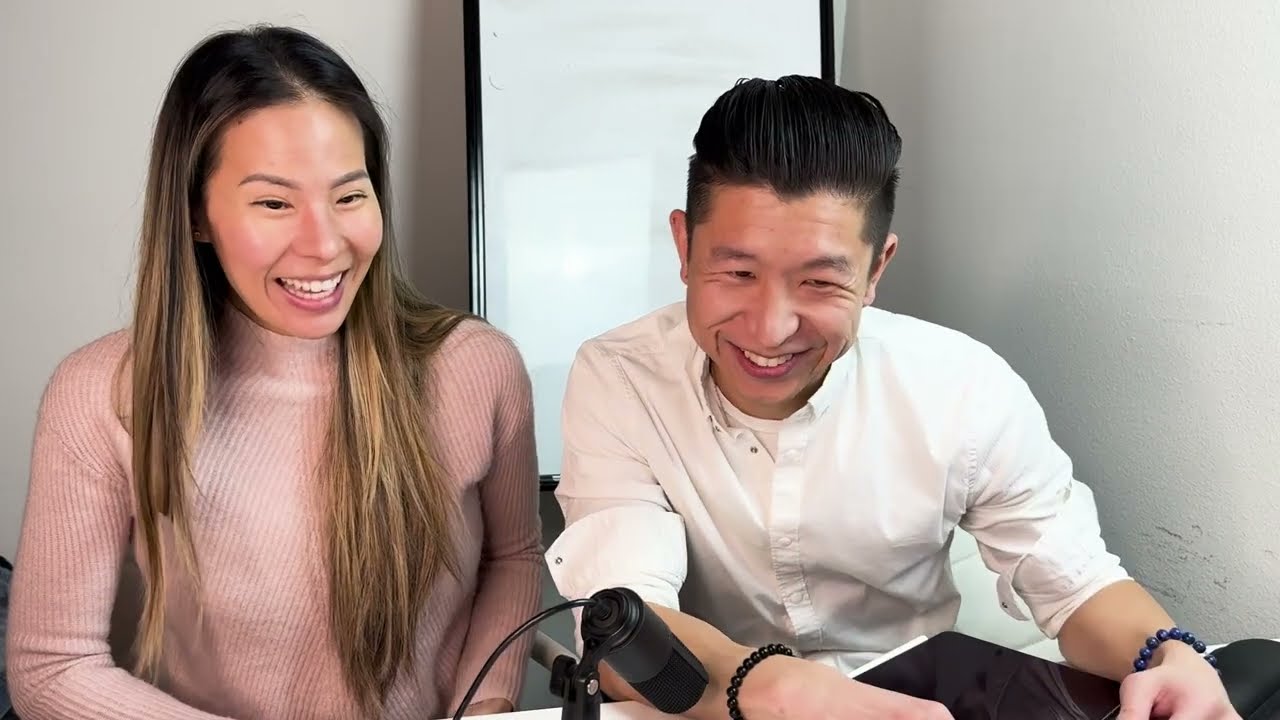
In this Fire Hour episode, Sean and Crystal discuss the pivotal role of video editing in modern marketing, emphasizing that well‑edited videos act as conversion tools by capturing attention within the first few seconds. They outline a Hook‑Story‑Offer framework, detail six key dimensions of video content—content quality, attention‑grabbing hooks, brand identity, storytelling, platform‑specific optimization, and metrics/analytics—and advise beginners on two paths: learning to edit themselves (using tools like CapCut and Adobe Premiere) or delegating the work. Sean shares a concrete case study of a 25‑minute Star Motorworks G‑Wagon reel that he trimmed to 90 seconds in 6‑8 hours, generating ~800 K total views, multiple leads, and roughly $24 K in revenue, illustrating how a single edited asset can be repurposed across Instagram, TikTok, YouTube, and a website. The conversation then shifts to the philosophy that money is a form of energy, referencing Ken Honda’s book Happy Money and discussing how a love‑based, abundance mindset transforms one’s relationship with wealth. Participants share personal stories of scarcity, family hardship, and the power of giving, linking energy, love, and financial success. The episode closes with encouragement to start creating, use templates, and align money with purpose, celebrating “Love Day” and the ongoing transformation of energy, money, and personal branding.
Chapters
What? I just moved all those things, so now it's out of that camera, but it's in this camera. Happy Valentine's Day. All right, so last week, um, Sean was going over marketing, right? And so I think he said that he was gonna just touch on video editing. What do you guys think video editing is? In today's world. What does it mean? You know, what does it mean with social media presence? What does it mean in marketing? Video editing, if you can do it, if you can learn to do it, it makes a difference in conversions. That's what it means to me. Think about like the attention span of people these days, right? Like the attention span is not that long anymore. It just gets quicker and quicker and quicker. So the longer you can hold someone's attention within the first few seconds, um, the longer someone's going to stay and like listen to see like what you have or what you have to say, or if you have a product or service to sell, right? They're going to actually be there and stay on longer to listen. So for me, video editing to me is conversions, right? Like how long do I want someone to be able to absorb this information and convert, right? Because something that sometimes we might think is interesting that people want to see, they don't really want to see or they don't really care about. They want to know very very quickly, right? So a hook in the beginning is always something that will like grab their attention. How long you talk for, how long, you know, the pauses are in between what you say is how long they'll possibly stay for. So when I think of video editing, I think of conversions, right? Like what's going to have people convert or what's going to have people stay on longer in order to watch and absorb the content.
Like what Crystal said, I'm just going to touch briefly on it and then we're going to talk about a different topic that is more close to home, in my opinion. And it was Crystal's— I mean, we came up with the same idea.
Yeah. Same time. Yeah.
Okay, so literally I just put in— okay, again, like we want to work smarter, not harder, right? And I mean, we should still work hard at the same time, but I used AI. Who has been using AI more frequently? And if you have not started yet, why not? Okay, ask yourself that question. I use it. Good. What do you use it for? Yes, it's so helpful. Yes. Yep. AI. Yeah, literally it's just, it's a game changer. Like AI, using AI is a game changer. So I know that on last episode, we talked about content campaigns. We talked about marketing. And so I wanted to tie in like the role of video editing when it comes to like today's world and today's like society, today's use of social media. Because here's the thing, like, this is what I truly believe. I truly believe that in the future, we're going to be going more into social media, not less. In the future, we're going— more people are going to be using social media and not less. And if you guys have seen Apple, Apple just came out with this thing, right? Right?
What is this thing?
Does anyone know what I'm talking about?
Does anyone know what I'm talking about? I've seen— I've seen— please don't hit me. I've seen the photo, but I forgot what it was called. Is it the goggles?
Apple Vision Pro, right there.
Thank you. Thank you, Nico.
Almost like an Oculus.
Yes. I was going to say Oculus too, but I know that's not it.
The VR. Yeah. So like, do you guys think that we're going to be using social media more in the future and not less? I think so. Right. And as you can see, like there is technology, there's money being put into all these different innovations. Right. And it's— I know that some people say it's not new, but the thing is, like, has it hit status quo yet? Is everyone using it or not? We don't have one yet, you know what I mean? More money will be made. Exactly. I only know because my son told me. Yeah, it is very expensive.
Waiting for the second one.
Yeah, yeah, I'm waiting for the, you know, that, that free gift.
Okay, it's gonna drop from the sky and into our laps.
Okay, so You know, when it comes to video editing, right? When it, just to tie up, like, just to complete everything, right? Marketing strategy, content campaigns, right? Last week you talked about content campaigns, how you can create it. Um, I shared my philosophy on it. And then now video editing, right? Video editing kind of ties everything in together. And before everyone was using video editing and before like Reels were even like a thing, like video editing was still kind of. New in terms of social, in terms of the status quo. Like, not everyone was doing it, but more and more people are using video editing. More and more people are editing their videos and, and posting it and optimizing their videos for whatever, reach, engagement, you name it. So when it comes to like this topic, uh, I just want to briefly touch on it, but I asked ChatGPT. That was the whole reason why I asked that. It's because I said, where does video editing play in social media today? That's the question I asked. And this is what the answer— I'm just going to read it because that way we, you know, just give you the AI answer. Video editing plays a crucial role in social, um, in social media today across various platforms. Here's how it's significant. Okay. This is what it says. Content. So there's, there's 6 different points, content quality, attention grabbing, brand identity, storytelling. Platform-specific optimization, and metrics and analytics. Okay, so that's 6 platforms. That's 6 things. Who we could share? I don't know. We can't share it here. Okay. So number 1, actually, yeah, I'll just briefly touch on it and then I want to talk about one specific one. Okay. So content quality. Social media users expect high quality content, including videos. Video editing allows creators to enhance the quality of their videos by adding effects Transitions, captions, music, making them more engaging and professional looking, right? If you, if you just capture a video and you post it online, regardless if it gets reached or not, again, think about the philosophy. Is it a movie? Are you creating a movie? If you create a movie and you get close to making a movie and you post it on social media, do you think it's going to get more reach? Right? In my opinion, and from my experience, The answer is yes. Okay, so the better quality content that you create, then the more engagement, more views, and, and more reach it's going to get. It's just about the value, the subjective value in someone's eye. Okay, number— that's why don't get attached. Don't get attached to the engagement. Don't get attached to the views. Don't get attached. Use it as metrics to see, oh, how can I get better? How can I improve? How can I add more value? Okay, number 2, attention grabbing. With the prolif— with the proliferation of content on social media feeds, videos need to capture users' attention within the first few seconds. That's what Crystal said earlier, right? The hook. Video editing enables creators to add attention-grabbing elements, such as text overlays, right? You see the captions. Uh, animations and quick cuts to make their videos more compelling. Again, it's just about the value. Like, what is valuable to someone's eye? What, when you're scrolling on social media, what is valuable to you, right? When you're looking at everything, what is valuable to you?
Okay.
Um, number 3, brand identity. Brands use video editing to establish and maintain their identity on social media, right? That's huge. Like based on, so if you didn't catch that, what I said, but based on how you are posting, based on how you are like sharing your content and the type of format or the, the color grade or any of that stuff. Like, how are you portraying your brand? How are you building your brand? How are you sharing it? Like, what does your brand stand for? Right? So, and you can use that through videos, through the colors, through everything. Jackie does really great design work, right? She does amazing, like she does one of the best, like in my opinion, best graphic designs, especially with everything that she has, like her philosophy on it. I don't even know her philosophy yet, You should share your philosophy. Okay. We should do that on another call. Okay. But literally like that right there, like you can teach a masterclass. All right. You can teach a masterclass on that. So that is, is core. That's directly like related to your brand. I was trained by my master and you'll learn well. All right. So consistent use of colors, fonts, and visual elements in videos helps reinforce brand identity and creates a cohesive brand experience for followers. Right. Good friend of hers, and he's a legend.
But I also think it's your eye. Like, you love art. You love looking at, like, art and listening to music. And so I truly believe that it's just— it's also your eye for it, right? Like, you have that creativity and you have that gift and you express it really well paired with the skill set, you know? And so like, what is your skillset? You know, like we all have skillsets and we all have gifts, right? So that becomes a part of our brand identity, whether it's something visual or felt, right?
Um, yeah. Yes, absolutely. Okay. Nice. Okay. So number 4, storytelling. Storytelling, video editing allows creators to tell stories in creative ways. Combining footage, music, and narration to evoke emotions and connect with their audience on a deeper level, right? Social media platforms like Instagram, Snapchat, etc., whatever platform it is, features like Stories and Reels, which are specifically designed for short-form, visually engaging content. So basically, like, this is actually the one I wanted to talk about, is storytelling, okay? Because when you start to learn, like, ideally there's two ways or three ways to do video editing. The first one is to learn it by yourself and do it by yourself. The second one is to hire an expert, right? Delegate the work to someone else. And then the third one is, uh, what's the third one? I think it was only two actually. Sorry. There was only two. Okay. So do it yourself or delegate it, right? So when it comes to like storytelling with your video editing, right? With your video editing. Like you have to, like the video editing comes after you create the content, right? So you have to create the story first. That's the, that's the whole point of content creation is how do you script out or how do you format or how do you have a framework for storytelling? What's your framework? What's your, your step-by-step process on how you do storytelling on how you create content, right? Think about like your everyday life in the, in the morning when you wake up. Like, that's one, you wake up. Number two, whatever you do, right? Whatever your morning routine is, whatever your ritual is, whatever that is, that's number two. Number three, when do you eat? If you eat at all, right? Number four, like, you know, et cetera. That, that's already like in sequential order. That's kind of like a, a story right there, right? It's literally every single day we're creating stories. Every single day we're creating memories that can be turned into stories. The ones that stand out the most in your mind, The stories, the memories that stand out the most in your mind are the ones that are most memorable to you. So you can recall them a lot faster. How do you create content based on your stories? How do you create content based on your memorable stories, your memorable experiences in life? That right there is already, that's how you do content. That's how you can create content. If you had like a significant experience that changed or impacted your life, let's say Thrivepalooza. Let's say an event, an immersive event. Let's just say a conversation, right? Angela talking to Crystal on that lifestyle getaway in Jamaica, right? These experiences, these stories, these memories can all be, you know, created and refined and shared properly with video editing. Okay? This is how you can get reach. This is how you can get engagement. This is how you can create impact, inspire masses. All these different things. That's through storytelling right there. And it's just about creating, right? Creating your content. You good?
I was going to ask you, you know, because some people are beginners on here, right? And so what would you do if you had no video editing skills? And this is kind of like your first go at, you know, social media and content creation and video editing. Like, what would you suggest beginners to do?
Start. Take action. Learn. All right, step 1. It's either one of two paths. Okay, there's three paths. The third path is don't do it at all. Okay, so number 1 is if you're a beginner, you're just brand new, you're starting out. How did we all start out? We all just took action and got started. And then we learned along the way, right? So just take action. I'm going to give you the tools and then we're going to move on to the next topic, but take action, right? Step 1 is just take action. Where you get stuck is if you like, what tool do I use, right? I'm going to give you the answer. Okay. Um, step 2 or, or, or path number 2 is delegate it, right? If you don't want to learn the skill and you have the financial resources to hire someone or to delegate it to someone, uh, then, then do that, right? Um, that's how you do it. That's how you get started. And then number 3 is like, you don't take action at all. Like you just don't do it at all. You don't do, you don't learn on your own or you don't delegate it, then you don't, I guess you don't benefit, right? It's up to you.
Or you just start posting content. Oh yeah, yeah, yeah.
That's another way actually.
Okay. You just, as in like you don't do it, like you just, you know, post it to the best of your ability and just go from there, you know? And I feel like, you know, you just refine your content as you go along to, to, to make it at least the most optimal without editing, right? Like there's so many different ways to start. So don't think that just because you don't know how to use the tools or edit or you can't, you know, outsource it, that you can't start at all, right? Like there's always a starting point and then you just build up to it.
Yeah, 100%. Like, and then here's the thing too, like some people don't even know, right? Especially if you're a beginner, right? Or you've never like touched social media before. You don't even know that you're supposed to optimize your videos. You don't even know that you're supposed to edit your videos, right? Well, that's why like we have Fire Hour. That's why there's coaching, there's mentorship, there's all these different like things that will help cut your learning curve. It's because there's just better ways. And guess what? Like we always have to get better, right? All of us started off as beginners, but because we did the work and we continuously do the work to learn and refine and get better, like that's why more knowledge comes in, right? So this right here is just, it's about getting better and starting, getting better, refining, improving. Continuously learning, continuously seeking knowledge, right? Always being that student. Okay. Um, and then from there, like that, that's, that's in a nutshell for storytelling. Okay. Like just, you can create content like really quickly. Right. Just think about your stories and then have a format for yourself and then hook. Okay. Hook, story, offer. That's the format. Like, and it says it right here, attention grabbing. So what's the hook? What's going to grab someone's attention? That's what's the story. Could be 3 bullet points, 1, 2, 3. And then the offer or call to action is how you end your video. Like, what do you want people to do? Right? 1% better every day. Yes. Yes.
And you guys, there's also, there's templates, you know what I mean? Like, I think it's a start. Like, if you saw something that really captured your attention and you really like it, why not find that template and recreate it for yourself, right? There's always a way to start and something to start on and just to like get better and better.
Yeah, 100%. Yeah. So number 5 is platform-specific optimization, right? And basically what that means is that, let's say for example, like you're using Instagram as your main platform, that's your platform of choice. Well, you know, ideally you want to optimize your videos for Instagram, right? So that way, if you're posting on it, then you get reach or you get engagement, etc. But I'm going to share with you one thing. Okay, here's that, like, this is just my opinion. But it's just based off of my experience and my data. You know, your data may be different, who knows? But again, the— I'm just going to go back to my philosophy. Like, if you create a movie, a good movie, a fire movie, don't you think it's going to get more reach? Don't you think it's going to get more engagement, more attention? From my experience, the answer is yes. Okay, so when it comes to being platform specific and optimizing it, Like, how many times have you seen a video that was very valuable, it was super engaging for you, but it was like really bad quality? Or like it just was not, it was very blurry, but you still watched it. Or it was just something that like was not optimized for the platform, but the value of it, the content, the storytelling was just like, it got your attention. Right? I'm telling you right now, like, it, this right here being very platform specific and optimizing it, it just depends. It depends on the value of the content that you're providing. That's it. Okay. So, and then number 6, metrics and analytics. Uh, yeah, using your analytics, if you have your phone, using your analytics is, uh, is important. Okay. Because how do you get better if you can't measure? If you don't, if you don't measure like what you're doing. That's why having on your Instagram, um, if, and everyone here is a business owner, right? So, or is an entrepreneur. Guess what? Like you should have a, a, like a business account for your Instagram or whatever platform you're using because then it gives you the engagement. It gives you like your metrics of how, like, what are you doing? Like, how can you see everything? Right? So. This right here is already like this part, like you, like, use this. Okay. Yeah.
When, when Chen first started out building the Star Motorworks brand and like creating reels for it, I remember like after he would post, he would keep watching the post and he would watch the data and the analytics in the back on Instagram to see like what followers got reached and what non-followers got reached. Right. And his goal was non-followers, right? Because followers are already following. Where do you want to touch? Cold market, non-followers, people that don't know about you yet, right? Because the ones that have been following have either already converted or are already within, within, you know, watching you, right? And so he would always look at the analytics and he'd be like, this one should hit, you know, 500,000 views or maybe 800,000 to 1,000,000 views by 24 to 48 or 72 hours. And then he would look at the followers and the non-following and it would keep switching more and more to non-following. So the data and the analytics behind the things that you guys post is, is very important, right? Because it shows like who's watching, who's getting to see it, and like where's the data going. And as you start to master that and like look at it every single time, you're going to start to see like where it's going, where it's shifting, what people like, what they don't like. Maybe something that you made that was create like very creative and engaging, maybe something that you thought everyone would like, people didn't like, and maybe things that you didn't think people would really like, they love. Loved, right? So get to know like the analytics behind the things that you post.
Yes, you have to. And again, I mean, you don't have to, but I would encourage you to do so, right? It's just so important. Um, that's it for video editing. Just wanted to touch on it. Okay, just the call to action is to start doing video editing. Here's the tools, okay? There's two different tools that I personally use. I mean, there's three, but I stopped using one of them because it just was got irrelevant. So, uh, the first one is CapCut. I really love using CapCut for video editing. And the reason why it's because it's just super simple and easy to do. Okay. Uh, there, in everything that you do, there's always a learning curve. Okay. Anything that you start that's brand new, there's going to be a learning curve. Do not underestimate the learning curve. It'll take you longer than you expect sometimes. Okay. So like, that's where you give yourself grace. Okay, you give yourself grace in the parts where it's, you're, you're being challenged, but you like push through that.
Okay.
And that's how you grow. It's called CapCut. CapCut. Okay. I'll post it.
Um, I'll post it so that way, I mean, it's like this, it's like this there.
Boom. CapCut.
Yeah.
Okay. The second one is Adobe. And what I love about CapCut the most is that it's free. It's free and it's really good.
Okay.
Number 2 is Adobe Premiere. And I use these 2. I use CapCut and I use Adobe Premiere. The only reason why I use Adobe Premiere is because I just haven't learned Final Cut Pro. But, uh, and I don't have to because I can use Adobe on my Mac, right? So that's why, why I use that. And I just, I, it took me, I learned how to do it, uh, in 2020 when we did Fire— when we started doing Fire Hour.
Long form?
Yeah. I was like, oh, I gotta learn how to edit this. Freaking video. How do I do it? I was like struggling so much. Actually, I think I learned in 2017. I can't remember. Okay, but that's, that's how many I've done. At least 3 years.
Okay.
At least 3 years on YouTube. Yeah, almost. Oh yeah, almost 4. Oh yeah, yeah, yeah. Well, well, at least 4 years then. Okay. At least 4 years I've been playing with video editing. I've been working on it and I haven't gotten better. I've just gotten faster on like what I needed to be like, what I need to do. That's it. All you have to do is just get faster on what you got to do and that's it, you know? So that's what I did. And then CapCut, like, so just to give you a reference, one of the videos for Star Motor Works, right, for the auto shop, it has, so collectively it has like 800,000 views, but on one platform, on Instagram, it has 500,000, on Instagram it has 300,000, and then on TikTok it has 500,000. That video was a 25-minute video. That video was 25 minutes long., and I got it down to 90 seconds. Okay. 90 seconds. You know how long it took me to edit that video on my phone in CapCut? It took me 6 to 8 hours. Okay. 6 to 8 hours to edit one video. And was that the best use of my time? I mean, in my opinion, the answer is yes. And the reason why is because it got 800,000 views, like collectively. And how many leads did it generate? It generated a lot. It hit 3 goals. It increased our brand awareness by 800,000 views, right? By 800,000 people reached. It converted into leads, which actually paid us. And it's not just $100, it's thousands of dollars. Okay. And not, and that's not even calculating the lifetime value of a customer or a client. Right. But on average, and it was a G-Wagon video. So on average, it's $3,000. So $3,000 times, let's just say 8 people, right? What's 3,000 times 8? What is it?
It's 24,000.
Thank you.
Thanks, Ronnie.
Shout out to you. So guess what? Like that right there is boom. You see what I'm saying?
Well, and the next thing that you also triggered on top of that was another income stream, right? And like, you know how we get, how we always talk about multiple income streams. And what it also triggered was, besides the brand awareness, there's income that comes with brand, right? So now we have companies emailing us, DMing us, like hitting us up, like, hey, can you use my tools? Hey, can you shout out my brand? Hey, can I give you this for free? Can I give you that for free in exchange for content, right? And so that is another income stream that I added, right? So Besides just having cars come in, like, I have that car, I need that service. Um, it's also built like another income stream where now companies and brands are coming to us, right? And what can you do when you have brands coming to you saying, can you use my tools? Can I give it to you for free? Can you create content from it? You can charge for that, right? So, um, that's the importance of like branding and content creation and like video editing, if you can, if you can start, if you could just, you know, work on that.
Oh yeah. And you can, right? There's no excuse not to. Okay. There's a free tool. And if you have a phone, there's no other excuses, right? Just start. And then only that, like, just add on to that, but that one asset. So I, it took me 8 hours to freaking edit that video, right? 8 hours. And that's like spread over like a few days, but 8 hours, that one video now I can always use it. I can always use that piece of content everywhere. I can post it on all social media platforms. I can post it on our, on our website, which I did. It's on, it's on the website. I can post it anywhere I want. It is now a media asset for us to always post and get engagement. Why do I know it's going to get engagement? It's because the metrics and the data already shows. There's 2 videos on 2 different platforms. It's the same video on 2 different platforms. That have gotten over 100,000 views, right? 800,000 views. What if I posted it on Facebook? What if I posted it on LinkedIn? What if I posted it on YouTube? I haven't done that yet. I should, right? I should. Boom. Wherever I post it, it doesn't matter, right? Because I already know that it's valuable. It's a movie, right? And it's, even if it was an hour-long video and I cut it down to 90 seconds, that doesn't mean it's going to be valuable, right? It depends on how you edit the video. It depends on how you do the storytelling. Okay, depends on how you format and use your structuring, like whatever structuring process you want to actually get engagement, to actually capture attention, to actually increase the views, right? So this is why philosophy is this, in my opinion, it always starts with philosophy. If you don't start with a philosophy that works for you, that you believe in, then guess what? Like, how is it going to translate into views? How's it going to translate into tangible results? How's it going to tend? Translate into whatever it is you want it to translate to, right? So that, but I already know, like, for me, because I've been doing the work, that's why I know what gets engagement. That's why I know what gets views. Now, you know, the challenge is how do I do it for my brand now? Like, what, what do I have to do for our brands? What content campaigns do I need to create for our brands? And then from there, do the same exact thing. All right. So. That's like the, that's the, the fun part. That's the journey. General marketing question. Does adding SEO words in your captions or hidden in, yeah, or hidden in reel videos help with account reach? No. The reason why is because like, what is someone seeing first? Right? If you, if you open up Instagram, what's the first thing that you see? Like it's, it's just the video itself. It's just the content. Right? So if the content, again, if the content's not valuable, if the thing that you're seeing, the movie is not valuable, the commercial, the ad, if it's not valuable, are you going to stick around or are you going to just scroll? Which one do you do? Like, ask yourself that question. Because again, like all these little things about like people, when people say like talk about the algorithm, when they talk about hashtags, when they talk about like SEO, like in your, in your reels and everything. Like it just, I guess when it comes to TikTok, like, I don't know if it applies to Instagram yet. I have, I just, I don't look at that stuff because I just use my philosophy of here's the 20% that gets the 80% done. But like, if you want to be very specific and tedious on that, like YouTube and TikTok, they, they're a search engine. So that's where SEO really comes into play. Like, and then when you Google or use, like, if you use Microsoft whatever it is that you're searching on, like the search engines, right? Like it's going to link back to a video or to the content piece that you're looking up, but it doesn't really matter because the, here's the thing. If you're not creating a movie, then why care at all? Right? Like the focus should really be on like dialing in onto creating like a movie. Like even if it's like a 10-second movie, 30-second movie, 1-minute movie, 90-second movie. 10-minute movie, whatever it is, the framework and the philosophy is how do you create a movie? How do you create a piece of content that is so valuable and engaging that it benefits the person watching in any way that they value it, right? So you said true. Yeah, all that sounds confusing. Value content matter most. Yes.
And that's what Shen's always said because, you know, there's a lot of people out there that talk about social media and they've built big brands. Don't get me wrong, they must have built big brands from doing something and that's something they are sharing, right? So maybe it worked for them. And so I would always say, oh, I saw this or I saw that, or people are saying this or people are saying that because I'm just giving him feedback and data from what I'm seeing because I need to validate it for myself. Right. And he's like, no, no, no, no. And like, but until he showed me, until we, until we bought a business and he had a chance to show it, right, because he's always helped people and their businesses and themselves personally, and they've converted, right? But until he did it, like with the business that we own, it was like he didn't do any of those things. People are saying like, oh, the algorithm is not good, it's dying. You need to use hashtags, you need to use trending music, you need to do this and that. And every day is a different thing. And he's like, nope, nope, nope, nope, nope. Right? And I'm like, okay, I'll like, show me that, you know, because I believe him. And so once he did it, I was like, oh my goodness, like the algorithm is not dying if you're getting a million views and these influencers who used to get 600 are now getting 30 or 20, right? So there is a philosophy behind what I've seen you talk about and then you've shown me. And then I was like, oh dang, like it's just interesting.
Yeah. So it's like this, it's like, let's say that I can help you make a million dollars and I can.
You have.
Yeah, and I have.
Many times.
Yeah, many times. Many people. But let's just say that, yeah, you believe me, but you just haven't seen it, right? Well, it doesn't change the fact that I can do it, and it just, it doesn't change the fact that I've already done it, and it doesn't change the fact that I've done it for other people. You see what I'm saying? Like, what, like, it's just your philosophy. It's just, it's just your, what you believe. It's like literally like that. That's it. And, and here's the thing. Like, this is why, like, the cognitive biases matter, right? In your marketing, like adding social proof, right? Seeing tangible results.
Testimonies, reviews.
Yeah, seeing people like, like Crystal, she believed me, but she needed to see, she needed to see the results, like for herself.
Yeah.
So then she didn't, so she, even though she believes my philosophy, she believes that I know what I'm doing. She believes that I've done it already, but she still hasn't had that, that like a real, real convincing, convicting belief, right? Until we acquired the auto shop and then I just did it.
Yeah.
Right. So it's like that. It's like, just because the Shun Gunna brand doesn't have a million views on Instagram, right? Doesn't mean that I don't know what I'm doing. Right. It doesn't mean that I haven't done it before. Right. And then only that for all the influencers that are talking about this algorithm stuff right now, Well, guess what? I already have more data than all of them combined simply because I, that, that was where I came from. Like I, I worked with someone who has a billion views like that. I was behind the scenes of that. So how much more data do I have compared to millions? Which is bigger, millions or 1 billion? Which one's bigger?
Billions, baby.
Billions. It's just so simple. So I just have, I just have more data. That's it. There's companies that have way more data than me. Then maybe they have information that I don't have, right? Guess what? That's all it is. It's that simple. Okay. So yes, personal philosophy. Seeing is believing. I liked who Sean was, so I believed. I didn't judge him for how he looked. I saw who he was through energy. Thank you. Thank you for believing in me. I really appreciate that. But yes, it's like that. It's, it's, you know, energy will share with you like the truth, and that's— I, I believe that, right? So I— that's why I don't doubt it. Like, for everyone here, okay, this is like one little thing. If your intuition says no, or if your intuition says yes, whatever your intuition is saying, lean into your intuition, okay? Your intuition knows.
No, I was just laughing because of what Ange said about energy. Like, Ange and Sean are really huge on energy. Oh yeah. And if you're in a very good place or you constantly work on yourself, you can feel energy and energy transfers. It's something that you can't see but is felt, right? So when she is talking about that, yes, I can read environment. I was just thinking about the fact of like I was— I had that thought this morning where I was just like, Yeah, it was really your energy that attracted me to you because on the outside I'm like, yeah, this isn't my type. Like this young b-boy social media guy. Like, this is not my type. My type is like a business guy and like, you know, has the things and, you know, and it was your energy. It was your energy that I was like, I feel safe and comfortable in your energy and I can feel it. And energy transfers onto social media too, you know, like Sometimes you might not think it, but whatever you're going through, growing through in the moment, if you're posting online, like people will see it. Like, have you ever seen someone post when they're in a great mood and everything's great? And then when they've posted in times where like, you know, they're in harsh environments or they're just struggling through things, right? Because I have, you know, I've posted in both ways. And when I look or when I look back on certain times, I'm like, Oh yeah, that was a time I was going through XYZ. Wow, that energy really transferred, right? So I think that like energy is so, so important and it's something that I'm learning, you know, like that I've been learning and that you've taught me is that energy transfers and energy shows within the content that you're posting online as well. So although you might think like, oh, well, I put a smile on my face, I was excited, this and that, like there's just a certain energy that you exude that people will see and where they're at in their lives, it's either going to attract them or like they're going to be like, oh gosh, I don't want to see that, you know?
Exactly. Yeah. You know, like for me, every single time, like I— because I used to watch a lot, I used to watch scary movies like a lot. I don't know why. I have no idea why. Sometimes like at work, sometimes at work when I was working in an office before, I would literally watch like scary movies because I was just, I couldn't feel anything. I was just so stressed out. I was like tired and I would only just watch like just to wake me up just for whatever reason.
To scare you?
Just to feel something. Like I just wanted to feel something. So then I would watch freaking like scary stuff and then I'd be like, okay, I'm awake now. Back to work. And so, but now, this was in 2015, 2016. So now, I'm like, why the heck was I doing that? Like, I have no idea. And I don't watch— I don't— for me, I don't watch scary stuff anymore because I'm just more aware of energy now. So I don't watch any of that stuff at all. I really stay away from all that. And that's just— it's like what you were saying, though. It's like the energy that— the energy that you— that you are and that you share or that you give out, that can either attract or repel. Okay, that can either attract or repel. So it depends on how you want to use your energy, because energy— what you said, Anna— energy is currency. Angela says it's a skill. The answer is that both are true, okay? In my opinion, it is a skill and it is currency. And when you think about it, like, this is why I talk about local celebrity status. This is why I talk about, like, all these different, like, status transfers, energy transfer, all these things. It's because It's just energy. Money, like, why does someone pay someone in exchange for whatever, right? It's, it's, it's a, it's a transfer of energy, right? Money is energy, right? There's a really, there's a book on this as well by a, a Japanese author. Oh my gosh, forgot it. My mom sent it to me and I actually looked it up too.
What is this? I don't think I've heard this before.
Um, And it's, it's a, it's a good book on energy. I forgot what it is.
Anna says the universe doesn't respond to what you want. It responds to the vibration that you are in. Yes, the frequency and the energy you give is what you receive. So when you have that in mind, it helps, right? Like if I attract something into my life, I'm like, thank you, universe, for showing me where I'm exactly at. You know, like I don't blame the situation. I don't blame the person. I'm like, That's a reflection of where I am. And so I need to change myself, right? Because the only thing I have control over is myself and not the situation.
Yes. Yeah, I love that. I'm 100% aligned. Right. So I found the book. The book is called Happy Money, and it's by an author named Ken Honda. Happy Money. I'm just going to read his, like, the description, because if you are like, this is fire hour, right? Transformation. This is leadership development, but this, this is wealth. This is business. This is everything we talk about. Okay. Personal branding, lead, uh, personal development, everything. Okay. But this Happy Money, the Japanese art of making peace with your money. Here's the about. Too often money is a source of fear, stress, and anger, often breaking apart relationships and even ruining lives. We like to think money is just a number or a piece of paper. But it is so much more than that. Money has the ability to smile. It changes when it's given with a certain feeling, and the energy with which it imbues us, right? The energy with which it imbues us impacts not only ourselves but others as well. Okay, this is the transfer of energy, the transfer— like money, he's talking about how money is just energy, energy transferring. Um, he says, or the about says, although Ken Honda is often called a money guru, his real job over the past decade has been to help others discover the tools they already possess to heal their own lives and relationships with money. Like healing your life and relationship with money.
Yeah.
Okay. Learn how to treat money as a welcome guest, allowing it to come and go with respect and without resentment. Understand and improve your money EQ. Okay. Your money EQ. That's powerful. Unpack the myth of scarcity and embrace the process of giving money, not just receiving it. And then he says to finalize it, This book isn't to fix you because as Ken Honda says, you're already okay, right? That's powerful right there. This is a 1%er, okay? This, for everyone who is actively and intentionally, you know, looking to change their financial situation, well, guess what? It starts with your relationship with money. It starts with your relationship with that energy, right? The energy. So that, right, this book is I've looked it up. I'm pretty sure I read it like a few years ago.
I've never even heard of this. So this is the first time I'm hearing about it.
Really?
Yeah.
I shared this with you like in 2020. Well, guess what?
I didn't remember.
Elaine says, love that money is a flow. Have to be able to give it just as much as you want to receive it. Yes.
And you have to be able to be okay with losing it as well, because things happen, you know, like the higher the risk you take, the more you're going to lose. Like, and if you don't have an emotional attachment to it in a negative way and you're just like, man, I really learned a lesson through that. And then you take that lesson with you and continue to move forward and grow, then you're only going to grow your wealth. So it's funny that you bring this up because do you remember a few days ago what I was talking to you about? I think 2, 3 days ago, I was like, you know what? No, you don't.
I was talking about us though.
So I was talking about the mindset and the philosophy of wealth. Okay. I was like, Sean, money is not just money. It is energy. There is a philosophy. There is a mindset behind it. There is a relationship that you have with it. Right. And so most of the time, you know, people have a negative, like negative thinking about money, right? And like, I talk about money a lot just because it's part of my experience, it's part of my skill set. And so my attachment to it is just, it's, it's, it's combined with everything, right? With everything that I do. And sometimes people are like, it's not all about the money. It's not all about the money. And I'm like, Okay, like, I think you need to check your relationship with money because if you had a better relationship with it, you would understand, like, you know, the things that are said and the things that are done, right? And so money is a form of energy, right? And your relationship to that form of energy is what is going to ultimately create wealth or create What's the opposite?
The wealth? Uh, the opposite of wealth? Scarcity?
Something like that.
No wealth?
So I wanted to kind of go over the energy and money today, right? But in the form of love, right? And so, you know, when you think about money, sometimes you might have a negative relationship with it. Maybe you're not making what you want to make. Maybe you're in debt. Maybe you feel like you never have enough, right? That is all the energy and the relationship that you have to it, right? But if you change the relationship to money in, in terms of abundance as opposed to scarcity, you're going to think and you're going to act and you're going to move and you're going to carry an energy frequency in a different way that actually attracts it, right? And so when I was younger, like some of you know my story, right? Like I grew up, we went through bankruptcy, foreclosure, had our house taken and we had to move. Right. And so my energy to money could have been like, oh, like everything is going to go bad. This is going to happen again. You know, it's just not for us. Like only the rich get richer. Like someone said that the other day. It was really annoying.
Really?
It was just yesterday. They're like, the rich get richer. And I'm like, Okay, like in my mind I'm just like, you need to change your mindset because that could be you, but like that is your relationship to money and how you view it. So you're in scarcity, which is why you don't look for it and you don't look for it in abundance. And instead of looking that way and spending your energies thinking about how you can get better and you can get wealthier, your mind is stuck on why you can't and why someone else does and like hating on them, right? And so For me, money was always a chance, an option, choices of freedom, being able to help the people that I loved that I saw struggling. I never saw it in a way where it's like, oh, I can have this and I can have that and I can look like this and I can look like that. Like, no, it was like I saw my single mom struggling and I had a younger brother and I saw my dad working worked so hard and he was so deserving of all the things he had ever worked for. And I saw them just lose it all as a child. And so for me, my energy was not negative towards it. I was like, how can I make it? How can I do it? How can I help my family? I want to help them. They're struggling. My mom, single mom, working 2 to 3 jobs. My dad is supporting his new family, doing his best to give what he can to us, right? We're at school doing free lunches. We're on like free health insurance. We're getting hand-me-downs from neighbors, from family because we're the poor family. Right. And I love hand-me-downs. Don't get me wrong. Like, I was so grateful for everything. Like, I was grateful for the free lunches. I was grateful for the free health insurance and the— and like everything, anything that was given. Right. But my relationship never turned negative because of it. I was like, I love my family so much. I love them so much and I don't want to see them suffer anymore. And so what do I need to do? Well, I need to make money, right? I need to help. How can I help? Well, the first thing that I can help with at least is the money side. So I worked my butt off, you know, and I was just in elementary school and how I feel about school now is different how I felt about school then because I only knew that I had to do well in order to get the good grades, to get the good jobs, to get, you know, whatever in order to be able to make money and to bring it back to my family to help them. So if you think about money and you have a relationship with it that's attached to something negative, I would recommend that you change that into a form and an energy of love. Who do you love? Who do you do things for? Who do you wake up every day 2. Like, you know, why do you want more money? Why do you want more wealth? What is it going to get you? Because what it's going to get you is even deeper when you think about who this is really for. Do you have kids? Do you have aging parents? Do you have a community you'd like to help? Do you have maybe like a religion you'd like to give back to? Do you have nonprofits? Do you have causes? Who do you do these things for, right? When you think of money, don't think of the negative things that are attached to it and the things that you may may not struggle with, right? Think of what you can do, what options you have, who you can help. I never wanted to be in a position where if my mom was struggling and she didn't have it, where she couldn't take care of herself, I never wanted to be in the position like, sorry, I can't help you. I wanted to be in the position like, Mom, I love you so much. Thank you so much for being that single parent working 2 to 3 jobs and like not sleeping and Here's the money that I can give you. If you wanted to retire, if you wanted to take that vacation, if you had an extra expense, I got it. And so that energy of wealth came from love. And I feel like when you love someone, when you love something, love is an energy that is just ever growing. It's something that continues on and on, right? Like when you— when someone passes away that you love, do you still love them? Yes, you do, even more, right? But like, what about hate? When you hate someone, or when someone hates someone, when that person they hate dies, do you hate them anymore? Do you really have that energy towards them? You don't, right? So if you think about wealth in the terms of abundance, in the terms of love, in the terms of who you're doing this for, I feel like it's always going to like keep growing and keep going, right? So changing the relationship and the energy that you have with wealth and, and thinking about who am I doing this for, you know, it really can change the way and your mindset when you think about money. So when you come across money, you're not in a place of scarcity and chasing, right? You're in a place of abundance. You're in a place of I'm doing this for XYZ reason. And so when you have that energy, that loving energy towards wealth, it's not something that you're like desperately trying to get and that like you are struggling to acquire. It's something that just comes so naturally because you just changed the energy, the philosophy of how you think about it, of why you think about it, of why you do what you do for who you do it for. And you're going to start to see and feel a change, right? So that's what I kind of wanted to touch on.
All gold. Oh my gosh. Now, right, take notes, okay? I'm gonna post this on YouTube as a separate clip. Yeah, because it's just so powerful.
It has to be bigger than you. Love is what everyone truly needs. And I believe that. Like, I, I always think that people are looking for something, and some know that it's love, and some don't know that it's love. They think that it's something else, and chase it. And once they get what they think that they've always been after and they get it, they realize it was never that that made them happy. Because making a million dollars is not going to make you happy. It'll make you happier. It'll make you feel more secure. But at the end of the day, where's the love behind that? What are you going to do with that? How are you going to live your life? What options do you have? What more can you give, right? Like, that is what actually fulfills you, is the love behind the wealth of what you can do with the money to help people that you love, right? And to have more options, more freedom. If you're— if your kids want to, you know, if you want to take a day off to be there for your kids' performance, or you have to be there because they're sick, you know, you want that option because you love them and you want to take care of them. And so, you know, yes.
Yeah, yeah, literally, it's a— it's a tool, right? It's a tool. How do you use your tools, right? Money, it's energy, right? Energy is a tool. How do you use it? And I love the comments. I love everything that you guys are saying.
Everyone loves love.
Yes. Yep. 100%. Love is what everyone truly needs. Right?
Eleni says, I think about, about the time. Giving families time to be present because they can afford to be together, doing the small things to do the big things, bills being paid. Yes. And Eleni, She bought her dad a car, you guys. Like, her dad has worked hard her entire life. And, you know, when she made money, what did she do? She bought her dad a car. And she's been working from home for what, 4 or 5 years now. And when Lunar New Year came around, what did she do? She flew home for a couple of weeks to be with her family, to enjoy those moments, to be able to like be in their presence, right? And so that's what money can do for you, is it can give you more time and more options with your loved ones.
Oh yeah, 100%. And you deserve it, you know, like you deserve it because you did the work, right? You did the work. So, and doing the work is what Crystal said, is, you know, creating and resolving that relationship with money, right? Creating a better relationship with your money. With the money energy, resolving whatever limiting beliefs you have about money, right? The book Happy Money, there's a tool right there. Okay, so this is— it's just, it's so powerful. So, so powerful. Love wins. Always give love. You want to be around people who have a good relationship with money too. Yes, like the Beatles said, all you need is love. Yeah, proximity is power. If you are around someone who doesn't have a good relationship with money, they will sink your ship. That's very true. Like, it's just, it's energy transfers, right? When you're going through something and even when you're struggling, the joy of just doing something kind will make your day better. Try it.
Yep.
100% agreed. I love Benjamin. Someone with 3 jobs has no time. One job is poverty line. Even if you add more jobs to raise above the poverty line, you are sacrificing your time. Yeah. And so guess what? Like you got to create time. Like you got to make time. You have to, it's, if you're, if you have 3 jobs, right? You have to make the time to start something like on the side, like no matter what time it is, even if it's like 10 minutes a day, like you got to start somewhere. That's the most important thing. Like, how did you start working 3 jobs? You started working 1 job, then you added a 2nd one, and then maybe you added a 3rd one, right? Well, guess what? If you added 3 different jobs because you had to, that's a need for you, then you can also make another need to start to stop doing that, right? To take a different path, right? There's just— it's— if you have 3 jobs, like, there is an option, okay? There's another way. Um, the more we give, the more blessings we receive. Yes, 100%. It comes back tenfold. So don't hold out, money included. You help someone, it'll help you out. If you have the, if you have the means, why not? Yes. You know what? Like I was at a charity, the very first charity event that I ever attended that I can remember. And I remember like the company I was working with, they said that for anyone who donates, they'll match it. And then I think they'll match it. I don't think they'll match it. But for everyone who donates that they have something or they'll do something or they just ask some, they just ask the company, like whoever was in attendance at the charity to donate. So all I remember was this, because this was the first time I heard about that philosophy. My, my mentor would always say, like, if you give charity, if you, if you give to others, you'll get back. I don't know why, and I didn't understand. And so at that charity event, I was like, you know what, let me just try it. Let me just, let me just do it. I, and I'm making money, so let me just try it out. So I donated $100. Literally the next day I made more money back. And it was, it's because like I, I gave to charity without knowing. I just gave without expectation and I received back. Okay, so that's just one thing. Um, if you can work for someone else, you have time to work for yourself. Yep.
Yes, you do.
It's very, very true. The more we give, the more— oh yeah, uh, the best type of love to give is your energy.
Yes.
Find a way to make money and that will be worth your time. Time freedom is the goal. And when you have the money, what, what are you doing with your time? Yes. Thank you for the love. You are very welcome. And thank you for the love. Sharing your energy with us. Absolutely. We love it. I grew up similar. So this is what Elaine says. I grew up similar to Crystal. Working family, started working young, learned to appreciate, learn to appreciate everything, but always knew I had to work for it. When I was thinking from my own pockets, it was scarcity. It showed. I thought with emotions. When I healed my, my finances— wait, when I healed my finance, my, my brain operated differently and I was able to find solutions. Yes, yes, 100%. Aries sisters and Lena, I just signed another Aries today. So yeah, literally it's just once you like, this is the 20% that gets the 80% done. Okay. Just to bring it all together and then we'll wrap up. But like your relationship with money really is everything like that. And I'm just talking about like that, that energy side of it, right? Like if you are focused on, if you don't have a good relationship with money, like now, you know, you have a starting point. Okay. The starting point, like step one is just to, to be intentional. Right? Be intentional with resolving that relationship with money. And then from there, like, actively working on it. It doesn't— just because you solve it one time doesn't mean that it's done, right? I signed in a lot of Aries. The season is coming. Aries Libra and Aries Gemini are good duos.
Yes, I'm an Aries and, and Jackie's a Gemini. My daughter's a Gemini too. One of my daughters. Yeah.
Okay. So yeah, like this, I think this was very valuable. You know, this got Gemini, Aries, Libras.
Yes. And right now, so for one of the businesses that we're a part of until the end of March, there's 100% payout, right? And so if you, if you sell $1,000, $2,000 worth of stuff, That's your commissions, right? So you make your own commission. So what energy do you want to bring forth when things like this happen, right? Because that's the energy you should carry throughout regardless if you see it, if you don't see it, whether it's short-term, whether it's long-term, right? Like the energy that you carry throughout promo season, non-promo season, whatever is the same energy you're going to carry out. Just because you can't see it doesn't mean you can't feel it. Like energy, like love, it's the same thing when it comes to money. It's an energy, and your relationship with it and to it is only going to reflect in your outer world. So energy, it's the same thing. It's the same thing for everything, right? And so whether you can see it or not, whether it's tangible or not, it's there. It's always going to be there. So if you come from a place of of changing and transforming your thought and your relationship to something you maybe don't have a good relationship with, you're going to start to see the things around you change.
Oh, 100%. Yeah, literally. And one way is easier than the other. I'll tell you that one way is easier than the other. That's for you to figure out on your own journey. Okay. I've been with a patient, but I'm listening. I had 3 jobs as a nurse before. Thankfully, I'm down to one and thrive on the side. Congratulations. Congratulations. See, but you did the work, right? You put in the work. You put in the work. It doesn't, like, it doesn't happen overnight. It happens over time. And so as long as you are committed to your goals, your, what you want in your life, like, you can make it happen. If you can, if you can see it, you can believe it, right? If you can see it, you can create it. And so like, that's like really like everything, like you are the creators of your life. So it's time to create. It's time to create. Figure out how their network can see you. Congrats. You make time to make more time. Amazing. All right.
Congrats, Joanna.
Okay. Next week. Let me see. What's next week? The 21st. Wednesday the 21st.
Do not create something that you're going to go over next week.
If you have a request, yeah, I haven't, um, I haven't structured it out, but I'm going to start to structure everything out. Um, front load the business and enjoy the fruits of your labor. 100%. Thank you. Yes, I had a convo with my husband and he said if I can make the same amount with Thrive to quit my second job. Oh, nice. Yeah, it's, you know, it's possible. Okay. It's possible. It's possible. That's the beauty. It's possible. It's possible. It's possible. Fill the funnels. Okay, let's get it. All right, so today partners are MVP, 100%. Oh, happy Love Day! So love on your partner. Yes, this is fire.
And if you don't have a partner, you have yourself. You have yourself to love. And the more you love yourself, the more you're going to attract someone who loves you just as much as you love you, if not even more, right? Yeah, like him.
All right, happy Love Day! Happy self— happy self-love day! Happy Love Day! Have an amazing, amazing day. Don't let anything take you down, you know. Transform your energy, transform your day. You can do it and transform everything that you want, right? Align with what you want in your life because You deserve it as long as you're willing to do the work, right? As long as you're willing to do the work. But I hope this was valuable. I got a lot of value from this as well, and hopefully this helps other people. So, I mean, I know it will, but love you all.
We love you guys. Happy Love Day.
Happy Love Day.
Every day it is.
It's every day. The baby's up. Time to enjoy the day.
Okay.
Have an amazing day. Love you all. See you next time. Bon bon, good job. Amazing.
Oh, I still smashed it and I was dizzy.
What? Oh, it's squirreling.
More from Michael





Social Media Strategies for Entrepreneurs and Business Owners (#FIREHOUR S4, E41)





