Points of Differentiation for Insurance Producers
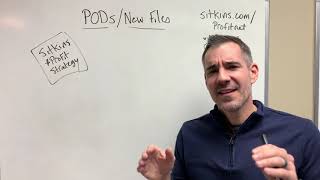
Brent Kelly of the Sitkins Group presents a short instructional video on Points of Differentiation ("PODS") and the related tactic of opening "new files" to create a competitive advantage for insurance agencies. He explains why common differentiators ("great service, local, independent") are too generic, gives examples agencies can adopt (promise/stewardship reports, annual risk surveys, proactive service calendars), and provides a sample question to ask prospects: "How do you currently measure the effectiveness of your insurance or risk management program today?" He also promotes a Sitkins networking event in Cape Coral, Florida (March 11–13).
Chapters
Hi, Brent Kelly here of the Sitkins Group with my profit tip Professional Fitness to help your agency gain clarity, build consistency and to make a commitment to become your best version possible. Well, over the past several weeks I've introduced some of our key Sitkins professional fitness strategies, our core strategies. This is actually the fifth strategy that I'm going to discuss today, which is around pods. I'll explain in a minute. And also new files before I get into pods and new files and the importance, the impact of that. What I want to make sure again mention the fact that just coming up very shortly, our profit Net event, our professional networking event, CAPE Coral, Florida, March 11th through the 13th, this is the last time we will have this event be open to the public. So if you're not one of our private client members, this is the last chance you get to experience some of the things that we teach. Obviously, great outside speakers and high level networking with other agency leaders. And truly this is an event that you walk away not just with great ideas, but action items to put in place in your agency. So with that, let me get into our profit tip for the day, which is around pods. Now, we have a lot of acronyms at Sitkins. PODS is one of those. It stands for points of differentiation, Points of differentiation. And then also want to talk about new files. And these two really go together. So how we differentiate obviously is critically important in our agency. And to do that, we have to begin to open up new files. Now, what do I mean by new files? Well, I'm guessing if I ask you, if you put yourself in the mindset of an average insurance buyer and you use the word insurance, the words that come to their mind, the files that begin to open up are probably not very positive, right? They're not thinking, oh, risk, protection and value. They're probably thinking, expensive, challenging, ugh, right. Whatever the case may be. And so what we have to do is first of all understand what, what our two points of differentiation are and then begin to ask questions that will open new files that will make a future ideal client. Stop and think, analyze the question that you ask and go, you know, I don't know that I've heard that before. I'm not familiar with that. Or that's a different approach or a new question that begins to have them think, wow, this might be a different experience, different person, different agency than what I'm used to in the past and obviously creating value along the way. Let's start with pods for a second. Now, I have mentioned this before, but most agencies, most producers, their Points of differentiation are very generic. In fact, I often title the generic answers that agencies and producers give the generic five. They'll say, you know, we've got really good service, great service, we represent all the markets, we're independent, we're local, we've been in business a long time and of course we have the best people. If I want to add a sixth one on there, I'd say we also have very competitive prices. Well, those all may be true, but what does that mean specifically for the client? How do they win? How could they win? Good service, great people? Well, every agency is saying that. So we've got to begin to figure out things that differentiate us outside of that. Now when I talk to most agencies, certainly in public events, most agencies have a really hard time giving me answers outside of those generic 5 or 6. Even in our training programs, it takes a while. We spend a lot of time with our private clients diving into true points of differentiation. Now, every agency is unique. Obviously the carriers you work with might have specialized programs. Your agency may have some specialized things that you're doing, whatever they may be. But just a few examples of some simple things that really every agency should be doing that most don't. So it really gives you a competitive advantage. What about understanding and talking about true or total cost of risk? What about having a true annual risk survey for your top clients? Most agencies don't actually do that. What about a proactive service calendar? What about disaster recovery? If you're in the P and C world and there's a lot of things you could get into, you know, if you're a work comp specialist, it could be experience modification, things that you do in that area. So you got to think a little bit deeper, right? If you've got good service, good people, you represent all the carriers, what does that mean? Right. Dive a little deeper into those specific areas. So let me just give an example of some things that you could do to walk through this idea of pods and new files. And we actually really challenge our private clients and producers individually to come up with 5, 5 true points of differentiation, then be able to understand the impact that has on their client. So what that means for them, be able to provide proof of evidence. So we can actually show that to our future ideal clients and then work on the questions that we're going to ask to open new files to make them think and stop and go. You know, this is different, this is unique and put ourself in, in a position to win. So let's just give a very simple example And I don't know how many agencies do this. My gut is, in fact, my research says not many. But what if an agency, hopefully you're doing this with your top clients, you actually have a promise report. In some circles we'll call this a stewardship report, where at six months or around that part with your client, you actually go back and say, here's the things that we have agreed upon, right, and designed and here's what we've actually done to accomplish that. So that could be one of your pods. Again, this is just a generic example. Hopefully you've got many. But one of your pods could be a promise report. Well, that's great. But what does that actually mean to the client? And we always say, what's in it for them? In this case, what's in it for me? For the client's perspective. So you want to be able to then talk about the impact of the promise report, how we're able to keep score, how we're able to make sure. And by the way, just a quick aside here, if you want a shortcut or a way to think about what really matters, certainly to business owners. Now, if you're working on personal lines, it may be a little bit different. But if you're a benefits or commercial lines producer or agency, they typically care most about three things. They care about profits, they care about their clients, the people that pay them, and they care about their employees. So obviously, what's the impact? What does that mean for them? By having a promise Report, we're actually measuring and monitoring the insurance program. And then evidence, right? So do we have evidence that we've done this before? And then lastly is going to be our pod question. Now we're actually going to do this in reverse. So obviously let's say you're out with your future ideal client. You're going to have some other conversations, some rapport building. I get all that. But at some point, pretty soon you want to ask a question around your pod. This is going to open a new file, right? Open a new file. So a question you could ask if you are doing a promise report consistently. And by the way, you have to actually do the thing to ask the question. Don't just ask questions that sound really cool. Then your agency doesn't do them, it doesn't work and it's not very ethical, obviously. So a pod question could be. You know, I'm curious, Mr. Future Ideal Clients, how do you currently measure the effectiveness of your, of your insurance and risk management program today? How do you currently measure the effectiveness of your insurance or risk management program today. And my guess is depending on the client, they're probably going to say, well, I don't really know, what do you mean? Or you, you know, when we look at premiums every year and some coverage is, oh, explain more about how you do that, what does that look like? And what you're going to find out quickly is you probably open a new file because they've never really thought about measuring the impact or the effectiveness of their insurance or risk management program, which then you could talk about your pod right after you ask some more clarifying questions, ask your pod, talk about the impact of what this specifically means to them as a client. Well, what we've found is this, right here's the impact that it's had for your, your profitability for a business's profitability for the impact with your clients or employees or something else that's relatable to your client. Maybe you tell a story and then lastly is a piece of evidence and say, in fact, here's an example of a promise report that we've conducted with clients just like yourself. Now let me just ask you a question and stop there. By opening a new file, by asking a question based around your pod being able to explain what it is, the impact that it has on their life, their business, right, not your agency, but for them, and, and then showing evidence, has this already created a competitive advantage for you and your business? The answer is absolutely yes. Right? So I'm just giving you one example. We challenge our private client group again to have five and we work really hard on this. This takes a while because to get, first of all to understand what they really are for your particular agency, really identify the impact to think through this, the evidence to make sure obviously we're doing what we said we're going to do and then to really work hard, certainly for producers to rehearse, skill set. What are the questions I have to ask, how I'm going to ask these effectively these peer to peer questions. We assume that they're already doing some of these things and typically again, we find very quickly that the future ideal client says, gosh, no one's asked me that before, I thought about that before, what does that mean? Or I'm not quite sure, or I think we do this, it begins to give you an immediate competitive advantage. So this is why we spend so much time on one of our core profit strategies with pods and opening new files. Because one of the things that I'll say, and I'll get to this later when you talk about executing your agency selling system, your set offense. It's really hard to have a differentiated sales process, an agency's way of doing business, if you don't really know how you're different, or can't explain to your client how you're different, or have evidence of why we're different. To ask questions, to allow them to figure out why you're different. Not just tell them, but have them explain to you. And then, of course, to determine the value to them in their insurance and risk management program. So hopefully this is helpful to you. Again, one last shout out at this type of information if you'd like to go deeper in stuff like this and begin to put action. Plans again March 11th through 13th. Beautiful Cape Coral, Florida. Great place to be during spring break or prior to spring break in March, so wish you all the best in your success.
More from Roger

This Shift Helped Us Unlock Growth 💡 | Agency Leadership Tips #insuranceagency #agencygrowth





How AI Can Help Insurance Agency Owners Master Their Financials (Without Being a CFO)

From AI Hype to Real Results: Steve Anderson on How Insurance Agencies Can Use AI to Grow Now



