Roger Sitkins Speaking at the FAIA Convention June 2014
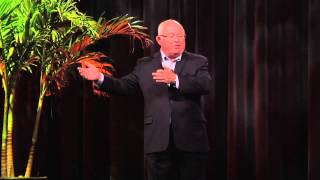
This is a transcript of Roger Sitkins’ keynote at the FAIA convention (June 2014) on "the agency of the future." Sitkins—an insurance consultant and founder of Sitkins International and the Vertical Growth Experience—reviews eight agency areas (sales, sales leadership, sales approach, service, financial model, compensation, carrier relationships, perpetuation), presents practical tactics (team selling, risk assessments, VIP personal lines, branded customer experience), and gives measurable targets (25% operating profit goal, Grow Fit combining growth + profit). The talk mixes industry anecdotes, recommended management routines (PTA: Process, Train, Accountable; reverse performance management, producer performance agreements) and calls to reduce being "average."
Chapters
He began his career in 1980 and prior to that I think he was an actual insurance agent. And he is a gifted communicator, expert at strategies of performance enhancement and improvement. He's traveled the country showing agencies, brokerage and brokerages how focusing on the basics would bring them greater success and a better life. Power of that knowledge has quickly recognized and Roger became a frequent speaker at conventions around the country, including several times here. Previously at FAIA, Roger and his firm have helped over 2,000 independent insurance agencies and brokerages build their dream businesses while reducing workload. As a result of all these experiences and his voracious appetite for increased knowledge, Roger invented the Vertical Growth Experience. This is a series of strategies in the areas of sales, sales management, senior management, account management and business development. Roger's conviction to a long term relationships with his best clients prompted him to establish the sitkins 100 of which we are a part and eventually Sitkins International. This is an exclusive network of high performance, non competing agencies and brokers and are the only agencies and brokers that have access to the vertical net. The Vertical Growth Experience. I'm thrilled to have Roger back and yes, this is his home state region UP has been in Fort Myers for years. We're thrilled to have Roger back and I know that he'll enlighten you and share some great information. Thank you.
Good morning. Good morning. I'm really honored to be here. Sam said, I've spoken several times here at FAIA and I always enjoy it. It is my home state. People said why did you move to Florida? And I said, well, I had a chance of either living just south of Detroit or Sanibel Island. How many of you probably made a pretty good choice there? Okay, what I'm going to talk to you about today is the agency of the future. I've been consulting, coaching, training with agents for over 30 years now. And as I look at it and see what happens with them, I realize that there are some major changes that have happened and more importantly, some things that are going to happen. I'm going to give you my view of eight areas of an independent insurance agency. But as we go through this and hopefully you'll take some notes. I know you have the handouts here. Please do take some notes. There's one thing I'd like you to remember from this whole presentation. What is the cost of being average? What's the cost to your business or you to as an individual for being average? Now let's face it, average in our business isn't bad. It's the Best of the worst and the worst of the best. As close to the top as you are the bottom, that's average. How many of you that are agency principals or producers or future owners, how many of you in the business today are making pretty good money? Raise your hand if you're making pretty good money? Okay. How many of you are making more money than your peers or your siblings, et cetera? Making pretty good money? How many of us are making more money than we'd make if we had a real job? Okay. How many of us would be fired if we had a real job? Because you, like, have to do what they say and, you know, show up and punch a clock and, you know, some of the things. This last presentation, by the way, they did a great job, didn't they? That was really good. Really good. Give them another round of applause. I really enjoyed that. So let's get into it. Find the clicker here. Let's take a look at the eight areas we're going to be talking about today. Sales, Sales leadership. Your actual sales approach. How do you go to the marketplace, your service areas, the financial model. You may have agency compensation, looking from the carrier perspective, looking at the carriers themselves, and then perpetuation, because everybody's eventually going to leave their business. Okay, so let's start off in the sales area. How many of you are part of a sales organization? Yes or no? I would hope all hands would go up. Right. If you're on the agency side. So let's go through these together. Number one, I believe as we look out about 10 years in the future, that insurance will not be your only solution. You might want to even star that if you're taking notes, insurance won't be your only solution. It will be one of the solutions you provide. But if the only thing you provide is insurance, aren't you like everybody else? Aren't you doing what everybody else in your community or your marketplace does? So I think we have to start looking beyond just insurance and start looking much more at risk solutions. Number two, I believe we've got to get away from being the vendor of a commodity. Now, commodity decisions are based upon what price. Okay, can you make a pretty good living selling on price only? Yes or no? Unfortunately, yes. If you say pretty good. Again, cost of being average. But the reality is if you live by the sword, you die by the sword. We've heard that forever. So what we really have to say is if we're a vendor of a commodity, we're no different than every other commodity person out there. Versus truly becoming A trusted advisor to our clients. Now, how do you know if you're a trusted advisor? It's all based upon when they call you, if your client calls you before they make a change in their business, you're a trusted advisor. Hey, I'm going to sign a lease on a new office space or new warehouse space. It has insurance requirements. I'd like you to review it ahead of time. You're a trusted advisor. If they call you afterwards and tell you what they just did, you're just a vendor. We've got to get to that trusted advisor status. Here's the number one reason. Well, two reasons. One, differentiation. Two, Trusted advisors are rarely fired. How often does someone fire their attorney, their cpa, their wealth manager? Not very often. Trusted advisors do not routinely get fired. Commodity brokers are always fired again based upon price. So we've got to get ourselves positioned totally different in the marketplace. What about sales versus service in the future? Well, I asked already, are you part of a sales organization? Not everybody raised their hand. Sometimes we think that we're in the service business and sometimes we sell stuff or we're in the sales business, but we're too busy in service and we can't get out there and spend enough time at it. Who's number one? I think it has to go together. I think we have to constantly work towards the whole concept of high performance teams working together to complete what we call roi. Retaining and obtaining ideal clients. What do we have to do to retain them? What do we have to get new ones and are the ideal clients or the people we really want to build our business on full time clients only. I'd like you to star that one if you're taking notes. It still blows me away that too many times I see agents across the country that are order takers. They're order takers and they're taking orders on what commodities rather than demanding that if you are going to be a client with us, you have to be full time. We've been doing these studies for a million years and it's still, I just have a hard time with it because what I see is that 66% of personal lines accounts are single policy accounts, 49% of small to average commercial accounts. So single policy accounts. How many of you know where you stand there? You know your numbers in that area. How many of you know a few of us? Not all of us. If you don't know, you're guessing. Not a good way to operate. Next, we've got to make sure that we start moving towards a concept of team selling. I can tell you right now, the agencies that we work with across the countryside, the ones that are having the best growth, and I mean growth of 300, $400,000 a year, new commission per team, are the ones that are putting together the senior producer, an account executive, the service person. They might even have their own processor, they might have a junior producer in training, but they're teaming up and when they visit an account, it's a team event. When they work on a new account, it's a team event. We have one guy and I know, you know, don't always give the best example because it makes the rest of us look bad. But we have one of our guys who's jumped on this as well as anybody and he's the CEO of the company, so he has that responsibility. But on his team, last year, four people, including the service staff, did $645,000 in new commission income. Now for a lot of us, that's called a career. They did it in one year. Now, can everybody do that? Of course not. But he admits readily that if he did not have the team working together, there is no way he could do it. I believe in the future we're all going to be teaming up. Big data, big pipelines. If you come to our session this afternoon where I'm going to be talking about predictable guaranteed success, you're going to see that when you do the right things, at the end of the day, you've just got to make sure you've got the right amount, the quantity and quality of at bats. And with the big data that's available now, to go out there and find out everything about a product, here's what's the worst thing you can say to a prospect when you meet them for the first time. So tell me, what do you guys do here, right? If someone said that to you, what would you think? They're not prepared, they're not ready to play the game and they walk in. There's so much information we can work with. What about sales leadership? Well, there was a great study that came out a couple of years, a year and a half ago now from Reagan on organic growth. How many of you read that report? If you didn't read it, go to their website, take a look at it. It's one of their white papers. What they talk about is the agencies that are having the best organic growth. What's it about? And what was interesting to me is only 15% of them have effective full time sales leadership. But I believe in the future, when you look at this, we still have to have leaders that lead, okay? And when I read the report, those of you that know me know I'm a blocking and tackling 101 guy. And I like acronyms. So the acronym here is to get to the pta, and that's not joining the Parent Teacher Association. The PTA says there's a process, we train it and we hold people accountable. Write that down, please. Number one, we have a selling process. This is how we go to the marketplace. Number two, we consistently train around that process. We don't just say, here's a. It's like going to a one day sales seminar. Oh, boy, we really learned a lot. And if it's out of town when you get to the airport, you get airport amnesia. And you. And you forget what you learned and you go back and you keep doing things the old way, but sometimes you remember the notes. But it's a sales process that we constantly train. I mean, think of a great football team or basketball team or baseball team. They train, they train. They don't just. They're not just playing the game, they're training for the game. And then finally they hold people accountable. I will tell you, ladies and gentlemen, that the agency of the future must have an absolute common culture of accountability. And to me, accountability is pretty simple. Did you do what you said you were going to do? Well, number one, we have to have an agreement up front of what the rules of the game are, how our agency operates, what's the agency's way of doing business. As my mentor, Gary Holgate used to always talk about a million years ago, and are we going to hold people accountable to it? Next one. Well, again, leaders that actually lead, those of you that are in the audience that were in some of those earlier generations that the last people from Bridgeworth talked about, you know, a lot of us started out selling insurance and wound up running a business. Is that fair? We started out selling insurance. How many of you love selling insurance? You really love being in the game? Okay, how many of you spend the vast majority of your time selling insurance? Only a few of us. Only a few of us. Okay, leaders that lead, leaders that are actually out there, leaders that realize, you know what, I'm still probably one of the best producers in the agency. I probably have the best natural pipeline, by the way. That's another reason to build the team, take advantage of the natural pipeline that we have seen. What happens with older producers is most times for older owners, they've got some great accounts they can work on. But why don't they chase them? They don't want to do the work. It's sort of like the example of a dog chasing a car. Have you ever seen a dog actually catch a car? What would happen? But see a producer, an older producer. If we team them up with a younger producer, from a sales leadership perspective, we said, look, you've got a natural pipeline. Just go back and ask your senior producers this question. Who are the five people you know from church, community events, whatever, that if you call them up today, they'd accept the call and you could go in and talk about our unique process. Assuming you had one, you'd be amazed how you can quickly fill up the pipelines. Next, low risk versus high risk practice. This one I would start. How many of you right now do a lot of practice within your agency on your selling skills? Maybe the light can't see because of the lights. I don't see a lot of hands going up. See, there are two types of practice. There's low risk and high risk. Low risk is practicing in the office. It's practicing how to ask for referrals. Gee, what a great concept. And it's practicing asking questions. It's practicing rehearsals. It's practicing phone skills, whatever it may be that's in the office. Why do most people not like practicing in the office? Why don't they want to practice in the office? Well, they don't want to look stupid in front of their peers, right? I got news for you. You're going to look stupid someplace. So high risk practice is trying a new technique or making a presentation to a prospect or a client or a center of influence. The first time live versus rehearse. Rehearse, rehearse. We think it's an absolute minimum requirement. There's a great book out. It's called the Exceptional Producer. It's actually been out about four or five years now. Have any of you read the Exceptional Producer by Timothy Kogel? If you're a producer, you better read that one. Timothy Koegel. K O E G E L. There's a great statement in there. It says people who practice get better. Those who don't, don't. Again, what's the cost of being average by not going out there and getting better on a regular basis? No lost opportunities, mandatory rehearsals in the future. You know, with all the data out there, it's getting tougher and tougher to get in to see somebody. In fact, how many of you find right now that when you go out, they know as much about you as you know about them? Are people googling you before you come out to see them? Yes or no? Absolutely. Okay, so you better make sure that when you go out and make a presentation, let's say you've gone out, you've gone through your whole process, now you're going to present your program to them. How many of you right now videotape your presentations? Couple. How many of you remember the first time you ever heard your voice on audio or the first time you saw yourself on video? Okay, I have a photographer or videographer that's with us today and he's videoing this so I can use it for rehearsal and checking. And I can tell you, I didn't know my head was this big. I thought I still had a lot of hair and it wasn't great. But when I look at it, I'm gonna go, wow. But I believe it's mandatory when you realize you've got one opportunity and you worked really hard and you get in front of somebody, what does it look like? Mandatory rehearsals, by the way, I'm talking about rehearsing before the event, not afterwards. How many of us have ever said in the car, afterwards, man, next time, next time I won't do that stupid thing. But we haven't rehearsed enough. Again, one opportunity to make it really shiny. Self managed and accountable producers I believe is crucial because the reality is if only 15% of the highest growing organic growth agencies have full time sales, how many of you right now do have full time, full time sales manager? 1, 2, 3. How many of you at least have a named sales manager whether they're effective or not? Okay, not. See, most of us don't even have sales leadership identified within our organization. Hey, who's the offensive coordinator for your team? Who's the offensive coordinator for your team that's going to be in charge of putting points on the board? Well, we believe in a concept. You may want to write it out. It's called reverse performance management management. Reverse performance management. What it basically says is there's an agreement up front we call the producer performance agreement. We agree up front on the behaviors and strategies that will be in place this year that will allow us to hit the numbers that we want. We have an agreed agenda we're going to review, and then once a month the producer comes in and reports up. It's reverse performance and it's every month holding people accountable every single month. Producer recruitment and development. Well, it's one of the biggest challenges we see. If any of us could ever solve producer recruitment, we could make A million dollars a day, and it'd be really great. But the reality is this is something that's got to be an ongoing process within your office. How many of you have any sort of producer recruitment in place today? 1, 2, 3, 4. Okay, good. The rest of us, we've got to jump on it. We know that it's easily said sales approach itself. Well, I believe we've got to take a totally different approach to the marketplace. You know, when I was doing my rehearsal yesterday, before I got in an airplane to get here, I was thinking to myself, yeah, I did rehearse this. Okay. I was thinking, what are the real producers out there? This is the first time it's hit me in all these years. I think there are two types of producers. You may want to write this down. I think there are app fillers, I think there are risk managers. App fillers and risk managers. App fillers are the producers that go in, say, hi, nice to meet you, and they operate the old way, which we call look, copy, quote and pray. We're gonna look at your policies, copy your policies, quote your policies, and pray we've got a price like, and then beg because you won't return my calls. That sound familiar? Okay. Or are we true risk managers? And I think when we look at our A and B type accounts, the top 20% of our customers, we better be risk managers. We better provide risk solutions. Insurance is one of the solutions we provide. It's not the only one. So I believe that we've got to make sure that we are doing a formal risk assessment with the top 20% of our clients at a minimum, each and every year. How many of you have that in place today? Annual risk survey of your best clients. Wow. So if I went in to visit your top five clients personally, I was competing against you, and I walked in and I said, nice to meet you, blah, blah, blah, blah, blah. I said, by the way, before we get started, could you share with me a copy of the annual risk survey your current agent completed over the last year or two and the recommendations that they made? What do you think the average prospect I'd be dealing with would say? The what? Well, you know, the risk survey. We don't have one. Would there maybe be a chink in your arm? Might I be able to get in and work against you just because of that? So it's risk assessment, it's risk quantification, it's risk priorities prioritizing. Because all the risks you find. How many of you found that when you go in? And really Analyze the prospects, policies and their needs. Probably eight or nine times out of ten you find gaps. Is that true? Yes or no? Yeah. Well, then why don't you be the 1 agency in your marketplace that demands it? I'm a huge fan of rough notes right for them and I like the magazine, but I really love their product called Producer online. So if you're not using Producer online, which is an unbelievable tool to get out there and really do great industry specific risk surveys TCOR measurement 10 years from now, if you're still in this business and you're still growing, you better understand t cor you better understand today. But you better make sure that top 10, 20, 30, 40% of your customers, you're helping them measure their total cost of risk. Because as you know, when you really look at everything that involves a total cost of risk, strategic risk, business risk, hazard risk, that the insurance premiums they spend on an average larger commercial midsize to large commercial accounts, the premiums are less than 50% of their total cost of risk. How many of you right now are working with your clients to get them to understand total cost of risk? Only a few of us, ladies and gentlemen, what's the cost of being average? These are the things I'm talking about that can make you differentiate in your marketplace true trusted advisor than actually advisors. Well, we already gave the definition of a trusted advisor. Somebody that gets called before the event, not afterwards. By the way, one day one of the producers in our producer camp came up, said, hey coach, man, I really bought into that trusted advisor thing. Look at my new business card. And he had changed his title to trusted advisor. I looked at him, I said, you know what's sparky? Calling yourself a trusted advisor doesn't make you more, doesn't make you. You've got to earn that right. So not only are they trusted advisors who advise, but I want you to write this down if you're taking notes. And I sure opr they challenge their clients and prospects. There was a great study done by the sec, not the southeastern conference with the sales executive committee. And they interviewed 6,000 sales managers. And what they found was the very best salespeople were not the relationship builders, they were the challengers. Now, that doesn't mean they don't have relationships because I still believe relationships are important. You, you agree with me, yes or no? Yeah, absolutely. I worry that we're getting away from that too much. Both the challenger sale Again, read the book. If you want to really get into the psychology of what's happening in the future. Here is about saying, I'm going to challenge that person because I'm going to bring them knowledge they don't currently have. Because I would hope that when you go in and work on an account at the end of that first meeting, that prospect or that center of influence knows more about insurance, risk analysis, et cetera, than they did before. I believe in a total non traditional approach to differentiate. Again, what's the old way? Look, copy corn and pray. What's the new way? We go in, we probably start off with an executive briefing that tells them not only what we do, how we do it, but more importantly, why we do it, why what we do, and how we can help your business. Okay. Secondly, that we're going to make sure that we come in and do a total. Like in our selling system, it's the risk reduction workshop where we do an assessment, then we present a risk reduction plan, and then we implement the plan. That's different in the marketplace. Here's how you know if you're different when you're dealing with a prospect or trying to build a center of influence. If after you're halfway through you telling them your story, if you're not hearing, wow, you've not differentiated, someone's going to hear, wow, five, ten years from now. And I sure hope it's you and your agency. VIP personal lines. It's one of my favorite topics. I love it. But yet 95% of agencies have not set up VIP personal lines today. I think you're missing the vote. Have you ever lost a nice commercial account because the VIP personal lines got screwed up? Because it was falling in the middle of every other personalized account you have? Yes or no? Yeah, it happened. How many of you do have VIP set up personalized? Not enough of them. Let's look at the things we've got to do in the future. Specialists versus general practitioners. I think it's key here in every professional service you can think of, any profession, quite frankly, specialists will always make more money than general practitioners. Now, general practitioners in our business will still do fine, but they won't really soar. They won't really take off. They won't do 150, $200,000, $300,000 of net new commission income per year because they're general practitioners. I believe that you've got to find your. It's not one specialty. One of the best agencies we've ever worked with and the one that within our group has the highest revenue per employee, a little over $250,000 of revenue per employee. They only write five classes of business. They don't write any personalized, they don't write benefits. But they have five classes of business that they're the best at. That's why they've got revenue per employee. So why more importantly, spread per employee? All right, the service area. We've talked about this a little bit. Number one, branded customer experience. Once you think of coming to a pretty nice hotel like this one, has the customer's experience been pretty good here from the check in, dealing with the staff, etc. Have they done a good job, yes or no? Yeah, I think they have. I've only been here a little while. I got here about 8 o' clock last night. Think about Four Seasons. Think about Ritz Carlton. Great customer service. Think of a Motel 6 if you want a digital bedroom. Okay. Pretty crappy service. There's your room. Go get them. All right. I would hope that you and your agency are working towards, believe me, 10 years from now, you better have it locked down. A branded customer experience. What is it like for a customer with us before, during and after the event? One of the best agencies we have in Michigan has actually taken that point. They worked on it for a year now and they know that when a customer walks in, how are they greeted? What do we do? What's the office look like? Do we offer them a bottle of water, whatever it may be? And I know that sounds a little goofy, but they've taken it that far. They said in the old days, somebody come in and they have a lot of walk in business at their agency. Somebody comes, I need to see Sally. Okay, over there. Now they get her up. Now the receptionist gets up and walks her over. They make sure that anything they do where they see the person in person, anything in writing. Okay? Any personal event, they branded the experience. What do we want the customers to feel after we're done dealing with this? So I think when a customer deals with you, they have one or two reactions, wow. Which I said earlier, or whoa, no big deal. How many of you have ever heard you insurance people are all the same? Be honest. Yes or no. Yeah. That means we don't have, we haven't done anything around a branded customer experience. Believe no killing trees. We've got to maximize that automation system. Wouldn't it be cool if 10 years from today you never had a piece of paper? How many of you had enough paper cuts in your life? Okay. Wouldn't it be cool if we did that? We didn't have to anymore. Lean more with less. This is one of the Topics I've really been focused on personally in the service area. As I'm looking out to the next 10 years, what's happening. I get really frustrated when I see the Big Eye studies and I see the amount of revenue per CSR and personal lines and commercial lines, and I see the number of customers they handle. In my own agency a million years ago, my personal line csrs, as we called them back then, handled anywhere from a thousand to twelve fifty account seats. Today, those numbers aren't even close to that. If you look at the studies, there may be 5, 6, 700 customers each. And yet the best one we have right now is 1600 customers each per personal line CSR. I was talking about this with one of the owners in our group, in fact, a guy from Cape Cod about two or three months ago, and I asked him the question. I said, why is the productivity so low? What am I missing? He said, roger, you're missing the reversal of the workflow. How many of you are doing a lot of work today that used to be done by the carriers? Yes or no? Yeah. Here's what he told me. That just blew me away. I never knew it. He said, between our own automation system, all the carriers, the rating, the appraisal, etcetera, an average service person in my office has to know 50 software programs. No wonder I see some people nodding. No wonder the productivity is not where it should be. They're just spending so much time trying to get things done lean. Doing more with less personalized revenue per csr. In the Big Eye study, the Reagan study, I looked at it and I was really disappointed. I'll just give you some round numbers. For an agency around 2 1/2 million of commission income, 2 1/2 to 5 personalized CSR is 2 to $300,000 of revenue each. Wow. How can you make a lot of profit? Especially by the way, if you're paying commissions on it, you guarantee yourself a loss. The person, the commercial lines, 3 to 400,000 at the highest range. The top 25% is about $461,000 each. How many of you know those numbers about your agency? You're looking at them. Okay, not all of us. These are things you should know, not guess. In the future, we've got to. Basically, my goal would be 10 years from now. We better be handling double that. We better be handling double that through the use of our automation, through the efficiency, through et cetera, et cetera. Okay, this is a big one. I believe in the future we've got to elevate our service people to be relationship managers, not people that just push transactions. Would you agree with that? That they've really got to have a responsibility for managing that relationship, owning that relationship. All right, what about your financial model itself? Financial model. All right. I believe only two things really matter in your agency today is the top line, revenue growth and your operating profit. Top line, revenue growth and operating profit, that's what drives value. You know, looking down in the room, the number of agencies that are here, I'm going to say that in this room alone, there's probably $250 million of unrealized value. Your agency, because you're not focused enough, and I realize I'm preaching the choir, you're here, but you may not be focused enough on saying, look, we've got to drive growth and we have to have operating profit. Now, we all know operating profit means what? No, no interest or investment income, if you have any, and no contingency income. Can I make money operating my agency today? Well, in our case, we believe there should be a financial model, the financial model that you follow. And here's our model. 25, 15, 25. We believe that you take the bottom line and make it the top line. And I think in the future you're not going to have a choice. So our goal is a 25% operating profit. You want me to tell you how to get there? Yes or no? Wanna hear it? Okay, here's how you get a 25% profit. He only spent 75%. Thank you for being here. Okay. Gosh. What? What is it? That's true. You only spend 25%. Well, where am I going to spend the 25%? I think you spend 50% on service and administrative expenses. I think you spend 25% on sales expense. That way you get a 25% profit. It's pretty simple. And every decision I make in my agency as I move forward in my 10 year business plan, if that's my model, someone comes in and says, we need to add two more people. What's it going to do to our mind? What's it going to do to our mind? How is that person directly or indirectly going to help us generate enough revenue to cover their expense plus and still turn an acceptable profit? When we look at this now, when we look at it now, we have a new number that some of you have seen most have. It's called Grow Fit. You may want to star that if you're taking notes. What Grow Fit says is, what's my percent of top line revenue growth? Net new Growth. And what's my operating profit? The goal, the combined goal today is at least 25 minimum. If you're not at 25, you're losing so much value. What Grow fit says is what's my percent of top line revenue growth, net new growth and what's my operating profit? The goal? The combined goal today is at least 25 minimum. If you're not at 25, you're losing so much value in your agency on a day to day basis. So if I had a 10% top line revenue growth and a 15% operating profit, I'd have a growth rate of 25 and that'd be okay. That would be always better than the average buyer because again, we're taking out contingency income, the future goal. And I'd make a note of this 10 years from today, even shorter than that. I believe it's got to be at least a growth rate of 40 that when we're out there operating, we have to be at least a 40 in our grow fit number. Take a look at that. You may be surprised in your own agency. All right, compensation, compensation. I think this is going to be a big, big change over the next few years. How many of you have had any commission decreases from the carriers over the last 10 years? How many of you believe that that trend will reverse itself? No. You know, did travel agents see it coming? How many of you went to your travel agency? Those of you that flew here and went and picked up a paper ticket from them? Nobody. So what happened to the travel agents? They got replaced. Who did they get replaced by? The Internet? They got replaced by autonation. Okay, what about stockbrokers? Did they see it coming? You know, those guys used to churn your accounts and do all those great trades because they made money on every trade. But now, of course, you go to Scottrade or whoever, you make a trade for four, five, six bucks. Do your own trades. Did those two professions see it coming? I don't think so. I don't think so. Could that happen to us? Could we get replaced by automation, by the Internet? Have any of us lost any business to some companies known as Geico Progressive? They spend a billion dollars a year each to get your customers to do what? Spend 15 minutes and say 15%. Have you seen the new one for Esurance? I love that one. When the old ladies are there and she goes, I'm going to be friends. You taking a picture off the wall? It's one of the funniest ones ever. I was on again this morning. Esurance says, shouldn't take that long. It should only take seven and a half minutes and even save more than 15%. Now I think we will continue to be challenged there. There's no question about it. And that's why I'm saying if I'm going to be in that commodity based business, I better be in it big time and I better have a VIP model because I believe the VIPs, the ones that insurance says shouldn't take that long, it should only take seven and a half minutes and even save more than 15%. Now I think we will continue to be challenged there. There's no question about it. And that's why I'm saying if I'm going to be in that commodity based business, I better be in it big time and I better have a VIP model because I believe the VIP is the ones that are. How many of us right now have VIP personalized accounts that are bigger than a lot, a lot of our commercial accounts, right? Absolutely. And yet we sit here, we don't necessarily put together a model for that. Well, my concern here is that I believe it could happen to us if we're not careful. What if this happened? I don't know if it will, but I always like to play the what if. How many of us right now have VIP personalized accounts that are bigger than a lot of our commercial accounts? Right? Absolutely. And yet we sit here, we don't necessarily put together a model for that. Well, my concern here is that I believe it could happen to us if we're not careful. What if this happened? I don't know if it will, but I always like to play the what if. Cause see, you're in the risk management business. I think you've got to look at your own risk too. What if what you currently do for free would be the only way you got paid in the future? And how you currently get paid? You'd have to do for free or wouldn't even be part of it. Now what do I mean by that? What do you currently get paid for? You get paid for. You're in the risk management business. I think you've got to look at your loan. What if what you currently do for free would be the only way you got paid in the future? And how you currently get paid? You'd have to do for free or wouldn't even be part of it. Now what do I mean by that? What do you currently get paid for? You get paid for being the pass through middleman on a risk transfer transaction. Is that true? Yeah. See, I think there are two buckets that your clients that you deal with. One. One bucket represents the client or prospect. The other bucket represents the insurance carrier. And what you do is you take risk out of this bucket and you put it in the pass through middleman on a risk transfer transaction that's in that bucket. You take the risk off the client's balance sheet, you put it on the carrier's balance sheet. And for that pass through, you get paid a commission. But if you don't add value, I think you can quickly get replaced. All right, so right now, what most of you do for free. True. Yeah. See, I think there are two buckets that your clients that you deal with. One bucket represents the client or prospect. The other bucket represents the insurance carrier. And what you do is you take risk out of this bucket and you put it in. Are all the value added services that you believe differentiate you in the marketplace? Yes or no? Do you get paid for that? Well, I guess you get paid if you say you get the trans. The commission. Here's my point. If commission went away or if it keeps getting lower and lower, I've got to put something in that bucket. You take the risk off the client's balance sheet, you put it on the carrier's balance sheet, and for that pass through, you get paid a commission. Differentiate. And I've got to find a way to maybe get paid differently. And all I'm saying is all these value added services that you currently provide, make sure the client appreciates them. How many of you have ever heard this? And you don't even have to raise your hand because I know you have, but have you ever been out there and maybe you're sitting with one of your producers in front of a nice prospect and the prospect says, wow, but if you don't add value, I think you can quickly get replaced. All right, so right now, what most of you do for free, you guys are going to put together a disaster recovery program for us and driver's training and safety committees. Yeah. How much more is that going to cost us? And here's where the average producer blows it. That's nothing we do for everybody. It's free. What happens the minute you say something is free, You've devalued it. You've de. Are all the value added services that you believe differentiate you in the marketplace? Yes or no value that. I don't know what's going to change. I don't think it's going to get that bad. But I'm just saying what if. What if compensation continued to change? What if the only way I could differentiate was instead of being a pass through middleman that 10 years from now, five years from two years from now, I add value to the transaction and the. Do you get paid for that? Well I guess you get paid if you say get the trans. The commission. Here's my point. If commission went away or if it keeps getting lower and lower, I've got to be suppliant appreciates the value that I've added. That's differentiation. All right. The carrier relationships, carrier relationships. I'm probably going to get some disagreement on this one. I believe that less carriers equals more. Fewer carriers equal more. Now by the way, what's Murphy's law? The minute you get rid of a carrier they become the hot carrier and I have to differentiate and I've got to find a way to maybe get paid differently. And all I'm saying is all these valish here. So I don't know, I'm just heading on here. I don't know the answer but I do know this. The 8020 rule is real as far as the production that you have in your company, your agency you go through. Look at the top 20% of your carriers, it's 80% of your premium volume plus it's 80% of your revenue. Okay. It's amazing to me how many carriers you added services that you currently provide. Make sure the client appreciates them. They have. Most agencies have. I think I'll give you some numbers here in a second. The other big thing I think where there's hundreds and hundreds of thousands of dollars being lost by the average agency today is they do nothing to Track contingency income five years from now, 10 years from now, there better be a system in place that says I'm going to monitor on a monthly basis my volume with my best carrier. How many of you have ever heard this and you didn't have to raise your hand because I know you have, but have you ever been out there and maybe you're sitting with one of your producers in front of a nice prospect and the prospect says wow as it relates to my profit sharing agreement so that I don't leave dollars on the table. One of the best agencies I ever saw attack, this is one out of Oklahoma that I personally consulted with. And we went in a long story short, the guy that was a CEO realized he was a bad CEO and all he loved doing was selling. So we wanted to give him his unique abilities doing what he does best, delegating the rest of the. We made someone else the president and one of his, and this was a larger agency, 5,6 million of revenue. One of his main responsibilities was to work with the carriers, negotiate better contracts and track our volume to make sure we're placing business where at the beginning we do the right thing for the client. Always, always what's right for the client. But then if it's close, which one can also help us on profit sharing agreements, on commitments that we've made to the carriers. And we paid this guy a 10% bonus. Additional dollars he brought in, we paid him 10%. He made $25,000 bonus that year because he brought in $250,000 more by tracking it and negotiating. And all of Those dollars are 100% profit. You guys are going to put together a disaster recovery program for us and driver's training and safety committees. Yeah. How much more does that is that going to cost us? And here's where the average producer yet we don't see it. One of the carriers we've worked very close with through the years has done some studies on this. I'm not allowed to tell you which one because I have a confidentiality agreement, but I can tell you some of the things we learned. And then I also went through just this weekend I took a look at the big eye study again and I looked at the number of companies and when you look at personal lines, the average loza, that's nothing we do for everybody. It's free. What happens the minute you say something is free, you've devalued it. You've de agency in that two and a half to five million dollar income range. If you look at their national carrier and regional carriers, the average agency has 16 personal lines. Carriers blows me away. How about commercial lines? 26 carriers. Now most of you think it's probably not me, but when's the last time you went and just looked at your insurance company payable list? I don't know what's going to change. I don't think it's going to get that bad. But I'm just saying what if, what if compensation continued to change? I believe that less equals more. I think in the future we've got to have better relationships. I think we have to do true strategic planning versus the current model. I think the current model of planning by carriers is that absolute joke. How many of you you're planning session with your carriers or something like this. Hey, good to see you again. Good. What's going on? Hey, what if the only way I could differentiate was instead of being a pass through middleman that 10 years from now, five years from two years from now, I add value to the transaction. And the. What do you think about the day? What about football coming out? Yeah. Look, we need about half a million dollars more this year. Okay. High five. Hold hands in kumbaya, and then we see an extra. Well, you didn't quite make it. This carrier specifically asked me to work with their reps and start designing a better model for this. I said, you know, the number one thing we've got to do is make sure that it's about strategic planning and how we help each other. My aunt appreciates the value that I've added. That's differentiation. All right. The carrier relationships. Carrier relationships. I'm probably going to get some disagreement on this one, not just a number. When I was doing the research on this, I was interviewing many of the agencies that we work with and one guy in particular, who used to be a regional vice president with a not to be named national carrier. He looked at me when I asked him the question. He said, roger, the planning. I did. I believe that less carriers equals more. Fewer carriers equal more. Now, by the way, what's Murphy's Law? The minute you get rid of a carrier, they become the hot carrier with our agencies. My region was a joke. That's why I used the term. So what do you mean? He said we were wrong coming out of the box. I said, what do you mean wrong coming out of the box? He said I was not allowed to report to the home office that any one of our agencies was going to have less volume with us this year than last year. So which year? So I don't know. I was heading on here. I don't know the answer. But I do know this. The 8020 rule is real as far as the production that you have in your company, your agency. We knew it was wrong and we would just do the kumbaya planning. I asked him and I started asking around, and I asked the carrier that I dealt with. I said, what percent of your agents hit their annual goal each and every year at the partnership level? About a third. Everybody else, about a quarter. You go through, look at the top 20% of your carriers, it's 80% of your premium volume. Thus it's 80% of your revenue. Okay. It's amazing to me how many carriers. I believe that system's broken versus sitting down and going in and talking with your companies about strategies. Okay. If you want half a million dollars, how do we work together? Remember a number of years ago when Fireman's Fund had what they call at that point called CIC commercial insurance centers, then I think 32 of them, and they asked me to come in and spend a day with all of the 32 managers and the senior execs from the company to explain to them what really happens at an age they have, most agencies have. I think I'll give you some numbers here in a second. The other big thing I think where there's hundreds and hundreds of thousands of dollars being lost by the average agency today is they can see. Which I thought was interesting. They even wanted to know, because most don't. And we got through it. I was talking and I talked about a proactive method where the agency comes in, sits down, does it kind of a state of the agency presentation, talks about what you're doing, talks about where we can work together, etc. They do nothing to track contingency income five years from now, 10 years from now, there better be a system in place that says, I'm going to monitor on a monthly basis my volume with my best carrier. And they say, oh, man, when our agents do that, we love it. I said, what percent of your agencies do that? Took a poll through the room, 2%. Now, how important is the insurance carrier relationship moving forward over the next 10 years? Important, yes or no? Yeah, they're kind of like you're the manufacturer's rep. And they're as it relates to my profit sharing agreement so that I don't leave dollars on the table, the guy that produces the product. But yet when I see this, in fact, I had a situation, one of the best things I ever saw, Attack. This is one out of Oklahoma that I personally consulted with. Tuesday of this week. I was doing a video conference, went in, a long story short, the guy that was a CEO realized he was a bad CEO and all he loved doing was selling with one of our agencies and with the management team and my monthly coaching with them. And there's a new person on the management team who used to be a regional manager. So we wanted to get him and his unique abilities doing what he does best, delegating the rest. We made someone else the presence, served with a carrier up in the Midwest. And she specifically said, roger, I said, what's the number one thing you've learned coming from the company side to the agency side? She said, number one, the agency side's a lot more fun. She said, you know, I had a Cuba. How many of you ever worked at a Cuba? Anybody? Yeah, don't you hate that? And you worked really hard in the idiot in the cubicle next to you didn't work very hard, but you got the same race and one of his, and this was a larger agency, 5,6 million of revenue. One of his main responsibilities was to work with the carriers, negotiate better contracts and track our volume to make sure we're placing business where at the beginning we do the right thing for the client. Yeah, that's a lot of fun. Okay. She said the number. I said, what's the number one lesson you've learned? What's I always, always what's right for the client. But then if it's close, which one can I. Number one thing I can preach. She said, it's what you've always preached. You better always have a top of the stack submission. You better have great relationships with your underwriters. And here's the number one. This just blew me away. She said the number one thing that makes it made a difference when I was with that carrier was when the agency picked up the phone and called me and didn't send me an email. Now I think we all inherently know that, but in the future I was emailing more and more and more. But what can we do to differentiate? Well, I think we've got to work hard at the world relationship perpetuation planning. Well, I think this is a huge one. Perpetuation planning. Is it true that all of us will eventually leave our business? Yes or no? Also help us on profit sharing agreements, on commitments that we've made to the carriers. And we paid this guy, yes or no. We're talking 10 years in the future. You know what, 10 years from now, a 10% bonus. Additional dollars he brought in. We paid him 10%. He made $25,000 bonus that year because he brought in $250,000 more by tracking it and negotiating. And all of Those dollars are 100 profit. Most of us, I won't say most of us, a lot of us in this room will not be in this business anymore. That true, yes or no? I'm not going to be. You know, I hope I can still speak and get out there and do a lot of great stuff. You know, I've got two grandchildren now. I just found out by the way on the air getting on the airplane yesterday, I knew my daughter was pregnant, but it's twin boys, so I get a tear in my eye. I'm really excited about that. It's kind of cool. She's maybe not as excited as I am. It is her first. The only good news is it's two boys. It's not a Boy and a girl. So she's playing the nursery even quick. Yet we don't see it. One of the carriers we've worked very close with through the years has done some studies on this. I'm not allowed to tell you which one because I have a confidentiality agreement but I can tell you some of the things we learned. And then I also went through just this weekend I took a look at the big I study again and I looked at the number of companies and when you look at personal lines, the average. But in the perpetuation, is it internal or external? See everybody again eventually leaves their business. I think you've got to start thinking about hiring future partners. Hiring future partners. Think of law firms, CPA firms. They don't hire salespeople or just accountants or lawyers. They hire future partners. I want you to start thinking about junior partner, senior partner, managing partner. Bring in people. If you want internal perpetuation, you can do it that way. Agency in that two and a half to five million dollar income range. If you look at their national carrier and regional. I believe you have to have a five year talent plan that basically looks at our talent and says where is every one of those people? One of the neatest things we did recently was a spreadsheet with an agency where we put three columns in there because while I was doing private planning with them and they decided that they had a bunch of people that are going to retire next to carriers, the average agency has 16 personalized carriers. Blows me away. How about commercial lines? 26 carriers. Now most of you think it's probably not me but when's the last time you went Just looked at your insurance company payable list. 35 years. If they had really planned for. So we created a one page sheet with three columns. Retire, repair. Excuse me, Retire, replace or repair. They're going to retire the next three to five years. We're going to need to replace them because quite frankly they're terrible. I mean just thought of something. Okay. Or we need to repair them. We need to go. I believe that less equals more. I think in the future we've got to have better relationship better. We need five year talent plans. Moving forward we need 10 year. I think we have to do true strategic planning versus the current model. I think the current model of planning by carriers is an absolute joke. How many of you in your planning session with your carriers look something like this? Hey, good to see you again. Good. What's going on? Perpetuation plans. Everybody's eventually going to leave because at the end of the day if you can start doing just some of the things I've talked about, you're going to maximize the value of your organization. Again, the grow fit number. The grow fit number. Okay, so two types of perpetuation. Leadership perpetuation and financial perpetuation. Let's get it in place. Summary. By the way, on your very last page of the handout there. I've actually finally written a book. People have been asking me for a long time to write a book. I have an ebook. There's a QR code on the very last page. Download it. I started writing a book four years ago. It's only up to 265 chapters. It's true. I've got a lot. When you think about this. Hey, what about football coming up? Yeah. Look, we need about half a million dollars more this year, okay? Not to say okay, they're all. They're just ideas. But I, I boiled down the top 20. Foundations. High five, hold hands, sing Kumbaya and then we see an extra. Well, he didn't quite make it. This carrier specifically asked me to work with their reps and start designing a better model for this. I said, you know the number one thing we show lessons of a lifetime. So please feel free to do that. I think it's a great business. Ladies and gentlemen. Remember 10 years ago? Remember what it was like 10 years ago in our business. What's it going to be like in the next 10 years? I think it'll be even more exciting quite frankly. I think if we'll do the things we're supposed to do. We've got to define that journey. We've got to take a look at these areas. I've got to do is make sure that it's about strategic planning and how we help each other. A bunch more employees come this afternoon. We'll talk about predictable and guaranteed success. We have to have a map of how we're going to get there. Management Action Plan. Remember I kept saying today that. Remember the cost of being average. Keep in mind that the not just a number. When I was doing the research on this, I was interviewing many of the agencies that we work with. One guy in particular. The destiny of your agency, it's not a matter of chance. The destiny of your age who used to be a regional vice president with a not to be named national carrier. He looked at me when I asked him the question. He said, roger, the planning. I did. This is where you're going to be 10 years from now is not a matter of chance. Unless you just want to be average. I think it's a matter of choice. I think if you'll take a look at these things and start implementing 3, 4, 5 things from this that said, you know, it's not a matter of chance, it's a matter of choice. I really appreciate being here with you, and I hope you can join me this afternoon. Thank you very much. With our agencies, my region was a joke. That's why I use the term. So what do you mean? He said we were wrong coming out of the box. I said, what do you mean, wrong coming out of the box? He said I was not allowed to report to the home office that any one of our agencies was going to have less fine with us this year than last. So we knew it was wrong and we would just do the kumbaya planning. I asked him and I started asking around, and I asked the carrier that I dealt with. I said, what percent of your agents hit their annual goal each and every year at the partnership level, about a third. And everybody else, about a quarter. I believe that system's broken versus sitting down and going in and talking with your companies about strategies. Okay, if you want half a million dollars. How do we work together? Remember a number of years ago when Fireman's Fund had what they call at that point called CIC, commercial insurance centers, then I think 32 of them, and they asked me to come in and spend a day with all of the 32 managers and the senior execs from the company to explain to them what really happens in an agency, which I thought was interesting. They even wanted to know, because most don't. And we got through it. I was talking and I talked about a proactive method where the agency comes in, sits down, does it. Does. It's kind of a state of the agency presentation. Talks about what you're doing, talks about where we can work together, etc. And they said, oh, man, when our agents do that, we love it. I said, what percent of your agencies do that? Took a poll through the room. 2%. Now, how important is the insurance carrier relationship moving forward over the next 10 years? Important, yes or no? Yeah. They're kind of like you're the manufacturer's rep and they're the guy that produces the product. But yet when I see this, in fact, I had a situation Tuesday of this week. I was doing a video conference with one of our agencies and with the management team and my monthly coaching with them, and there's a new person on the management team who used to be a regional manager of some sort. With a carrier up in the Midwest. And she Specifically said, Roger, IxiaStar. I said, what's the number one thing you've learned coming from the company side to the agency side? She's a number one. Agency side. It's a lot more fun. She said, you know, I had a Cuba. How many of you ever worked at a Cuba? Anybody? Yeah. Don't you hate that? And you worked really hard in the idiot in the cubicle next to you. Didn't work very hard, but you got the same raise. Yeah, that's a lot of fun. Okay. She said the number. I said, what's the number one lesson you've learned and what's the number one thing I can preach? She said, it's what you've always preached. You better always have a top of the stack submission. You better have great relationships with underwriters. And here's the number one. This just blew me away. She said the number one thing that makes it made a difference when I was with that carrier was when the agency picked up the phone and called me and didn't send me an email. Now, I think we all inherently know that, but in the future, I'll email more and more and more. But what can we do to differentiate? Well, I think we've got to work hard at the relationship. Perpetuation planning. Well, I think this is a huge one. Perpetuation planning. Is it true that all of us will eventually leave our business? Yes or no? Yes or no? Yeah. We're talking 10 years in the future. You know what? 10 years from now, most of us, I won't say most of us, A lot of us in this room will not be in this business anymore. That true, yes or no? I'm not going to be. You know, I hope I can still speak and get out there and do a lot of great stuff. You know, I got two grandchildren now. I just found out by the way, on the air getting on the airplane yesterday, I knew my daughter was pregnant, but it's twin boys, so I get a tear in my eye. I'm really excited about that. Kind of cool. She's maybe not as excited as I am. It is her first. The only good news is it's two boys. It's not a boy and a girl, so she's playing the nursery even quicker. All right, but in the perpetuation, is it internal or external? See, everybody again eventually leaves their business. I think you've got to start thinking about hiring future partners. Hiring future partners. Think of law firms, CPA firms. They don't hire Salespeople or just accountants or lawyers. They hire future partners. I want you to start thinking about junior partner, senior partner, managing partner. Bring in people. If you want internal perpetuation, you can do it that way. I believe you have to have a five year talent plan that basically looks at our talent talent and says, where's every one of those people? One of the neatest things we did recently was a spreadsheet with an agency where we put three columns in there because I was doing private planning with them and they decided that they had a bunch of people they're going to retire the next three, five years that they hadn't really planned for. So we created a one page sheet with three columns. Retire, repair to retire, replace or repair. They're going to retire the next three to five years. We're going to need to replace them because quite frankly they're terrible. How many just thought of something. Okay. Or we need to repair them, we need to get them better. We need five year talent plans moving forward. We need ten year perpetuation plans. Everybody's eventually going to leave because at the end of the day, if you can start doing just some of the things I've talked about, you're going to maximize the value of your organization. Again. The grow fit number. The growth fit number. Okay, so two types of perpetuation. Leadership perpetuation and financial perpetuation. Let's get it in place. Summary. By the way, in your very last page of the handout there, I've actually finally written a book. People have been asking me for a long time to write a book. I have an E book. There's a QR code in the very last page. Download it. I started writing a book four years ago. It's only up to 265 chapters. That's true. I've got money of a lot.
More from Roger

This Shift Helped Us Unlock Growth 💡 | Agency Leadership Tips #insuranceagency #agencygrowth





How AI Can Help Insurance Agency Owners Master Their Financials (Without Being a CFO)

From AI Hype to Real Results: Steve Anderson on How Insurance Agencies Can Use AI to Grow Now



