The Secret to Developing Top Insurance Talent from Jeff Schulz
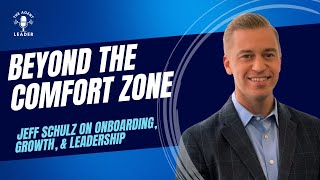
Jeff Schulz, managing partner at J. Krug Insurance, built a talent pipeline by recruiting interns from Illinois State and Katie School, then keeping them through education incentives and public practice like Whiteboard Wednesdays. He formalizes onboarding and pushes people into discomfort to accelerate growth.
Chapters
There is no doubt that in today's competitive landscape, finding, developing and retaining the best talent, in particular young talent, is extremely important for insurance agencies long term health and success. On today's podcast, I interviewed Jeff Scholz, who's the managing partner of J. Krug Insurance in the Chicagoland area. Among many things, we talk specifically about the unique and proven process they have developed to find, develop and retain great young talent. Enjoy the episode. Welcome to the Agent Leader Podcast. This is the podcast for agency leaders to learn, to grow, to develop and ultimately become their best version possible. My name is Brent Kelly. I am your host. Excited to be with you on this episode. I have a great guest with me today. I've got Jeff Scholz from J. Krug and I'll let Jeff give a little bit of history and background. But excited to have Jeff in and I know his accelerated path in insurance and now his responsibility as a leader for the agency is going to be super insightful to all the listeners today. So with that, Jeff, I'm just going to go ahead and say welcome to the podcast.
Thanks a lot, Brent. Excited to be here, Looking forward to it.
Yeah, it's going to be a fun conversation. And certainly no Jeff to our relationship in the Sitkins Group. And he's got, I just know he'll have some exciting things to share. And I told him before, if he's got a joke, he can, he can add that too. I don't know if that's gonna, gonna come or not. Jeff. No pressure.
We'll see, we'll save it.
We'll have some fun. Well, if you would just start off by just letting the audience know about the agency, certainly your role within the agency, what you do. And I'd like to get, you know, a history because we were talking before we started recording. You haven't really been in the game that long. Maybe it seems like it's a long time to you, but I think you have some years. Yeah, yeah. So just give me, give me a background history of your path, your journey and about the agency. Jeff.
Yeah, So I was introduced to the independent insurance world. Tom Krug, our president. We were fraternity brothers. I met Jeff Krug, who was the original founder down at Illinois State when he would come and visit. Tom. So he would tell some good stories, some good. Speak very highly of the industry. So that was my initial introduction. Katie, the Katie School of Insurance down at Illinois State. I studied that. So I graduated in 2008. Tough hiring situation. Market was not ideal. I reached out to Tom and Jeff. They said we don't really need you, can't really pay you a ton, but hey, let's do it. So I started there just doing basic account management. Cois really learning from ground up and it was actually great because the first year at our old office, Tom, Jeff, we're sharing an office. They go, go sit next to Tom. We'll all be in here. You can listen to us for the next year or so and, and learn that way. So that was my start to the, to the industry and really just growing it from there. But J. Crew as a whole, we like to say we're a four year old startup. Tom bought his father out six years ago, kind of recapitalized. Brought, brought in myself, Logan Simios, who runs our benefits division. So we were no longer a family agency. And at that point we kind of committed to organic growth. How do we do this? Who do we hire? That process. So it's been a fun five or six years with a lot of, a lot of growth. Personally, I have a small book of business. Alarm security. Contractors, dealers, integrators, specialized insurance. That's my niche. Everyone at the firm has some sort of focus, but outside of that, I oversee our commercial property casualty division. We have 10 producers, three account managers. So I've seen it all. So I have different insights with the account managers, with the sales team. But it's been, it's been a good 16 years and my first job and hopefully it's my only job.
Well, I mean, I'm assuming you, you, you grew up or as a small child dreaming about being in the insurance business, right, Jeff?
Who doesn't? Yeah, right.
Well, I mean every day I just kept thinking about and there, there are select few that, that did or grew and you're like many, you kind of like got brought into it and once you're in, you're like it's pretty good deal, right? It's a good career and you know, as much I'd love to hear some fraternity brother stories, I'm not going to ask about those. But you, you came in basically like, hey, you know, it's oh, eight, obviously not a great economy. I got something to do besides, you know, hang out at my apartment or house or whatever.
Yeah.
And since then I was, you know, we were talking before we started recording. You're, you know, your path of earning designations. I mean from, for basically like I don't know anything. I'll sit and learn. And now of course, you're leading managing producers. You've got a niche business, as you said, alarm and securities There's a lot of information and knowledge there. If you would share with the audience your path, I. Everybody's got their own journey, but, like, how knowledge and education and leaning into some of these things, including designations, has impacted your career.
Yeah, it was. I think it really started from that, sharing the office with Tom and Jeff. You know, it's. You listen how people speak and you pick it up there and you realize how knowledgeable you have to be in this industry to set yourself apart. There's a lot of insurance agents, brokers available, so how are you going to be different? So that's something Jeff had always told us is what are you going to do to be different? The expectation is you're going to be better than the competition. So I think I sat through my first CIC within two months of my. I failed miserably. It was like the hardest class ever. You know, I'm like, I probably shouldn't be in this class, but hey, let's do it. And then I, since I passed, I did the rest of the CSC over the next two years. Didn't have any issues. I started my CRM. I did that. So I was 10 out of 11. Failed the first one and then awesome passed it. But, yeah, yeah, that. It's a very important in this industry is to be able to communicate and know what you're selling and know that if a client calls, whether it's covered or not, you've probably had that conversation and there really shouldn't be any surprises because, you know the product you're selling and, and you've had a discussion with that client.
So, yeah, it's. It's terrific. I mean, and listen, everybody's got their own path and journey on this. But I, you know, hit me as you were saying that, Jeff, there's. There's, you know, multiple ways to learn and certainly there's going through classes and programs and, you know, all of that informational stuff, which is critically important about policies and documents and all that kind of stuff. The other part of it is, you said, just kind of sitting around, sitting around, but sitting with. Right. Other leaders that just listen and talk and how do they communicate. And, you know, I always think about this back to my journey and I was telling you, you know, I got my CIC. I think it was 05. Gosh, long time ago, almost 20 years ago. But, you know, there's great learning in that. But the bigger part of the learning, or at least in conjunction with that learning, was just hanging around people who lived it and breathed it every Day and reminds me of the great and famous quote by Charlie Tremendous Jones. By the way, Jeff, if you can ever be so good that your middle name, nickname, middle name is tremendous, life is good. But he said, you know, in five years you'll be the same person as you are today, except for the books that you read and the people you meet and you, I think about that as true of, you know, you could say the cics you attend or whatever else and the people you hang out with. And I think you're a great testament of that. I, I do want to ask a question around that though, because I think it's interesting. It's one thing to know insurance and products and those things that we have to understand, but then how you transfer that in communicating that to people who don't, that, that to me is always the, you know, the, the crux to a degree. And, and I know people, which I'm raising my own hand, where you learn something about insurance and you can't wait to go tell other people, specifically the things you learned about insurance until you realize they don't care. What they care about is their life, their business and how that applies to it. So I don't know what the question is in there, Jeff, other than how have you seen or maybe your team yourself personally have, transferring that information into an understanding awareness, the people you're trying to communicate it with.
Yeah, I think initially it's more of a confidence thing. Like you're building confidence, you're building knowledge, you're able to communicate. Ultimately you have to read the individual that you're working with on a day to day basis. What's important to them. Yes, they don't care about the property ISO form, no one does. But they're expecting me as an advisor to know it and they're expecting to have confidence in me. So I think just exploring that, having that confidence and knowledge base is very important because ultimately it's, you want to be an advisor to them, you want them to feel comfortable with you and that's how they're, you're going to have a long term relationship. So we try to communicate to our younger sales team as well. You know, it's like the expectation is you need to be better. You're in your mid-20s, like you want to, you know, a seasoned business owner to, to sit across from table you can trust from you. They have to have the confidence that you're going to be able to deliver, you know, on a day to day, month to month, annual basis. So I think it just helps in, in the confidence and in the trust that you're developing with that prospect or client.
Yeah, makes perfect sense. And yeah, I just, I was laughing at myself internally here, Jeff, because I remember when I got my CIC cards, you know, I was, I'm like, oh, I'm just going to send these out and people are going to be like begging insurance. Right. Like crickets, like, what's going on?
I don't think anyone's ever asked me what that means. It's on my car business card.
Yeah. Like, you know, I was trying to side between two brokers and what I realized is you have a cic, so I have to send my money to you. It doesn't typically work that way. But all joking aside, it's how you transfer that. Right. I think the word you use is transferring confidence that we know what we're doing and we're asking the right questions to understand your unique needs and, you know, all the, the aspects to your business or life so that we can apply that knowledge to help you and achieve what you're trying to achieve.
I think especially early in your career, you know, it's important to have those additional resources and we incentivize our team. You know, we give, we obviously pay for the class, but we give bonuses for them to take the class and ultimately, ultimately get the designation. So there's incentive there. But it's also, hey, be better, get better on a day to day basis and you're ultimately the client will see that in the end result.
Well, the fact that you do that, hey, kudos. Hope everyone hears that. I know a lot of agencies do that, some don't. But just the fact that we are, I mean, that sets the tone of the culture. We're a culture of learning and growth and development. Once you go out there and explore and, and challenge yourself and learn these things. The other thing I know you do because we do a podcast here, you guys have your own podcast and you do video whiteboards and you've got a lot of your young advisors, young producers come on there and they, they teach things which I want you to expand on and they have discussions. But one thing that I certainly, I know as someone that does consulting and coaching is that you better know your stuff and work on practice if you're going to stand up and share it with somebody. So if you would, you know, Jeff, talk about what you do as an agency, whether it's podcast, video whiteboards, whatever, to challenge your younger, you know, your younger team members to step up. Right. And learn their dreams.
Yeah, it's really just trying to get outside your comfort zone. You know, the podcast started as something fun. Max and Jackson do whiskey for whiskey, Whiskey and risk. They have a small glass of whiskey and talk about insurance and risk or just business in general. That started a couple years back. We've started Whiteboard Wednesdays for LinkedIn, educating our client base. And a lot of it was just trying to, hey, do something different. You know, do something different that other people aren't doing. We've gotten great feedback on both and it's. We also talk a lot about Me Inc. Like, this is your business. Use it as an opportunity. We're putting it on our platform. You're putting it out on your platform. Use it, own it, do something different. You'll get positive feedback if you. If you, you know, put into it. So those are just a couple things, but it really started with just like, get outside your comfort zone. Do something different. Hey, cold calling's hard. Cold emails are hard. You don't get a lot of responses like, put some effort towards this. Break up the day a little. It'll help with some of those other things as well. So that's how it just started and they've kind of turned it into fun. Who gets the most likes and views and. And all that.
So, yeah, I, I mean, I love the combo of that because, I mean, a. There's a personal brand part of that and, and, you know, and you mentioned that. And I think it's great that you empower and equip. Right. Hey, go out there and, and try to do something new and creative and build some different awareness in different ways. And then, of course, the other part, which is a passion of mine, is the communication part, like you said. Like, I, I don't know. I always think about this, whether it's the worst thing that happens. If you prepare, for example, for a Whiteboard Wednesday and I watch them, I mean, there's some really good stuff that you all do on that, but you prepare for that. You know, my guess is they may not always get on the first take. I don't know, maybe they do. Some of them live, but, you know, they're. They're working on stuff and you.
They're getting better. They're for sure, than when we started a year ago.
Yeah. And, you know, like, the worst thing is that you've gotten better at presenting and using your voice and communication, explaining things. Because this comes back to maybe my earlier question to you, but one of the things is, how do you take a complicated thing like insurance Whether it's, you know, the EB side, the PC side, whatever it is, and do a whiteboard video, a that has somewhat of an interest to it, like it's entertaining to a degree.
Right.
And secondly, that's not overly complicated and there's the skill to be developed around that, that I, I'll get your feedback, but at some point they're going to be in a one on one meeting and there's going to be something that's going to come out from that. Yeah, they'll remember doing that.
Yeah, I'm, I think just short and to the point. I mean, be direct, don't over complicate things. If you have it, if you drill it down to 1, 2, 3 items, be direct, say this is why, this is the reason and you're done. I think it helps. You know, it's like a lot of times we, we over complicate things, make it more difficult to understand. Just be direct, say what you want, say what you are trying to get across and it'll, it'll come off well.
I remember author and speaker and he still has some stuff out there. I like his, his personality. Jeffrey Gitter always says, short, sweet meat, give them short sweet meat. And I always think about that, which is, which is a challenge. Like if you could do this in 30 minutes, that's easy. Could you do it in three?
Right?
Yeah. Think about it. So I love that. All right. I want to talk about successes and you can take this wherever you want. Obviously, with our agent, leader, audience, we learn from success. We want to replicate success. Every agency, every department, every producer's got their different stories of success. I think we can learn, adapt from it. If you would, Jeff, share an area again, whether it's recent, somewhere in the past where you, your team, the agency has experienced some success. What did you do? What did you learn from it?
Yeah. So I would say, you know, the five or six years ago when we committed, we were, I think eight or nine people. We said, okay, we want to grow, we want to grow organically. How do we do it? Who do we hire? Where do we find them? We had success finding an intern. So it started with one intern from Illinois State. We said, well, they were pretty good. Let's hang out at Illinois State more. They have a, you know, Katy School of Insurance. There's things there. So over those five or six years, we've attended internship fairs, career fairs, we've developed an intern program. So now we started, you know, one six years ago and now we're the last two summers We've had three. So taking it, developing an internship program, spending our time there, giving back, explaining, hey, what do brokers do? We go down and present a couple times a year, educate some of the students, and it's turned into, I think, 10 successful hires. We've transferred a lot of interns to full time. We've just hired out of their insurance or sales program. We're now on the, the board of the Katy School, so we're investing our time into that. And it all started just like we need to find somewhere to recruit from. How do we do it? Where do we go? Tom, myself and Logan are all Illinois State grads. So we're very, we speak very fondly of them. But so that was just something where we had to figure out, where do we find great people energetic about the industry? You know, most of them are down studying for insurance. They have the, the want to get into the industry, but a lot of people don't know about what the broker side does. You know, they, they communicate highly on the carrier side and in those types of opportunities, but a lot of them don't know the broker side. So it's, it's fun because we just tell them what we do, how we do it. The flexibility that we get, you know, it's hard. It's a hard work, hard job, but ultimately the flexibility later on is beyond worth it. And the financial, you know, flexibility that, that you get when you work hard and are good at your job. And so it's been really rewarding and it's very important for us in our path moving forward is continuing to find avenues. Where do we recruit? How do we find people? It's turned into finding, you know, good people within our network that have sales background but not insurance background. So it's back to that. Like, where do we find people? How do we train them? The way we like to kind of do things, how do we do that and then let them go find the success.
Yeah, it's so many great things of that. And we know there's not a perfect system. But, you know, I think about that in terms of. I wrote right on my notes here, like, when you get people out of college, they don't have bad habits. I mean, maybe, maybe they got bad habits, just not professionally yet. They may have other bad habits, you know. Well, we could talk about that in a different podcast. But I mean, just as far as, like, you know, you bring other people. It's like, well, at the other agency, I did this and this, and those could be good things. Those could be challenges. And so I love the fact that from the beginning you're instilling like, this is our culture and, and they're part of that. And, you know, I think back, and I'm going to go back personally here a long time ago now, 25ish years now. You know, the agency I started with, like, you know, I, I didn't, I didn't know anything. So what I knew was what I learned there and how they established things and the people and how they did things and, you know, the mentorship and the things that you provided. And so that was hugely influential on me. And so I think the fact that you can do that is critical.
Yeah. And it's, that's how Tom and I learned 16 years back and we were on the job. Here you go. This is what you do. So it's helped us mentor and do and train and do those types of things from the get go because we did it. We started with one. It's gotten more difficult as we continue to grow and continue to add individuals. So that's something we're working on now is, hey, how do we communicate this consistently so that, you know, Austin, who we just started on Friday, he's getting the same message as Ethan, who started three months ago. And, and how do we do that? So we've worked over the last month or so to start developing that onboarding process, which will help long term because it's, we've been doing it. We just don't have any consistent communication around it.
Yeah, I mean, it's maybe a bad analogy, but it's a little bit like franchise model to agree. Right. Like, let's get one restaurant working. Right. And then when we figure that out. All right, now let's build a process around it so we can, can replicate that. And that's what, you know, I know you guys are on the path of doing that. We've had some conversations about, you know, some of the onboarding. So it'll be exciting to see, you know, as you continue to grow and evolve that. And like anything new, you'll have some hiccups and make some mistakes, but then you're like, okay, well, we learned from that. All right, we don't want to do that again, but let's do more of that. So also, side note, everyone's listening here. My daughter is an ISU student right now, and it just reminded me she's actually kind of looking around for internship. She's in the Katie School of Insurance. But I'll have to. Right, keep that. Keep, keep that in mind.
So we have marketing, we have business, we have sales, we have.
All right, she's, she's at the marketing side. We'll have that in a different conversation. But there you go. I, I will say I do want to add one thing. This isn't about my daughter, but it, it's great that what you're doing because from the insurance conversation, because if you ask majority of college students a, do you want to go to insurance? And if it is, it's usually the, you know, the carrier side and there's this small little company that happens to be where ISU is located called State Farm. Right. So most people think about it, which again, there's some great opportunities there. But to be able to tell the story of an independent insurance agency, most people don't even know what that means.
Yeah.
In college, and to be able to give a vision or what a career path would look like, I think is, is, is hugely beneficial. And I remember one recruiter, Jeff, he said to me, he goes, I said, well, how do you recruit young people? And he goes, well, because what, here's my expression, because I tell people that have a really great job, like maybe, maybe they got out and they got this really cool job because, kind of fun, it's different, oh, I'm in, I don't know, social media, something or whatever. That's so cool. But there isn't really much of a career path to it if you really look at it. But it's a cool job because we help people that have really cool jobs for crappy careers and we tell them we can, we can equip them with a really tough job but an incredible career. And once they get it and they think beyond, you know, three years, five years and 10 years. Right. People like, oh, that's pretty cool.
So, and it's good because we have first hand examples. You know, we bring Wyatt, Max Jackson, other members of our sales team down with them who are three, four, five, six years out of school and we go, you present, you have the real life example. So it's, that's been really, really rewarding. And I think they enjoy it. You know, we enjoy it. The, the students enjoy it. So yeah, it's been, it's been great because we were able to communicate that and some of the things you mentioned, like career path and. Okay, well, great. I don't want to be an insurance producer for the next 50 years. What, what else is out there? We've done things like that. We've developed different stages of, you know, account executive. This Is your targeted class of business, targeted size. Okay. As you grow up, you know, what do we, what does it look like from there? So we've, we've documented that and we commute our potential, you know, new hires and staff. So we have, we did have to do that. That was one thing during that growth as we started with the more entry level model that we had to develop.
So, yeah, it's, it's, it's a long process and nothing's guaranteed. But I mean, part of that, as you build that out, like how cool it is, where people we're looking for, how do we get younger and, you know, continue this. Well, we build them all right. It's, it's incredible. And they'll be able to have your people come down and go, that was me six years ago. Yeah, it's very cool. So kudos to you on that.
All right.
I know you that Jeff, you probably have zero challenges and you have zero frustrations. Right? Nothing ever gets, gets in your way. No. No challenge. Obviously, we all have some. But I would like, for the audience, I always ask this question, if you could give an example. Again, this could be recent. This could be. You're dealing with it now, it could be years ago, but a key challenge or frustration and how you as an agency or department or individually dealt with it and what you learned from that.
Yeah, I think a recent one is just with our model of hiring that younger individual. So when we started five or seven years ago, it was, hey, just come tag along Tom and myself for the next three months and you'll kind of start figuring it out. As we continue to grow, as the organization grows, as we grow, it doesn't really work that way. So figuring out how do we commit the time that we need to, because they don't have the experience, they don't have the knowledge, what resources do we use, who do we use and how do we do it? That's something that we've been over the last couple years focused on because like I said, historically, when we have a smaller sales team and we're adding one person a year, great. It's very easy, right? This is what you need to do. But so moving forward with like an onboarding process more formalized, like, what does the first week look like? What does months two to four look like? So we rolled that out just Friday. We started it. And I'm going to work with Austin. He's going to provide me feedback of things we're missing and how do we make it better. But that was one thing that we had in our heads, but we never. We never wrote down. We never communicated it. It was just like, oh, it's week two. You should be doing this right. Week four, start cold calling. Okay. How many cold calls do I make? I don't know. So formalizing that and. And putting it, you know, pen to paper so that we're setting our people up for success. You know, we're a small agency. We don't. We're not looking over the shoulder all day. We. We trust that they're going to get what they need to do done, but at the same time, they need some guidance and some structure. So we're working on implementing that, which I think will really help moving forward for sure. On the sales front and even on the account management side, we've. We've done similar processes.
Yeah, it's that word processes. And I get. Everybody's different. But I. As you said that, it just. It hit me because it's just one of those where we see this, whether it's a sales process, obviously from an onboarding process. But yeah, when you're adding onesie here and twosie here and, you know, whatever, it's like, yeah, just kind of do this and do this, and. And you got good people, and I'm a good person, you're a good person, and we'll figure it out. Then all of a sudden, it. It grows. You're like, this is a mess. You know, like, we're creating a mess. I. I know for me, I mean, gosh, I'm sure I'm the only one, but, like, I'll have something. I'm like, oh, I'll remember how I did it. And then. And then I get back, I'm like, what the heck did I do? How did I do that? Maybe I should have written that down. And. And I think, you know, that to me, is a question that I say a lot of agencies jokingly, but there's truth behind is, hey, what do you want to be when you grow up? And. And when you grow up, what things need to be in place. Because as you grow up, it's like, you know, when you're a kid, you're like, I don't have to do that. When I was five. Gosh, I'm 15. I might have to start doing this now. Now I'm 25. Like, I got to start getting more things in place. And that's really where you're. Where you're at in that. And you know, Jeff, with that is you. As you build these processes and in particular, the Onboarding process. I mean, I know you've already been doing this. What have you learned so far? I mean, you release it Friday, so you might go, I don't know. But like, what's been the feedback? What have been some of the internal conversations? I know we've had some conversations about things you're doing, but like, what, what's next? What. I mean, how do you, how do you build that out? Because I think people would be curious to hear that.
Yeah, it's a good question. I think it's just a lot of it is you helped Sickens, helped provide some boilerplate things and we added our own that we wanted to include. But already just a week in, it's more has gotten done than any other first week employee has ever. You know, we've had join the team because they have things that, hey, I'm done with the epic training now. What? Oh, it's. I got the Cincinnati online insurance training that I need to do over the next three to five days. So they just do it. They don't look come ask. They don't come look for guidance immediately. It's just like, they're just doing it. We met on a, you know, our weekly kickoff meeting yesterday morning, and half the things were already done. I didn't even have to communicate it. I go, great, what does the next week look like? He goes, this, this and this.
Yeah. Yeah.
So it was a lot easier and less stressful for myself, and I'm sure it was less stressful for, you know, Austin, the, the new sales producer that we hired. So if you think about just starting a new job is difficult already. So, like walking into something, knowing, setting the expectation, knowing, hey, this is what I should be doing. I am doing it, basically. But I did notice over the last week, like, I was significantly less stressed, which was great for me.
Well, that's. That's super important. I mean, I, and I wasn't trying to like throw you off with just kind of a random question there, but it's interesting. It's even a short amount of time to me. It's like what I've learned in this. I'm starting something, even if I haven't really got through it yet. It's just I have a higher level of awareness, like so more cognizant of certain things because I'm like, oh, yeah. And I think you said the big one there is it hopefully for leaders listening, when you begin to instill processes, it gives you some hopefully additional mental capacity versus like, okay, now what or what should I do? Here, I can't remember. Or this or that or where are you at again? Or you know, versus being able to even ask a question based on what you're doing is, hey, I'm glad you completed that. What did you learn in that process? And A, it requires them and ask them to think and secondly, it allows you to coach better. You know, so through that I, all of a sudden it just took me back. Jeff. This is back when I was in high school. I was about making up things to do. My good buddy and I worked for. It was like a gas station. He owned a bunch of gas stations. And so we had like the summer do the crap jobs or whatever. And I remember we'd show up at his office. This is my buddy's dad. We show up at his office, like we had to be there 5:30 in the morning in the summer, get up and we show there and he'd be already on the phone working. The guy was a crazy. He's maniac, man. He was great. But we show up there and I'm like, okay, what do we do today? What he could. And like it took me about a week or two. I go, I think he makes it up every day.
Do that.
He is like, he's like. And so I talked to him like years ago. I mean, obviously I was well past that and he was laughing. I said, you know, I think he used to make stuff up. He goes, oh, absolutely. So the only reason I had you guys do that is I just wanted you to go to college.
Don't come ask me for a job, go, whatever.
So anyway, I just had to share that. Well, I would like to learn from you, Jeff. Obviously, you know, we've had in my relationship with you and work with Jay Krug, it's been about a year or so. There's a lot of things you guys have been doing. I know it goes. The Sitkins relationship goes way back as far as just from the producer camps and stuff. But I know this is a bit of a self serving question, but it really, I am, I am always interested with talking to agencies and agency leaders. What, what's one thing? I mean, I know there's been several things, but what's one area that's really been most helpful to you in our relationship? Whether something that we taught or through our training programs or coaching?
Yes. So with, with our model, I think a lot of it was communicating and I was looking at some of the things we've implemented. I think a lot of it goes back to setting expectations with employees, with clients with prospects, with insurance, our partners, our carrier partners. Like it's so important to help facilitate different conversations when you're setting the expectations up front. So whether it's a new sales hire or a seasoned sales veteran, like, you should still be having that conversation. What are the expectations moving forward? So like one thing we, a couple things we do, 80, 20 trade down. Our more seasoned producers shouldn't not be spending time on smaller accounts that we have more entry level individuals ready to take on and ready to help them grow their book of business. So setting those expectations moving forward, that there is a plan you're going to trust, you know, the, whoever you're handing it down to, there is trust there. Setting expectations with the account managers and the producer relationship. Setting expectations with the account managers directly, you know, with some of that, the high performance team type situation. But who should be doing what and how do we do it? So yeah, a lot of the things we've done around that idea of setting expectations and then some of the things, individual things we've implemented on top of it have been great so far. But I, I'm going back to just.
What do we do?
Who does it? Who does it well is the most important. And then if we need to be held accountable, there's, we've had that discussion already. So it's more of a, hey, I got it, I'll fix it, we'll move forward.
Yeah, yeah, it's, you know, part of this too, Jeff, is it? I mean, you're like many of our agency partners. Like, it's not like, yeah, I say this in a good way because it's true. It's not, it's not like the agency's broken or not performing like you're doing some great stuff. In fact, those are the agencies that take it to the next level. Um, you know, and, and, and are open to coaching accountability on some of these things. But I, I think the biggest thing, and I wrote down if it's the right word, but the word I would use is just clarity. I mean you, you kept word about setting expectations, but clarity of, you know, who are we? What do we do? Who does what? What do we really want? Why do we want that? You know, I mean, they've seen like basic things, but I know a lot of agencies struggle with that because they go, I don't know, I haven't really thought about it. We just kind of sell insurance and we just work hard every day things. Which is true. But what does it all mean? So I don't know. Does that word.
Yeah, I mean, yes, because I think what. Not necessarily we've struggled with it, but it's just. We've never written it down. Write it down, look at it, review it with your team. Yeah, because what makes sense, like, in my head, it might be the account manager does this, but in their mind, it might not be that. So having conversations and dialogue around it, not just saying, hey, this is how it is. You know, take it or leave it. Having conversations, figuring out what makes sense, how do we move forward, and then explaining, hey, it's in your best interest. It's in your benefit to have these things written down. But, yeah, the clarity is a good. A good word for it.
I remember I had a conversation with leadership mentor years ago, and it kind of hits this because I'm certainly guilty of this too. He goes. He was asking about just different stuff and processes I had, and I'm like, well, you know, I just kind of, you know, I figured out and I'm doing okay. He's like, you know, what we realize is that a lot of people and businesses spend twice as much time either looking for stuff or recreating stuff they've already done versus actually doing the thing they know they could already do. And that really hit me because I'm like, gosh, with agencies, right? It's like, well, okay, wait, let's like, well, you already did that. Why don't you just document it and put in a process and be more efficient? Because now not only can you be more efficient, but now you can coach and improve upon something versus recreating something again and again and again.
Yeah, that's a good point.
And. And that's. I think it's something you guys are really taking a hold of and doing a great job. All right, you ready for my official final question, which you know what's coming because you listen to the podcast. All right. So don't mess this up, Jeff. Okay. I'm kidding. There's no wrong.
I changed my answer before we started, so.
Okay, all right, well, you can change it again, and we'll. Whatever. All right, so my question is this. Obviously, you have grown in your career. We talked about some of that. But let's say the. The fraternity brother Jeff, back in the day, you know, coming in at the very beginning, runs into the current version of you today and looks at you and says, older, wiser, super smart. Jeff, if there's one piece of advice you could give me right now, what would it be?
Yeah, I think it took me a while to figure this out, but just being uncomfortable Be uncomfortable with phone calls, with whatever it is because it's ultimately going to make you better. So that's something that just pushing our team members outside of their comfort zone ultimately is in your best interest. Like the Whiteboard Wednesday videos. Like those aren't necessarily fun, but it's making them better. Get outside your comfort zone. Do something you don't want to do. Make the tough phone call to the client that might maybe a tough renewal. Go make it first thing in the morning. Because I noticed I would let those things drag on, drag on. All of a sudden it's two, three o' clock and you notice the efficiency of the day is like, like I got half the stuff I'd done. You know, I should have gotten done completed because I've been thinking about this stinking phone call for the last. Yes 6. So just being uncomfortable and it's okay not to know something. It's okay, you're not going to have the answer. But hey, I'll get right back to you. I will find out that answer. So I think just it's like it's okay to be uncomfortable.
Yeah.
Something that I that kind of triggered and I thought of right away.
I love it. A million percent agree. It's funny you mentioned that. I just talked about that one of our training sessions this week with the group of producers. I'm like, you know, how many of you've ever put something off all day because it was uncomfortable? Again, it could be return a phone call, you think it's going to be an uncomfortable conversation, like I've done it. And not only do you eventually do that and you realize it wasn't probably nearly as bad as you played out in your mind, but you've wasted or at least reduced the effectiveness of your entire day because it was always in the back of your head and everything was like, yeah, I'm doing this, but I have to do this later. And, and, and here's the other part of this too. I just want to make sure that the audience hears this. It probably seems obvious, but if you don't get uncomfortable, you don't grow. And you know, that's, that's the thing. If you don't get uncomfortable, you don't grow. And I'll be very transparent with the audience here. You know, we run our programs. I can tell you one of the things that we ask producers to do is to record a 30 second commercial. You mentioned the Whiteboard Wednesdays, right? Those are probably uncomfortable and 30 second commercial. And I can tell you most producers like, well, what If I say the wrong thing, what if I look stupid? What if I mess this up and it's like, I don't care. This is called low risk practice. It is going to be uncomfortable. I always tell how many of you love to watch yourself on video and hear your voice. I'm like, that's what you sound like. So just be open to it. Knowing that we're not perfect and improve and just say, this is that we have many times. Even though we don't make them, we challenge them for weeks. Oftentimes, about half our group. It could be 30, 50, 80, 100 people in our producer fit program that won't submit a 30 second commercial. And you know, I'm like, well, maybe some of you just think it's a complete waste of time, however you want to deal with it, but the majority of people that don't, it's because they've got this fear and doubt and they would rather avoid it than embrace it and grow from it. And so I think that advice, Jeff, is I love it. I hope everybody heard it. Get uncomfortable if you run to that younger version of you. You talk to someone today, challenge them in that area. So, Jeff, final words before we officially depart to the agent Leader audience.
Thank you very much. Enjoyed it. Looking, looking forward to your next couple episodes.
Well, good. Well, we're excited to have you on here and you shared a bunch of really great stuff and you even dressed up with a tie just for me.
It's been a while. It's been a while.
I know it was. I know you had a breakfast meeting or whatever, but thank you, Jeff. We appreciate you so much. If this podcast, any podcast like this has added value to you, please, like, subscribe, share, do the podcast thing. We want to get this word out. We want to help agency leaders truly be that best version possible. So thank you, Jeff, and thanks for listening. Have grown in your career. We talked about some of that. But let's say the, the fraternity brother Jeff back in the day, you know, coming in at the very beginning, runs into the current version of you today and looks at you and says, older, wiser, super smart. Jeff, if there's one piece of advice you could give me right now, what would it be?
Yeah, I think it took me a while to figure this out. But just being uncomfortable, be uncomfortable with phone calls, with whatever it is, because it's ultimately going to make you better. So that's something that just pushing our team members outside of their comfort zone ultimately is in your best interest. Like the Whiteboard Wednesday videos Like those aren't necessarily fun, but it's making them better. Get outside your comfort zone. Do something you don't want to do. Make the tough phone call to the client that might maybe a tough renewal. Go make it first thing in the morning. Because I noticed I would let those things drag on, drag on. All of a sudden it's two, three o' clock and you notice the efficiency of the day is like, like I got half the stuff I'd done. You know, I should have gotten done completed because I've been thinking about the stinking phone call for the last, yes, six hours. So, yeah, just being uncomfortable. And it's okay not to know something. It's okay you're not going to have the answer. But hey, I'll get right back to you. I will find out that answer. So I think just, it's like it's okay to be uncomfortable.
Yeah.
Something that I, that kind of triggered and, and I thought of right away.
I, I love it. A million percent agree. It's funny you mentioned that. I just talked about that one of our training sessions this week with the group of producers. I'm like, you know, how many of you have ever put something off all day because it was uncomfortable? And again, it could be returning a phone call. You think it's going to be an uncomfortable conversation, like, I've done it. And not only do you eventually do that and you realize it wasn't probably nearly as bad as you played out in your mind, but you've wasted or at least reduced the effectiveness of your entire day because it was always in the back of your head and you, everything was like, yeah, I'm doing this, but I have to do this later. And, and, and here's the other part of this too. I just want to make sure that the audience hears this. It probably seems obvious, but if you don't get uncomfortable, you don't grow. And you know, that's, that's the thing. If you don't get uncomfortable, you don't grow. And I'll be very transparent with the audience here. You know, we run our programs. I can tell you one of the things that we ask producers to do is to record a 30 second commercial. You mentioned the whiteboard Wednesdays, right? Those are probably uncomfortable and 30 second commercial. And I can tell you, most producers like, well, what if I say the wrong thing? What if I look stupid? What if I mess this up and it's like, I don't care. This is called low risk practice. It is going to be uncomfortable. I always tell you. How many of you love to watch yourself on video and hear your voice? I'm like, that's what you sound like. So just be open to it. Knowing that we're not perfect and improve and to say this is that we have many times, even though we don't make them, we challenge them for weeks. Oftentimes about half our group. It could be 30, 50, 80, 100 people in our producer fit program that one.
More from Roger

This Shift Helped Us Unlock Growth 💡 | Agency Leadership Tips #insuranceagency #agencygrowth





How AI Can Help Insurance Agency Owners Master Their Financials (Without Being a CFO)

From AI Hype to Real Results: Steve Anderson on How Insurance Agencies Can Use AI to Grow Now



