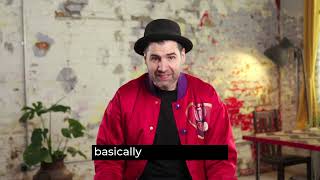
Theo Smith explains why traditional interviews fail neurodiverse candidates, especially autistic people. Stress responses aren't a sign of poor fit. Instead, provide interview details upfront, skip jargon-heavy questions, and actually change your process rather than just checking a disability box.
Chapters
You see someone who may be on the autism spectrum, they may miss some of the social cues we would expect people to naturally get. And if we're not considering this and aware that some candidates may struggle with social cues, it can be off putting for the interviewer and throw them off their rhythm, which can be challenging. Some candidates may also find fiscal interactions, handshakes, direct eye contact much more difficult than most. So much so that it could have a direct physical response where they almost cringe or look frightened at the thought of it, which could feel rude or insensitive, or even that they're not engaged in the process. However, that would be our mistake to make judging someone on how they look, whether they are sweating, look under pressure or uncomfortable in that interview situation, which, if we're honest with ourselves, is anything but normal. The interview is not normal. It's not a normal situation, and it's almost never a fair reflection of how they could do the job. It is in fact, often our response that requires some thought. If we did a better job of preparing candidates, imagine asking them throughout the process how we can make this a better experience for you. And I don't just mean once, but at every stage of the process we should be asking candidates if it was a consumer process and we wanted them to buy something. At the end, we would be hyper focused on analyzing every point at which we lose someone from that process. We'd especially care if they got almost to the end of that buy in process and then dropped out. This is what we very rarely do, and especially when it relates to neurological diversity for candidates within that process. Offering the candidate a disability tick box to capture the data so we can report on it is never enough. In fact, it often becomes a distraction. From taking tangible steps to improve the process and candidate experience, we effectively kick the responsibility down the road for another 12 months. Data should support, focus and enhance decision making. But where it is clear we have a problem, we need to take action. So some quick wins to help. Neurodiverse talent will basically help everyone. So make sure the candidate has many opportunities to raise their hand for help. Provide plenty of information up front, like where the interview will be and how to get there, how long it will take, who will be there and why, Anything useful about the process and any assessments, but also the environment. Is it easy to find the location of the building and the floor they need to be on? Or is it digitally accessible with suitable guides? Make sure that it's time set aside to test technology if that's being conducted virtually. But even if in person, we should give the same considerations. What can we let them see and experience pre the day to reduce stress and anxiety the and increase overall experience for everyone involved? We need to avoid asking these long open ended questions with multiple layers. Nobody likes them, everybody hates them, and it's often due to poor preparation that they are asked in the first place. So avoid jargon company speak out the window words with double meaning. It puts internal talent or those in the know at an unfair advantage and it can also derail neurodiverse talent. We need to really challenge why a particular test, assessment and question style is used and is relevant to the role they'll carry out. Getting this wrong is an immediate closing of the door to such a wide variety of candidates. If a candidate seems distant, struggling with the questions, or under undue pressure, we need to ask ourselves what have we done to put them in that position? If their background and experience match the job, but the interview falls silent, it's likely we've got the process wrong, or at the very least have not been neurodiverse friendly. It's really time we started taking responsibility for candidate experience and when and why it goes wrong.