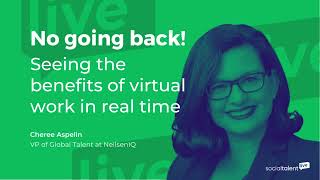
No going back: seeing the benefits of virtual work in real time
25 Apr 2024 · 1 min
1:01
Johnny Campbell explains how virtual meetings improved participation for non-native English speakers and night-shift workers. Closed captioning, transcription, and translation tools leveled the playing field. Time zones and bad conference-phone audio no longer shut people out.
Chapters
More from Johnny









youtube.com
NEW CONTENT - How to use Generative AI for Recruitment Marketing with Glen Cathey | SocialTalent
1y ago

youtube.com
NEW CONTENT - How to Use Generative AI for Sourcing & Recruiting with Glen Cathey | SocialTalent
1y ago

youtube.com
NEW CONTENT - How to Unlock the Power of Generative AI with Glen Cathey | SocialTalent
1y ago