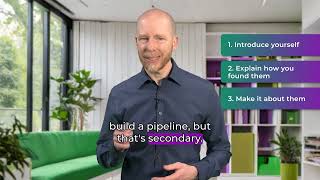
The transcript is from a YouTube video discussing how better messaging dramatically improves sourcing productivity (example: 20% vs 50% response rates). It lists core message elements: introduce yourself, explain how you found the person, make the message about them, and include a compelling call to action. The speaker also advises building the relationship, identifying or creating interest, and proactively addressing objections to increase responses.
Chapters
Imagine two sourcers who each reach out to 30 people a day. One gets a 20% response rate, the other gets 50%. The one with the 50% response rate is 2.5 times more productive without doing any more work. That shows just how crucial good messaging is in boosting your sourcing and recruiting productivity. So what makes a message more likely to get a response from someone not actively job hunting? Here are the key 1. Introduce yourself. Start by answering, who is this person? You could be a sorcerer specializing in finding executive chefs. Just say who you are, what you do, and how you help. Keep it short. 2. Explain how you found them. People often want to know how you came across them. Just tell them straight up and remove the mystery. 3. Make it about them. Share the real reason you're reaching out. Yes, you might have a job or a need to build a pipeline, but that's secondary. Your primary reason for reaching out to them is something special about them. Why did you pick them? 4. A compelling call to action what do you want them to do next? A question works well, like what's your next career challenge? Or what's your dream job? Or when can we talk about what you want to do next? Remember the sales and recruiting steps I mentioned before? You can cover the first three in your message Develop the relationship. Talk about their achievements or interests. Show them you know them as a person and not just a resume. Create or identify the need. Ask what they want to do next. You might know from their past, from their resume or LinkedIn, but what? What about their future? You can also mention a challenge at your company that might interest them. Prevent or overcome objections. Tackle potential problems head on. For example, I know you might not be looking right now or you're probably busy. Or you may get a lot of messages from recruiters. Effective messaging is like sending a special invite, not a general announcement. It's about making each person feel noticed and valued. By following these tips, you can turn your messages from just another email into real conversations. Let your messages build a bridge between what you offer and what these talented people want.