S1E2 | Ethical AI Content Concerns & AI Personalization with Sönke Venjacob & Spencer Tahil
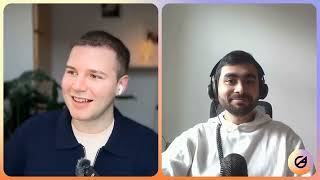
A roughly unscripted interview between Spencer Tahil and Sönke Venjacob about AI's role in content marketing and go-to-market work. They cover how AI tools are widely used (ghostwriting, reply agents, content engines), why AI can produce inauthentic or predictable content, the limits and ethics of personalization in outreach, practical tool mentions (Clay, Lemlist, Instantly, Claude, Gemini), concerns about enterprise adoption and market shifts, and final actionable advice: pick content pillars and start posting.
Chapters
Hey, guys, welcome back to behind the Growth. Today I have Sonkeb. I'm sorry if I've completely botched your name. We are both based in Europe this time for this episode. But, Sanka, welcome to the show. And I'm hoping that we can continue our spicy takes on where AI is bringing the market.
Hi, Spencer. Thank you so much for being here.
Okay, well, I'm happy to be here. I'm happy that you're here. So for the listeners, this is going to be a completely roughly unscripted conversation. Anka and I have become, I would hope to say, friends over the last few months. We both run different agencies. I run Growth Alliance. He runs Platinum Agency. But yeah, Sanka, tell us like, a little bit about what you do and let's tie the conversation back into kind of like AI because, like, that's kind of like where. Where we are right now, right?
Yeah, sure. I mean, we roughly. I started this platinum agency based on ghost writing content for LinkedIn founders. That was kind of like the starting point. And coming from sales myself, I kind of like discovered all these new tools, like Clay, Lemlist, heyreach instantly. That kind of made me think last summer, hey, what are these tools? I have used salesloft outreach, you know, kind of different sales tech. And so I was really curious, got into an accelerator, learned all these tools, and thought, hey, why not just offer it myself? And that's kind of what let me dive into this AI world more, I would say, because in the beginning, I still wrote all the content without AI because again, like, two years ago, ChatGPT wasn't as good. You didn't really have Claude as a good alternative. And there were certainly no AI good, like, good AI writing tools, which changed by now because I use AI pretty much every. Every day. Every day and every type of work. But, yeah, that's kind of like what we're doing. So now we're building either content engines for founders or even company teams. And to get, of course, inbound leads. The second is outbound. Whether it's cold email or LinkedIn, it's where we help get them more conversations with their potential buyers.
Other than the accelerator, is there anybody in particular in the industry that you learn a lot from? Because I feel like you're quoting a certain Adam Robinson with the inbound with outbound approach, like with RB2B and everything. So is that, like, somebody that you follow or do you recommend, like, reading any other books or, like, what did you read when you were in the accelerator? Because this is something I had to discover on my own was like, where are the use cases of AI? And we do different things. So it's interesting.
Yeah, good question. I wish, honestly, if you have any good book recommendations, I take them because I didn't find anything that was really on topic and on the time because again, it's really hard to write a book about growing. Growing space that is still current after like three or six months. So what I did, I honestly and I still like to watch Eric Novoslovsky's videos on YouTube. Like he always brings in very fresh insights and so I would say he's definitely someone. Whenever he posts a video on YouTube and I'm one of his like 10k subscribers, I'm always diving into these videos because I know there's always a new nugget that I can take and maybe use myself or maybe just keep it in the back of my mind. So that's pretty much the one of the go to experts that I really trust and listen to. Besides that, I would say I consume so much LinkedIn content it's crazy. So I would say every now and then there is also some nuggets there. Obviously you have a different content piece on LinkedIn. It's super short form oriented, not, not really depth in the way where you can just easily apply it. But I would say in terms of getting inspiration, I, yeah, I would say follow some, some guys that I like. Like you for example. And just like you said, you break. You are doing a different thing with your agency in some ways. Like you're way more technical than I am. So for example, in your posts I'm also thinking, nice. This is something I have no idea about and I never thought about it. So I would say it's a mix of people from like people who do what I do. So I can just, you know, learn from people who are better than me. But also look outside of this space like, okay, who's in my niche but still offering something else. So I would say that's kind of like it. Eric Novoslovsky on YouTube and then on LinkedIn. People for example, like you like other friends of mine who I follow and still like to learn from.
Well, that's very kind of you. Okay, well, I'm glad that I actually only started LinkedIn posting. I only started posting on LinkedIn regularly November 2024. So it's December now, 2025. I only started posting about a year ago and I remember I started doing outreach about a year and a half, like about six to eight months before that. I don't know how you, like, start got the confidence to like, post. I kind of just didn't give a. When I started to post stuff and like, and I feel like when I write content, you know, like, I, I take my meeting notes every ever after every meeting. I have, you know, fireflies to record my meetings. And I have a workflow set up to, to. I click a button, it says generate content. Generates it in my voice. And usually I'll post it and I'll make like a little tiny graphic. But what I notice that I'm seeing is like a lot of the stuff that I see online is just like slop and it's, it comes off as inauthentic. And I feel the same thing is happening in the work that I do. The same thing that, like with ghost writing, like, you're. I know you've told me multiple times, like, you're the one that writes the post. With the outbound, what I've noticed is that the trust is completely getting destroyed when somebody lands in my inbox and it's completely irrelevant. Like when somebody emails me in check, I can read it. But then you, dude, you've used the wrong form in the wrong way. Like, you know, like in a lot of European languages we have, you know, formal and informal, but in English, it's, It's not like that. So I just feel like a lot of the industry right now, I feel like it's right here and I feel like a lot of people even like us are trying to kind of like cultivate that authenticity with the AI and it's just, I feel like it's backfiring. That's like my hot take for, for today. So I don't know if you have an opinion on that, but yeah, yeah, it's.
I would say, and I recently posted about, I think on Monday on LinkedIn about it because we have all these AI influencers on Instagram and TikTok and they get already millions of followers and their engagement is insane. And there's people who comment, oh my God, you look so beautiful. So either it's people commenting and knowing that this is an AI, but they still like to say, hey, they're beautiful, because we're humans and we can't really distinct AI from human or we are just doomed, you know, because LinkedIn is still luckily a platform that is very strict. I mean, there are platforms where you can still rent LinkedIn accounts, but these are usually real accounts that just, yeah, they are just being sold to someone else so they can use it for outbound. Which is crazy. So what I would say is LinkedIn will at least be safe in this way that it's not going to get flooded, very unlikely with fake accounts. But when I see content, like, it's like you see a hook, you see the first like two or three sentences and you already know what the post is going to be about. And I must say I'm pretty sure maybe sometimes I still do it as well. And I've done it 100% dozen times where I just copied frameworks of people that I looked up to and that they just followed through with like, oh, yeah, okay, this is, I don't know, the drama story. And then you have like the, like, from zero to hero story. And you already know, okay, this is kind of to be the post. And depending on whether you like the person or not, you still might, you know, leave a like or comment. But even when I use certain tools like Claude or Scribe or chatgpt, kind of like a mix, because I don't have like, very nice system set up like you. I'm just very messy and, and like a. Like an artist who has like this huge canvas. And it's like I sometimes notice that AI, I used to like what I create with AI, and I'm like, man, this is a really good post. I really like it where I'm right now noticing, okay, this is. This just sounds. It doesn't sound like me. And it sounds a bit too. Yeah, like, it's like you can really. You can foresee what's going to come. And I don't like it anymore.
I would say, okay, that's a good one. I notice it when I write too. Like when I write a post. Like, for instance, like, I post a picture of me, like, rock climb. If you follow me for the last six months, you know that I rock climb. But I. Sometimes I just. I'm like, screw it. I'm just gonna, like, post a random photo of me, like, doing a random thing. And, you know, who, like, comments on that and who engages. It's not like the tens of thousands of people like the 5,000 people. It's like people like you. It's like people that I actually have a relationship with. Well, like, you know, like a friendship or a relationship with. And I feel like the reach ends up being roughly the same, but the amount of like, engagement is less and. Or the engagement is higher, which is, you know, like, it's either high comment, high, low likes, or it's high likes, low comments. So I would rather engagement, like, I'd Rather cultivate, like, you know, conversation. I don't know, I notice it in, in the AI. Like, you know, I've trained these, like, agents to write like me. And sometimes I look at it, I'm like, this looks like shit. Like, this doesn't. Like, I understand why it would write something like that or why it would translate a conversation to, you know, like an atomic value of conversation or something like this. I think the best voice is still, like, the one that, like, freely just comes out of my head. Because I've noticed that, like, when I try to make a post and I'm like, yeah, this is the framework. This is like this. It doesn't catch, like, it. I don't know, like, with you, like, I know that that's your niche, but I noticed that, like, I'm not effective. So, yeah, I need them. I need a marketing strategy. I, I need like a LinkedIn content strategy is the problem. It's just like, I still get discovery calls that come in. Like, I woke up this morning and I had, I had two. Like, one's like a white label service offer and one is like an expertise invitation. Like, I guess it's working. I don't know if it's working as well for other people or if it's working better, but somehow I still feel behind. I don't know if you feel that.
I would say not anymore so much. But obviously whenever a post isn't getting the traction, I am also, like, thinking, oh, man, what's going on? You know, is it the graphics? Is it the post? There are so many things, of course, that are either in my own responsibility, like, okay, this really sucked. Like, I should have just, you know, given 10 more minutes to really finalize the graphics for or whatever. But there's also so many things outside of our control, like the algorithm. Maybe this. Today is the day where videos are getting pushed. Oh, perfect. And I just posted a photo. Nice. So, So I would say it. It really depends, I think, on how long you've been doing it. I started posting, like, in, I would say February 2023. So it's been almost three years. And this is really like, I don't know, brushing my teeth. It's especially when you have dialed down on, okay, what do you like to post? What do you kind of like, enjoy. And I would say posting for a year is already super nice, where you get lots of experience. You already know, okay, do I like to do videos or photos? But it can also change. What I see is that videos. And that's just a prediction because we have all these easily created text posts and there's probably going to be ways where you have super straightforward carousels that still look nice enough. I'm pretty sure three years ago I would have wished to have an AI carousel created, but I think that video will at least have a big comeback in terms of, hey, this person is really authentic. They are really speaking their mind for 45 seconds, 60 seconds, or however long you you're gonna upload that video on LinkedIn for. But yeah, I think this is the last piece we have as humans. Is these face to face conversations or face to face conversations where you can really see, hey, this is a person that I like. They have really cool things to share. I agree with some of their opinions and some of their polarizing opinions. Wow, they really make me think. And yeah, how can you portray this in a world where everyone is using AI for text written posts? No matter, and this is interesting, like you said, no matter how well you trained your AI agents, that sometimes they might not really sound like you after all. And this again is also completely like a question that I ask myself. Is it because we constantly change as humans and we, we kind of like think in three months our AI agent that is trained isn't really reflecting us anymore? Because a friend of mine showed me how their reply agent works and he's like, man, sometimes I don't know, was it me who wrote that reply or was it our agent? And, and that was really cool to see. But also I'm like, man, is this ever going to work on me where I have an AI that really sounds one to one, like me? No idea.
So I've played around with it and like, what I've noticed is especially when I'm sending like emails, you know, like, whatever, Like, I don't just send emails, but like, in this, this whole industry, this is like a whole big moat of a definition of like, what is a go to market engineer, what do we do? Etc, whatever. So I've noticed this, this idea of like, did I write that, like, this incidence of like, was that really me? Who was that who responded? Who did that? Like, I've noticed that it's becoming even harder and it's. And it's like, I see this on Instagram, first of all, I see this with like the AI generated like TikTok shit. And I see it with like the Instagram stuff and then I see like people's faces and I'm like, wait a second. And I like click on the profile and I like look at some of the other videos and it's an AI avatar and I'm like, God damn it. And it takes me and it's like something seems off and I can't, I can't tell what it is. And it's scary, you know, like, like when I, like I have a email reply agent that I have and I have it for every single one of my accounts that I run. You know, just plug it in in AI field, it's, it's a, runs off of Gemini actually. And it's like, yeah, like look at the tone of voice that the email was originally written in and then cross reference it against whatever the tone of voice and communication style and the matrix of the company, right? And it, and I'm like, I look at it and the pre written replies, I don't, I don't automatically send them. I usually send it to like the sales team and I drafted in their folder to write reply from. But they're like, they've said to me like a few months ago, they're like, yeah, I just hit send. I just hit send. I just keep hitting send. Because they're like, I don't need to change them at all. And I said like, okay. And we went back and I looked at what replies actually converted more like the ones that they wrote and the ones that we wrote, we couldn't figure them out. Like the confidence, like maybe, maybe it was like laziness but maybe it was confidence. But like I can't, I'm, it's getting harder and harder for me to distinguish between like what is real, a real human and what is human assisted and what is AI assisted and what's fully AI like with, with the content. A lot of people, what I've noticed, I've talked to a few other people similar to what you do with, with the content generation is, you know, I've noticed that a lot of people say that they use AI and a lot of businesses want to adopt AI and they say we need to do this, we want to do this. And then you know what it comes back to? It's like, oh, but we, we're not going to tell you exactly what we're doing because I think we're ashamed of using AI to write content. Or we're using like you're using it to crunch the numbers or like they'll never tell you what their formula is. Like why would they tell you what their superpower is? Because their margin, our margin on using non human labor from an operations perspective is at least two or three times, you know, like write 20 LinkedIn article. I don't know what your margin is, but you don't have to share that. But like, you know, I think it's the process that people pay for. It's not like the tooling. I think like, I don't. I'll talk honestly like when and where I use AI, but a lot of companies won't.
Yeah, that's an interesting take. Honestly. I mean, yeah, everyone is using AI. You know that everyone is using AI somewhere somewhat. But yeah, I mean that's also, I mean that's a whole ethical thing. Also maybe about transparency when like, for me, do I really like. I mean, let's. If I look at something, let's say I am paying for. I have a graphic designer. She is amazing, doing amazing graphics and to be honest, I never really follow her process because I'm not watching her design in figma. But if she uses AI for inspiration or something and I still get an amazing product, I'm happy to pay her the same amount no matter what she's doing. So I would say I personally like to pay for the product or like the finished result and I don't really care if it's AI or not because I know even if I like again, and this is more about how much knowledge do you have in each specific domain. I know in most cases, even if you give someone chatgpt the same, maybe even the same like custom GPTs and I don't know, scribe as a writing tool. I'm not sure if someone with no understanding or basic understanding of marketing and LinkedIn is going to create a post that goes that, that will be as good as when I do it. And this is, can go in any other domain as well because again, you can give a race driver, in my opinion, an older car and get him to race against, I don't know, me in a Formula one car. And I am very certain that I am still not gonna win if it's a challenging racetrack, if it's like, okay, straight line, just punch it. Okay, cool. But that's usually not how it works in any, in any domain.
So. Okay, I love that. I'm gonna, I'm gonna definitely use that comparison between the, you know, the, the race car. Um, okay, so I feel like this is, this is something we discussed last when we were, we were talking last time in our catch up chat. Do you have like a definition? Because you're, you're doing a lot of like writing and I do a lot of, you know, like, systems thinking. Do you feel like, do you Feel like you have a clear definition for authentic content? Or is it so muddled right now with AI that it's like hard to define, like, what is authentic?
I would say anything is authentic where you agree with. Because again, this is just what, in my opinion, what authentic means. You, you're just being like true to yourself again. And I think this is what, what goes against the grain usually either gets more engagement, but it also seems, of course a bit more authentic because suddenly you are, yeah, going against the grain. And people are like, what? But you know, commenting 20 times per day, I thought this is how you grow, you know, on LinkedIn, for example. But I think you can still be very authentic. And in my opinion, some creators are still being very authentic. For example, I don't know Jordan Crawford, I really like this guy. I've never spoken to him, but in my opinion, he seems like a genuine authentic person. Like he, he did this video where he, I don't know, ordered five for $500 in the toast shop or something. And then it suddenly went from like the shopping cart value went from 500 to 0. And I'm just like, man, this is such a random piece of content. But I also have like a friend of mine, I'm pretty sure you know him as well, Kellen Kspier, very authentic guy. And I know him. We did the whole like podcast and we spoke and we exchanged DMs and like, I don't know, I think there are people that just come up where I'm like, man, this guy or girl, woman is very authentic. And I would say it really comes down to maybe not shitposting, you know, because Jordan is definitely shit posting sometimes, but I like it. But again, I think it really means, okay, how authentic do you want to be? And this can mean, okay, I'm just sharing everything, or I'm just sharing like tiny bits and pieces of my personal life. Because again, it's B2B. Like I don't need to over share everything. But in my opinion, what are the limits? Like if you want to share what breakfast you had, man, maybe I'm gonna like that post because I'm like, okay, in this world full of like AI slob that is, I don't know, the same type of content every single time. Maybe we're gonna see more muesli posts, for example, and they will get more attraction. But to answer your question, I think there is still space, there's still people posting authentic content. And I would say myself, I got a bit too much maybe into like posting infographics and definitely didn't share much of the personal life from behind the scenes. That I would say boost credibility and authenticity in many ways. But yeah, that's my, my take on it.
So luckily for you, I don't eat musli for breakfast, so you won't get any muesli. Oh, man, I'm sorry. You'll get rock climbing photos of me instead. That's hilarious. Yeah. I also agree that Jordan is a little bit of a shitposter, but I've texted him. Really genuine guy. He's helped me debug a few things.
And.
I feel like everybody in our industry knows him in our little AI GTM bubble. And I don't know if you know another guy. I follow him. Jacob Dietle. This guy is like insane. Like, after we, we finished recording, like, go look this guy up on LinkedIn and like, the stuff he does with like, the databasing and contextualization and context layering is like far beyond me. It's. It's cool. It. It's like one of those things where I'm like, I wish I could do that. You know, like, but then there's also like, I don't, I don't feel like I consume as much of the carousels anymore. It. If I smell like it's too perfect, I usually don't. I don't like, inherently. I don't like, sit there and I'm like, scroll, scroll, scroll. Because then I have to fucking scroll through like 13 pages of carousel when I could just scroll all the way to the end and go back three and then learn the lesson of the carousel. And like, I don't want to do that. And I don't. I guess I'm not a regular B2B consumer. I mean, I guess the content is not made for me. Then maybe.
Maybe it wasn't interesting enough. I mean, I mean, I rarely swipe through carousels, but I think it also is, again, how, how much can you learn from that carousel in. Depending on, of course, any domain. If, like, right now I'm very, very interesting in scaling myself up in design because I notice, hey, I honestly always wanted to learn design. Why not do it? So if a designer, for example, posts a carousel these days, I am like, maniculously, like, reading through it and like, man, wow, this is nice. This is what you can do in figma. What? I didn't know that. So, but if I see someone posting another. I don't know how to set up. I don't know instantly or how to buy mailboxes or in zip mail. I have no idea. Whatever. I'm like, man, this is so easy. It's. I'm not the right person. Like if me one and a half years ago would have again done the same thing, most likely like, wow, okay, this is how you do it.
Whoa.
Okay. This is how you, you know, easily buy inbox or whatever. But yeah, maybe it wasn't the right, maybe it wasn't the right content for you.
I guess, I guess, I guess you also don't believe in like this, like this like produce a thousand pieces of top of funnel content kind of stuff then. Because I feel like, I feel like you know, like this post of like these carousels. So if I had to set up the email inbox domain, like that's like, that's a huge thing that a lot of people that in my industry like they don't do this correctly. And so now we have like partner programs. Like, like I have partners with you know, like instantly and Scaled Mail and you know, all these different companies and like they helped me do it. I don't pretend to be an expert in that field. Can I manage it? Can I oversee it? Can I understand like the technical. Go and dive into the admin panels and like make sure everything gets up? Of course I can. But I never thought it was hard. Like, I never thought that it was worth it to do a ten page thing to. But then again, like somebody like for instance, like that is, that's very niche. I don't think that that's like a beginner intro content piece. I don't know. I've been thinking about making more content on it. Like on these like I thought about making ten six minute videos.
Oh.
And then just line them up on YouTube for like a pod. Like just like one like episode. Like and then it's exactly an hour. 10 lessons in an hour.
I would watch them most likely if they are about like, I don't know, setting up reply AI agents or something. Which again I don't really use except maybe for like a client who, like a reply agent. But super basic and instantly I would definitely dive into these episodes. So there's at least one viewer.
One viewer.
Awesome.
I mean one's better than none, right? Getting my going from zero to one is hard. So I guess like we just skip the stuff. So. Okay, this is probably a personal question, but I'm gonna ask it to you. What, what keeps you up late at night?
Oh, So I would say it's one. I'm, I would say I'm still not 100% over my past relationship. So this is one thing that sometimes comes up outside of that is the overall market movement on the business side that keeps me up is how am I gonna survive and how can I adapt with that market where outbound. A service that we're offering and that we're doing well is gonna evolve when you have all these companies that are getting better and better in either helping you do list building, like instantly, for example, obviously not, still not as good as I am doing my list building with clay and data scraped from, let's say, Google Maps and any other places or websites. But again, it's going to evolve. The second thing is what if anyone is going to learn how to create content for themselves? Because all these tools that we use are of course, I mean, they want their market share and if they can remove the middleman, which is, for example, again, my company with my content offering, they have more revenue and I fully understand what they're going for. But this is where I'm also thinking, okay, what again can I offer and how long is it going to take? Obviously I can't predict the future, but these are things that just, you know, make me think sometimes when I'm on a low or I'm like, am I really going to survive? And like, am I, am I going to be here in two years? How should I adapt? And then again, it can get like this huge spiral of overthinking. But I, I, what I then do is just look at my current clients, their results they're getting and depending on, of course, on the client, some are like, I don't want to learn this. I don't want to touch these tools. This is something I don't enjoy. And I'm like, perfect. I am the person who likes doing it. And as long as there are people who, no matter how sophisticated the tool is, if they don't like the activity, I mean, same goes for myself. There are things that I don't like doing, like finance. And even if someone gives me a tool like, oh yeah, this is the perfect finance tool, blah, blah, blah, blah, blah. And again, I don't like the topic and it doesn't really interest me if I look at numbers all day. So I will certainly not be like, oh wow, this is something I am able to use. So that's like, again, of course, a bigger picture of how sophisticated will these tools be. And maybe their UI is going to be so easy that every noob is going to be able to suddenly use everything. Um, but yeah, that's, that's what keeping me up at night. Not every, every day there are nights where I sleep well. But yeah, definitely the whole market involvement.
That's really interesting because, because like, like at the end of the day, like, I have like somewhere. Yeah, there it is. It's like all the way on the other side of the room. Go figure. I have like a whiteboard. And the other week I had this. Before we talked, I had this like a whole session for like three hours with my girlfriend. I was like, why do I, like, why am I sleeping well? Like, what, you know, like, what the hell is going on, dude? And I, like, I couldn't figure it out. And we came to the same idea was that, like, there are always going to be people that just don't want to do what I do and they can't do what I do. And it's my job to figure out who those people are and sell to them. Because at the end of the day, my job is to help people. That's why I got into the whole business is I want to help people. And when I first started, I felt really guilty for taking money actually. Like, I, I didn't grow up a business guy. Like, I grew up around business, like, you know, parents and everything like this. But it was, I'm just giving advice. Like, I'm just doing what I. I'm good at and I'm getting paid for it, which is very weird way of looking at it. But I have to like, go, I go back to my own mission. It's like, I want to help people. I don't mind spending nine hours with you before you pay me because, hey, like, if you find value for it and you know, like, I'm not charging for those discovery calls, like, you know, the auditing calls and stuff like this, like, and you walk away with an audit, like, let's do it. I mean, don't dupe me for it. Don't waste like nine hours of my time intentionally. That's, that's kind of rude. But like, if it helps you and that helps me in the long run, like, you know, let's do it. I feel like I'm fortunate enough to be able to pivot really quickly as well. But I do get scared too. Like, quite like, very honestly, I get very scared of how fast everything is evolving. Because everything that we do, in my opinion, with this, like, AI crap and everything like this, this was not available to us about a year and a half ago. And now we have like, people that are completely re engineering everything. Like now everything, like I don't even touch a tool, for instance, if it doesn't have a web hook, if it doesn't have an API, I can't. I literally, like, I have zero interest in touching it or doing a discovery call because it means it's not integratable into my next stack. It's stuck. It's like stuck right where it is and I don't want to ever be stuck. That's why. And hot take here, the only reason that Clay is as successful as they are is because they do everything. They have a webhook and they don't silo any of their data in platform. They make their data accessible every single place with every single integration. And they were the first to market and they were the first to do this in the space. And I think that's why they're successful though I don't think it's because it's a superior product in my opinion.
Hot take. Hot take. Yeah, I think, I mean, again, I am not an expert when it comes to growing or building a big software business, but I think what they also are doing well on top of being like very available, is definitely the community piece. And like I saw like friends of mine getting these boxes, like these gifts, you know, and to all these like solutions partners and it's really cool. And I think there are again competitors rising up like tools like Freckle and like there's another tool called Outbond which is definitely not focusing on the CRM enrichment site like Freckle is doing, but rather on, hey, I want to build lead lists fast and efficiently. Yeah, I'm very curious if any of these tools can take their market share because Clay is definitely, yeah, in the forefront. They have done very good job with these Clay creators that post content about their company for free, which is in my opinion insane if you look at the costs that would otherwise come with it.
Yeah, I think they've done a very good job with Community. I have my own hot takes there that I'm going to be doing an episode with Adam about. But yeah, I think, I mean they've built a whole industry around themselves. They've defined a whole segment of work around them. So I mean they are successful. I'm not a, I'm not a genius when it comes to making a billion dollar company or billion dollar valuation, but I definitely think like from the user side, like there were some issues, you know, like from the software side there have been issues as well, but like everything gets fixed eventually. I would say eventually it gets fixed, but yeah, I think I. What, What's a hot take that you have that you haven't shared yet?
I. Oh, that's. Yeah, I mean I have, I have one which is, I mean a bit more basic. Is that even right now with the client, I'm running two campaigns for two different offers to two different segments in the market and both of them have zero personalization. I mean, I already told you, I am definitely the least technical person in the whole like GTM space. I would say I'm very messy with everything. I just want to go from A to success for my clients. And so I never really used crazy personalizations, you know, like these AI created sentences and rarely used spin tags and I still got good results. And this is in my opinion something where I saw even like Eric Novo do a post on it with like backed up data. So I was just like, wow, that's cool because I have never used it because again for me I was like, do I really want to do this? Like, where's the benefit? And I'm pretty sure there are very amazing use cases where you can at least get some data that you can plug into it. But any form of like hyper personalization. And I'm. And I think last year we had this spot where people were suddenly referring to oh yeah, by the way, the pizza shop across the university went to amazing. And you've never been in that city and you're just lying to people so you can connect with them. And again, what's the. And that since it's B2B, what's the benefit? Like hey, can, can I save time? Can I make more money? Can I save costs? What's. What's the deal here? And that's where I think personalization has come to that tipping point where we are so fed up of hey, I noticed you just whatever. Oh, I saw you engaged with random person's content piece and therefore I assume you have a whatever. I don't like it. I really, honestly, I don't like it. I hate it. Especially when people message me on LinkedIn with this like what the hell? Like this is such a generic message. I really hate it. Like again when I do LinkedIn campaigns and I rarely do them because again, right now I'm just like doing rather manual prospecting and instantly is running the high leverage scale campaigns is that whenever I do it I am using no personalization. It's just like very nice segmented list. Oh, okay. I helped a branding agency close a 16k deal in two weeks. Perfect. Let's just contact branding agencies in that sphere, in that space, with a focus on these kind of people. Perfect. I craft a copy, boom. And I get responses. And it's just the first name that is personalized. The rest is very straightforward. And so yeah, my hot take, personalization is overrated. We are reaching a tipping point where these AI slops have come to us, where we just like these easy messages again with like zero personalization but maximum benefit.
Do you feel like it's like, do you feel like the whole market is gonna like tip over? Like, do you feel like it's gonna like pop a little bit in the next few months? Or is it, is this like a, is this like a one or two month kind of thing? Or is this like a six or twelve month kind of thing?
So I would say since Eric was posting about it too, and I certainly wasn't doing it because I have data to back it up, I was just lazy bum. Like I just didn't want to deal with this personalization. So I would say again, since he posted about it, I would say this is kind of like the frontier. So for me, Eric is always like somewhere in the frontier. So again, then we have this whole other market that's going to pull. So I'm pretty sure there are people waking up right now and they discover what we discovered 1 1/2 years ago and they will be like, whoa, AI personalization, let's use it. Because again, I'm pretty sure I wake up to things which people like you, for example, have already discovered when it comes to, let's say, AI agents. And for me it's like I just discovered covered fire. But for you, you've been already cooking for one and a half years, you know, and you've been eating steak, you know, you boil pasta because you suddenly have fire. But to me it's, it's brand new. So I would say there's going to be a drag. So. And again, there are people also like understory like Alex Fein, who's building so many crazy things just like you that 10x their output. And these are like the people in the forefront. And I'm pretty sure at some point everyone is going to catch up. But it takes, in my opinion, years. So I would say I'm pretty sure you and I, we will definitely get hit by AI personalizations in one and a half years. From bigger companies mid market to enterprise that might discover AI personalization tools like clay, etc. At some point. But yeah, I just look at, for example, my mom, she's working in a big pharmaceutical company and when I see their salesforce and how she works and sometimes we talk and again I'm, I have no experience with a company of like 50,000 people. I can't imagine how hard it is to like build a CRM, especially with like product management on top of that. But when I see their workflows, I'm just like, man, I am so happy I'm not working at a big corporation. But they are also investing into AI and stuff. But there's this huge, huge drag. So like in a video game like you shoot and then you have a, I don't know, a ping of like 500 milliseconds. This is how it's going to be in my opinion. You have, everyone is going to be there in like 100xing in one, one and a half years while you have these people like, oh, wow, here we went to the same university. Biggest lie on earth. The pizza place was amazing.
I, it's interesting, it's interesting to like, to hear your opinion on this because like I get hit with this and like I agree with you in the fact that like if you, if you're sending me a message and you're like, I saw you commented a dude, I delete that shit so fast. I like don't, don't, don't, don't even just send nothing at this point. Just connect with me on LinkedIn and then pitch, slap me in two days. It's fine. I would rather you do that than you like, you connect with me and tell me about a pizza place in Prague. Great, I've probably been there. Yes, I've been to every pizza place here. But like, I don't, I don't need that. I, I think like this is very interesting because some of my clients are, you know, I would not say dinosaurs. I would say they are, you know, scale ups, you know, Series B, series C companies or they've, you know, they're enterprises that want to integrate this like AI kind of stuff. And when they kind of like get in the discovery call with me and like these like rounds, I was like, okay, what are you doing for processes? What do you, how, how does your team operate? And they have these, they have these SOPs, like they have the documentation to tell their team like what to do. They have these training documents for their sales teams. They have, you know, like how the designer works. They have all these different, you know, things and they're like, we just want to put an AI layer on top, but for what use case, you know, and I think this like this slop of like this misunderstanding of what they're able to do and what they've seen, they're like, what they've seen, they're able to do on like YouTube, on LinkedIn, whatever. They see this and like ooh, that's shiny. And then they like have a real conversation or like it's not applicable to them or they just go ahead and make the purchase with a service provider, like an agency or you know, outside talent and they're like, oh, this is going to, this catastrophically fails because they didn't adapt to their situation. And I think these like dinosaurs, especially you mentioned, like salesforce. I don't do prospecting, I don't do targeting to companies that do salesforce. Like do I know how to use it? Yes. Do I know how to configure it? Yes. Do I know how it works? Yes. But like, do I want to deal with that slow moving motion of enterprise in trying to adopt something that is inherently fast moving and expanding experimental, like especially with artificial intelligence? Nope. And I've just noticed this is like a pattern, especially like a buying pattern from looking at like what I, you know, I take notes of what my clients use. Most of them use HubSpot, say 90, 90 to 95 of the businesses that I work with in the mid market use HubSpot. If they're too small then they're probably not paying for HubSpot. Like they're, you know, or if they're not using HubSpot, they're using Adio, Break hold or something in house like Zoho or something that's like a Google Sheet.
Monday CRM.
Monday CRM. Like whatever, like whatever it's going to be. I used a Google sheet for the first three and a half years of my business and I have no shame admitting that because you know what, it was free, it was cheap and it had all the data and I didn't have more than a thousand contacts in my thing. So it was just a matter of like what do I need? Okay, I have the. I know how to build this, I know how to organize my custom fields into rows and you know, hate. But I think moving, moving with a fast moving growth mindset from both sides becomes a lot easier when you both have the mindset. It's a lot harder to do when you're fighting this, this 50 ton dinosaur with seven or ten stakeholders against a dinosaur of a machine and trying to implement that something that's going to be super fun, fluid. And I think like these are the, I would say like AI implementation programs like these, you know, AI mandates that I'm undertaking now. But you know what I'm seeing is that people are buying these, you know, like, you know, like my skills to be able to not do this in 12 months. They don't want to do this in 12 months, they want to do this in six, they want to do this in three to six months. And they want to say, come in, audit all of our shit. Okay. You know, like, get in here, understand what our processes are, build the context layer, build the GitHub, build HubSpot data configuration, build the orchestration layer and cargo. You know, like, I enjoy this, but I think there's only, I think there's less than 10% of the businesses worldwide, at least, you know, from what I'm seeing that are in that mindset, like have that growth, like holistically, everybody in that team that's going to be managing that AI or that, you know, that LLM or that AI agent, you know, just because I build a tool doesn't mean it's going to get adopted. And I, and I feel like crap when they're like, oh yeah, like three months later we turn the workflow off. Like, damn, why'd you have me build it? Why'd you pay me? You know, So I think like a lot of companies are making this mistake where they're just like, yeah, we see the shiny object. Like we see clay, we see like Gemini, we see Claude. These are all great tools. But then they're like not clear. They, they just see it and they want it. And it's like, okay, guy with, you know, director chair sitting in the director chair is like, oh, I made a friend. Okay, that friend is gonna do something for us. Okay, pay him $10,000. Yeah, that's how it works. That's the reality of the business world. But I think at the end of the day, I don't think all implementations are successful. I don't think like all content is successful. That's just my opinion though, you know, like staying on top of what's best in the market as an expert is a full time job in itself, in my opinion. So, yeah, sorry for the really long monologue. I guess I kind of got off tangent there.
Oh man, interesting. Like I like to listen to it.
Is there. I think we're running out of time. Oh my God, we're almost at the hour. So I think, I think it's time to wrap up. And I think I close with this. What is one piece of advice in less than five sentences or Less that you would give to somebody in our field in AI. Go to market content generation that you'd like to pass on.
If you want to. Like, if you never post the content and you want to get started, think about it yourself and ask your family and friends, what do you like to Talk about? Define three content pillars, put them into ChatGPT, get three post ideas, play with it, and just start posting and you will eventually bring in more reps. I tried to nail five sentences.
I was not counting. I was just like, I was listening. Okay. Yeah, I love that. You know what I used to do, though? What I used to do is I used to use GPT2 and Claude, but I used to actually write the post against Claude and be like, yeah, tell me like, what? Like, before I post this, tell me like, what I'm missing and like, hey, like, act like this. Like, act like a link, like a harsh LinkedIn critic. And that's what I used to do. I used to post on Claude and then I take that output and I would try to post it and change it.
Nice. Also great way.
Yeah. Then I don't have the ego. My ego being hurt when three people plus Sonko like my post and four is not enough. Okay, well, Sonka, thank you. I guess we completely went off topic. But yes, I'm super happy to have you on and I'm gonna join your podcast when you start one someday, I think. But yeah, for everybody listening. Thank you. Sanka. Where can the viewers find you?
You can find me on LinkedIn if you put my profile in the show notes. This will be the easiest because Sunke Veniakop is very hard to spell. And that's pretty much it where I post every single day. And you can always connect with me. If you want to talk about go to market. I really like again, content you might have learned from it. And yeah, that's where I'm at. And feel free to connect with me and reach out.
Cool. All right, guys, thanks for listening. Sanka. Thank you, thank you.
More from Spencer









Mega GTM Talk #2: Spencer Tahil, Brian Ragone & Pawel Nical on Where GTM Is Headed

