S2E3 | Partner Led Growth, Qualifying Customers & Agentic CSM with Frank Sondors & Spencer Tahil
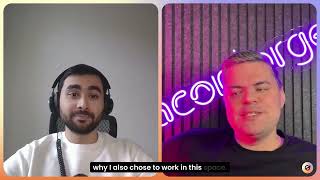
In this episode of the Growth Podcast, host Spencer Tahil interviews Frank Sondors, a veteran of software go‑to‑market and customer success. Frank shares his journey from leading a 50‑person sales team to running a lean five‑person operation that now delivers over 500 demos a month, thanks to AI‑driven outreach and programmatic LinkedIn. The conversation delves into the philosophy of partner‑led growth, how to select and nurture partners that think outside the box, and the importance of making partners look good for mutual success. They discuss a customer‑success framework that emphasizes ROI, proactive support, and a 2‑minute SLA, as well as a prioritization acronym ABS (Always Be Shipping, Sending, Selling). Frank explains how they triage bugs (P0, P1) versus feature requests, align Net Revenue Retention (NRR) ownership with product engineering, and use a traffic‑light risk model to qualify prospects. The interview also covers the role of AI agents and “agentic CSM” solutions for scaling support to low‑touch accounts, the value of keeping customers and partners in Slack for real‑time feedback, and the practice of design‑partner collaboration to shape product roadmaps. Throughout, both speakers stress transparency, proactive outreach, and the need for win‑win‑win partnerships that benefit agencies, vendors, and end‑customers alike.
Chapters
All right guys, welcome back to the Growth Podcast, uh, Behind the Growth. And today I actually have one of my partners on the show, Frank, and I'm gonna let him introduce himself and then we're just gonna have an honest conversation probably around a lot of customer success cuz we both value a lot of our customers right now. But yeah, sit down, strap in, and Frank, welcome.
So Frank, like, uh, if somebody doesn't know me, I've been in software for over a decade. Uh, so you can call me a software guy, but predominantly in all go-to-market kind of, uh, functions, including customer success, which is why, you know, I understand customer success and why it's important and how you look at this and why it, you know, sort of pays dividends just long term. Great customer success, you know, leads to great outcomes. But a lot of folks don't know how to do customer success really well. And so then I transitioned actually from customer success over to sales. And my last gig, I was a VP sales, and that was like 3 years ago. This is when I started Salesforce. I realized, damn, the only way to scale pipe is more bodies. That was, you know, the main sort of, you know, lever in in target attainment in terms of pipeline attainment, you know, and coverage and in revenue results, right? So I had 50 sales reps, a lot of sales reps, I was the big VP sales, whatever, you know, and then I thought to myself, damn, I could achieve a lot with just, you know, maybe half, half the people, you know, or whatever. And then today I have a sales team of 5 people that produce a ton more pipeline than my old team of 50. So my old team of 50 maybe did about 300 demos a month, which is a similar velocity, similar market dynamics, et cetera. Also selling to agencies, et cetera. And today my sales team of 5, we do over 500 demos a month. So a lot of things have changed massively with GPT, whatever you name it, et cetera. And I think the type of customers you work and so a lot of things have changed from like technology and blah, blah, blah. But ultimately, yeah, so we scaled up the company across multiple products, all to do with a journey pipeline. So we decided to focus just on what we call the execution part. So executing really well cold email, and that means email infrastructure, sending, whatever. We added last year LinkedIn to also do programmatic LinkedIn outreach. The belief is that you can scale up email and you can also scale up LinkedIn quite nicely. So what that means is, you know, in our case, it's like I have 30 profiles, LinkedIn profiles spinning there with about 500 mailboxes and just have one workspace of one single individual in the company. And then next we're going to add a dialer, we're going to do some inbound stuff, etc. So the idea is, you know, going upmarket a bit, you know, getting those guys in and then giving some hard time to like legacy softwares out there that, you know, do still seat-based pricing, they make hundreds of millions of dollars, and I believe those softwares will sort of contract or die out versus the new-gen softwares like us, Clay, and a bunch of other softwares that believe in sort of lean and mean teams, that believe in, you know, increasing outputs through a software, through AI agents, cloud, code, whatever, whatever is trending today. But I think part of the way how you, you know, succeed and grow is A, having sort of, you know, strong partners in crime, you know, as you grow and you grow together. That's the belief, right? It's not like, you know, hey, here's me and here's my partner and then we do our things, but like you really want to grow together. Like that's the belief and there's multiple ways how you can sort of look at it. But customer success and support naturally is one of the things that people do, you know, people look at it differently, let's go that way. But there's so much that goes into that and you can justify, you need to also know how to justify, let's call it the ROI of spending more time with Spencer or doing XYZ for Spencer. And yes, it doesn't, you know, you know, generate us anything, but that's not how you look at building what's called a great brand, et cetera. Um, and there's a bunch of examples where this has panned out really well. So you can take an example like HubSpot or Salesforce partners and a bunch of other, and guess what? HubSpot today makes over $100 million in ARR, just purely through partners. And that's an example of, um, you know, let's call it partner-led growth, whatever. There's a lot that goes into that, but to do this really well from the kind of, you know, ground up kind of starting in the early days, you need these partners. And we naturally see a bunch of evidence out there, or like Clay that does kind of similar thing. And so you see a bunch of examples and that's one of the ways to actually go to market. It's like together with other people or what I call the friends of the forge. And that's it. So yeah, little intro on me. Yeah, we do a bunch of products, 7 products altogether. There's like 6 products in total and then the pinnacle products like Agent Frank. So we're gonna build a bunch more products and make the agent better. Typically we sell to a bunch of sales teams. We work with a lot of agencies and these are really the two sort of main segments and how we prioritize sort of what we wanna also build. So then naturally when it comes to customer success, we think from customer success, naturally also from customer success for the agency segment, you know, go-to-market agency, stuff like that. And there's different types of agencies in there versus, you know, going direct and company doesn't necessarily want to work with agencies, right? So how do you build features and so on and so forth? So I know it was a bit long-winded, but yeah, this is a bit of a kind of story on me, company, and kind of how we look at the space.
So I think what prompted us to have this conversation is because over Christmas I was losing my brains with a client and I pinged our Slack channel and I've told you this privately, Frank, and anybody that's listening, Frank and his team are awesome with customer success. And like, granted, we are partners and everything and we grow together. Actually, we use their software in-house, so shout out to the Forges. But there's a reason why I do it and it's because of the success. It's like because of the customer service. And I've told— I sent you a very private message about this. It's like if we didn't have your team, and I'm left stranded with an enterprise client that is sending X thousand number of emails or needs to integrate something over this break or migrate their mailboxes in bulk, like, I think it was like 500 or 700 mailboxes that we had to migrate over and it was over Christmas, like your team hopped right in. It's like you don't really get that level of care and that level of like velocity with a lot of companies. And it, for me, you know, we have a very agile team. It's just the two of us right now at Growth Alliance. And like for you guys, like we have a channel of what, like 16 people in our thread. Like, for me, that's when I was like, you guys are doing a good job. And I think like when I look at like other partners, when I look for SaaS tools, including the Forges, I know that I can talk to you or somebody like Niels, right? And I look for the same thing when I go to serve my clients. If they need somebody to depend on, the level of success from a service-based industry in the service-based industry from our side is we need to get this shit done now. We need to make sure that they feel taken care of, like we're actually You know, really servicing them. Of course, not all fires are fires at the end of the day. Like I've made some product requests, I've made— people have given me service requests and things of this sort. But I think the, the way that you are handling a relationship at the end of the day defines LTV or the ROI, right? I, I like going back to what you said. So I'm curious like how you guys select your partners at The Forges, what kind of problems you guys have solved, and is there specific training or are there specific clients or partners or different types of people that you guys look for? You know, not us included.
I, I think I think on one hand, you're looking for, you know, generally partners that think outside the box. I think things are changing very fast in the space and they will keep on changing, right? So B, you know, keeping up to date with all the trends and everything that's happening in the space is like super important. So you're also looking for partners that ultimately push boundaries, right? In different areas, right? There's so many different areas of go-to-market. You can kind of dive deep into like enterprise kind of sales environments to high velocity to clay tables to, There's so much that goes on, but we, yeah, we're not looking at what we call more the, let's call the old school parties, old school people. And we definitely don't look at those companies. We don't target them because we, we are not here to transform these businesses, right? So we're looking for people that understand the, let's call the Claude Cole wave and whatever the next wave is. And they're riding the wave and we're all riding the wave, whatever the wave is, the Clay wave, whatever. So you need these people that, you know, think outside the box because what we are also building is also sort of outside the box and trying to, you know, predict sort of trying to predict sort of, you know, where the future is headed and how to build this. And you want to build like cool software, you know, that'll make your life easier and for your customers also life easier, right? So that's why choosing the right partners also like mentality is very important. Then naturally also the partners on where they are in the world. We know that most of our revenue will come, it's for every sales technology company is US, right? So let's just assume, you know, if you're like Salesforce or HubSpot or us, et cetera, it's very typical of like 50 to 80% of revenue is US, right? So So knowing how to service customers or in the US is super important, right? So that's how we also look at geographies. So it doesn't matter where you are in the world, your ability to service US market, to either send emails or understand how to write emails or like whatever that is, right? So even orchestrate everything for the US audience, that's non-negotiable sort of. So there's definitely a struggle there with a lot of people that I see. So it's also you kind of need the know-how and your experience and it's also when we look at the partners, other tooling that they use. So we do naturally see, you know, a lot of similarity with, you know, a lot of sort of tools that are adjacent to us like Clay, right? So let's say I'm looking for people that use Clay today, right? Because if they use Clay, we believe the number one sequencer in Clay very soon to become will be Salesforce. And, and we have some reasons why that's the case. So we are looking for the, you know, let's call it the top Clay people and for them to join, join us. Naturally you can't have 100% of market joining you and it's fine. But yeah, it's also a lot more fun to work with a specific type of partners. You grab a beer with Spencer or with, you know, this and that person, you know, the more you align in terms of kind of, you know, pushing the boundaries on go-to-market, the more you find and the more fun you have together. But also then you know that the type of customers maybe that Spencer or other people just work with together are also aligned with your software, right? And then, you know, the example that you mentioned, yeah, so You know, something happens over Christmas, it doesn't matter, during other time of the year, you know that for that client, it's most likely urgent, right? So the client's telling the agency, guys, this is urgent, right? So internally we understand that you need to put urgency on this and actually because somebody's a partner, you get the VIP treatment ultimately, right? So that means if it is urgent, we will make sure it's urgent, you know, also internally for us. So yeah, that also means that we deprioritize some of the plans and So we don't do that and we look after Spencer, right? So whatever that means, you know, however many hours or days it takes because it's important for Spencer because if that's important for this partner, then it's important for the customer. Like happy days, everybody's happier, you know? So you need to also know how to deprioritize some of the things that we thought we're gonna, you know, we thought we're gonna do, but we're not gonna do them because something happened, you know, whatever that is, you know? So we always, always think that every day shit may hit the fan. So then you need to plow bodies into this or automation. So AI agents, right? So not everything has to be solved through more support, more bodies. but ultimately problems need to be solved and they have to be solved. If you're working with Series A companies, B companies, right? They have targets, they have targets, they need to have campaigns running in January, whatever that is, right? So, and so you know that people have targets, so that means everybody's under pressure, right? So you may not be a VC-backed company, but guess what? The customers that you're working with are VC-backed, they have targets, VCs are breathing down their necks, they have the budgets, they wanna do stuff, they wanna do it at scale, they wanna do it, they wanna be aggressive and you just need to to be, you know, on that sort of, you know, wave with the customer, even though we don't speak to the customer, it's fine. I think this is what I like about the space, why I also chose to work in this space. It's so dynamic and you don't know what's gonna happen every day, but something is happening every day. You know, somebody needs help, something happens. So that's also why, why it's exciting. If, you know, if the client was serviced really well and we helped out, then, then it impacts retention for the NutriFood agency and for the partner. The client maybe is happy and wants to expand to other services, right? It doesn't mean, you know, we will generate more revenue, but like the way that I would say expansion generally works on the software side is that if the agency did a good job, right, and we supported them doing a good job, the agency makes more money from the customer, happy days. And then maybe we also expand, you know, organically revenue as a result, right? So that's how you can think about it. I think that's what great, I think, customer success looks like also when working with you know, any form of agencies, freelancers, you know, subject matter experts, you know, in the field, you know, that's just one of the ways just purely from a kind of account management standpoint. I think there's other ways naturally you look at success and kind of other bits that you want to be doing with partners.
How are you like prioritizing? Because for me, we have a handful, a large handful of clients, I would say right now we have 6, we're going to go down to 5 and we're probably going to sign 2 more actually. So come out positive. I mean, it's still early in the year, but knowing how to prioritize at least on my side, exactly what you just said, but it, it's flipped. It's like, hey, what is actually urgent? Because if everything is urgent, nothing is urgent, right? And this is like the operations side of me. I'd be curious on how you prioritize your partners versus your direct clients, because I know you guys have the personnel. I, I think I have everybody in your team in one channel, but when our clients come to us, everybody has their own communication channel. Every single request gets routed directly to our ClickUp environment, but it's a matter of like, does this need to be happening today? And I think What we do to try to minimize, like minimize those urgencies is to always have a plan of action or a list of like jobs to be done for our clients. So we get in a team meeting with them, we stay async, be like, hey, this is what we're doing this week. We don't really let them have a chance to pull anything up under us. Of course, things happen, things hit the fan. If it's like, hey, we need this prep tomorrow, we're going to the event. Okay, got it. Or, you know, like we should have known about that. That's our failure to prepare. I think in general, the less reactive you have to be to different things, the better. How do you guys prioritize? How do you guys prioritize treating your clients versus your customers? I know as, I guess, Ashto, you're the face of the business, but there's also—
I mean, the way I look at it is like I have this acronym ABS, which means always be shipping, always be sending, and always be selling. Specifically with, uh, you know, with partners, if campaigns are not running, if nothing's happening in the software, we have a problem. Um, so that is what I call the category 1 problem, like nothing is running, you know, essentially, or where if the machine is running, that's the most important thing, you know, and we keep sending more outreach or systems is actually running, but when they don't run and something's blocking us, right, we want to solve that. So the machine keeps, you know, keeps on running. So the other way to look at it is partner one mentions a particular problem or there's a feature request or whatever, and it can help other customers also. That's another way to look at it. Because somebody may say things don't work in your Primebox or they don't work on infrastructure front, but it only applies to that one specific partner. It doesn't apply to everybody else, right? This is where, you know, try and prioritize because ultimately, you know, we have 7 products and engineers work across 7 products and you're just trying to understand what moves the needle the most. But at the same time, if it's like a critical bug, what we call P0, is this a P0? If this is a P0, then, you know, all hands on deck. And this is also why in every partner channel, there's me in the channel, there's the CTO, there's a bunch of engineers, support people, because, you know, we do support 24/5. And you don't know when Spencer is going to ping you, whether he's going to ping you at 8 AM, at midnight, or 3 AM. You have no clue. So that's why there's support people from different time zones tuning in. Yeah, so that I don't wake up and, you know, and I'll have an answer to Spencer, like, for some time. Maybe Spencer, you know, wants to, you know, work through the night or whatever, you know, you just don't know. So there's partners all around the world. The stuff that you deprioritize is typically because it applies to just that, just one user. And it cannot be replicated or highly unlikely it can be replicated to any other customers or enough customers, but it has to align ultimately to is the engine running? If not, we need to fix it. If a customer requests something that's, you know, ruins relationship with a customer, maybe, or with many of their customers, that's also priority. So kind of, you know, let's call it workflow-related stuff. But there's also a bunch of kind of features that people would love to have because they've seen it in another software and suddenly, hey, Frank, I saw that in Outreach, there was this feature, could you build that please? So we have this one also important partner that's coming on board and says, Frank, listen, I gotta be transitioning hundreds of customers from Outreach over to you, but we need these 15 items. Damn, that's a lot of items to be shipping. And you're like, you know, what to do and versus somebody else does something else, right? So yes, while we're, let's call it the product board is like massive thousands of feature requests and all that goes into Jira and gets, needs to get prioritized, et cetera. And then you look at the feature request versus bugs, right? How many bugs you have and you can't have like a realistic bugless software. There will be always some form of a bug, but like how many bugs is acceptable to have in the software, right? So right now bug reduction is, is, is quite high priority. And once it's sort of, let's call it stabilized, you have not that many bugs, then you, you plow ahead, all the engineers that we have into net new feature production. But we also understand that any company that we work with, customers get really excited, not just partners, but also direct customers also get excited by when there's new stuff coming out. So you have to sort of balance this, which we're fixing bugs versus we're shipping new features. And the majority of customers don't see the bugs, so they want just more features. And if the features don't come out, you feel like this software is not— the engineers don't do anything. And with some softwares, maybe that's the case. There's not much being shipped, but we try and always just push. Every month we try and release something that more advanced API or white label, whatever that is, right? And so making sure that the partners then can go to their customers and say, hey, we could launch this, you know, is also important. There needs to be that sort of shipping velocity. So it feels like there's something new, right? And partners could either improve campaigns or improve, yeah, improve campaigns or either visually or actually in the results like better replies, et cetera, that makes them look good. So you kind of think about how can we make agencies look good as well in front of the customers. So we will build some of the features only for the agencies to ensure that they look much better with us than any other software vendor on the planet as well. So you also have to think of these what are called killer features. What is a killer feature that I could build that Spencer and other people will like and will help them to acquire customers better than any other agency in the market? That's also how you think about your stuff. So we can take an example. Let's say there's a lot of clay agencies in the market, right? There's thousands of them and there's more coming up and the more people get trained, right? So you're competing against these other agencies, but they all use sort of different softwares and what we call the Android experience. They're stitching up different sort of softwares from different vendors. They're trying to put this together. Naturally there's overhead with that, right? And what I'm trying to do is simplify the life for people like Spencer Tahil and others so that the onboarding maybe is faster or it's more seamless, you know, things just flow, et cetera. So kind of from a product standpoint, the other things you're just trying to do is make your partners look as good as you can as well in front of their own customers on LinkedIn or anywhere else, even on the website. The other way you'll make people look good is, uh, I just mentioned, for example, you Spencer Tahil in a random WhatsApp community where somebody said, hey, I'm looking for this and that, right? And then the one thing that you do is just make people just look good. You say, this is the guy.
The guy actually texted me on LinkedIn and I was like, oh, like where, where are you connecting us from? And, and it's like, oh, Frank just mentioned you in a WhatsApp group. And I was like, okay, cool. And it was like today. And so I meant to mention that.
That's all you need to do. So making making partners look good. There's not just something that you say in your website, we make it look good, but you actually proactively make them look good.
But actually the guy did text me literally today, so it was really funny. He's like, oh, Frank dropped your name in WhatsApp. Okay, cool. But I think where I see it, I think it goes both ways, right? It's like when I look for partners, it's like not just a win-win scenario for like me and you, but it actually has to be a win-win-win scenario. And this is like what I had mentioned to you, like when we had started talking very many months ago at this point in time, it was like, how does the person that's benefiting from both of us coming together in our strong suits, how do they benefit by having us together on one team so that we can kind of like 2v1 them and everybody wins, right? Like everybody needs to feel like they're winning when they use Salesforce or when they're working with Spencer and Growth Alliance. Like what value do they get? They get all of this tool access, they get all of this support, right? And they get strategy and they get implementation and they're driving the bus. Or how do we How do we phrase that in a specific way so that they feel like they're winning? And I think this is the basis for a good partnership, at least from my side. And I like, I have to make you guys look good. I mean, I don't have to, but I should, right? But like, we just put up a case study and I honestly, I'm super proud of that case study that I wrote with you guys because it really does encapsulate what we do together. And I think people have seen it and they're like, what do you think? You're just the guy. Somebody texted me like, you're just the guy I wanted to ask about, like, how does this compare to this tool on the market. We're using a lot of Instantly, we're using a lot of Smartlead, Outreach, whatever it's gonna be. Like, hey, these are the pros, these are the cons, this is like how I use it. Your scenario might be a little bit different. Like, let's hop on a call, give you a demo. And it's like, I have a demo with a guy on Friday, which is pretty nice. But yeah, I think it, it's, we grow together and I think everybody's gonna have their strong suit in space.
Yeah, exactly. So it doesn't matter whether it happens in, in WhatsApp or LinkedIn, et cetera. There's other things we do also what we call programmatically in terms of looking people good. And, uh, we will not tell actually the partners what we do behind the scenes. All we expect is that suddenly the partner either gets a new lead or something good happens to them. What we want, naturally, the partners think it probably came from The Forge. That's all we want them to think, you know, it doesn't have to be whatever attribution or whatever, you know, but because, you know, we look at partners as an extended team and that's how you have to, like, you know, I typically use this word, once we're in the Slack channel, we are your extended team and it means multiple things, like proactively checking in, pinging them on Slack or whatever, putting in different people or even internally discussing what would Spencer Tahil think about this, you know, kind of, or what would the other partners think about it, you know? So having proactive conversations and there's multiple, actually more things coming this year. So we have this what we call the 100 bacon bets for the year. So within that document, there's 100 sort of, let's call it initiatives, maybe it's simpler to specify, but literally it's a spreadsheet. It's a spreadsheet. This is what we're gonna do this year. And these are either inputs or outputs that we need to get to to have a smashing year. And under that is you have customer success, right? Because you treat customer success seriously. But what does that mean, right? So naturally you can choose ChatGPT, what could mean customer success for an agency, et cetera. But like like, you need to be proactive and you kind of need to, you know, kind of go at it. And people that have been maybe in software customer success, maybe for a long time, they know that it's something you want to do as early as you can. Doesn't matter how small or big you are, but like you do it and you do it really well. You don't want to be like some companies, I'm not going to mention them, but I paid a lot of money to some companies in the past also as a VP sales, and they never reached out to me. Never, not even single. The only email I got is your renewals coming up from a CSM.
That's all.
And I was paying them a lot of money. I was like a mid-market customer.
I hate this. I hate this. And I was just thinking about this when I was walking off of the tram today. I was like, dude, I just like pay a ton of money for a tool and I don't even hear anything until your subscription is going to expire. Some partners in the market do that. And I'm like, well, this doesn't like really serve me great. It's a fucking transactional marketplace, right? Like you're going to take my money. I'm going to get your tool and that's going to be the end of it. Like once I sign up, you should take me out of your lifecycle flows. I understand like how it works on the revenue operation side, but it doesn't lend itself well to all those things.
It's not about revenue. It's about, there's a, there's a thing called service, right?
There's a thing called good service. Yeah.
Yes. But just try do service, you know, it's not about good service. Like just do some service, you know, there's like no service at all, you know? So what's the point of customer success? There's a service component, you know, you have to service customers. It's a thing. Yes. It's a cost. It's a thing. And you have to think about it. Don't assume this revenue is there forever. I just assume that your customer could leave you tomorrow because that's how, you know, bad the churn is. It just generally in this space for everybody, it doesn't matter your agency, et cetera. If you don't provide great service, people just leave you. Okay. There's other hundred solutions in the market, right? So one thing that we try to kind of naturally compete in the market, and there's a lot of softwares don't think about is like great service. That means even on chat support, like we have a 2-minute SLA. We don't do AI agents on chat support because we believe in service and we don't believe that the AI solves the stuff on the support. I could put an AI agent into the Slack channel with Spencer Tahil, but I didn't because I believe in support. And guess what? I have a partner, a vendor where we pay them actually a lot of money. Guess what they did? They put a bot into Slack and it's not working. I can see what they're trying to do. I can see what they're trying to do, but that's not, you're not, you know, you're not getting to the outcome. You know, it's not like it's solving my problem. And the problem is like there's a bug or whatever, and the bot cannot solve that, you know, in a lot of cases, right?
I see that a lot. Yeah, I see that a lot. I mean, like, not to crap on anybody in particular, but I'll mention a few customer success problems that I've had lately. I mean, Clay, HubSpot, you know, that those are the big two right now. I mean, they're giants in the space, right? If I'm going to make a workflow and that shit's not working, or like with Riverside, like I, we're recording on Riverside right now and sometimes the theme doesn't update all the way, or sometimes the brand doesn't update all the way, right? I can tell when something is generated by like AI, it's referencing their API documentation or whatever. And I'm like, Guys, I need a human on this. And then like immediately they'll write back. That's fine. Like, I just need to have an option because I understand like it is costly to have customer success. For me, I'm in every channel with all of my customers. You have— that is my promise to all of my clients is like, you have 24— not 24/5 access to me, but like you have, uh, 24/5 access to me like all the time. And if I can't get to you, Jonathan will get to you. And if we can't get to you, then maybe my guy in Singapore will get to you. Right. You have us, like we are part of your team and we don't want to be looked at as a vendor. We want to be looked at as a partner. And that's how I try to position it. It's like, we are part of your team.
And I'll give you an example. I have another partner and they have an issue with the user, but the user is reaching out to me, something to do with the partner. So we are helping the user without even letting the partner know. We're just going to assist them, you know? And again, this is an example of kind of being part of the extended team. We know that this is a user of a partner, so we'll service them so that they have a great time with a partner. We don't want I don't want this user to have a bad time with our software or with the partner. So that's the, let's call it the adjacent support. And to mention, I think when I think about success or customer success, I think about customer success even before you became a customer, actually, even before you pay me anything. So I'll give you an example. So we do 500+ demos, right, on a monthly basis. So a ton of people we speak to, et cetera, around the world. And so what happens is, you know, you sit down with the business and there's multiple businesses or on different industries, et cetera, but they all need Pipe, right? So typical problem. And you realize that what is the way to generate that pipe? And sometimes, you know, they have a team and they have a RevOps and everything. They just need to buy the software and off you go, happy days, right? And, you know, here you go, right? So while other businesses, they have such a tricky ICP, and this is where I mentioned to you, you know, in one of the calls, literally last week, such a tricky ICP. And I said, listen, you have such a tricky ICP in the UK that you're not gonna be able to put this into a list from our data product or even yourself. Because you don't have the competence for this. Onboarding on my software makes no sense. Using my AI agent also makes no sense. What makes sense is here's a partner that will actually be able to solve your problem and you should speak to them and you're essentially disqualifying people, but still at the end of the day, the, the, the, that business needs pipeline, needs customers, et cetera. The way, the way I think about how can you generate revenue today is three paths. You do it yourself, you have a team, you have some agents running. That's another way we'll do an agentic layer. And then the third layer is the, the agency layer. And if you, and I always believe if you're the hottest business in the world, whatever, us or other businesses, you are always gonna use the, the 3 layers to maximize pipeline generation. If you don't have to go one of the paths, but you know, if you have budget constraints, yes, maybe you choose one of them and then you kind of keep expanding the layers. But there are some customers where unless they're gonna use Spencer Tahil or something similar, like they're gonna fail. And what you wanna make sure is that you don't fail. You wanna avoid churn before you become a customer, right? So I'd rather give this customer to, to a partner and then the pro— then the, the problem will be solved, the customer will get meetings and will actually generate pipe and, and they'll be happy. And it's the triple win, right? So that means Spencer goes ahead, services them, charges them a fuck ton of money, which is great because, you know, these guys, they don't know what they're doing. If they would wanna hire a GTM engineer in-house, would be way too expensive. Good luck finding a good one as well. So there's multiple advantages and I explain people the advantages of working with a partner over anything else because at the end of the day, they need to be successful. And I would say price or whatever, how expensive is all relative, you know, depending on the success. But if there's no success, I mean, you're gonna fail, you're gonna churn, and you don't want that to happen, right?
I think it's important even when I'm like as a product designer and like a product tester and stuff like this, like, you know, I'm very deeply ingrained with your CTO and like going through the features and we do like the monthly calls and going on stuff. It's like, I love watching that happen. Like I love helping to build that product and shape it for me. Like when And I just got off the phone with another, I mean, maybe prospect or something like this. And he's like, well, what are the issues that you guys are seeing in the market in case we send you people with Salesforce or HubSpot? And I just said, I was like, well, listen, there's no unification, XYZ, XYZ. There's a problem I'm seeing in the market talking to all of my other partners because they see everything else as well. And I, I do think that setting the right solution is very, very hard unless you have that strategy. And of course, like that strategy has to match your situation. If there's no end goal in sight, then you're kind of much fucked from the very beginning. Like for instance, not everybody needs the forges, not everybody needs Spencer Tahil, not everybody needs Agent Frank, but in very specific scenarios, all 3 of those match up. And I think that's when you go for the kill together, right? It's like win, win, win. But I think it comes down to exactly what you just said. And I actually, I, I wrote an article on it. They still have the same, they, they still have the same, they solve the same problem. It's just a matter of like, hey, where's your marketing mix? Where's, how does your attribution work? This is, and this is the difference between going from like 0 to 1, which is like what I used to do with a lot of different startups versus going from like 1 to 10, going from 1 to 10, you've already have a proof, made up, maybe have a proven motion. Going from 10 to 100, it's a lot easier than going from 0 to 1, in my professional opinion. You already have the playbooks, you already have the case studies, you already have the proven success, you already have the velocity, just a matter of scaling the system and testing.
You know how with what happened with Agent Frank, you know, back in the early days when we launched it, we were onboarding all customers, you know, and naturally a lot of them churned, you know, just like every other AI SDR solution, right? So, but, um, what we were generating were the learnings, you know, when does an AI agent work, when it doesn't work, and, you know, there's a bunch of customers customers for whom it doesn't work. Like we, we, let's say we don't really specialize in, let's call it, in enterprise sales, like small towns, et cetera. That's where you can use a bunch of other cool tools like Cargo and whatever that, you know, Spencer Tahil can service. And so like, you know, when somebody says, Frank, why should I use you? Like you should use me or whatever for something like this. And then this for something like that. Like, and the customer being able to tell this to a customer, it doesn't matter your agency or not an agency, like they will be very thankful to you. And in a way that if you're going to say, sorry, you're not qualified and you're just going to provide like recommendations to another software, guess what will happen? They'll introduce you maybe to other friends whatever, right? The reciprocity kicks in, you know, they'll introduce you to friends or maybe he's gonna change his job, which happens, you know, people change jobs very frequently. He's gonna become again, maybe a VP sales or whatever in another company. And he'll remember, damn, I spoke to Spencer. He said, you know, we're not a fit, but I remember he was really a great guy. And guess what will happen after a year? They'll be back and they'll buy stuff. So think of like things like long term. And I know a lot of people, and I'm speaking literally to one business yesterday in the US. And the guy got burned. He said, Frank, I spent $30K on this system and I'm not a believer in anything anymore. And unless we can work on a CPA model where you generate me demo and I pay you X, I'm not buying any of your software because he was massively burnt, massively, massively burnt. And so I don't want to build brand around us or anybody to use burning customers if there is a risk involved. So like, you know, how we manage, you know, some of the relationships Let's say we have Agent Frank, we're gonna, we have this sort of traffic light system. You're like a green, that means ICP yes, very good, let's go ahead, right? We've seen very little risk. Then there's some risk, you're gonna be in the yellow zone, and then there is the red zone, you are not a fit. And you're trying to tell the customer, you're trying to tell them, do not buy. But if they still wanna buy, like we told you, you know, not to do it, you know, but you, at least you are being upfront with the customer and the risks. So you're not burning your brand because guess what? They're gonna go on, you know, Trustpilot, G2, and gonna say, say, you know, a lot of nasty stuff about you, and these reviews will be there for years and years and years. So try and avoid them as early as you can. Don't try and onboard every possible customer because good customers lead to other good customers, right?
So yeah, I think, yeah, and I think it's about how much risk you're willing to take. I was just speaking to somebody about this yesterday. It's like, listen, I can say yes to everybody that wants, you know, that wants to work with us, but I'm not going to be the perfect fit, right? Like, I just spent a long time doing qualification. Like, I sell a service, I sell my— I sell myself. It's going to get clipped and put somewhere online. It's just a matter of like, hey, like I have my reputation to uphold and I would rather— I'd rather not take $10,000 to keep my reputation, right? Like if you're not a perfect fit, it's not a perfect fit, right? If I'm not secure enough to be able to say, yes, I can actually help you achieve this goal or implement this strategy or get ROI. And now it comes down to like data hygiene and ROI nowadays for the metrics that we try to get people. But if I'm not confident in that, then then how can you be confident in me? And that's what I tell people when I disqualify them. It's like, uh, Lynn, actually, based on your ideal customer profile, I'm not secure that email marketing would be the best attribution channel for you. I have an ads partner. I have an organic marketing partner. I'm going to connect you two by email or the three of you guys by email. If you decide to go a different way, I'm happy to work with you, but right now it's a little bit too much risk for me.
Yeah, we kind of do similar. We even send, uh, you know, some of our prospects are competitors and that's totally fine. And we think same thing maybe happens with competitors. We don't know whether they will send customers to us, but like, I'll give you an example where we're working with another company where we have an overlap in the ICP, but the user is not aware. Space essentially is the, again, AI SDR space. And there are two types of AI SDRs. One is the outbound AI SDR typically, and then the second one is the inbound AI SDR. So we do only outbound, at least for now. So we have a lot of people that come to us and say, Yo, Frank, do you guys do inbound? Like, no, sorry. And you don't wanna, and you have nowhere to send the customer to, you know? So then you're like, what do you do? So we're like, okay, what are the, you know, what we did is like, what are the top, uh, AI/DR, you know, solutions for inbound? And then we see, okay, Qualified, we see SalesApe, few other solutions. Like, cool, uh, we could send, you know, folks to these guys. And then if these guys are gonna get, you know, inquiries about outbound AI/DR, they can send it to us, you know? So then you can just partner up, you know, that way. Just like you're saying, some, some, you know, customer needs, again, pipeline, but you can't solve it, but maybe can be strong solved through SEO, whatever, right? So, and you just expect that, you know, that exchange of leads. So we have a bunch of leads coming from these partners and we don't expect anything, not even Slack, nothing like that. But what we're gonna see is when somebody signs up for a demo, the person says, where do you hear about us? So our partner is SalesApe on that front and they'll say SalesApe or this guy from SalesApe told me to reach out to you or I get an email sometimes. And that's exactly what we do. We just send it to them and we don't inform them nothing. We know that they know. And that's exactly how I think about, you know, our partners, you know, we just, we just send it to them. I'm not gonna go and inform today, hey Spencer, I sent you a lead. I also don't want this sort of to be the sort of what's called hunting behavior that Spencer's gonna be, oh, who is that? Who's that guy who was, you know, inquiring about our services? So just try and do it organically as much as you can. I think, you know, one is just to push nicely, you know, people towards a partner's direction. Or the other one is to, what I, I'm gonna call this building a funnel or a content engine. And our content is massive to generally, we have millions of pages. And guess what I do? You know, when I build content and we have a bunch of employees on the content front, those guys know that there's a guy named Spencer Tahil, right? So you're also trying to, you know, make the partners, like I said, look good. Very important. If the partners look good, we look good and vice versa, I think, right? So we're going to do that in multiple ways, from a webinar to podcast to content to the newsletter suddenly dropping in, you know, to, and et cetera. So looking good is just, you know, important to do. And it doesn't matter who the partner is. but it just leads to overall more success and less failure, right? So this is what you're optimizing, right? So, and you just need to know what you're gonna do and what you're not gonna do. And, um, I think we had some kind of even discussions today with some other, another CEO that I was talking to and I told him, hey, listen, I'm gonna be building these, these forges and these things, et cetera. And I told him, listen, but I'm not gonna build this thing. And I told him, I want you to build the thing. That's, uh, and there's reasons why we decided to go down that path. And, and I said, I want you to build this because it's not gonna look good or something's not gonna work very well if I'm gonna build Am I gonna fail if I'm gonna do this? So let's figure out how are we gonna make our customers successful from, again, day zero before they even purchase in a way that everybody's happy. Because, you know, when I'm working with different people as well, I'm also thinking how will it impact Spencer and this perception of Spencer and Spencer using software, my software. So that's, these are other kind of things kind of thinking back on my head because the partners have to look good even in 5 and 10 years time. It's like, you know, if you think about like Salesforce as a CRM or HubSpot, like you wanna make sure these partners like agencies are there or, you know, partners in crime idea, like for a long, long time, you're making revenue together, but you always try and make them, you know, look better and better over time. And you try and not make sort of product decisions or any other decisions in your business that may hurt the perception of these partners in any way, right? So that's also kind of something that I'm thinking back in my head about success. And part of the success is also product strategy success. So one of the things that, you know, you mentioned, yes, having the partners, sort of dictating your product roadmap, right? Because I can give you an example, you know, the CTO comes up to me or the CPO comes up to me and they ask me a bunch of questions. I'm like, I don't know, go and ask the partners, like, because ultimately, you know, I've never run an agency in my life. How should I know some of the things that are happening in the world and maybe some of the maybe spaces that you're in with other agencies, etc., etc.? Like leveraging partners also in that way that benefits both, that's where I see a ton of success. So there's a term called a design partner. And a lot of people don't know what a design partner is, so just Google it. But like being a design partner to a software vendor benefits both parties, right? Because you have, can have an impact on that company and how the product should look like. So it makes your life easier, right? So you're like, you're much happier over time, right? So, so you wanna provide that feedback. Yes, it takes a bit of time, but then the software is actually shaped to your requirements. And I'll give you an example. One of the reasons actually why I'm building Salesforce is because the vendor, the legacy vendor that I used with my sales team of 50 did nothing with my feedback, like literally zero. And I spoke to the CEO of that company and I said all the things that need to happen to improve the conversion rate for our team. And like nothing was implemented, everything was ignored. And I was one of the largest customers of that company in Europe and they would do nothing. And because I was not able to have any impact on the software, I was like, damn, I'm gonna build my own software. So actually this is one of the reasons why Salesforce exists is because the other vendor decided to ignore my success of my sales team, me trying to improve my conversion rate. So as a result, then what happens is I was forced to hire more bodies and increase my CAC, so cost of customer acquisition. We all know what happens if you increase your CAC too much, there's layoffs happening, et cetera, right? So it just doesn't work, right? So this is how I also think about my own experience when I was, you know, I was doing customer success myself while I was talking to other companies and I was close to the CPO or the product and my feedback was ignored. And I don't want that to have for other people, and you wanted to avoid that. And so the other things actually, just to kind of maybe mention this, apart from me thinking about this, I also have to train my team also to think about in a similar fashion. I think this is where it's not a sort of challenge, right? So like, and kind of that passing this on to other people and the product team engineers and, you know, et cetera, is, is also a tough thing. But I'll give you one practical thing that we do to make sure Spencer Tahil partners are happy. So we, you know, there's financial metrics naturally that every business have, right? MRR, growth of MRR, right? And profitability, blah, blah, blah. But one of the things is NRR. So net revenue retention, right? So retention plus expansion, super important. And if you're serious about a good product, great experience, then my take is that NRR should sit with product engineering, which is exactly the case with us. So last year we decided to tackle NRR and make sure NRR is like 110%, 20%, whatever And our eye will sit with product engineering because this is a product engineering-led company, you know, first and foremost, you know, and sales-led is like secondary. So even though we'd like to do 500 demos, that's like a hardcore sales assist on a PLG product. So, and then there's a trickle-down effect, right? So then people then will become slightly more proactive trying to figure out how to make Spencer more successful, how to retain Spencer, how to expand. And so wherever the muscle is in the business or whatever the motion is, so if it's a PLG motion, always just give them the financial KPI to that team. Team so they can talk about it daily, you know, on their standups or whatever they have, right? So, uh, yeah, previous to that, LRR as a KPI was owned by the go-to-market team, and it was just a bit odd that, you know, success lies in product engineering and go-to-market team was, you know, owning the KPI. So we're like, wait a minute, guys, there's some— there's a problem here. So we just punted the KPI over to product engineering, and a lot of great things are happening, I'll tell you that. So assigning KPIs is also important to success. Less, but that's across the whole company, right?
So you have to think about, um, I know that we've been talking for quite a while. What in your mind, you know, as, as a, as a founder, as somebody that's gone through the motions of sales and product design and all of the motions, what is one piece of advice that you would give somebody that is running their own software business in a few sentences?
So I would say, you know, probably the number one thing that all the Silicon Valley startups do, which You know, if you're starting a company, you're like early days, whatever, just get all your customers into Slack. You know, that's it. Keep your customers super close. I know it becomes, you know, very difficult to manage. Like I have hundreds and hundreds of Slack channels, but in Slack you can have up to 1,000 Slack connects, you know, 1,000 Slack connects. So imagine if you keep all your customers like super close and you listen to them. Yes, they're, they're whatever happens, they're not happy, whatever. By being, by keeping your customers and your top partners close to your business, it will make you build the right stuff. And because people are hiding sometimes, you know, with the intercom interface or whatever, some other interface. But if on a daily basis you're always in Slack and your partners are in Slack, your customers are in Slack, the business will just grow faster, right? Because you'll build the right stuff for the right people. You'll see some patterns across the Slack channels, et cetera. And things will just pan out. So a lot of businesses still don't do that. People freak out like, Frank, me inviting customers? Hundreds? I was like, yeah, yes, that's what you're gonna do. Sure, for Spencer, Spencer doesn't need hundreds of customers. He needs very few good customers, right? You're right. So, but like our business, because we are PLG, low ticket business, we're gonna have a lot of, but that's a lot of input. So it's a good problem to have when you have a lot of input, a lot of feedback. And, but it'll make the business build the right things, you know, move faster, et cetera. And feedback is a gift. Just think of it this way, right? A lot of people freak out actually. In other companies like, damn, there's just so much feedback. They're just drowning in feedback. Just think of it as a gift and just know how to label it, structure it, prioritize it, you know, revenue impact, NRR impact for the agencies as well, right? And stuff like that. Yeah, because in other niches, you do not have a lot of feedback. Customers do not talk to you. It's not a thing. So be very thankful that somebody like Spencer Tahil or other people give you feedback daily and whatever that is, like even like a little thing, people like me look at it and other people look at it. And the more Spencer keeps knocking on our doors or other people knocking on our doors and he's customers on Spencer's door, and then Spencer comes to us and says, Frank, well, this customer is, you know, telling us again, week in, week out, we should be doing this. The more you're gonna knock on the door of any company, the more likely that thing will happen. So that's how I think about also feedback is important. Treat it as a gift. Naturally, you know, don't action on all the feedback, right? So whatever only moves the needle where you see patterns and Highest impact for everybody. That's what you do. And then also be mindful or be open about why you're not going to do particular things, you know.
And I think that what you just said is the icing on the top. I can give you as much feedback as possible and I can give you as many suggestions as a design partner, as many suggestions as you guys can take, and I can write in the Slack channel every other day to you, but if I don't get an answer, it pisses me more off. Like if my query just doesn't get picked up. I get more pissed off, right? And I think like, I know you guys are responsible, like for very, for instance, like I know you guys provide timelines, like that's not a priority, right? For us right now, if it becomes like a P1 or P0 priority, if it's game breaking, we can reprioritize, but transparently we're focusing on other bigger things. And like, for me, I love that. I love the transparency of understanding what is going on and what's not going on so that I can go back to my clients and say, hey, like we're working on it. You put in a special request and of course that shows my end client that I'm very deeply ingrained in the shit that's going on behind the scenes, right?
I'll give you an example of what we do from a customer success standpoint. Also kind of, you know, being transparent and proactive. Maybe proactive is one of the things that's very important to cover as well. So every month we're trying to think about how can we, let's take you as an example again, how can we reach out to Spencer once a month? Doesn't have to be frequent, but at least once a month to Spencer and provide something of value. And so that it doesn't look like in a way that it's not annoying to Spencer, like, oh, again, TheForge is reaching out, you know, like You don't want to be that sort of company. Oh, again, they're reaching out, you know, about some other random stuff that is of no value. So like value and what is valuable, what can we reach out about? So this month we came up with the idea, okay, what if for all the top partners that we have, what if for them only we gotta do a proactive deliverability audit and specifically agency partners. So they have a lot of customers and proactively reaching out and saying, hey, I would love to audit your whole instance, whether that's in Salesforce or even in another sequencer. We're gonna go in and we're gonna audit the whole thing for you. It's gonna cost you nothing. And it's like a sounding, you know, a sounding board, you know, where you're talking to a specialist that knows stuff about infrastructure and copywriting and everything. And we'll audit your all accounts, your top accounts that you care about, right? So you may have, you said 6 accounts, right? And you only care about 3, maybe whatever, or all accounts. But like, we're gonna go and audit and provide some suggestions to improve performance. And it's not like, you know, like the Google Ads optimization team. Hey, I would like to tell you that you should optimize your Google Ads account. Here's some suggestions that useless, you know, most of them, right? So I used to work at Google, you know, it's all based on whatever, but, but actually getting those expensive CSMs and practically reaching out and spending time with customers is exactly how we think about customer success, like proactively. It's not waiting for Spencer saying, oh, Frank, things are not working out. Well, did we do something practically before that? Like, so that these bad things didn't happen? It's like, you know, how do you tackle churn in advance? Like early on, mid, you know, lifecycle maybe, and then And whatever. So you need to be doing these catch-ups with customers and proactively. And a lot of people, what they do is just get customers, they pay them a ton of money and then barely even practically engage with them. And I think people appreciate this like valuable in like, it's either an insight or audit, whatever that is, where Spencer will be like, damn, maybe I would have paid for this, you know, even, you know, well, yeah, I mean, like I do monthly catch-ups with my point of contact in all of our client accounts right now.
Tomorrow's Friday or wait, tomorrow's Thursday. On Friday I have, I have 4 catch-up calls because we're finished with the phase 1 and I want to, you know, I'm working with the revenue operations team, but I'm working with the marketing operations. I'm working with the AEs and the SDRs and with some of these accounts we're using the Forges to be able to do some cold email outbound sequencing in LinkedIn, right? They need to get trained up on the UI, but they're not the ones that signed the contract, right? At the end of the day for our services, I want to get a one-on-one perspective from from the person that's running the show, the CRO, the VP of Growth, VP of Marketing, Chief of Staff, right? And this is the type of service that we like to provide too, the proactive, like, hey, like, you haven't been a part of this conversation the last 2 weeks, are you a little bit busy? Like, just wanted to get your feelings on things before they bubble up, XYZ. I mean, they approved everything, I'm really happy about everything, all of that this week. But I think proactivity goes a long way. And I think it takes a, it takes a very specific type of person, like somebody that's worked in customer success to be able to spot that, spot the nuances and the sentiment in the call and in the Slack channels, be like, hey, maybe you're being a little bit short. You're not providing explanations for something. Maybe there's scope creep or something. But I think ultimately it comes down to human-to-human trust and interaction. I hate to see it in the market because it still exists, unfortunately, that people just don't really give a shit.
One thing I wanted maybe to wrap before we wrap is just to mention, so about, you know, the other way we look at success. But naturally at The Forge, we have thousands of accounts, thousands and thousands, thousands of accounts, and many of them don't pay us a lot of money below $100 a month. So there's no way to apply a CSM resource on that. So CSM resource like humans, very expensive, right? Very knowledgeable. Only makes sense to look after customers that actually pay you a decent amount of money, right? So this typically goes into hundreds only of accounts in a business like ours, like High Velocity, et cetera. So, but what happens with the other accounts? How can you to look after them, like that was the challenge that we, you know, asked ourselves, how can we look after them without necessarily spending a lot of money? But there's still a lot of maybe, you know, there's good impact on retention, expansion, et cetera. So this is where you need to learn how to blend humans and AI agents, which is what we're all about. And we thought to ourselves, damn, we have these human CSMs, really cool. Spencer gets one of them, but what about the rest of the guys, you know, that don't get the love necessarily from The Forge? And so we literally, we have a guy coming tomorrow that's gonna demo us what we call an agent CSM solution. A solution that will look after customers like the long tail, essentially hundreds of them for us. So we wanna test it out, right? So because the belief is like, sure, you can do nothing with them. That's option one and spend no money on them. And then whatever happens with them, you know, they only get chat support and nothing else. But the other way we thought of is like, how can we be proactive about this? Well, we can't apply humans. I can't tell my CSMs, please go and reach out to hundreds of accounts. It would be a stupid thing to do because that means less time spent with Spencer and other top accounts, right? So, so then the only way to is to apply an agent. If you have this sort of dilemma where I can only look after this, this customer and, and because of you have team constraints, whatever. Well, what could you automate again in a way that's not annoying, whether through N8N workflows, other, you know, systems, et cetera, maybe something in HubSpot, et cetera. It could be trigger-based, maybe it could be agentic. So trigger-based or agentic, right? To be actually helpful. So yeah, we're, we're, we're, we're checking out the solution tomorrow called Cust. All they do is just, you know, service customers. And if everything looks good, we're gonna roll it out next month to, to see what the, what is the impact. Then overall the service levels increase across the whole book of business, and that has a much bigger impact than the impact that we are making right now just with a few hundred customers, right? So, but this is also to think that what I'm trying to say here is like, if you, if you have a struggle with a resource or whatever, just think through like a trigger-based kind of automations or something else where yes, they don't pay you a lot of money. Yes, it will be stupid thing to even think about these accounts, but think about an agent solution. There's a bunch of them in the markets popping up. I bet Spencer could build you one or whatever, but like in cloud code and stuff like that, like there is a way today, which was not a case like a year ago, 2 years ago. So there's no excuse not to try and look after each and every one of your customers. I always say where there's a will, there's a way. So yeah.
Yep. Yep. Yep. Yep. Yep. Yep. Exactly. And, uh, yes, I can build you an agent. That's what we're doing for the enterprise teams. I was going to say, if you're not hiring somebody, uh, I can build one for you on the in-house. We've had constant conversations about that lately of like, hey, like let's trigger something where the workers actually live. So it's just like something that lives for the AEs inside of Salesforce or something for the marketing or the operations team inside of Slack. Right. So enablement is the name of the game and, um, it's the same thing on the customer side. So I think, uh, we've gotten a healthy recording here. I'm going to wrap us up and where can people find you, Frank, other than on my LinkedIn?
Well, you can find me on the website if you go into chat. I sometimes respond on chat. People are very surprised. Otherwise, if you're going to sign up to our software, you will get a WhatsApp message from me. Spencer got one of them. You can find me in other places, but, um, but yeah, typically on LinkedIn, the guy with the bacon emoji, helping you to bring home more bacon. Yeah.
Cool. Frank, thanks for coming on, man. It's been great. And thank you for your insights as always. I'll catch you in our Slack channel. Cheers.
Cheers.
More from Spencer









Mega GTM Talk #2: Spencer Tahil, Brian Ragone & Pawel Nical on Where GTM Is Headed

