6 Steps Every New Real Estate Investor Must Know
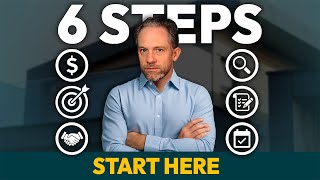
Tim Hubbard walks through six steps for new short-term rental investors: figure out your capital and financing, pick a property type, choose a market, narrow to specific neighborhoods, find properties with good agents, and do financial and physical due diligence. He stresses building a team early.
Questions this video answers
January 12, 2021.
About 500,000 population.
Aim for at least 2–3 times the long-term rent.
restmethods.com (Rest Methods).
Chapters
There is so much info out there on the news from our friends, from our peers, wherever it is, telling us that the market's good, the market's bad. We should invest here, we should invest there. So I thought I'd put together just six quick steps. 10,000 foot view of how to get started as a newbie, what the process looks like and how it should flow. Let's dive right in. Welcome to Short Term Rental Riches. Quick actionable ideas to help you along your real estate investment journey, but with a specific focus on short term rentals. Welcome back to the Short Term Rental Riches podcast. Happy you're here again. I'm always happy to do these podcasts. I really enjoy them. So thanks everyone for listening. It's been great. We've been growing really quickly, so I appreciate all the feedback and the support. And if you haven't already, if you would please just head over to itunes or Spotify or Stitcher or wherever you're listening, just leave us a quick review. I'd really like, really appreciate it. Today we are talking about six steps to get started as a newbie investor. There is so much info out there from every source from, from YouTube, from podcasts, from peers, from the news telling us that we should invest now, we should invest here versus there. And there's just so much info I could see being a newbie or being new to investing, it's just hard to figure out where to start, right? So I wanted break that down this week in just six basic steps. If you're a newbie investor, if you're new to short term rentals or investing in general, how to go from start to finish here. This course is going to be a 10,000 foot view of the whole process because each step has lots of steps within it. But just a quick overview of how we get started. The first thing that I would figure out if I'm just getting started in real estate is how much money I have available to me or how much money I want to invest. And so those are two kind of different things because you might have some money available already, but you may have friends or family that want to partner with you and you may have two different lenders that are giving you two different options. One maybe requires a 10% down payment and one requires a 20% down payment. So I would figure out how much money you have available to you at the moment and then talk with lenders and let them know that you're looking for property and see what options they have. That's going to help you determine how much Money you're going to have to invest. So that's number one, we got to figure out how much money we have, how much money we might have available to us, and talk with lenders so we know what kind of financing options we have available. So number two, we really need to know just what we want. I mean, there's so many different ways to invest in real estate if we're talking specifically short term rentals. Are you looking for a suburban place, an urban place, a vacation rental or something like that? Do you want a property that's already turnkey? Do you have the time to put in work, to renovate a property and to do all of that yourselves? Because that's going to really help you narrow down if one property is going to work for you versus another one. What kind of weather do you really want an investment property that you might be traveling to ever so often? That's not really good weather. Well, maybe not. In fact, if you've listened to the other podcast, you know that most people in the US are getting away from the really cold areas. So maybe you want to be in a place that's a little warmer. And what size property do you want? You looking for a little tiny house, the latest craze in, in real estate and traveling, these cool little tiny houses? Or are you okay with a bigger property? Are you looking for apartment building? You want to know roughly the type of property that you're looking for. So number one, we need to figure out kind of how much money we have available to us. Number two, we need to figure out what type of property we're looking for and how much time we have available to get that property started, to renovate that property if necessary. Once we have the time that we're willing to spend and the amount of money that we maybe have available to us, we need to find a good market. So that's number three. And if you're a newbie investor, I can almost guarantee you're just going to be looking in your neighborhood. That's what I did. That's what the majority of everyone does because they're comfortable with the area, they know the market, they're a little more familiar with it, they maybe have connections there, of course. So. But that doesn't necessarily mean that that is the best place to invest. In fact, it's very likely not the best place to invest. And with all the tools that we have available today, we can look to other markets, especially if we're in the US So I wrote a whole report on this. If you guys haven't got it yet. Head to restmethods.com and you can download it there. It's my ebook on finding the best properties, finding the best markets, because there's a lot more steps in here. So we got, number one, how much money do we have available to us? Number two, how much time are we willing to spend and what type of property are we looking for? Number three, we want to hone in on a market. And then number four, we've got to narrow it down further than that because markets are huge, especially if you're investing in a larger city. I Recommend probably like 500,000 population at least, because then, you know, you've got diverse employment and the city really needs to be going in the right direction. But if it's a big city like that, there's hundreds of neighborhoods, maybe thousand. And so you need to narrow down what's going to be the best neighborhood for what you're looking for. And I would just go by zip codes in the past, or when I'm looking for new markets, I do my research on a new market. I find the neighborhoods that I like, and I get those zip codes, and then I plug those zip codes into my searches, which you can use, you know, realtor.com or Zillow if you're looking for property four units or less. If you're looking for an apartment building, you can use LoopNet.com you can plug zip codes in there, save these searches. They'll email you. So you can start to get a feel for that neighborhood and what those prices should be, what might be a good price, what's not. You really start to get a feel. If you're looking in a broad city, there's no way you're never gonna figure out every neighborhood in a big city like that. So find some zip codes that you like in areas that you like and in markets that make sense again. Visit that report if you haven't seen it yet, because I got a lot more tips and shortcuts into finding these markets and things like that. But for today's podcast, I'm just breaking down this broad overview. So we figured out how much money we have available to us. We figured out how much time we realistically can spend and what type of property we're looking for. We found a broad market that makes sense for us. Could be your backyard, but there's likely better places to invest. And then we narrowed down from there a couple zip codes, maybe three in an area that you like. And this could be multiple cities. If you're Looking at multiple cities, maybe you got a couple zip codes in each one and that'll help you compare, find the best opportunities. So number five, once we have these zip codes, we've got to actually find the properties. And those online listing sites are going to help like Zillow.com or LoopNet.com but I highly recommend finding a real estate agent or a broker if you're, if you're buying a larger commercial property that specializes in those areas that you're looking. So in those zip codes are familiar with them and preferably one that deals with investors already because then they're going to have a little better idea of what type of property is going to work if it doesn't cash flow. Remember we're always looking for cash flow. If it doesn't cash flow, then it's not going to make sense. And I would not recommend getting into it expecting it to do a certain number on the long term rents or even on the short term rents. And that brings me to number six, which is the due diligence. There's two types of due diligence. You've got your financial due diligence, which is going to come first because if you find a property that you think makes sense, but then you run the numbers and it doesn't cash flow, you run the potential numbers. As a short term rental, it's not looking like it's going to make at least 2, 3 times the long term rent. Then I'd back out of that one. Don't, don't spend any more time on it. So that's really the first piece of due diligence. And we've done prior episodes on this, talked about sites like Air DNA that can help us source information to find out how well it could operate as a short term rental. Also comparing other comparable properties in that area with long term rents to figure out those numbers. So again, there's a lot of little pieces that go into all this, but I just want to give a 10,000 foot view of the process if you're brand new, how it's going to look and the flow that you will typically go through. So we're at number six, you got the due diligence, but there's two pieces, the financial, so we got to make sure it makes sense. And we want to do that because we don't want to spend money on a physical inspection, which is the second piece of due diligence. We have physical due diligence. We want to make sure that the property is a good property or at least we Know what we're getting, if we're planning on renovating that. We know what condition the plumbing's in, we know what condition. Condition the roof is in. So that's really the second piece of due diligence. And more of that will happen after you're in contract. Number one, we figure out how much money we have available to us. Number two, how much time do you have to put into the property, what's realistic and what type of property are you looking for? Number three, we want to find a market and then we want to narrow it down. Number four, to some zip codes, some areas that we think there is a lot of potential in. Number five, we need to actually find the properties. The number six, the due diligence. First, we're going to do the financial due diligence, make sure the property makes sense, and that's when we're going to do the physical due diligence. All of our home inspections or plumbing inspections. But that is the basic process for starting fresh. I know that there are tons of little pieces in each of those six steps, and that's why I'm doing this podcast. And there's tons of other great resources online, but that is, in a nutshell, one to six, you're brand new. Kind of how that process is going to go. Now there's a whole nother piece that's very important after that, and that's finding your team. We've done episodes on finding team members and stuff like that. I just wanted to keep this one real brief. In a nutshell, six steps. But that team piece is gonna be super, super important too. So if you're brand new out there, hopefully this gives you a better idea of the flow. The more you do it, the easier it gets, I swear, and the less time it takes for you to realize this is a good property. Now this is a bad property. This is an amazing property. The more you do it, the easier it gets. And the more comfortable you get doing it, the more we take action. It alleviates a fear of investing. So wherever you are out there, hopefully this helped you. And if you're not investing in real estate yet, you know, they say it's better to buy real estate and wait, then wait and buy real estate. And if we're investing for cash flow, market prices aren't really going to affect us. If we're in this for the long run, for 20, 30 years, we have fixed financing. So wherever you are out there, I hope you're having a great day and we'll talk to you next time. Want to get on the fast track to financial freedom through short term rentals. Well, it all starts with the properties you acquire. But you want to make sure that you acquire the right properties. I want to give you my ebook that will show you how to do just that. There is no charge. It's my gift to you for being one of our subscribers. Just go to restmethods. Com, That's Rest Methods. Com.
More from Tim

Airbnb profit insights to get your business ready for sale! #podcast #realestate










What Most Successful STR Investors Are Focussed on Today: From a 300+ Investor Meetup