Family Support + Determination to Work!

In this interview, host Tan Lay talks with Kavita, a Ugandan‑Indian woman in her 50s who built a successful legal career while reinventing herself as a DJ. Kavita recounts her family’s forced exile from Uganda during Idi Amin’s regime, the hardships of resettling in the UK, and the work‑ethic instilled by her parents. She describes the systemic barriers she faced entering a traditionally white, male‑dominated law profession, and later the personal crisis of a divorce that coincided with the COVID‑19 lockdown. To cope, she bought DJ decks, hosted an online birthday party, and launched the “Funky Fridays” livestreams, which grew into live performances at venues like the Leadmill and a slot alongside Pete Tong before 8,000 people. Kavita discusses the hate and negativity she encountered from established DJs, her coping mechanisms (blocking, ignoring, resilience), and offers concrete mental‑health advice (hydration, exercise, supportive friends). She explains how she balances her legal job with her DJ passion, prioritising time, and shares upcoming gigs, including headlining a Pride event. The conversation underscores three themes: the power of family support, the inevitability of haters, and the possibility of pursuing new passions at any age.
Chapters
Hi, Kavita.
Hi, Tan. How are you doing?
Lawyer by day, DJ by night. Kavita's story is not one you hear every day. I'm Tan. I love speaking with people and noticing the obvious. In this video, after speaking with Kavita, I noticed 3 obvious things. 1, a solid family bond will get you through hard times. 2, there will always be envious people or haters. And 3, you're never too old to follow your passion. When you meet someone new and they ask, what do you do? How do you usually respond?
Oh my God, yeah, that's a good question because I try not to say much when they meet me. I just stay mute. When they do ask, um, I, I do say that I'm a I'm a lawyer.
Which one do you choose?
Oh, I know, I know, because they're like this at the moment. Yeah, so I say I'm a lawyer and I'm also a musician, an artist, a DJ, you know, whichever comes into my head first.
Yes, she's in her 50s, she's Ugandan Indian, and she does this. Why don't I let her explain the story? Can you take me through the early years of your story, please?
Yeah, so basically in a nutshell, um, I am a Ugandan Indian. I'm 100% Indian genetically, DNA-wise, you know, but I come from Uganda. That's where all my ancestors come from, you know, my great-grandfather. They were all brought over by the British Empire to East Africa to build the railways, and they settled— the men settled, and then eventually they brought their families over. So We lived in East Africa. That's where my mum and dad are all from, and that's where they were born. But in the '70s, there was a horrible dictator called Idi Amin, and he basically expelled over 80,000 to 100,000 Asians. He was very much of that brutal regime, um, so we were all living in fear. So my dad went out to look for a new place for us to live, from different countries to different countries, here, there, Yugoslavia, India, back to Uganda. Uganda didn't want them. India didn't want them. UK didn't want them. So he was literally shuttlecocked. Eventually, he lived as a vagabond in Yugoslavia on park benches with the rest of his friends, no money, nothing to live on, just handouts. And then campaigned religiously to get the attention of the British government who saw plight of his story and allowed eventually to give him access to the UK. And then eventually when he arrived in Leicester and settled, he worked in factories all the hours that he could work and then bought tickets for my mum and myself to come over. We were reunited at Heathrow Airport for the first time when he came to pick us up after 18 months. You know, we remained as a family, stuck together. And I had a happy childhood growing up.
What were some of the key personality traits that you think you had? Because I think you had a lot of ambition and drive.
Oh, it's funny enough, you see that. I didn't see those qualities in me, you know, but what I did see was hardship. I saw my parents working really hard and they provided for all 3 of us. So I'm the eldest. my sister, she's a lawyer, and my brother. They worked very, very hard and they sacrificed a lot. They worked weekends. If they didn't have anything, they saved before we could have something. You know, we didn't have many luxury things. You know, I didn't have a bike when I was growing up. I wanted a bike. I saw this in those days, in the '70s and '80s, people, children played on the streets. Yeah, you know, we played hopscotch, we played, you know, all kinds of marbles and games like that on the streets, and I used to see the children on their bikes.
Even though she grew up in humble surroundings, or maybe because she grew up in humble surroundings, Kavita's personal ethos of hard work and perseverance allowed her to gradually improve her life.
So that's the story of You know, working relentlessly. You know, I wasn't an A-star student, but I worked hard. That's the ethos.
Yeah,
it's in me. You know, you work hard, you can get somewhere, and you stay away from negativity, and you can achieve many things in your life.
After becoming a lawyer, Kavita found that there were still more challenges to overcome.
Even though I qualified as a solicitor, I had so many barriers because I was entering an old-school boys' profession. You know, you had to be in public school, you had to have influential parents. I was Indian, I came from, you know, technically immigrant families, you know, and I didn't have any access to those privileged networks that you have. I didn't have anybody in the legal profession. My mum and dad worked in factories, so I was already put at a disadvantage. So I applied for numerous jobs but kept getting rejected, even though I, I was interviewed first round, second round, got through, but still never got the job. And I questioned myself, why am I not getting the job? I'm getting all these questions right, even better when I had feedback. And they said, it's because your face doesn't fit.
Really?
You said that? Yeah, the clientele was a white male and female department client in their firm, and an Asian solicitor would just— wouldn't fit the bill, really. I got told that in an interview in a firm that I was interviewed in, Loughborough, which is near Leicestershire. So I had a wall of rejection letters everywhere.
She eventually landed a job, started her career, got married, raised a family, and reached a turning point approaching the age of 50 when her marriage fell apart.
When my marriage broke down, I was completely, utterly crippled financially, emotionally, physically. you know, because it was a really lengthy battle that I had. And it was sad, unfortunate circumstances that I really didn't know was coming at me. So it was complete shock that I ended up in this situation. Never did I see myself at the age of 50 to be single. Wow. I'm ready to retire and think about my next retirement plan, but it completely flipped it on its head. And now I have to think, Sugar, how am I gonna look after myself, my children, earn a living so that we could still have the lifestyle that we had, which was to take the children on holiday, do this, do that, pay for their private schools, private education with tuition fees, this extracurricular, because, you know, it's expensive, isn't it? You, you want them— what we went without, you want to give to your children.
Absolutely.
You know, I think, you know, we— I missed out on this. So they got bikes. They got bikes coming out their ears.
Same with mine. Same with mine. Okay, so this is super interesting. So at this point, everything was going like this, nicely moving along, and then crash, a big shock, divorce at 50. So how did you— what did you do? What do you remember about that time that helped you rediscover your— that energy that you had?
So basically, in a nutshell, what happened is that I got divorced just before lockdown. And April 2020, we went into lockdown. And that was it. Bang! A double whammy to me. So not only was I divorced, single parent, financially ruined, but then we go into lockdown. So I'm cut off from everybody.
Wow. Okay.
Mum and dad, mum and dad were my biggest saviors. Family comes first when you're in difficulties. So they were there, but I couldn't see them. So the only thing we could do was Zoom calls and FaceTimes, WhatsApp. My birthday, 50th birthday party was on the 12th of April. That went out the window because Boris cancelled everything.
Mm-hmm.
What was I gonna do? After all this negativity, I thought, I'm gonna celebrate. And, you know, everybody had been told to save the date. They saved the date, but no party. So I said to my dad, I said, what am I going to do for my 50th? Uh, he says, I don't know, we really don't know. We, we can't visit each other, we can't do anything. So I said, I know what, I'm gonna have an online party. I'm gonna buy some decks and I'm gonna do it myself.
Wait, where did you get the idea for decks?
Well, I thought, well, how am I going to celebrate it? I need to play some music, and I didn't know how. Technically, I'm not even that clued up. The only thing that came into my head was a DJ decks because I'd actually booked a DJ to perform at my 50th.
Ah.
But, but he'd gone. It had been cancelled. So, so I had to then think of an alternative plan. I thought, well, the only DJ is going to be me.
Do it myself. Okay, amazing. So then what happened? So you put the event—
So Amazon, Amazon was rife during lockdown. They were doing lots of doorstep deliveries. So I had a doorstep delivery of a tiny little decks that I ordered, didn't know what I was doing. And on the day of my birthday, I plugged it in just like I did with this laptop. I don't know how I worked it out, but I did. And then I played some Ibiza tracks And I sent out an invite to all my friends, but instead of saying, come at my garden party, I said basically, join me online on Facebook. And they joined me online on a Facebook public setting, but I only thought a handful of people like my family would tune in. 5 people, 12 people, 50 people, then 90 to 100 people tuning in all around the world saying, wow, this is brilliant, fantastic, hi, happy birthday, well done, love it. I was clueless, you know, and I just thought, well, maybe there is a way that I could entertain people like this because it gave me so much joy. It gave me happiness. It gave other people happiness. People's mental healths were really rock bottom, just like mine, you know, because they were isolated. They couldn't bond. They couldn't form a bubble. They were locked in their own homes. And I thought, this is a win-win. Let's do this again every Friday. So that was it. Every Friday I streamed continuously for the next 2 years called Funky Fridays.
On Facebook?
Yeah, on Facebook. And then eventually I started streaming on other platforms. So I played '70s, '80s, '90s disco tracks, house tracks, R&B tracks, everything. Made people happy. They bonded. They created a community. We made friends. It was a happy, happy win-win situation. Towards the second year, I started collaborating with people, and an organization called Sheffield Clubbers Reunion said, do you want to do a stream for us, a live stream? I said, of course I can, you know, because I was live streaming. That was the only thing I was literally looking at, a laptop.
Amazing.
So from looking at a laptop to then when lockdown finished, they asked me, do you want to get involved with our first gig, which was at Leadmill? So I performed in front of 1,000 people live, sold-out event.
Kavita's first big gig in front of 1,000 people was small in comparison to her next big gig, performing with one of England's most successful DJs, Pete Tong, in front of 8,000 people.
20, 2 years of lockdown. 22, just door lock— lockdown has just started to open up. 23, I get booked. Somebody recommended me and said, watch her, she's good, have her on board. And they vetted me, they checked me out, and that was it. I got tested and I went live with him. I walked up like Scarborough Open Air Theatre in front of 8,000 people. It was just incredible. I loved it. My parents and family came to see me. Um, yeah, it's been really, really good. The journey's been a difficult one, but also a very fruitful one as well. You know, it's, it's not rosy all the way, as you know. You have hurdles you have to cross. Um, but it's been a good one.
Amazing. Now let's quickly go back to, um, I remember you, you said something really interesting about haters and how you dealt with them. So can you first describe, like, even somebody like you who I don't see how can anyone have a negative comment towards you? But anyway, you, how did you, what kind of negative comments did you get and how did you deal with it?
Yeah. That is part of the hurdles that I faced. Negativity came almost immediately.
What was that?
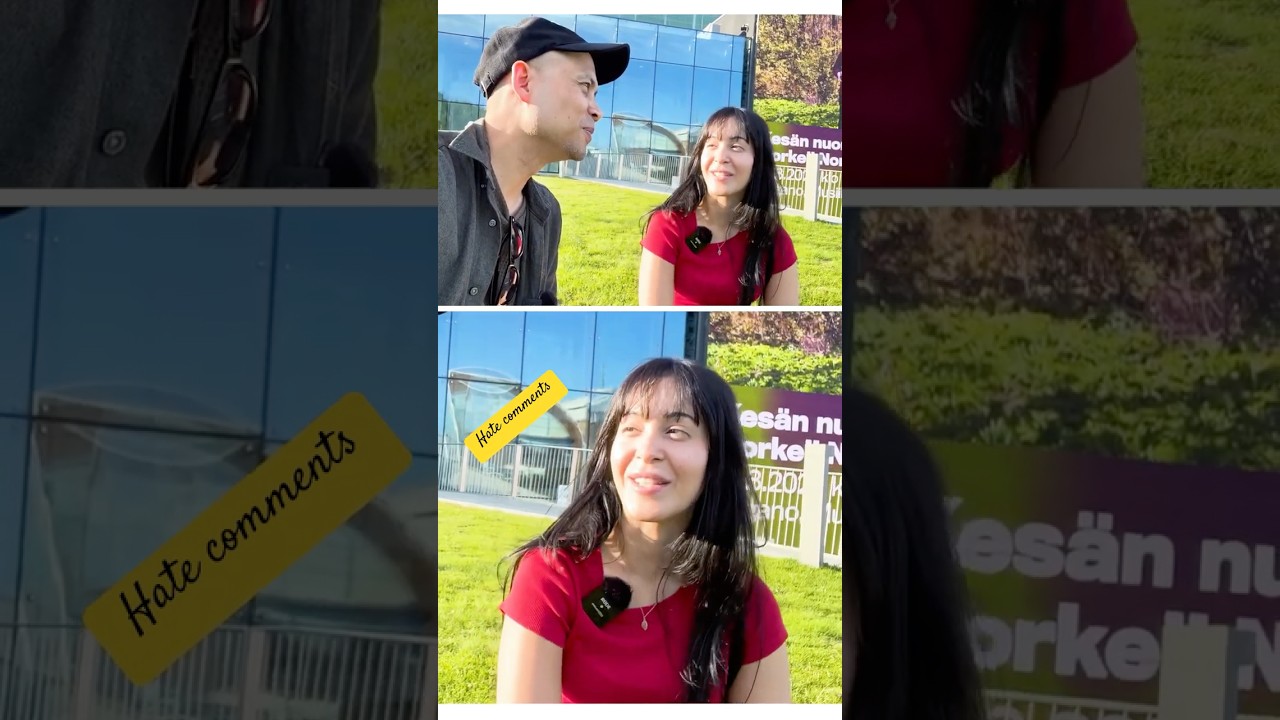
Because I'm not a traditional DJ. I hadn't done vinyl with all those other DJs who had been performing for 30 years. And suddenly I'm warming up for Pete Tong and they're thinking, how the hell did she get that gig? Why she got that gig? She's not a proper DJ. She only presses buttons. She doesn't know how to mix. She doesn't wear the right clothes. She's the wrong age. She's the wrong color. She doesn't fit the bill. Her looks don't look. Everything was thrown at
me.
Everything.
So how did you deal with it?
So it was awful. Absolutely awful. I had a hate campaign going against me a week before my Pete Tong gig by people who I knew. They were DJs. Yeah. Uh, but you know what I did? I blocked all 12 of them. I blocked all 12. I thought, I don't want to see this because they're trying to derail me, so it affects my mental disposition. So I have to stay strong and focused. And that's what I did, stayed strong and focused, and deleted anybody who— maybe that, that was the wrong thing to do, maybe. But at the time, because I was new to this game, I felt that was the right action for me. And it still continues, you know, you get negativity, but now I have a better way. I just ignore it. I think it's part and parcel of the journey.
Oh yeah.
You become stronger, more resilient. Throw it at me, come on, throw it at me. It fuels you, doesn't it? It fuels your drive and ambition.
Yeah. So what would you say the lesson is? What advice would you give for somebody who's going through it now?
So anybody who's going through a difficult time, I have to say that embrace the negativity, as in let it— accept that it's going to be there, right? First and foremost, you can't eradicate it. Secondly, keep your mental health in good check. That means you need to stay hydrated, eat healthy. Oh, I love that. Exercise, exercise, stay away from negativity, you know, have good positive friends around you, people who are gonna watch your back, you know, at any point, whether you've seen them 10 minutes ago or 10 months ago, because, you know, you have a lot— you have— people have busy lives. You stay in touch with people frequently, and then you, you could pick up the phone anytime and, or speak to them and touch them. So stay focused, have a healthy lifestyle around you.
I love that because what you're saying is it's not— people forget because whenever we think about mental health, we, we just, we're stuck in the mind. But the first 3 tips that you just gave— stay hydrated, Right? Exercise, have friends around. Those are all physical things, and we forget that because when we think of mental health, we just go into the head and then we think, oh, what do I do? Well, first have some water, just get hydrated, eat healthy, and exercise. Like, start with the physical body.
Yeah. And you know what? When I was going through lockdown, I rode my bike every day. That's where I did all my crying, all my thinking, because I couldn't cry in front of my children. As a single parent, you know all the pain, the suffering, financial difficulties I was in. I cried on that bike. My giant bike has been my best friend, I tell you. Because you also don't want to burden your parents with your own worries, because they worry. And my parents are elderly. You know, you don't want to cause them grief. All they want to see is that your daughter. is going to be happy. It's hard, you know, it's hard. You know, life throws you so many obstacles at you, but it's how you deliver them and how you accept those challenges. And now, because if I didn't survive, I would have sunk.
Exactly.
Then it's game over.
So let's finish on a positive note. So tell me, like, what are you Currently doing now and what, what are you most excited about in the near future? Is there anything cool happening that you're looking forward to?
Oh my God, I've had so many wonderful things that are happening right now. I've just been booked to do my first headline DJ performance for a Pride event in Sheffield. So I'm headlining Callum Pride.
Congratulations.
Thank you. It's such a huge honor to represent the LGBTQ community and obviously all the other genders as well. And then also, then I'm performing at a Sheffield food festival this bank holiday Monday. I'm also supporting as a DJ for Day Fever UK, which has been hitting publicity in the news with their sold-out disco events all around the UK, uh, which is fantastic. I've got some gigs coming up abroad. I've had some corporate gigs. I've had some private gigs. I'm busy.
And you're still a lawyer.
Honestly, I've just had to log off work mode to do this podcast. So yeah, I'm still working. This is my lunch hour.
You are a true inspiration, Kavita. True inspiration. How do you— where do you— you must get asked this all the time. Where do you get the energy?
Okay, so I love the DJing. It's a passion. Okay, I love it 100%. I wouldn't be doing it if I didn't. So if you love something that much, you make time for it. There's no excuses. I don't create an excuse for DJing. I do it. If somebody says, can you do this gig? Yeah, I can do it. If I can do it, I'll do it, right? So other things slip. So TV watching slips, Netflix.
You prioritize.
Yeah, you prioritize Netflix. I don't go out to the cinemas. I don't go out socializing. That stopped. So you have to compromise on certain things.
Exactly.
You know. So if you want something 100%, you gotta give up on something else. But it can work. Anything can work with passion.
Anything can work with passion. I think this definitely counts as something obvious worth noticing. Thanks for sharing your inspiring story, Kavita.
More from Tan
Kishore Mahbubani reminds us that money is quite useful #noticingtheobvious #moneymindset

The Key Point of the Declaration of Independence 1776 #july4th #usa #noticingtheobvious

Abraham Lincoln in the UK #manchester #history #industrialrevolution #civilwar


If we have to hate, it’s probably better to hate in silence? 😁#noticingtheobvious