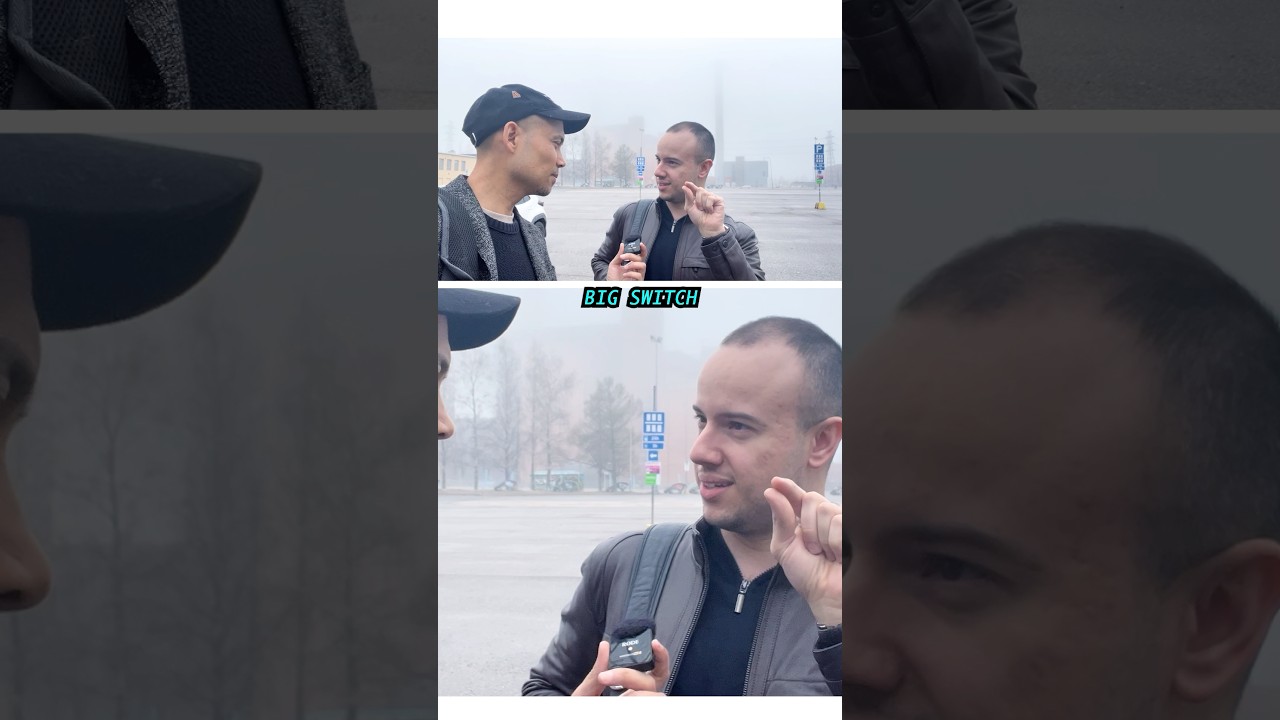
If we have to hate, it’s probably better to hate in silence? 😁#noticingtheobvious

In this brief conversational clip, Speaker A asks Speaker B about experiences with hateful comments on TikTok. Speaker B recounts receiving abusive remarks such as “where are your pants?” and “go back to your country,” and admits having left hateful comments themselves in the past. They express regret, recalling a former target who later became a mother, wishing they could delete the old comment. Speaker A observes that commenters often forget their own remarks quickly, while the recipients remember them longer, emphasizing the lingering emotional impact. The dialogue concludes with Speaker B adopting a “hate in silence” approach—choosing not to engage or comment when encountering content they dislike, as a way to avoid perpetuating negativity.
More from Tan


Kishore Mahbubani reminds us that money is quite useful #noticingtheobvious #moneymindset

The Key Point of the Declaration of Independence 1776 #july4th #usa #noticingtheobvious