In this brief interview, a seasoned CTO and multiple hackathon winner explains that the decisive factor in winning hackathons and persuading audiences is the ability to sell a compelling story rather than focusing solely on technical brilliance. He observes that technical explanations often leave listeners blank‑faced, whereas framing the solution in terms of the user’s problem, the emotional impact, and concrete benefits engages people. The takeaway he shares from winning seven hackathons and running several companies is to invest more time in crafting and delivering a narrative that connects with the audience, because, as he bluntly states, "no one really cares about the tech."
As a tech person, as a CTO, as somebody who has won many hackathons, please tell me again what you said. Well, just tell me what you observed.
Right. Participated in many hackathons, and I found out that what actually makes you win is selling the story. Telling the story. Story. Telling the story. What actually makes you win is selling the story, which is a bit disappointment because being a technical guy, I want to build an amazing product, amazing invention, but people buy the story. So how you actually tell it, what you show in terms of promotional content videos, it is what actually matters.
I love that. But tell me exactly, how did you notice this?
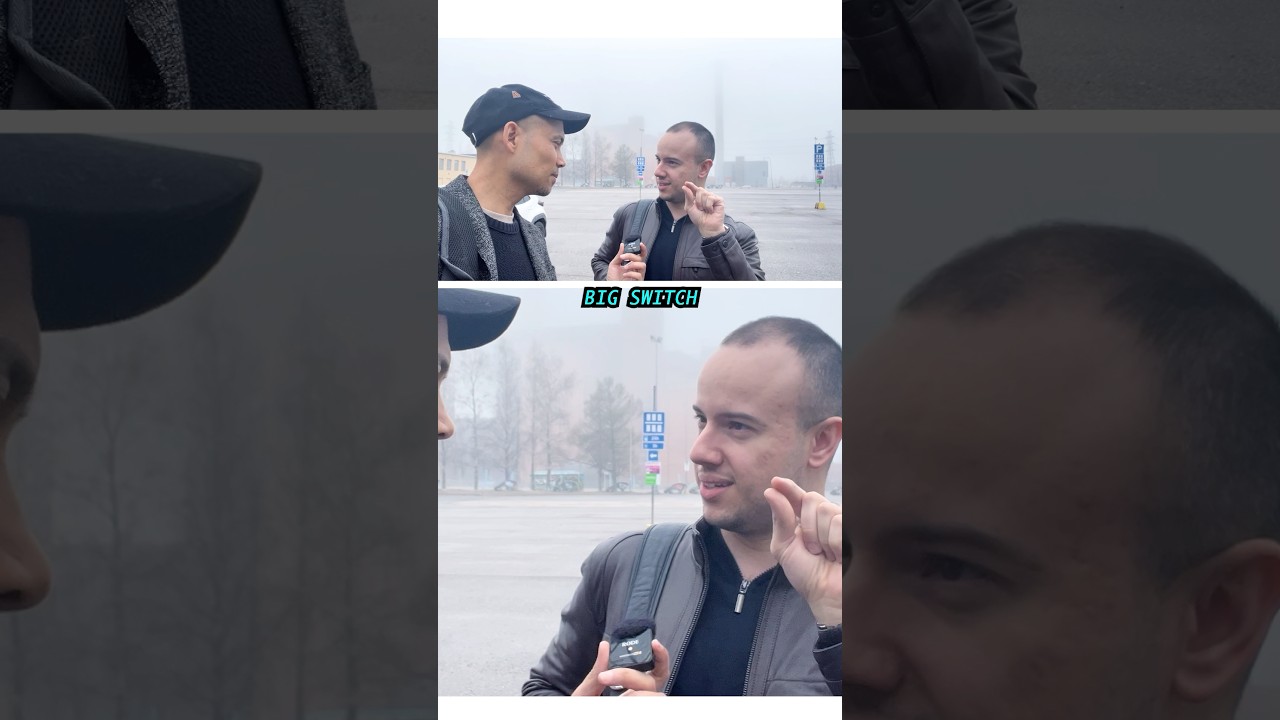
Well, basically, when I try to explain the solution, you know, the how, how it works, people just have this blank face of like they don't really connect to it. But then when you switch the pitch by saying, hey, the value you get from using this is like you change someone's life by doing A, B, and C. Or you're trying to relate to a problem that they have. How do you feel actually after solving that problem? That's the big, big switch that I made.
And I don't know if you want to say this on camera, but what you told me before off camera, you said nobody even cares about the tech.
No one cares, really.
So the lesson you learned winning 7 hackathons and running multiple companies is spend more time crafting the story.
Exactly. And you have to really feel that story actually being part of you when you're trying to pitch something, right? You have to feel that problem, feel that emotion, and go through that journey with whoever you're talking to.