'WORK' by Ford Madox Brown 1865 | Manchester Art Gallery
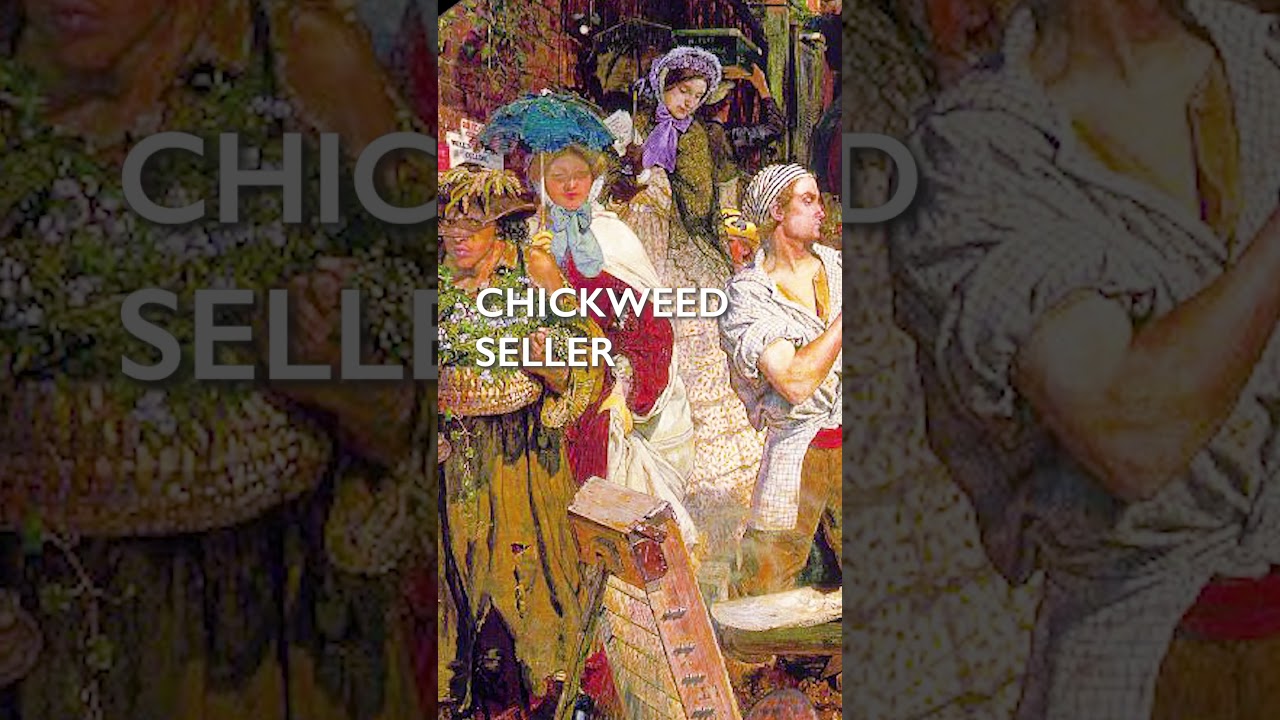
The video provides a concise commentary on Ford Madox Brown’s 1865 painting Work, displayed at Manchester Art Gallery. It notes the painting’s 13‑year creation period and its purpose as a tribute to visible, manual labor. The narrator outlines Brown’s own essay, which categorises the figures in the canvas into three groups: (1) the celebrated physical workers – the navvies excavating a water‑supply tunnel, portrayed as robust and heroic; (2) the despised outcast – a ragged chickweed seller, depicted as dirty, unhappy, and never taught to work, receiving special emphasis in the essay; and (3) a mixed ensemble of other characters – intellectuals (Thomas Carlyle, Rev. Maurice), the unemployed, the affluent, children, a beer‑seller, and a possible colonel with his daughter – described only to flesh out the bustling mid‑1850s Hampstead scene. The commentary emphasizes the moral message that every social role contributes to the fabric of society, while highlighting Brown’s visual and textual contrast between dignified labor and social marginalisation.
Chapters
More from Tan


Kishore Mahbubani reminds us that money is quite useful #noticingtheobvious #moneymindset

The Key Point of the Declaration of Independence 1776 #july4th #usa #noticingtheobvious