A short coaching-style YouTube presentation (by Tanya Hughes) on tracking key performance indicators (KPIs) for personal production in sales/insurance distribution. The speaker emphasizes tracking dials, contacts, appointments set, appointments attended (sits), and applications written, and gives baseline targets and ratios to guide new agents so managers can coach them to consistent performance that produces sales and protects clients.
Questions this video answers
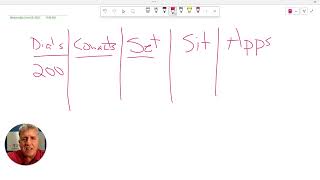
Around 200 dials a day.
Six appointments a day.
About 1 in 3 (if talking to 18 people, expect ~6 appointments).
Expect to sit with four people and write two applications.
Chapters
Alright guys, hey, let's talk tracking your numbers. Another very important part of business is being able to track our numbers. We call those KPIs, key performance indicators. And especially in the early going when you're first getting started, these are very important numbers to track to help us know where we can help you learn this business so that you can, you know, start hitting those numbers and help the families that you're set out to help, which also in turn helps you by putting deposits in your account and paying the bills. So let's go, let's talk KPIs and especially as it relates to your personal production, going out there running appointments. What should that look like for you? And so there's just a couple of things, handful of things that we need you to track. We need you to track dials, right? Dials. How many dials are you making a day? Obviously that helps us know the activity level that you're out there. We're talking about setting six appointments a day. It's going to take more than five dials to make that happen. So we need no dials, right? And then we need to know how many people are you contacting because at the end of the day we can't control who answers the phone. But this is really where the numbers start, right? Contacts. We don't know how many contacts. Then we want to know how many appointments you set, right? Out of those people that you talk to, how many appointments did you set? And then we need to know how many did you sit on, right? So you're going to set appointments, but not everybody's going to show up. And we didn't know how many, what those numbers look like because we know the ratios, we know the ratios of what they need to be. And then at the end of the day, the most important part here, how many applications are you writing on those sits? Because that at the end of the day is how many people are you helping? How many people are you protecting? Protecting? And that's really what all of this other stuff leading up to that is for, is for the application to go out and distribute that insurance product. And so dials, I'm going to say early on you need to. And we're just going to run through this real quick. Dials, you need to be around 200 dials a day. We're putting you on leads that are going to beat you up by design, right? It designed to help you overcome these objections and learn how to overcome objections you're going to set. We're going to tell you I need you to set six appointments a day. So how many contacts do you need? How many people do you need to talk to to set those appointments? And really, it's one in three. You know, if you're talking to 18 people, you should be able to set six appointments. Out of that sits, you're going to sit with four people and you're going to write two applications, right? So these are your baseline numbers. If you're below those numbers, you would be expected to be right when you're first getting started. The goal is, though, is to work and develop your skill set and develop your craft to where those numbers are, numbers that you're hitting every single week. Once you're doing that, this business is going to pay you very nicely to go out and distribute those products and get those into people's homes and protect them. But until you get this, until you get here, it's a tough business, right? It's very tough to be able to generate enough revenue to pay your bills and keep things going. And so that's our goal as your managers, is to help you achieve these numbers. And by tracking them is the number one way we can help you get out there and get after it.