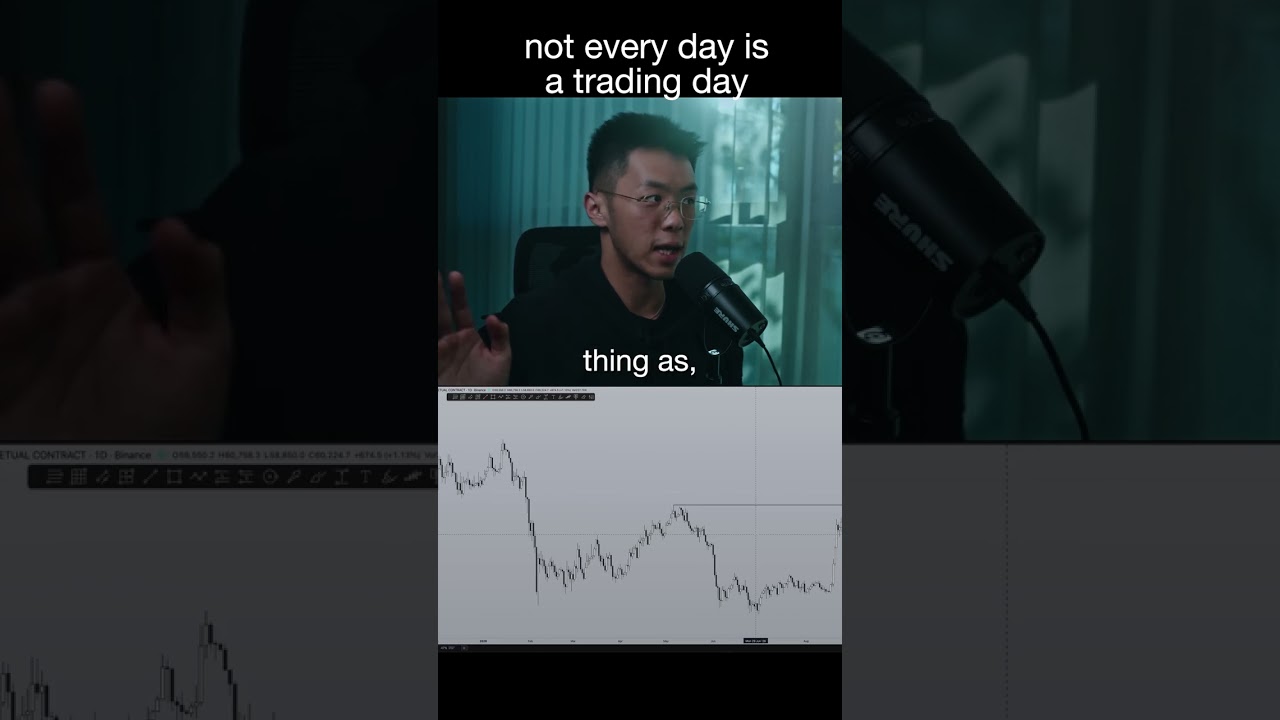
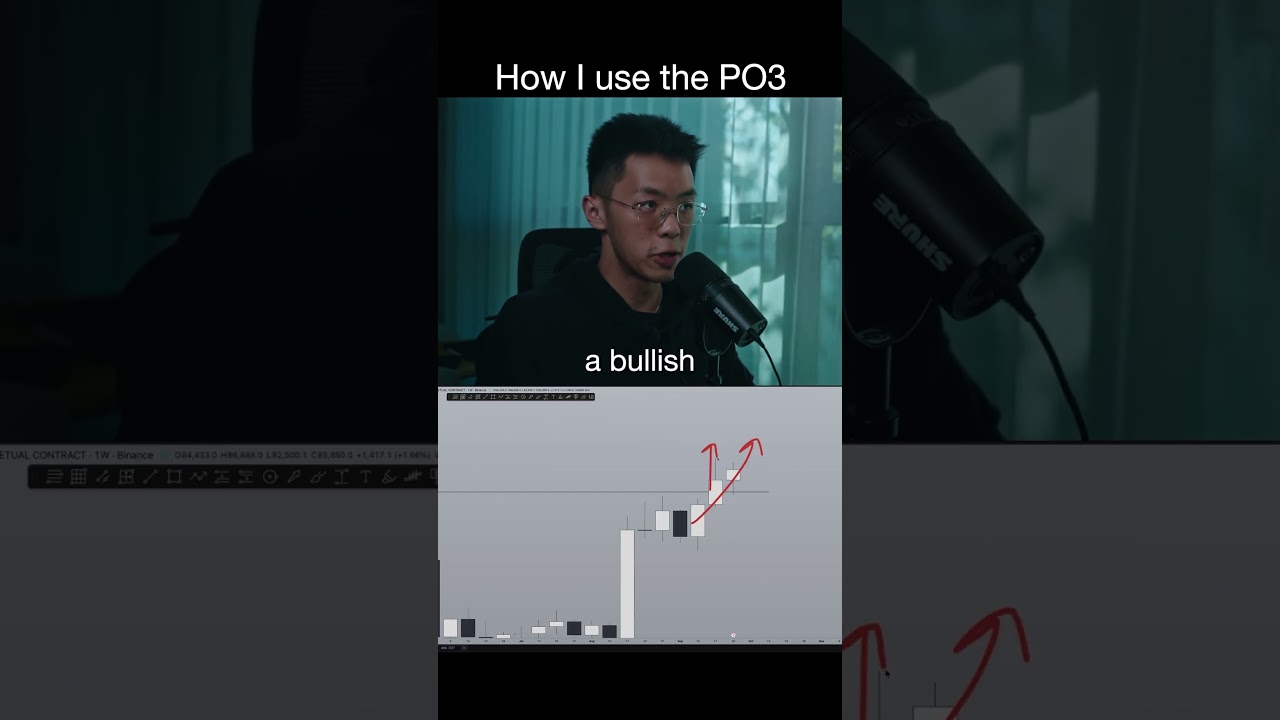
Excerpt from a YouTube video (The Art Of Crypto) arguing that trading involves long periods of inactivity with most moves concentrated in a few key hours (often New York or London sessions). The speaker warns that constant chart-watching when idle leads to seeing false signals and overtrading for dopamine, and recommends having other work or activities to channel energy and avoid impulsive trades.
Chapters
Trading is one of those things that nothing happens for the longest period of time. When you're waiting for that setup, right? It's not like every day there's something happening and you can just jump right in and take like 20 trades a day. The reality is most of the moves are concentrated in like a couple of key hours during the day. Most of the time that happens in New York, maybe London. But even then, it's like for 20 hours of the day at least, there's really not much happening. Or even if there is something happening, chances are it's not going to line up with your system. And so the reality of trading is that you're sitting here for most of the day just waiting for something to happen. And if you have nothing else to do other than trading, you're going to be looking at that chart and the chart's going to speak to you. You're going to start seeing things that are not actually there just because you're bought and you want to, you know, deal with that boredom somehow. And so you're going to just trade just to, you know, get a little quick dopamine hit in. But you and I, like, we both know that isn't a recipe for Neurchis profitable training. And so it's actually really helpful to have a job, to have something else that you can dedicate your energy into, because when you, like, forget the boredom part of things, when you run into situations like this, you actually have somewhere else where you can direct that energy into, and that's so important.