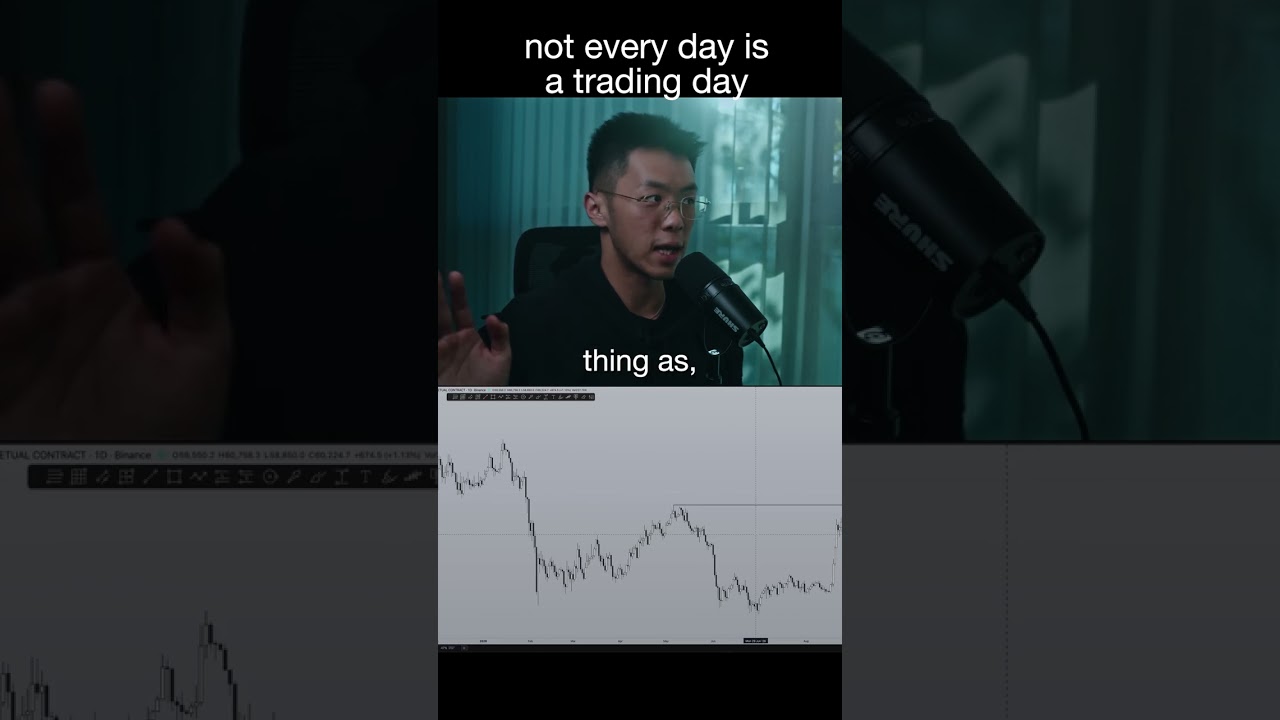
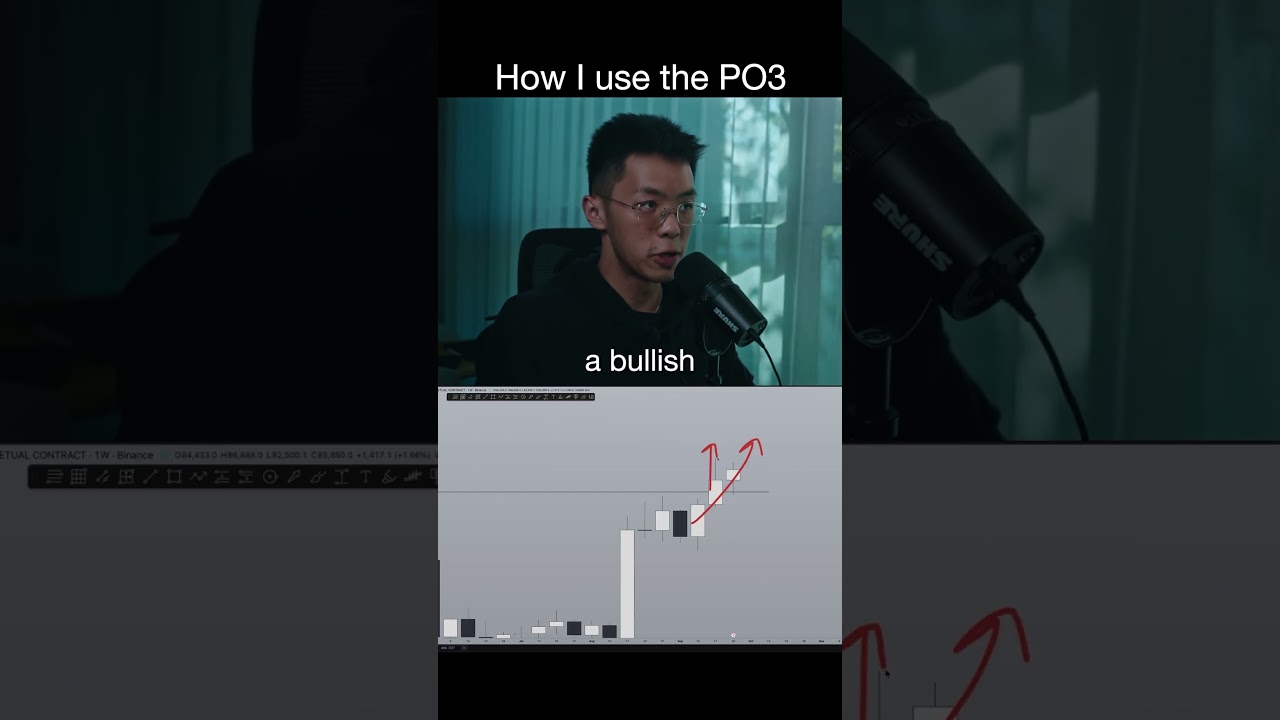
YouTube video by The Art Of Crypto (May 29, 2025) explaining why markets typically ‘sweep’ equal lows before reversing. The speaker argues that when a daily candle leaves relatively equal lows, the market is unlikely to immediately rally from that level because those equal lows represent concentrated liquidity (stop-loss orders) that the market—metaphorically a hungry fish—will target and sweep on lower timeframes before moving the other direction. The speaker contrasts the daily-chart bearish signal with lower-timeframe structure that can show a different short-term bias.
Chapters
To kick things off on the daily chart, yesterday's candle closed pretty bearish and you've left behind relatively equal lows, which means that purely based off of the daily chart, the buy should be towards the downside. Although the moment I get into the lower time frames, you'll start to see that this isn't really pointing towards the downside at the moment. So what I mean by that previous daily low right here is eventually going to get swept. I think just purely because you have left behind a relative equal low here, makes no sense for the market to start pumping from this point onwards while leaving behind essentially these two relatively equal lows. For those of you who are new to the liquidity concepts, essentially, the market's always trying to target something. We picture the market as kind of like a fish. The fish is always hungry and it's always looking for food. Sometimes the food can be on the bottom of the ocean, sometimes the food can be closer to the surface of the ocean. But you, as the market, as the fish, you're always looking for food, food being people who have their stop losses set. And relatively equal lows in this case are some of the most abundant food sources out there. So it's very rare that you'll see the markets leave behind relatively equal lows without sweeping them first and then going to the other direction.