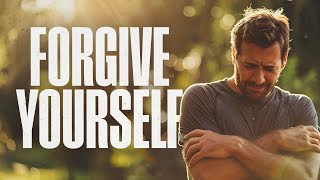
Bob, whose son died by suicide, works through toxic ownership—taking responsibility for things beyond his control. His problem-solving mindset helped in business but sabotages his grief and relationships. He commits to unwiring guilt and moving toward self-forgiveness.
Chapters
Yeah, this is right out of the call yesterday.
So if there's something that you could have done to prevent it, don't you think you would have done that? Of course you would have, Bob. We're talking about your son here, right? But Bob, I'm going to say this: what if there was nothing you could have done that day to prevent that?
I would feel different about myself.
What would that force you to accept?
I could not have done anything to prevent it.
In other words, it's not your But not my fault. Yeah. Now let's take it full circle with this situation with your wife and daughters. It's not your—
it's not my fault.
Yeah. And therefore, Bob, you've identified already that, right? Yes, you already identified. You said my daughters, if I call them right now, like, we're on good terms. And my wife, she doesn't even believe that it's anything that she did. So it's not about my wife and how she feels about herself. It's about this position that I continue to put myself in where I take toxic ownership of things that go wrong around me in my life, and I make myself responsible, and I feel the need to try to fix and correct things that are not my responsibility to fix or correct. So my question for you here, and this is a million-dollar question right before we wrap this, is where did you learn to take responsibility or feel blame for things that you didn't do or cause or create.
I'm an entrepreneur and I've started businesses and I've grown them to succeed by sheer force of will.
But here's the thing, people—
I was at my peak when my son passed away. I was at my peak in that.
Yeah, but people aren't problems to be solved, right?
Right. Oh, sure, sure.
So do you see how it's more about your control If I take ownership of it, then I can fix it, right?
Because that's how— that's who I am, right?
But what did taking ownership of your son's suicide do for you? What did taking ownership of this rift between your current wife and your grown adult daughters do for you? What has it done for you? Nothing other than put you in a state of shame, guilt, beating yourself up for the past, and creating cycles of self-sabotage in your life.
Right.
The mindset I use in my, in my line of work, in business, doesn't serve me when it comes to relationships, people, dynamics.
That's— I see that very clearly these days.
Yes, Bob, amazing opportunity for you to forgive yourself.
I need that. I really do need that. And I see that it's going to be some unwiring because I've got an awful lot of guilt for a bunch of things that I need to reverse, be able to get there. But I'm— I can see that at least, and I'm committed to the move in that direction.
So love it, brother.
That's— I love it. That's a good thing. That's a good thing.
I love that. And, and I just want to honor you and just say thank you for opening up, man, and, and, um, thank you for sharing that, because I know a lot of guys, a lot of people can relate to that. A lot of people have lost family members from suicide, and a lot of people feel that shame and guilt. But that's the thing is processing and working through that.