A short weekly monologue by Tane Jillings describing his transition from ad tech (Rubicon Project) to founding Signal, a company that digitizes the Canada→US vehicle export ecosystem (a ~$15B Canadian category feeding an $800B US market). He reports recent wholesale prices declining ~3.2–3.3% over four weeks with an 8–10% week-to-week tick down, notes uncertainty from a US government shutdown (citing withheld wages), and shares a customer-service incident where Signal resolved a dealer’s lost-listing issue by compensating at the listed price to preserve trust.
Chapters
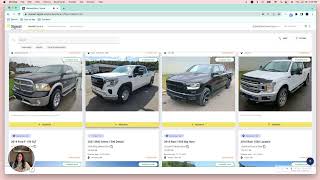
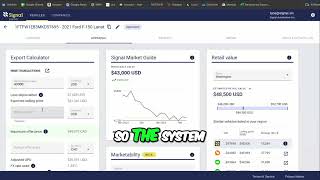
Happy Halloween. For some, the most wonderful holiday of the year. This is week two of doing my weekly wrap where I recap the the prior week and, and what's going on. Interestingly, my post last week I had some friends from my prior life in ad tech ask me about Signal. They're like what? What the heck do you do? And so I guess I'll spend a minute and tell the folks that don't know. Prior to starting Signal, I was at a company called Rubicon Project for a long time. Love ad tech. Loved my time at Rubicon. I was there for seven years. I learned everything I needed to know. One of the things about ad tech and digital media, it is a hyper competitive space. There's a point solution for everything. And so it's, you know, you're feeling squeezed in every direction. The business that we're in now that Signal is focused on is the Canada to US vehicle ecosystem. It's a 15 billion dollar category and historically it hasn't been optimized through technology. Right. And that held true until Signal. And even today it's pretty weird saying we're in a category of one. We don't have competitors in the, in the traditional sense. And so what we do is we provide a way for Canadian dealers to participate in the U.S. automotive ecosystem. It's, it's an $800 billion market and Canadian dealers by participating in the U.S. market can drive more profits and support their businesses on the, on the Canadian side. For US dealers we provide access to a consistent flow of late model low mileage vehicles. You know, the pickup trucks and SUVs that make up 70% that might be outdated 70% plus of vehicles sold in the US today. So it's a really interesting category that we're part of. But the fact that you know, we walked into this category and there was no, no one applying technology to the space was, was really interesting and it kind of captured our fancy. So that's what we've been focused on for the past eight years. Anyways, back to my regularly scheduled weekly wrap. Want to touch on what we're seeing in the market right now? And then just one use case or not use case scenario situation that we ran into in the business this week. And just a good business lesson for, for me and my team so touching on the market. We saw prices tick down 8, 10 of a percent last week to this week. And so if we look at the prior four weeks, we're seen prices drop 3.2% in, in wholesale values versus 3.3% in in last week's look back so pretty consistent week over week. Now there's normal seasonality. But I think the other thing that layers some uncertainty in this market right now is the government shutdown that causes ripple effects because the, the federal government is the, the largest employer in the country. And my quick chat GPT search said 9 billion in in wages have been withheld so far. And one thing that I've found on the automotive market is it's on the bleeding edge of the economy, right? So when the economy's going well, automotive is doing really well. When the economy's soft, the automotive market slows down. That, that manifests itself in seasonality. For those that don't know. Like going into tax season in the US when Americans get their, their tax returns is the strongest time of year in automotive sales. On the flip side, the holidays are a little bit softer. Unless I don't know, I don't know anyone that's gotten a car for, for Christmas or Hanukkah, but you don't see, don't see as much of that anyways. So that's kind of the, the market right now. We'll continue to observe it over the next, you know, over the coming, coming weeks and months and see how the rest of the year pans out. Of course, we're trying to factor in as much of that uncertainty and seasonality into our platform as we can. My learning this week as we run the business is how to handle issues and specifically customer issues. One of the things that I say frequently with customers and new partners is we are far from perfect at signal, but we're always improving, right and, and we always want to do right by our customers. And so last week we had an admittedly self inflicted wound. We process vehicles through dealers that are import facilities across the country and then put those vehicles into our, our remarketing sales waterfall to get them sold as quickly as possible for as much money as possible. We had a dealer where three vehicles. We didn't lose the vehicles but they got lost in the sales shuffle and didn' through our proper remarketing waterfall. And as a result two weeks after, when the vehicle should have been sold, they hadn't even been listed yet, they hadn't even been inspected yet. And, and we caught the issue and, and raised it with the customer and the customer was rightfully furious. You know, it, it cost, cost that dealership money. And, and especially when you're in a market where, you know, we're dropping 0.8 of a percent week over week, it's something to be really mindful of. And so, you know, situations like that, it's like, how do you do right by the customer? Because they had had a good experience with every other vehicle that they had that they had exported with signal. And so doing right by the customer, it's like, what do you do? Okay, well, we. We. We ate it. We. We paid the customer out at the. The list price that that we'd given them, and we made it right with the customer. And you know what, what happens when you handle those. Those tough moments is when you see people's true colors. And that customer came back and was like, hey, really appreciate you guys taking care of it. We have more vehicles coming down, like, immediately. Oh, and by the way, I just referred you to a couple more dealers. And so, you know, sometimes that can be a bit of an expensive lesson, but if you. If you do right by your customers, you can build confidence with your customers. It just goes a really, really long way. And it's a lesson I learned early in my career at Rubicon, and one that, you know, we saw the team handle it, you know, like pros. Like pros last week. So that's, I guess, my two hits on the business. And for anyone that's still here for Halloween, we're gonna be astronauts. My 3 year old picked it, so hope everyone has a good holiday and we'll. We'll see y' all later.