How To Ace Your Next Pre Recorded Video Job Interview
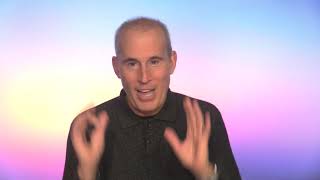
This is a YouTube transcript of TJ Walker giving practical, tactical advice for succeeding in pre-recorded (and live) video job interviews. He covers mindset and anxiety, rehearsal practice, attire choices, on-camera movement and eye contact, camera angle and lighting, audio and software basics, background and etiquette, and the importance of storytelling to demonstrate fit and accomplishments.
Chapters
So there's good news. You got a call back from that company where you've applied. They want to interview you for that great job. That's fantastic. But they want to do it as a video interview. Not quite as good. Now, to make matters worse, they want to do it as a recorded video interview so you don't even get to talk to a real human being. They're going to send you the questions and they want you to speak on camera to answer the questions for them so they can decide whether or not they should hire you or send you to the next round. Now, for a lot of people, this is terrifying. If you think I'd rather go to the dentist and get a tooth pulled without Novocaine, you're not alone. In fact, the New York Times recently did an article on this subject and interviewed countless people who talked about how this was nightmare. This was something that created lots of tension. But it's a growing phenomenon in our culture around the world. People can't travel. They don't want to be in the same space. Pandemic issues. All sorts of reasons for doing interviews remotely and for doing interviews without an HR person being there to actually conduct the interview. It's saving time. Sometimes there's artificial intelligence involved in screening and judging you. So in this video, I'm going to give you interview tips for recorded video interviews. Some of it will apply to live video interviews too. But I want to give you tips for the hardest type of interview to do, which is the recorded interview situation. And you're not talking to a human being. You don't even see a human being. So that's what this video is will cover. Because I want you to come across your absolute best so that you make the case for why you should be hired. Let's start off with the basics. Before you even start rolling, what do you wear? You may be thinking, well, I'm at home. Everyone's used to being casual at home. I'm of course wearing an old sports jersey and sweatpants now. Doesn't really matter what you wear from the waist down, as long as you frame things mid chest level up. There's no one perfect thing you need to wear for a job interview. But you do need to think about wearing something that is exactly what they would expect someone in your shoes to wear if you had that job. And if you're going to be working for them, whether they see you virtually or in person, there shouldn't be any confusion. So if you're applying to a high tech company and no one ever wears A suit and tie and everyone is casual. Or maybe just a blue dress shirt. No suit and tie then. Whatever you do, don't wear a suit and tie for the job interview. Wear something that's appropriate. If you are applying at an art gallery, a museum, and everyone has an artistic flair, don't be extra bland and boring. If you're applying to a very conservative value mutual fund and everyone is straight, lace and buttoned down, that's not the time to wear your Hawaiian shirt. So you need to give some real thought to what you're wearing. The main thing is not that you look good. I don't want you to look bad. But the main consideration is you want to dress in a way where there's no confusion and people can visualize you in the specific role you are applying for. So think about that when you're spreading your clothes out and figuring out what you want to wear. Now, the interview questions. You're going to think I'm crazy when I say this, but I'm here to tell you the questions are not the most important thing, not what you should be worried about your answers. We can't control the questions. You can control control the answers. You need great answers to answer the most important question there is, which is, why should we want to hire you? What do you bring to the table to make us want to work with you and have to deal with you every single day, possibly for years? That's the unstated question might be asked directly, but it might not be. But all job interviews are really about that question. Before we go any further, let's step back for a minute and I want to deal with the anxiety you're feeling because you're hearing me say all these things and your first thought might be, oh my God, how do I stare at a camera? There's no human being. I see a red light. Maybe it's scary. I don't want to do it. I don't want to do it. I don't want to do it. Time out. Relax. Once you understand what's really going on with recorded interviews, you'll realize this is the easiest possible type of job interview you could do because you can record it, look at it, figure out if you like or don't like it, and then hit delete so you can scrutinize. You can't do that with a live interview. You can't do that with an in person interview. You can't be in the middle of an in person interview and they say, what your hobbies? And you say, I like to go out and get trash with my friends. Oops. Once it's out, it's out. But in a recorded video interview, you can record something. Not like it hit delete and keep doing it, whether it's one time, five times, 20 times, until you are happy with how you're coming across. I'm going to warn you right now, you're not going to like the first video you see. Nobody does. I worked with Ms. Universes who hated how they looked and hated how they sounded, and they sounded fine and looked fine. You're going to want to practice. So what I would recommend, before you even look the questions, before you even think about responding to the questions for this specific job interview, just practice on your own. Hold up your cell phone, go to your webcam and just talk. Introduce yourself. Tell people what you think your best assets are as a worker. What are you proudest of? Just basic, obvious questions that you've heard in every job interview. Just say it out loud and realize no one's ever gonna see it. It's just for you. You need to get comfortable talking to a camera. You need to get comfortable talking, listening to the sound of your own voice. Oh, T.J. i don't like the sound of my own voice. I don't want to listen to my voice. Get over it. Whoever's gonna hire you for that job is going to hear your voice, so you might as well know how you're coming across. You can say, I don't like to write, but if you turned in a paper in high school or college filled with typos and grammar mistakes, you told your teacher, I don't like to read my own writing. If there's typos and mistakes and grammar mistakes, I don't want to see it. Your teacher is not going to have any sympathy for you whatsoever. You probably get an F minus on that term paper. It's because your teacher expects you to refine your writing. Refine the first draft to a second draft, to a third draft until it's devoid of major errors. It's exactly the same thing with you when it comes to how you present yourself in a job interview on video, especially a recorded video interview. Practice until you like what you see. Practice an entire interview. You can have a friend, family member, colleague do a practice interview with you, but I'd recommend to have them stand in another room or behind you so you get used to looking at a camera and the magic of this. The real secret, where you really have confidence is if your friend, family member, or colleague interviews you, you do the interview, you watch the video, and you actually like it. You think, wow, I'd hire that person. Now, this might not happen your first take, second take, or even 10th take, but if you keep practicing and focusing on just making one thing a little bit better, may take you 20 takes, may take you 50 takes. But if you're looking for a job, you have time on your hands, okay? There's nothing more important than you coming across the absolute best you can on camera. There is no substitute for practicing it in front of the camera. I know what you want to do. You're more comfortable sitting in front of a keyboard and sending out more emails and resumes. The resumes are just to help you get the job interview. Now you've got the job interview. So let's take as much time as needed as possible for you to be great for that job interview. If you are recording a video and you say to yourself, gosh, I look nervous and scared there, guess what? You probably do. Keep doing it until you look comfortable and confident and relaxed. Now, here are the biggest tips you really need to know in order to come across your best for a video interview. We've talked about dress. Now, it's movement. The number one mistake most people make, they freeze. Freeze their body. Their body stops moving. When your body stops moving, you look and sound scared and nervous. Because that's what nervous people do. That's what nervous animals do. You're going for a walk in the woods and you see a bunny rabbit. What do they do? They freeze thinking, oh, he won't see me, therefore he won't catch me and eat me. That's what happens to people in job interviews, too, especially if videos involved. So you've got to figure out a way of continuing to move. You want to move your hands, move your body, move your head. The biggest problem people have in addition to just freezing up is when they watch video, they think, oh, I moved my head, I better freeze my head. No, if you freeze your head, you will look like you are in a hostage video. No one wants to hire a hostage. They might feel sorry for you, but that's not who they want to work with. So you need to move your hands, move your face, move your head, move your body if you want to look comfortable, confident and relaxed, which you do. Okay, let's talk about some specifics. The camera. The big problem most people have is when they are doing a video interview, recorded or otherwise. They have it on a laptop, for example, and the laptop camera is 12 inches lower than their eyes. So it's looking up their nose. And this is the least flattering look for everyone. And it's also shooting up to the ceiling. And so the brightest thing on the screen, the lights in your ceiling. So here's a quick fix. It costs nothing. You're using a laptop or a desktop. Get a stack of books and elevate your laptop so that the camera on your webcam is at your eye level, ideally a couple of inches above your eye level. My camera is a couple of inches above my eye level now. So it's framed in a way that makes me look more professional, allows you to see me and I can come across more comfortable, more confident. Looks more like what you would see a news anchor doing. But you can do it with a $10 webcam. It's all about the angle. You want the angle straight on or a couple of inches above. That way it's not looking up your nose in the least flattering way possible. Lighting is also important. You can have great, great ideas, a tremendous resume, fabulous things you're saying. But if there's a window behind you, what's going to happen is your face is going to be so dark, people are not going to see you. You're going to look like a shadowy figure and it's not going to come across. Well, you want more light in front of you, not behind you. That way the focus is on you, people can see you, not the bright lights behind you. So that's absolutely critical. Now, perhaps the most noticeable thing on a video interview that gets people into trouble. That's right, the eyes. Where do I look? There's no one here. Let me look at myself. Hi, I'd like to tell you why I'd like to be an employee at IBM. Is this impressive? No. You need to look at the camera. Now, I don't mean bug eyed with your head frozen. You need to look at the camera like you're talking to one human being. And if it's so distracting because you see yourself on the screen below it, put a piece of paper over it to block it out if you have to. But you want to look at the camera. I realize it's not natural. A lot of things aren't natural. The first time you ever sent a text, if you'd never done it before, that wasn't natural. The first time you ever left a voicemail, that wasn't natural. The first time you did it, and yet you learned how to do it. If you want to look at a camera and look and sound like you're talking to one person, you can do it if you tell yourself, this is really hard and I just want to get my messages right and go over my resume, it's going to be awful. Please realize your resume doesn't count at this point. Your resume got you to the interview, but everyone else who's being interviewed had a resume that got them to the interview. The resume isn't the issue anymore. Now it's how well do you communicate your skill, your talents, your energies, your enthusiasm for this position. So you're going to have to come across like a real human being. And that's why the eye contact is so important. Now, let's say it's not a recorded interview and it's live. It's human nature to want to look down at the person asking you the question. But while I'm trying to be attentive here, if you're watching me, it looks like I'm just sort of sidetracked or checking email or looking at Facebook. So you're better off looking at the camera the whole time. So the person interviewing you really has a sense that you are focused on them and care about them. This applies to the recorded interview as well, because even though you're looking down at their questions, it feels like you're ignoring them. So try to look at the camera as much as possible, but don't stop moving. Don't freeze in one spot. Let's talk about software. There's a lot of different software programs. There's Zoom, there's Microsoft Teams, there's Skype, there's Google Hangouts. There's a lot of different ways. Plus there are separate platforms used just for these pre recorded interviews. Or they may be using it an existing one. Or they may want you to use any system you want and send it to them. Don't assume just because you did one Zoom call a month ago. You know how all online video software works. Every program is a little different. Every program typically has a different download, different plugin for your computer. So assume nothing. If it is a live video interview than the day before. Do a rehearsal with a friend. Restart your computer the morning of, do another practice. Make sure everything is just right. Now, if you wanted to take it up a notch, I would strongly recommend you get some lob microphone. This is just any microphone like you see a news anchor using. You plug it into your computer, the audio will be so much better and you can get them Amazon other places for 15 bucks. They're not expensive, but it will make it so much easier for your potential employer to hear you clearly and it's just going to facilitate the process of them understanding you and feeling comfortable with you. One other thing about lighting is you want as much light in front of you as possible. Not behind you, not above you. You can just take a few old lamps, take the lampshades off, have them sitting in front of you. You want your face well lit so people can see you clearly. That should be the focus, not what's behind you. The software can really help you, but it can also hurt you lot. The last thing you want to do during a live video interview is be nervous and uncomfortable. Is this camera on? Can you hear me? How does this thing work? Nobody. You may be in a position that is totally creative and the least technical industry possible, but nobody wants to hire someone who needs constant hand holding for the Internet and computers. People want you to know how to do your own stuff. Might not be fair. That's the way it is. So you want to seem completely comfortable, confident with the technology. Know when you're recorded. And for the pre recorded job interviews, again, the pressure is gone. You can look at what you are doing before you send off that video or you get final or approved on the platform. So again, use that to your benefit to reduce your stress. It takes off all the pressure of the live interview. You can practice, you can answer several times, and certainly you can rehearse in advance as many times as possible to get comfortable. Even if you do only get one shot of answering it in the particular platform they give you. So please, please keep that in mind. You don't have to go out and buy a $2,000 video camera. You can use an inexpensive camera, inexpensive webcam. You could even use your cell phone. Although I recommend using a laptop, a computer. It's just easier than trying to do the little things and push buttons on a cell phone. You don't have to spend a lot of money on lighting. As long as you have light in front of you and not behind you, camera eye level and not below, you will look so much better than most people do and you'll come across your very best. Now, let's talk a minute about background. I'm just in front of an old tv. I'm in a closet in my house right now. This is an old TV. I just put up a PowerPoint slide. Costs nothing. You don't have to set up a TV behind you, but I do want you to give thought to what people see. I've seen it countless times. I'm sure you have too. Someone's doing a media interview and you see Their kitchen, you see liquor bottles in the back. Is that a Jack Daniels? Is TJ drinking too much? You don't want things that are going to be curiosity objects and make the prospective employer think, is this person drinking too much? What are they eating? Gosh, if their house was this messy, they couldn't be very well organized in their professional life either, could they? You don't want them thinking thoughts like that. So my recommendation, you don't have to go out and hire a TV studio, but try to have something clean, simple, minimal. You could have books, bookshelf behind you. You just want things that don't distract and don't confuse people. You want something that is consistent with what you're about, what the job is about. At least nothing that makes them think this is totally out of whack. You probably, if you're working for a government organization, probably do not want to have lots and lots of religious symbols behind you. If you have to deal with constituents and citizens and taxpayers who have a thousand different religions. Just one thing to think about. I want you to feel authentic. I want you to feel like you're being sincere and being true to yourself. But I do want you to put your best face forward, your best foot forward, to do everything you can to maximize the chances of them giving you a job offer. Because that's what it's about. That's why we're writing resume, that's why we're doing pre recorded video interviews, video interviews, live interviews. You want the job offer. That's what it's all about. Now just because this is a video interview or a pre recorded interview doesn't mean that there isn't etiquette involved. There's nothing wrong with taking the time to thank people for considering you. There's nothing wrong with doing a handwritten thank you note after you've done the pre recorded video interview, thanking the person who scheduled it or who's going to be looking at it for considering you. Little tips of etiquette like that can really make you stand out. And don't forget, that's really the biggest challenge for most people in a job interview. We go into a job interview thinking, oh, I hope I don't screw up, I hope I don't say something stupid. I hope I don't forget to say this. But if you've ever been on the other side, if you've ever interviewed people for a position, you know that the biggest challenge you face as someone interviewing lots of prospective employees is they all start to blend together after a while. And that's why quite often you end up hiring the first person or the last person because you forgot all the others. They all kind of looked and sounded the same. So this brings me to my number one tip for you. When you're in a pre recorded video interview. It's also the number one tip I have for live video interviews. It's also the number one tip I have for you when it comes to in person interviews. And here it is. You need to come in prepared in this interview to tell people stories that demonstrate your expertise, your accomplishments. What are you proud of? What have you actually done? They might not state explicitly in a question. Tell me about a time when you showed leadership and worked with a team to solve a problem. But ultimately that is what people want to know. So tell a story about challenge you faced in your career, in a previous job or maybe your current job, how you felt, where were you? What was the problem? What was the effect on other people? What was said to you? What did you say back to other people? How was the problem solved? How was it resolved? That's all a story is. It's you talking about problem you have with another human being in your organization or a vendor or supplier customer, what you said, what they said back to you, how it was resolved, how you used some aspect of creativity, thoughtfulness, insight to solve the problem. That's what will make your candidacy stand out. That's what will make your video work for you. So practice your stories. If you have compelling stories, really demonstrating expertise and resourcefulness and the niches that this company is looking for, you can make plenty of other mistakes, frankly, and they're still likely to hire you. On the other hand, you can be perfectly dressed, neat, not a single almond, perfect resume. But if you don't see anything interesting, they're going to forget you. And forgotten people do not get hired. They get forgotten. So that is far and away the biggest tip. I'm TJ Walker with Media Training Worldwide. I wish you the best of luck with every job interview and in landing your dream job. Good luck. SA.
More from TJ





The Breakout Cases - What Actually Caused Famous Speaking Career Breakthroughs | Ultamize

The Red Circle Sessions Finale - Build the Speaking Career You Came Here For | Ultamize

Two Stages, One Logo, Two Completely Different Realities - Main Stage vs Independent Events | Ult...

Pre-Reset - Why Repetition Builds Better Speaking Decisions | The Red Circle Sessions | Ultamize

Your Decision, Your Framework, and What Happens After - Build Your Speaking Career First | Ultamize

The Red Circle Sessions Trailer - The Speaking Career Truth Nobody on That Stage Will Tell You | ...

The Two-Minute Ultamize Reset - Your Platform, Your Audience, Your Voice | The Red Circle Sessions