How to Start Speech with an Icebreaker | Public Speaking
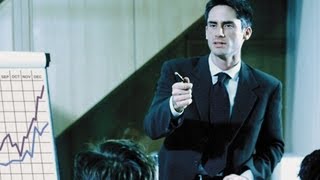
TJ Walker advises starting a speech with an icebreaker that is engaging, relevant to the audience, and not clichéd. He warns against generic questions (e.g., "who wants to be richer/thinner/better looking?") and demonstrates a concrete, low-tech approach: brief personal interaction with several audience members (asking names and goals) to break the ice and make the opening relevant.
Chapters
More from TJ





The Breakout Cases - What Actually Caused Famous Speaking Career Breakthroughs | Ultamize

The Red Circle Sessions Finale - Build the Speaking Career You Came Here For | Ultamize

Two Stages, One Logo, Two Completely Different Realities - Main Stage vs Independent Events | Ult...

Pre-Reset - Why Repetition Builds Better Speaking Decisions | The Red Circle Sessions | Ultamize

Your Decision, Your Framework, and What Happens After - Build Your Speaking Career First | Ultamize

The Red Circle Sessions Trailer - The Speaking Career Truth Nobody on That Stage Will Tell You | ...

The Two-Minute Ultamize Reset - Your Platform, Your Audience, Your Voice | The Red Circle Sessions