Practicing for Clips and Recording Your First Response
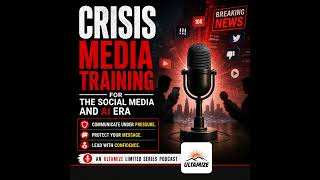
TJ Walker explains how to practice crisis communication by recording yourself responding to a fake emergency, then editing the clip down to 10-15 seconds. Review the footage as an audience member would to check if you sound trustworthy and clear. Repeat until you're comfortable with how you come across, so a real crisis doesn't catch you improvising.
Chapters
More from TJ





The Breakout Cases - What Actually Caused Famous Speaking Career Breakthroughs | Ultamize

The Red Circle Sessions Finale - Build the Speaking Career You Came Here For | Ultamize

Two Stages, One Logo, Two Completely Different Realities - Main Stage vs Independent Events | Ult...

Pre-Reset - Why Repetition Builds Better Speaking Decisions | The Red Circle Sessions | Ultamize

Your Decision, Your Framework, and What Happens After - Build Your Speaking Career First | Ultamize

The Red Circle Sessions Trailer - The Speaking Career Truth Nobody on That Stage Will Tell You | ...

The Two-Minute Ultamize Reset - Your Platform, Your Audience, Your Voice | The Red Circle Sessions