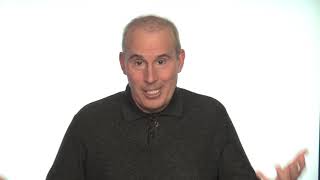
TJ Walker says rehearse on video until you like how you sound and look. Record yourself repeatedly, polish your sound bites, build real confidence before facing reporters. Don't wing it in the actual interview.
Chapters
I ask my clients this question all the time. If you're going to the fanciest black tie ball in your city, your town, fanciest event of the year, would you feel comfortable getting dressed in the dark, not looking in a mirror once, going into the ball, going into this castle or there's a luxury hotel and just asking a friend on the way in, hey, is my hair okay? Is my tie straight? Is my dress straight? Is my makeup straight? Would you feel comfortable with that? And as long as someone said, oh, yeah, it looks fine, most people say, well, no, tj, that would be nerve rack. It'd be crazy. I'd never do that. How do you prepare for a big fancy event? Or for that matter, just going to your office on a Monday morning if you're like most people. You get up, you look in a mirror, you get out of the shower, you look in a mirror, you get dressed, you look in a mirror, you shave or put on makeup, you look in a mirror. You go through many, many stages of dress review. After breakfast, you may look in a mirror. Before you leave, you want to make sure you don't have coffee on your shirt, as I sometimes do, or grape jelly spilled down. You want actual evidence that the way you've presented yourself to the world is how you want to come across. So by the time you walk into that ball on a Saturday evening or you walk into your office on a Monday morning, you're not worried that your hair is standing up funny or you have coffee stains on your collar because you already have evidence that you look the way you want. You looked in the mirror a whole bunch of times. All I'm suggesting when it comes to practice and rehearsal is you do the same thing with your speech, with your media messages, with the ideas you're going to be communicating in front of the TV camera or the reporter. And it's not about looking at words on a piece of paper or a computer screen, because that's not the final product. That's not what's going to get into the story. It's you. It's you speaking how you come across. So that's why it's essential that you see what you're putting out there. If you don't practice on video again and again to the point where you love what you see and you just wing it, or you're speaking for the first time in front of this reporter. You're essentially giving your first draft of your messages to the reporter and the world. The first drafts, what do they call that? They call it a rough draft. Why? Because it's rough. You want to do your sanding, your polishing before the interview takes place. And that's why you. You have to, I'm begging you, have to rehearse your interview on video, even if it's a newspaper interview, to make sure you love your messages and your sound bites. Do the practice again and again and again on video until you love what you see. That's the ultimate way of having true confidence for the actual interview. And that is how you practice and rehearse on video for media interviews.