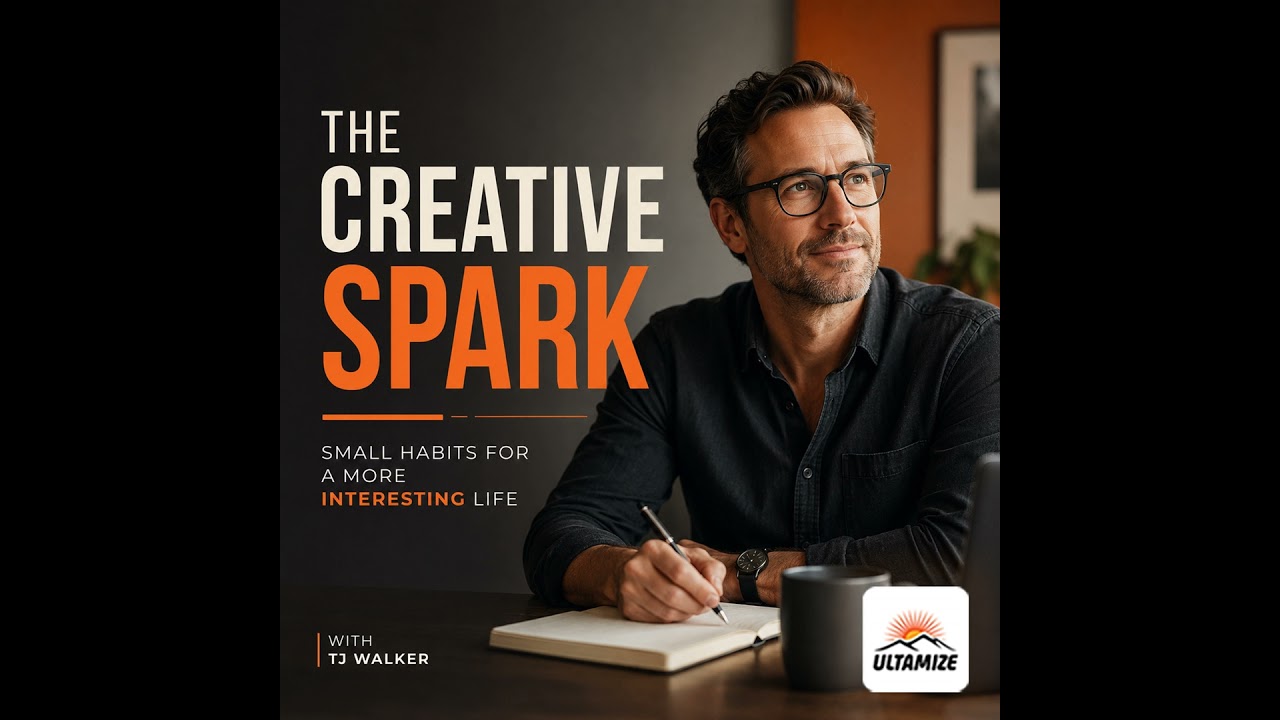
In this YouTube monologue, TJ Walker argues that most adults develop an automatic default of saying “no” to new invitations, which limits creative input. He explains that novelty is the raw material of creativity because it provides fresh ingredients—new insights, people, problems, and sensations—that the mind recombines. Walker proposes a simple practice: treat every new opportunity as a starting “yes” and let “no” earn its place with a concrete reason. He clarifies that this is not blanket approval; scams, burdensome obligations, or requests that generate resentment should still be declined. To illustrate the low‑cost nature of the approach, he offers examples such as trying a new racket sport like padel or inviting an unfamiliar person to a long‑standing dinner group. These actions require minimal time or money but create novel experiences that spark creative recombination. He notes that the habit of briefly being “bad” at something new is the price of growth, and that repeated practice makes it easier. Finally, Walker previews a follow‑up session that will distill the smallest possible creative act into a daily 5‑minute habit.
Chapters
Ultimize. There's a word that opens more creative doors than any tool, class, or piece of equipment ever built, and you already know how to say it. The word is yes. The problem is that somewhere in adulthood, most of us quietly switched our default setting to no. Not a dramatic no, a soft one. A maybe another time no. Eh, that's not really my thing. No. And each individual no seems perfectly reasonable. You're tired. It's a Tuesday. You don't know anybody there. But stack up a few years of reasonable little nos and you wake up inside a life that's been sanded down to the same 4 activities, the same 3 restaurants, and the same conversations with the same people about the same things. Here's what's actually happening underneath that pattern. Novelty is the raw material of creativity. New experiences hand your mind new ingredients— new insights, new people, new problems, new sensations— and your mind combines ingredients whether you ask it to or not. That's largely what creativity is— recombination. So a life with no new inputs is a kitchen with an empty pantry. You can be the most naturally imaginative person on your block, But if nothing new has entered your world since 2019, you're remixing the same 5 ideas on a loop. The default yes is how you restock. So here's the practice stated plainly: when a new experience knocks— an invitation, an offer, a chance to try something you haven't tried— your starting answer is yes. And no— the word no has to earn its way in With an actual reason. That's the reversal. Most of us run it the other way. No is automatic and yes has to fight through a committee. I'm asking you to flip the burden of truth. Now let me be equally direct about what this is not, because say yes more can curdle into terrible advice fast. This isn't yes to everything. It's not yes to the email from the stranger with an exciting opportunity involving your bank account. It's not yes to every request for your time, your money, or your weekend. It's not volunteering for the committee you dread out of guilt and calling that growth. Obligations you resent aren't creative fuel. They're just resentment with a schedule. The default yes applies to one category. Genuinely new experiences that might add something to your life. You still get standards. You're changing your posture, not surrendering your judgment. Let me show you where this pays off, because the opportunities are more ordinary than you might expect. Somebody at work mentions they play padel, a racket sport you've half heard of, and there's a spot open Thursday. Now, if you're like I am, you love pickleball. This isn't pickleball. The default no says stick with what you know. The default yes says you'll be terrible at something new for 90 minutes, laugh more than you have in a month, and come home with a story, perhaps. Or consider the dinner group you've eaten with for a decade. Wonderful people, zero surprises. The default yes looks like inviting one new person into that circle. A neighbor, a coworker, the couple you always talk to at the dog park and never see on purpose. One new person changes the chemistry of a whole table. New questions get asked, old stories get retold and become new again. Notice what every one of these moves cost— almost nothing. A free Thursday evening, an extra chair at dinner, The willingness to be a beginner in public, briefly. The last one is the real price, and it's the reason the default no feels so cozy. No protects you from ever looking new at things, but looking new at things is precisely the condition creativity lives in. Every creative act starts with somebody being briefly, visibly, cheerfully bad at something. A truth we established earlier, and one that gets easier Every time you practice. So this week, when the knock comes— and it will— notice your automatic answer forming and check which default it comes from. In the next session, we'll take the smallest possible version of a creative act and turn it into a daily habit. 5 minutes, $0, and no witnesses required.