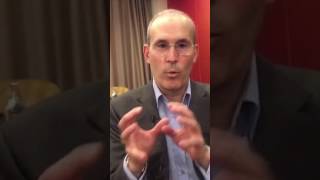
Live-streamed media-training session by TJ Walker in Bangkok for United Nations officials. Walker explains why he used a localized hypothetical case study for training (to make lessons transferable) and emphasizes the core skill: prepare and control your messages and sound bites (top three messages), because you cannot control reporters or their questions. The clip ends with a call-to-action to his Facebook page for more media/public-speaking help.
Chapters
Hi, I'm TJ Walker coming to you live from Bangkok. I'm conducting a media training here with a number of officials with the United nations. And we're now during lunchtime, doing a live Facebook update and a demonstration. So I'm now taking questions from the people here in the room. Let's hear some of the questions. Mr. Walker, you have given us the case study insinuating that Thongs are the countries which are deporting refugees. Why didn't you take an example from Europe like Bungali? So why, for the purpose of the media training, did I use an example that was specific to your area? I guess I tried to make it localized and as specific as possible. Are you saying it was the opposite? Of course. How could you make it localized? We are in Thailand and that has nothing to do with Thailand. It gives the impression it's Uzbekistan, it's Tajikistan, it's Pakistan. Well, it's a fictional country for the hypothetical. And here's the thing when it comes to learning with the media is if you can do it for one particular story and one particular issue, you can do it for any issue. So when I'm doing a media training, I try to create a hypothetical that is as relevant as possible, people, but something where it's not 100% realistic to what they're doing at that moment so they can see how it could be projected in other issues in the future. But when it comes to dealing with issues, as long as you go through the process of brainstorming on messages, narrowing it down to your top three, brainstorming on sound bites, coming up with your best ones, and getting comfortable with it, you then have a skill that will transfer to any other media issue, and that's really what it's about. Any other questions that relate to media training? What's more important, the question or your message? What is more important, the question or the message? I'm a big believer that the least important part of this whole process, the questions, why is that? Is it because I want you to dodge questions? No, it's because we have zero control over the questions. What you have control over is this your own mouth. So that's why I believe you should focus on your messages, your answers, your sound bites. Because reporters, they have a mind of their own. They could be in a good mood, a bad mood, be smart, dumb, lazy, hard working. We can't control the report or the questions. The good news is you don't have to control the questions. You have to control the. Your answers. I find it's never the questions that get us in trouble. It's our answers that get us into trouble. Thanks for joining me today. I'm TJ Walker. For any of your questions or issues dealing with media training or public speaking training, please come to this page everyday. Facebook.com tjwalkerspeaktoinfluence.