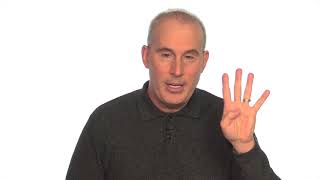
TJ Walker argues that how you react to mistakes during presentations matters more than the mistakes themselves. When speakers show embarrassment or apologize, that reaction becomes what the audience remembers. Staying composed and moving forward keeps the error from defining your talk.
Chapters
The biggest moment for a lot of people when it comes to their body language in the workplace is when they screw up. Now, we're all human beings. We all make mistakes, and it's natural to be embarrassed. The problem is, if you're giving any sort of speech, presentation, talk, a briefing, and the people don't really know you that much and you're going through serious business matters, that look of that awkwardness, that embarrassment, it becomes the most emotional moment of the whole talk, the whole presentation, their whole time. When they're experiencing you, it becomes the most memorable part. That's a problem. Now, it may generate sympathy, but that's not the main emotion we want to be getting out of our co workers, colleagues and clients. We want them focused on how we can help them, work with them, be an asset to them. So I want to give you some tips. For example, in the last video, I messed up. I screwed up. You may remember or you may not. I went to grab my earpiece to make a point. I couldn't find it. I looked around, it was on the floor. I bent down and I picked it up. So I made a mistake. Hey, I human. But here's what I didn't do. I didn't go, oh, my gosh, where it is, oh, I'm so sorry I didn't stop and spotlight it. In my experience, it's never the mistakes people make in business presentations, meetings, talks, briefings, it's their reaction to their mistakes. That's what gets people into trouble and unfortunately can even destroy careers. Those of you who follow United States politics may remember there was a time a couple of political seasons ago when the governor of Texas was running for president, and he, at the time, was the frontrunner. He was asked a question, what government agencies would he cut? And he said, I will cut the following four agencies. I will cut the Department of Energy, the Department of Commerce, the Environmental Protection Agency, and the. Ah, Ah. Ooh, ah. Oops. That completely solidified everyone's impression of him. It destroyed his political campaign. He went from number one to dead last. And I would submit to you it wasn't because he forgot something. It was his body language. It was his voice. It was the sense of, oh, I feel so awful, so embarrassed. You caught me. I feel like a fool. It was such a powerful moment that it became the most memorable thing anyone could remember about him. And that was the big problem. Now, contrast. Four years later, there was another politician from Texas running a senator. He said, if I am elected president, I will eliminate the following four government agencies. And he listed three of them and he repeated one. But he didn't act embarrassed, he didn't act bothered. He just kept on going. And he said it like he said the best answer ever. No one even noticed. He only mentioned three instead of four until a day or two later. By that time, no one had formed any negative impressions based on that answer. It did not hurt his campaign at all. And he ended up coming in not first place, but he did get second place. So that campaign performance didn't hurt him at all. So the real lesson here is not that we have to be on all the time and be perfect. It's certainly not that you can never make a mistake. The body language lesson, though, is if you're giving a speech, a presentation, a talk, and it's not people you work with every single day and you're really close with in the workplace, if you make a mistake, if you forget something, don't beat yourself up in front of the public, don't act embarrassed, don't start apologizing. Just do what I did. You need a couple of seconds, Pick up what you need, keep going. Most of the time, no one will remember. If they do remember, it's not the dominant memory. So remember, it's not your mistakes that get you into trouble. It's typically your body language, your vocal change, reactions to your mistake, showing embarrassment, learn to control that and your mistakes really won't cut against you.