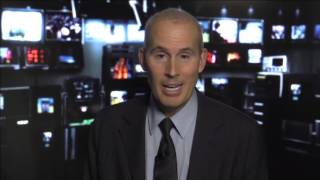
TJ Walker discusses how to prepare for presentations that take the form of a journalist-led on-stage interview at conferences. He advises speakers to focus on the audience and the most interesting ideas, prepare examples/stories/case studies, draft likely questions as an outline, politely touch base with the journalist (without asking for their questions), and be ready to present effectively even if the interviewer is unavailable. The segment closes with contact information and a link to a free presentation course.
Chapters
So what is the best way to prepare for a presentation you're giving? When the presentation is that you are being interviewed by a journalist on stage in front of other attendees at a conference. So here's the situation, folks. A lot of major technology conferences, financial conferences, and other industries have dispensed with inviting CEOs to come give a prepared presentation, formal presentation, behind a lectern, because they found they were just too boring. And yet these are people who are widely accomplished, who are of interest to an audience. What's the solution? Well, what a lot of groups are now doing is they hire a journalist or they get a journalist to interview the person they're seated and it's a conversation. Now, I have mixed thoughts on this. To me, it sort of lets bad speakers off the hook. Now they don't have to prepare and it makes it a lot easier for them to be interesting. If you are a speaker, you should get to the point where you don't care if anyone's interviewing you or not. You're going to be great. You're going to be interesting regardless. Now, if you are invited to speak at one of these forums and you're told a journalist will will be interviewing you, a couple of things you need to do and not do. Because I have clients call me about this from time to time. Their initial reaction is to think, how can I influence the journalist? How can I get to the journalist? How can I find out what questions are going to be asked? No, no, no, no. That is a waste of time. That is not where your focus should be. Your focus should be really thinking about, based on this journalist's background organization, based on the people who are going to be in attendance, what ideas do you have that are going to be the most interesting to these people? That should be your focus. And guess what? That's no different than how you should have prepared. If you are giving a speech, a standard speech or presentation, you need to think about the ideas that are most important to you and then bring them to life through examples, through stories, through case studies. The reason that organizers are using this format is most people, if they're asked a question, they're certainly not going to be reading. They're not going to have their head buried in a PowerPoint slot, and they will go right into examples. They will be more conversational. Well, guess what? There's nothing you do in answering a journalist that you can't do when you're giving a speech. In fact, my advice to many clients who have really boring, awful speech is let's Tear up the speech and let's just sit down and write out the 10 most obvious questions you think someone would ask you from the audience if they could sit down and talk to you one on one. And that will be the format, that will be the outline of your speech. If you are preparing for a speech that is a sit down conversation with a journalist, I'd recommend a couple of things. For starters, unless you think it's really inappropriate, send an email or a call or a text to the journalist and say, hey, I'm really looking forward to the time we're going to spend together. I want to make it as interesting as possible for the audience and for you. Have any other particular topics you want me to bone up on? That's not the same thing as asking the reporter. Send me your questions in advance. Reporters don't like to do that. A lot of times they don't know what the questions are yet. They haven't thought about it. But by being collegial, by reaching out to them and just saying you're looking forward to sharing the stage with them, it's not seen as threatening and it's not seen as coercive or manipulative. The reporter wants to share certain they may say, yeah, I'm really excited about this new app that your company is going to be releasing in a month. Well then, you know that's something to be prepared to discuss. Regardless, you need to go into it with a plan. You need to go into it really thinking about what ideas do you have that are the most interesting to this journalist and to the audience and what examples and case studies do you have to bring it along? Do that and you will be in great shape. But don't ask for organizations to supply you with a journalist or reporter. You need to get to the point where you're great. Regardless if that journalist gets sick or cancels. You need to be able to just get up, speak, command the audience, be interesting and memorable for whatever time you're given. Good luck with that. If you have more questions on that topic, please send me your questions. You can always send questions to infoediatrainingworldwide.com you can post them here on this forum, whether you're watching this, YouTube, Facebook or elsewhere. And if you have other questions about presentations, speaking to live audiences or the media, post them here. Or email me at infoediatrainingworldwide.com if you would like a free no obligation course on how to be a presenter, all you have to do is go to my website. You can click below for the link to get the free video based online presentation course or just go to mediatrainingworldwide.com Thanks.