TJ WALKER - THE HABIT INFLUENCER - Personal Development | LIVE STREAM
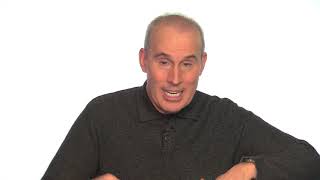
This excerpt is from a TJ Walker live-stream about personal development and effective communication. In this segment he gives practical advice for giving seated briefings: maintain an upright posture, lean slightly forward, avoid resting hands on the table while speaking (gesture instead), keep eye contact with the listener rather than focusing on materials, and practice the briefing on video beforehand.
Chapters
More from TJ





The Breakout Cases - What Actually Caused Famous Speaking Career Breakthroughs | Ultamize

The Red Circle Sessions Finale - Build the Speaking Career You Came Here For | Ultamize

Two Stages, One Logo, Two Completely Different Realities - Main Stage vs Independent Events | Ult...

Pre-Reset - Why Repetition Builds Better Speaking Decisions | The Red Circle Sessions | Ultamize

Your Decision, Your Framework, and What Happens After - Build Your Speaking Career First | Ultamize

The Red Circle Sessions Trailer - The Speaking Career Truth Nobody on That Stage Will Tell You | ...

The Two-Minute Ultamize Reset - Your Platform, Your Audience, Your Voice | The Red Circle Sessions