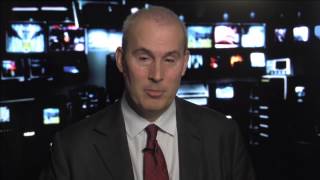
Short live-stream segment by TJ Walker (The Habit Influencer) analyzing a PR incident involving Congressman Aaron Schock's office resembling 'Downton Abbey.' Walker outlines the reporter's actions, the communications director's counterproductive response, legal/ethical issues about accepting donated interior design, and recommends tactics (offer alternative stories; off-the-record discussions) for crisis communication.
Chapters
PR Blunder of the week goes to the office of Congressman Aaron Schock. So here's what happened. A Washington Post reporter went into the office of Congressman Aaron Schock and noticed that it looked just like Downton Abbey. Now, if you've never been to a typical member of Congress's office in Washington D.C. they're a little bit drab and plain. I mean, there's nice wooden walls, but they're a bit plain. I've worked in a couple of them and been in many of them. They all kind of look alike. Apparently this particular office looks really fancy, like straight out of Downton Abbey. So the reporter came in, looked at it, was impressed, started taking pictures, but here's what went wrong. The Director of communications for the Congressman basically said, oh no, you can't do that. You're going to cause us a crisis. You really can't take this picture. Why do you want to do this? Why do you want to create a CR that you're not being fair. Congressman hasn't even seen the office. Well, this of course basically guaranteed that the Washington Post reporter had to do a story. Anytime you are a director of communications, a PR person, a flac, and you're telling a reporter, don't do this story, it's going to create a crisis. You're virtually guaranteeing that that is going to be the story, especially if you're a member of Congress. Now it's one thing if you're a tiny non profit and there's some tiny little problem, then it really could snuff you out of existence. But when you have the resources and the power and the prestige of being a member of Congress, you can't tell the reporter, don't do that story, or you better not do that story. You're just going to whet the reporter's appetite to, to do more. Now, the Director of communications claimed the member of Congress had never seen the office. Not quite sure how that happens, but let's take him at his word for it. Here's the underlying issue though. The congressional office is saying, hey, no tax money was used here. It was all donated by an interior decorator, a constituent. The problem is that's not necessarily legal either. As a member of Congress, you can't take highly valuable, expensive services as a donation from anybody because it creates the appearance of conflict of interest. It creates the impression that you now owe that person a big favor, possibly using government office. So that doesn't get the person off the hook. What's my recommendation if all of a sudden the reporter is there and you see something that is really, really, really embarrassing to you. My recommendation is try to create or give that reporter a more interesting story. Give them something more interesting to cover so they're less likely to talk about. Now, this is one area where I would actually talk to a reporter off the record. I would say to the reporter, hey, I'm happy to talk to you on the record. Can we speak off the record a moment? And then I might say, hey, congressman has been gone for a month, traveling, hasn't even seen this. I'm asking you, can you please wait till the congressman has seen it? Doesn't mean the story won't still come out. But most reporters most of the time will respect an off the record discussion as long as you're also on the record and you're being fair and honest with them. You still don't say anything off the record that would destroy you if it were quoted. But that can be used sometimes. You can talk a reporter away from a particular issue, especially if you give them something more interesting. I do remember 10 years ago I was being interviewed by Comedy Central for a bit and they started going down a line of questioning about a client of mine where I had some of their paraphernalia on the wall after the interview. And I didn't say anything awful. But after the interview, I said to the reporter, I'm begging you, that particular client is so fussy about media image. If anyone is ever seen talking about them, they're basically fired, excommunicated. I'll never get any more business. You're really going to call. Cost me a tremendous amount of money, and it's not really essential to the story. I said that off the record, and it turned out the reporter who interviewed me then just didn't use any of that footage. And it worked out. So. Doesn't work out all the time, but it can. I'm TJ Walker. If you'd like to rehearse and get ready for your own crisis communication situations, please call us at Mediatraining Worldwide, 212-764-4955.