Unleashing Desdemona's Secrets to Mastering Communication Skills
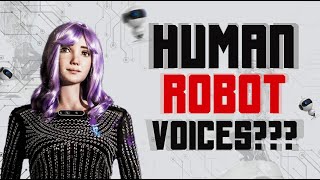
TJ Walker (host) analyzes a series of recent media clips to teach communication skills. The video opens by testing a new UK AI voice called "Desdemona," noting its advances but arguing it still lacks human micro-variations (inflection, timing, emotional emphasis) and raising misuse concerns. Walker then reviews multiple newsmakers' interviews—Mary Barra (GM) on labor negotiations, Cruise CEO (Kyle Vogt) interviewed by Jim Cramer in a self-driving car, Bryan Cranston on actors/writers strikes, Drew Barrymore's apology, and Sandra Douglas Morgan (Las Vegas Raiders)—highlighting body language, pacing, message choices, and specific improvement strategies for high-stakes media appearances.
Chapters
Can artificial intelligence fool humans? Can a robotic voice now sound like your brother, your sister, your family member? We will find out. We'll take a look at the most recent admission into this race for AI voice supremacy. This is coming out of Great Britain. This was showed earlier in the last 24 hours on the BBC. A new robot, Desdemona. Let's listen. Hi there. I'm doing great.
Just learning and exploring the world around me. How about you?
I'm good, thank you. Okay, so initial reactions. It's clearly not bad. It's much, much better than say, the artificial intelligence robotic voices used in 1960s science fiction shows or even 1990s and major airports where you would hear things like, attention passengers, mind the gap. You must not get caught by the closing door. It doesn't sound like that. So it's a huge advance, but it doesn't yet sound human. Let's go back and listen to a few of these seconds here and really parse things. Hi there, I'm doing great. Hi there, I'm doing great. There's some inflection. It's not completely flat word, flat word, flat word. But it's still too consistent in terms of speed, in terms of pausing between words, and in terms of inflection. What makes human speech sound like human speech is that there are constant changes every millisecond, volumes change, pausing changes, emphasis changes, and the emotional feel to each word comes out differently. We're not hearing that yet. I don't think we're that far off. It is in advance and this can work extremely well if you're just trying to convey one factual sentence. This is why you see so many corporations using AI voice tools for their voicemail and their websites. For short, simple bits of information, it can work well. But as far as convincing one human being they're talking to another human, I'm not sure where. Well, I am sure we're not there yet. Let's listen more. And oops, I clicked the wrong thing. Sorry about that. One second. Let's get.
Time was a big rectangle. It was a storage corner.
By the way, this guy, he's not the point of what we're talking about today. So let's go back into. They were misleading speaking, pre prepared answers and giving the impression that we're. So let's listen again. Another revolution.
However, it's definitely an exciting time to be alive.
Are you alive? It's definitely an exciting time to be alive. Yeah, it doesn't sound completely canned and robotic and yet it doesn't sound like a human Being either, because there's no excitement in the word excitement. A human being would say, it's definitely an exciting time to be alive. A human would more likely give more volume, more punch to the word definitely and the word exciting and possibly alive. The tones are coming out all the same. And, and that's really the problem why it doesn't sound conversational yet. I'll be monitoring this because it is scary. Certainly there is the fear some people have and some people who know a lot about artificial intelligence is a robotic voice could convince you that you are your own. Your own. Your spouse. Your spouse could say, hey, you've got to get down to the school. Our child is being attacked. They see you fleeing the house, and then the robber goes in knowing there's no one going to be in the house for the next hour. So there's all sorts of possibilities for corruption. Or a spouse could call and say, hey, I forgot my banking code information or my passwords. Can you give that to me again? And you give all the information because you think you're talking to a real human voice, so it's something to be monitored. We'll look at these AI voices as they come up. Hi, I'm TJ Walker. Thanks for joining me today. This is the show where we look at the top communicators of the day. Typically, all of these videos have played either within the last 24 hours or in case of a Monday, within the last major news cycle of Friday. We look at top newsmakers to dissect their speech, their body language, their messages, how they're moving, how they're coming across to learn lessons for the rest of us, how we can communicate more effectively, whether we're going on a job interview or pitching our product on a podcast. So let's take a look at the next newsmaker. This is Mary Barra, who is the CEO of General Motors. They're going through some contentious labor issues, as all or as all are, as are all of the American car manufacturers right now. Let's see. What I just did is a perfect example of what AI doesn't do. Well, everybody, no matter how articulate, stumbles over a word, occasionally repeats a word, occasionally uses a verbal tic. So I predict that the AI voice applications will start to mimic that, and that will really make them sound more human.
Let's take a look who is speaking to us about the latest developments on the strike today. Thank you.
So right away, I'm not comfortable with the facial expressions. And again, for those of you new to this program, I judge Men and women, people of any orientation, equally. And I give the same advice typically, which is, if you're going into an interview and you know it's going to be tough, possibly a crisis, possibly high tension, you don't want a completely blank look on your face because it makes you not look stereotypical of any particular gender. It just makes you look less confident, less comfortable, less relaxed, less happy to be there. I recommend a slight smile on your face. Not something that looks like you're happy. It's not happy to talk about people being unemployed or out of a job or a factory being shut down, but a slight smile. You'll simply look more comfortable, more confident, relaxed.
So much for being here. GM and the union could not come to an agreement before the middle. Before the midnight deadline.
The lips are just too pursed together a little bit. Again, not a gigantic toothy smile, but just a slightly open lip smile or even a nod. More of a thank you. Let's see where she goes.
Why is that? Well, I think that's a question you probably need to ask the UAW because.
So she's asking what happened to the negotiations breaking down. And the first response from the CEO is, don't ask me. Ask the union over here why they walked away. It struck me as petty as literally finger pointing and as kind of dodging the question. It was a very easy question to say, I'm happy we were able to talk late in the night and I look forward to our next round of negotiations so we can all get back to work. Would have been positive. It wouldn't have seemed like she's deflecting. It wouldn't have seemed like she was dodging. So I did not think that was a good answer at all because we.
Have a very compelling offer on the table. I'm very frustrated because I think we had an offer that resonates with our people. It's a history.
She's speaking a little quickly and it's making her seem a little tense, slightly nervous. I'm very frustrated that we haven't come to. I'm very frustrated that we haven't come together yet. Slowing down, especially using words of emotion, will make her seem more believable, more credible, more sincere by rushing it. The parts where she's talking about I'm feeling very frustrated doesn't make it sound like she's frustrated. It makes it sound like she is regurgitating message point. Now, there's nothing wrong with message points. I, like a lot of communications consultants, coach people like this. And she's not my client on how to communicate during contentious interviews and come up with message points, but you've got to deliver them the right way. So now let's listen to her messaging. She's at. She's trying to talk about the good things they're offering the employees.
Historic offer. Gross wage increases of 20% that compound to 21%.
Gross wage increases of 20% that compound to21%. That sounds to me like something that was written by a lawyer or the cfo. That does not sound like the way a human being talks. First of all, yeah, people do understand the gross number on their paycheck, but she's really splitting hairs. 20% that compounds to 21%. What does that even mean? Sure, you can figure it out and it's not that complicated, but when you're on a national TV interview to be splitting hairs of the GROSS, this and 20, but it's really 21%, why not just say we're offering 20% pay increases, which is a lot more than most Americans have received in the last year. Something like that would have made her sound much more believable, more likable.
Maintaining world class health care. There's several aspects as well. But I think one thing that's most important is job security. And you know, we're in an incredibly exciting time in this.
So I actually think she's doing well here. Her hands are moving, her face is more expressive. Now she's saying we live in incredibly exciting times. And her body motion, her hands, her face and her voice are all expressing that. And what does happen to a lot of people? The very first question, you haven't started, you're kind of going from a cold start and that can make anyone uncomfortable. Now she's warmed up, but it would have been a lot better if she'd started this way.
Industry right now as we make the transformation from internal combustion engine vehicles to electric vehicles.
So that works from combustion engine to electrical, the transition. So her body language, her hand motions are in sync. And now her speaking speed is just ever so slightly slower in part because her hands and body are moving. So they've synced up and she's coming across better.
And General Motors is well poised. We have a pipeline coming. And so when we look at that.
So now you can actually see there's a slight smile on her face. She looks relaxed and comfortable. But stay tuned. There's some tough questions coming.
And we look at how this could, you know, delay that. It's at a critical juncture. So we have a deal that I.
Think is very it's at a critical juncture. That's just excessively fancy wordage. Why not just say this is an important time or even this is a critical time. Juncture is not a word that people use when they're on the factory line. I don't mean to sound condescending, but it's not a word I use in normal conversation. It sounds like something that was written out and memorized.
Very important. That proposal sits at the table. Our team is ready to be at the table again. They're waiting and we need to get back.
She's just speaking to quickly and it's undercutting her. It makes her sound less than confident and less likable.
The UAW leadership to get back to the table, get these issues resolved so we can get people back to work. The UAW also struck again, but over.
Overall, her message is very solid. I think that is about the best CEO of a major car company can say at a moment like this. Let's see where we go with the next question.
GM in 2019. So two strikes in four years. What do you think you're getting wrong? Well, I think we each of those are very different. And I think, you know, 19 hit its whole set of issues very different, but take a long time to go through all of that, to wait.
Horrible, horrible answer. Way too complicated. She's trying to answer literally and she's getting tied up. It's too complicated to explain. Anytime you have to say that, you're already losing in a live media interview or this may have been recorded, but still knowing that a lot of it was going out. Horrible, horrible answer. The reporter is saying, you had a strike several years ago and now you have another strike. What are you doing wrong? The real key when you're a CEO in a hot spot like this is you need to rewrite the question and give yourself an easier question. Don't let the reporter plant all the seeds of all the premises that you're supposed to buy into, because I suspect she really doesn't think they've done everything wrong in the last three, four years. So what she should have done is rewrite the question in her mind, not saying out loud, but in her mind saying, so tell us about the last three years since the last strike. Well, that's all of a sudden an easy question. Now, she could have said, the last three years have been tremendously successful for the workers and the shareholders and our customers. We've seen record profits. She could have instantly spun it in a positive way, but in a way that didn't seem like she was completely dodging the question. Let's again, her answer here was truly dreadful because it was complex. It was complicated. Telling the reporter basically it was a dumb question because it's too complex. Not a good way. She got tangled into knots.
But if you look at where we are right now, we understand here's where.
She should have started. If you look at where we are now versus the past, things are great.
And the world has changed. And that's why we put a historic offer on the table with the increases. I think our manufacturing team is the best on the field.
The way they manage saying positive things about the team is great through the.
COVID situation and continue to build cars, trucks and crossover the way that we managed and they moved with us as we went through the semiconductor shortage. And still the supply challenges that we see today, they're very resilient. And I, you know, I want to recognize them because our manufacturing team along with the engineering team.
So all of this is perfectly fine.
Number one in JD Power quality. So we have a very talented team. We put a historic offer on the table. And so that's why I'm so disappointed and frustrated the union.
So now she actually sounded a little more disappointed and frustrated. One of her key message points is this is the biggest pay raise ever offered. I do think that that if she's trying to connect with with her owners of cars or customers around the country, that that could resonate because it's hard to feel like a company as being. And I'm not getting into the weeds of who's right or who's wrong here. I'm simply analyzing this from a communication standpoint. It does sound as a basic general message during labor negotiations. To be able to say this is the biggest pay increase ever offered does sound like that would be appealing to people who simply may reflexively take the side of the labor union or want what's best for everyone. It's a positive message point. I think she's burying it with over.
Complexity is demanding asking for a 40% wage increase over four, four years. Here's where it gets in part because they say CEOs like yourself leading the big three are making those kind of pay increases. Over the course of the last four years, you've seen a 34% pay increase in your salary. You make almost $30 million. Why should your workers not?
So the good thing she's doing here, she's A lot of times if someone is asked, you know, you make all this money, you make $30 million a year, they do something like this, kids. I can't believe that you went there. So she didn't do anything to show displeasure, because you'll notice the camera did cut right to her when the question was asked and the amount. And she didn't look uncomfortable. I wouldn't mind a little bit more of a smile, but at least she didn't grimace. She didn't have a nervous sort of glance sideways like, get me the heck out of here to her staff. So she handled that part well.
Get the same type of pay increases that you're getting leading the company. Well, if you look at compensation, my compensation, 92% of it, is based on performance of the company. I think one of the strong aspects of.
So she's saying she didn't just get huge increases randomly because the company went well. Doesn't really the answer to the question though, because if the company did better and she gets 34%, why isn't everyone getting 34% here? This is always a tricky issue when you're a CEO and you get paid a lot more. There's no one perfect answer. The main thing is you don't want to look uncomfortable, you don't want to look nervous, you don't want to feel like, oh, they got me. I really am greedy. And she passed that test. But I think she would have been a lot better off saying, my first job, I got minimum wage of $2.23, whatever it was. And when I'd been working for 10 years, I was still making something that creates a little sympathy for people. Seeing how she went on her path, she wasn't always making $30 million a year would have been better. Let's see where she goes.
The way our compensation for our represented employees is designed is not only are we putting a 20% increase on the table, we have profit sharing. So when the company does well, everyone does well.
I think that she should just focus on that and say, yes, I have been treated very nicely. And I also think that we're being very fair to our employees, giving them a 20% increase. How many other people in other industries are getting a 20% increase and we're giving them profit shares? Just saying it like that. Sometimes you can diffuse the issue by essentially agreeing. Except, yes, I am compensated very nicely. But I also feel really good that we are compensating our employees nicely, giving them a 20%. Now, time out. One moment. For those of you who think maybe I'm just. I'm not working for GM and I'm not working for her, I'm not taking their side on. I'm simply analyzing this through a communications perspective. So I'm TJ Walker. Thanks for joining me. If you're just joining us live, feel free to leave a comment in the comments section or what do you like, not like, about how the leaders, the newsmakers are communicating. We're not here into political debates, but we are analyzing how they're communicating, how they're answering questions, their body language and whether their messages are resonating and are landing. So if you have any comments on that, please feel free. If you're watching this on demand later, feel free to leave your comments too. And if you yourself feel like you may be in the hot seat and you want to improve, then feel free to connect with us. I'll post the link below in the Description the high stakespresenter.com if you go there, you'll learn more about our coaching program where my colleague Jess Topfield and I coach executives on how to communicate effectively whether they're giving speeches or talking to the news media. So you may want to check that out. And also if you're getting any value out of this, please like the video. Subscribe Sign up for Notifications let's go to the Next CEO this was a recent interview about automated cars on cnbc. Let me pull this up for us. We'll take a look. This was the CEO of Cruise which is a self driving car manufacturer and the interview was on Jim Cramer's Mad Money.
Let me a very free discussion. Now we're obviously mic up so I.
Give credit to the corporate communications department of Cruise CEO. They either came up with the idea of doing the interview in the self driving car or they agreed to it if the producers of CNBC asked for that. But anytime you can do an interview out of the studio and you're actually demonstrating your product or demonstrating your cause, it generally comes across much, much better. So they're in a car right now driving. They're both in the back seat of the car. So the interview is going on while there's an actual now this is obviously risky because of the self driving car just stops in the middle of a busy highway. It would be a disaster. So there's risk. Let's see where they go.
This is for tv, but I've had free discussions with people in a cab of which the other the one person is not signed an NDA. One person is free to listen. One person is able to say I had Jim Cramer in my cab. Let me tell you what he's really like, which is maybe the Biggest setback to my career if it goes viral on Twitter.
And by the way, this is Jim Cramer, well known financial news commentator, talk show host, been around for decades. I'm not a regular watcher, but he's certainly a captivating communicator. Sounds to me like he either has a cold or he has been yelling for so long, he's done serious damage to his vocal cord. His voice sounds horrible. But that's an aside. Let's see where the CEO goes from here.
Well, you're, you're a public figure, right? But there are people talking about their breakups.
They're, they're like M and A transactions.
Legal cases in the backseat with someone listening two feet away. And we have.
So this CEO, Kyle Vogt is coming across really comfortable. He's completely conversational. He's relaxed, he's ignoring the camera, as you should there. He's talking to a human being, the host next to him, and he's moving his hands, he's moving his face, he's moving his head. He's in his environment, he's giving specific examples. He's not using technical jargon. Really coming across quite well.
We don't know anything whether that person's, by the way, I had a car last night.
What I also like is he's smiling, he looks like he's having a good time. He's on a joyride. Good for him.
11:30 at night. And the first thing I thought of was what's the guy been doing for the last few hours? Yeah, did he have a pop or.
Is he, is he taking notes afterwards? You know, so is he taking notes after? Very important there. It's obvious that the CEO is clearly listening to Jim Cramer. He's listening to the host, he's listening to the journalist. Very important because too many CEOs go into an interview, they, and they ask their staff, prepare all the questions for me and prepare all the answers. And they think it's just kind of a conveyor belt where they're asked a question, they give their preplanned answer. This guy is clearly listening to the host and responding in a conversational, likable way.
Now tell me we are in some area that it knows. Yeah. Yep. Because you plugged in the route if they're hidden.
So this one, not everyone is the CEO of a self driving car company. So I realize you can't do this all the time or even most of the time, but that's a tremendous visual to accompany what you're doing for an interview to see the car steering Wheel steering by itself. And you might not have something that dramatic, but sometimes a prop is going to be so much better than simply more facts or a PowerPoint slide. Whether you're giving a speech or doing.
A media interview, been a lot of traffic. Whether you've been able to pivot, it will try to deviate from heavy traffic. It's got real time rerouting. If it sees a problem, is it like the equivalent of Waze? We have AVs running all over the city. We have a lot of data.
I also think it's very nice the way he's so casually dressed. He's the CEO of a substantial company, but he looks more like just an average worker, perhaps an average tech worker who has a choice between getting into a regular Uber versus a self driving car. Car. And he didn't try to match the host. Wearing a suit and tie, he came across a little more casually. So all in all, very, very promising stuff. Very good. Solid interview from the selection. We graded. Next up, let's look at a well known TV veteran, Bryan Cranston, who is in the news this time as a supporter for the actors and writers. A lot of strikes going on in America right now and he is showing solidarity with the Screen Actors Guild and the Writing Guild going on with the strike at Hollywood. Let's see how he's doing. This is from a live appearance on CNN. Now to discuss his two time Tony and six time Emmy award winning actor. See, this is what I'm talking about. He has a little bit of a smile on his face. He's not like hahaha, there are, they're all striking and I'm rich. He's not looking gleeful or gloating, but it's not a complete blank look on his face and it makes him look happy to be there and comfortable and confident. Bryan Cranston, a friend of the show, I think it's fair to say. Brian, thanks for joining us. And he's called a friend. And he smiles a little by the way. When you hear a host this little inside information. When you hear a host say it's a friend of the show, what it really means is it's the host friend and the host either likes them or they have a personal relationship or they've gone out for lunch. That's all that really means. Yes. Are you encouraged at all that major studios are set to resume talks with the Writers Guild? And where do talks stand with SAG after the Actors Guild? And do actors want a seat at that table? Oh, we certainly do. Thanks for Having me. Jake, good to see you again. The writers have been out for almost around, so he certainly comes across as genuine here and thanking the host, being sincere, not rushed. He sounds comfortable. He is sort of looking down a lot more than I generally recommend or like. It would be more authentic to just look at the camera. A few more ums, he gets warmed up. Now this even for a veteran actor and someone who's done thousands of promotional interviews as he does, there's quite often this kind of startup time at the beginning of an interview where people are a little bit rough. Let's go a little further on and see how he comes across and to come back to the table. And thus far they have refused to accept that invitation. We try not to be pessimistic about that. Our sister union Writers Guild of America, they are going back apparently next week. And it's hopeful. I mean anytime it's hopeful, you can feel the hope in his voice. So once he hit hopeful, the voice changed, the volume changed, the pitch changed, the angle of his face, the angle of his eyes. So he was communicating with a lot more than just his words there and with just his voice. Everything was in sync. The words, the voice, the head movement, the eye expressions. So a lot of good stuff going across there. But this is not his main medium. He's not a talk show host, he's an actor. And when you're acting, everything is lined up and you can do 10 takes. This is all live. It's a completely different beast time you're actually sitting at the table. Something can happen. If you're not great, something can happen. He's actually moving in a seat now. He's not doing anything really distracting and getting out of frame. But there's clear movement. Anything can happen. He came up, he leaned forward, his face became more expressive. So he's very, very expressive here and it's coming across well. So I would give this overall performance a B. He's a great wildly successful actor, a thousand million times more successful than I am. So I skip these grades not from the all knowing expert looking down on them, but from my specific expertise as a communications coach who helps prepare not only actors, but CEOs, politicians, consultants prepare for media interviews and speeches. I give this a very, very solid B because he is so expressive. Where I take off a few points is the looking around, the looking down, as if he were maybe looking for a script. Although he doesn't sound scripted. I take points off for that and a few more ums and us than really you would expect. But Overall, he seems comfortable, confident, very solid performance. Drew Barrymore, an actor who has been living in front of the public since she was about 5 years old, from a very well known acting family in the United States. Generations of famous actors came under fire this week because she announced she was going to bring back her talk show even though there's a strike going on. So she announced she was coming back and now she's announced that she's not coming back because she received so much criticism from members participating in the actors strike and the screen, the screenwriters strike. So let's listen to her apology.
I deeply apologize to writers.
I deeply apologize. To unions.
I deeply apologize.
So she seems sincere. I'm not a mind reader. All we can do is judge someone based on what they're saying, how they're saying it, how they sound, how they look. She seems genuinely contrite. Again, I'm not going to get into the politics of the strike and whether she should have started and shouldn't have. We're here just to look at the communications skills used and for an apology, this truly seems heartfelt. Now, she is an actor, but a lot of actors, when they're criticized for something, they come out and read a script and sound like their own lawyer. She sounds genuinely contrite. Let's listen more. Apologize. A tearful Drew Barrymore issue. So. And it was, it looked like she just did it on her phone. She's not worried about looking glamorous, looking great. So overall, an extraordinarily powerful, powerful apology. Now, whether this will make everything right, I don't know. But this, the Screen Actors Guild, the writers still did get what they want. They wanted her to be in solidarity with them of not going back into production until the strike was resolved and there was an amicable resolution. So they got what they wanted. And I think that she did come across as someone truly sorry, contrite and asking for forgiveness. So anytime someone says something wrong and they've then done the thing you want them to do and they've expressed genuine, sincere apology, it's pretty hard for that crisis to continue to grow, for that to continue to harm their reputation if no major violent crimes were committed. So I think that she'll weather this storm quite nicely and there will be no lasting damage to her career because that was, that was a good way of managing it so quickly because she had just made the decision to go back a day or two earlier. So it did not fester for a long time. Finally, someone in the news you might not be as familiar with. I Had not heard of her before because I'm not a huge American football fan, but this is a woman who is the first female black and Asian, and this is how she identifies herself. President of a major league football team. This is a, an industry that is, as you would imagine, heavily male dominated. Let's see how she comes across in a major feature profile interview the president.
Of the Las Vegas Raiders. Sandra, it's an honor to have you.
Join the now that's a smile. She looks comfortable to be there. She's happy to be there. Now, this is not a contentious issue, so I'm not saying she that Mary Barra, during negotiations with unions, has to look this happy, but this is a great way to start an interview. Smile, looking happy to be here. And. And again, her name is Sandra Douglas Morgan and this is her second year in the NFL and she's getting a lot of positive praise for her ability to communicate effectively the desires and needs of the team and the industry show this morning.
You've pointed out in other media that your black and Korean heritage may have helped put you in the spotlight, but it's your workout show.
Perfect eye contact, looks comfortable side of.
Sports that also is key to bringing diversity to the Raiders for front office. Talk a little bit more about that.
Yeah.
Thank you for having me, Katie. You know, the, the Raiders have had such a rich and diverse history with respect to leadership, whether it be with coaches and general managers.
And so everything is just comfortable, conversational, relaxed, maintaining the eye contact, maintaining the pleasant smile on the face. Completely fluid, doesn't sound, can sounds like she's being conversational, not speaking too quickly. Volume, good, pace, good. Speed, good.
And now with presidents as well. And so I'm really proud to be a part of an organization that actually invested and believed in diversity and equity and inclusion before it was something that it was even discussed more or it.
Was something even discussed. So notice how she's hitting certain words. That's what people do when they're comfortable and confident and she's doing it quite nicely. And we were talking about this before, it was a big thing. So her head is moving, her face is moving. She's occasionally glancing away, but every so often, overall, her eye contact is fantastic. She seems fluid, conversational, completely comfortable and is handling this part of the interview perfectly. That's all the time we have for today. I'm TJ Walker. Thanks for joining. If you like this, let me know because we may do this on a daily basis, dissecting top newsmakers, their speeches, their interviews, their public pronouncements so that we can all learn how to be better communicators. Figuring out what's right so that we can do more of it. Figuring out what they're doing wrong so we can do less of it. If you do want to become better yourself, if you have upcoming media interviews or speeches, then check out the high stakes presenter.com it's listed in the description below. And take a look at that and you'll find more about our coaching programs to help you come across your very best. Thanks again. If you got any value out of this, please like the video, subscribe to it, sign up for notifications and share this video and please come back tomorrow. Thanks.
More from TJ





The Breakout Cases - What Actually Caused Famous Speaking Career Breakthroughs | Ultamize

The Red Circle Sessions Finale - Build the Speaking Career You Came Here For | Ultamize

Two Stages, One Logo, Two Completely Different Realities - Main Stage vs Independent Events | Ult...

Pre-Reset - Why Repetition Builds Better Speaking Decisions | The Red Circle Sessions | Ultamize

Your Decision, Your Framework, and What Happens After - Build Your Speaking Career First | Ultamize

The Red Circle Sessions Trailer - The Speaking Career Truth Nobody on That Stage Will Tell You | ...

The Two-Minute Ultamize Reset - Your Platform, Your Audience, Your Voice | The Red Circle Sessions