Tom Augenthaler breaks influencer marketing into three types: paid posts across hundreds of influencers, one-off event coverage that creates "peaks and valleys," and long-term partnerships where brands co-create evergreen content like e-books. The strategic approach is where the real value lives.
Chapters
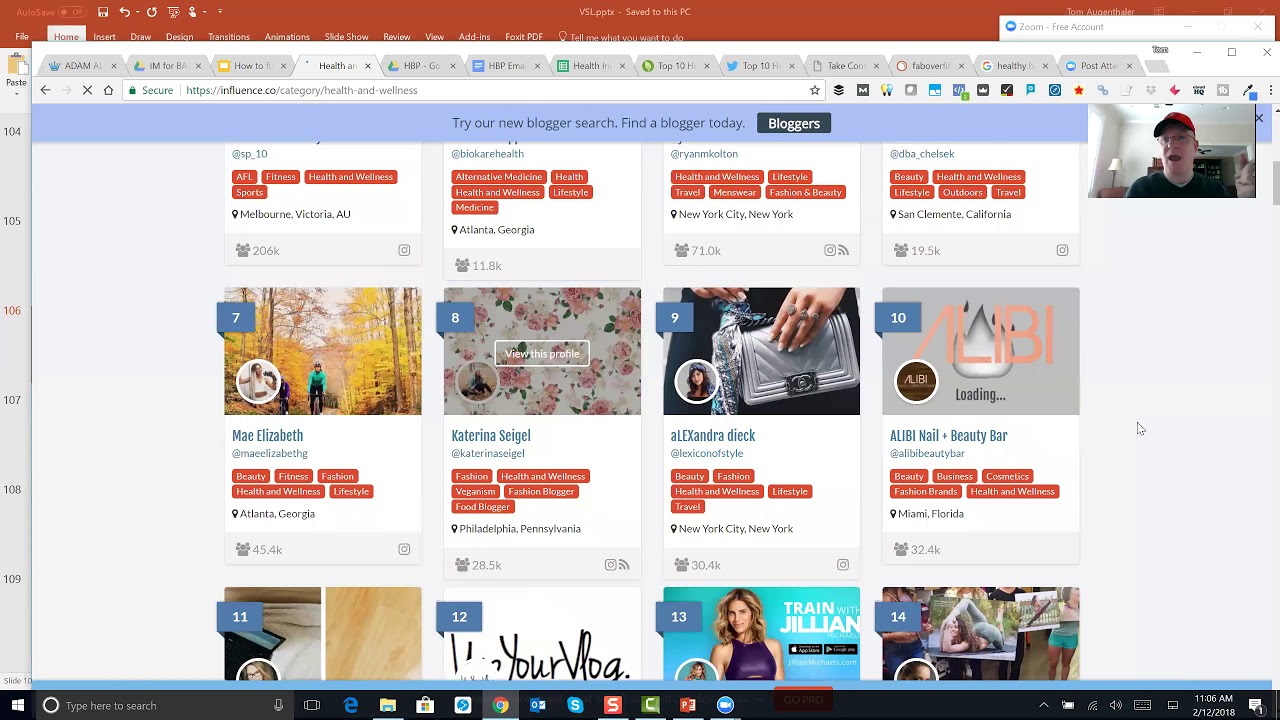
Hey everybody, welcome to episode 2 of Influence Unpacked. Today I want to just talk to you guys a little bit about the 3 main activities that comprise influencer marketing, and it's a big umbrella, the term, and And I think that a lot of things get sort of dumped into it and it can be a little confusing to sort of sort out. The most important thing to understand is like there are really 3 main activities. The first is influencer advertising or media buys. This is what you see so often on, you know, being done by consumer brands. Big media buys, hundreds, sometimes even several hundred influencers at a time. Being contacted and contracted to post content about the brand, the product, whatever it happens to be. This is what a lot of the platforms, the influencer platforms, are built around. Many of them center on Instagram and YouTube, and the other platforms are sort of subsidiary or secondary to those. The second activity is influencer relations, and influencer relations is really about Contacting influencers when you need them, but on the basis of an event, whether that's a virtual event or a physical event. I've done a lot of influencer relations myself. It's very effective, but it's really best when it's tied into a larger strategy so that the episodic content that's produced isn't standalone. And unfortunately, that's what seems to happen with so many Marketers, when they're using influencer relations, they'll invite the influencers to an event. They'll schedule some things for them to do, hopefully. Sometimes I've heard horror stories about influencers being invited to an event and then there being really no activities and they didn't really have anybody to interact with there. That sort of baffles me as to why anybody would do that, but evidently it does happen. But anyway, influencers are invited to an event. They cover it. Hopefully they're covering your company, the products you're announcing there, maybe some services, whatever it happens to be. Maybe you're having them sit down with some executives to meet one-on-one, things like that. But it's very episodic, like I said. So it's, it's about the event, boom, after the event maybe some content comes out, but shortly thereafter, and then it's flatline, you're in a valley again. So it's like peaks, valleys in terms of content. And then the final activity is really influencer marketing as I like to think of it and I think a lot of my peers like to think of it. And that is when you're really working with influencers on a strategic level and integrating them into your entire marketing plan and working with them to co-create content. So you're co-creating content together. And that could take many forms. Maybe you're doing an ebook, maybe you're doing a series of webinars or whatever it happens to be. But the content is being co-produced by the two of you, the brand and the influencer. And that really is where the secret sauce is at. That's where the magic is at. That's where really, really great things happen when you build relationships with influencers like that and then you can co-create content with them because that content can be evergreen content. It could be content that's meant for a short period of time to live and breathe. But whatever way you want to do it, It opens up many possibilities because the influencers then will give you ideas about maybe how the program could be better developed or the campaign could be better developed, or even give you fresh ideas you hadn't even thought of. So anyway, I hope this helps and stay in touch. Let me know what you think in the comments and talk to you soon.